Mediterranea Inferno spins a searing and surreal yarn in post-COVID Italy
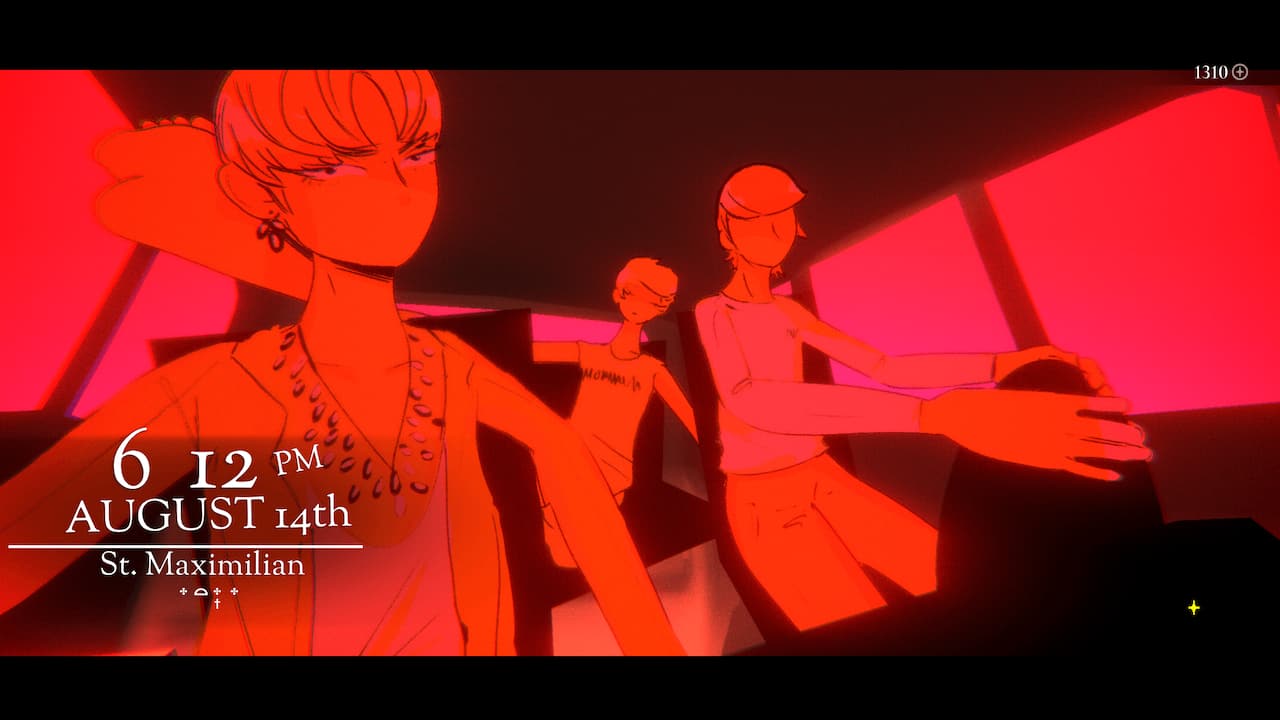
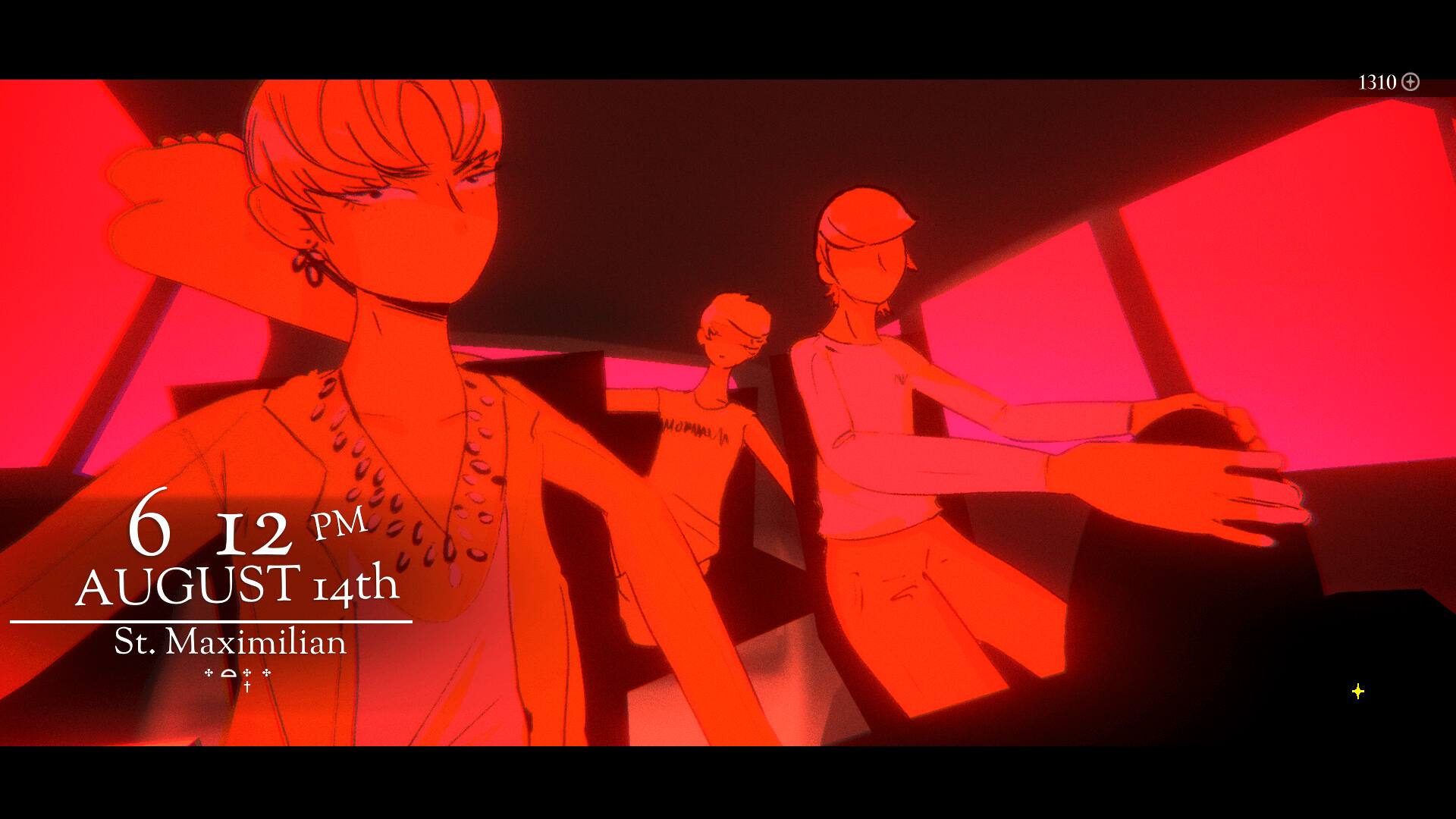
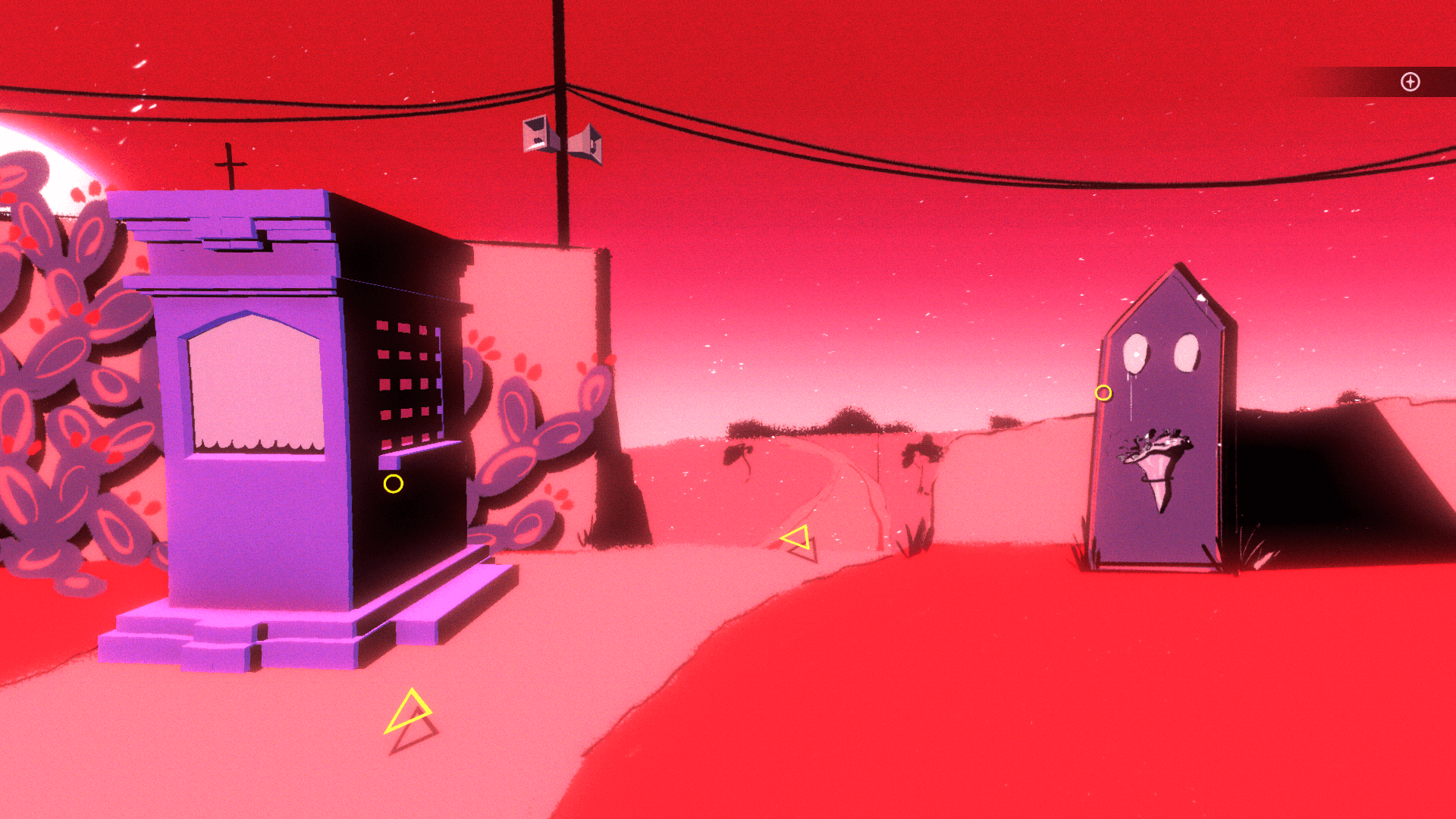
It’s hard to look at award-winning indie Mediterranea Inferno and not be struck by the colors. Every scene is limited to a few dominant hues, bold and mesmerizing—a radioactive yellow over the architecture, a dominant blue for visions beneath a swimming pool, a reddish-pink over the summery Italian landscape that looks as if the whole world has a wicked sunburn.
“Those are psychological colors,” developer Lorenzo Redaelli explains over email. “They represent reality as the characters perceive it according to their mental state—and reality itself, in turn, is shaped by their vision.”
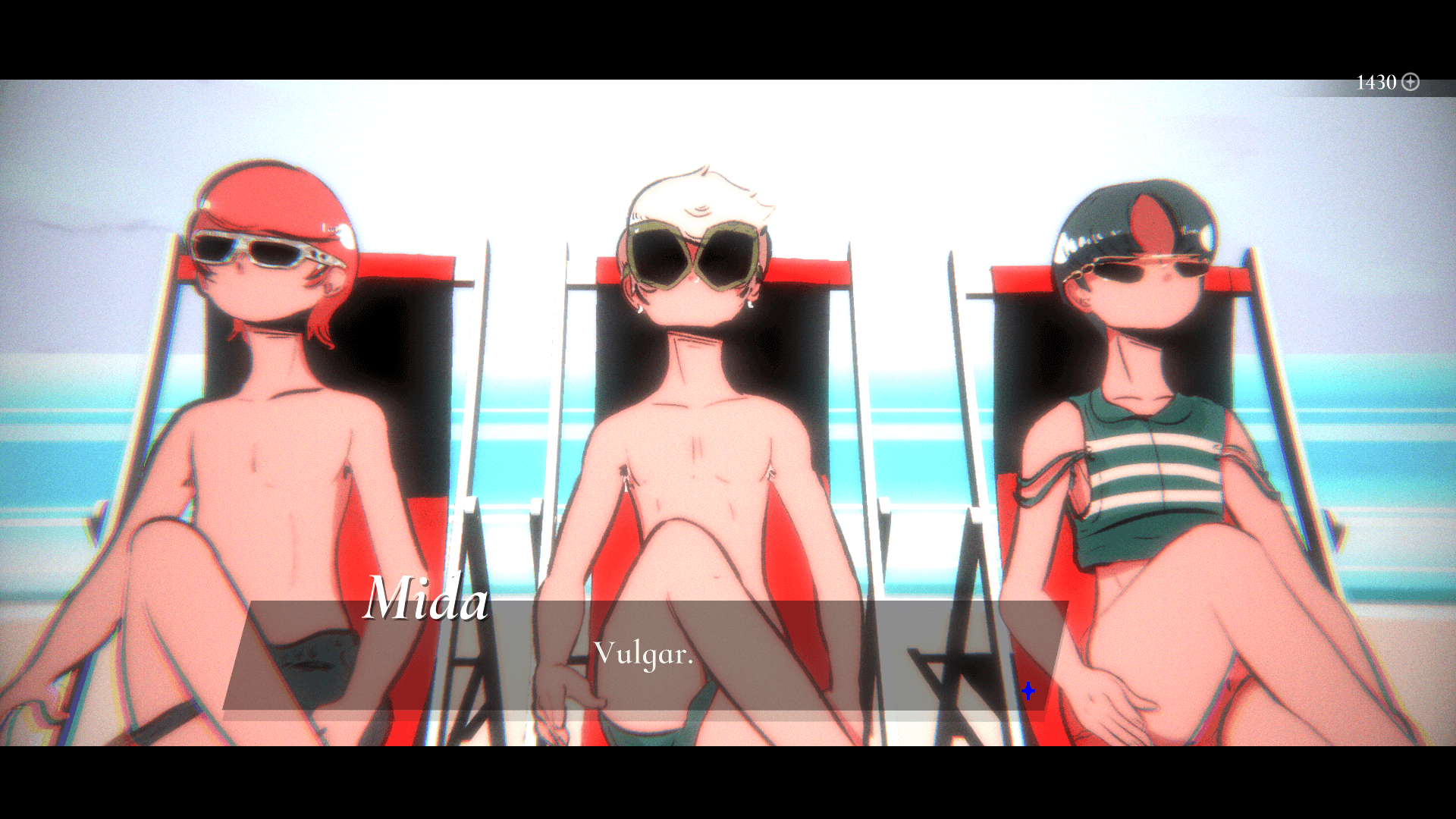
There are three such characters, all gay men in their 20s: haughty Claudio, icy Mida, and flamboyant Andrea. They vacation together in the picturesque Italian region of Puglia, reconnecting for the first time after COVID forcibly untangled them from each other and the queer clubbing scene in Milano.
Even pre-pandemic, the trio’s relationship was complex—a snarl of sublimated desires and resentments and envy. Now, with competing objectives to shift the trio’s balance of power or simply to return to the world as it was and reclaim time lost to isolation, their dynamic is positively volatile. A fire hazard.
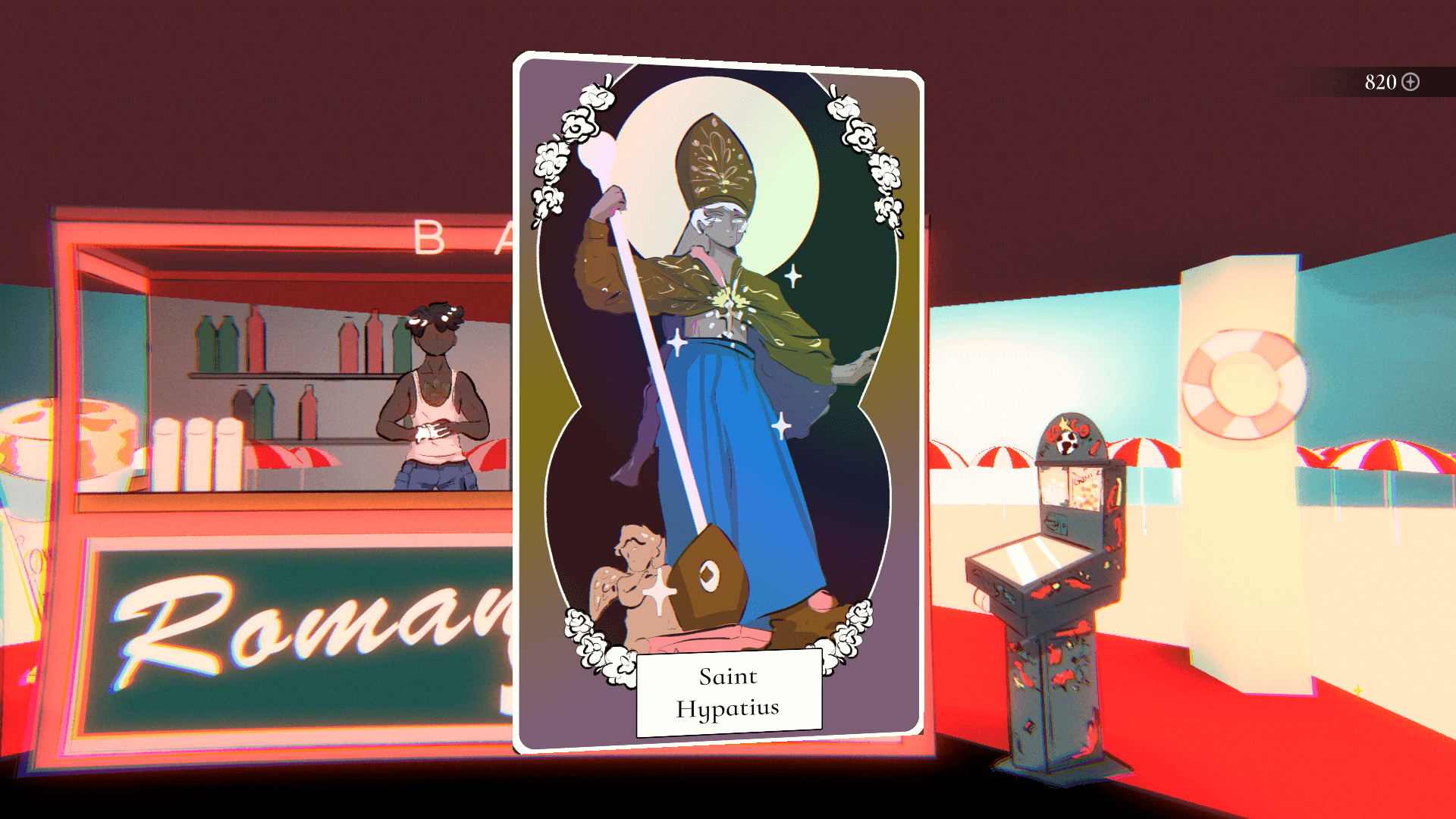
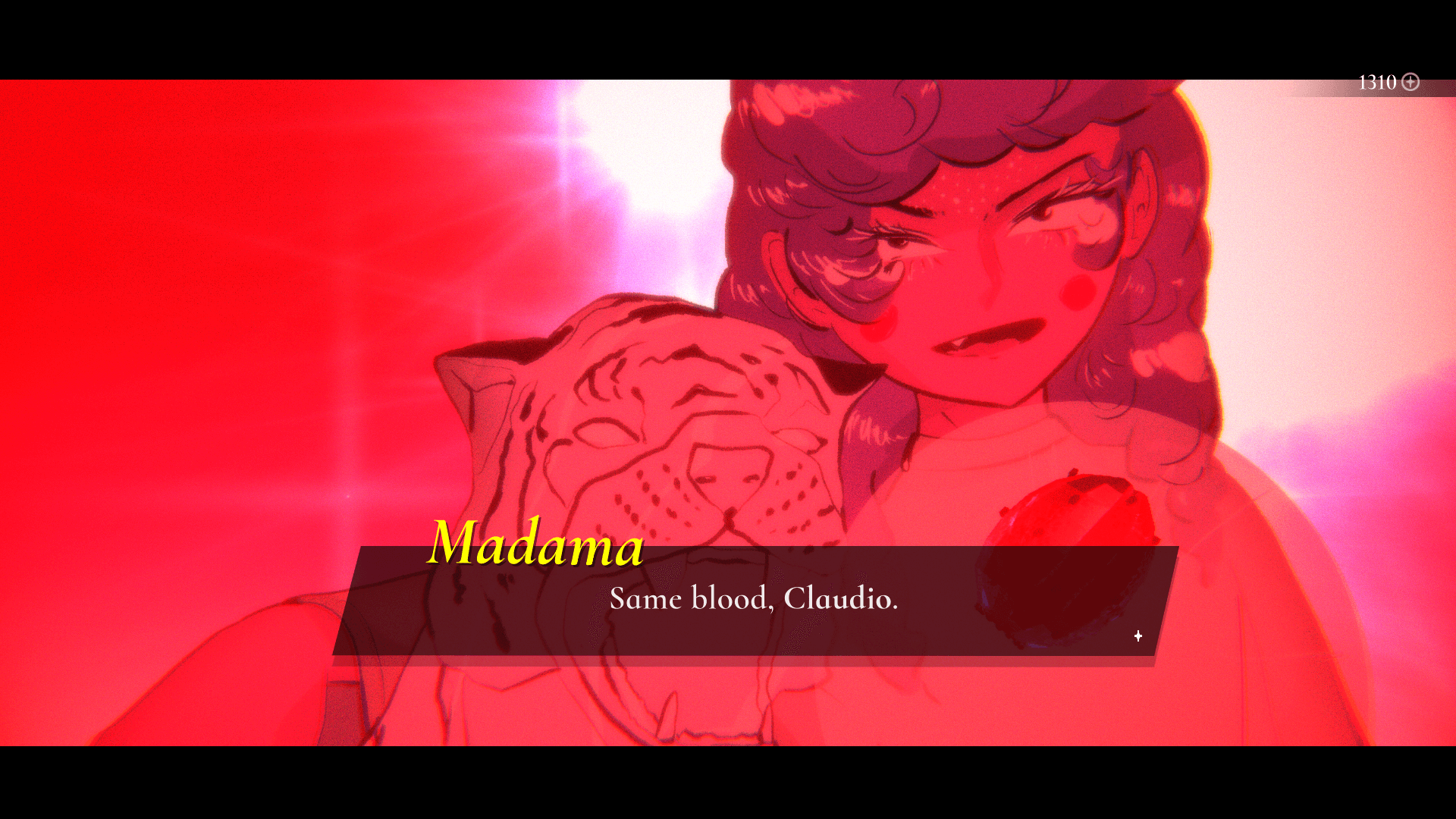
Arriving into this scenario like a lit match is the mysterious Madama, a supernatural figure who promises the boys fantastical visions of their innermost desires through her “Fruit of Mirages.” The catch is that there’s not enough to go around. Players shape the story, choosing who gets included and who gets excluded.
It’s a fateful summer, to say the least, collapsing the real and the imagined into vibrant art. Redaelli likens the hazy, ethereal style of Mediterranea Inferno to “that visual sensation you get in summer when you’re lying with your eyes closed, and when you open them again, the colors seem to explode—so much that they almost hurt your head.” So acute as to seem unreal, and right on the verge of tipping over into pain. This is a horror story, after all.
For the Puglia setting, Redaelli drew from childhood memories of summer vacations. “I would isolate myself and draw a lot of what surrounded me,” he remembers. “The landscape had only three colors: the red of the clay soil of the Valle d’Itria, the white of the lime-covered buildings, and the black of the silhouetted olive trees against the light.”
His interest in video games also has its roots in childhood habits, and in his affinity for creating miniature realities even before he had the digital tools to do so. “My favorite pastime was building little paper theaters out of cardboard boxes,” he explains. “I would draw and cut out all the characters, design 3D pop-up sets, pick the right music from the CDs we had at home, and then put on these little shows for my sister.”
Before fully committing to game development, Redaelli was interested in becoming a film director. But he found games a better fit for his skillset, and a more enriching outlet. In addition to the game design of Mediterranea Inferno, he was also responsible for the music, writing, and the visuals, which depict Puglia through a mixture of 2D illustration, 3D renderings, and live-action footage.
“I still carry this strong inner impulse to frame stories through visual and multimedia compositions,” he says, “and with my games, I’m simply continuing that imprint—of course, in a more mature and technically refined way. Video games, to me, are the ultimate form of multimedia art right now, far more than cinema. There’s still so much to explore.”
Mediterranea Inferno is actually Redaelli’s second game after 2020’s Milky Way Prince – The Vampire Star, and it’s easy enough to draw a line from one game to the other. Milky Way Prince – The Vampire Star uses the same dominant colors as Mediterranea Inferno, but rather than a sweltering summer, it evokes a fairy tale—a gentle and idealized contrast to the toxic relationship that develops. It’s also built on repeating imagery: a constellation of sensual interaction points, a recurring view of a cityscape out the window.
For Mediterranea Inferno, the Madama’s mirages all start the same way: a bite into the fruit, a declaration that “this is the path of love,” an agreement to her terms, and a black screen where the word “mirage” appears in triplicate.
“What I find most interesting about repetition is the expectation it creates for players,” Redaelli says. “In both of these games, I needed to craft a hypnotic atmosphere, with a narrative rhythm strongly marked by recurring elements. This way, players could immerse themselves in a system of paradigms—almost sacred ones—that I could then reshape at will into disappointments, subversions, shifts in perspective, plot twists, and so on.”
The mirage startup sequence is warped later in the game, an unsettling mirror for images that grew comforting in their familiarity. Likewise, the cityscape changes in Milky Way Prince, becoming ominous as celestial bodies swallow up more and more of the reddened sky.
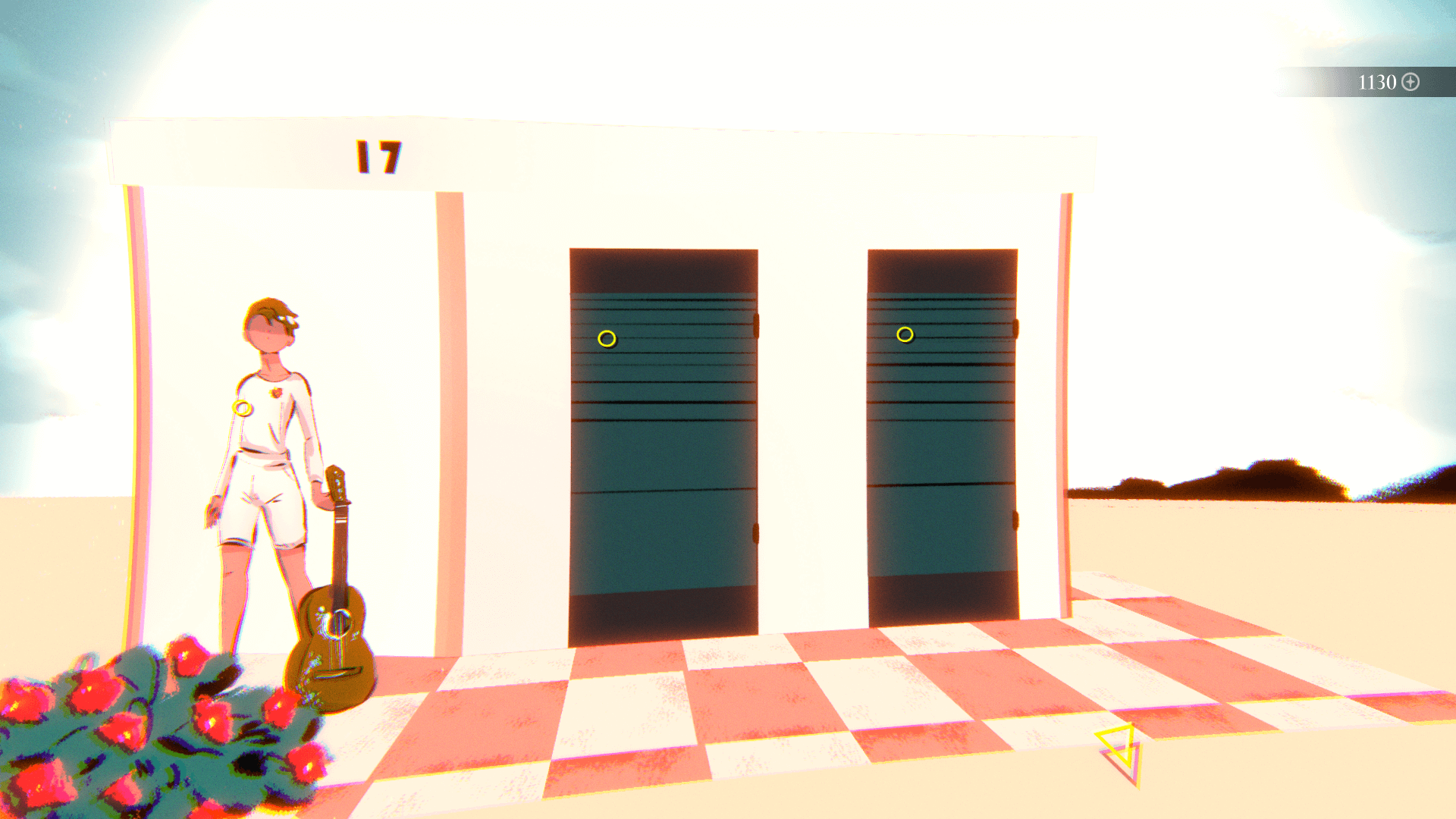
For Redaelli, though, Milky Way Prince is very much a first game. “I had no technical skills back then,” he says, “so I tried to keep everything as simple as possible. That’s why the interaction is very direct, both with your character and with their interlocutors, through two main modes of communication: verbal and sensual/physical.”
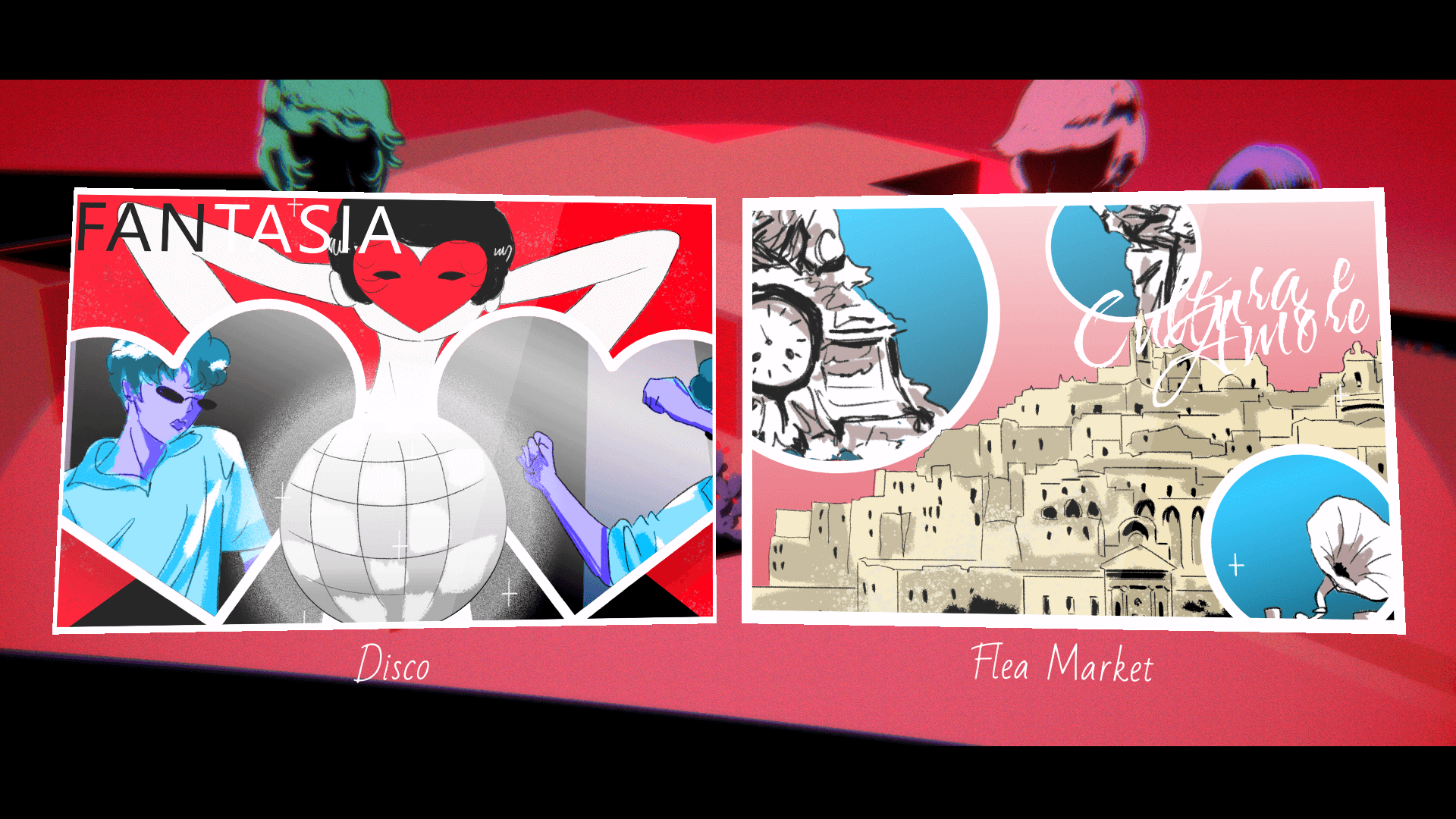
Mediterranea Inferno, by contrast, takes a more experimental, hands-off approach where the player chooses activities for the trio as a whole. Andrea wants to cruise the beach, but Mida prefers to stay at home by the pool. Depending on which outing you select, the characters react differently according to the situation in which they’re placed, with one inevitably feeling slighted and left out.
“The element that has remained unchanged between the two works, and that I believe I’ll carry with me into all my future projects, is my obsession with creating not ‘artificial intelligences’ but ‘artificial psychologies,’” Redaelli explains. “My philosophy is that there is never a 1:1 identification between player and character. In my games, the player is more like a pilot who controls a character with a well-defined psychology, rather than using them like a ventriloquist’s puppet. They can only guide them, but must also confront the character’s mental state.”
Beyond selecting where the characters go, there are further decisions to be made about where to spend currency that will (or will not) allow you to buy the Madama’s next mirage. But the player’s choices are less defining the characters than serving as an outgrowth of their previously defined personalities. In some cases, there are dialogue options that the characters think about but will not express aloud, or actions that—whether out of pride or desperation—they can’t bring themselves to refuse.
“This creates an interesting dialogue between the player and the character, which in my opinion is much more immersive—because you feel the responsibility of another life in your hands,” Redaelli says, “but at the same time, you are forced to confront what you would do and who you really are.”
The story unfolds against the backdrop of a classic Italian summer, often romanticized in film and literature. For Mediterranea Inferno it becomes a flashpoint, though—a reckoning that’s only accentuated by the emotional turmoil of COVID isolation.
“I had already started writing Mediterranea Inferno [when COVID happened]. In the very first draft, the characters had simply drifted apart after the last night of clubbing,” Redaelli notes. “The lockdown years became a perfect narrative excuse for their separation.”
By incorporating elements of humor, nonsense, and camp, Mediterranea Inferno provided Redaelli with a broad canvas to build up to its dark climax. Through characters struggling to find their way in a changed world, he comments on the country at large.
“Italy today is failing as a society and as a country, because we are all far too exhausted from endlessly chasing a bourgeois myth that we simply cannot afford, neither economically nor in terms of cultural wealth," said Redaelli. "For me, that bourgeois myth is perfectly embodied in the myth of the Italian summer—the desire to return to the economic boom of the 1960s, when families could afford to put life on hold.”
Everything about Mediterranea Inferno—the characters, the visions, the searing colors that make the heat feel so tangible—folds together into a concise and cohesive statement that’s not just highly specific to its setting, but also distinctly suited to games as a medium.
“The second thesis, perhaps more of a premonition, was that my generation is crushed under the weight of this nation’s past, and has become trapped in a perpetual state of self-indulgence,” Redaelli says. “I explored this spasmodic search for validation through the idea of a mirage—the oasis you see in the desert when you’re dying of heat.”
Mediterranea Inferno is available on the Epic Games Store.