News
The creepiest corners of non-horror games
A
Ade Adeniji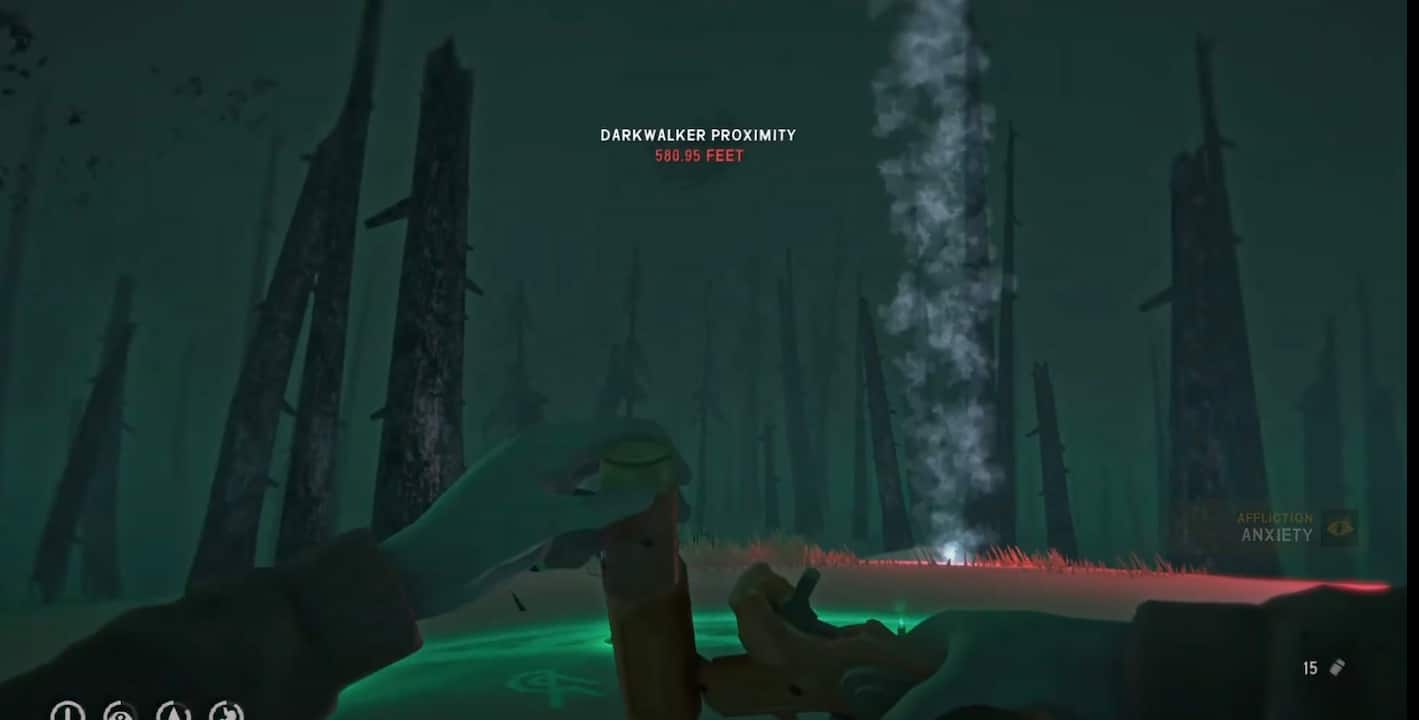
Take BioShock Infinite, where antihero Booker DeWitt stumbles upon the eerie Boys of Silence, an enemy that still delivers a jump scare even on your tenth playthrough. Or Red Dead Redemption 2, where the horror is quieter but no less haunting. Beyond the overt mayhem of the original game’s Undead Nightmare DLC, Red Dead 2 unsettles players with ominous sound design and intricate decay mechanics like human corpses that decompose over time. There’s patented Rockstar violence, yes, but it’s as much about the stillness and solitude that follows. And then there’s The Long Dark, a brutal survival game where you’re alone in the frozen Canadian tundra, fending off wolves, surviving disorienting blizzards, scavenging for food, and realizing that nature can be a monster in its own right.
So why do developers weave horror elements into games that aren’t horror at all? What do these unsettling moments bring to genres where scares aren’t the main draw? To explore the creepiest corners of non-horror gaming, EGS connected with several figures behind them, including longtime Rockstar writer Michael Unsworth, BioShock Infinite writer Joe Fielder, and Raphael van Lierop, founder of The Long Dark studio Hinterland.
BioShock Infinite: man versus machine
The BioShock series has always danced between the familiar and the uncanny. While the original leaned into shooter-horror territory, 2013's BioShock Infinite, with its retro-futuristic 1912 sky city, presents itself as something more heroic and adventurous. Yet some of its most memorable moments are pure dread.
Those moments often include Songbird, a part-machine, part-human sentinel created by Fink Manufacturing to imprison Elizabeth high above Columbia. With its thick leather head and single omen-like eye that cycles color depending on emotion, Songbird is both a monster and a tragic warden. Booker DeWitt often hears Songbird well before he sees it: a warped whistle echoing from above, metal claws scraping across floorboards, and the crash of wings through walls.
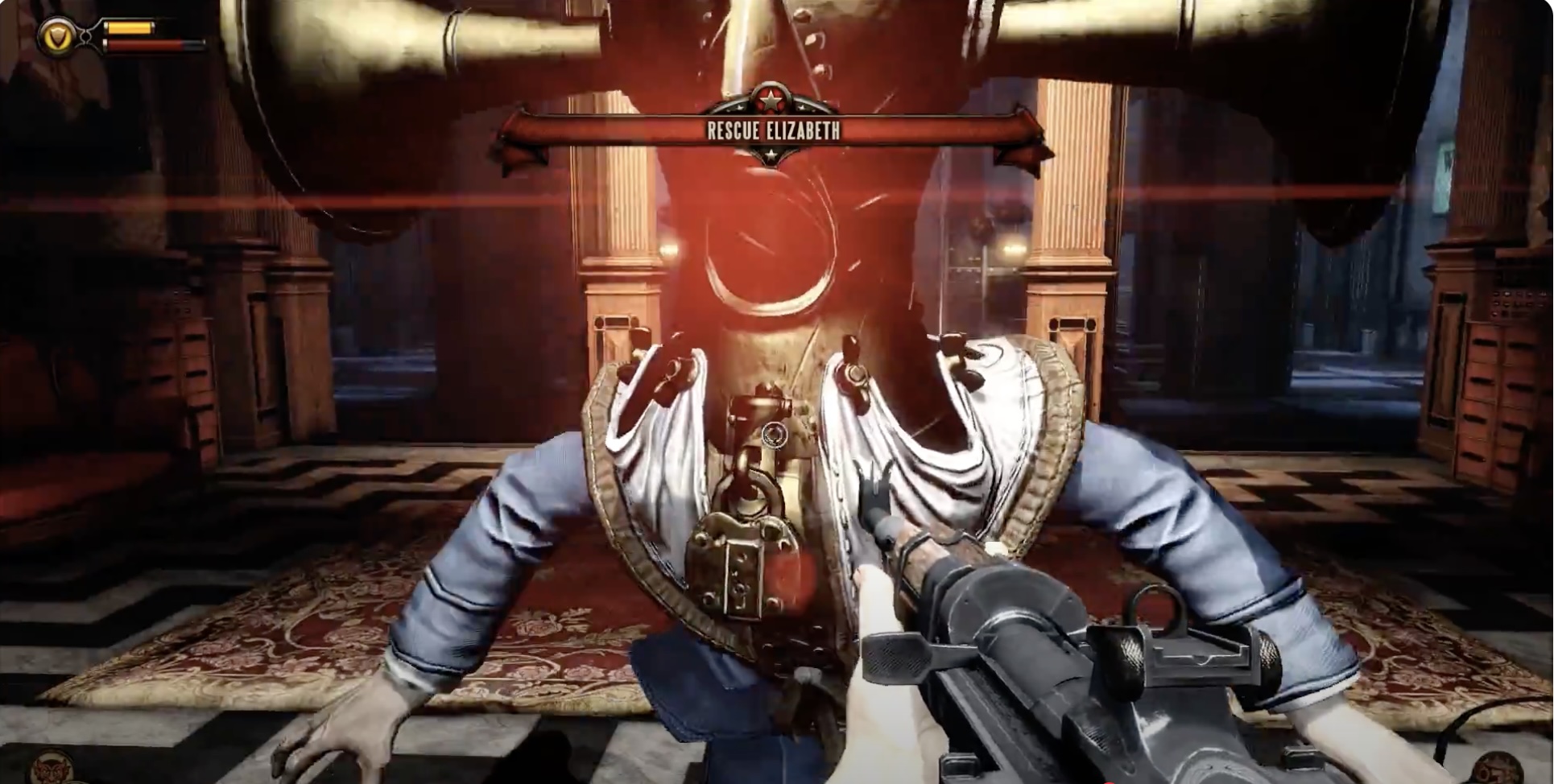
Songbird is one of several nightmare-adjacent creations by concept artist Robb Waters, whose designs thrive on preserving just enough humanity to make the inhuman unsettling. That ethos reaches its peak with the Boys of Silence, keepers of the Comstock House, the city’s reeducation asylum. The Boys of Silence appear in crisp blue uniforms reminiscent of schoolboys, but their defining feature is a massive padlocked hearing-helmet that amplifies sound while erasing individuality. Their bodies have outgrown their outfits and their faces are gone, sealed in steel.
“The only thing I had to go on was the name,” Waters said. “With this inspiration, I was looking to create something that was semi-abstract in nature yet relatable and tragically human.” Waters believed “the simple poignant, dehumanizing design of the mask is all that was required” to evoke horror for players, so he eschewed more visually shocking elements like gore in their designs.
GameSpot journalist turned writer/narrative designer Joe Fielder said Waters’ work routinely exceeded expectations. “We’d give Robb a series of goals and constraints… then be amazed when he came back with something 10 times better than what we originally had in mind.” Songbird, the Handyman, and the Motorized Patriot all sprang from Waters’ sketches. For the Boys of Silence, Waters says the name was coined by a designer who also gave him the prompt that they would be sound-based characters. From there, Waters came up with the rest. “We had to find a home for it in the game,” Fielder added.
Waters says he approaches all of his horror designs with what he calls a sense of duality. “Yes, I'm looking to create something visually uncomfortable and disturbing," he says, "but not without emoting a certain pathos.” If something is just grotesque, like say a bug, your instinct is to squash it and move on. But give that creature the capacity to feel, or even the implication it could feel, and suddenly violence becomes more complicated.
Eventually, it becomes clear that the Boys of Silence aren't built to spar against so much as to avoid. “If you had to actually engage with them in melee, they wouldn’t have been as poignant,” Waters said. Rather than harming you directly, they unleash enemies with a single shriek, turning your every misstep into a punishment. And as you flee them, you pass a chilling warning scrawled nearby: “No sin evades his gaze.”
Red Dead Redemption 2 and a slow, creeping decay
While Red Dead Redemption 2 will always be remembered as Rockstar’s sweeping Western opus, it also hides one of the more unnerving experiences in modern gaming—not in a haunted house, but in the mud and mist of the Bayou. Long before you learn their name, the Night Folk make their presence known. A woman in white weeps quietly in the swamp. If you approach her, she bolts, just in time for a pack of chalk-pale figures to lunge from the treeline. They don’t posture like rival outlaws, nor do they gloat. Heck, they don’t even speak. They just appear, silent, sudden, and close.
Writer Michael Unsworth, who worked at Rockstar for 16 years, including as VP of writing, confirmed that was no accident. “We wanted the swamps to feel nightmarish and unsettling, especially after dark,” he told me. “Seeing a bunch of machete-wielding Nightfolk suddenly charge at you out of the shadows was truly terrifying… Definitely my favorite jumpscares in the game.”
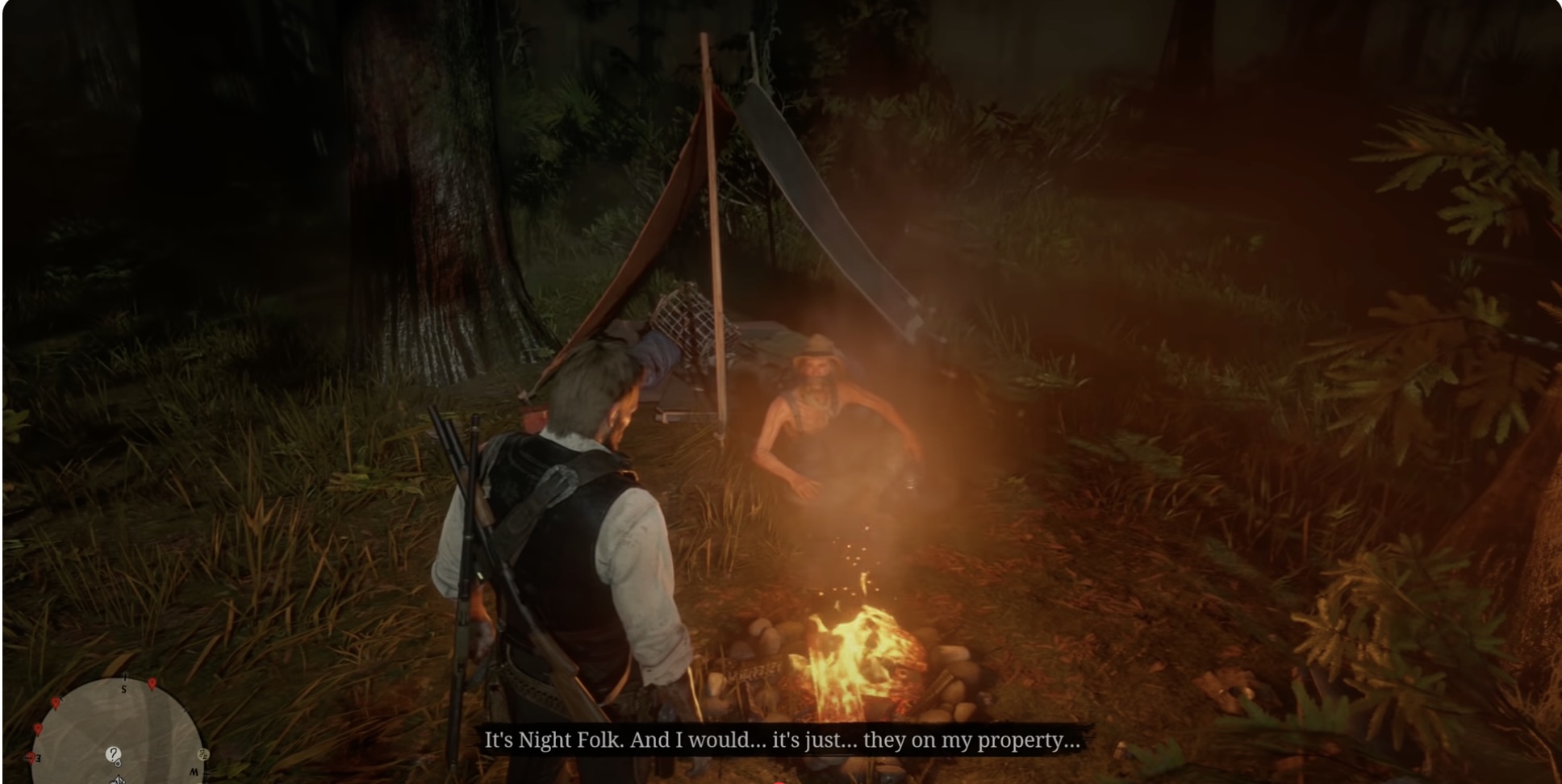
Even stoic Arthur Morgan, a man who calmly guts entire posses, can’t hide the panic when one ambushes him in the reeds. “Creepy bastards!” he shouts.
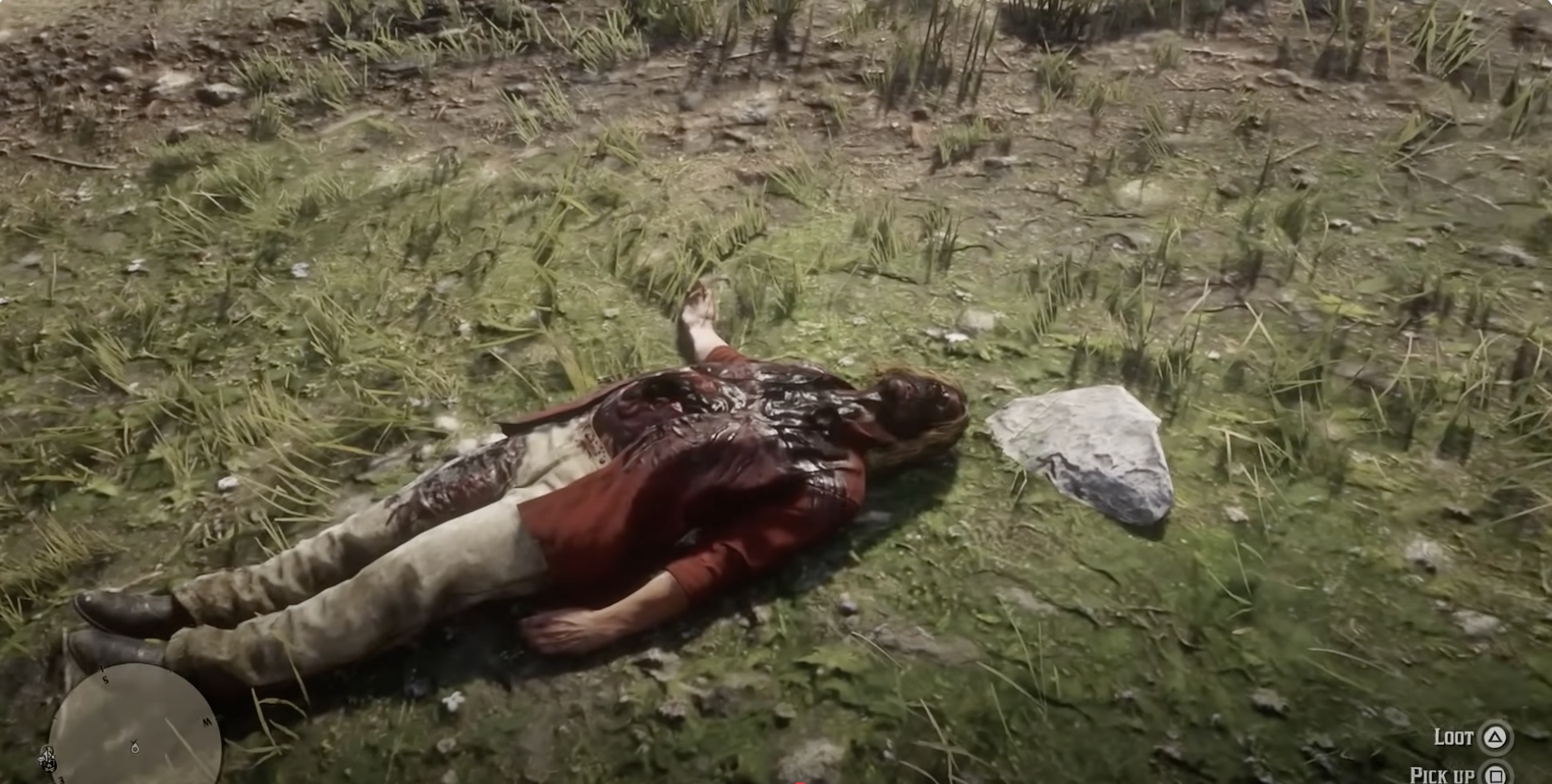
Beyond the Bayou, corpses undergo a multi-stage decomposition process when left undisturbed, transitioning from fresh to skeletal remains. Scavengers like vultures, rats, flies, and wolves are programmed to feed on these decaying bodies, adding a layer of realism to the game's ecosystem. This mechanic augments immersion by reinforcing that the world continues to evolve even when the player isn't around.
While Rockstar’s writers and designers gave Red Dead 2 nightmare imagery, veteran Rockstar composer Woody Jackson added chilling sounds. Part of that tenor came from an unlikely source: a 1970s Buchla Music Easel, an experimental synthesizer that folds into a briefcase, which Jackson spoke about at length as he fired off Westerns he was influenced by. He emphasized '70s Westerns like High Plains Drifter that harnessed classic sounds with those of the more off-kilter and psychedelic variety.
“Six months before I started Red Dead [2], I was writing all these distorted bass synth lines through reverb,” Jackson said. “Weirdly, a lot of those became the foundations for the Bayou. If you hear that low stuff—that’s all the Buchla. That’s where the ominous, dark stuff comes from.”
He didn’t stop at synths. When he was still living in Los Angeles, Jackson scavenged percussion relics from the legendary Professional Drum Shop in Hollywood, California, including water whistles meant to imitate birds. He then pitch-shifted them into, among other things, animalistic groans. “By the time I was doing Red Dead 2, I think I had 40 of those percussion things,” Jackson said.
“The Long Dark is a vulnerability fantasy”
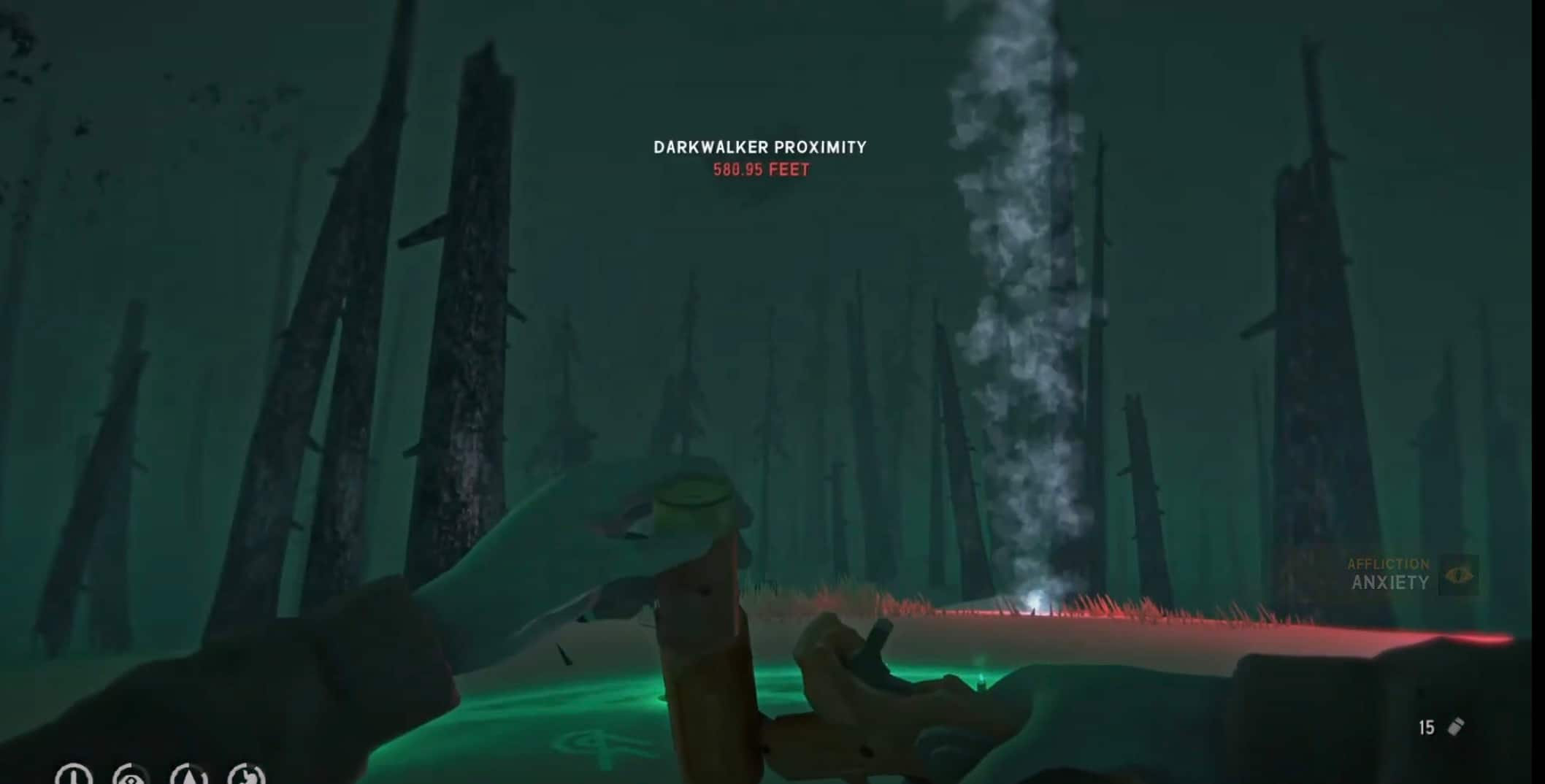
The Long Dark's brand of fear creeps in slowly, through cold, isolation, and the ever-present threat of the wilderness. The seasonal event Escape the Darkwalker, initially a two-week Halloween challenge during Fall 2020, typifies this. Players have a 15-minute grace period before the Darkwalker arrives, and then must flee, climb, and survive while balancing the other standard challenges the game throws at them—wild animals, hunger, cold, fatigue, and even mental health. The creature itself is never fully seen, conveyed instead through sound, massive footprints, and proximity alerts.
According to Creative Director Raphael van Lierop, the creeping unease throughout the game is intentional. “The Long Dark shares a few things in common with popular horror games, and that's that we make you feel very vulnerable to forces outside your control, in our case, Mother Nature,” he explained. “While a lot of games, shooters especially, tend to be power fantasies, The Long Dark is a vulnerability fantasy. And that vulnerability can make players feel deeply uncomfortable…You are not important. You're just observing, living, trying to survive until tomorrow.”
The tension in The Long Dark isn’t only about clear and present danger, but also managing the interplay of systems. Blizzards, for instance, disorient players in familiar areas, forcing them to navigate blindly while freezing, hungry, and exhausted. Panic, van Lierop notes, is usually what does players in: “You really need some mental fortitude to stay calm and try to think clearly.”
Looking ahead, van Lierop sees the sequel, Blackfrost: The Long Dark 2, set for release in early 2026, pushing these principles even further. “Our hope is that players will feel an even stronger connection to their survivor and a sense of presence in the world…so that the stronger bond will only heighten the sense of vulnerability I’ve been talking about.”
Across the many unexpectedly creepy corners of gaming, fear, it seems, is not bound to genre. A developer flips a switch, and all of a sudden the normal turns surreal. But it’s not enough to say the fear is there to simply scare you. Fear is also there to make the world feel more alive, a way to deepen immersion, heighten stakes, and remind players that even in worlds where they think they are in control, the unexpected is always waiting.
Check out more horror games on Epic Games Store this Halloween!