Awards and hundreds of demos: The future of Summer Game Fest
Geoff Keighley may not want to create the next E3–he’s explicitly said that–but for many viewing the Summer Game Fest from outside the sphere of its creation, that’s exactly what he is doing.
The third annual Summer Game Fest kicks off June 9 and runs through June 12. It will be a celebration of all things video games and while it may not take up the physical space of the historic E3 Expo, it will certainly approach soaking up just as much mindshare over the course of those four days.
Perhaps more importantly, though, are the E3 roles that SGF is and isn’t filling–at least not yet.
Keighley has been vocal about his reluctance to create a big physical show that asks developers and some fans to travel from all parts of the world to gather in California for a week. But he says the digital-first Summer Game Fest will eventually sprout physical components. We’re seeing the first of that this year with the ability to watch the kick-off show at theaters around Canada, the U.S., and the UK.
Another very important role E3 served was being a sort of traffic cop to publishers and studios big and small, ensuring that everyone got their moment in the sun.
“We're following everyone and trying to coordinate, which requires everyone being cooperative and supportive, which they have been,” Keighley said. “That's been fun, to go talk to people and say, ‘Hey, what are you doing? When do you want to do it? That sounds like a good day.’ We try and work with people and let them own their news and their cycle, because that's important to these folks as well. So we're not trying to change anything, we're just trying to coordinate and talk about it and see how we can fit the puzzle together.”
One element currently missing from the Summer Game Fest, but which seemed to play an important role for publishers at E3, is an award for best of show.

The Game Critics Awards, which was co-chaired by Keighley and Rob Smith, ran from 1998 to 2019 and awarded games displayed at E3 each year. The nominees and winners were selected by judges representing dozens of major North American media outlets, and were given independently of the expo’s organizers.
Many of those outlets would go on to become a facet of the jury that votes on Keighley’s annual winter Game Awards. But no major award show has stepped in to fill the gap left by the E3 Game Critics Awards.
Keighley said he and his team have talked about creating a new set of awards around the Summer Game Fest, and that it’s something he’s interested in eventually doing.
“It's important to me that we have a critical mass of content to look at for awards,” he said. “You never want to give awards to games just because they’re there. We have to make sure there's going to be enough playable content across the industry available in order to make a really good evaluation on that.
“We couldn't do that last year. This year we're waiting to see, but the pandemic is still having a very real impact on game development, for teams being able to make playable builds and still hit their dates and everything.”
With these particular awards, though, Keighley said he might want to make it a bit more consumer-centric.
“My dream for all this is eventually there is going to be playable demos for all the games, and if you have the time to play 600 demos you could go through and play everything and decide your favorites,” he said. “I think there could be a consumer choice, or favorite demo of Summer Game Fest, or something that fans could vote on.
“I still think we're a couple of years away from having enough content to really make that a truly meaningful designation. But I definitely think it's in the cards.”
That also raises an interesting point brought up by Keighley during the interview. The lack of playable demos over the summer, and the ability for a mass of people–be they journalists or fans– to check them out, could begin to impact the discoverability of smaller, less marketed games, or even the chance for a developer to tweak a title in reaction to early responses to a build.
“That's the thing that I've felt the past couple years,” Keighley said. “I love walking around playing games, getting early looks at games. I think there are games that suffer a little bit because people don't get to play them early. Certain games are going to be great, and you're probably going to play anyway. But I miss discovering something new that's really cool and exciting and using our social media engine to get people excited about it.”
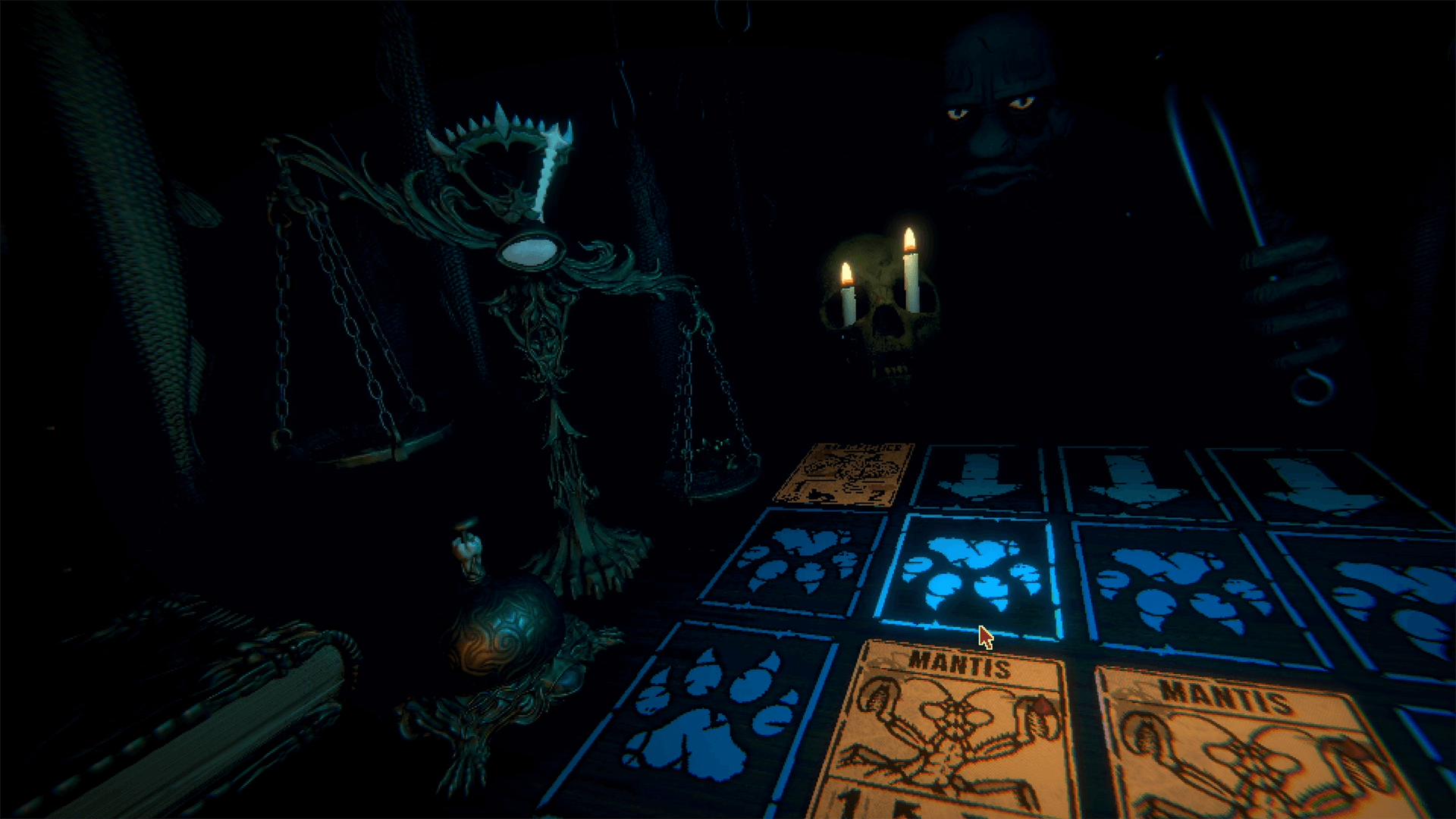
For every Elden Ring or new Halo, there are a dozen Coffee Talk, The Forgotten City, or Inscryption hoping to be discovered.
“Elden Ring or Halo people are always going to buy, but I think other games really just take people sitting down playing and seeing that, ‘Wow, this was really good’. And I missed those times when I would run into you at E3 in the hallway and you're like, ‘Check this thing out, it's really cool and different.’”
That’s Keighley’s big focus right now for Summer Game Fest, trying to figure out how to bring back some of that specific sort of magic. Until that’s achieved, Keighley said, they’re just going to keep iterating.
“I'm so proud that we started Summer Game Fest when we did and, yeah, it was too long in 2020. But also there was no other option, and that was the best we could do, and it was better than nothing. We're just going to learn more and keep building this. We're open for business, we show up, and we're here to support developers and get game news out to people. So I hope we get credit for at least doing something and learning from it. And I think every year it gets better, and this hopefully will be our best Summer Game Fest yet.”