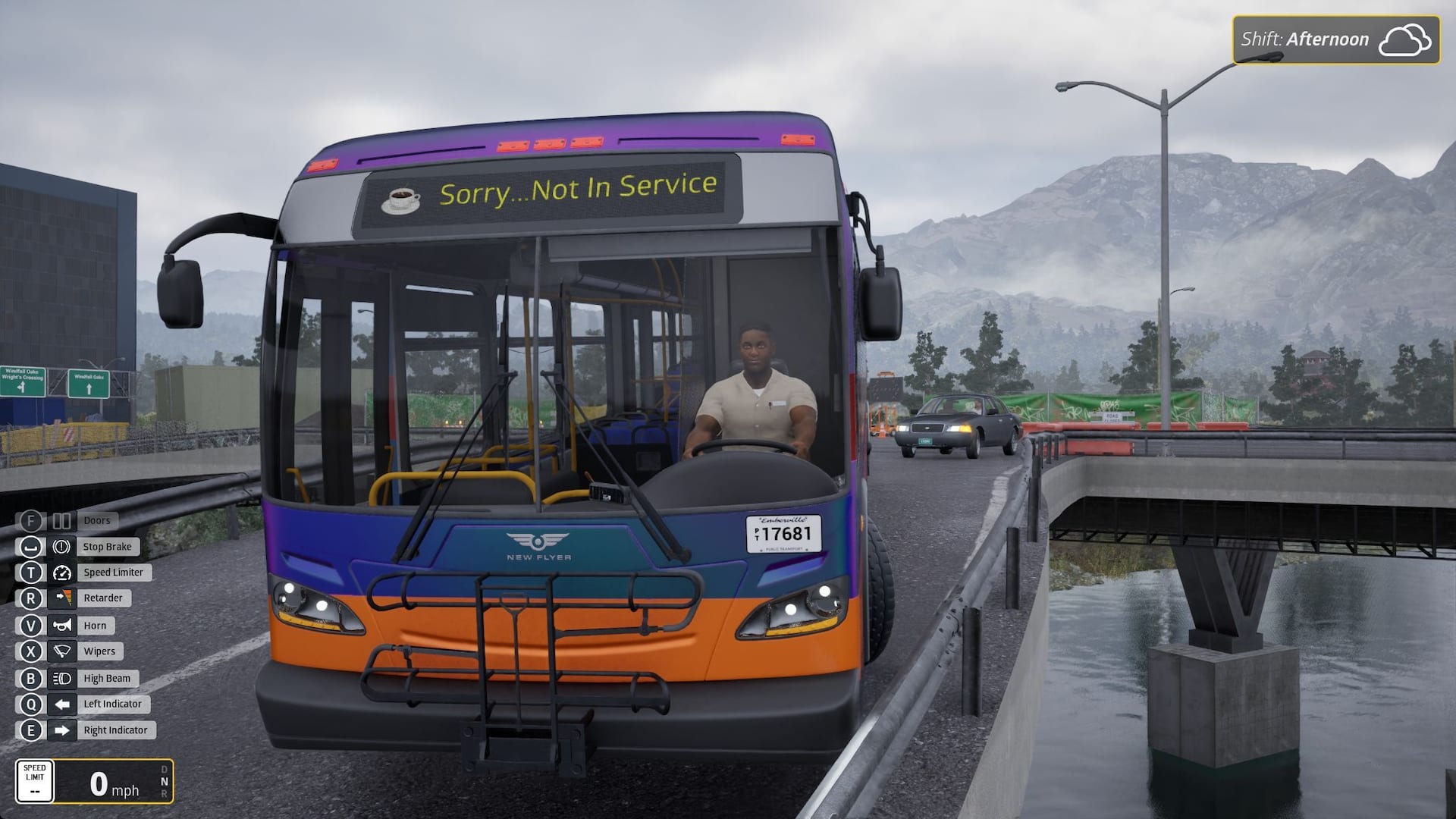
How Bus Bound is redefining bus simulation gaming for everyone
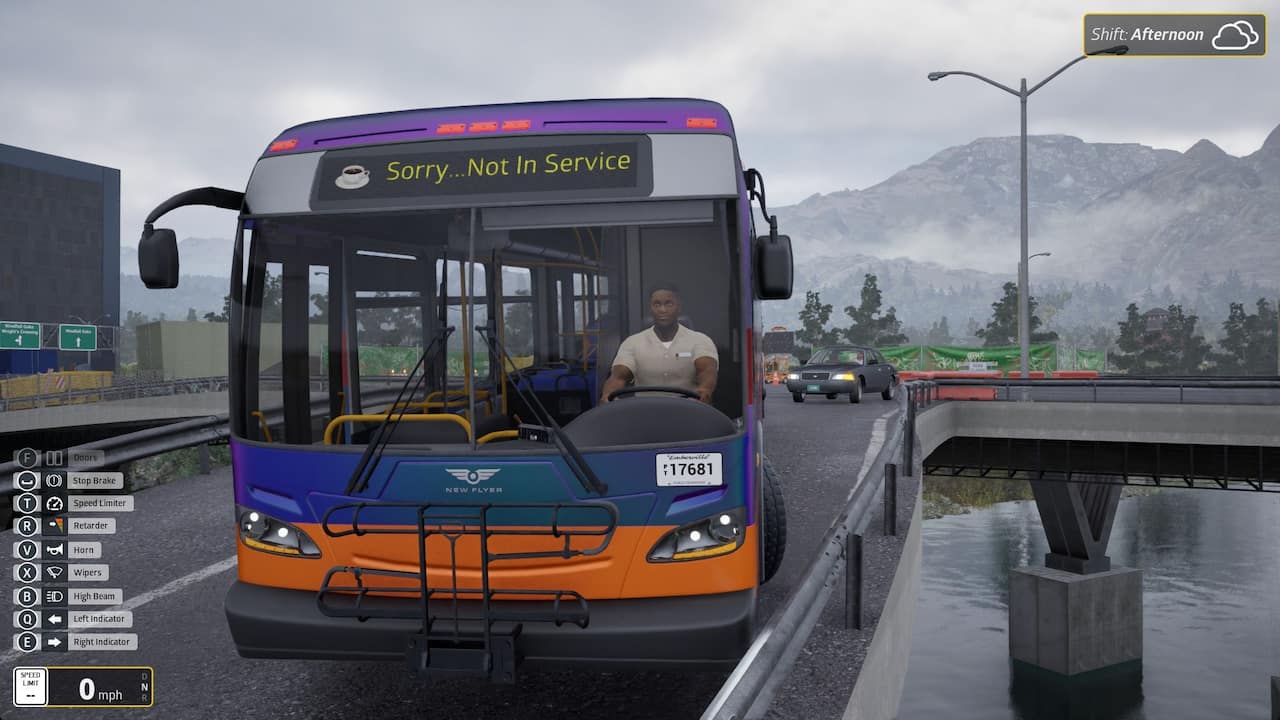
For many years the team at stillalive studios has been producing the definitive series of bus-driving games, Bus Simulator. The German developers have been responsible for the enormously popular franchise since 2016, including the successful Bus Simulator 21. But now they have stepped out on their own with an all new approach to the genre: Bus Bound. We caught up with Game Director Andrei Pandalescu and Lead Designer Marlon Franz to talk about this change of routes.
While stillalive didn’t create the Bus Simulator franchise, it’s fair to say the team refined and defined it over a decade, presiding over a period where it grew from a niche (perhaps even somewhat derided) hobbyist pursuit to more broad success. Combining incredibly precise realism, to appeal to bus enthusiasts, with an accessibility and hooky game loop to invite in new players, it joined Euro Truck Simulator in helping an audience discover a love for methodical driving. But now stillalive is looking to broaden the scope even wider.
“There are some good bus simulations out there already for such a particular niche of the simulation family,” Andrei Pandalescu told us when we asked about how the team approached the format with fresh eyes. “Instead of encroaching too much on it, we decided to open up the bus driving experience to people outside the genre fans, while considering what’s meaningful to our ‘bus fans.’”
This meant pursuing the accuracy and realism that the hardcore fans expect, but also putting “a lot of effort towards making a statement on the impact that public transit has on urban development and quality of life.” Pandalescu calls this, “the ‘why?’ of bus driving.”
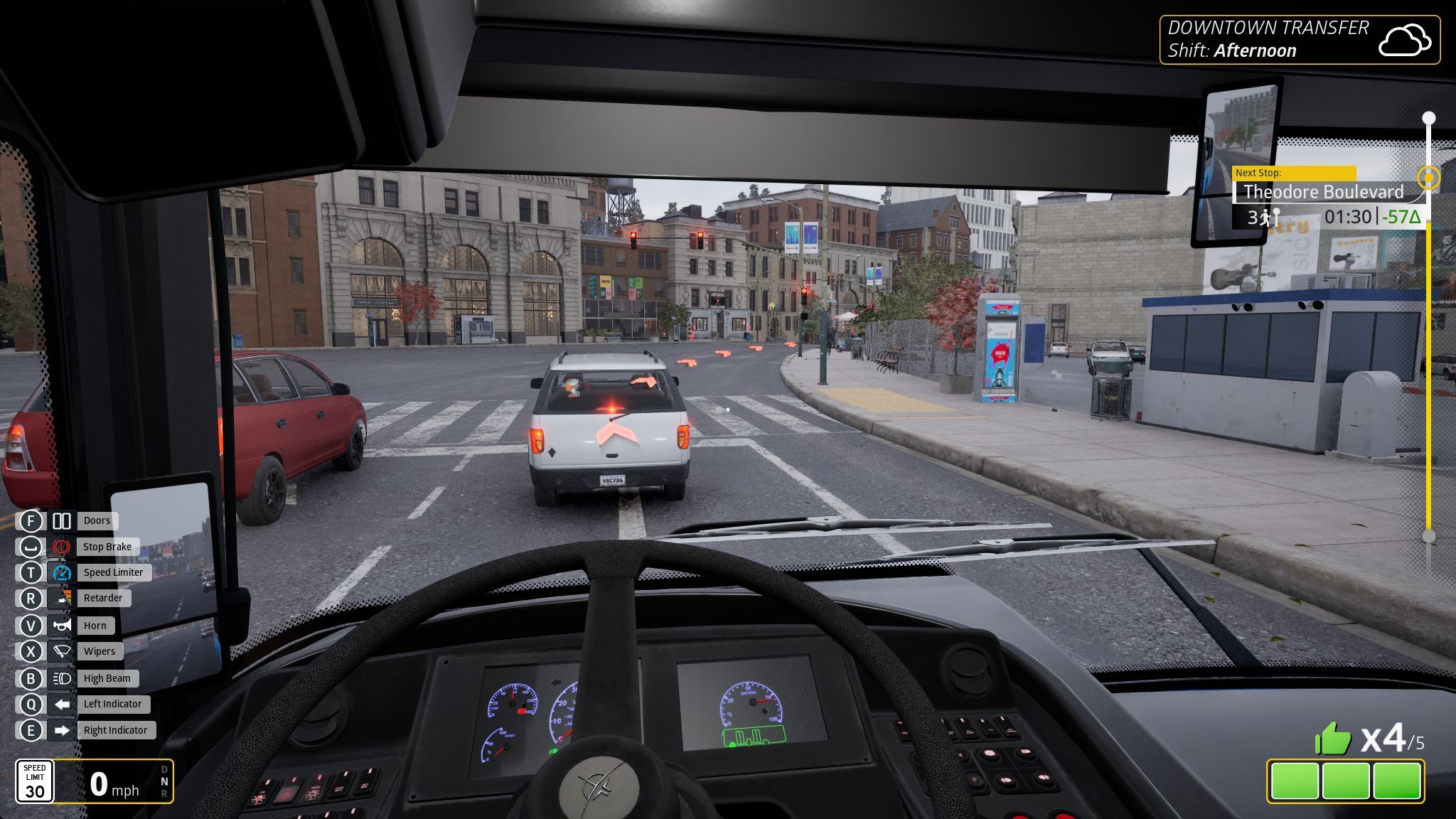
There’s no question that Bus Bound is a significantly different-feeling game than the Bus Simulator series. First of all, gone is the complex UI, replaced with a virtual office and more immediately understandable maps and goals. The game is set in the fictional city of Emberville, a town experimenting with a free-fare model of public transit where customer satisfaction is the driving motivator for expansion. The goal is an ever more pedestrian-friendly city that grows and adapts as you develop better bus routes and gradually lower the need for people to drive cars.
Pandalescu tells us that removing fares is something that’s already happening in the United States, including in Kansas City, Albuquerque, and even some lines in Boston—although the instant customer-satisfaction metrics are entirely the team's own invention.
The way this works is that bus riders appraise you on the fly. Hit a speedbump hard and they’ll express their disappointment. Crash into a wall and they’ll be furious. But drive comfortably and calmly, observe the rules of the road, and arrive at the next stop on time, and they’ll be delighted with you! The more happy customers at each stop, the more upgrades to the line you can unlock, including adding new stops and expansions to the routes.
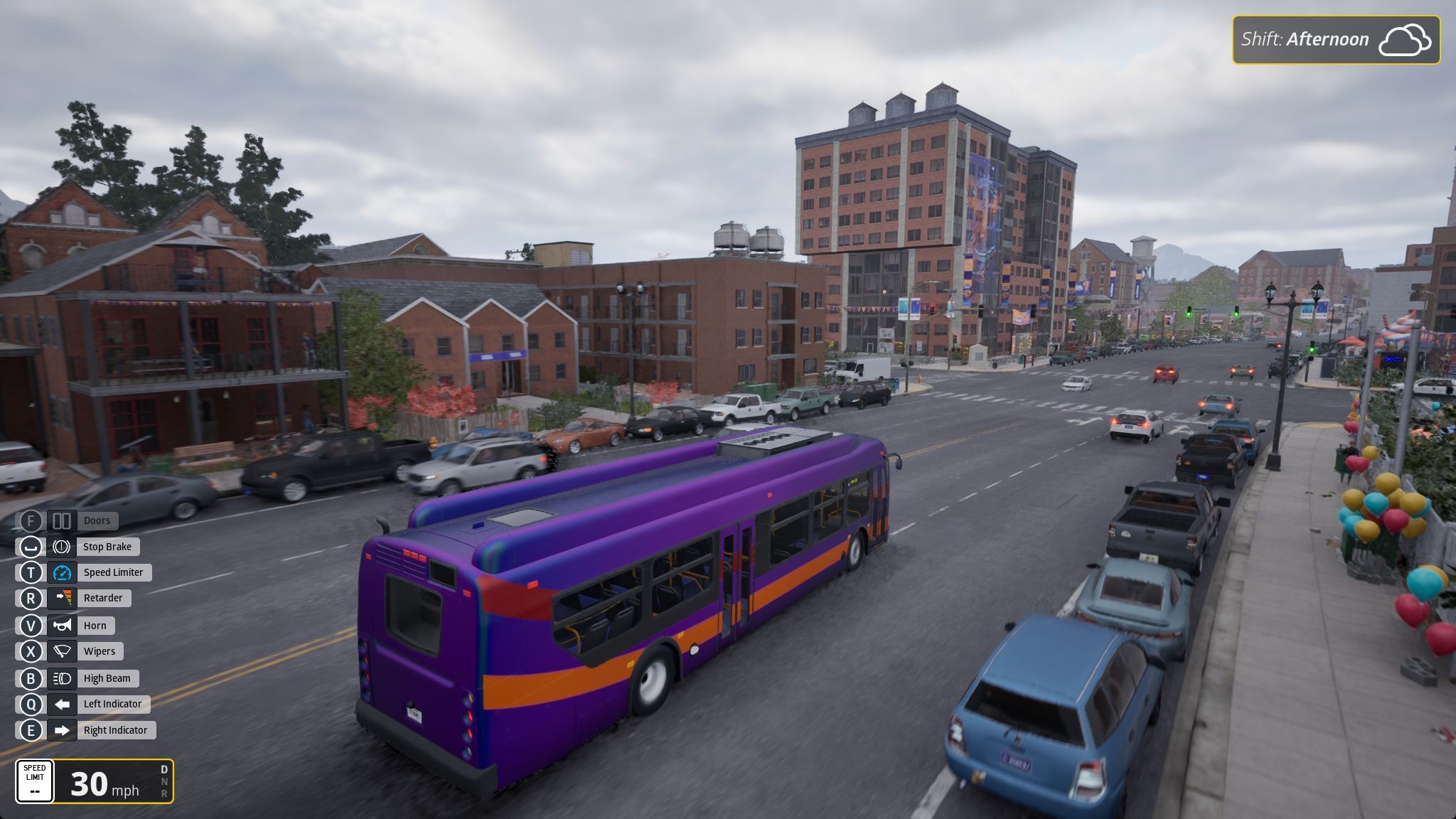
“We are aiming to be approachable to a wider audience than many sims would, breaking those simulation ‘gates,’” says Pandalescu when we ask about the less strict-feeling nature of Bus Bound.
Marlon Franz adds, “We also learned from our previous games, which were very complex, that we needed to condense it back down to the essence of what makes driving a bus fun. To have a good time, there needs to be some frustration, and traffic and time pressure can be plenty frustrating.”
So how do you even approach this, welcoming in a new crowd while knowing the bus aficionados will still demand updates if a single dashboard light is out of place? “That is a difficult needle to thread,” says Pandalescu.
“We agreed early in the concept phase that the common denominator is the joy of just driving the bus,” says Franz. “You stand out because your vehicle is so different from regular cars.”
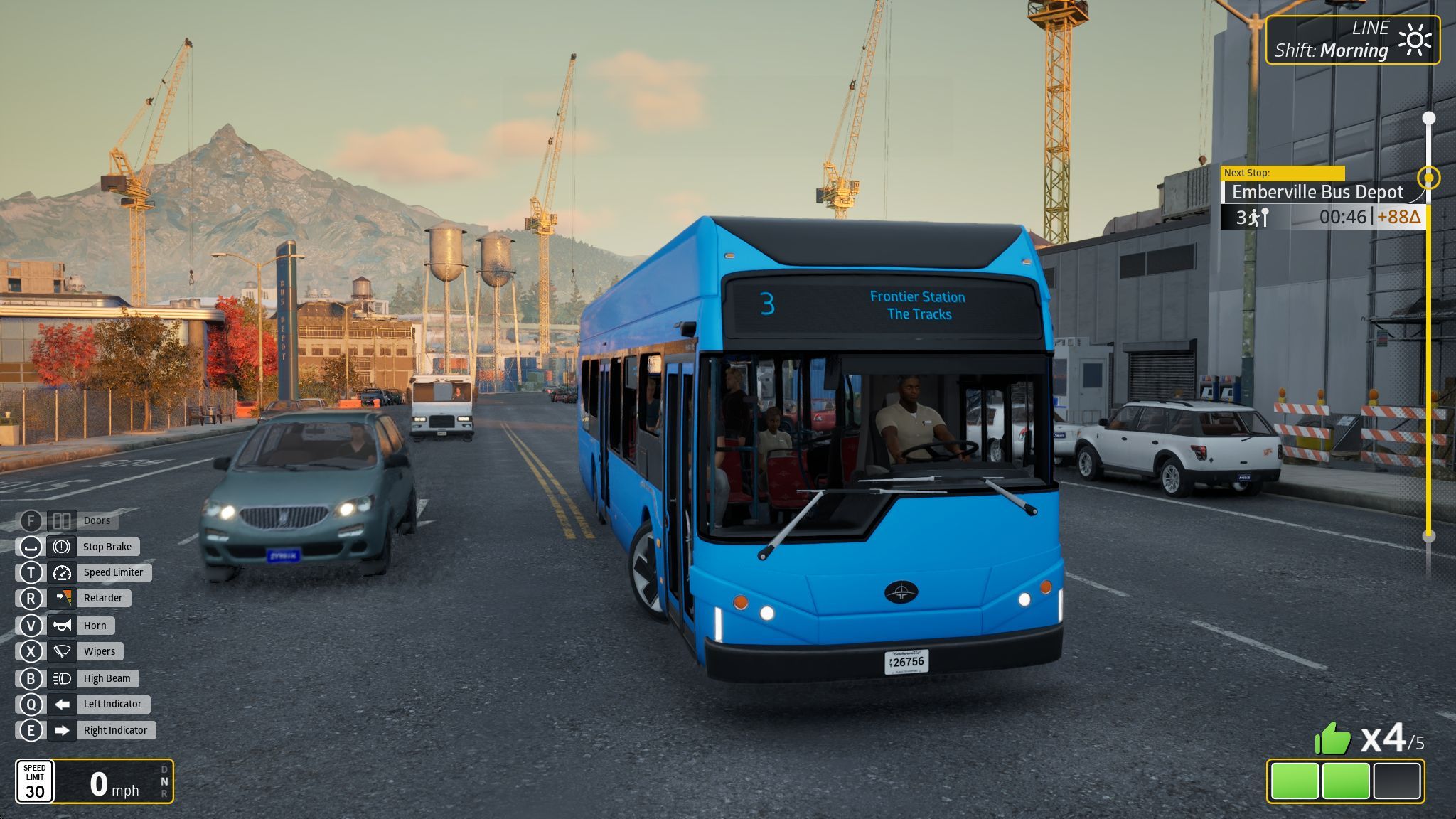
Comparing the bus among automobiles to Superman among humans, Franz continues, “That puts you in a very harsh spotlight, where your incredible properties need to be mastered and handled methodically to ensure everyone’s safety. So driving amongst other people was the starting point, and everything else was interrogated in light of how it serves that experience. By that process, a lot of things you see in previous bus-centered games become less of a priority.”
However, this is not an abandoning of the hardcore crowd. The plan is to see Bus Bound expand over time as the team reintroduces more complicated features in later updates. “Once the newer players get comfortable with this kind of sim,” says Pandalescu, “we can increase the complexity over time and titles, and reach even more people.”
Franz backs this up. “[It] leaves us with the chance to reintroduce things…in the future, without leaving behind anyone who doesn’t already know everything they expect from a bus game.”
Given Bus Bound is so focused on customer feedback in response to the quality of your driving, we had to ask if the developers had ever been tempted to, you know, lean into the opportunities for chaos and offer a sort-of bus-based Burnout. It’s unavoidably funny to hit a speedbump at 45mph and then deliberately veer into traffic, especially when you get immediately rewarded with all of the furious comments from those on board.
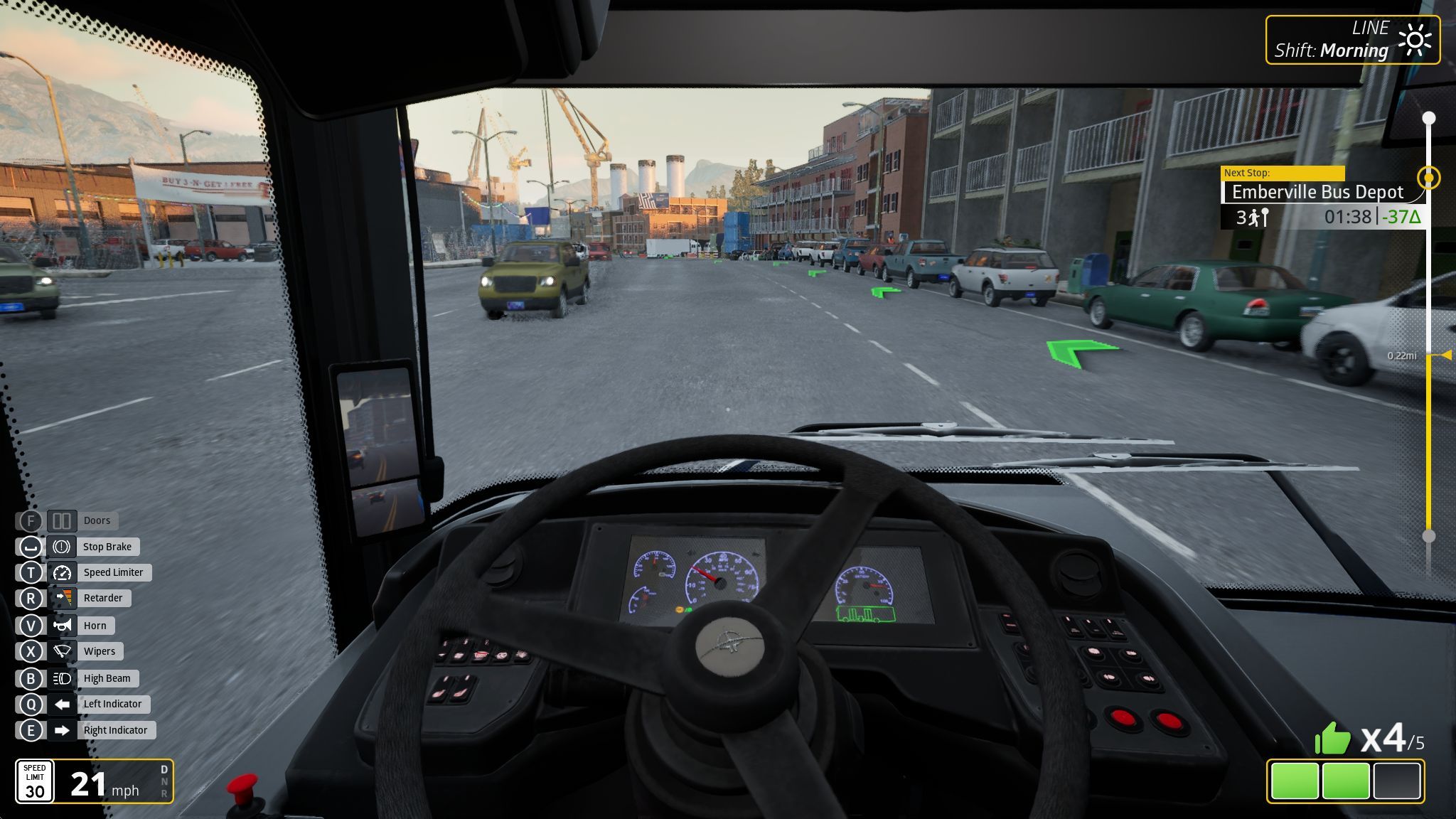
“I think it’s been a continuous temptation throughout development,” says Pandalescu, laughing. “The thing is, we wanted this game to come out at some very high quality standards in world-building and visuals, but also performance and age ratings.” Ah, boo, those pesky age ratings. “Unfortunately, that would have set it too far off the sim genre, so while there are some destructables and you can definitely plow the bus through a traffic jam, there’s no ‘game mode’ that encourages that."
“And Burnout Takedown is still a fantastic game!” adds Franz. Well, we’ve at least planted the idea in their heads. Later DLC perhaps.
Bus Bound releases on the Epic Games Store on April 30.