Berita
Cairn: a mountain climbing game about the high price of making it to the top
F
Francisco Dominguez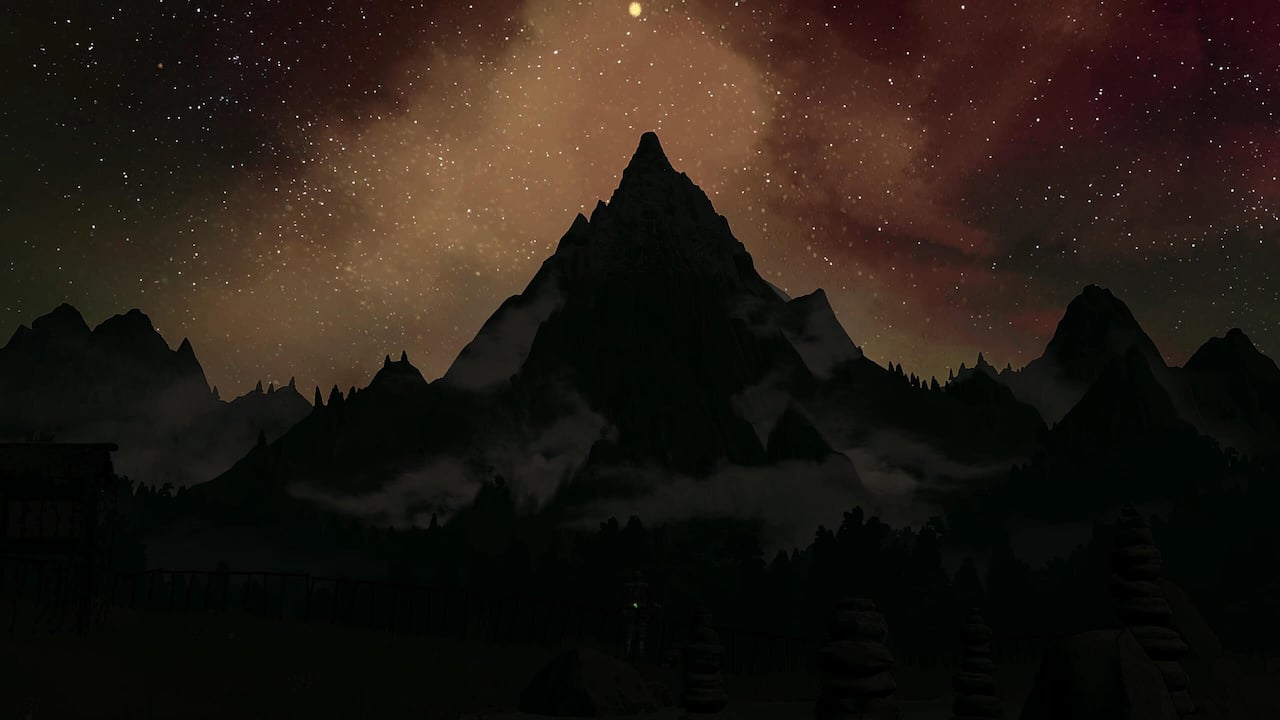
“Why are they doing something so difficult, so challenging, so tough, so dangerous, so painful? They have to make so many sacrifices to be in top shape. They come back, they lose people on the mountain, yet they still go back,” says Co-Founder Audrey Leprince. “It must be so fulfilling, so special, so magical for people to want to do it again.”
For all its psychological complexity, the objective itself remains a simple one: Here’s a mountain, get to the top. In this case, it’s Kami, a fictional mountain that’s renowned as the hardest climb in the world: a challenge our protagonist Aava is obsessed with overcoming. “It's so immediately understandable and natural, a universal fantasy,” says Leprince. “Everybody's always wanted to climb a mountain or a tree.”
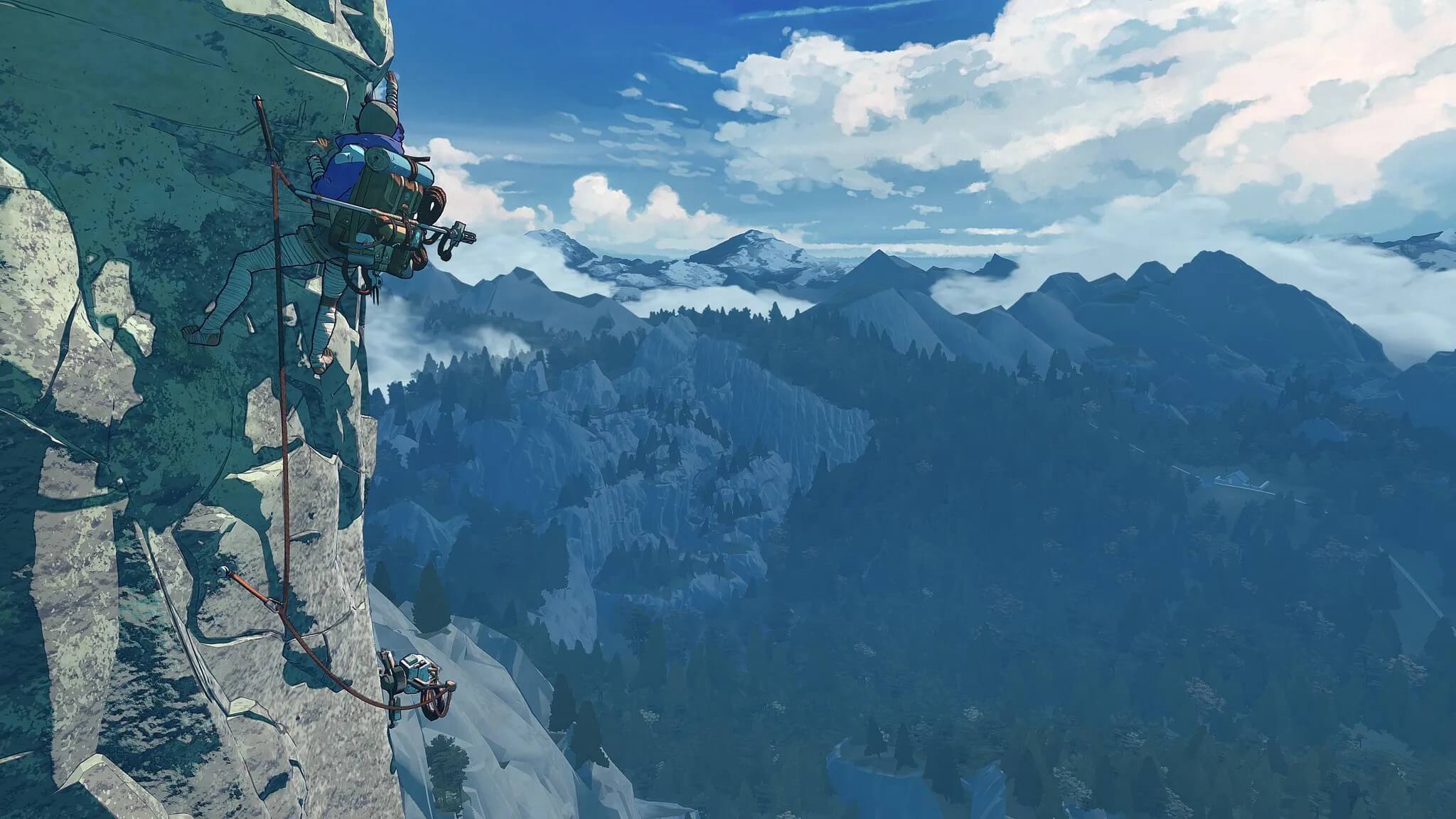
The team’s approach to mountain climbing mirrors that simple, realistic spirit, jettisoning design conventions. There's no yellow paint or white-ridged handholds here, like those Nathan Drake clung to in Uncharted. No indoor climbing-gym painted rocks either, akin to those which popped out against Jusant’s rust-colored sandstone obelisk.
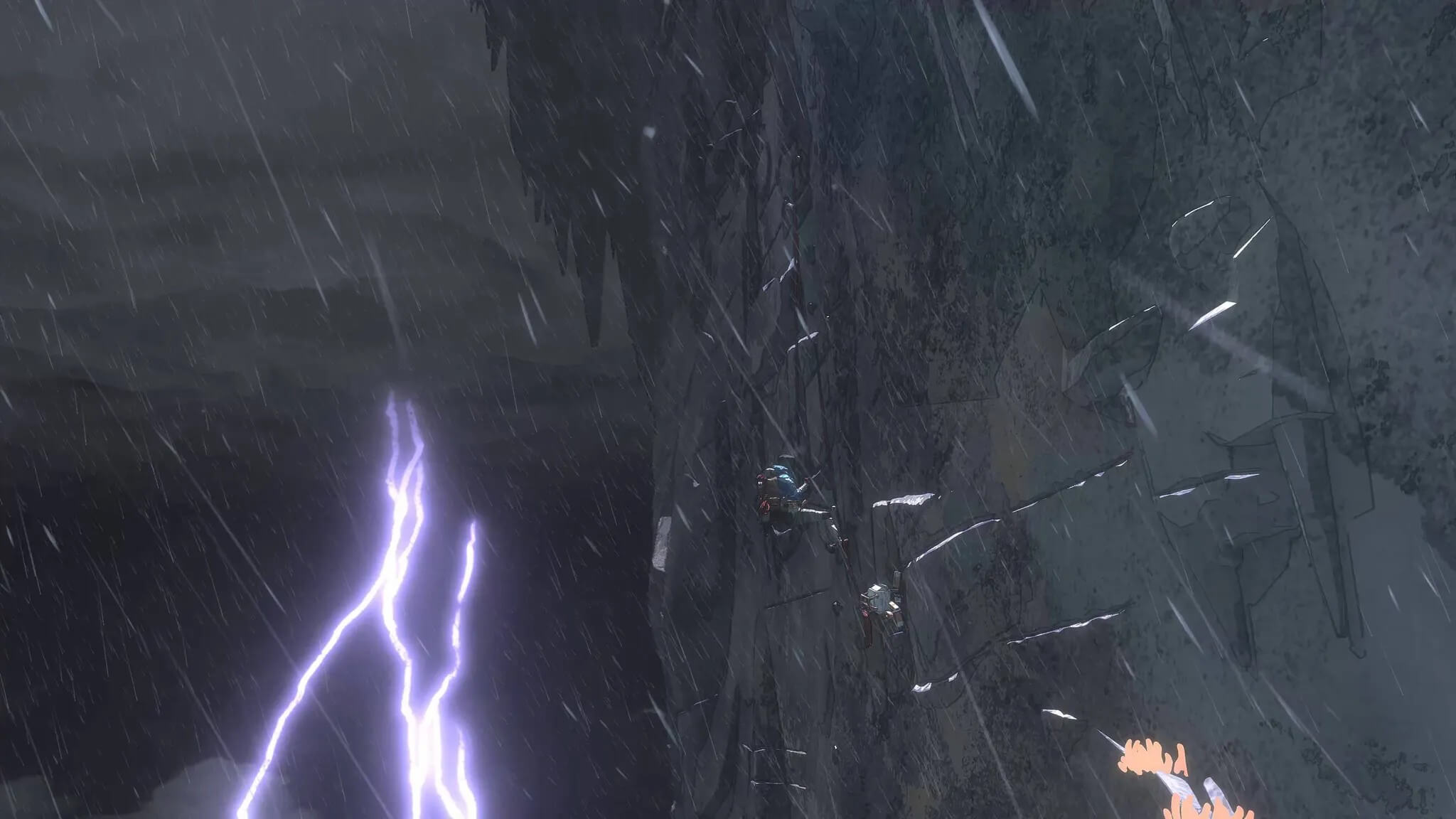
Instead, you contend with a realistic rock face. Its vertices are all grabbable; you can even wedge yourself within a crag. You choose your route and tentatively position yourself, limb by limb, into a stable position, pacing yourself with cautious rests before your grip slips and you plummet to the bottom (unless your fall is averted by a sensibly placed piton).
“It was definitely something that had never been done in the games industry before,” says Leprince. “It was the hardest part of our work. It took us over a year just prototyping that climbing system.”
What made that system come together was the team’s total commitment to naturalism. A truly simple system, there’s no intrusive UI, not even a diminutive stamina bar like Link’s latter-day mountaineering in Tears of the Kingdom. Instead, you see Aava’s limbs quiver when she’s straining to hold herself up, and fading stamina causes the early onset of a blackout; guidance comes from familiar audiovisual feedback rather than traditional game UI.
Cairn’s limb-by-limb movement will feel immediately familiar to anyone who’s played Bennett Foddy games like QWOP or Baby Steps. It’s a challenge, if a mostly manageable one, that stops just short of Foddy’s infamously sadistic delight at players’ successive failures.
Yet when food supplies dwindle, the gaps between each navigable protruding rock become vast, and you’re clawing your way with picks through icy slopes, it’s clear you’ll need to marshall all your focus and inner strength to overcome Kami over the days-long trek. It won’t be long before you’re scavenging for wild dandelions to stew in your bivouac when supplies run low.
“We've designed the game so people can make it to the top if they are careful and prepared and determined enough, which are the qualities of a good climber,” says Leprince.
It’s a testament to the game’s climbing mechanics that the qualities that make a good climber in real life transfer across to Cairn. They demoed the game at GDC in California, home to hordes of mountain climbers spoiled by jaw-droppingly spectacular ranges in Sierra Nevada and Yosemite. They were excited to find their techniques applied to the game, even if that wasn’t the original intention. “We didn't set out to make a realistic climbing game. We just wanted to reproduce the intensity of the experience,” says Leprince.
Pleasing climbing aficionados wasn’t their only goal, however. They hadn’t just aimed high for the climbing systems you use to climb Kami’s lofty peak; their aims for Aava’s story went high too, so high they pierce the clouds.
“We weren’t just making a climbing game. We are making one of those grand adventure games where the story and the characters are going to stay with you forever, like The Last of Us,” says Leprince. “You will never forget what happens in the game.”
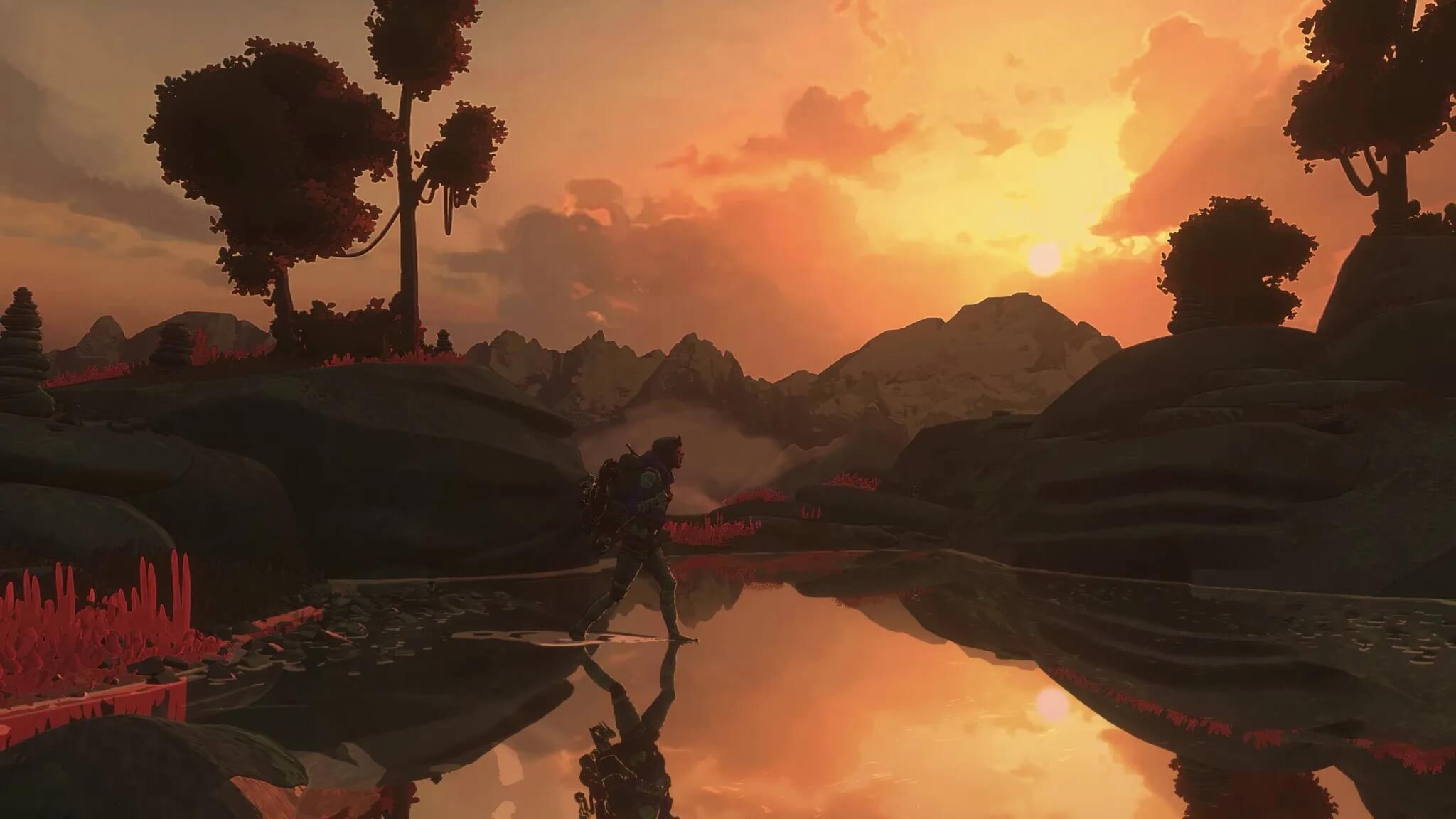
It’s a story that’s rooted in Aava, her robotic friend, and the fellow mountaineers she meets along the way. She’s among the best in the world at what she does; that excellence comes at a cost. She’s as prickly as she is capable, ascending Kami with a single-minded focus, leaving behind a litany of unanswered voicemails from her partner and associates. We don’t think about the price of excellence, the extraordinary effort that lies behind the glowing smile of Eileen Gu on the Olympic podium. At the highest level, extreme sports means sacrifice. It exacts its price in time, relationships, your health, and even your life.
Leprince is intimately familiar with the very same obsession that drives Aava. Growing up in France, Leprince’s father woke up at 6 a.m. every morning to do push ups in preparation for weekend mountaineering expeditions. Once, he injured his knee ahead of an upcoming Himalayas trek planned with friends. They went without him. In a tragic accident, half the expedition did not make it back.
His immediate family were so grateful he never went on that trip. To their confusion, he wished he’d been there. “It was the biggest disappointment of his life,” says Leprince. “He's always thought, ‘If I'd been there, would I have saved them or stayed with them?’ It was the survivor's guilt, I guess.”
It’s a serious aspect of mountain climbing that the team wanted to reflect: the unique extent that extreme mountaineering shapes the personality. They invited Élisabeth Revol, the French mountaineer who lost her climbing partner in Pakistan, to join the team for mountain climbing in the alpine resort Chamonix. They learned about the mindset and the experience of summiting an 8,000-meter mountain like Everest.
That depth of experience gives Cairn an unusually powerful mood. The rhythmic efforts to gradually claw your way along your chosen approach can feel slow, contemplative, mindful. Aava’s life is in your hands, on a slope that’s already taken the lives of so many. Progress is slow and hard-won, that looming peak keeps driving you on.
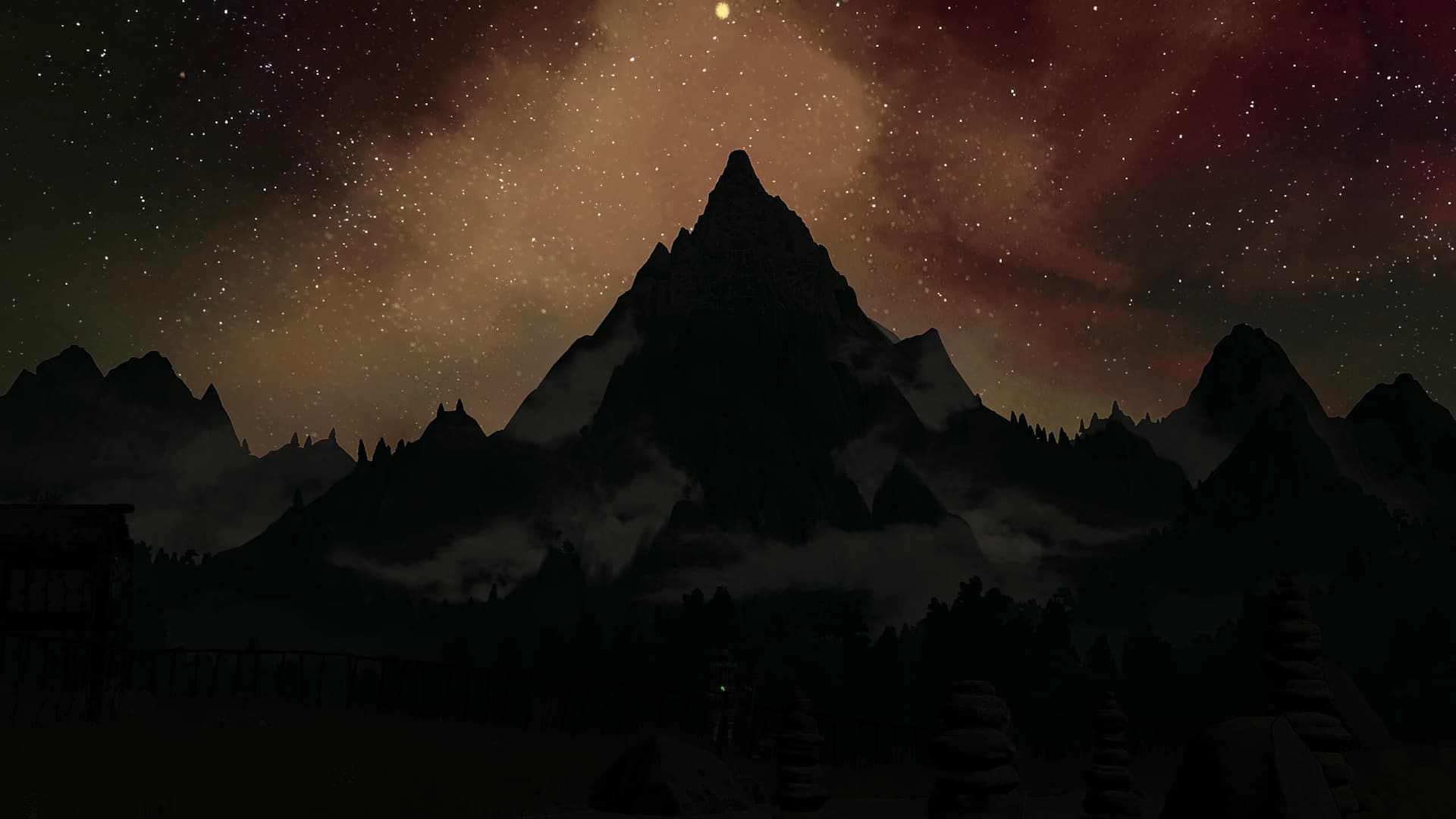
Along the way, magic happens. The first time night fell, I was stuck climbing the peak for a while longer as the sun vanished and shadows lengthened. I pulled myself up on the ledge and turned around. The sight I saw, the unpolluted, iridescent night sky from barely a fraction of the way up Mt. Kami, is one Vincent van Gogh himself would be proud of.
“We are not answering the question of why people climb in the game, but we're definitely asking the question,” says Leprince. “We hope players will have their own answers at the end of it.”
Find out the answer for yourself in Cairn, out now on Epic Games Store.