Tin tức
Cities: Skylines set a skyscraper-high bar for city-building sims
S
Sarah LeBoeuf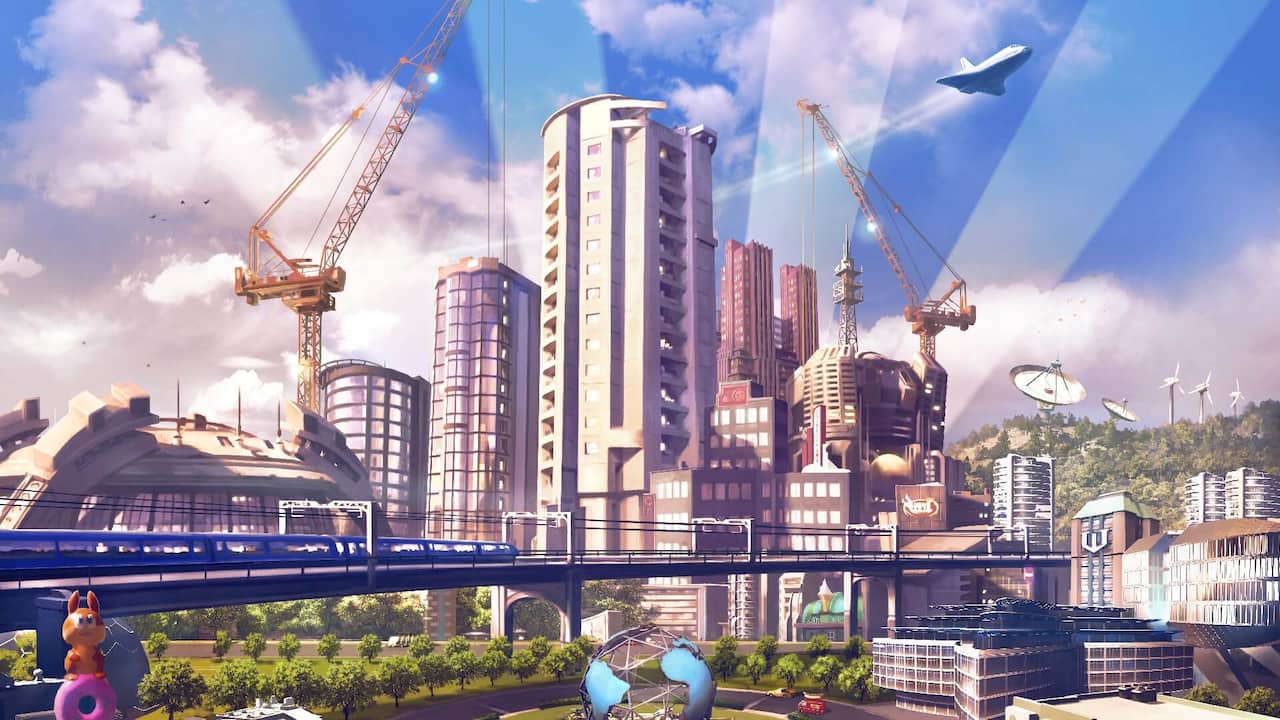
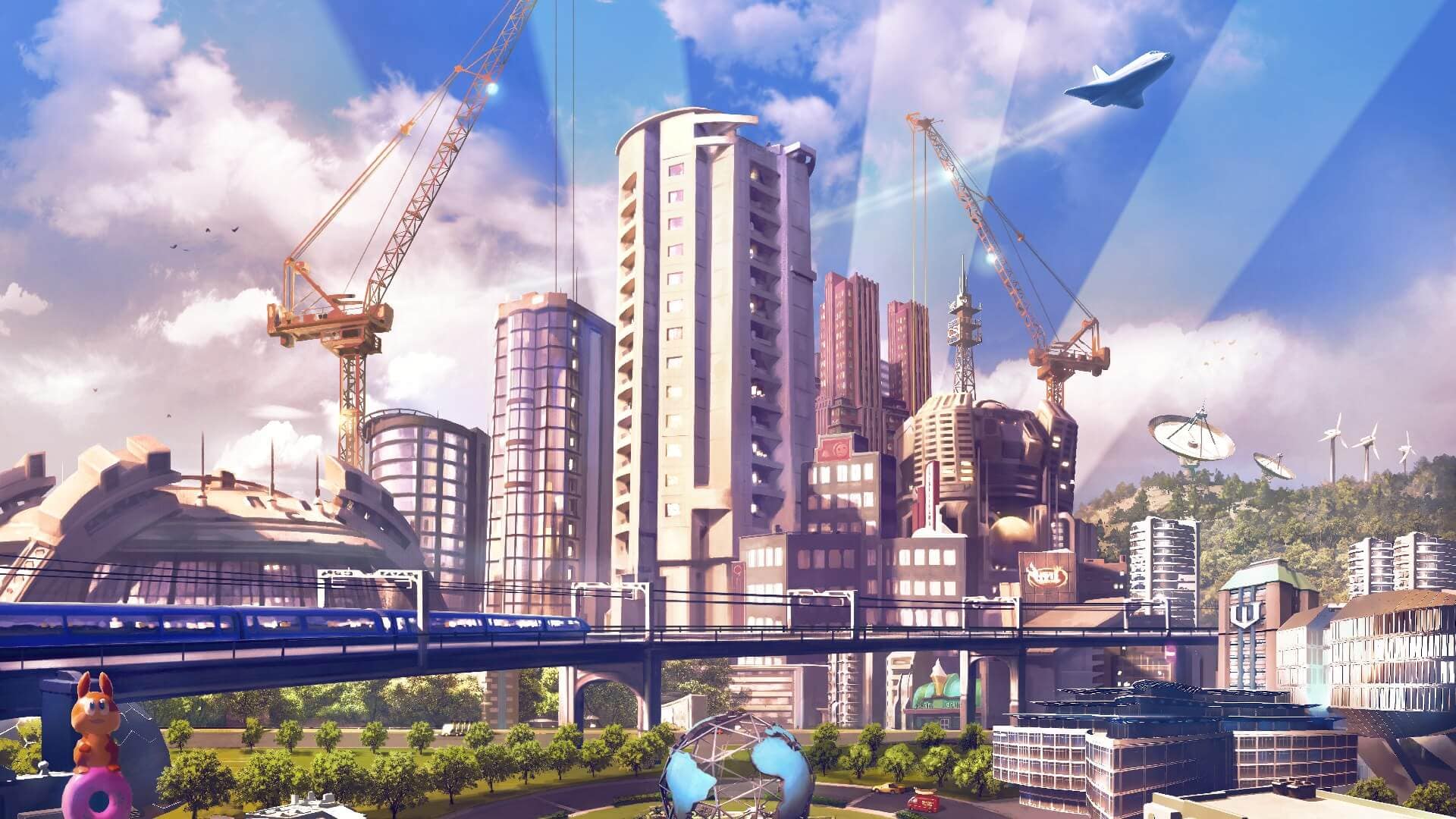
In Cities: Skylines, the answer is a resounding “all of the above.” Eight years after its original release, Skylines remains the gold standard for modern city-building sims thanks in large part to its approachable simulation gameplay that regularly introduces more complex systems into the mix. On paper, Cities: Skylines is a lot like the city-building sims of old: you place roads, buildings, neighborhoods, and recreational areas while balancing tax rates and citizen satisfaction. Scratch beneath the surface, however, and you’ll find incredibly satisfying simulation mechanics that take dozens (if not hundreds) of hours to fully comprehend.

When you load up Skylines for the first time, you find two roads leading into a tract of land that will become your city—and the rest is a blank canvas. The early hours of the game ease you into the basics of city management by limiting the options at your disposal, but as your city grows, you gain access to more and more infrastructure tools. Eventually, that blank space becomes a matrix of interconnected roadways, power lines, and underground plumbing, from one-way residential streets all the way up to multi-lane highways. Instead of putting up structures one by one, you can create themed zones that then self-fill with residential, commercial, and industrial buildings. And just when you feel like you’re running out of space, you’ll zoom out and realize your city is just one tile in a grid of nine—you’re just getting started.
One of the most impressive aspects of Cities: Skylines is the sheer level of detail found throughout your city. Zoom out and you’ll be presented with a bird’s-eye view of your metropolis as day and night cycles go by; zoom all the way in and you’ll be able to see a slice of life in your city, complete with area-specific sound effects. An ambulance might pass by, sirens wailing; citizens come home after a long day at the office and park their cars. These minute details make Skylines feel special, since no matter what you’re looking at, the city in front of you feels alive—as long as you’re providing the basics, like clean water.
In the years since its launch, publisher Paradox Interactive has released a dizzying amount of add-on content, giving players even more ways to build their dream cities while emulating the architectural and cultural styles of a number of diverse areas around the world. That said, the base game itself is pretty meaty, and will provide more than enough content if you’re just starting out. In spite of being nearly a decade old, Skylines doesn’t feel like it’s aged at all, which is a rare achievement in gaming. If you’re ready to get lost in city-building, there’s never a bad time to start playing Cities: Skylines.