الأخبار
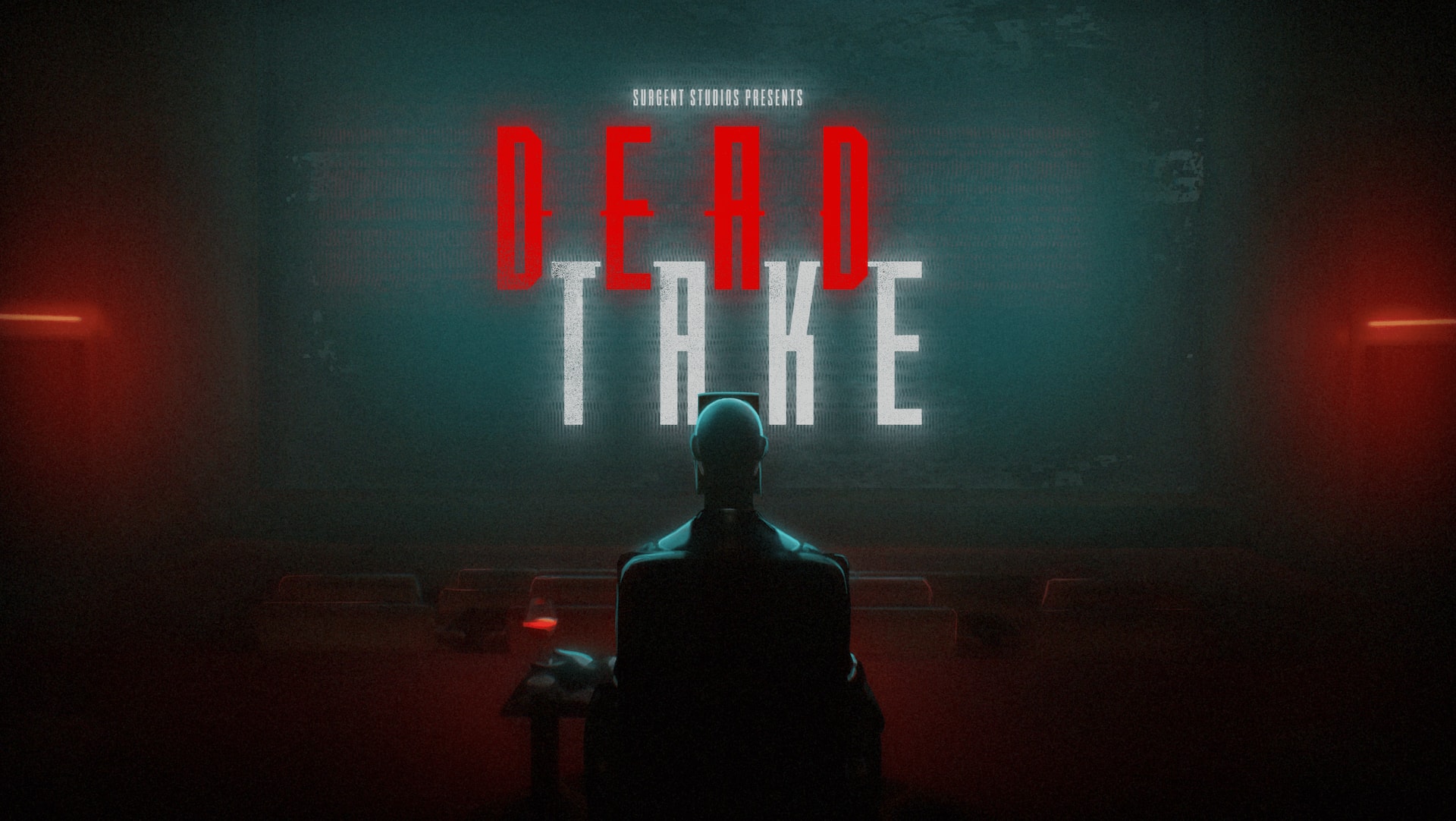
Dead Take displays the dark heart of show business
F
Francisco Dominguez
Abubakar Salim is no stranger to Hollywood’s cruel machinations and the desperation of an actor thirsting for their first big break. Before becoming a fixture on HBO series House of the Dragon or earning acclaim for his star turn as Assassin’s Creed Origins' Bayek, he started his career in the unglamorous world of pub and amateur theater productions.
His first-person psychological horror game Dead Take (Surgent Studios' followup to Tales of Kenzera: ZAU) emerges from the dark impulses and competitive urges he and his fellow actors felt when they wondered what it’d take to hit the big league. “Dead Take is a story about how far artists will go to get a shot at success,” says Salim. “You have people who are incredibly ruthless and will stop at nothing to get what they desire. How much of your humanity are you willing to give away?”
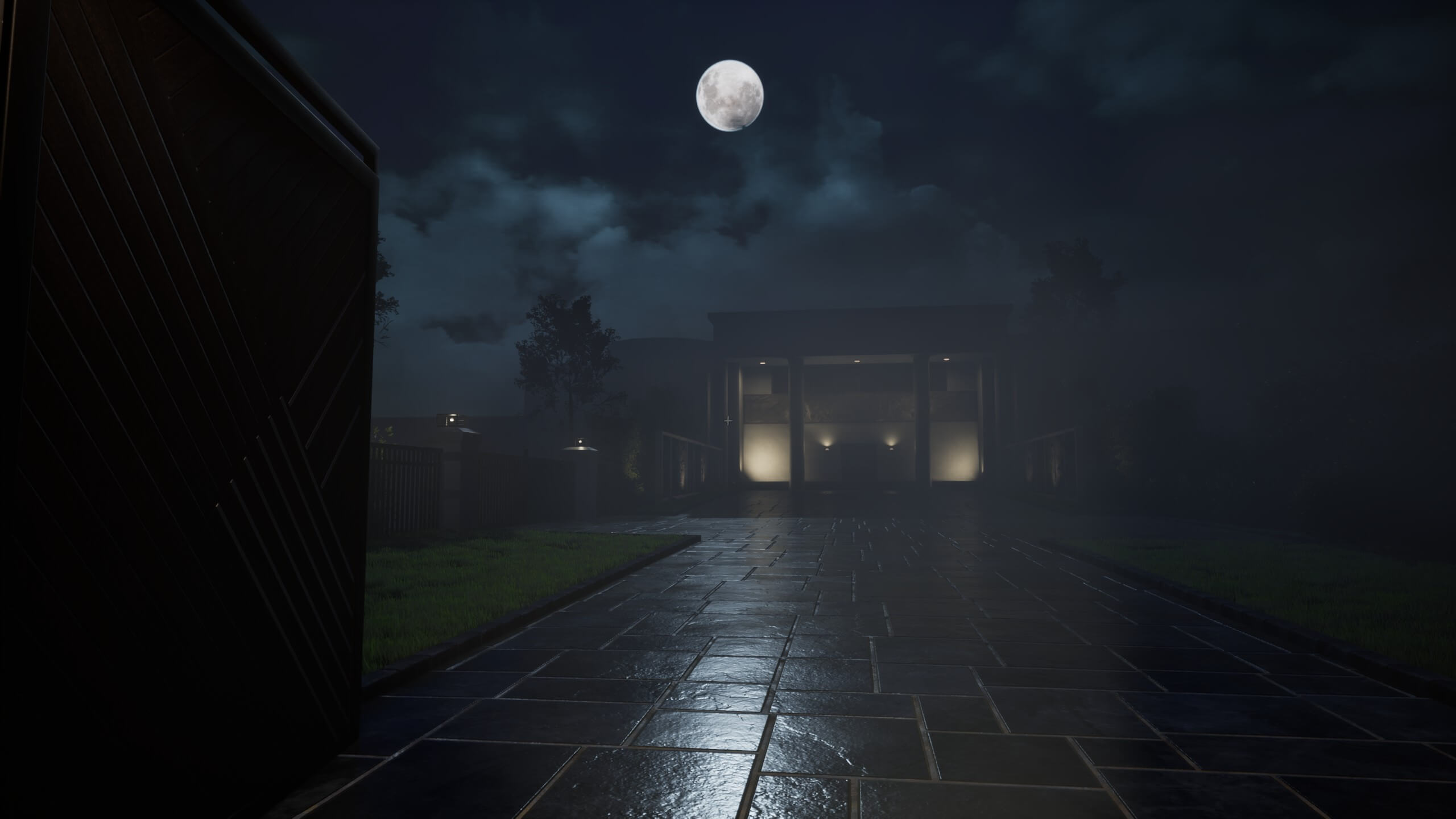
Protagonist Chase Lowry is vying for the lead in movie-mogul Duke Cain’s upcoming production The Last Voyage. Unfortunately he’s competing for the life-changing role with his friend-turned-rival Vinny Monroe (played by Ben Starr), an actor who’s already anointed as The Next Big Thing. A series of mysterious texts from Vinny sees Chase rock up to Cain’s Beverly Hills mansion in the middle of the night, determined to see what’s going on.
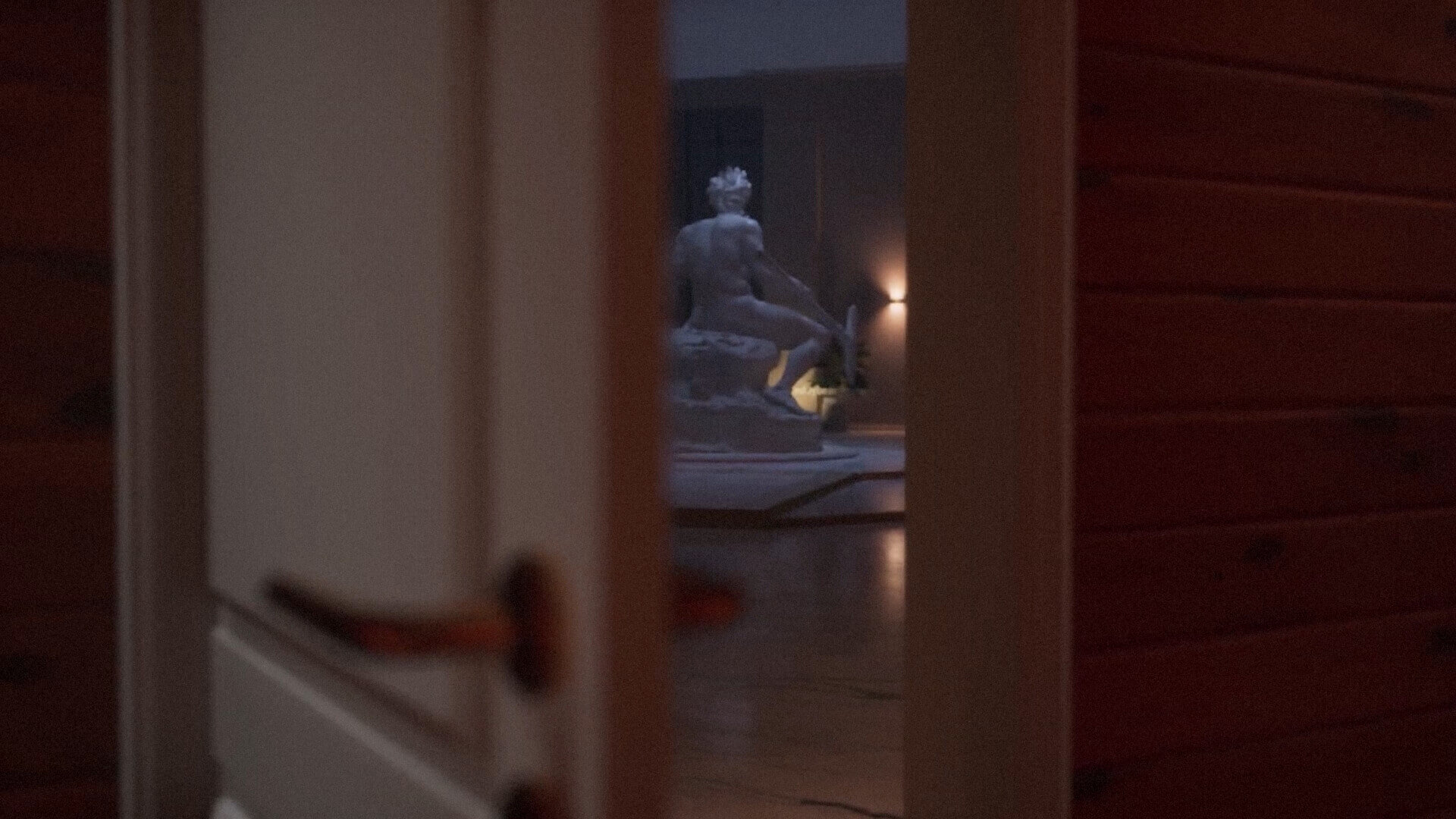
What follows is an unsavory and unsettling exploration of Hollywood’s warped and imbalanced power dynamics. Duke’s lavish mansion proves as grand and convoluted as any Resident Evil lair, rife with secret rooms, locked doors, and baroque puzzles, and decorated with an eerie assortment of oddball filmmaker memorabilia—costumes, props, and merchandise drawn from Salim’s own recollections of his first steps into Hollywood glamour.
“I remember seeing a stuffed lion,” he remembers. “That's weird. Why’d you have that in your own home?!” Outside Hollywood, wealth whispers. In Hollywood, it screams bad taste.
In moving from Tales of Kenzera: ZAU’s traditional Metroidvania design to Dead Take’s escape-room logic puzzles, Salim's grounding in the screen arts was a major asset. The first-person perspective, and the art of producing and lighting a rich environment to suit it, mirrors a director’s duties and an actor’s own perspective being on-set.
“Games have so many similarities to film and television when it comes to set design, blocking, lighting, all of it,” explains Salim. “But the unique variable in games is the player. In a movie you have complete control over what the viewer sees, whereas in a game you have to set someone loose. As an actor, that kind of immersion is insanely exciting. It gives you a lot to work with.”
Video games aren’t known as an actor's medium due to the labor-intensive nature of producing realistic animation. In cinema, conversations are cheap and explosions are expensive. In video games, the reverse is true—unless you find a way to bring in live action, as Salim and contemporaries like Sam Barlow and Remedy have found, harnessing the emotive force of real-life performances.

The betrayal hits hard in one early scene, where you see Vinny pretend not to know who you are when his audition is cut short by an ill-timed call from Chase, making Duke Cain fly into an outburst that’d make Tom Cruise blush. Ben Starr is best known for his gravelly assured vocal performances as Clair Obscur: Expedition 33’s Verso and Final Fantasy XVI’s Clive, but the nervous guilt and palpable fear he shows as Vinny in just one scene shows what he can offer when not hidden behind a long-haired motion-capture double.
“A lot of the actors that we are seeing, we only know behind an animated face, a voice of a character,” says Salim. “I wanted to show audiences these actors for who they are: their emotions, the heart they put into every role.” With a bunch of heavy hitters like Laura Bailey, Matt Mercer, and Jane Perry rounding out the cast, he has some major talents to showcase.
Dead Take invites you to play as the filmmaker as well as spectator, finding and splicing together different audition clips to create new ones to uncover secrets. In the process, players discover the art of montage, the building-block of cinema where cutting to new footage transforms its meaning. Salim remembers a Stanley Kubrick anecdote: Follow a clip of a smiling man with a gurgling baby, the result is adorably heartwarming. Place footage of a woman wearing a bikini on a beach after the same smiling man, suddenly he’s a creep!
“It was a headache to write, but it's really cool and fun to do,” says Salim about the techniques they use to make a deeper story behind each clip. “This is something that we wanted to lean into and play with. Context is revealed by mixing two things together.”
There’s unusual benefits to this actor-friendly format. Going off-script would usually give animators and artists an unwelcome to-do list, but Salim can afford the occasional ad-lib—practically none of his performers' off-script moments were cut. In fact, improvisation was encouraged.
“We wrote with these specific actors in mind partially because we knew they’d be ready to throw some curveballs our way if we let them,” says Salim, who knows his two leads well, having even attended drama school with Ben Starr. “And with a game like this, why wouldn’t we let them? Especially when they were making the hairs on the back of our necks stand up in the studio. If actors are generous enough to give you performances like that, you use them. Dead Take is richer and eerier for it.”
Considering its subject matter, it's slightly ironic that Dead Take's tale of the dark side of showbusiness is really a feat of actors working together. Its performers bring truth and honesty to their depiction of an easily idolized profession that can turn intensely nasty.
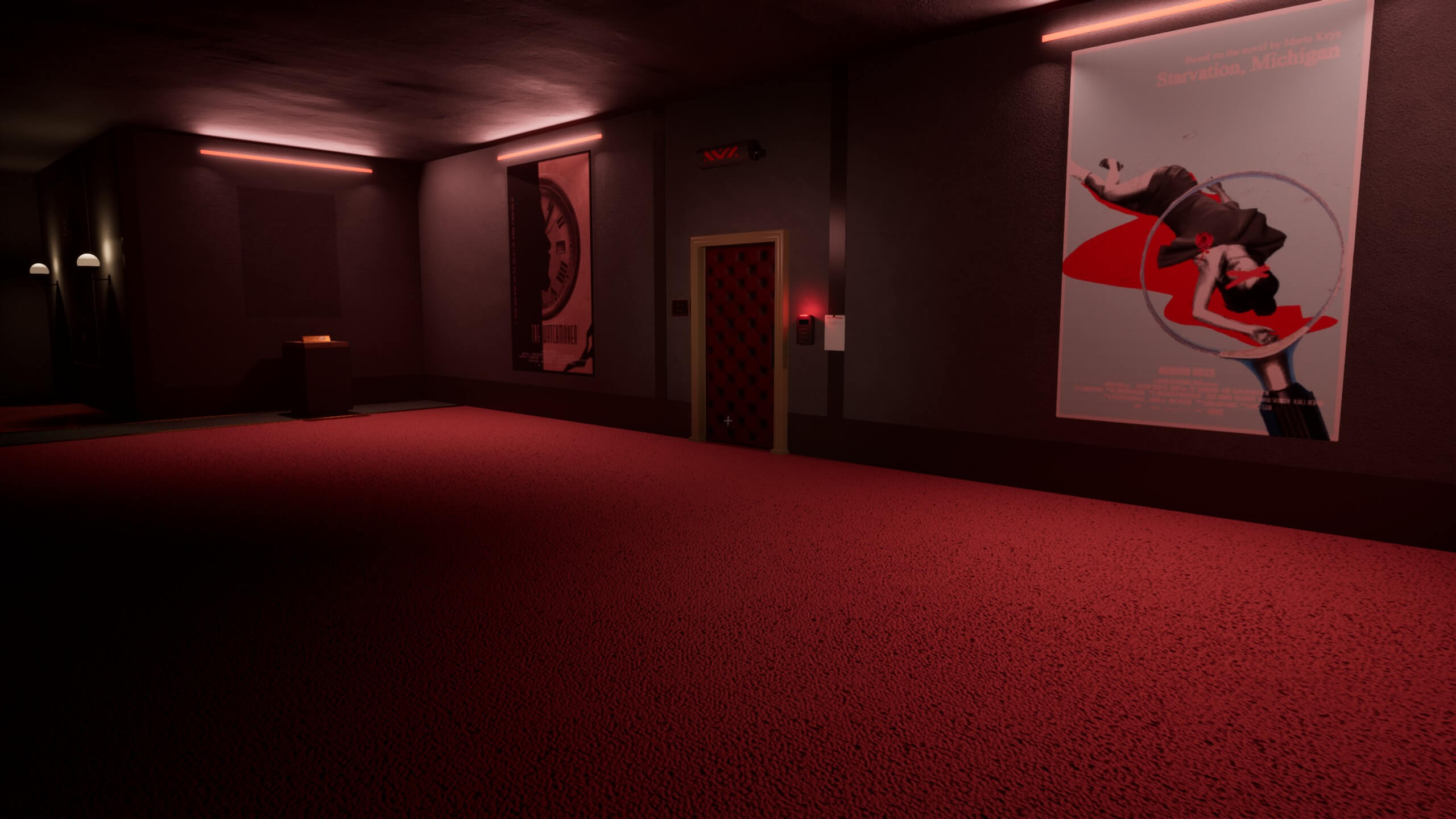
“It’s about building that sense of anticipation and dread that comes with being an actor in Hollywood,” says Salim. “You feel like your big break or your greatest downfall could be lurking around every corner. It’s that walking on eggshells feeling, filled with hope and terror and disgust, that fuels the horror in Dead Take. It’s not supernatural. It’s real.”
Dead Take is available now on the Epic Games Store.