Five reasons Dishonored is actually a horror series
There are plenty of horror games you can play during the spooky season, but one series that tends to get overlooked is Dishonored.
Arkane Studios and director Harvey Smith set the bar high with 2012's Dishonored, acclaimed for its excellent stealth mechanics. But the series is also surprisingly dark, full of subtle elements and story beats that make the world feel unfathomably cruel and infinitely creepy—like the rat plague that ravages Dunwall in the original Dishonored or the mysteries surrounding the Outsider in the standalone Dishonored: Death of the Outsider expansion, or even just whales. If you look into the lore and history of this world, you'll find a lot that's unsettling.
Today we're recapping five reasons why Dishonored deserves to be lauded for horror as much as stealth—and why you should revisit the series this October.
Pandyssia
For a fictional continent as big as Pandyssia, we know very little. It's a giant land mass to the east of the Isles where the games take place, and we only learn about it from notes, diaries, and brief mentions from other characters. But this enigma is vital to our understanding of the world of Dishonored and the dark occult magic at the heart of the series.
There have been multiple expeditions to Pandyssia. Many attempts "ended in madness and failure," according to the in-game book Mysteries of Pandyssia, but a couple are responsible for many of the primary conflicts behind Dishonored.
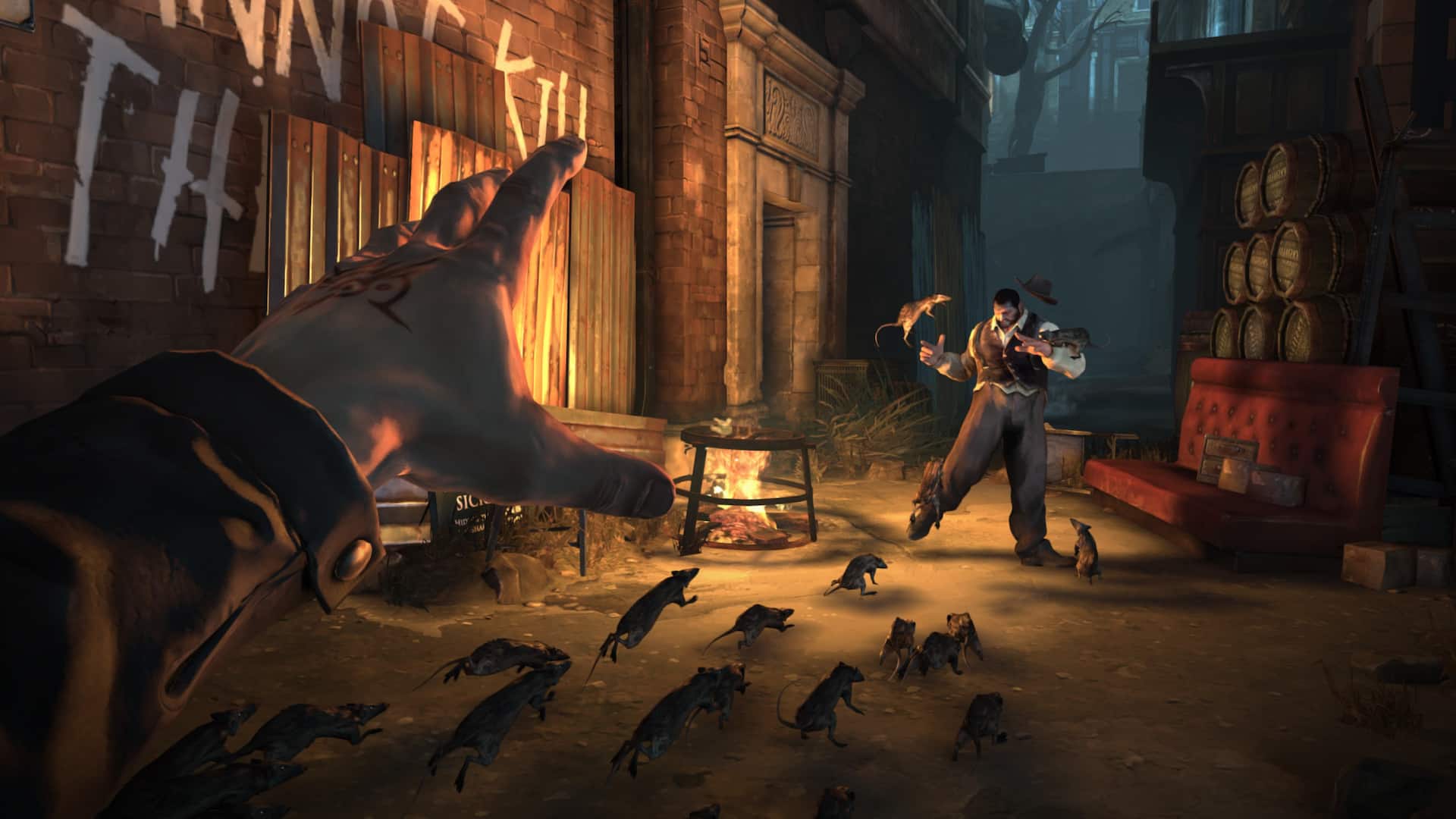
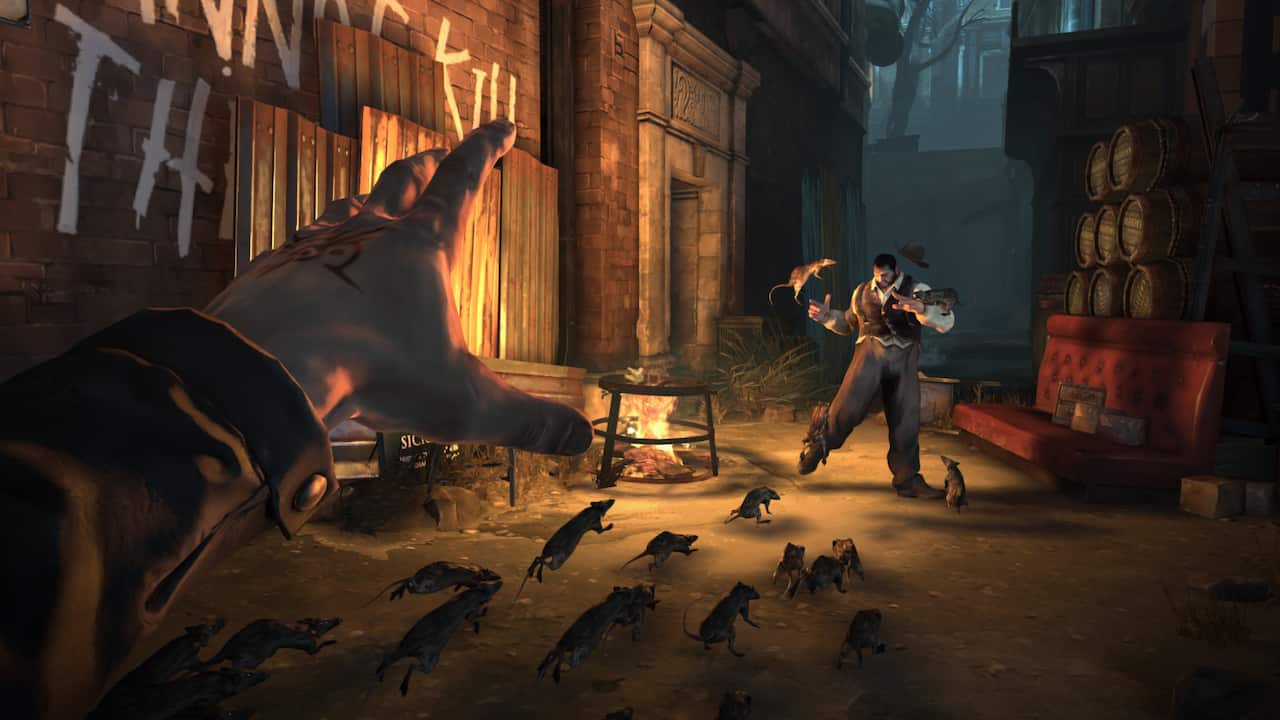
The first is the journey of Anton Sokolov. Many men died on the way to Pandyssia from things such as poison "delivered by a school (or would one say a flock) of small fish that fly over the waves like birds." Others died once they reached land from ant-like insect swarms and (more importantly) large rats. It's well known that Hiram Burrows, antagonist of the first Dishonored, caused the rat plague to eradicate the poor, and it all can be traced back to these rats on Pandyssia.
Then there's Vera Morley, a.k.a. Granny Rags. She and her former husband discovered cave paintings and ruins during their time on Pandyssia that pointed to the existence of the Outsider—the boy with the black eyes. They eventually made contact, and Vera obtained the Outsider's Mark. She would bring this mysterious magic back with her, using bones to make runes and slowly devolving into the decrepit Granny Rags we meet and fight in Dishonored.
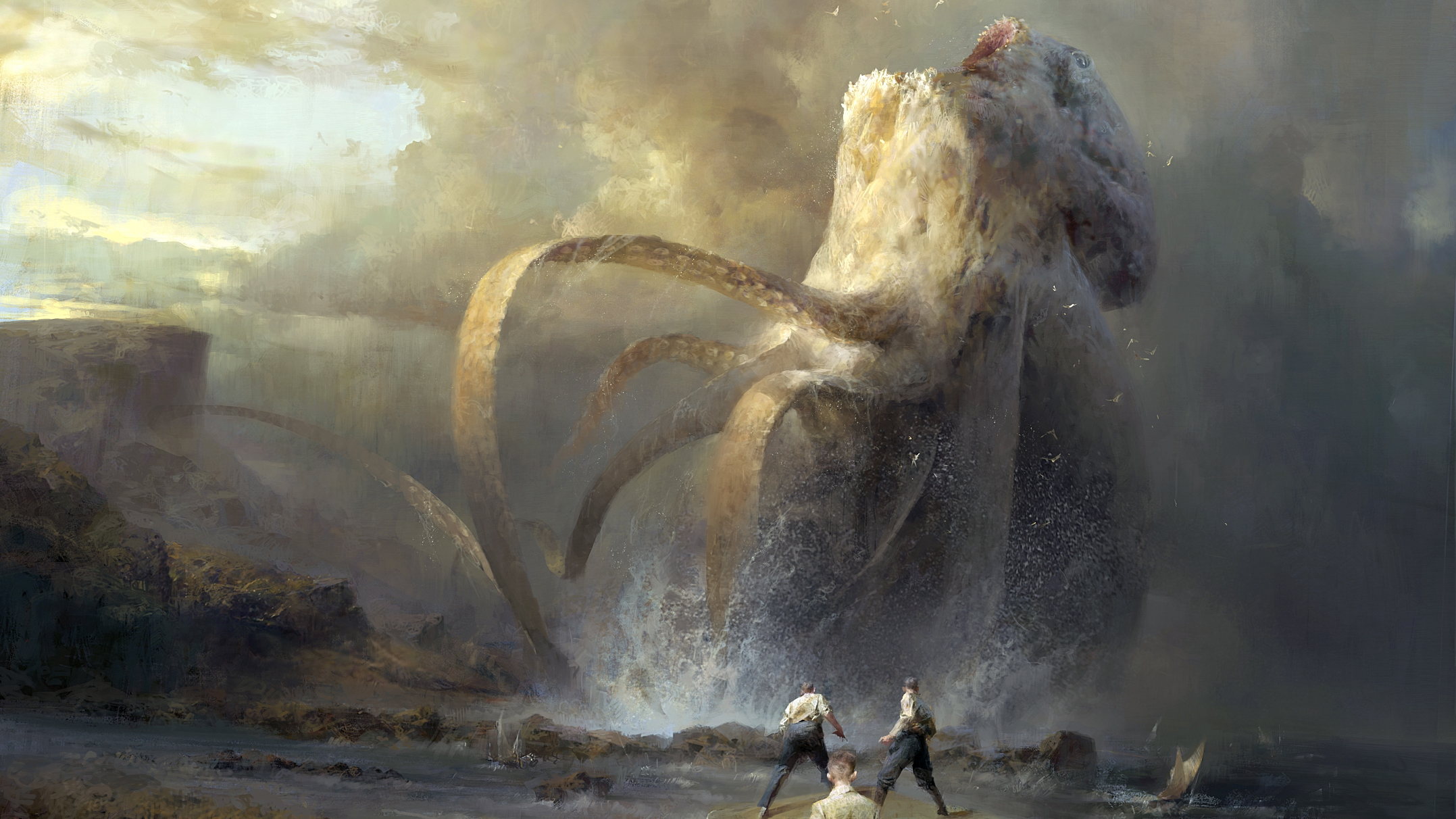
Pandyssia is home to horrifying creatures, like a giant creature called the Devourer that rises from the ocean and attacks ships. However, because the player never visits Pandyssia, we never learn the objective truth. Is it a "place of wonder" as the Academy of Natural Philosophy says, or full of "horror and heresies" per the Overseers?
A journey to Pandyssia would be a great reason to hop back into a hypothetical Dishonored 3, but for now all we have are writings, drawings, and a map we want to explore.
The Void
Dishonored loves keeping you in the dark, and nowhere is darker than the Void. You end up there quite a bit during the games, but the Void's origins and existence remain elusive. We know it's the home of the Outsider, the godlike being that gifts supernatural abilities to the games' characters, and that objects and other beings sometimes appear there—but that's kind-of it.
Even some basic questions, like where the Void is located, are never fully explained. It seems to exist in conjunction with our dimension, as whales exist in the Void and the physical world simultaneously. But if the Void is like the ocean, maybe it exists underneath everything instead. It could also be a sort of afterlife, or as the Heart says, "The end of all things. And the beginning."
According to Smith, the Void "takes on the attributes of the time or process that made it." If the Void is shaped by the time and the deity inside, then what would a Void look like under another god?
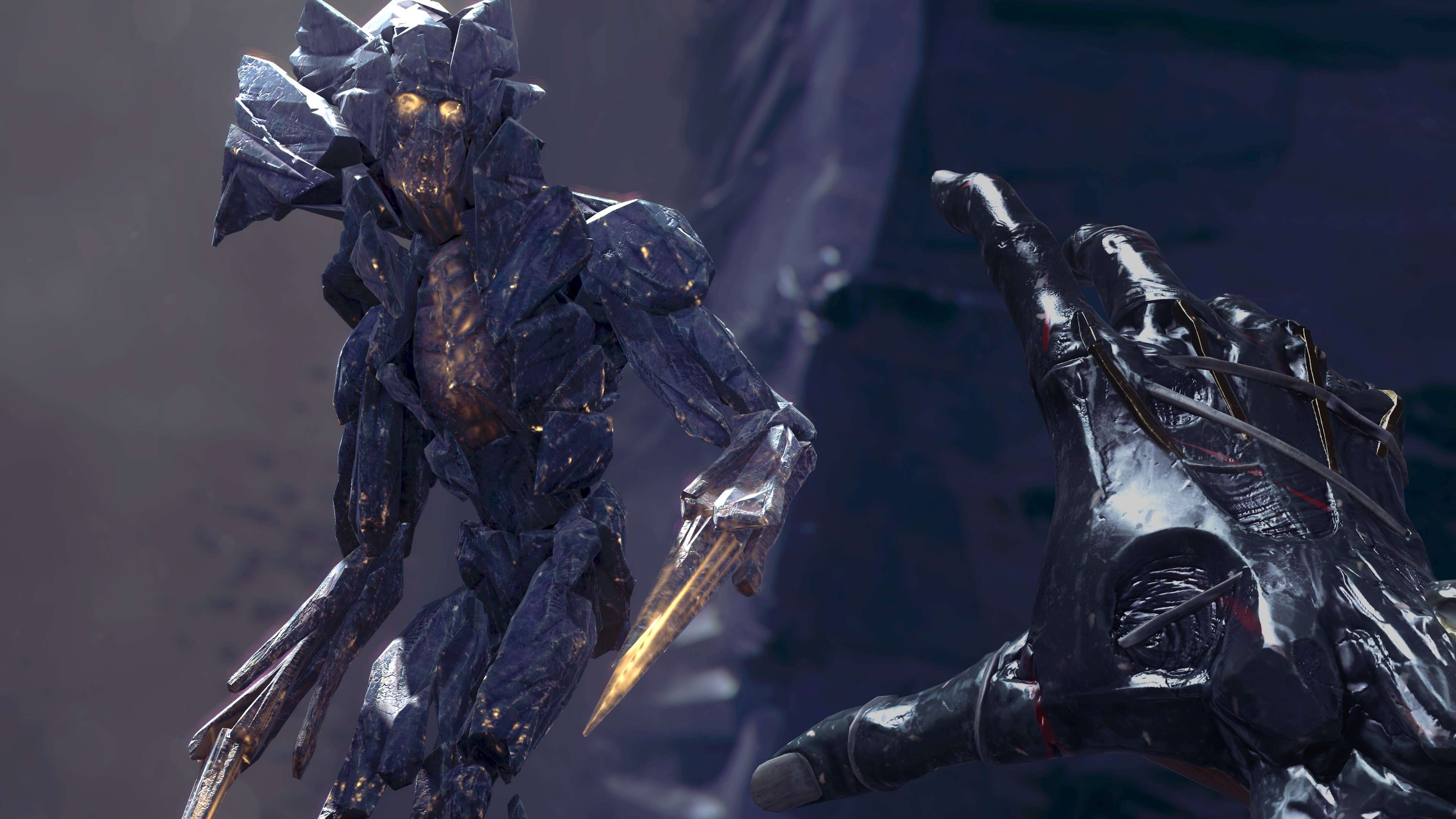
Void deities
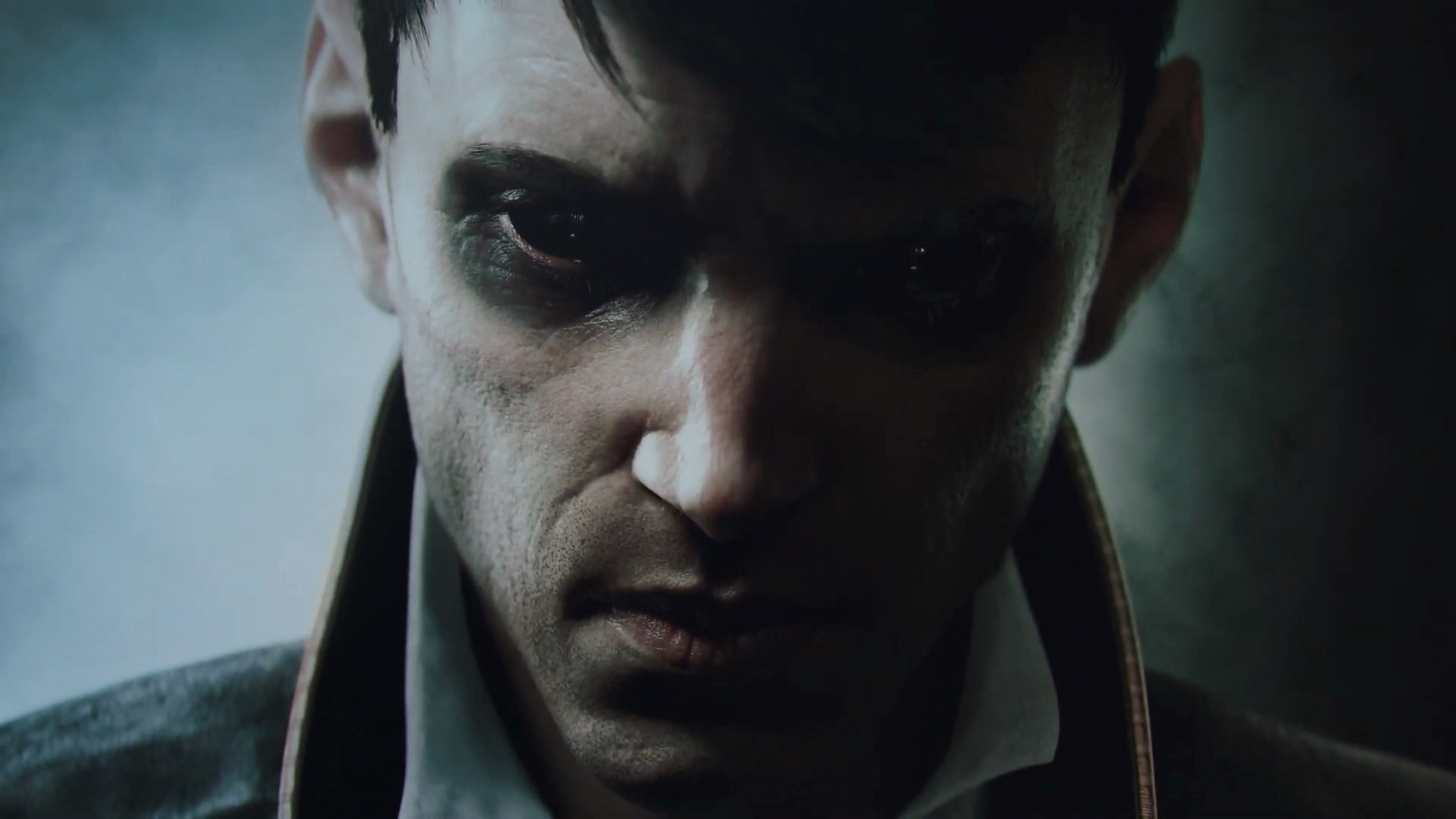
The most well-known omnipresent being in the Dishonored series is the Outsider, a pale and black-eyed, melancholic man with seemingly immortal powers. Sure, you're able to defeat him in Dishonored: Death of the Outsider, but for a long time, he feels unknowable and otherworldly.
The reality is more tragic. As in the Ursula K. Le Guin story "The Ones Who Walk Away from Omelas," the Outsider was a sacrificial lamb. The Cult of the Outsider, otherwise known as the Envisioned, created him as part of a ritual to fill the emptiness inside the Void as part of a vague prophecy 4,000 years ago. He has become the central figure of both people's ire and of their devotion.
But as Smith has stated, the Void craves a deity. That's where the Eye of the Dead God comes in. Personally, this is one of the most horrifying objects you'll encounter in Dishonored, a giant black-and-red eye that you find on Serkonos. Just being near it for extended periods of time can give you special abilities—or turn you to stone. We're told that it belonged to the deity who existed before the Outsider, but what kind of being was it?
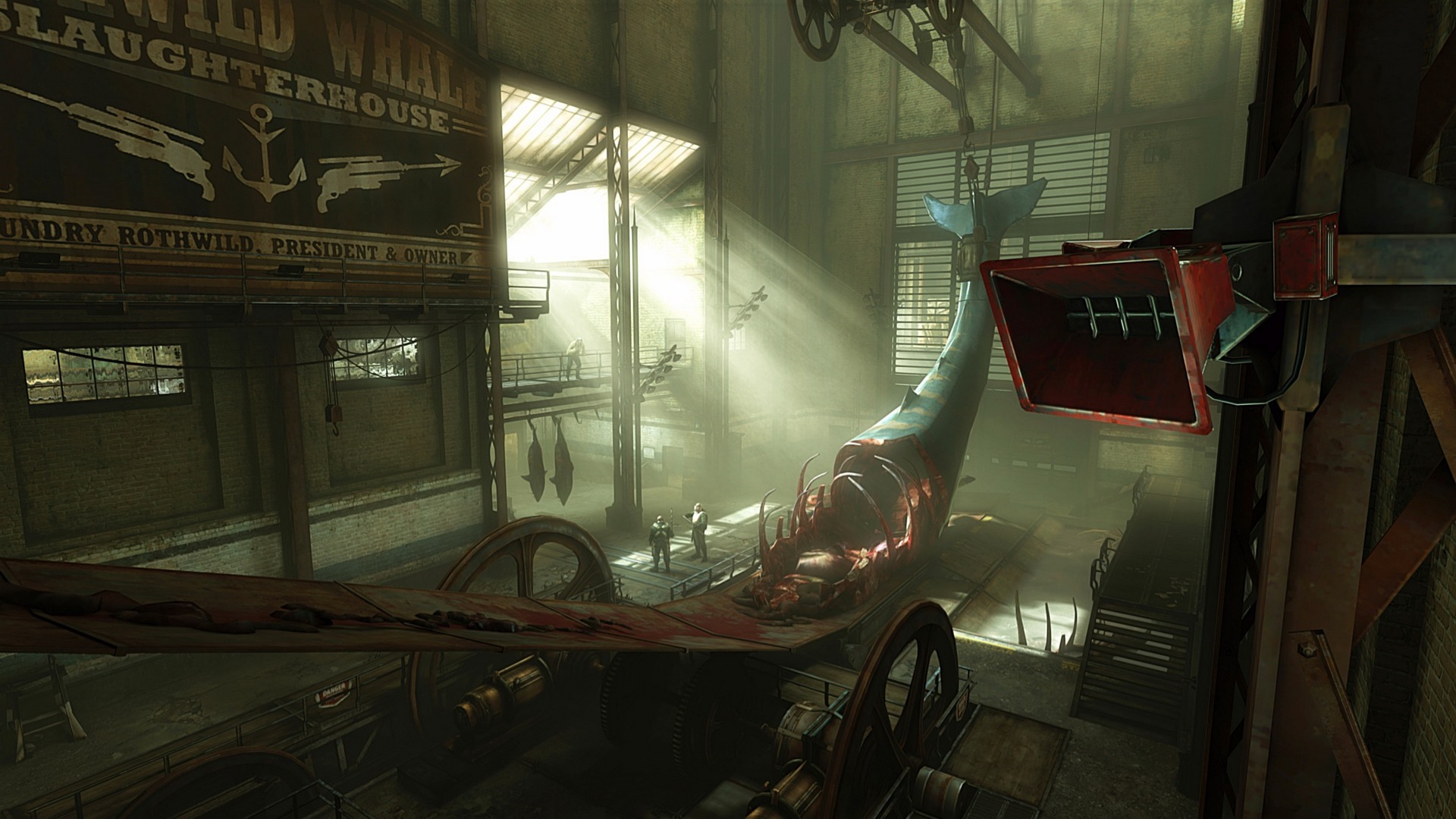
Whales
Whales are key to understanding Dishonored. Whether they're using whale oil for power, bleaching their bones for runes, or simply eating their meat, most citizens utilize whales.
But these are not simply whales as we know them. While they look normal at first glance, they actually have what look like tentacles hanging off the bottom of their gigantic bodies. Then there's that whole magic thing—why can their bones be used to create magical runes?
Whales have an unexplained connection with the Void. Most of what exists in the Void remains static, floating in air for the player to jump on. Nothing appears to be alive—except for whales, which can be seen swimming suspended in the Void. It's as if you are standing on the ocean floor looking up at magnificent, otherworldly creatures swimming in the distance.
This raises a ton of questions about the Void, but Smith says that this affinity might be related to a kinship between whales and the Outsider. Whales are "creatures of beauty and sadness; deep and beautiful; hunted and crassly slaughtered for their oils… creatures of magic, too, in a sense; natural wonder, spirituality, aesthetics." He doesn't go as far as to confirm that this is the sole reason behind that connection, but it shows how just a couple details can make something as innocuous as "whale" into something more eerie.
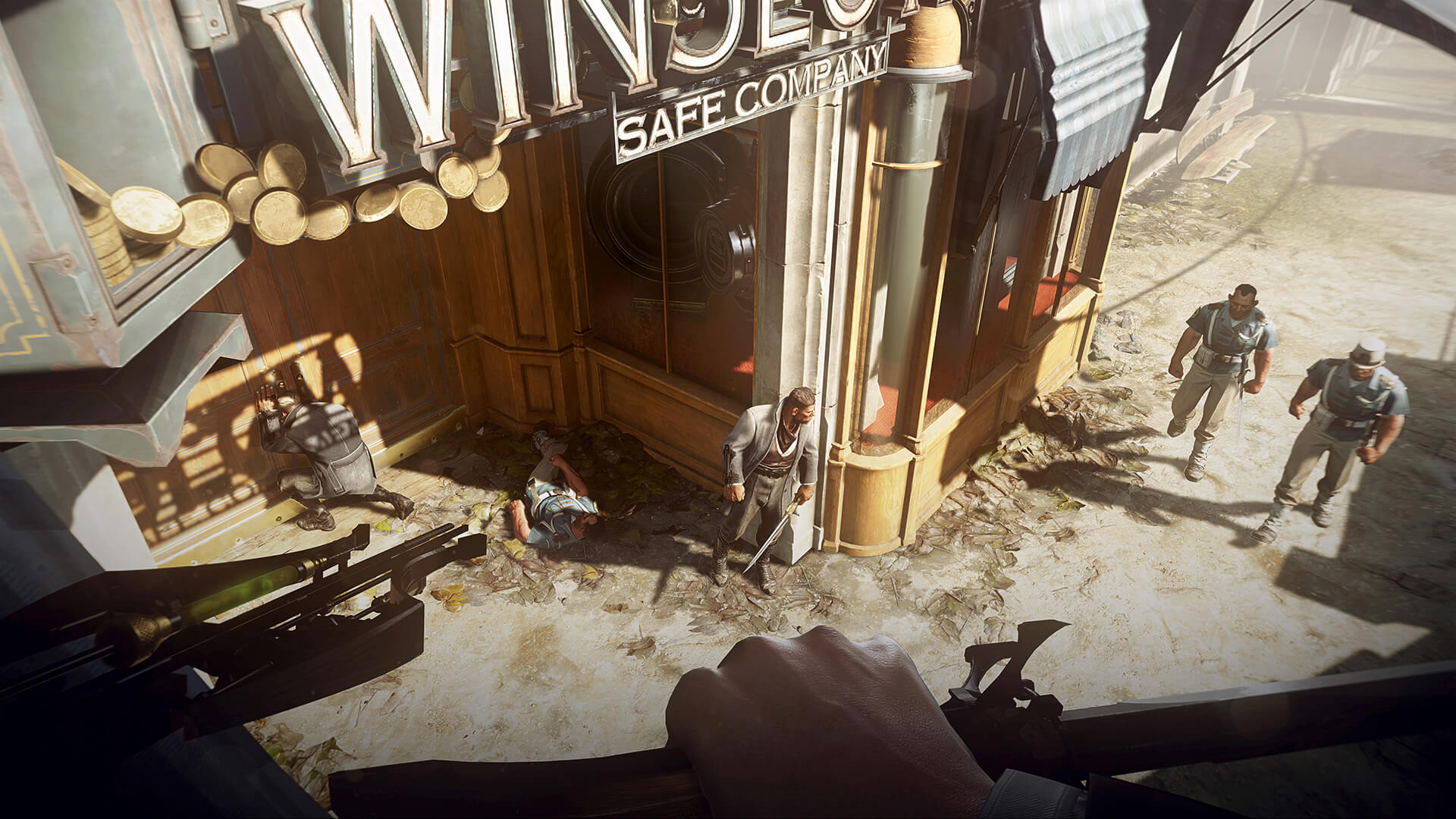
The Heart
You receive many mysterious tools throughout the Dishonored series, but the Heart leaves a huge impact. Squeeze it, and it'll reveal secrets from people and the environments around you that only a magical relic would know. At first, it's unclear who is speaking through the Heart, although it's heavily implied—and then confirmed in Dishonored 2—that it's Jessamine Kaldwell, the empress assassinated at the start of the first game.
How she ended up inside the Heart (and in what form) is still open to theory, but Smith confirms that she will only be free when there's nobody else marked by the Outsider.
Players used the heart so often in Dishonored that Arkane made it more prominent in Dishonored 2…and also more of a double-edged sword. You can hear people's thoughts, but they might also give you the wrong kind of information. You'll learn their backstories, what they're doing after their guard shift, and what kinds of relationships they have. It might affect whether you slay somebody or not—though whether you let the Heart manipulate you is up to you.
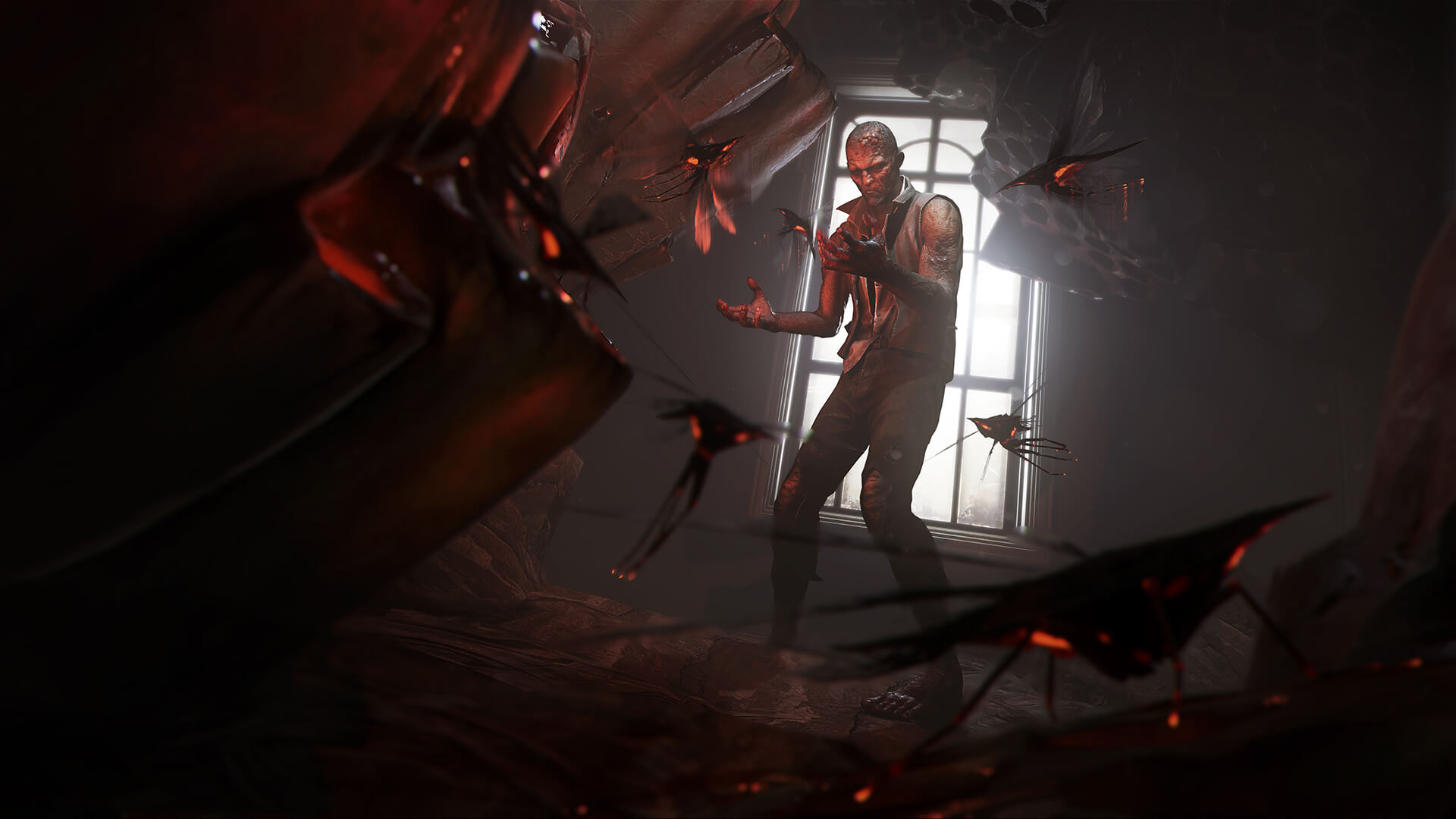
Background horror
Dishonored is built on horror, and there are a ton of smaller pieces of lore hidden throughout the world that enhance that feeling. Here are some scattered tidbits that can't fill up an entry on their own.
The Great Burning
The Dishonored timeline has its own Dark Age, called the Great Burning. A nomadic army attacked and pillaged the Isles, causing many records to be lost. That's why the calendar starts there. The cause of this era of violence remains a mystery.
Blood flies
They're just kind of gross, you know? Building a nest inside of a person only for it to burst out is Xenomorph behavior.
The Fugue Feast
Did you know that Dishonored has its version of the Purge? In Gristol, there's an annual celebration called the Fugue Feast, where people cover themselves in paint and masks, and all laws and morals are thrown out the window. And just like the Purge, it causes problems for every citizen, regardless of class.
There's so much more to discover in Dishonored. It can be a rich lore experience if you take the time to read the notes and pay attention to conversations happening around you—complete with some spooky stories to think about while you're waiting for your next target.
Dishonored, Dishonored 2, and Dishonored: Death of the Outsider are available on the Epic Games Store.