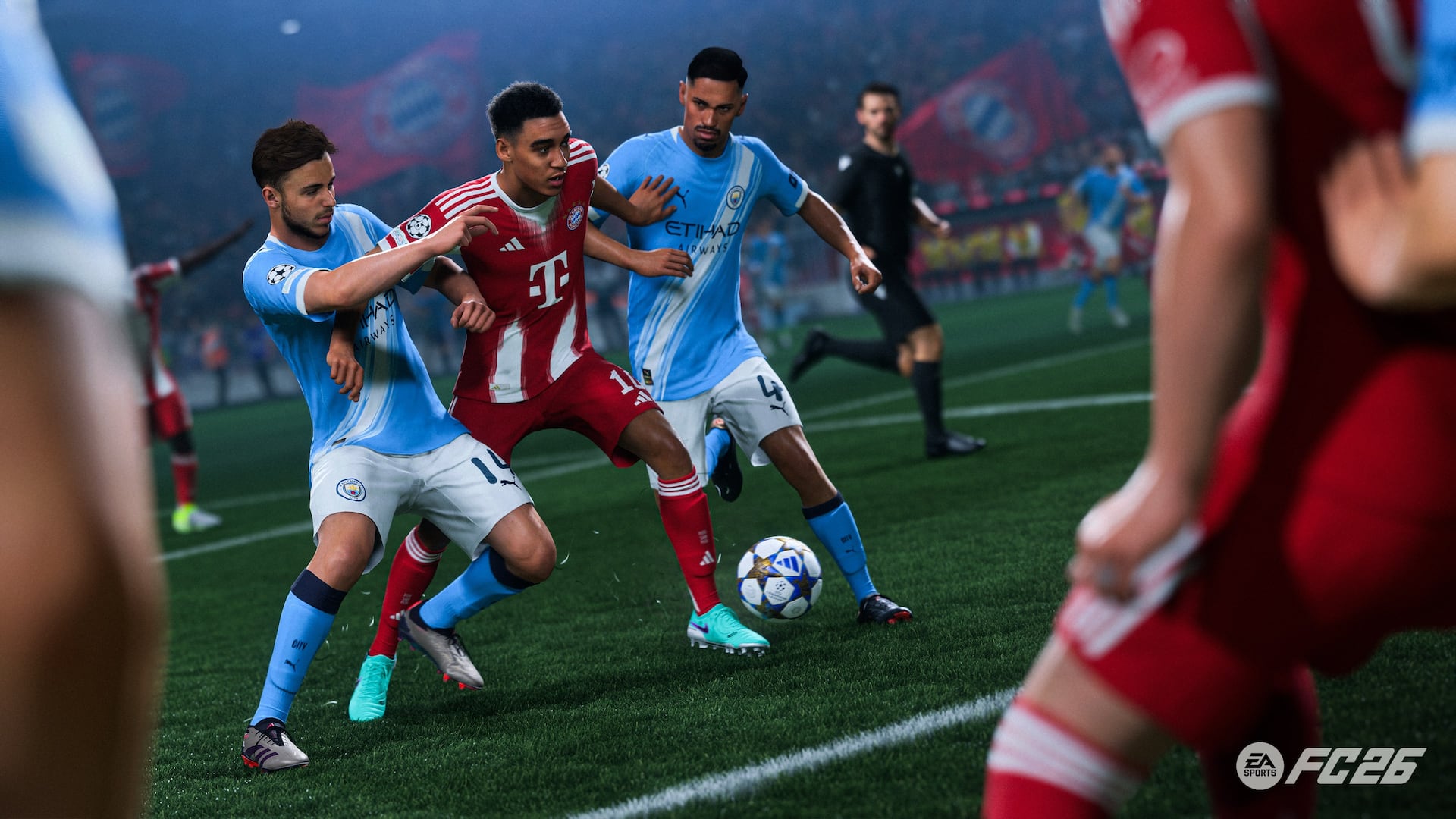
EA SPORTS FC 26 is built first and foremost with its players in mind
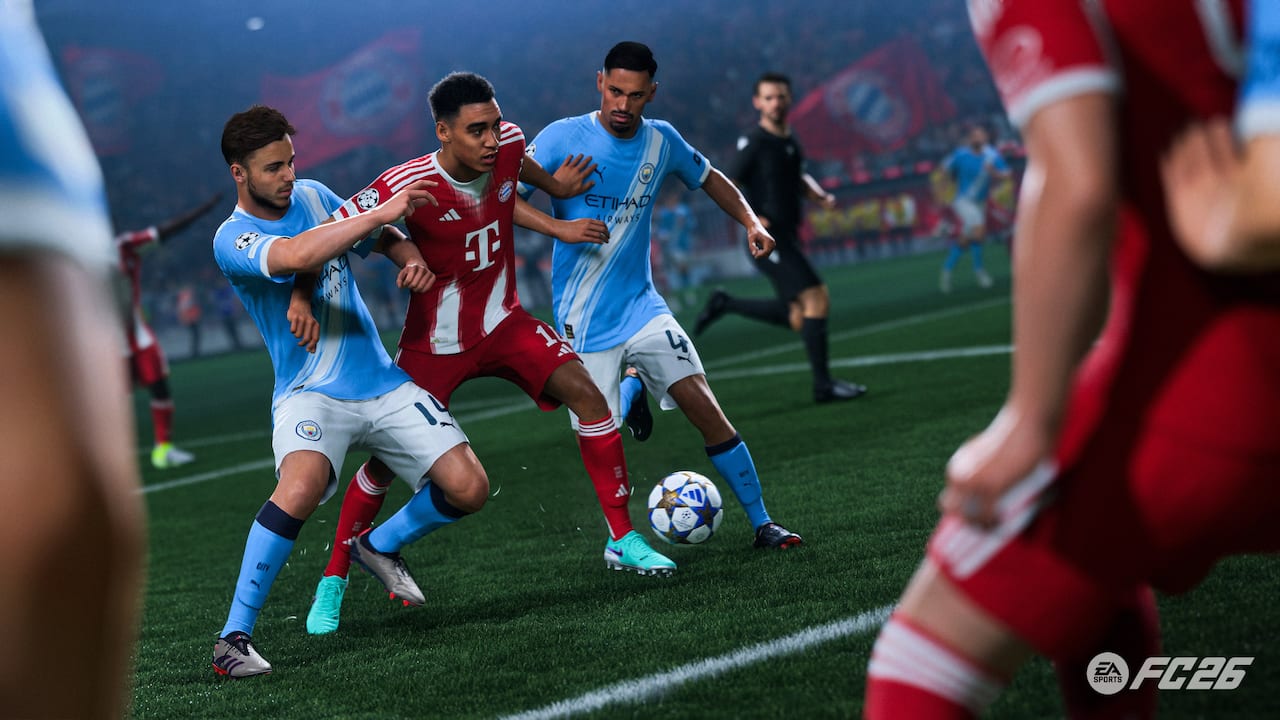
If there is one thing the team at EA Vancouver wanted us to know when we visited for an early hands-on with EA SPORTS FC 26, it’s that this year’s game was developed by listening to players. The team isn’t here to chase trends or hop on fads. No, every element starts by listening to what the people who play the game are asking for. Everyone we talked to, every conversation, had roots in watching and listening to players.
After two days of hands-on gameplay with EA SPORTS FC 26 and in-depth walkthroughs of core gameplay changes, rebuilt progression systems, and a dynamic new approach to managing a team, we couldn’t help but think one thing: The players might be right.
On the pitch
The first thing that stood out when we sat down to play EA SPORTS FC 26 was how much more responsive the action on the field was. Changing directions with a fast striker was quick and smooth, and it’s clear that a Messi-like forward will be a lot of fun to control. Notably, the team at EA Vancouver didn’t simply increase an animation slider. Rather, they went behind the scenes—and in some cases directly into the code—to make the adjustments. It was a big project, but necessary if the team wanted to make good on their commitment to listen to what players were saying, according to Paul Parsons, Lead Gameplay Producer for EA SPORTS FC 26.
“We had a vocal audience saying 'We need the core fundamental gameplay to be better,'” Parsons says. “That visceral memory of fun—that’s why they play the game. The feature they asked for was for gameplay to be as refined as possible. And that’s what we were able to do on the gameplay team.”
According to Parsons, dribbling was where animation, inputs, positions, and all the other variables converged the most, so they focused their attention there first. Dribblers now touch the ball more, move faster while jogging and sprinting, and are able to turn or change direction quickly. Elite dribblers benefit from faster animation and can be explosive on the pitch in skilled hands.
Soccer isn’t all speed and agility though, and this year, those who rely on their size, strength, and physicality are getting a boost as well. Boxing out defenders while dribbling is more effective for the larger and more powerful players on the pitch, letting them use their muscle and frames to maintain control. Size also translates into how colliding and jockeying for position works—a shoulder check from a hulking midback on an undersized wing might be enough to send them reeling, creating space for offensive opportunities. This also feeds into the new Enforcer playstyle, with skills built around better shoulder challenges and shielding the ball.
“Strength, power, and skill are expressed through control of space. We had shielding in the game, but we wanted to make that more part of the core gameplay—that ability to hold off an opponent or, when you are dribbling, to lean a shoulder in and body somebody off the ball.”
The good news for defenders is they aren’t being left in the dust. Goalkeepers, in particular, are getting some upgrades designed to make them more effective and more authentic. For computer-controlled keepers, this means smarter positions in the box to create the correct angles to handle incoming attacks, new animations, and a more intelligent understanding of shot trajectories to make realistic save attempts. For human-controlled players, these updates mean a revamped control scheme, allowing you to prepare to dive with the flick of a stick, time a punch or catch of the ball, or rush an attacker to block or smother the ball.
Defenders on the field, meanwhile, will notice changes in tackles, blocks, and interceptions, especially when it comes to how their players control the path of the ball. A midfielder intercepting a pass won’t just bump it in a random direction. They’ll look to set themselves or a teammate up to keep possession. Well-timed tackles will earn clean possession more often, and deflections near the goal (including by the keeper) will now be done with an eye towards getting the ball away from attackers and out of danger, just like a high-level pro would, leading to fewer cheap goals off of a rebound.
Soccer is for everyone
Regardless of whether you're on offense or defense, one of the key changes this year is the splitting of tuning for competitive and non-competitive modes. The idea is pretty straightforward: remove variables from head-to-head gameplay modes like Ultimate Team and Clubs so that skill, not luck, determines the winners, but keep the action authentic (and at times less predictable) for those who prefer more true-to-life action in modes like Career.
An example Parsons gives me is when one player gets tangled with another—a common occurrence in a soccer game. “It’s close to a card, and in Authentic, we have the player put up their hands and look at the referee, because that’s part of the tapestry of what we are building here. Whereas in Competitive, I want this guy back on his feet and in the play. That’s not something you can tie to a slider.”
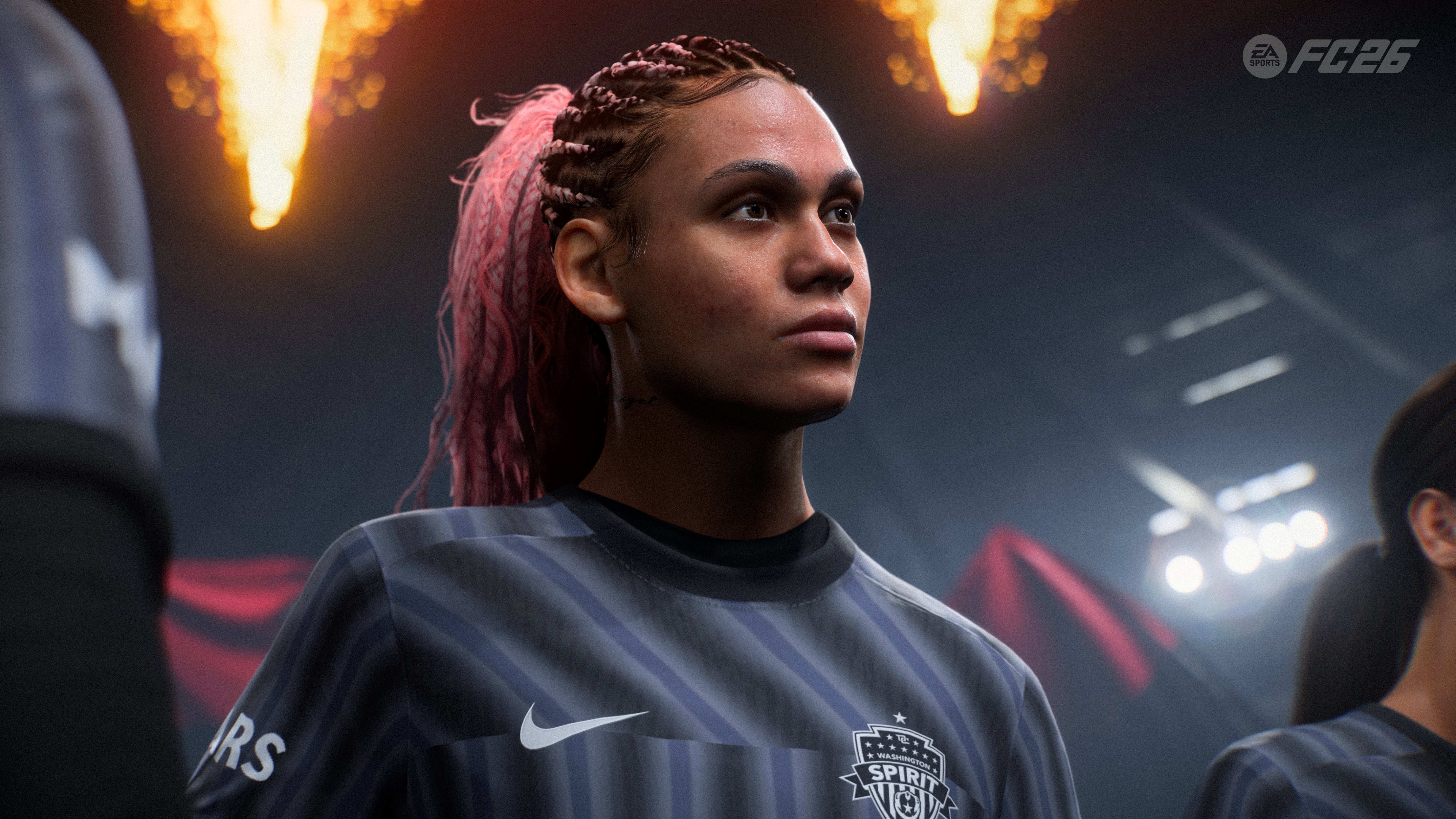
The other big focus is on accessibility. The goal, according to the EA SPORTS FC 26 team, is to create the most accessible sports game on the planet—an area where the community told them they were sorely lacking. Working with accessibility specialists at EA and in the community, however, they were able to come up with the first steps in an ongoing process.
The biggest new feature is the introduction of a High Contrast mode. This allows for modification of home and away team colors, pitch saturation, and ball color. There are different color options for each, to accommodate a range of visual needs—and importantly, this mode is available in competitive play.
“It’s very uncommon for any competitive game to allow things like High Contrast in competitive play,” Parsons says. “That’s ludicrous. That’s not accessibility, that’s convenient. And we want to make sure we are an accessible game.”
More to manage
One of the primary goals for Manager Careers in EA SPORTS FC 26 is to deliver a more interesting experience, especially to those who have played the mode previously. That starts with the new Manager Live challenges. These are curated scenarios based on some of your favorite clubs, with specific objectives to accomplish. Some beginner challenges will focus on transfers or scouting, and are good for learning how to use those mechanics, while more advanced goals might revolve around winning a championship after starting from a major points or financial deficit.
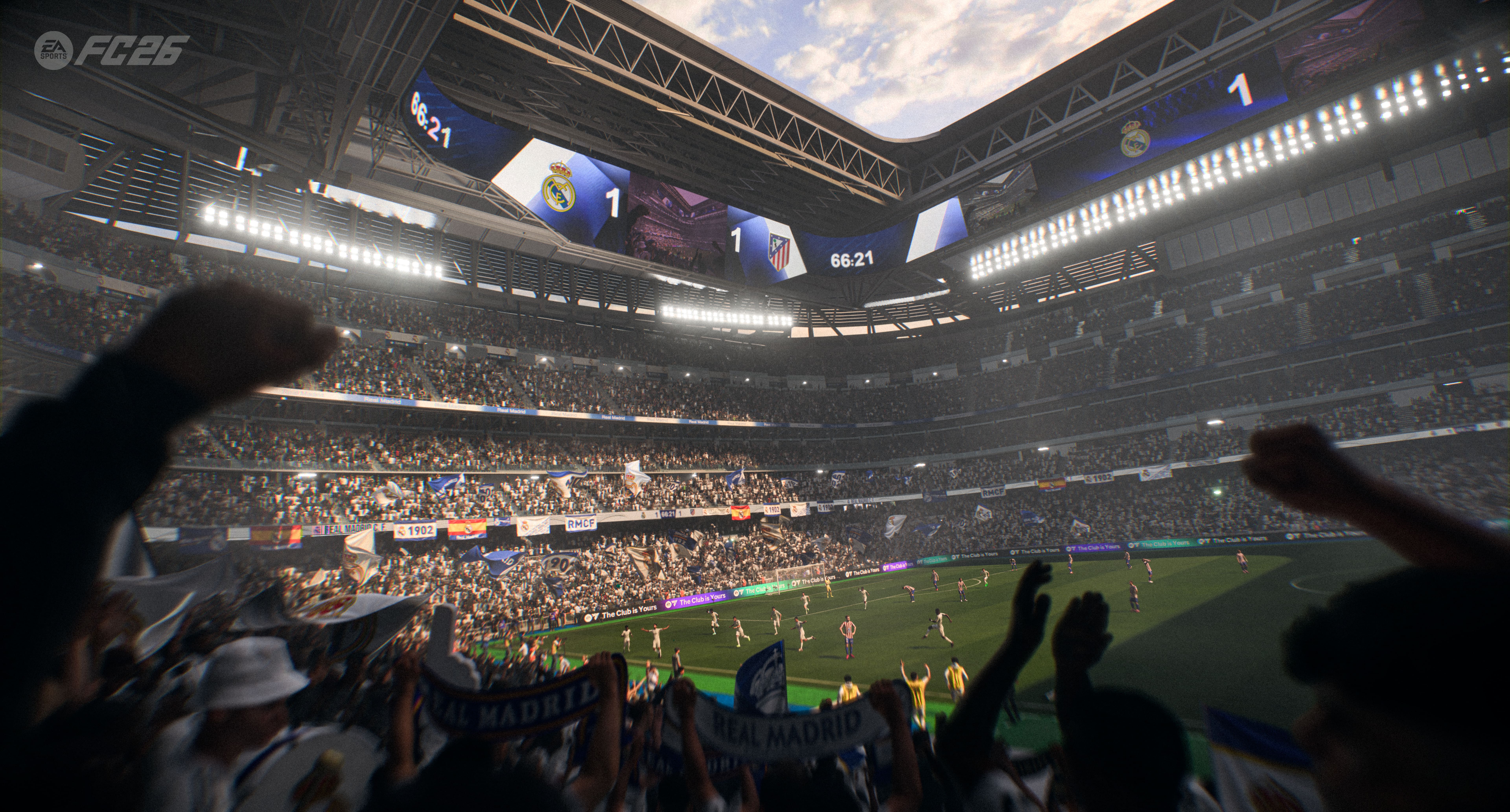
New challenges will be delivered weekly, and completing objectives is good for more than just bragging rights. Your progress can earn you in-game rewards like retro kits for your players, or even unlock Icons, including new additions Zlatan Ibrahimović and Alex Morgan, which you can then put into your favorite squad.
According to Andreas Wilsdorf, Line Producer on EA SPORTS FC 26, this came directly from seeing what Career Mode players were interested in.
“If you look at the forums or Reddit threads,” Wilsdorf tells me, “you see posts of people that have been playing Manager Career for 10 years, have done multiple rebuilds. ‘Does anyone have a suggestion for a team I could play, or a challenge I could do?’ Or someone says it's their first year playing FC, and they are kind of overwhelmed with the choices. ‘Can anyone give me easy starter stuff to work on?’ And we're like, 'Hey, wait a minute, there's something there.'”
You don’t necessarily have to opt into the Manager Live scenarios, though even a more conventional playthrough managing your favorite club can bring its own share of drama thanks to the unexpected events that can pop up. Soccer exists beyond the pitch, and what happens outside of it can directly affect what happens on it. For example, what do you do if you have an important league match coming up, and your team is struck by food poisoning? That just happened to Salernitana, and could become a test of your leadership abilities as well.
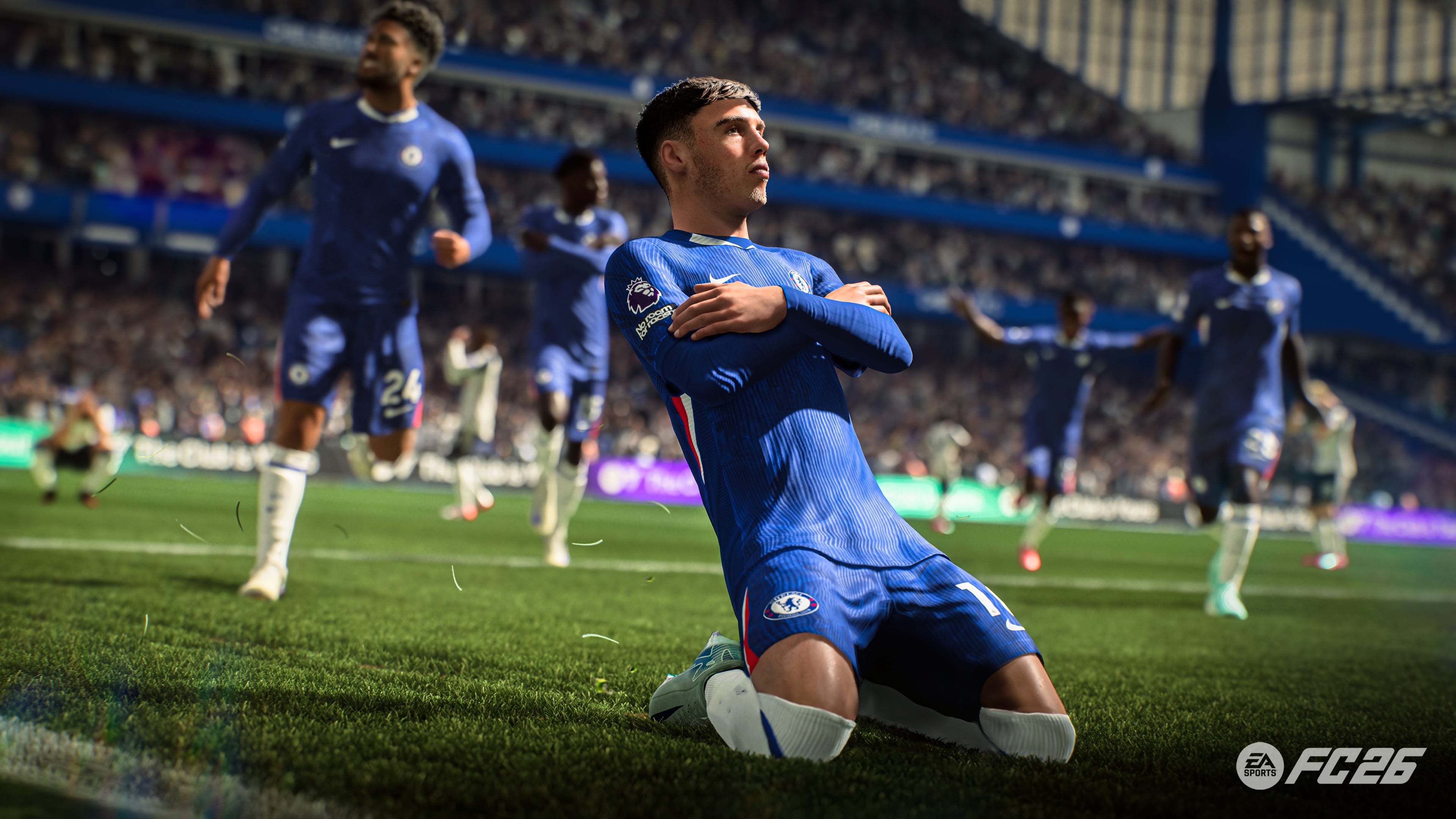
These events can be injury-related (like a player you loaned out coming back hurt) or financial (like a board takeover of a team). If a player is homesick, playing thousands of miles from family, do you tell them to deal with it, or maybe bring in another player from the same area to ease the transition? Or do you just cut your losses and transfer them for whatever you can get? Some events can be resolved in a single game while others can take multiple seasons to resolve. It’s up to you to decide how to work through it, and often there isn’t one simple right answer
“If a famous player gives an exit interview and says they want to leave the club, how do you react to that?" asks Wilsdorf. "Do you go really harsh and terminate the contract? What does that do to the morale of the rest of the team? If you put him on the transfer list and let him leave, how will your board react when they hear you made the decision to sell their player?”
The life of a manager is high-stakes, and careers can rise and fall with a team's standings. This year brings that into sharp focus. It might be enough to win some games in a smaller local club, but it will take more than that to keep the board of a powerhouse like Chelsea off your back. You can check in on job security ratings across the sport, and if you see an intriguing opportunity, you can pursue it for yourself. However, just like the real clubs, each team will also have a tactical vision, and will be less inclined to bring on a highly defensive Park the Bus expert, for example, if they are built around the quick offensive moves of a Tiki Taka style.
And those consequences don't just apply to you. Like in soccer worldwide, managers will get hired, fired, transfer, retire, or even get replaced by caretaker managers who can earn their way into staying on. One manager getting fired can have a domino effect, leading to more openings and changes as positions get backfilled, leading to fresh challenges as the teams in your league change, even if you personally stay with your club.
Icon-inspired Archetypes
For those who prefer to focus on controlling a single player, development with Player Career and Clubs has been significantly overhauled. Now, when you create your footballer, you will select their position group and assign them an Archetype. There are thirteen Archetypes to choose from, each inspired by a soccer Icon. The Zlatan-inspired Target, for example, acts as the focal point of the attack, using their physicality to dominate in the center of the action. The Creator, modeled after Xavi, can frustrate the defense with precision passes that create scoring opportunities out of seemingly nowhere.
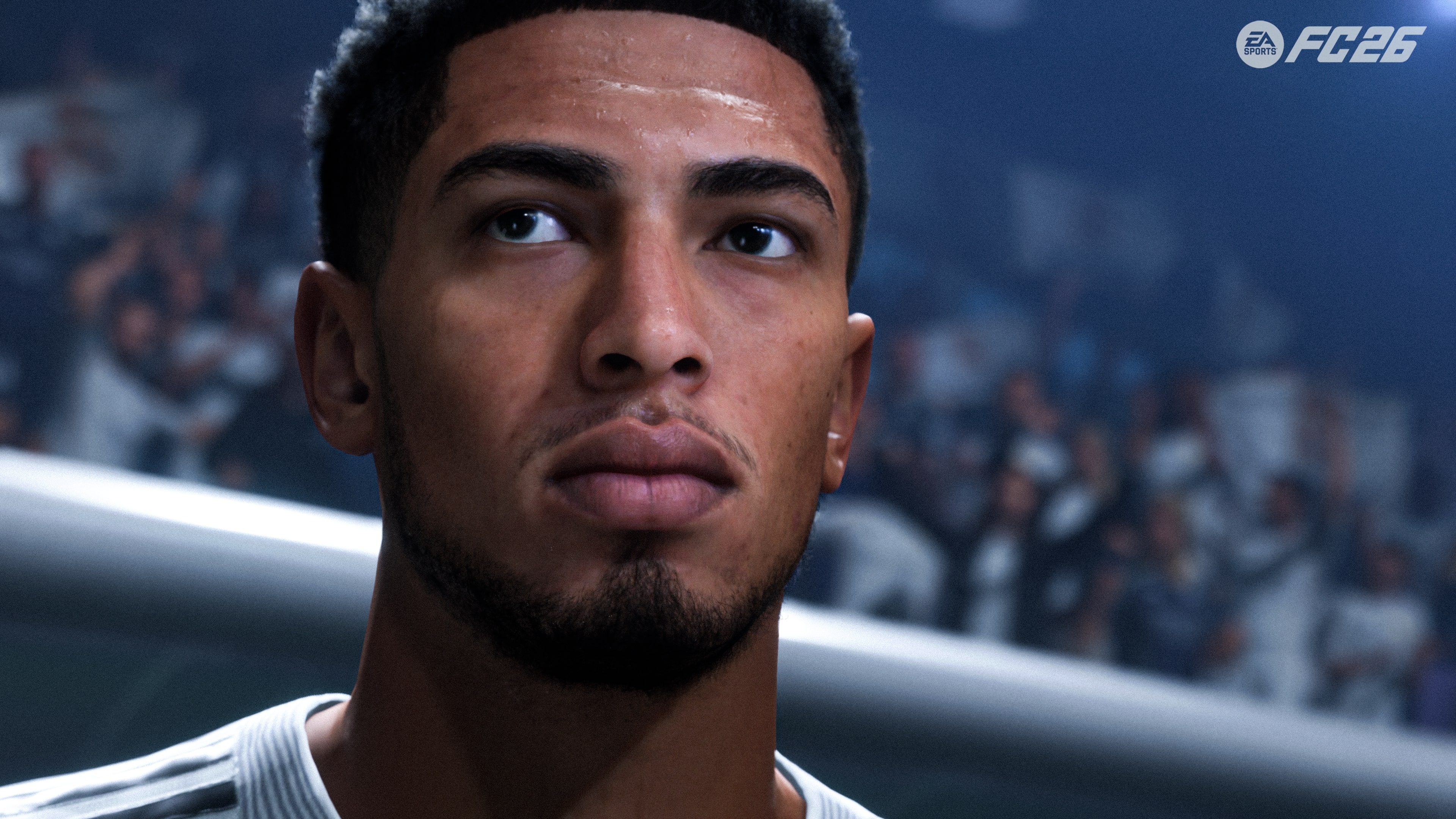
As Pete O’Donnell, Game Design Director for EA SPORTS FC 26, tells it, players will have the freedom to build however they want—but a framework to help play like their favorite players.
“You can pick who you want to be,” says O’Donnell, “and linking the idea of that to an icon helps you visualize it. And having the specialization and personality as you go along gives you ownership.”
Each Archetype has three unique specializations that can be unlocked as you progress, personalizing their playstyle even more. A Magician Archetype, for example, can become a Hotshot, hitting powerful shots after entering the box, or an Invader, providing boosts to teammates when you pass them the ball in the right attacking situations.
Progression is now influenced by your training and match performance, and the upgrade tree has been replaced by the ability to freeform distribute points towards the attributes that matter most for your Archetype. You can invest points wherever you want, but you’ll need to improve your key attributes to increase your rating within your Archetype.
“We want to be clear to players what route they’ve chosen, so we will highlight the key attributes, but there are still 20 – 30 you can change, so go your own route,” O’Donnell says.
The world’s game
EA SPORTS FC 26’s focus on fundamental gameplay over flashy new features is a risky move from a marketing perspective, but it only took playing one game to see that it was the right call. The speed and responsiveness feel great. The introduction of more dynamic options to shake up the Manager Career is intriguing, as is the idea of building a player into an Icon at the level of those featured in the game. Sometimes it really might be as simple as listening to players and delivering what they ask.
Pre-purchase EA SPORTS FC 26 or the EA SPORTS FC 26 Ultimate Edition ahead of its September 2025 release on the Epic Games Store.