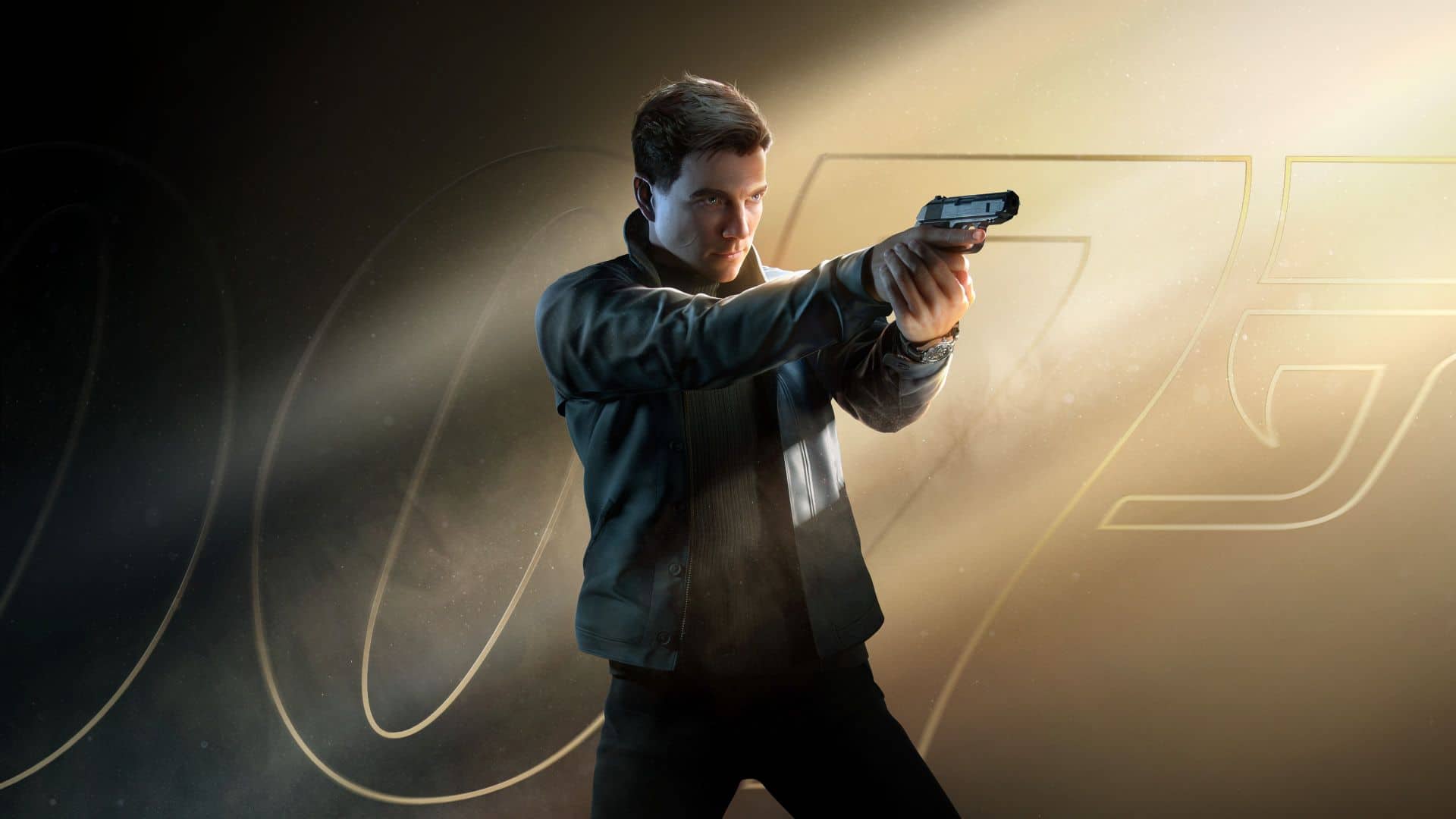
Earn the Number: A 007 First Light interview and hands-on
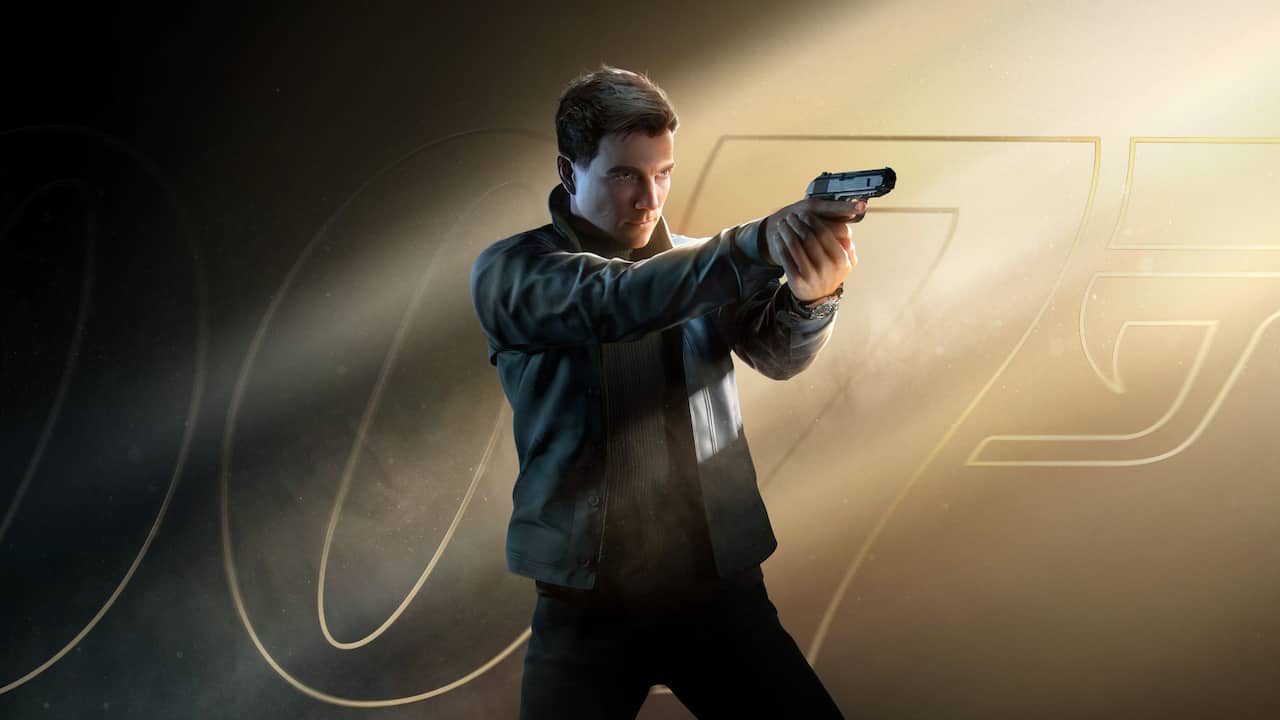
The tagline for James Bond’s upcoming video game outing is “Earn the Number.” After playing the IO Interactive-developed title for 3.5 hours, I believe they just might be able to.
The James Bond franchise is, broadly, in a really weird place right now. For decades, a new James Bond film release was a very common occurrence; basically every two to four years, we’d get a new story featuring the iconic British secret agent. The actor would change every handful of adventures, but they were a regular feature of British pop culture.
The most recent James Bond actor, Daniel Craig, picked up the role 20 years ago, and we’ve only had one James Bond Film featuring him released in the past 11 years. Rumors of an imminent new Bond actor announcement have been rumbling for a while.

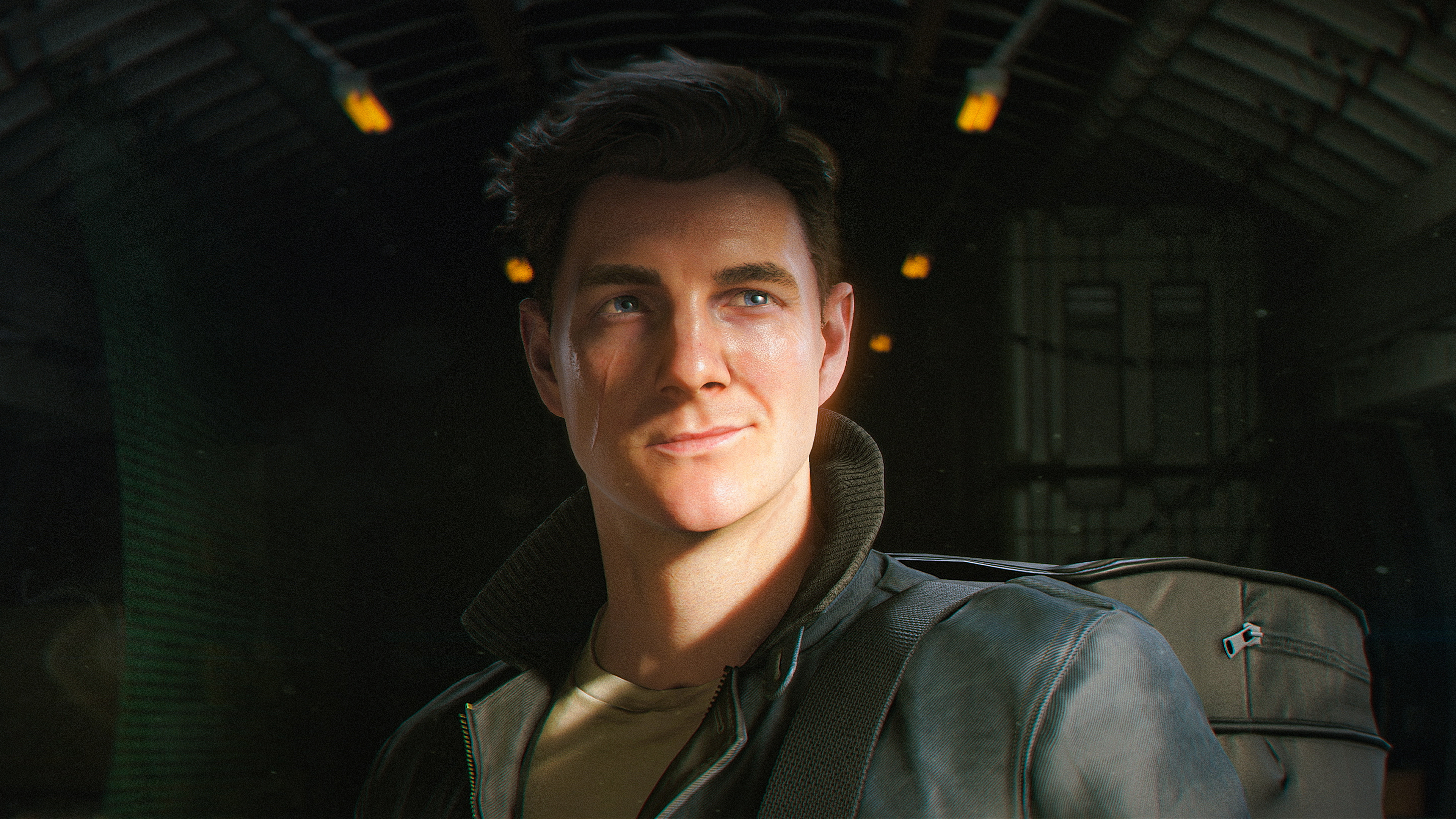
It’s against this backdrop that 007 First Light releases next month. Featuring a 26-year-old version of the character (Approximately half the age of the current movie actor), the game is set to explore Bond’s journey from a Royal Navy service member to an iconic secret agent for MI6.
I was able to go hands-on with IO Interactive’s upcoming James Bond game for three and a half hours at a recent preview event in London, and was impressed by what I played. For fans of Hitman, there’s a lot familiar here, but with a definite lean toward more cinematic authored set-piece encounters in between more open problem-solving sequences.
At its core, First Light is a game of two halves - guided gameplay and open-ended gameplay. At times, it plays like a typical Hitman video game with players free to tackle broad objectives multiple ways, making use of tools, distractions, and overheard information to sneak through crowded buildings toward your target, ideally undetected. Other times, the game plays more like a modern God of War or Uncharted game with dramatic action set pieces that feature much more narrow gameplay areas, less flexibility on approach, and a focus on narrative told through in-engine cutscenes. As someone who has historically enjoyed the Hitman games but wished they offered a little more linear narrative momentum to pull me along, this melding feels like a true best of both worlds for the studio.
I was able to experience three main levels from the game during my hands-on preview - The game’s more linear opening level set in Iceland, a tutorial for open-ended exploration set at a military training camp in Malta, and a full-length main mission from approximately halfway through the adventure set in the UK, which combined the two approaches.
Against the Odds - Iceland
The game’s opening level, “Against the Odds”, set in Iceland, sees James Bond on a military helicopter with a number of other members of the British Royal Navy. While the purpose of their mission is initially unclear, it quickly becomes apparent that their presence has been spotted by a hostile force. Their helicopter is shot down, crashing down into the ocean, with Bond the crash’s only survivor.
This opening section felt a lot less like IO Interactive’s past work on the Hitman series, feeling in many ways more comparable to something like Hellblade 2: Senua’s Sacrifice, or the more modern Tomb Raider reboot titles. A slow and disoriented walk along a beach ravaged by war, Quick Time Event prompts to try and gasp for air, minimal tools available, and a focus on curated worldbuilding exploration.
There’s definitely gameplay here, crouching in tall grass to avoid enemy torchlight and climbing around rock walls, but it’s all paced to allow for the slow cinematic reveal of the plot as you’re funneled down a path that will let its big set piece moments shine.
Of note, this game has an equivalent of yellow paint to help you see climbing routes, but it’s better integrated into the world in a way that makes natural sense. Climbable ledges feature variable color lichen to draw the eye, functionally serving the same purpose as the classic yellow paint edges, but considerably more believable as a visual guide on natural rockwork in a remote military facility. Moisture settles on flat rock surfaces, making them a prime spot for nature to develop.
Bond is pulled into working alongside MI6 initially out of necessity. He’s alive, has access to a radio, can follow orders, and can see what’s happening on the ground. He’s not picked out for being special, but for being the one there who can do the job. Sworn into the Official Secrets Act, he’s rushed into the field for his first true mission.
The dialogue in First Light is immediately really engaging, with one early dialogue exchange really summing up for me how this Bond was likely to at least initially be more traditionally military than many takes on the character.
“How can I help you if everything’s classified, and I don’t know what’s going on?”
“You can help by doing exactly as you’re told.”
“Yes, ma’am.”
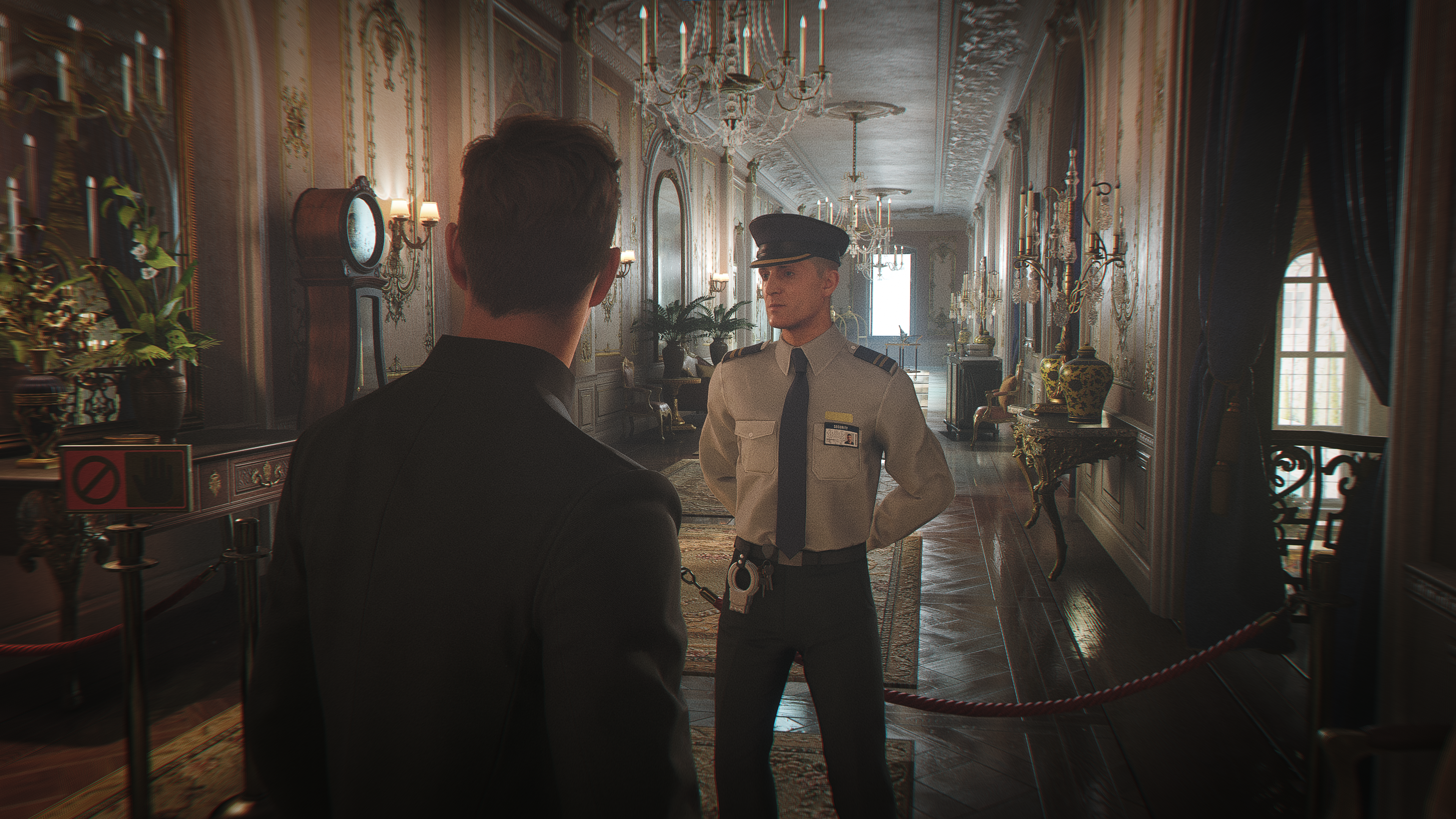
We also see glimpses of his personality as he bluffs in Montenegrin at a guard while stealing some clothes to change into, making it clear his relatively young age doesn’t prevent him from having a necessary worldliness to his character.
Speaking to Rasmus Poulsen, Art Director on 007 First Light, I got some insight into the thought process behind this young take on Bond.
“Him being the youngest version, which was an idea that we pursued from the start, logic states that he wouldn't be as marred by the craft and as worn down as some of the versions we've seen. But still, he has to retain a sense of cool and a sense of forward momentum in the world and with the people around him. So how do you make a young version of that?
“We knew he needed cool determinism. We knew he needed some of the humor that's present more so in some parts of the series than others. And we knew we needed some of that darkness that we've seen as well, so it is a balance between these three factors.
“I think for the core values it’s the coolness, the dry sense of British wit, and then this darkness that comes with the craft”.
The more linear approach to the first level extends into Bond’s exploration of the level’s military facility - Bond searches a crime scene for evidence, identifies a body, finds a briefcase of destroyed paperwork, and a conveniently biolocked gun (we’ll get back to this later). Sequences such as getting exposed to a nerve agent and having to stumble to find a cure do a great job of communicating the narrative, even if they’re more linear than many would expect from games by this developer.
That said, the initial mission isn’t purely linear, with some opportunities for more creative problem-solving. When the scale of the threat becomes apparent, Bond is ordered to find a safe place to hide for an hour until MI6 can extract him. However, he realizes that there are still a number of MI6 agents trapped on the base. Against explicit orders, Bond sets out on a stealth mission to release them.
This portion of the mission introduces players to basic concepts of environmental distraction - turning on a radio to draw guard attention, dashing between cover, turning off the brakes on a vehicle so it dramatically rolls loudly into a river, and silently taking down guards with melee strikes from behind. While not fully open-ended, this does give players their first tease of the Hitman elements creeping into the experience.
It also introduced players to the idea that, if you can knock out one or two guards pretty quickly with melee strikes, you might be able to silence them before they get others' attention, keeping their alert status from spreading. Being spotted isn’t necessarily the end of a stealth run.
The level ends in a big, dramatic escape sequence, where Bond has an opportunity to catch the enemies off guard by not playing by the expected rules of an MI6 agent, which he is presumed to be. Cue title sequence.
This feels very much like playing a James Bond interactive movie - You’re experiencing authored and curated setpieces, but you’re a part of getting Bond to these points. Taking approximately 40 minutes to complete, this opening slice very much sold me on the idea of this iteration of Bond, even if I don’t think it represents what the bulk of the game will feel like to play.
A New Home - Malta
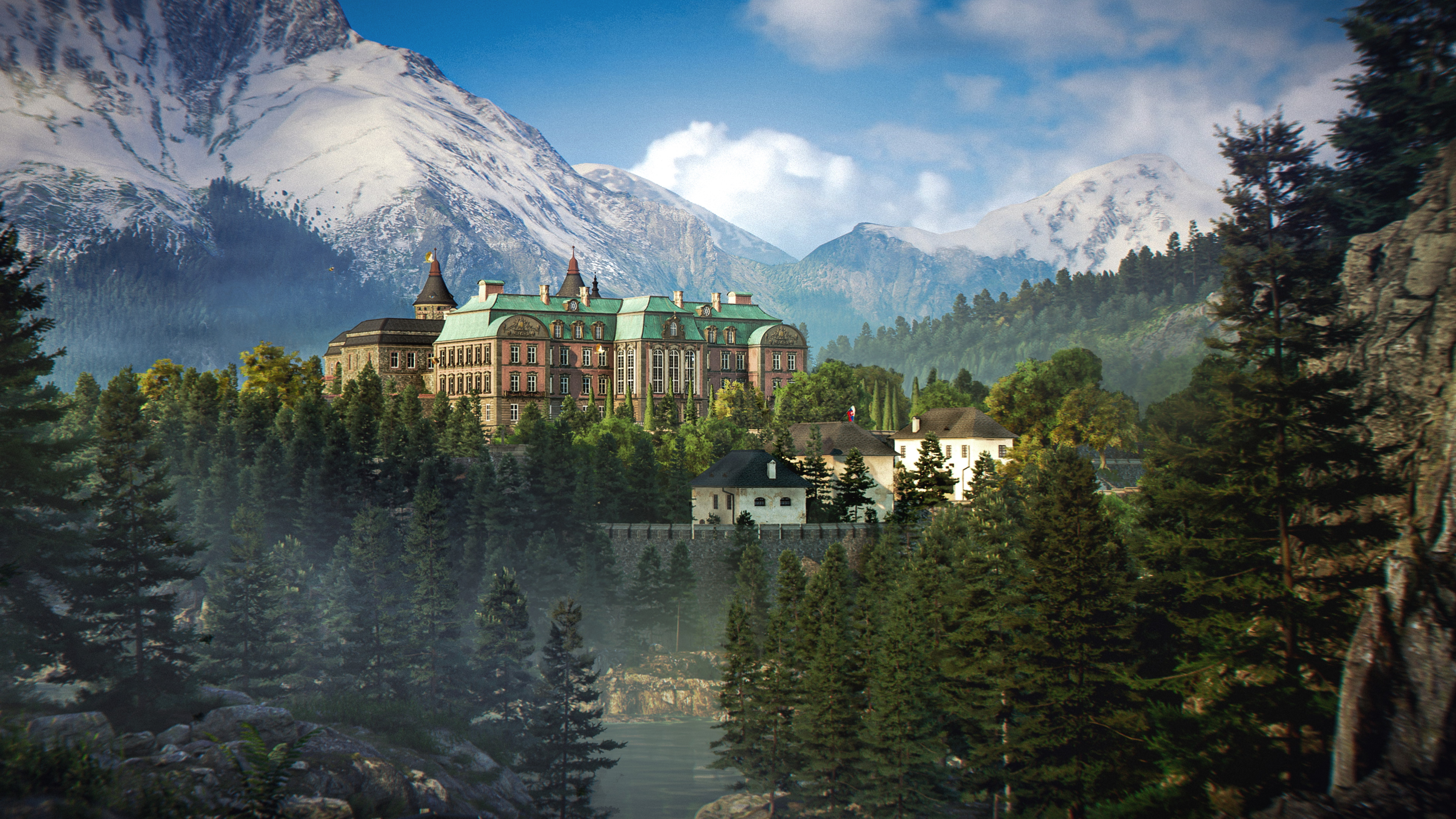
Skipping a little ahead in the game, the Malta level segment we played was a very short snippet of Bond’s 00 Agent training course with MI6. A castle-like structure was set up with a flag at its summit, patrolled by armed guards, with numerous routes to reach the flag. While intentionally short, the level was a great opportunity to start playing around with some of First Light’s suite of spy gadgets and tools, with only paintball guns as threats.
There was no set path to victory, and we were encouraged to spend around half an hour playing around in this sandbox, seeing what kinds of approaches were viable.
Your first available spy tool is the remote hacking function built into your watch, which I initially attempted to use for a stealth route through the base.
A number of wooden shooting targets were placed around the base, on retractable rotating metal arms. By swinging them up to the ceiling, guards would investigate the noise, only for me to swing them back down, remotely knocking them unconscious. A few additional stealth takedowns from behind cover so that bodies wouldn't be immediately noticed, and I made some decent progress before being spotted.
007 First Light's melee combat system feels like it has most in common with the Batman Arkham video games. Visceral hand-to-hand knockdowns, effective multiple target management, and color-coded visual cues for incoming attacks that need to be parried or dodged.
While my instinct was to flee back to stealth, I took out the three enemies immediately around me quickly enough that they didn't alert others, allowing the emergency state to dissipate.
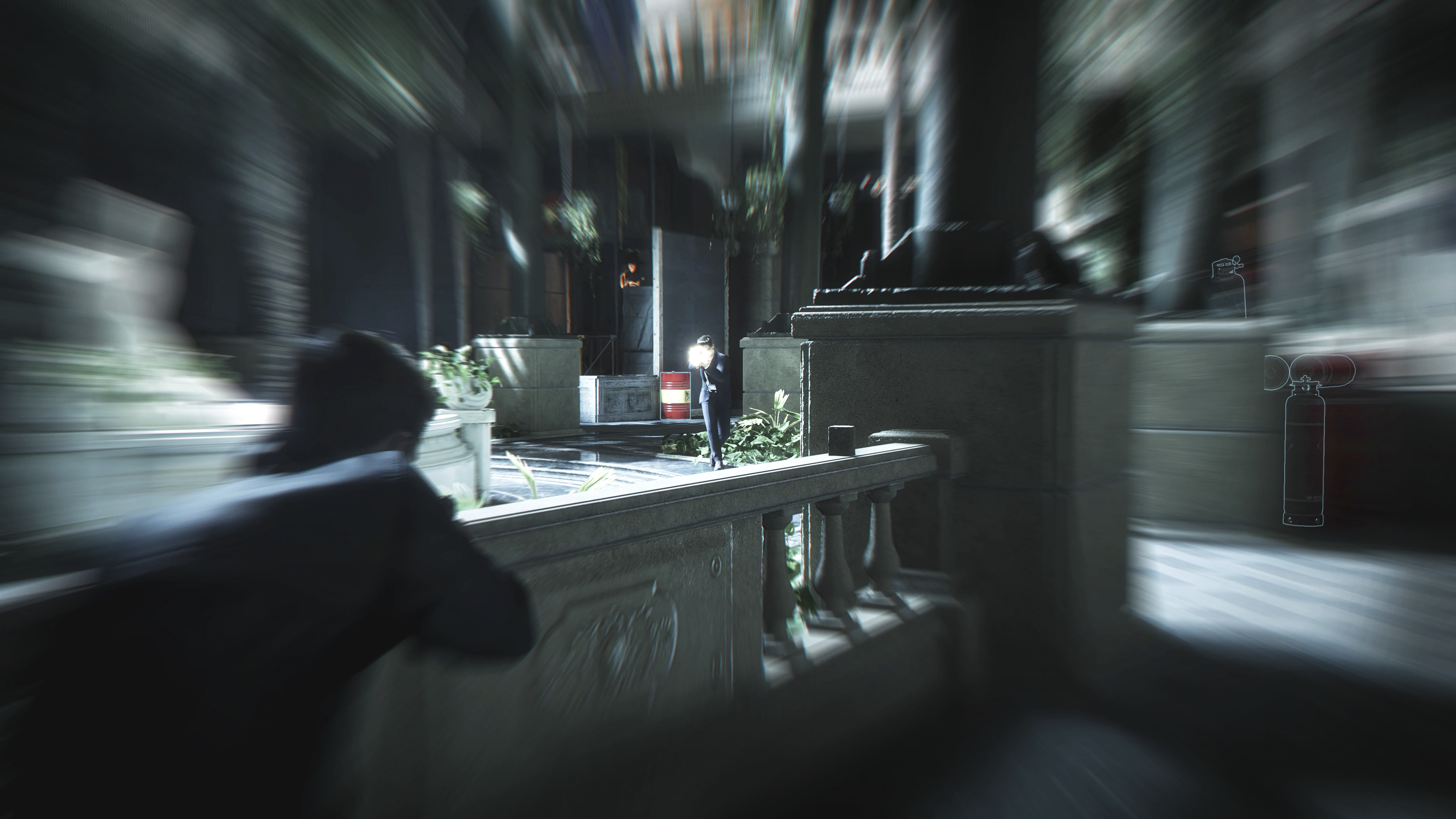
I sprinted right past the final guard, ignoring their attempt to catch me as I reached the flag.
“I think a good word to use to describe this is really, it's an inverse Hitman game,” said Rasmus.
“Of course, there are many similarities in terms of the way we approach locations, the way we approach world-building in a world of spycraft, of course, has a lot of similarities to things we've done before, but because you are playing a hero rather than an agent of chaos, the ruleset is completely different. The characterization is completely different. The way the gameplay ebbs and flows is completely different.”
While I did acquire a gun on my first run of the level, I didn't make use of it due to the game's “license to kill” system. Put simply, unless you're fired at first, making it self-defense, you're not cleared to engage in gunfire.
While I had no trouble getting into a gunfight during the next level, this level's guards were a lot more hesitant to open fire and give me the ability to start shooting myself.
On a future run of this same level, I threw aside stealth entirely and played First Light as an action game, simply punching my way through goons on my way to the flag. While I wouldn't recommend this approach necessarily in rooms you know are full of heavily armed soldiers, it is surprisingly viable in a lot of situations to fight through your problems in a power fantasy rather than taking the subtle approach.
At least in this preview event, neither approach was punished or discouraged.
Uninvited - Kensington
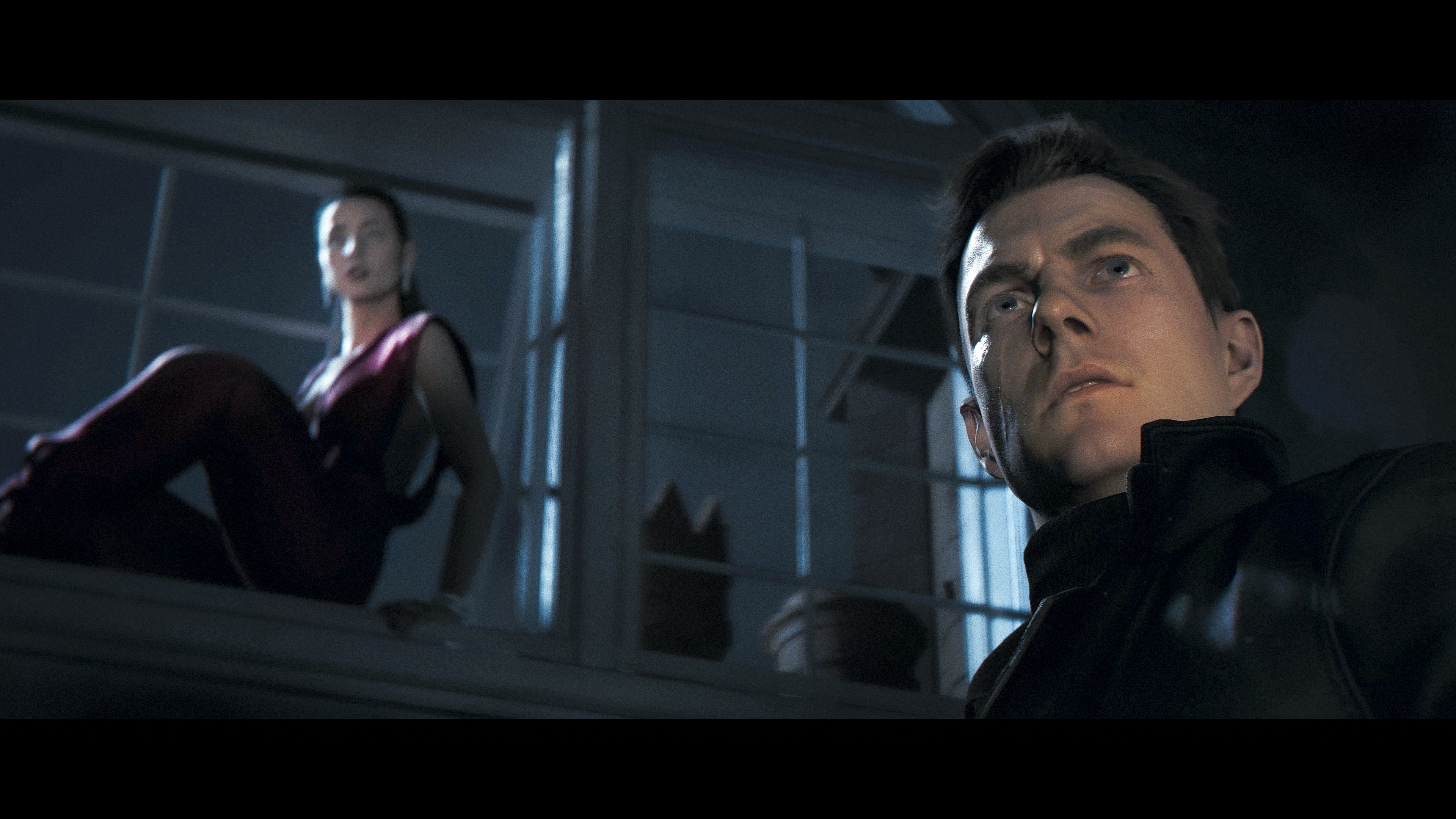
The final level we experienced at the preview event was set in Kensington, London, and took place approximately halfway through the story. Taking approximately two hours to complete, it felt like the most complete look at what First Light is like when it combines all its elements together.
After opening with a dramatic set piece of escaping a sniper across London rooftops, the bulk of the level is centered around an infiltration into a fancy formal gala. This was very much the portion that felt most like playing a level in a Hitman game.
To even get into the party, the player needs to find a way to distract a party guest in the lobby, gaining an opportunity to pickpocket their invite. There are multiple possible targets around the room, and I imagine a number of different ways to distract at least one long enough to rob them.
Once inside the level, themed around the real-world Victoria and Albert museum, it becomes clear that progress will be blocked until the player is able to check CCTV footage in the building’s security room. Gaining access to that room is the goal, but how you get there is open-ended.
I spoke to Thomas Pulluelo, level designer for the Kensington level, to get some insights into working with this real-world setting as the core location for the level.
“I tend to say, and as level designers, we usually approach every new level with how it would look in real life. So we have references that exactly match the building that you're looking at. For buildings that are really well known by people because they can actually access them in real life, we are trying our hardest to match them.
“But it's true that in level design and in game development, everything changes very quickly, and the needs for the story or for the space can vary. So the layout started with a very well-known layout, and that then evolved to match the different story elements that we wanted to tell.”
For me, infiltration looked something like this - I overheard a cloakroom attendant security guard complain about his replacement not arriving yet for his shift. I didn’t know their name, but I did hear there was a staff duty roster somewhere in the Cafe. That roster was on a locked iPad, with its password in a drawer behind the counter. I then had to distract the staff long enough to sneak the password out of the drawer and log into the iPad. This allowed us to bluff that his replacement was on his way, and it was okay for him not to cover the door.
This was all to get my hands on a camera, stolen from someone’s belongings out back, left for safekeeping in the cloakroom.
I had earlier heard that a journalist was running late for their appointment to take press photos. I tried to bluff that I was the photographer, but was told that I would need a press pass and a camera in order to progress. I went to see Linda in the press room, but told her the name of the wrong press photographer and had to improvise, causing a distraction and simply stealing the press card from her desk.
According to Thomas, there are numerous other routes through this area I failed to spot, including a personal favorite option tucked away out of sight.
“There was one approach that I made when I was like “I really want the player to be able to see behind the scenes a little bit in Kensington.” And I remember being like “it would be very nice that you can avoid everyone if you really pay attention to the level.” And if you really look at the layout and you're like “wait a minute…. This is an event. So there must be back corridors and behind the scenes.
“‘And if I look at the architecture, this is symmetrical to this.’ So I created this pathway behind the press area that has evolved with time, I have to admit. So maybe it's less secret than before, but that gives you this back area that seems almost like the level is empty and you're behind the scenes, and then you go up to this combat space in the middle of the social area. And I really like this one. I hope people will see this one 'cause it's really cool.”
Once upstairs, I had to sneak into the security room itself. I believe there may have been options to use my watch laser to break through a padlock and enter via a vent to avoid much of the stealth section, but I failed to have enough battery power available to give it a try.
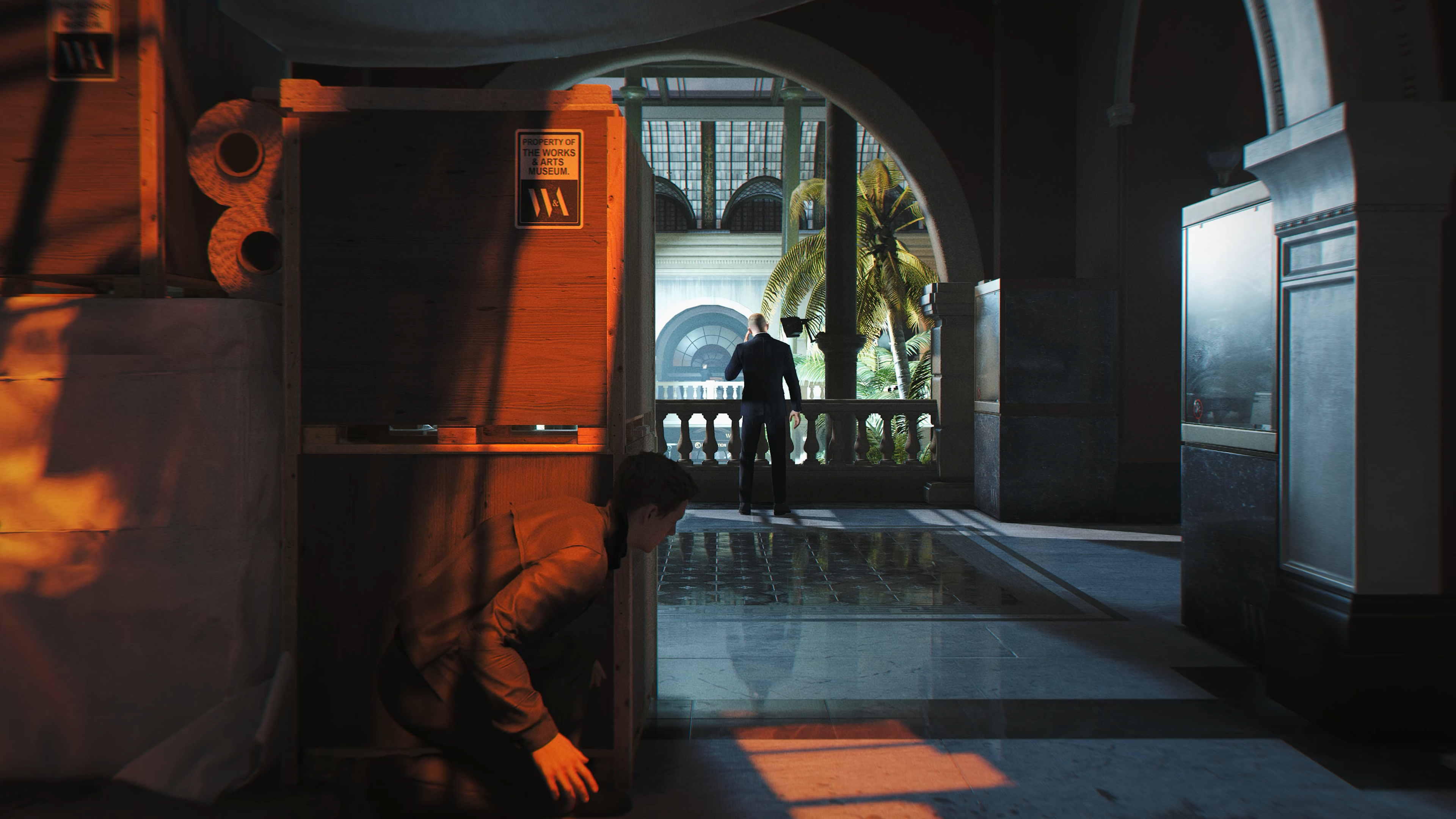
Upon my attempt to sneak in, I was spotted by an NPC, and was able to try and bluff my way past them, claiming to be an IT professional here to do system repairs. While this was successful, there were times when bluffing failed due to the presence of “Watchers”, NPCs who are more skeptical and observant, less willing to let a spur-of-the-moment excuse slide.
In order to get into the security room itself, I stole a keycard off of an unconscious member of staff who I made pass out using a disorientation dart, again remotely fired from my suite of spy tools. I was briefly spotted by a security camera, requiring me to make a mad dash for the door before reinforcements showed up to locate me.
One thing I never did, perhaps surprisingly to Hitman fans, was hide a body after knocking someone out. I spoke to Thomas about the decision to keep that element of Hitman away from the world of Bond.
“I will not lie, it was a big question. It is a big difference in terms of how you approach stealth. IO is very well known for what we did in stealth for the past 25 years, so it's been challenging, because we really want people to understand that this is not a Hitman game. It has its own identity, its own mechanics, and its own way of being played.
“So in that sense, it was challenging because Bond is not the type of person who will spend time hiding bodies and things like that. We did explore multiple options for the player to have the maximum amount of stealth that a stealth game can have, like we used to do.
“You're also free to approach stealth like maybe you did in Hitman or in any stealth game, your favorite stealth game, but it's also making sure that it's not punitive for the player to actually take down people and leave their body and be like, “Oh, but maybe I'm gonna get spotted. Maybe something is gonna happen’.
“So that's on us to basically make sure that the players feel safe and that the pockets of stealth are pretty much understandable. We wanted to make sure that didn’t slow down Bond’s momentum.”
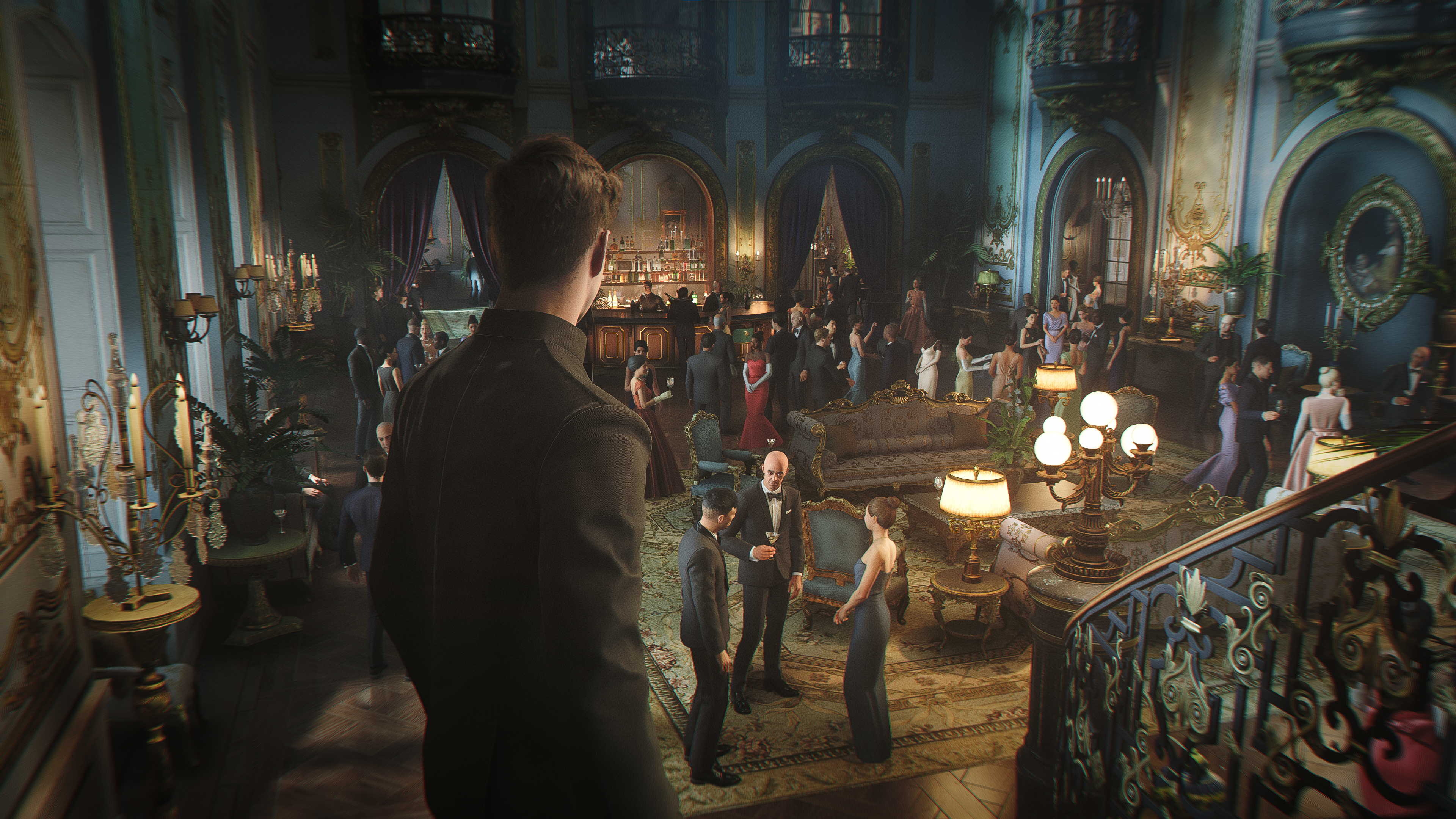
The latter half of the level focused considerably more on combat, as it shifted to a setpiece boss battle in an art storage basement, and an attempt to escape the museum unimpeded.
The level’s boss fight couldn’t be directly tackled head-on, with attempts at melee attacks deftly blocked. Instead, Bond would need to create noises to draw the enemy toward environmental interactables, before remotely hacking them to do damage. Some of them were surprising, such as an air ventilation system that could be hacked to turn into a giant flamethrower for a few seconds. A slightly surreal level of obstacle didn’t entirely fit in such an otherwise tense sequence, but was nonetheless dramatic.
“So the player was supposed to go into the basement of the V&A and be basically in the dark, approaching this very calm area, trying to look for someone who is actively trying to kill you. And the goal, at least the original idea, was to say, all right, we need to put the player in a very different mood, unarmed, because you didn't bring anything with you so far,” said Thomas.
“And then, as you arrive in that big room, and that you actually close the gap with the assassin, we wanted the player to turn the balance. Bond is a very capable man; he is always on top of a lot of situations, and we wanted the player to feel a little bit of the opposite.
“So that was a way for us to have fun with this Christmas tree of options that the basement has, and also to see that this assassin was smart. They could learn from what you used, avoid the same thing hurting them twice.”
Once actually face-to-face with the level’s villain, the game presented one of its most interesting sequences, a phone hacking verbal sparring duel. Bond, tied to a chair, was tasked with trying to copy data off the villain’s phone, requiring proximity. As the player you could choose to say something antagonistic to the villain to draw them in close, gaining a few seconds of hacking in exchange for a sizable drop to your health bar as you were defencelessly beaten, or saying phrases designed to stall the villain, hopefully stopping them from leaving and giving your health a chance to very slowly recover, but potentially leaving the villain bored by the lack of antagonism and having them leave, failing the hacking sequence.
Following this were a few open sequences of attempting to sneak my way out of the museum, which I initially attempted via stealth. When that failed, a singular guard began to fire their gun at me, activating License to Kill. It was finally time to attempt the game’s shooting gameplay.
Speaking on the shooting mechanics, particularly the choice for weapons to have very limited ammo, Thomas explained, “When I joined more than four years ago, we were pretty quick to say ‘this is not gonna be a cover shooter’.
“We want you to feel like Bond and, and looking at what you know of Bond today, it was pretty clear that he is a man that is always very prepared by the MI6, but is never really prepared to use any of the things they gave him in a traditional way. He’s often using the wrong gadget at the right time.
“So we needed the player to be able to shoot because you have guns and you have ranged combat, but we also wanted you to move from room to room and be able to actually contain small pockets of combat. So the ammo amount was a result of saying you do one, two, three, you're out.
“There is a person in front of you, you can throw the gun, which can put him in a dazed environment, which allows you to close the gap, take his gun, and reset. And that's how we wanted to approach.
“And sometimes you, even without knowing it, you still have six bullets, but you still run. And that's the kind of vibe that we wanted to do, which is very different from other story-driven adventure games like this, where you usually stand your ground.”
One thing I quickly learned about 007 First Light is that you cannot traverse through keypad-locked doors in this game, even if you have the key, if enemies are nearby and conscious, or if License to Kill is active. As such, when I accidentally got seen, and the guard alerted their friends, I simply began shooting my way out of the problem. This resulted in an honestly kind of laughable scenario where, when it was finally time for me to open the door to freedom, there were maybe 20 corpses at my feet around the doorway.
“This is not the case everywhere. We're trying to limit that as much as possible, of course, because it's not a great experience to be in front of something that you feel you should be able to open but can’t,” explained Thomas.
“I think we ended up having an experience where if those checkpoint doors are in front of you and Bond is actively in combat, meaning you are getting shot at, you're getting damaged and everything, that's when we say ‘this one is not accessible right now.’
“We also have those doors that we try to justify with the key card. You have to slice it in. You have to type the code. It takes more time than just opening it.
“Of course, you will be able to do this if it's in close combat. The license to kill takes over those types of doors to say, ‘No, this is way too dangerous to open that door.’
“But if let's say you arrive, you enter a fist fight with a few guys, you put them down, you bluff the other one, then the door will be available”.
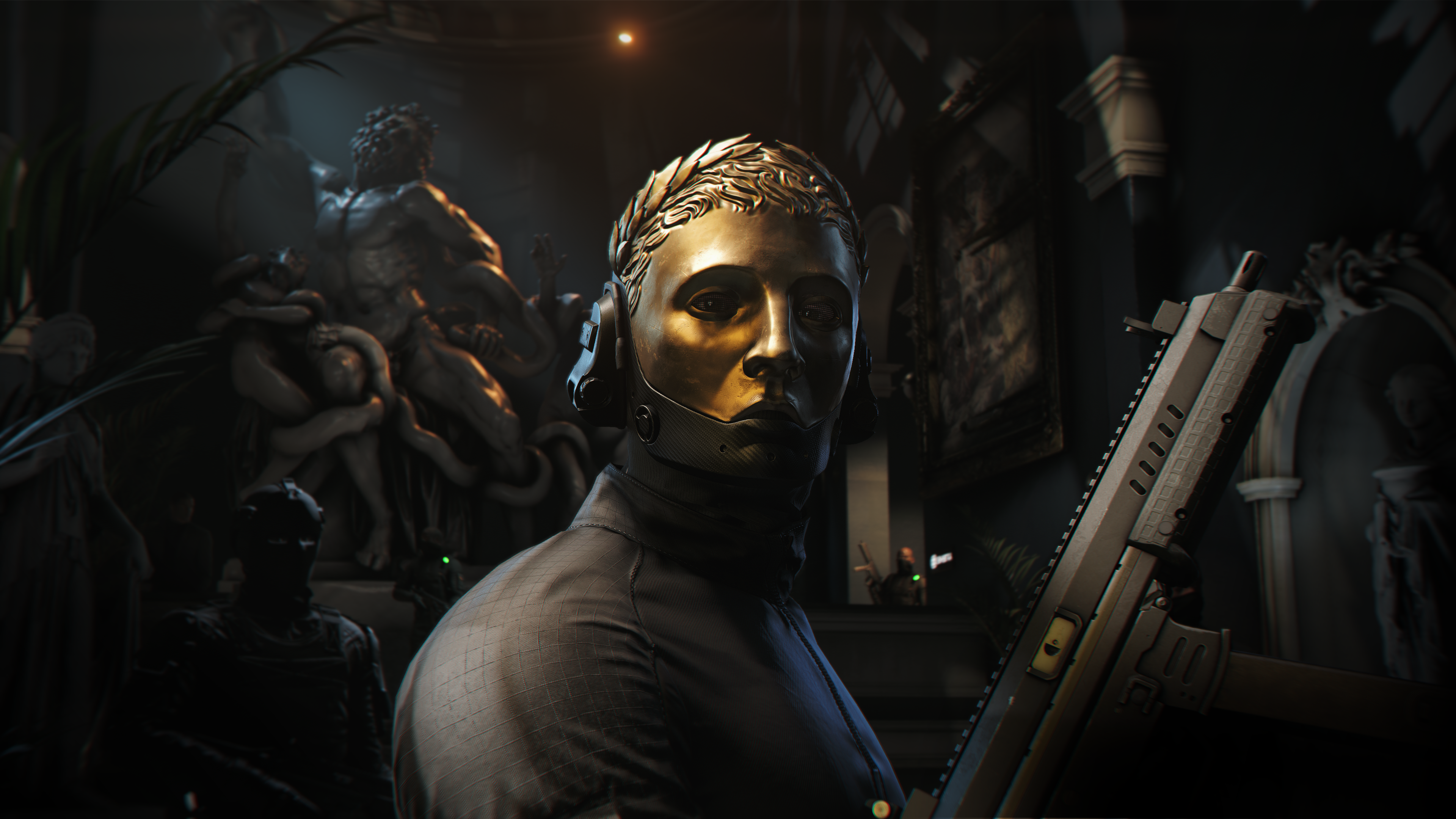
The gunplay felt rock solid, but it did feel a little out of place for me to murder so many people, some of whom, for all I knew, might have been genuine museum security and nothing to do with the wider conspiracy unfolding around me. I guess, being set in the UK, I could assume most people with guns were probably villainous. If they weren’t an obvious police officer, their possession of a gun was probably clearance to shoot my way past them if needed.
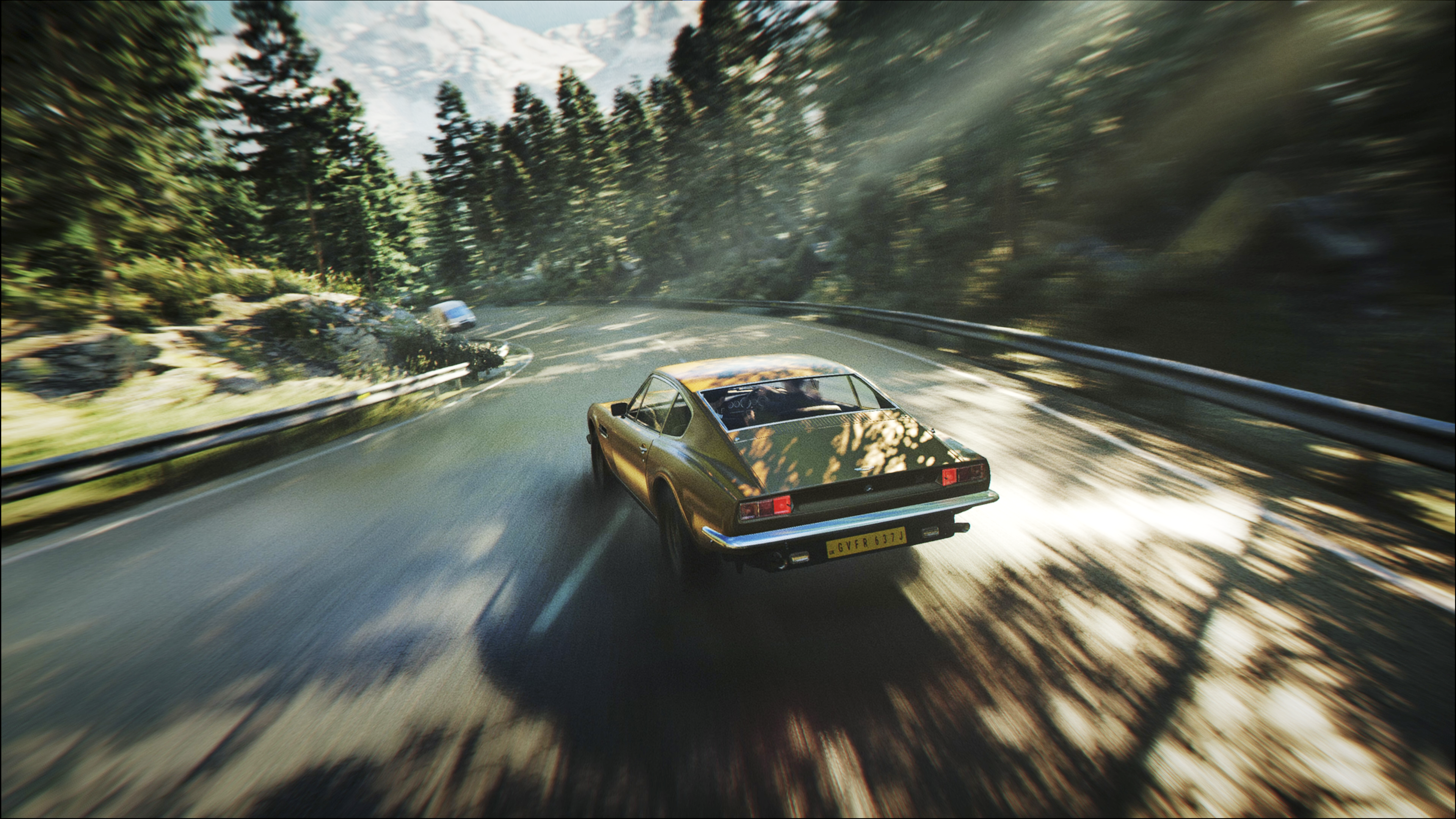
After one final combat sequence, sneaking and fighting my way past heavily armed and armored guards in a dramatic art exhibition space, the level ended with a classic James Bond driving sequence, fleeing the scene in a stolen Garbage Truck. The key strength of the sequence was the way the developers made this vehicle feel basically indestructible, like a tank with more momentum. I would crash through attempted barricades with ease, smash through walls of buildings, and simply could not be hindered in my escape.
“He doesn't think, he acts. And I think that's also what we wanted to show,” explained Thomas
“We wanted this moment because you do fight a lot in Kensington. You go through the courtyard, you go to the exhibition room, there's again a lot of people shooting at you, and we wanted to close this level in a bit of a fun way, and the fantasy of having Bond using anything on his way to actually access a place.
“I guess the Bin Lorry was the way for us. We wanted to have a moment where you have the upper hand, and you actually break stuff, and you win. You drive this kind of tank, and nobody can actually stop you.”

Accessibility
The build of 007 First Light we went hands-on with recently in London was a near-final build of the game, and as such, had access to the game’s accessibility settings menus. I’m delighted to be able to share that, compared to Hitman, First Light has made really positive strides forward in accessibility for an IOI title.
In the Gameplay menu, players can toggle on “snap aim” to help with gun pointer aiming, reduce the strength of screen shake effects, which may cause motion sickness, automate agility actions (jump, vault, climb, etc.) while sprinting, and set hazards in levels to glow when the player is aiming.
In controls, players can switch between control presets or fully remap their inputs, automate camera reorientation to behind Bond, set previous button holds (such as sprint, weapon aim, Q Lens, and Interact) to toggles, and disable PS5 controller Adaptive Trigger features and rumble.
In graphics, players can reduce motion blur, radial blur, wobble distortion, film grain, and chromatic aberration - screen effects that all play roles in motion sickness mitigation. Players can also reduce the brightness of light effects and set flashbang grenades to turn the screen briefly black rather than bright white.
In Audio players can set parameters for menu narration, adjust common audio volume sliders, and tweak the dynamic range of their audio (the volume difference between the loudest and quietest sounds).
In Language players can use a slider to increase subtitle sizes, alter background opacity, set speaker names, add a subtitle direction indicator, as well as customize settings separately for narrative, ambient, and AI dialogue subtitles (this appears to mean NPC ambient dialogue, not generative AI).
Lastly, in the dedicated Accessibility menu, many of the above settings can be found collected together into one menu where applicable to accessibility, as well as finding a few unique settings not seen elsewhere, such as the ability for Quick Time Events to autocomplete.
All of these settings are really nice to see, bringing 007 First Light considerably more in line with the standards set by other modern big-budget game releases. This is a great step forward for the studio, and should, in practice, mean that a bunch of disabled players who may have struggled with Hitman can now get a chance to play First Light.
Tacsim Mode
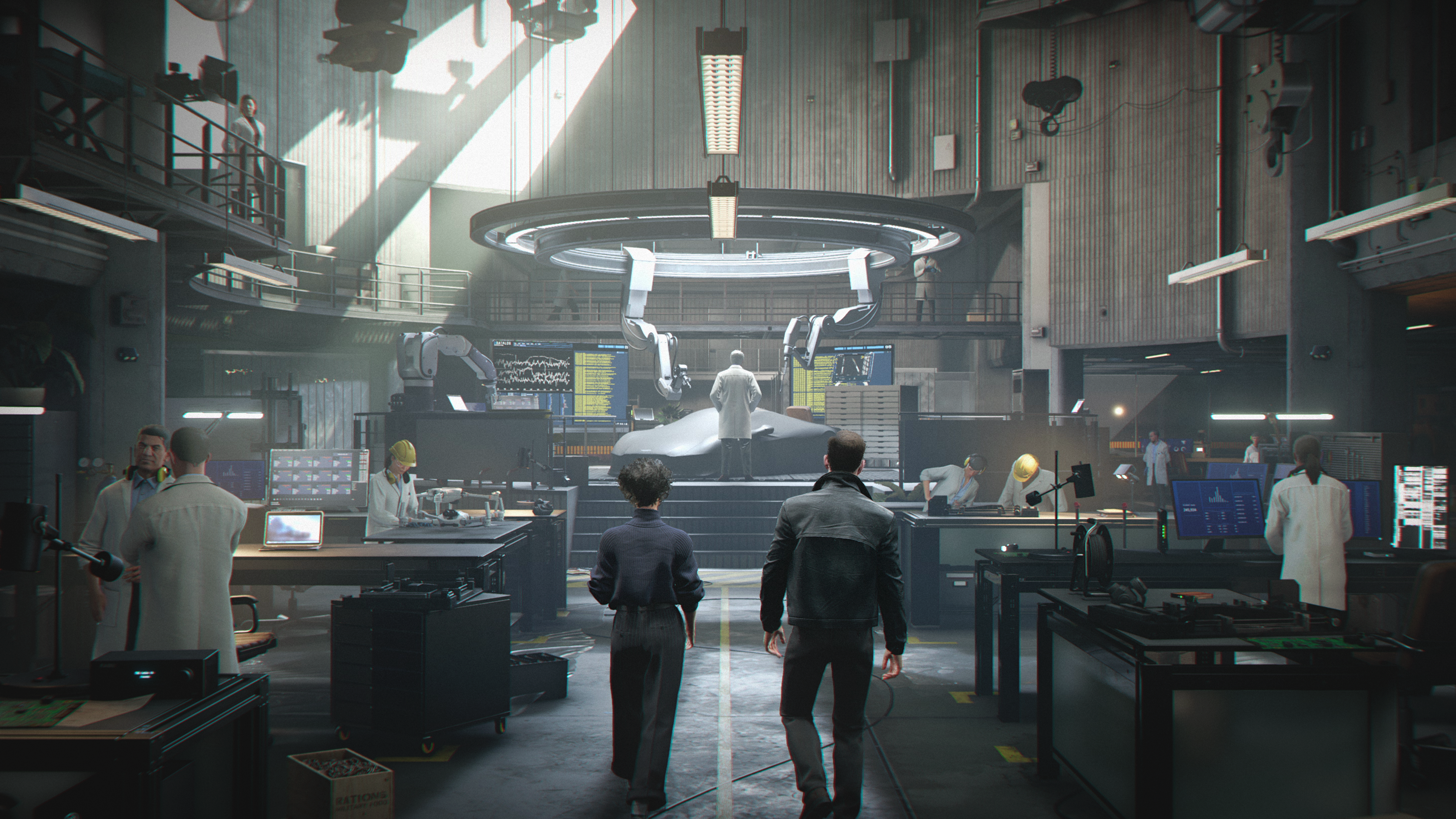
Somewhat similar to Hitman’s Freelancer mode, 007 First Light will feature a mode called Tacsim, where players can replay levels to find optional routes they previously missed, or retry levels with increased challenge modifiers, in order to unlock rewards such as cosmetics.
The first two levels of the game will unlock their Tacsim counterparts as soon as they are first completed, with the remaining levels unlocking after completing a first playthrough of the campaign.
Art Director Rasmus Poulsen explained, “Tacsim is a location within Q Lab you can visit. Guided by a character who's very excitedly championing new methods of training for the agents. And it does indeed allow us to remix the levels we have in the game in various ways.”
Senior Communication Manager Yann Roskell added, “One example of a modifier is ‘No gadgets used at all.’ Another is ‘To take down enemies with ranged combat.’ It's headshots only, so any other part of the body won't have any impact, stuff like that. So it's to create new ways of playing and then adding a bit of more, even more creativity to how players can handle the challenges.”
Having played multiple hours of First Light, I am feeling pretty confident it’s a game that’s going to bridge the appeal of a systems-heavy open-stealth sim like Hitman with the kinds of linear cinematic action seen in big-budget AAA releases. I don’t think the linear elements are going to get in the way of Hitman purists finding something to enjoy, and I believe the new elements added are going to bring a lot of new people into giving this type of game a shot.
I had a delightful time playing 007 First Light, and I can’t wait to jump into the full game upon its release in a few short weeks.