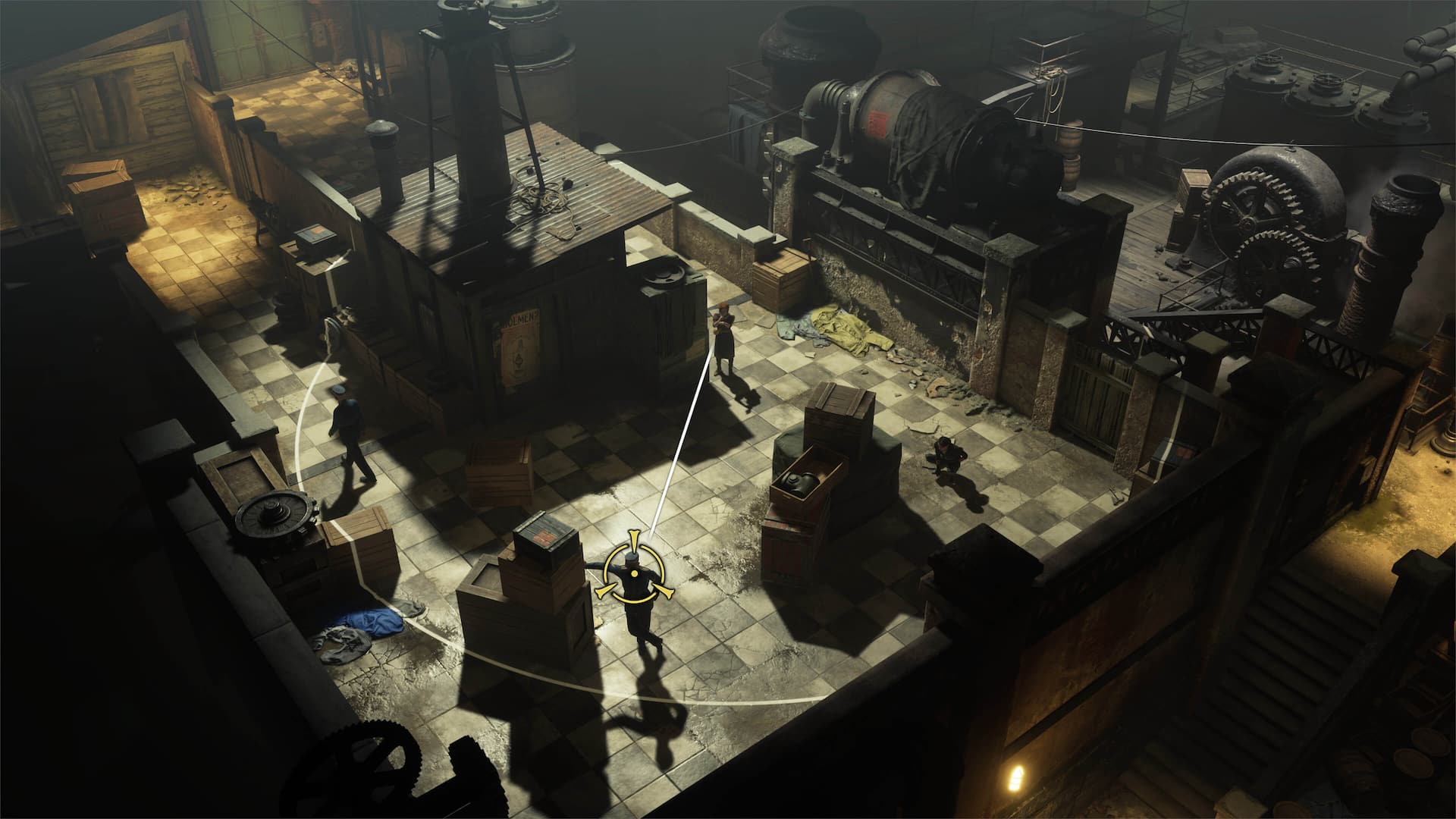
Eriksholm: The Stolen Dream is a stealthy, Scandinavian puzzle-box
When you think about the game studio DICE, you likely associate it with online multiplayer shooters. And you’d be right to do so. Battlefield and Star Wars Battlefront have not only made the Swedish studio an undisputed genre leader, but these games also served as a training ground for a new generation of developers striking out on their own with titles like ARC Raiders, Combat Champions, and Exoborne.
River End Games Creative Director Anders Hejdenberg is a former DICE developer who’s taking the road less traveled. He assembled a like-minded team, largely from DICE and Need for Speed studio Ghost Games, motivated to make something entirely different: an isometric stealth adventure set in a beautifully realized Scandinavian city named Eriksholm: The Stolen Dream.
“I’ve been a stealth fan since I was 16 playing the first Thief games,” says Hejdenberg. “For me, stealth is so much more of a feeling than a set of gameplay mechanics.”
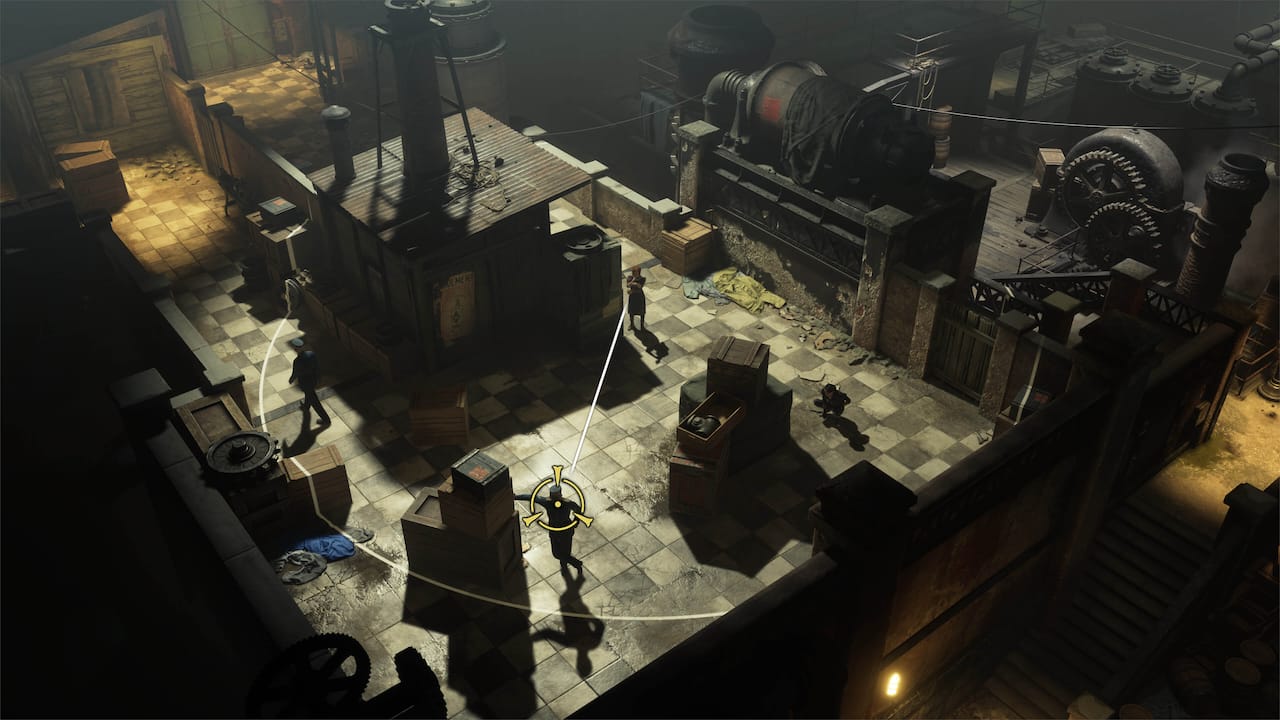
Eriksholm’s first level demonstrates his point: an experimental opening section where players have no abilities whatsoever and rely on hide-and-seek fundamentals. You play as Hanna, who must evade the coordinated pursuit of Eriksholm city’s oppressive police force for reasons as yet unrevealed beyond a connection to her dear, troublemaking brother.
Without the usual repertoire of skills and items, the experience proved uncomfortable and unknown for players and developers alike, both stripped of the capacity to remove guards from the equation through silent takedowns or noisy distractions. After all, Hanna’s no ninja—just a normal person in extraordinary and desperate circumstances.
It’s an effective means to reset expectations. The frantic, improvisational scramble of a Hitman World of Assassination or Assassin’s Creed murder plot gone wrong isn’t their aim. Instead, River End Games wants players to feel the sense of accomplishment that comes with a well-executed plan. “You don't feel like that stealthy cool person you wanted to be,” explains Hejdenberg, whose approach can be described as less sandbox, more puzzle box.
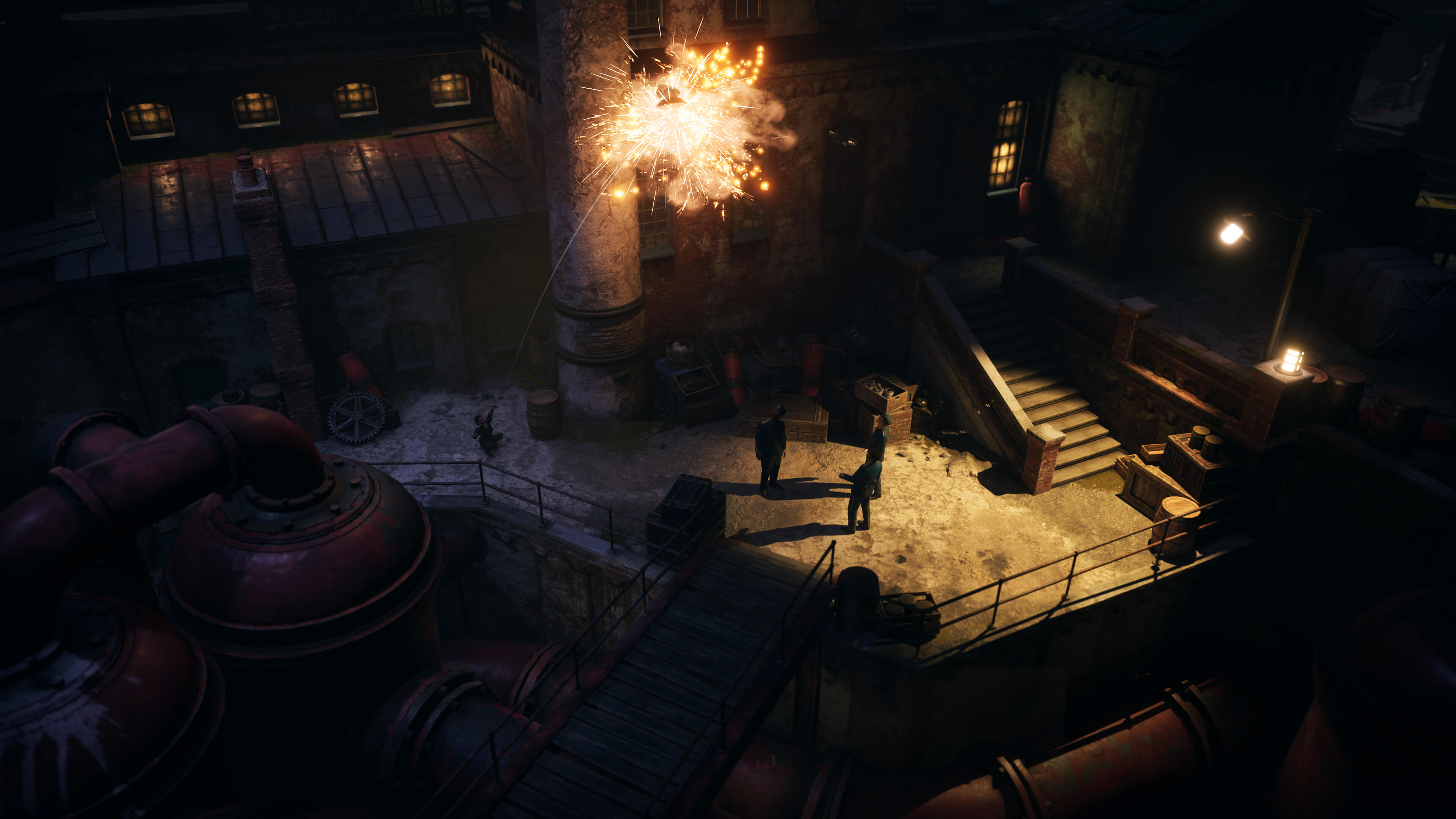
His aspiration for the player is this: They should be a ghost weaving through a perilous web of unwitting obstacles who’ll never know they were ever there at all. In Hejdenberg’s opinion, a test of observation, analysis, and flawless execution creates the undiluted essence of the stealth game, a singular path given rich narrative beats from Mirror’s Edge designer and longtime novelist Andreas Roman.
From that fearful, stripped-back first level, Eriksholm slowly introduces new abilities and characters who must work in tandem while facing increasingly complex scenarios. Hanna is small enough to crawl through vents and later finds a blowpipe she can deploy to sedate guards. Her old friend Alva reluctantly joins her; when the pair aren’t bickering and remember to work as a team, she can use her superior athleticism to climb up vents or use a slingshot for a variety of purposes, like breaking lamps to create darkness or simply distracting guards with pebbles. And Sebastian, a figure from Hanna’s past, can swim and use his brute strength for double takedowns with Hanna.
Rejecting the stealth sandbox’s expansive tool set for a puzzle approach can have significant payoffs, but that can present its own frustrations. If you’re holding a hammer, every problem looks like a nail. And when you’re holding a blowpipe loaded with tranquilizer darts, every problem looks like a bare, undefended throat.
But misidentified solutions that offer enough hope to keep players wasting their time are preventable distractions. Hejdenberg recalls with exasperation playtesters who were determined to go on a shooting spree. “It's like, oh my God, you found the one pixel where you could stand without [an enemy] seeing you, and then found the sight line? We need to plug that hole. You see them succeed, but that’s the most difficult solution I've ever seen!”
River End Games’ approach and careful trickle of new mechanics from level to level is paying dividends. In their most recent round of playtests, an intensely nerve-racking activity so close to release, there was a common theme: “Every next level is their new favorite level,” says a relieved Hejdenberg.
Making the familiar as captivating as a Studio Ghibli film
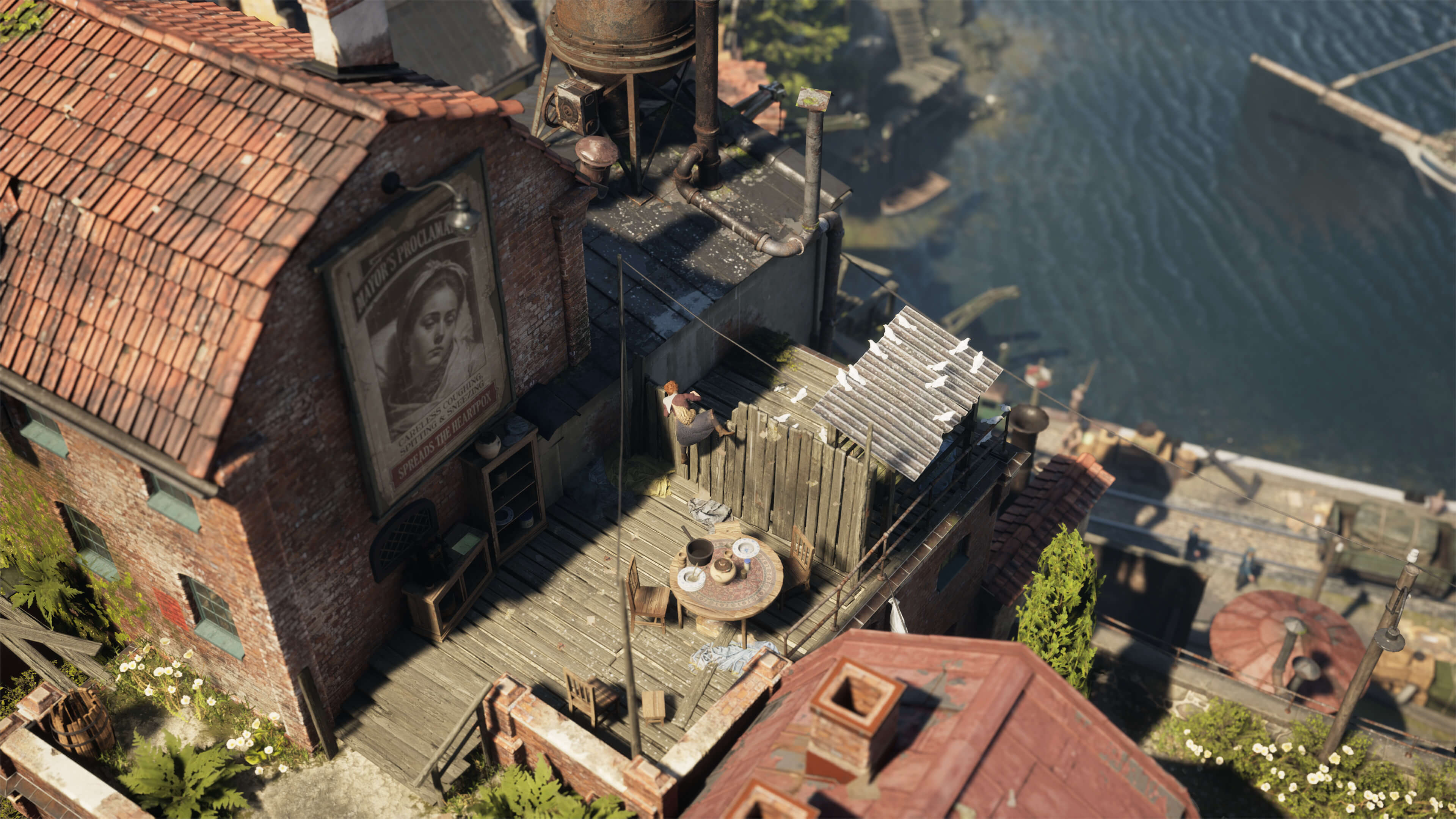
When it came to making Eriksholm’s lightly fantastical Scandinavia, you wouldn’t think the Gothenburg-based studio needed to look any further than out of its own window for inspiration. But Studio Ghibli’s Kiki’s Delivery Service and its fictional city inspired by Sweden gave Hejdenberg a masterclass in imbuing his familiar country’s landscapes and architecture with larger-than-life character.
“Even though I recognize the scenery from Stockholm and Gotland [Sweden’s largest island], it just felt captivating,” he says, intent on capturing the same sense of wonder.
The world the studio created is full of Sweden’s distinctive wooden houses with colorful shades of red, yellow, and blue as well as window frames that pop out in bright white. Having previously worked on racing simulators before he’d even passed his driving test (“a weird experience,” he says), Hejdenberg says getting the chance to make the familiar spectacular has been a joy.
To understand Eriksholm’s society and people, they conducted extensive research on Sweden during World War II. Despite its painstaking efforts at neutrality, the war’s ripple effects caused great hardship and frugal rationing. The characters’ grounded realism and certain plot points made playtesters suspect there’s commentary on current world events. Hejdenberg’s answer to this is that human nature simply hasn’t changed much since that time period: “We just have a tendency to do the same stupid sh*t over and over.”
Tonally, you’d expect a palpable sense of dread, but coziness is an important element in the game’s art direction. Players should feel encouraged to explore, not just cower in dark corners. The Scandi cozycore vibe may have gained international fame through the Danish hygge, but it’s equally present in Swedish culture under another name: mys.
In search of this goal, the team constantly asked themselves the question: “Is it cozy?” That led Hejdenberg to understand that the term goes beyond crackling fireplaces and steaming cups of hot chocolate; it comes down to an emotional feeling of security.
“Cats want to be in boxes or high up on trees. If I see an old ruin of a French castle, I want to be up there. Why? Because you have your back covered; no one can sneak up on you, and you can overlook everything, but there are fences so you won't fall down,” says Hejdenberg.
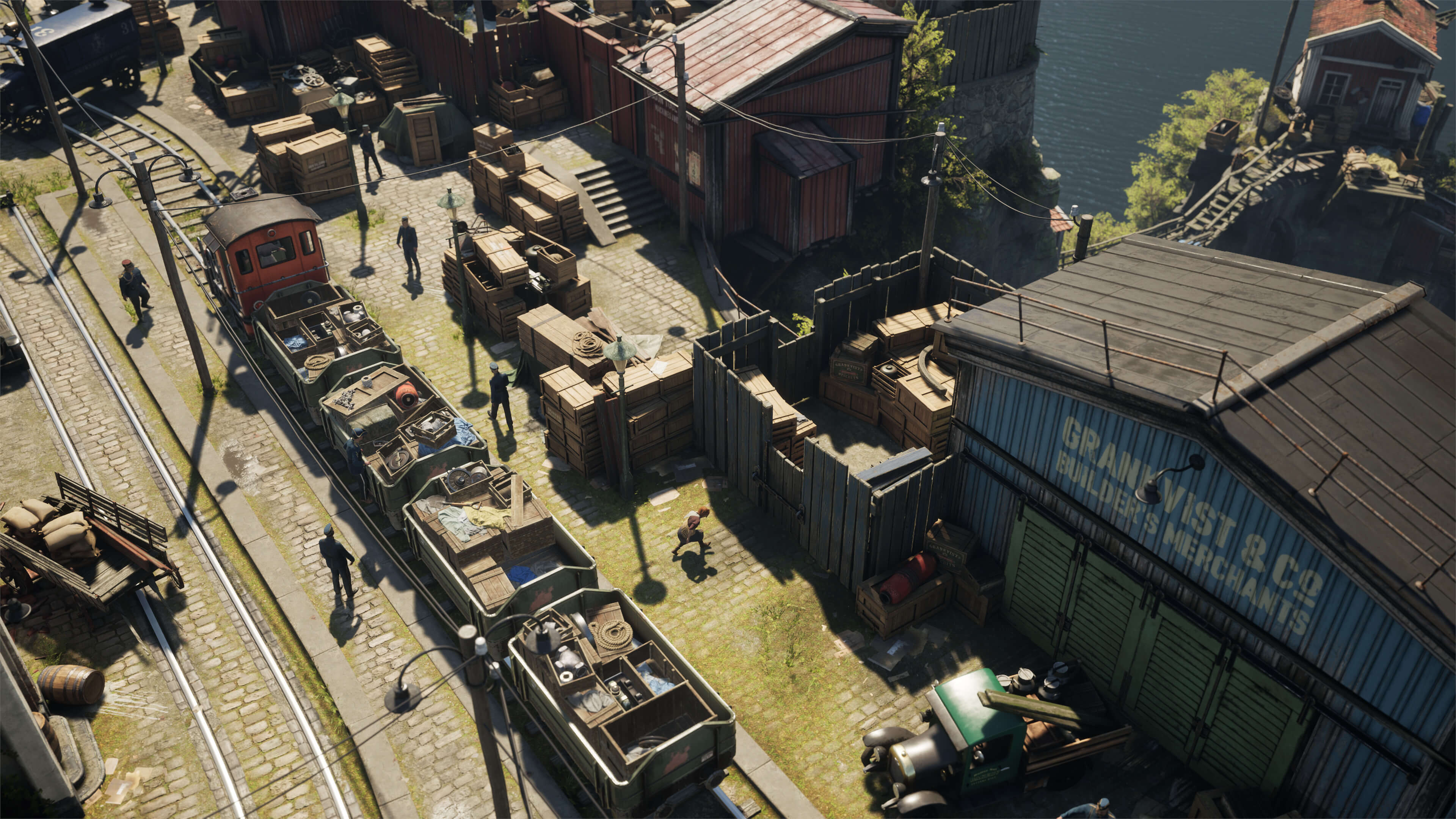
He notices the same effect in Italian villages, often perched on hilltops or ascending along coastal mountainsides, and applies that approach to Swedish architecture to emphasize the similar features he already sees in Stockholm, a city built across 14 different islands.
For instance, you’ll often notice the same verticality of an Italian hilltop village in a lot of Eriksholm’s environments (at least before you’re taken to more unusual subterranean cities). This coincidentally solves a visual constraint of the top-down perspective: depth. Naturally a feature from any other perspective, isometric levels risk looking flat, but the towering buildings of Eriksholm and artful elevation give it a dramatic, dynamic backdrop that feels as grand as anything from one of Baldur’s Gate 3’s maps.
It’s not just Italy whose influences makes an appearance. Like Sweden itself—whose cultural borrowings include period factory designs from Victorian England—River End Games is never afraid to embellish with ideas inspired by other nations.
“I got to design a mansion in a Vienna-style Art Nouveau,” says Hejdenberg, who falls in love with the architectural style’s dynamism and undulating lines every time he visits Austria’s capital. “They would probably hate what I've done, but I thought it was a nice mix of Viennese and the Belgian Art Nouveau. Luckily, they're all dead, so who's to complain?”
Eriksholm: The Stolen Dream is out July 15th, 2025, on the Epic Games Store.