새 소식
F1 24 guide: 10 pro tips to help create your first custom car setups
M
Mike Stubbs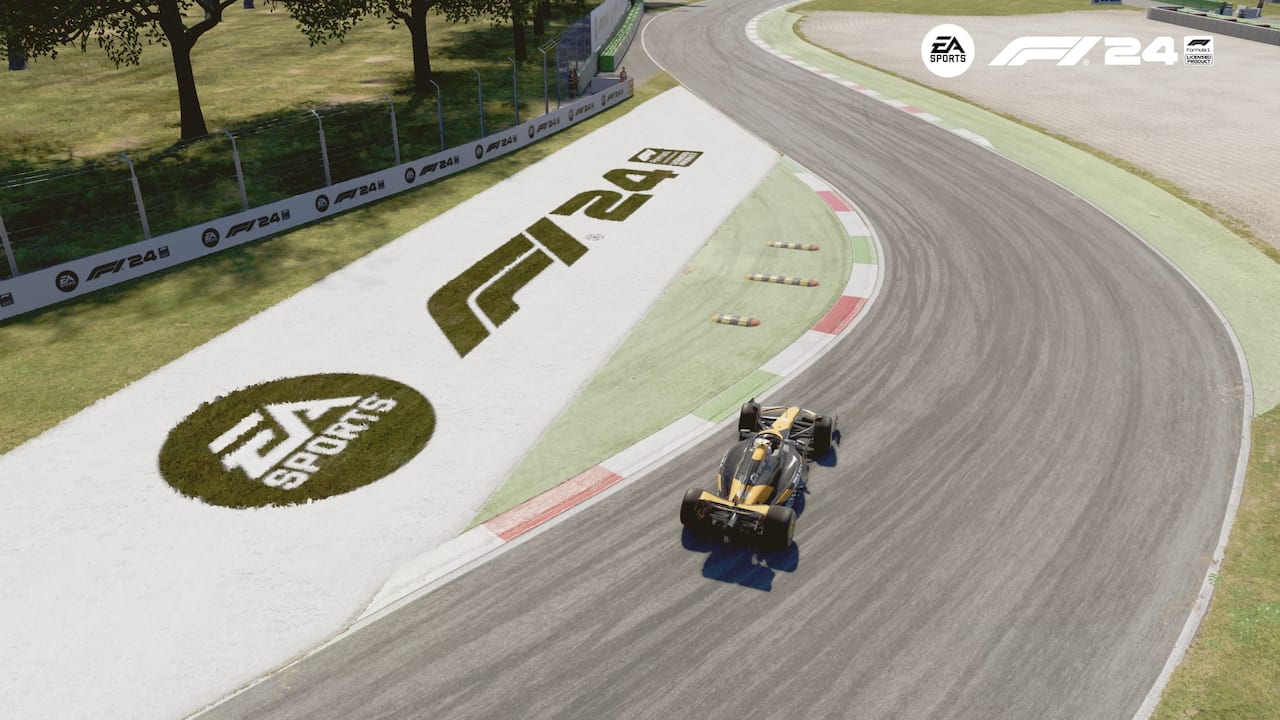
The same is true in F1 24: A good car setup can potentially improve your lap times considerably. The ideal setup alters different options on the car such as aerodynamics, suspension, and tire pressure to make the vehicle behave in a certain way. But with so many technical settings to play around with, creating a setup that helps rather than hinders isn’t an easy task. That’s why we caught up with one of the game’s developers and an F1 Esports pro to get some tips.
Set your expectations early
You must recognize the limitations of what a setup can do before you start experimenting with them. If you are still seconds off the pace, then a good setup likely isn’t going to solve that instantly. However, if you're just a few tenths of a second off the pace, then it can be the difference-maker you're looking for. When you're more than a second or two behind, getting more practice time in is going to do more for you than fiddling with your setup for hours.

“A good setup is important. It allows you to make sure you’re comfortable with the car,” said Wilson Hughes, an F1 Esports pro driver for McLaren. “It can make a big difference to your lap time, but not seconds, unless you really get it wrong. Usually, the difference between a good and bad setup is about three-tenths [a lap].”
A good setup is one you are comfortable with
You can easily search the internet for a setup for whatever track you're racing on and copy it down, but there is a good chance that this won’t be the optimum setup for you. Even at the highest levels of competition, players in F1 24 have wildly different setups depending on their style, so making one that feels good for you (and that you're accustomed to) will always be the way to go.
“It's not always purely about the numbers,” said Lee Mather, senior creative director on F1 24. “If it doesn't feel right to you, you're not going to extract the performance. So much of it is down to confidence and feel.”
Start with the premade setups
If you are venturing into the world of creating setups for the first time, the good news is that the game has premade setups for you to look at. They are fairly basic compared to the ones you can make further down the line, but they're a great way to learn key differences you'll need to master. Then when you figure out which you like best, you can start tweaking to get the most out of it.
“It's worth going in and just trying one of the other presets and seeing if you find that drivable or not,” said Mather. “I might pick the most extreme high downforce preset, drive the car a few laps and think I really like this, but because it's got more drag, I've got lower performance and the lap times are actually worse, but I found the car easier to drive. So it can be that you've got a nice starting point, then you start to do things to actually move back to a more balanced setup.”
Start out by tweaking the simpler settings
The setup menu is daunting to say the least, with a lot of technical terminology that can seem alien to anyone who isn’t already a car buff. However, there are a few simpler areas that are great places to start. The wing levels can dictate how much downforce you get, with higher values reducing top speed but increasing cornering speed, while the suspension impacts your ability to ride curbs.
“Usually you want to make them more aggressive with more wing gaps, higher front suspension, less off diff,” said Hughes. “All these things will make the car more agile and slightly harder to drive, but you can also dial it back the harder it becomes.”
Avoid messing with tire pressures to start
You should avoid messing with tire pressures until you have a very good understanding of how everything works. Getting these wrong can ruin an entire race, and since F1 24 hasn't been around for very long, even the pros are still figuring out how to make pressures work properly. Unless you know exactly what you are doing, it’s best to stick to the default values here.
“I would avoid messing about with tire pressures until you know the correct window for temperatures,” said Hughes. “If your tires are not in the correct window, it will cost you a lot of lap time.”

On high-speed tracks like Monza, it’s all about the low-wing
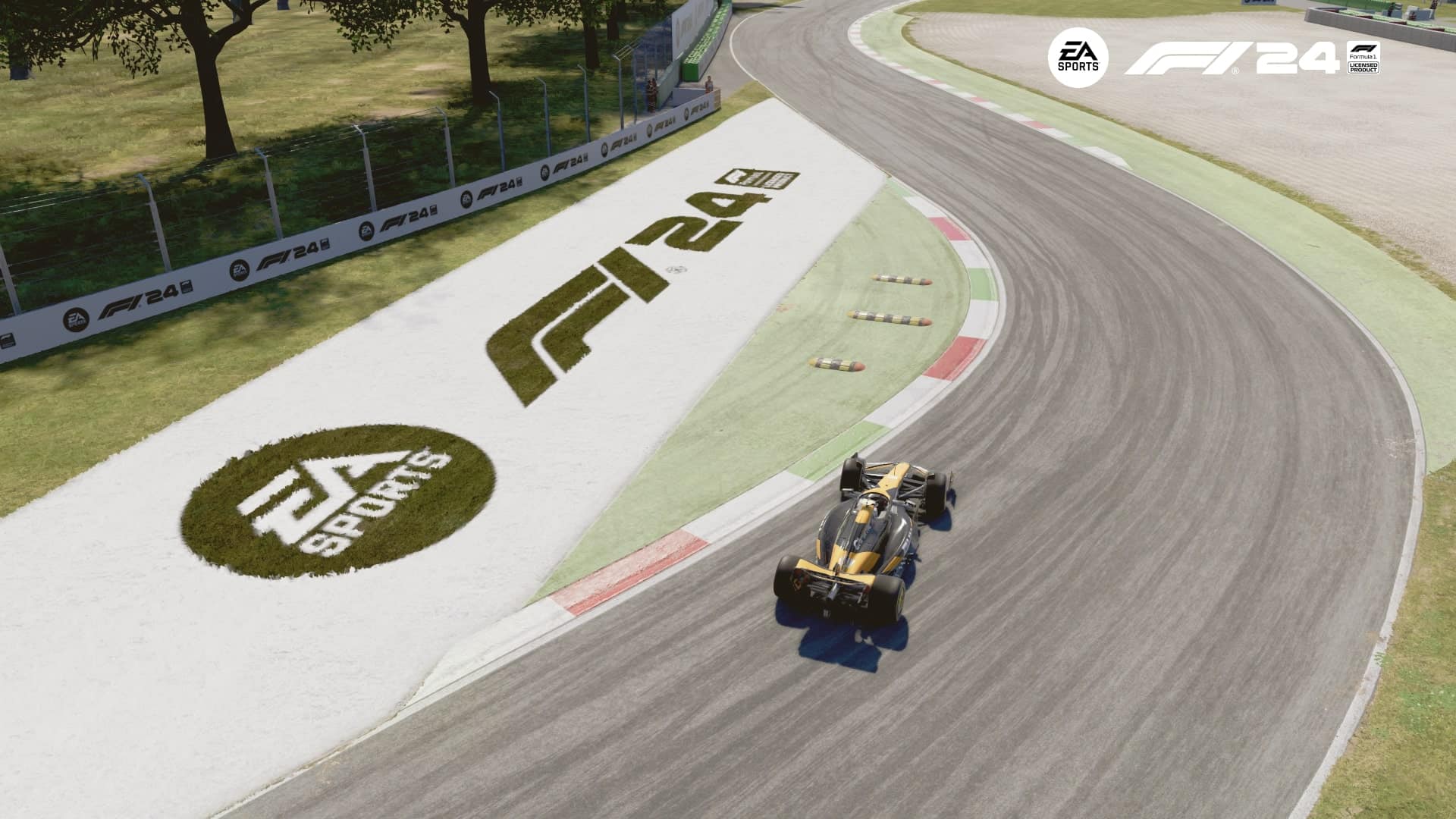
Once you have the hang of making setups that work for you, then it’s time to start making track-specific setups, and there can be a lot of variation depending on the track layout. Italy’s Monza track is known for having multiple long high-speed straights where having a competitive top speed is key. If you want to hit the fastest speed, you’ll want to have a low wing level to keep drag down.
“If you’re going to Monza, the most important thing is getting the wing as low as possible, but making sure it remains drivable,” said Hughes. “It’s nice to be quick in the straights, but you need to make sure you’re not all over the place through the corners. It’s about finding the right balance.”
On tight tracks like Monaco, it’s the opposite
On the other side of track design are the slow and twisting streets of Monaco, one of the most famous F1 tracks in history. Modern cards struggle to reach the speeds of Monza even going down the pit straight, so going for a low-wing setup here would be disastrous. For tracks in the middle of these two extremes, it's more about finding what works for you.
“Monaco is the complete opposite of a track like Monza,” said Hughes. “You put on the most wing you physically can while still being able to rotate the car. Sometimes people put too much rear wing on and get no rotation, [so] you need to make sure you find the balance and don’t get too eager.”
A higher wing in qualifying is usually the way to go
It’s also a solid idea to have a qualifying setup and a race setup, as the conditions vary significantly in each. Qualifying is all about going around the track as quickly as possible, so making sure you can get the best speeds around the corners is the best way to go.

“In qualifying, it’s usually better to be slightly higher on the wing as on max push you can extract a lot more out of it,” said Hughes. “You just need to do lots of laps on different wing settings to find what works best for you. Try low, medium and high settings and come to a conclusion on what you think is more consistent.”
Consider lower wings for the race
During the race, you need to consider other factors, such as being able to overtake, as well as the other boosts you can get. Overtaking into a corner is reasonably difficult, while doing so on a straight with DRS is much easier. Setting your car up to have a good straight-line speed compared to qualifying is often a good option.
“When it comes to the race, it’s actually better to go for a lower wing,” said Hughes. “Even if it’s a tenth a lap slower on paper, it will help you a lot in a race scenario when everyone isn’t pushing 110%, especially with battery [and] fuel management alongside passing and defending.”
Keep an open mind
One of the most important things when creating a setup is to keep an open mind. F1 24's all-new Dynamic Handling system means there are a lot of things that haven’t been figured out yet when it comes to making cars go as quickly as possible. As such, you should be prepared to try some unusual things that might seem strange at first blush.
"People often find things a few months into the game cycle and stick with them," said Hughes. "Don’t be afraid to change and try different things. After all, that’s how some esports teams find massive amounts of pace after they have tried loads of combinations."