記事
Framing fear in photo mode
M
Mik Bromley
Rather than portraying dread at a distance, games put you, the player, right in the thick of it for a more immersive and undeniably scarier experience. OK, it might get a little exhausting when the reward for surviving one heart-pounding ordeal is to be hurled straight into another, but there’s a way to flip the script.
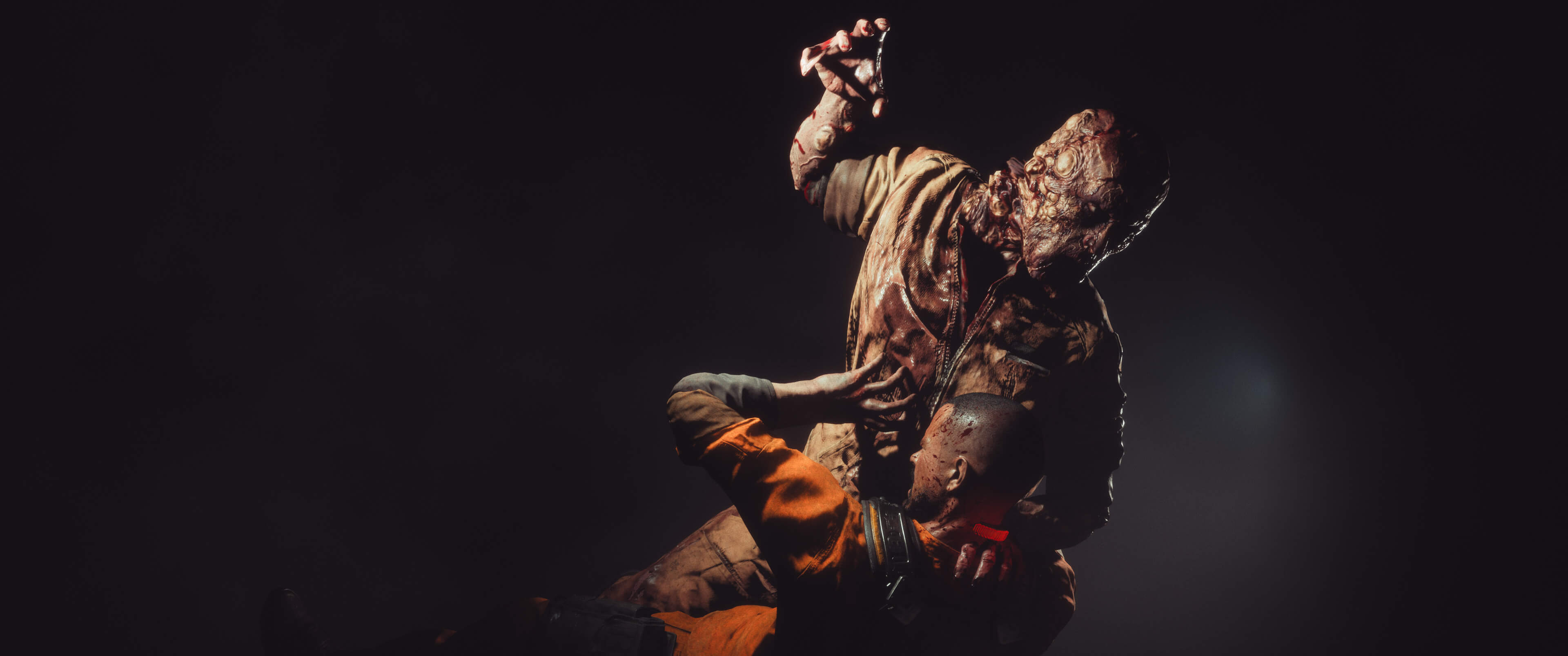
With the inclusion of photo mode, games like The Callisto Protocol let you take control of your fear and make it your subject, even while it's trying to spoil your day. You can capture shots of things that would be impossible (or extremely inadvisable) to photograph in real life. Suddenly, the prospect of getting too close to a zombie’s brain-lust is something to be encouraged.
It’s not as easy as it sounds, though. By stripping away movement and sound—elements that play a huge part in creating a sense of fear—a scary screenshot will need to have the right visual language to get the adrenaline flowing. We’ve already covered some of the fundamentals in our piece on how to master the art of in-game photography, so here is a more focused look at horror-themed shots with seven ways to frame fear using in-game photo modes.
Scary at center stage
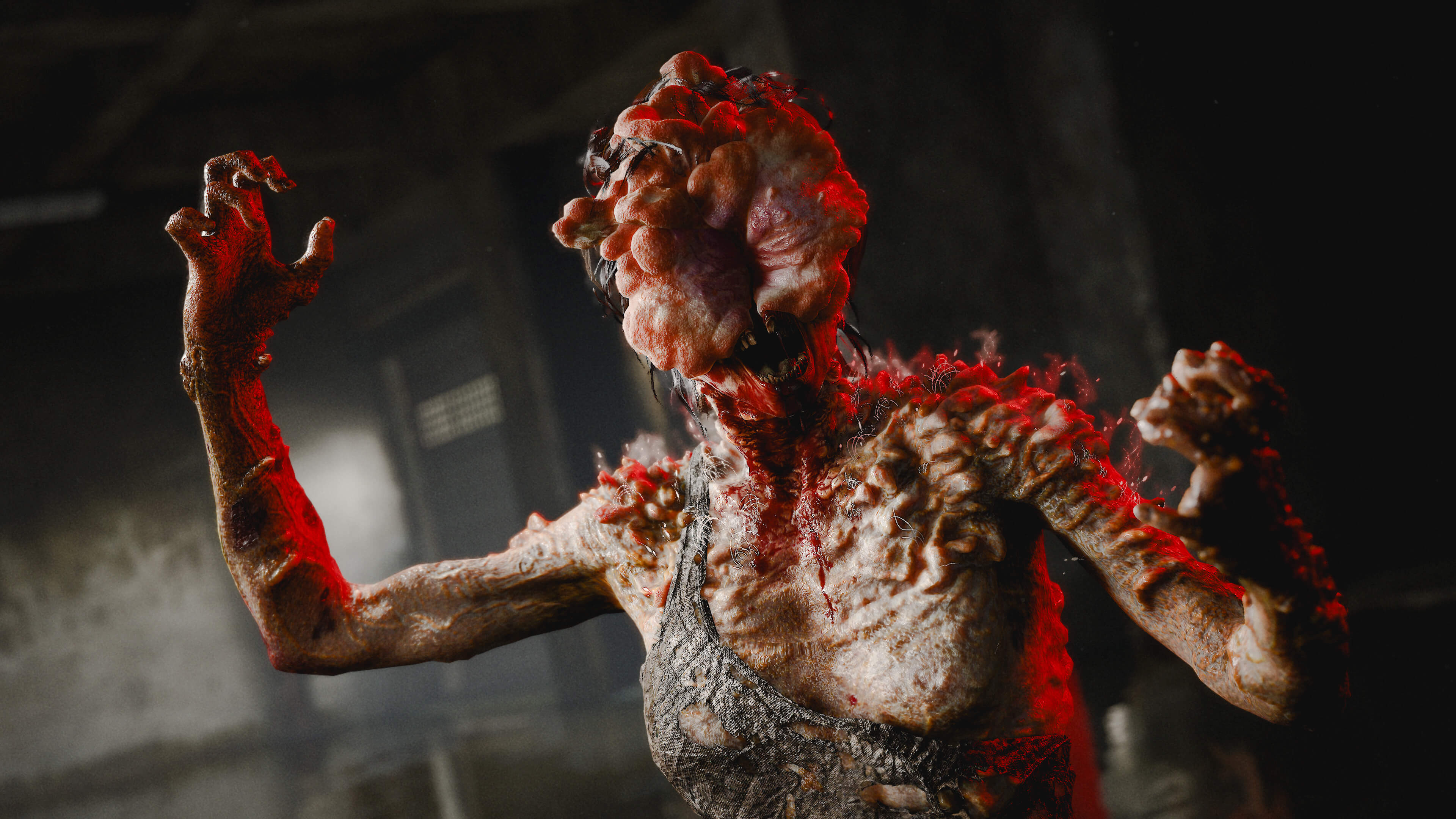
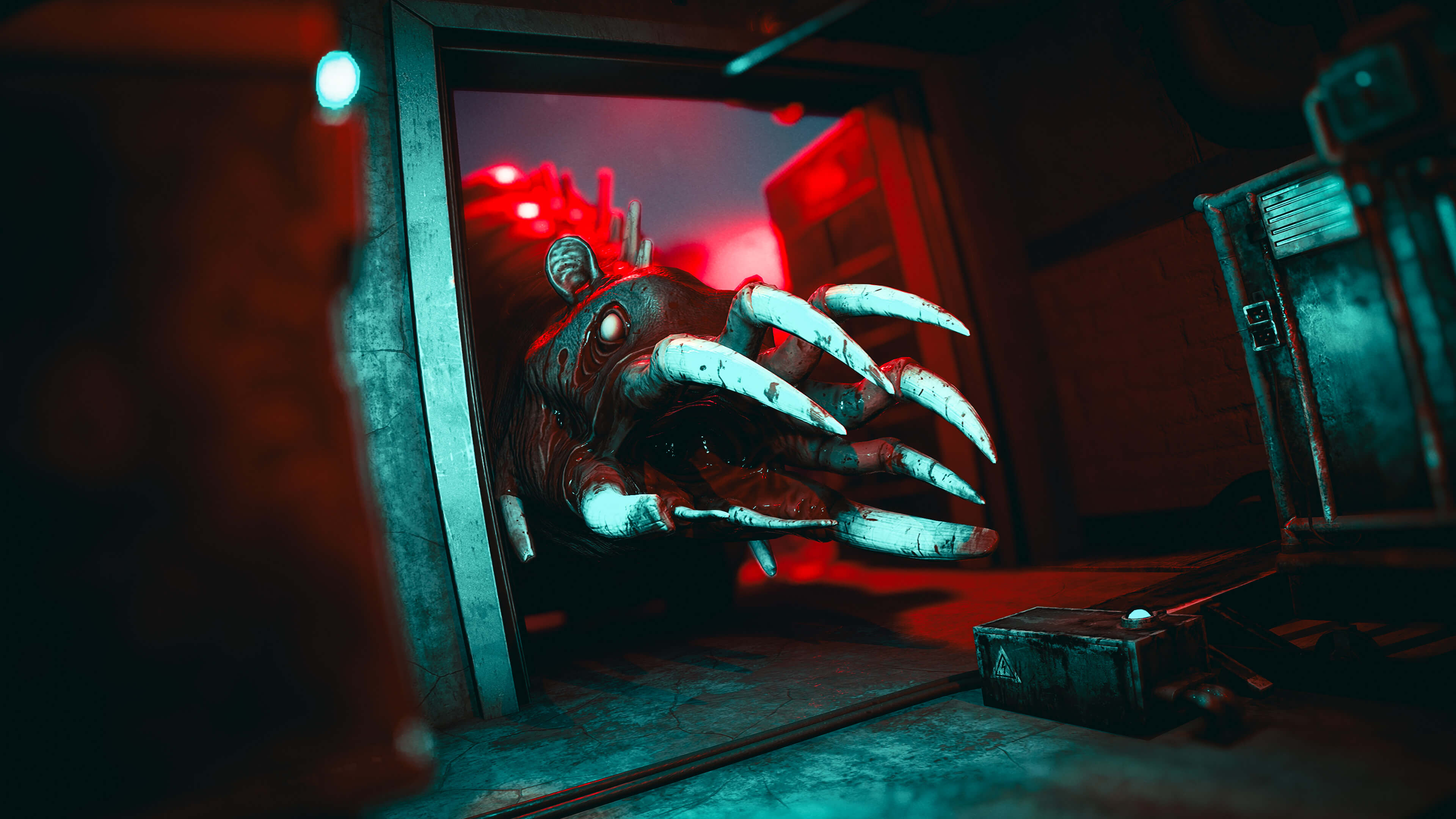
Perhaps the most obvious place to start is with something that people might actually be afraid of in the first place. Games have no shortage of scary monsters and nightmarish creatures, so putting one front and center—like I’ve done here with The Nightmare from Banishers: Ghosts of New Eden—can make it all the more imposing.
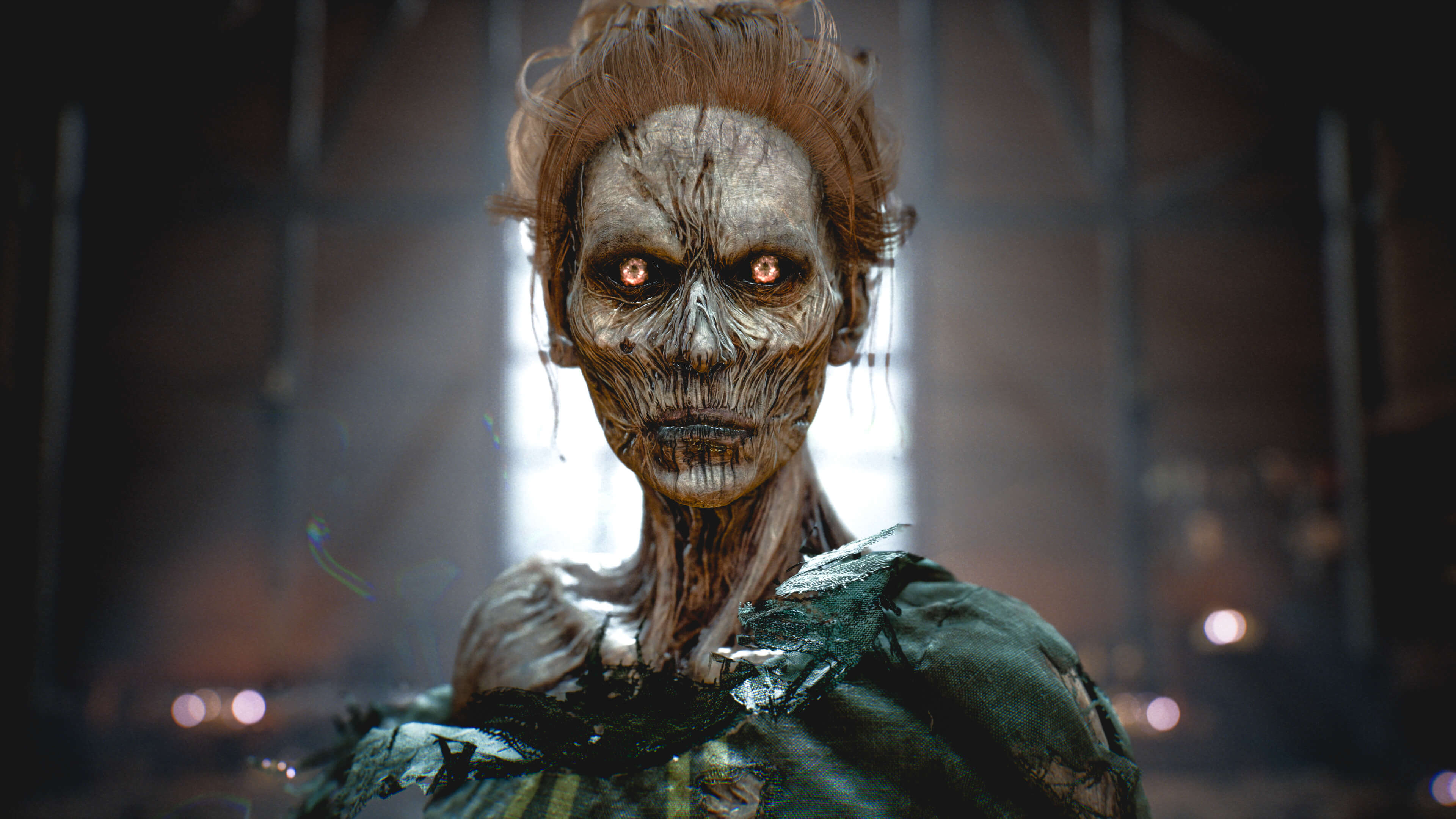
Placing the subject in the middle of the frame and directing its gaze, which Clickers from The Last of Us unfortunately lack, straight down the camera creates a sense of confrontation that can make the viewer feel threatened. A forward lurching pose and a wide field of view can intensify the threat, quite literally making the image jump out at you.
The unseen
What’s scarier than the things you can see? It’s the things you can’t! Just like how movies are often at their frightening best before the threat is fully revealed, the same idea can work in a single frame.
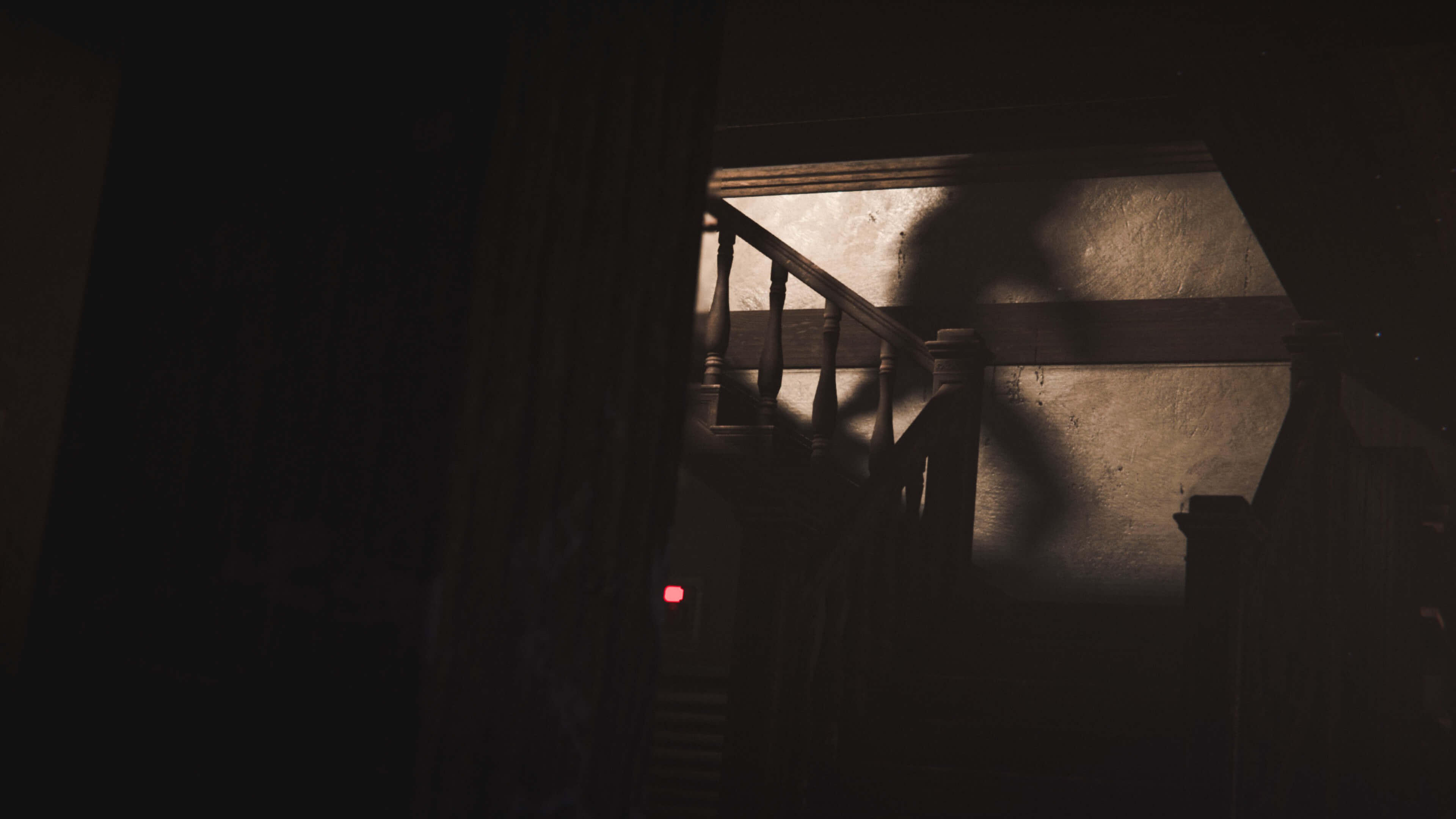
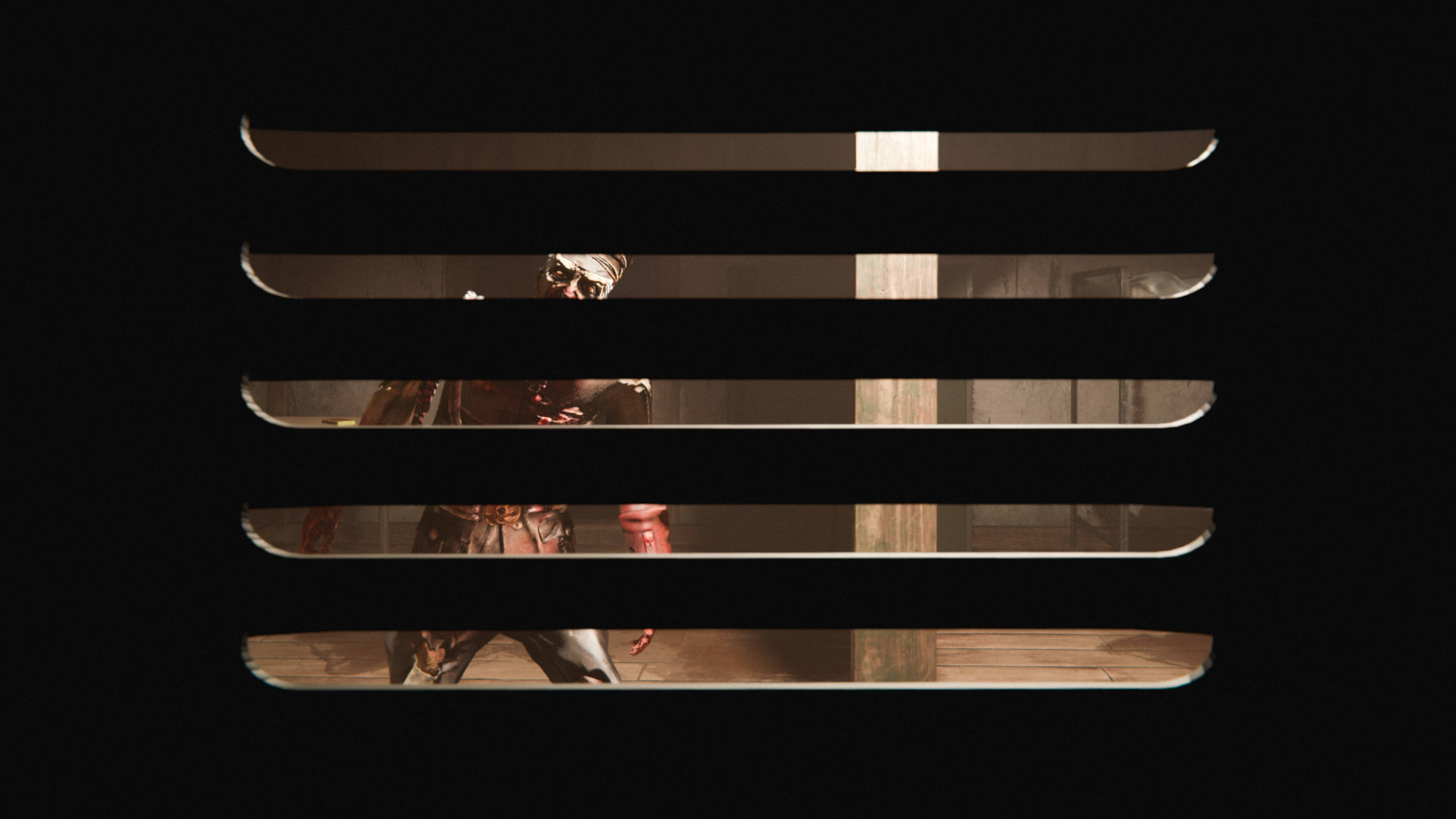
It obviously can’t just be a picture of nothing, though. The trick is to create imply danger without giving too much away. Shadows are fantastic for this, and the ability to place enemies anywhere in Abtos Covert is the perfect way to experiment with them. A shape on the wall can allude to someone—or something—lurking just out of view, and the effect becomes even more unsettling if the shot suggests they might be heading this way.
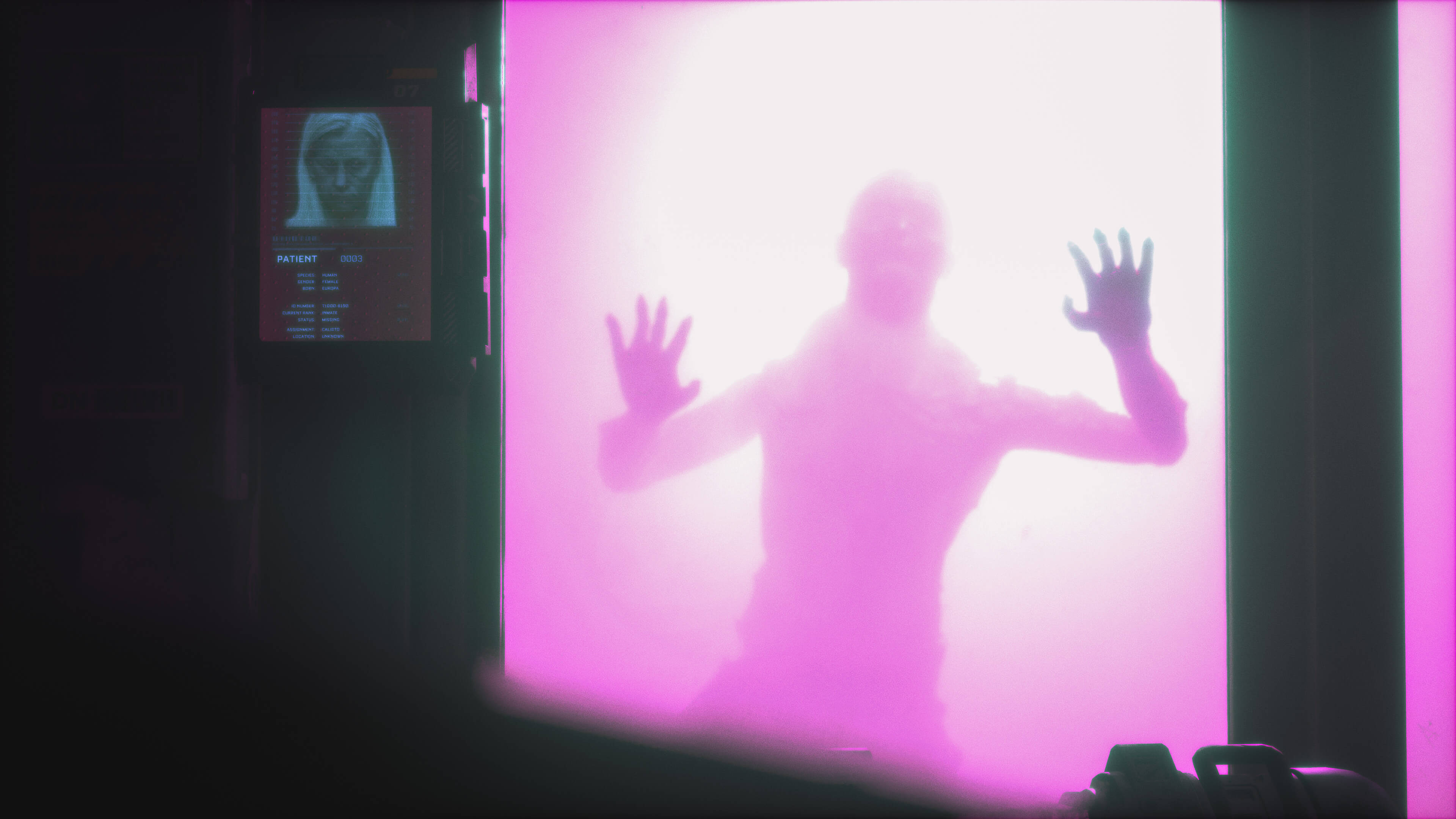
You can also do the same sort of thing by shooting through translucent materials like frosted glass and thin curtains, though even camera defocus can achieve similar results. Essentially, you’re trying to create a suggestive shape or outline while removing clear detail to leave the viewer with a seed of imagination.
Dark space
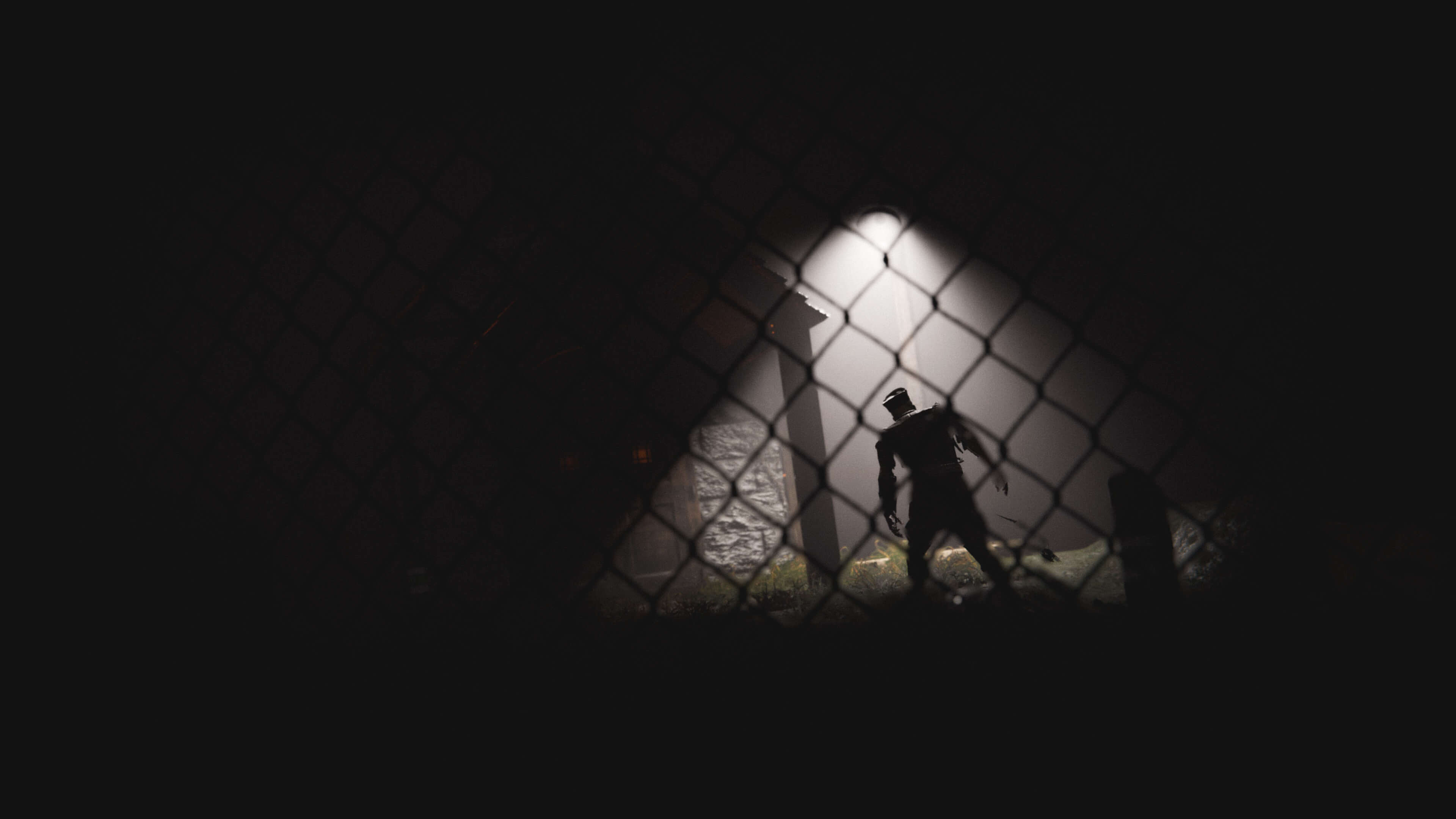
Darkness robs us of our vision and heightens the other senses, making experiences more visceral and often quite terrifying. There’s good reason to use a lot of darkness in scary screenshots, then, letting it fill the frame with a blanket of foreboding.
The surrounding darkness creates a negative space that plays on that feeling of the unknown again, while a single light source like a lamp, candle, or streetlight becomes the focal point. This can be used to isolate a character to make them appear exposed and vulnerable, or to reveal something unpleasant amidst the darkness, making the viewer feel like the vulnerable one.
Faceless subjects
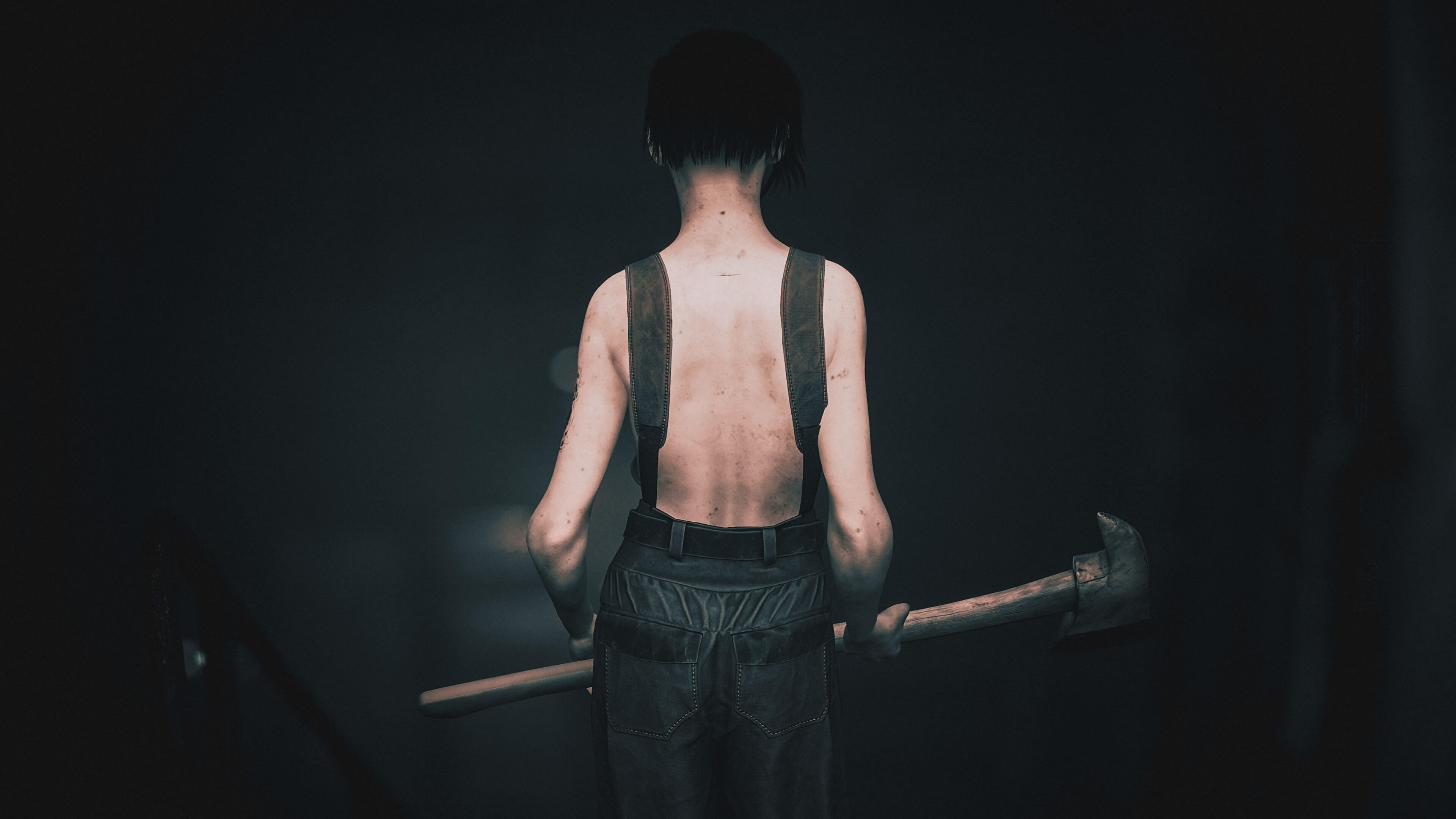
If the eyes are the window to the soul (I’m sure I’ve heard that somewhere), then excluding them, and even the entire face, from an image instantly detaches the subject from normal emotion. Masks do this by design, obscuring identity and intent, but you can achieve a similar effect with the clever use of shadows across the face, or simply by framing a subject from behind.
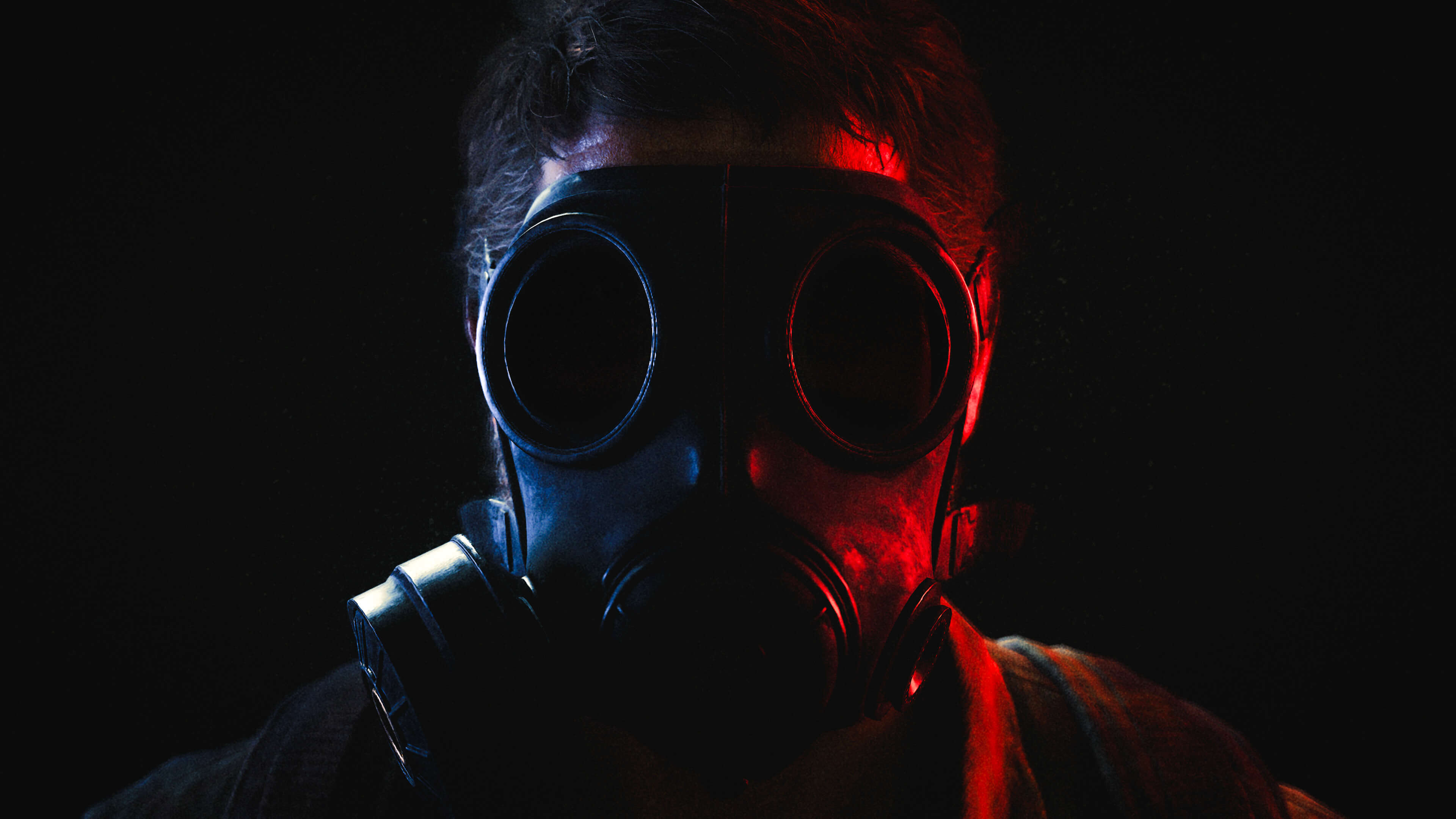
By hiding someone’s face, their motivations and frame of mind become open to interpretation. Be sure to include other elements in the frame for context too: This shot from Zoochosis would have a very different feeling without the axe, for example.
Uneasy composition
Photographers like to tell you about all sorts of compositional rules that are designed to help balance images and to make them more comfortable to look at. Well, this is the perfect excuse to ignore all that and to break some of those rules.
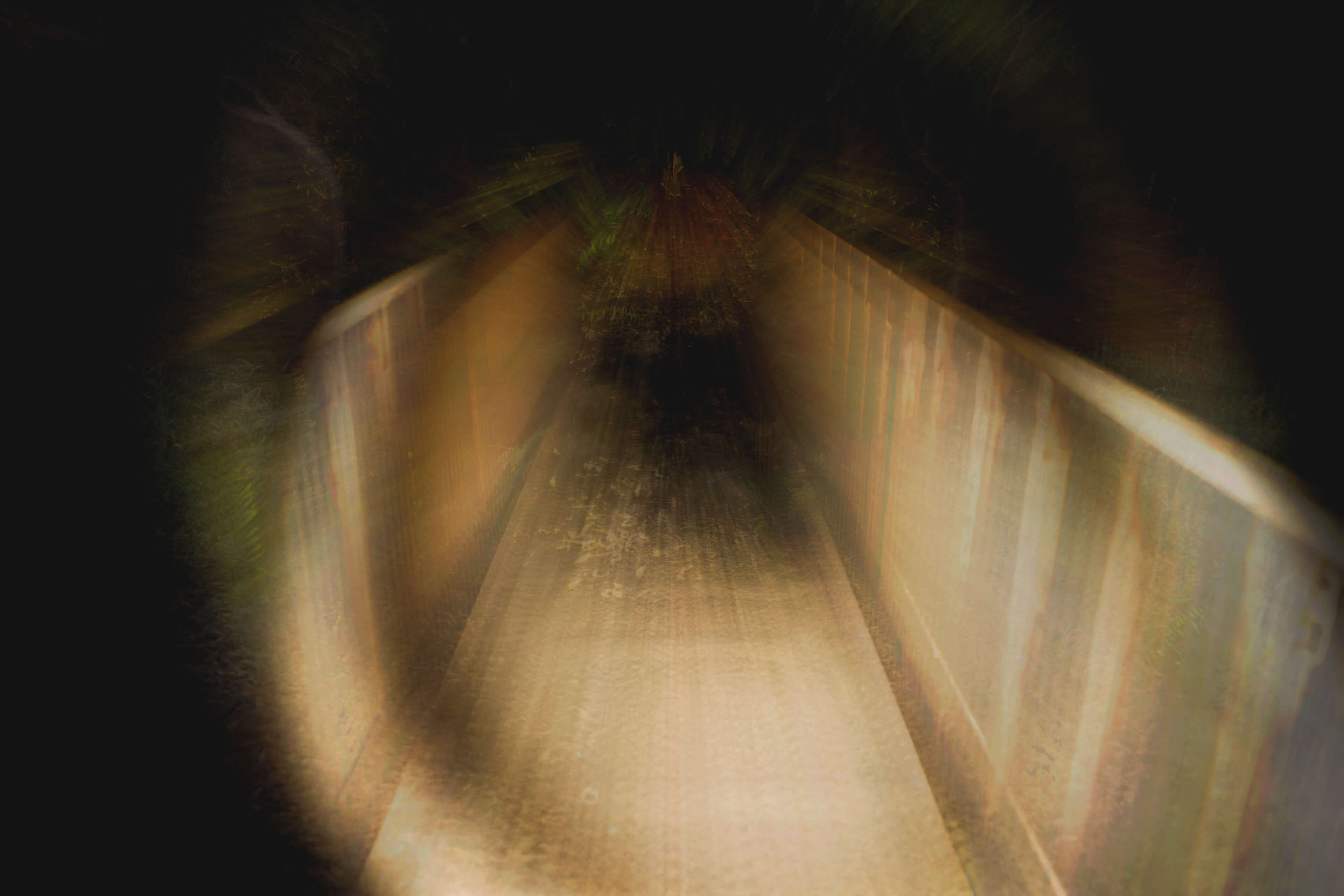
Think vertically as well as horizontally to give the impression that this was a moment that didn’t allow for calm composure and, if possible, use motion blur to deliberately disrupt the clarity of the picture.
Imagine that the camera is being held by someone who is cautiously exploring, reacting in fear, or even running away when the shutter button is pressed. It doesn’t have to be a scary game to do that, by the way. I used Lushfoil Photography Sim to create the effect here, so it's always worth thinking outside the box.
Controlled colors
Whatever your composition ends up being, don’t overlook the importance of color. More than an aesthetic, they can provoke emotion and trigger psychological cues, making them another powerful tool that you can use when creating unsettling imagery.
Embrace things like strong color filters, post-process tweaks, and custom lighting setups, like the one found in Alan Wake 2, to dramatically shift the mood of a shot. A cast of red light instinctively signals danger, sickly greens might emphasise disease, while unusual color combinations can evoke the supernatural.
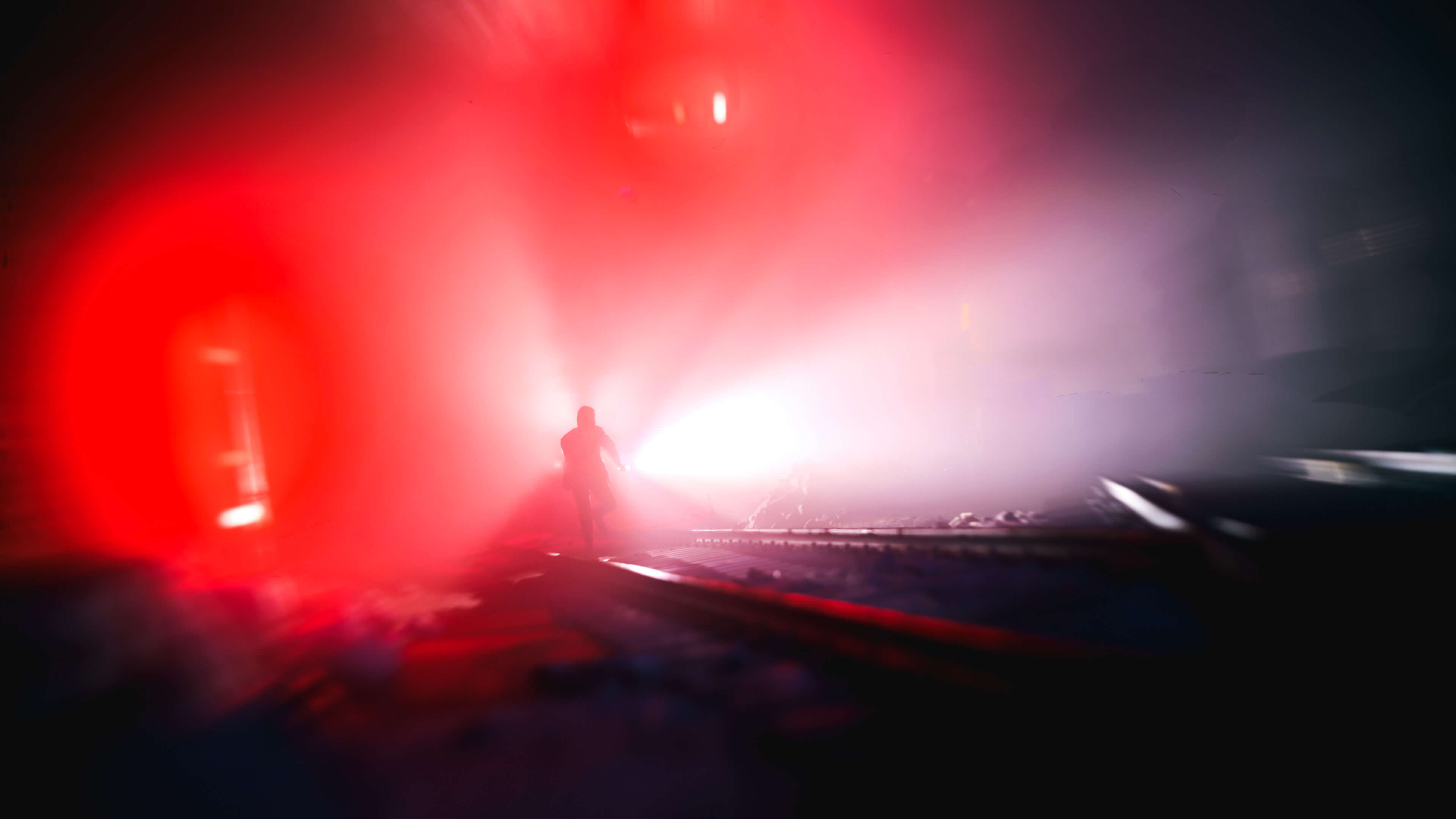
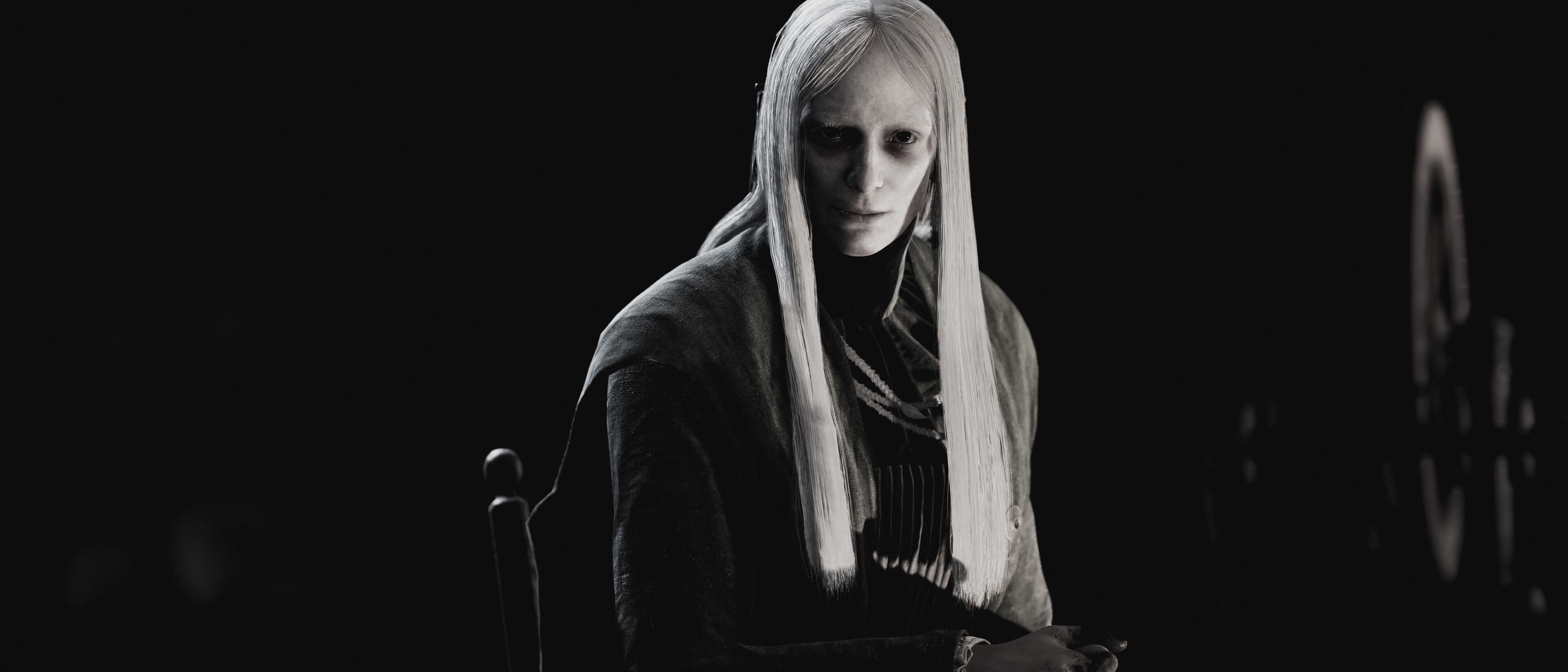
Sometimes, the most effective approach is to use no color at all. Ditching the hues in favour of a black and white approach simplifies the image and lets the elements speak in high contrast. Deep blacks embolden the shadows, while stark whites give skin tones a pale and ghostly appearance.
Storytelling
Arguably the most important concept here—and one that underpins every technique mentioned above—is storytelling. For a single frame to be frightening, it must be able to communicate something more: a sense of what is about to happen, or just did. With only one frame to work with, that can be tough, but clever composition, contextual clues, and suggestive props can really help to convey an idea.
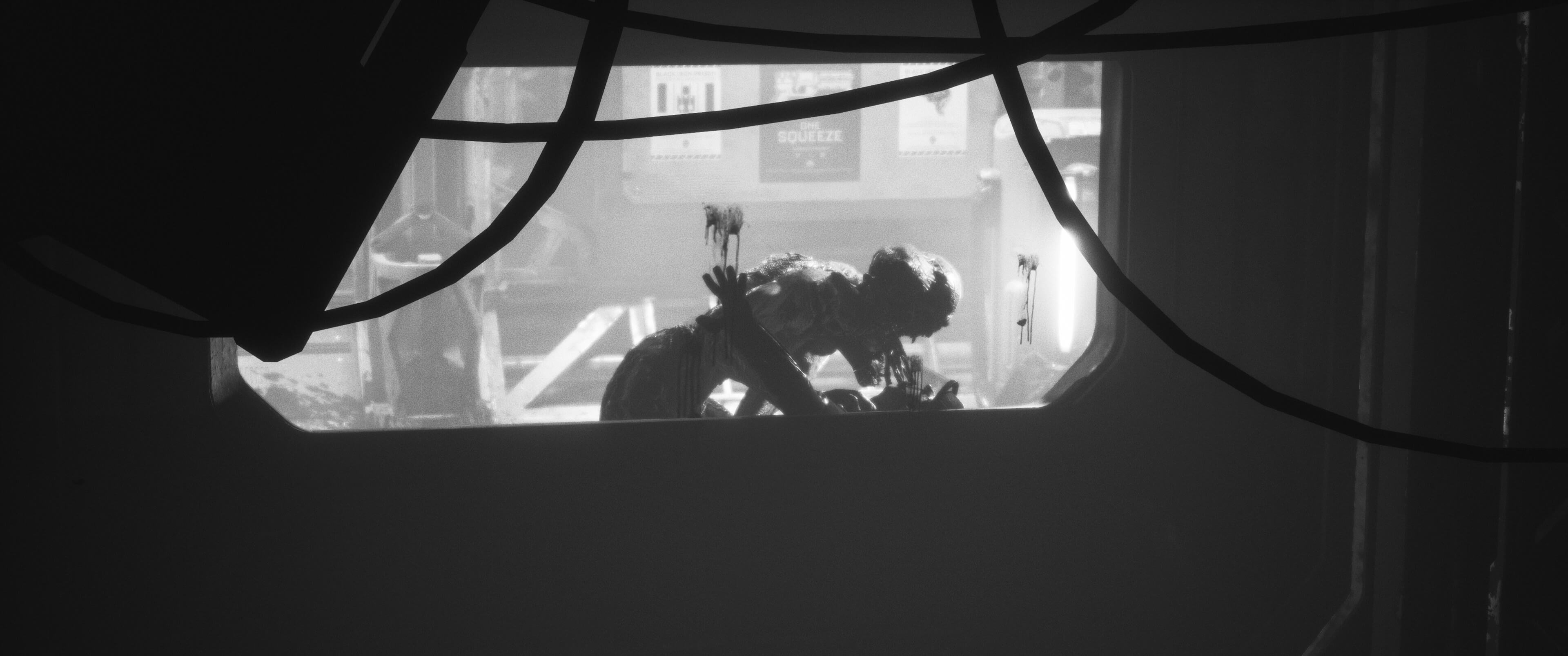
It could even be as simple as where to position the camera. A shot taken from behind something creates the feeling of someone hiding or watching. That kind of observer’s perspective might suggest vulnerability or menace, either way, it creates a story.
The goal is to put the viewer inside the scene and let their imagination do the rest.
Check out many awesome games with photo modes on Epic Games Store.