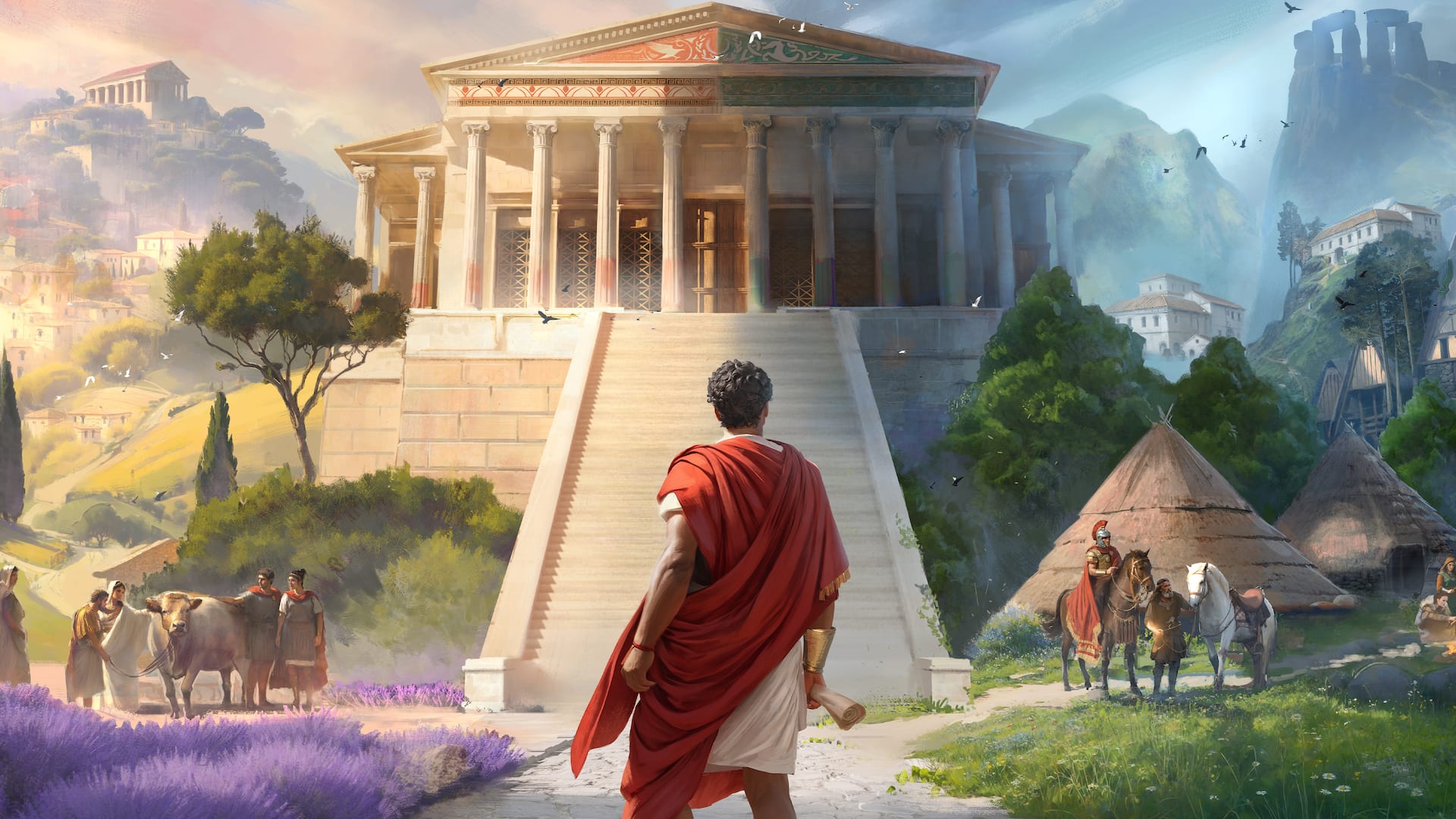
Going hands-on and broke in Anno 117: Pax Romana
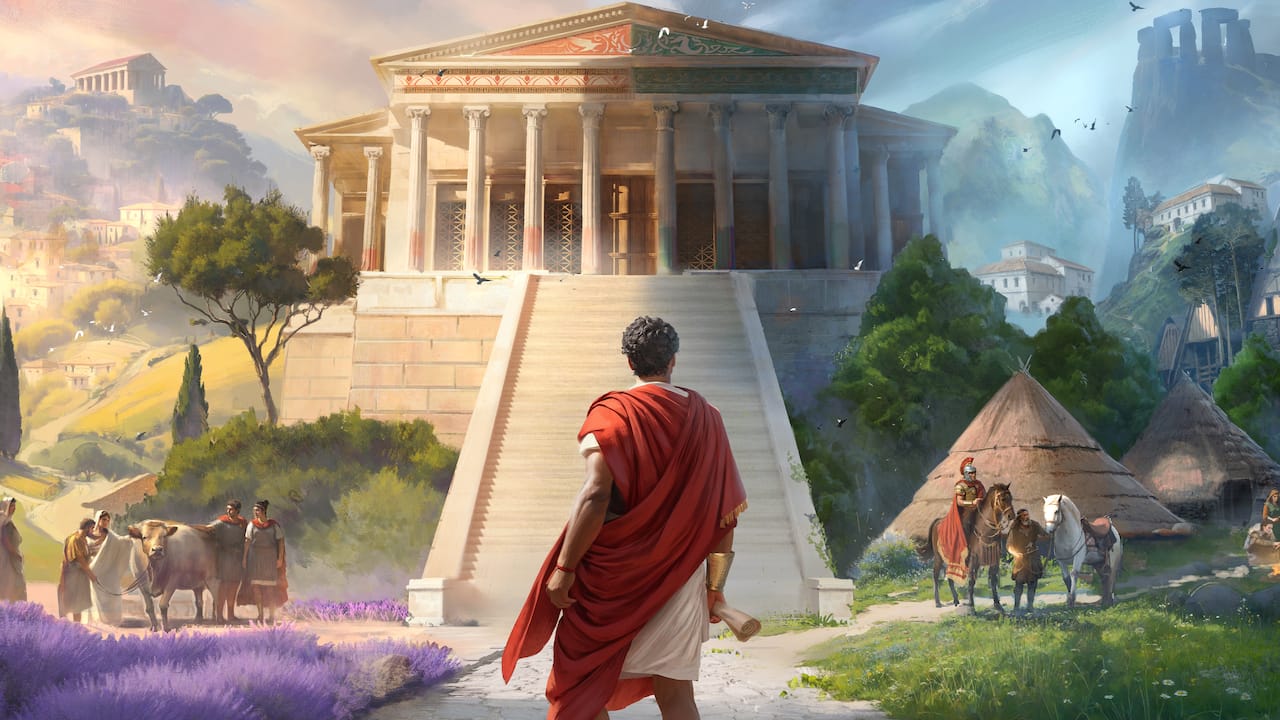
Going broke in Anno 117: Pax Romana was the best thing that happened to me.
When my experiment in societal planning went belly up, I’d already spent a couple of hours in developer Ubisoft’s upcoming strategy game role-playing as a Roman Governor. I was the Emperor’s representative in Latium, which is effectively ancient Italy. Every bit of green grass and sandy shoreline, every river and mountain was mine to do with as I pleased. And what I pleased to do was pave over everything in the name of progress.
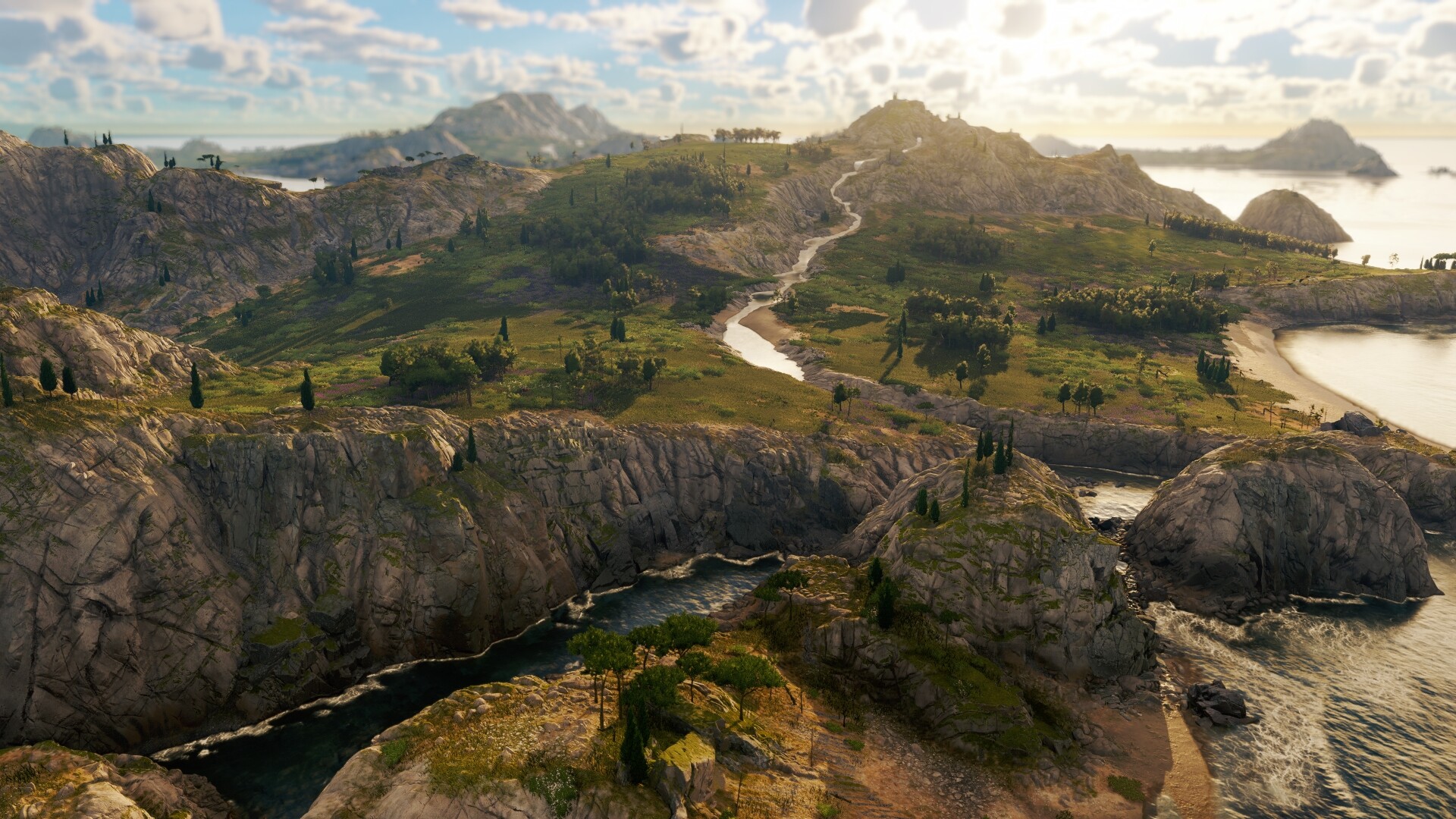
But the first order of business was to build my house—my Governor Villa, as Anno 117: Pax Romana calls it. I found a patch of lush forest about as far away from the north and south shorelines as possible, and I set up camp. Not only did that feel like a prime piece of real estate (it’s good to be the Governor), but a helpful in-game tip told me that the moment someone invaded my island, they’d head straight for Dave Manor. That’s when Anno 117: Pax Romana taught me about roads, and, for perhaps the first time but certainly not the last, I felt like a dingbat.
There was only one developed piece of property when I started my game: the Trading Post at the southern shore of my island. Every building must connect to that property for the distribution and transportation of goods, and I’d just built a mansion in the middle of nowhere. That felt like a mistake.
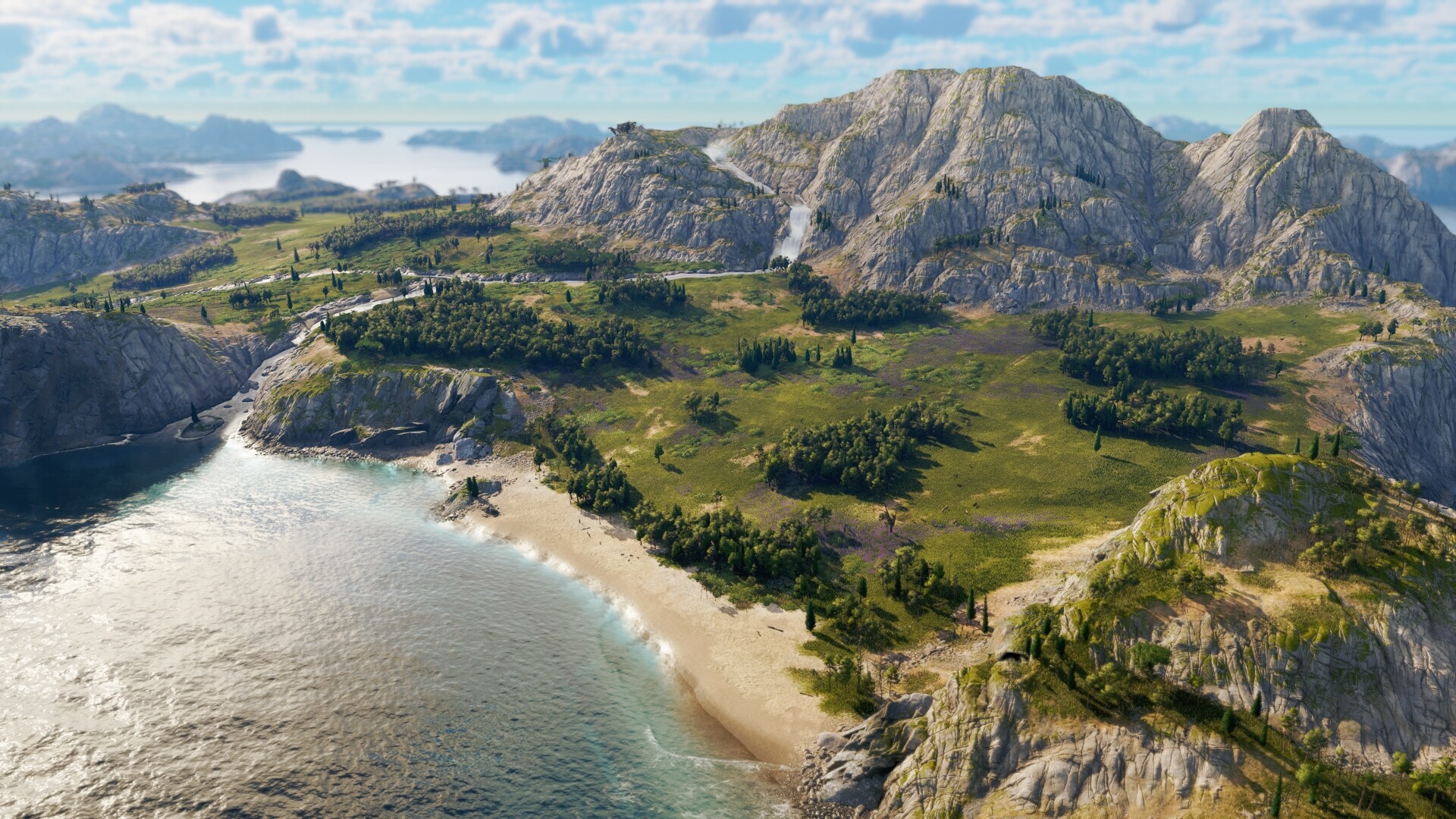
Your construction options at the beginning of the build-a-civilization-from-scratch mode that I played are limited at first, and they tilt toward the simplest end of the scale. Everything’s available through a tiled line of icons at the bottom of your screen. Connecting my Villa to the Trading Post turned out not to be a terribly big deal. Maybe I wasn’t a dingbat after all! I selected the dirt road tile, clicked on my Villa, and dragged a mostly straight path to build a long and winding road to the Trading Post in the south. It was quick, it was inexpensive, and I even got to build some bridges over a river that bisected my island.
I figured that, if one road was good, then two would be even better, so I built one parallel to the first. They say that all roads lead to Rome, but in Latium, all roads lead to my Villa. And with that simple setup—just two buildings and two roads—my sparse island suddenly looked like it housed a shocking number of possibilities. It was time to build a civilization.
That meant more construction was in order, and here at the dawn of the first millennium, I needed wood, and lots of it—a fact that my bankrupt self would only realize later. To stockpile all that wood, I needed four things: a forest to harvest timber, a woodcutter to fell trees, a sawmill to turn felled trees into useful timber, and a warehouse to store what my people made. That’s how it works in Anno 117: Pax Romana: You need to make things, and those things have logical dependencies that you'll also need to make.
As it happens, there was a cute little puff of forest just north of the Trading Post, so I built some more dirt roads to connect my new center of industry to my existing infrastructure. A minute or two later, I flicked the scroll wheel on my mouse to zoom in on that little patch of forest, and I spent another couple of minutes just people-watching with a big, dumb grin on my face.
I’d spent almost all of my time so far looking down at my island from a considerable distance. From a bird’s-eye view, Anno 117: Pax Romana smartly obscures many of the details to focus on big picture concerns, such as building miles of roads, for example. But when I zoomed in, I saw dozens of people going about their lives, working in the very buildings I’d just created, carrying supplies between them, and making deliveries to the Trading Post. It was an active and genuinely delightful reminder that, as I was playing this game, this game was also playing itself, down to the individual human cogs in the machine of my growing empire.
Days later, this is what my mind returns to again and again. I had not just a mission from the Emperor but a responsibility to the people who lived with my decisions, and I spent the next hour or so building them homes, markets, taverns, and farms while feeling like, if I could just get it right, I had the power to make them happy.
Too bad I made them broke instead.
The woodcutting operations—i.e. finding an appropriate plot of land, and filling it with buildings—gradually ramped up. The more I built, the bigger my population grew, and the more resources they desired. My island leveled up, and I attracted a new and richer citizenry, Plebeians, who could work more demanding jobs and produce more complicated goods. Soon, my people needed clothing and fashion. Then they needed new construction materials, like roof tiles, for which I had to harvest clay from the riverside. And the more I needed to build, the more homes I needed to construct, and the more wood I needed to harvest.
Then there was a moment, maybe 90 minutes in, where I could suddenly see through the Matrix. I moved my earlier buildings. I placed them smartly. I moved the woodcutter into a dense patch of forest, and my productivity skyrocketed. And then I thought, “Wait! I can do better.” I reconfigured my buildings again. Then I built roads that deliberately avoided existing trees. And suddenly my productivity reached levels that I honestly didn’t think were possible.
I felt like a god, the occasional fire notwithstanding, until I got a message that said I’d go bankrupt in a few minutes.
Panic set in. I hadn’t been minding my ledger, and if there was a tutorial about that, I’d clearly missed it. (To be fair, this is a prerelease version of Anno 117: Pax Romana, so that may be forthcoming.) The embarrassing truth was that I had no idea what to do about my impending financial collapse.
I spent the next several minutes clicking around menus, trying to figure out my options. I lost so much hope that I resorted to demolishing suddenly superfluous-seeming public works like the Grammaticus Educational Institution and the Religious Sanctuary that I erected in homage to the Roman god Mars, my island’s patron. He probably wasn’t too pleased with that. I certainly wasn’t.
I watched helplessly as my beautiful island bled dry. “Game Over,” read a dialogue box. “You went bankrupt.”
I was devastated for a good five seconds, until those earlier words appeared in my head again: “Wait! I can do better.”
I started a new game, and I made more progress in the first 10 minutes of this new save than I had in the first hour of my previous one. I built my Villa among my people. I constructed multiple wood-processing operations. I planned neighborhoods better. I prioritized safety and entertainment as much as shelter and industry.
I was racing the demo’s clock, full of hard-earned knowledge and adrenaline, trying to see how far I could get back from zero. I was playing better than ever, just this side of drunk on the possibilities of the glittering civilization that I could create. When my time ended, I was as proud of what I’d accomplished as I was sad that I couldn't see it through.
Anno 117: Pax Romana is not a simple game. It asks a lot of its players, requiring deep thought, strategy, and a willingness to explore not just the game itself but the way that it operates through seemingly endless menus that you’ll need to poke and prod through. It will reward your tenacity and punish your blunders. It will make you learn, or you will fail.
Learn enough, and you might just make your people happy and the Emperor proud.
Check out Anno 117: Pax Romana in the Epic Games Store, where you can add it to your wishlist ahead of its release later this year.