Gravity Circuit is what indie homages should be
There are many indie games that delight in flaunting their obvious inspiration, from Mario to Chrono Trigger and everything in between. Whether you want to call them love letters, derivative works, or glorified fan-games—if you’re feeling a bit uncharitable, perhaps—these games have no issue with wearing the “X but different” label that many players will affix to them. However, few of these indie hits manage to rival the originals in quality. Gravity Circuit is that rare exception.
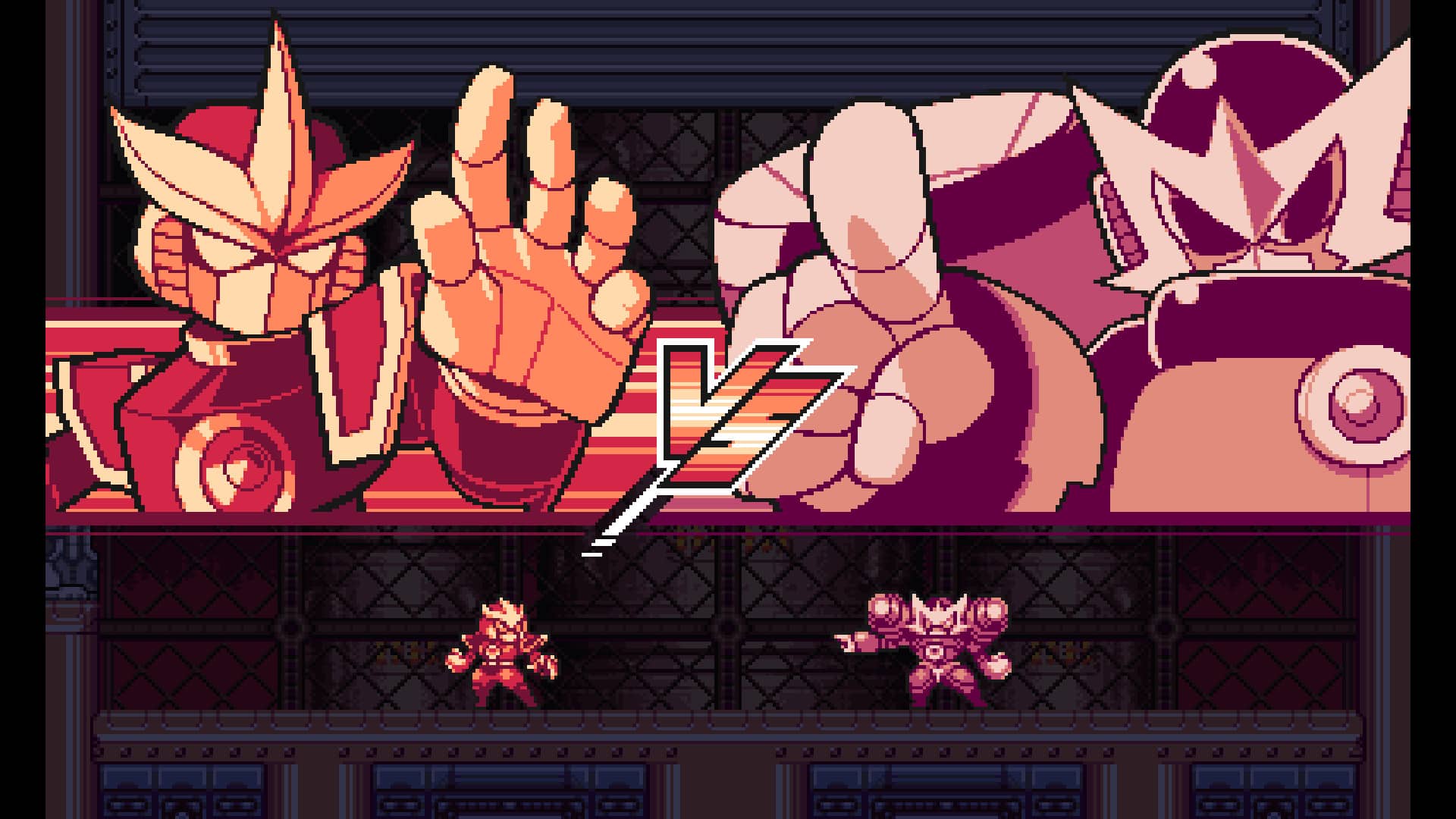
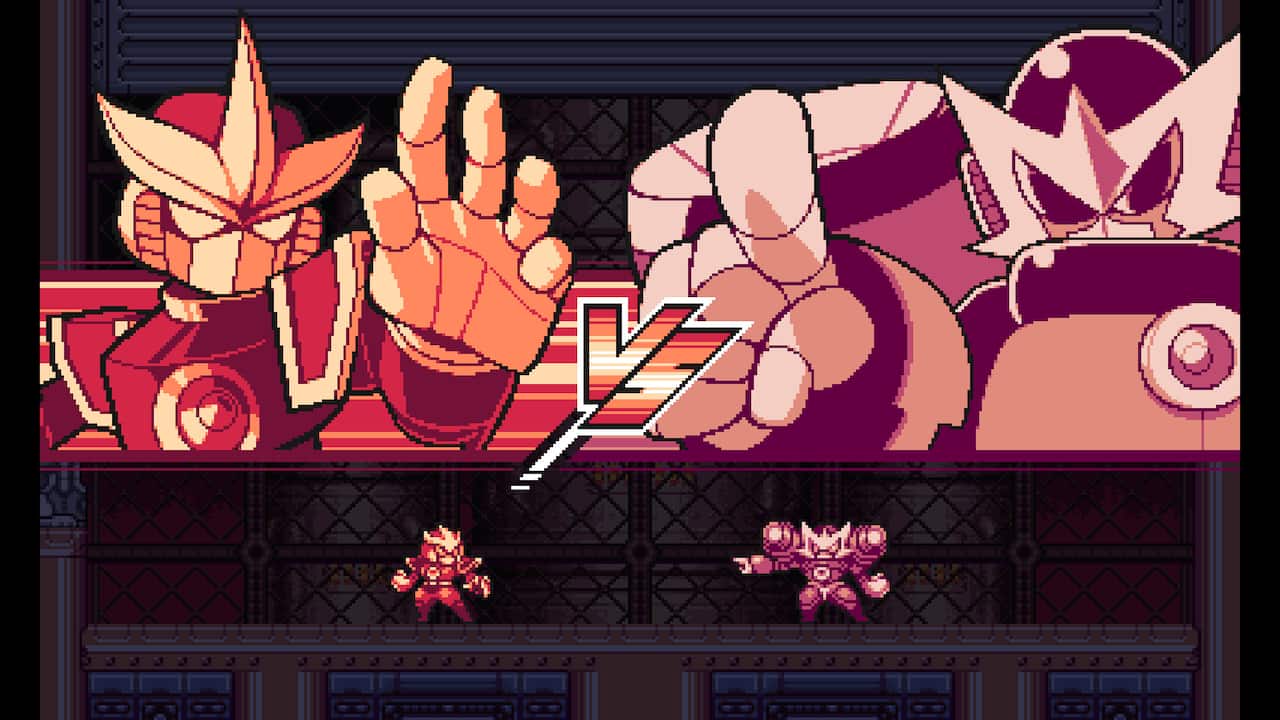
From the title screen’s soaring 16-bit music to the orb-headed robots dripping with personality, it’s obvious that Gravity Circuit is a tribute to Mega Man—specifically the Mega Man X series, which flourished on the Super Nintendo in the ‘90s. You control Kai, the titular Gravity Circuit, as he battles against his former robotic comrades who have turned against him for unknown reasons. But though this game features a cast of talking bots, a variety of power-ups, and the muted-yet-colorful art style of its inspiration, it manages to carve out a unique identity for itself thanks to a number of bold design choices.
For one, Gravity Circuit flips the usual side-scrolling shooter formula on its head: Instead of facing an army of disposable melee fighters with your trusty blaster a la Mega Man, Kai doesn't have many ranged options. His primary moveset sticks to punches and divekicks, as well as souped-up Burst Attacks that let you Shoryuken and piledrive your opponents into rusty bolts. Kai also has a Hookshot that you use to climb and swing Bionic Commando-style, but it can also grab stunned opponents and throw them at each other for massive damage.
Gravity Circuit adopts the nonlinear structure that many Mega Man fans will find familiar, enabling you to choose what level to play next. However, crucially, the game does not feature the direct rock-paper-scissors approach that Mega Man made famous; though you unlock new techniques as you progress, it’s more nuanced than simply determining which attack trivializes each boss in turn.
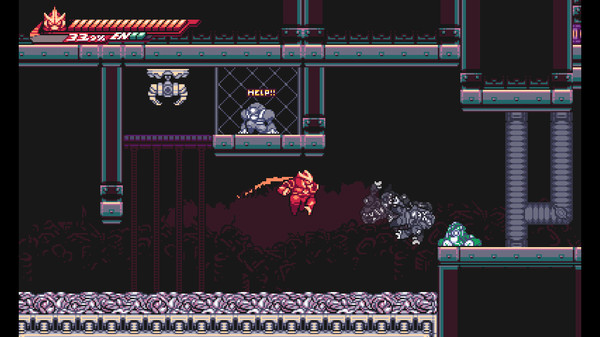
Though the individual aspects of Gravity Circuit are recognizable to all retro gaming fans—its hummable soundtrack, its platforming mechanics, even certain stage hazards like disappearing platforms and angled laser beams—it’s the sheer level of polish that separates it from other indie throwbacks. Each level displays a high level of cleverness and creativity, with simple gimmicks and ideas building on each other to test your reflexes (and occasionally, your patience). Deviously hidden collectibles will keep you coming back for more too, though none of them are as unfair as what you might find in an actual retro 16-bit game.
For me, Gravity Circuit’s default difficulty strikes the perfect balance between forcing you to memorize enemy patterns and giving you a fair shot to beat each boss without too much trouble. (It won’t push true retro heads to their limit, especially if you're willing to find a build that works for your playstyle, so if that describes you, try Hard Mode.)
As a whole, while some might knock Gravity Circuit for sticking to a well-worn script, those who look beyond its immaculate 16-bit aesthetics will find that it’s very much its own beast. Like The Messenger and Celeste before it, this is a retro throwback that is absolutely worth your time.
Gravity Circuit is available on the Epic Games Store.