Articolo
Hanging out in Mixtape
L
Luis Joshua Gutierrez
Developer Beethoven & Dinosaur Director Johnny Galvatron sets the scene for my recent hands-on demo: "It's about three teenagers on their last day of high school listening to a mixtape of the greatest music of all time and remembering their formative moments to those songs."
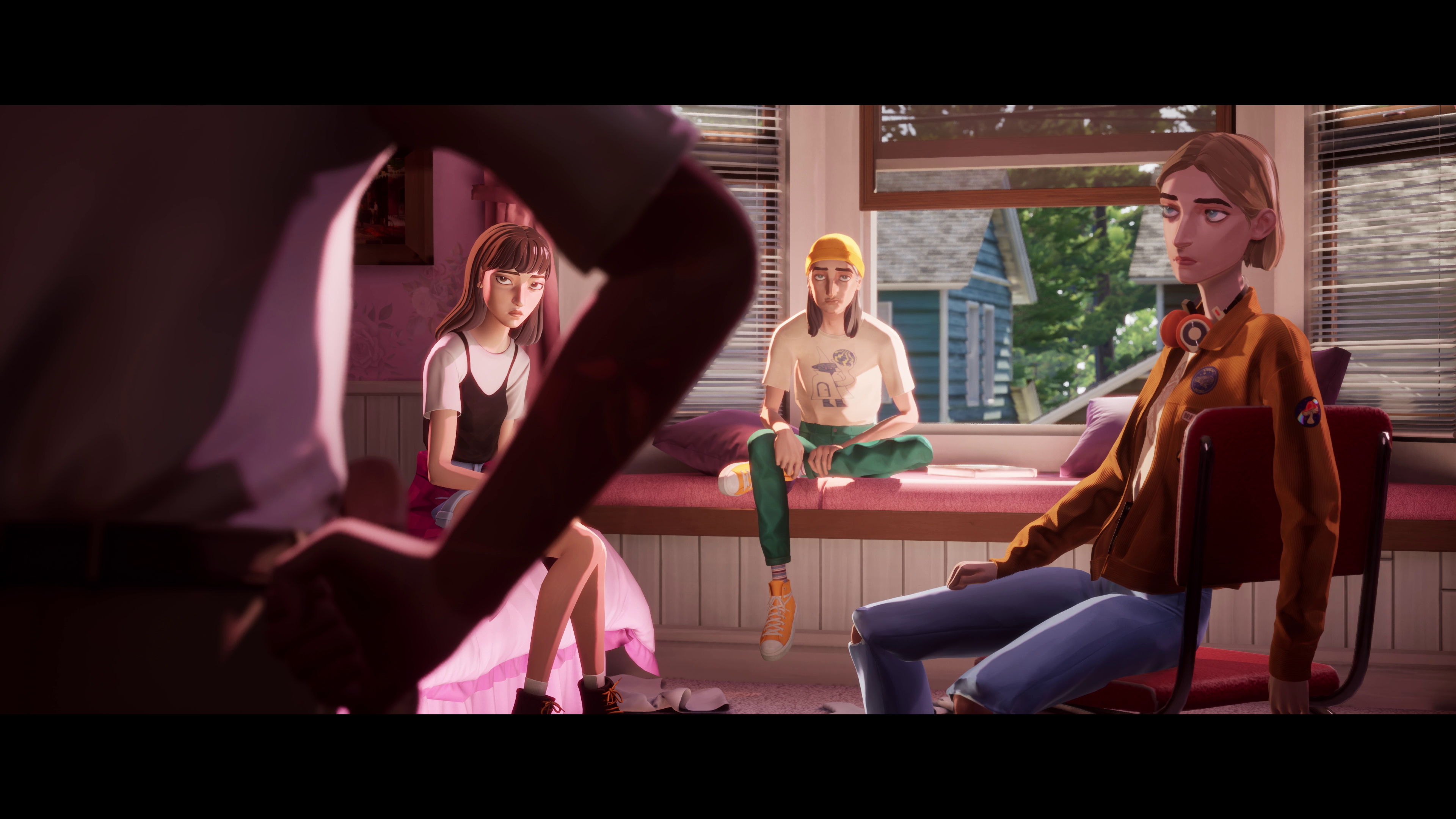
You're put into the shoes of a headstrong young woman named Stacy Rockford who dreams of one day becoming a music supervisor in Hollywood. On her quest to do that, she's accompanied by her two best friends, Slater and Cassandra, who envision a different future for themselves, but are just as headstrong as she is. With this carefree attitude, the three of them often find themselves in situations that could have been totally avoided if they stopped and thought about it for even a few seconds.
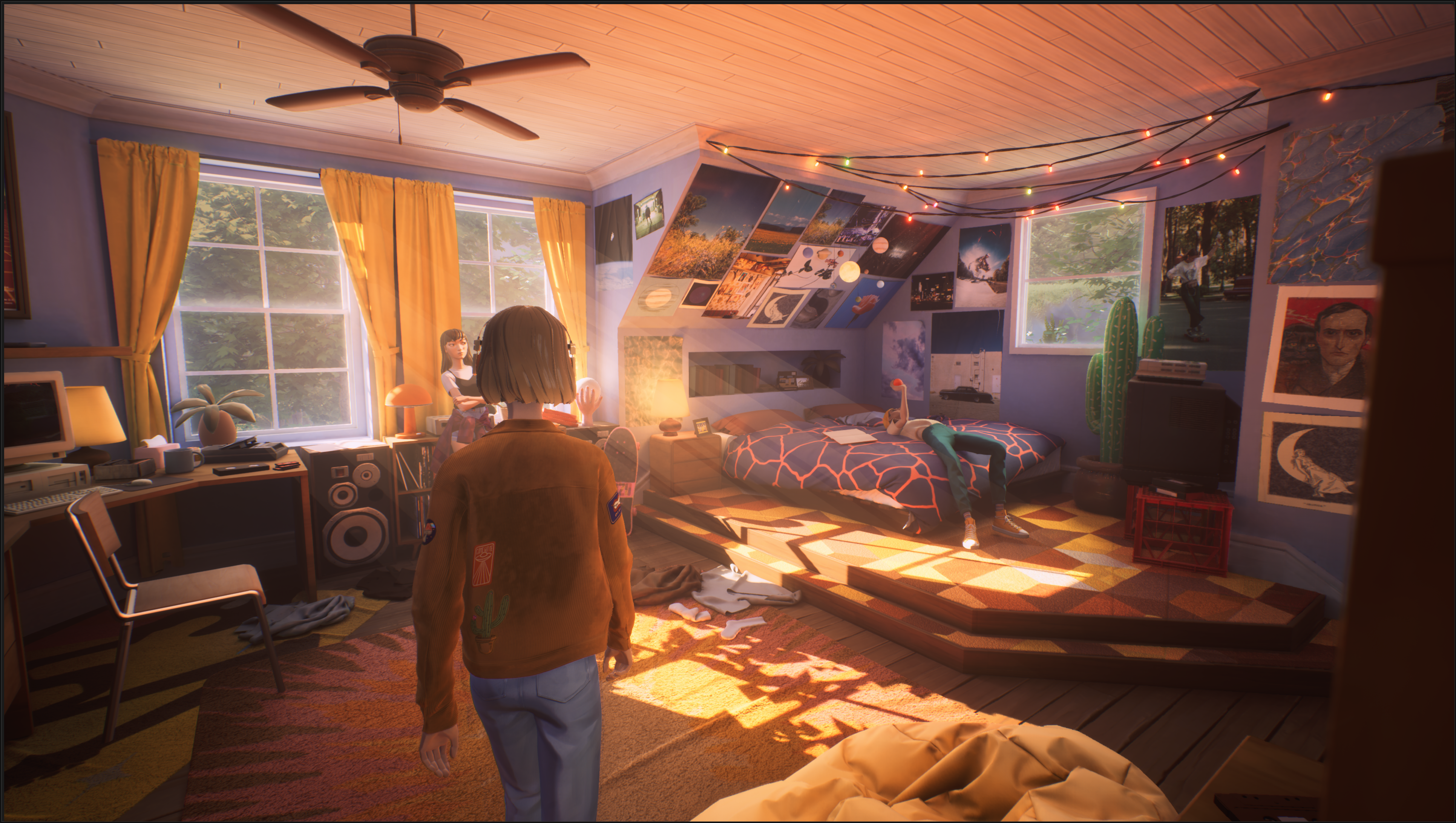
I found these kids to be compelling characters, and that's perhaps because I saw a lot of myself in them. In many ways, it reminded me of how I was at a younger age, when I was discovering who I was. Even when they find themselves chased by the police in a shopping cart or decide to TP a school administrator's house, I can't help but root for them.
This was a feeling that Galvatron and the team at Beethoven & Dinosaur tried to convey while making the game.
"To have different personalities between these teenagers about what they want and how they're going to try and tackle life from that point on," Galvatron says. "That's how you can see yourself and your friends in those stories. That's what makes them hit home."
The way music is used in these scenes only elevates that feeling. Each song in the game serves as its own mini-story with a beginning, middle, and an end. Sometimes these stories are as simple as grabbing burgers with your friends, and a song like Freak by Silverchair playing in the background helps create a sense of camaraderie with Stacy and her friends. This rebellious feeling is ingrained in all these characters as they drive home.
When the demo first booted up, it opened with That's Good by Devo, while all of them were skating down a scenic road during the middle of the day. As I was playing through this part, I couldn't help but feel a lot of the carefree emotions that the main cast of characters were feeling. In many ways, the music helps tell you what you should be feeling and what the main takeaways of each story are. Most importantly, it shows the power of music and how it shapes our view of the world around us.
With music being such a core part of the experience, it's hard to imagine the game without it. What's fun about it is that it's unapologetically a love letter to the '90s. Even if you're someone like me who grew up after this era, there's still a lot you can enjoy. It draws a lot of inspiration from films released around that time.
Galvatron explained that he wanted to emulate a lot of the feeling of you and your buddies hanging out and having a good time while simultaneously paying homage to tropes like breaking the fourth wall. This is something that I got to see Stacy do while playing the game. One clear-cut example of this is when she's outside chatting with her friends about becoming a music supervisor. The second it comes up in conversation, Stacey immediately looks at the camera and explains what a music supervisor is to the player and why she would be perfect for the job. All while this is happening, her friends more or less stay in place and wait for her to finish talking to you.
"High Fidelity is another good one for John Cusack, talking to the camera, talking about music. That's a really good influence," Galvatron says. "Dazed and Confused is the biggest one. Dazed and Confused is the greatest hangout movie of all time. Hangout movies were stuff that we looked at a lot. Films that run by the characters as opposed to [being] plot-driven. But hangout films generally like Gen X Stoner comedies, stuff like that. But Ferris Bueller's [Day Off], Dazed and Confused, Heathers, and [director] John Hughes, obviously."
The movie parallels don't end there either, because the game plays almost like one. Yes, it has its moments where you're running around and gathering things, but for the most part, they're few and far-between. The majority of my time with the game felt like interactive cutscenes. For example, there was one part where I was rolling down the highway on a shopping cart. As this was happening, the camera angles shifted between a police helicopter's POV and Stacy's.
All while this was happening, I was able to take control of where the cart was going, but it was never something I needed to worry about because there weren't a lot of obstacles for me to crash into. Another example of this is a scene in which Stacy and her friends drive around town. Even though I wasn't controlling where the car was going or how fast they drove, I was in charge of making sure all three of them were rocking out to the song that was playing as they cruised around town. It's hard to imagine the game being played any other way because of how the story is presented; it adds an extra layer of intimacy.
One of the main takeaways I had from playing Mixtape was how nostalgic it made me for an era that I didn't even grow up in. While playing, there were a lot of things I couldn't relate to, like living in a small town where everyone knows everyone. Even though there was a lot of natural disconnect for me, I couldn't help but smile as if I lived through this. Sure, the music did help create this feeling, but a large part of it was the characters and their newly lived experiences. Needless to say, I'm excited to play the full game when it releases later this year.
You can wishlist Mixtape now on Epic Games Store.