Hell Is Us interview: How Rogue Factor's grassroots team created its cosmic horror debut
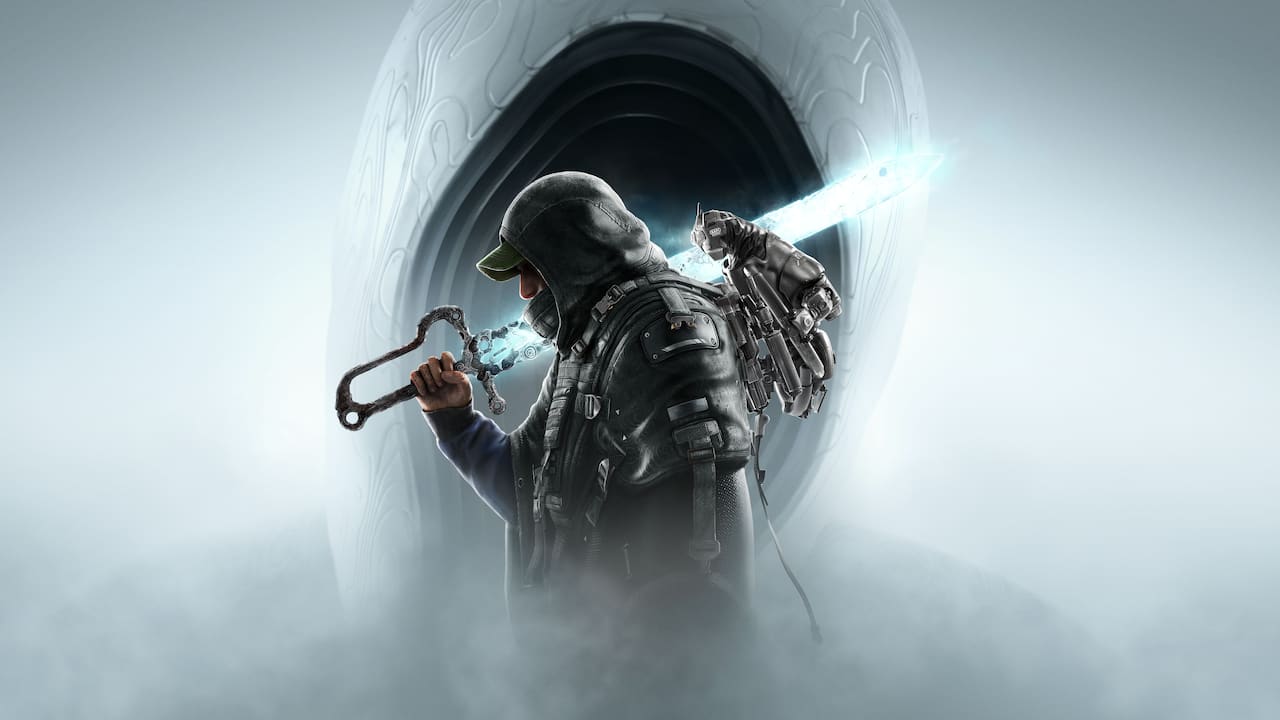
First, war devastated the country of Hadea. Then the monsters appeared.
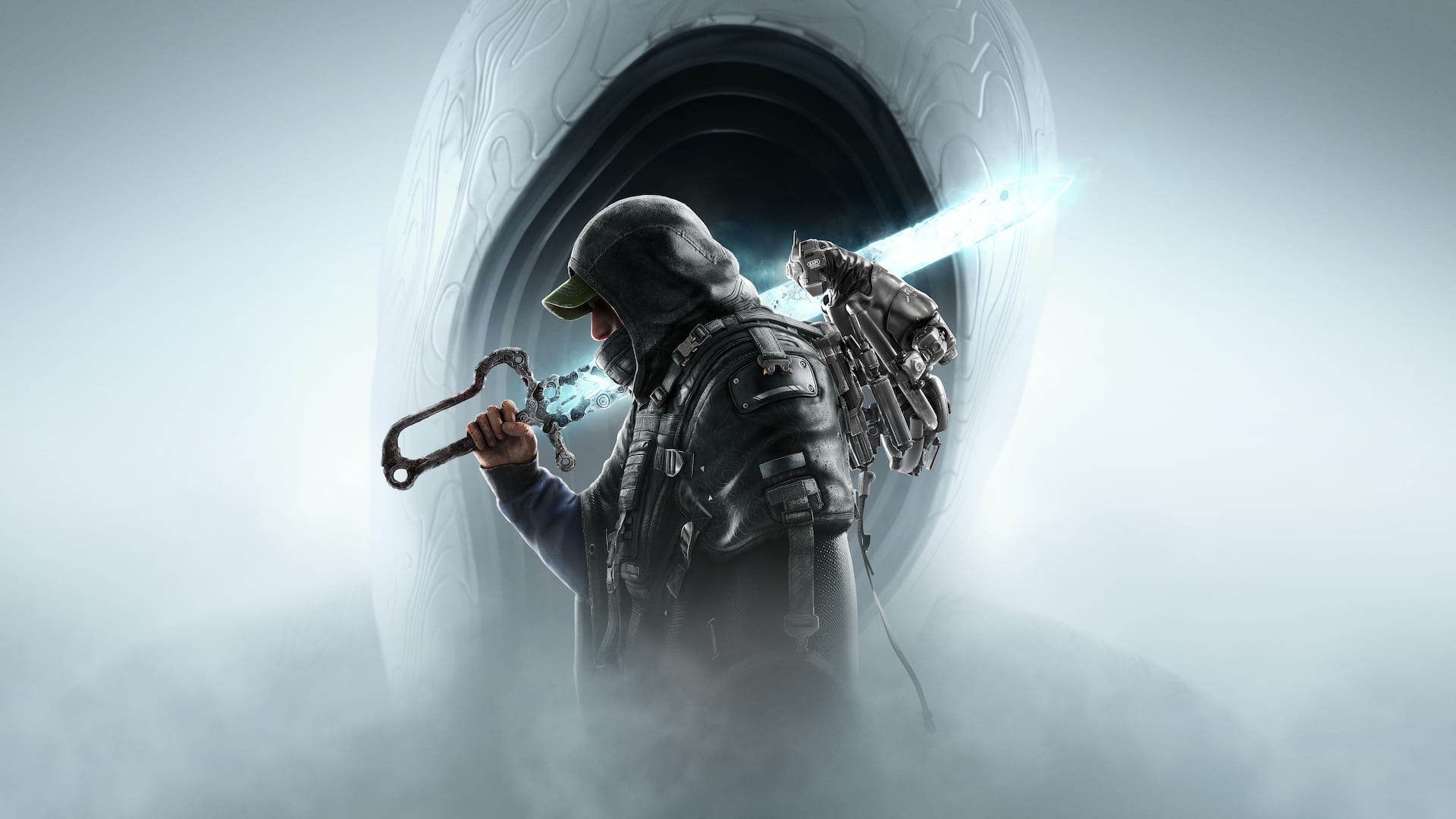
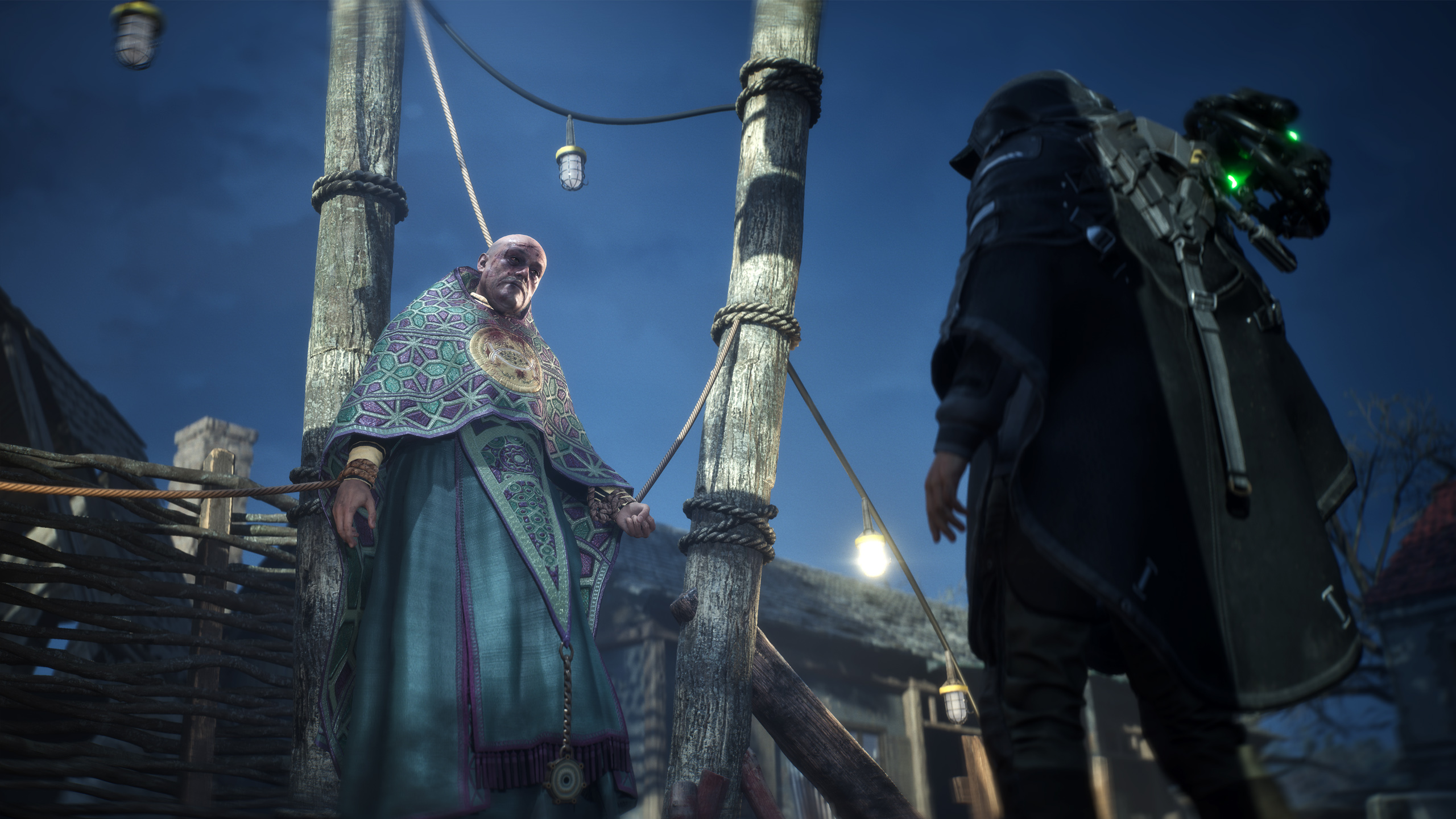
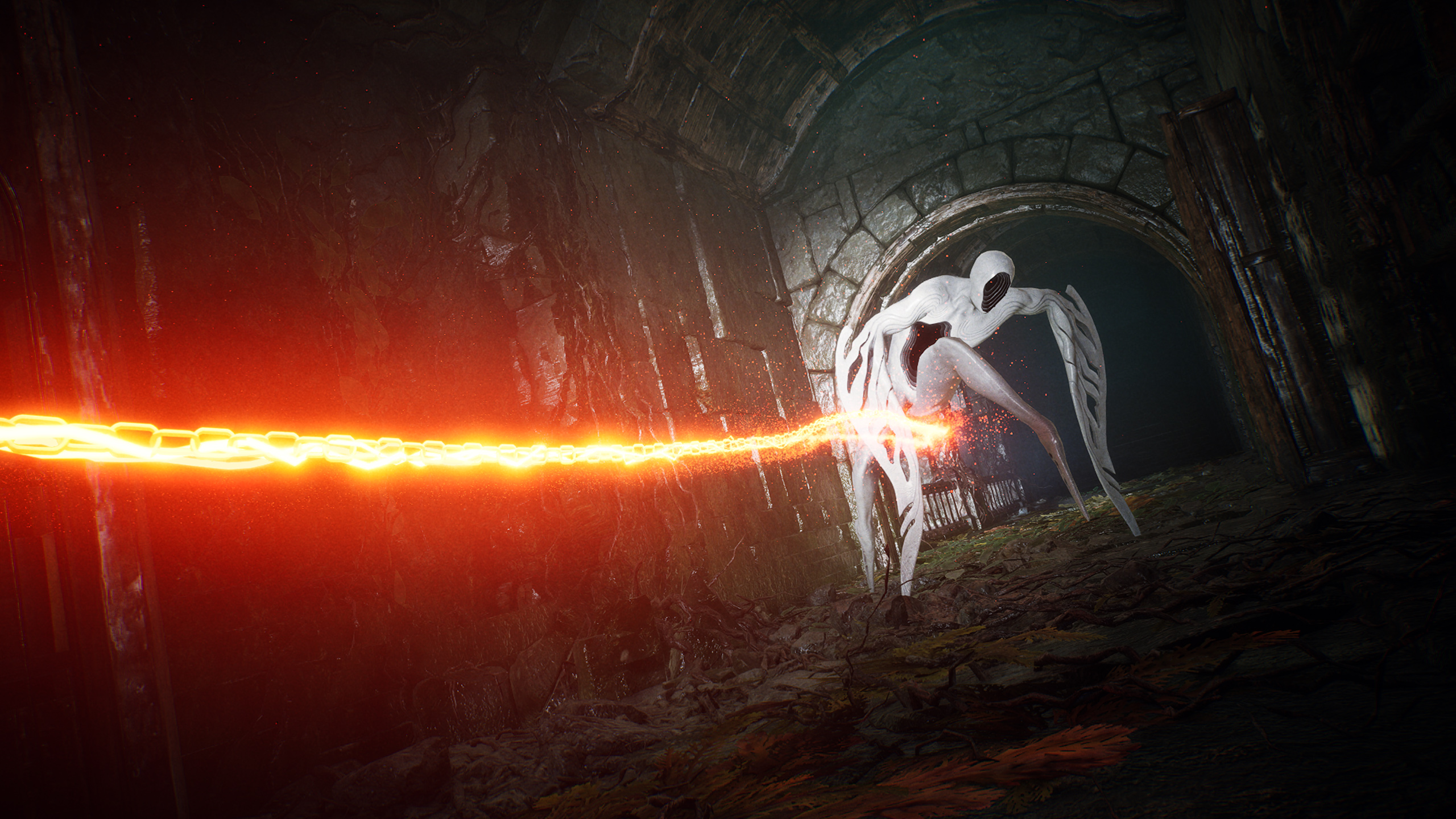
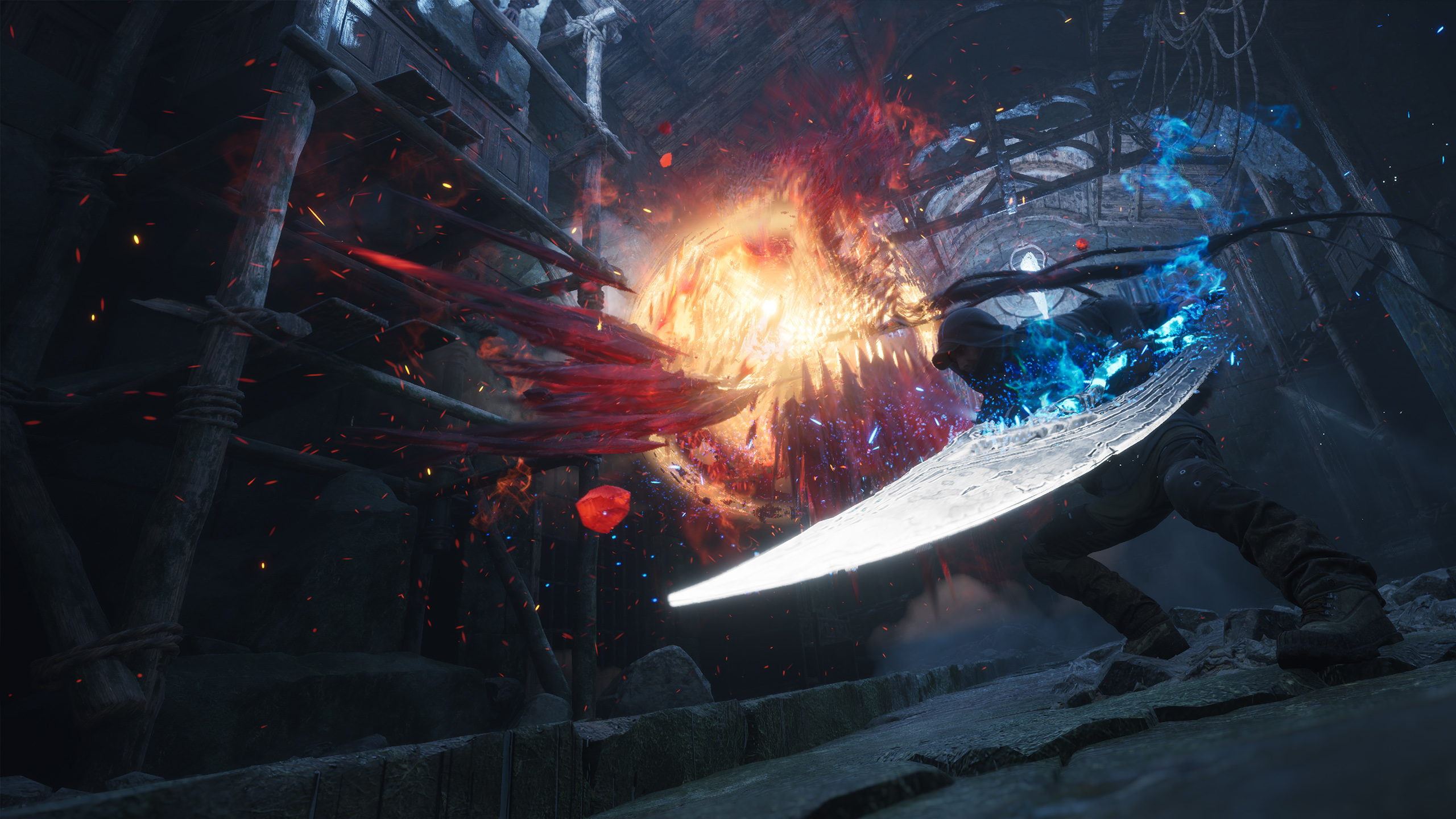
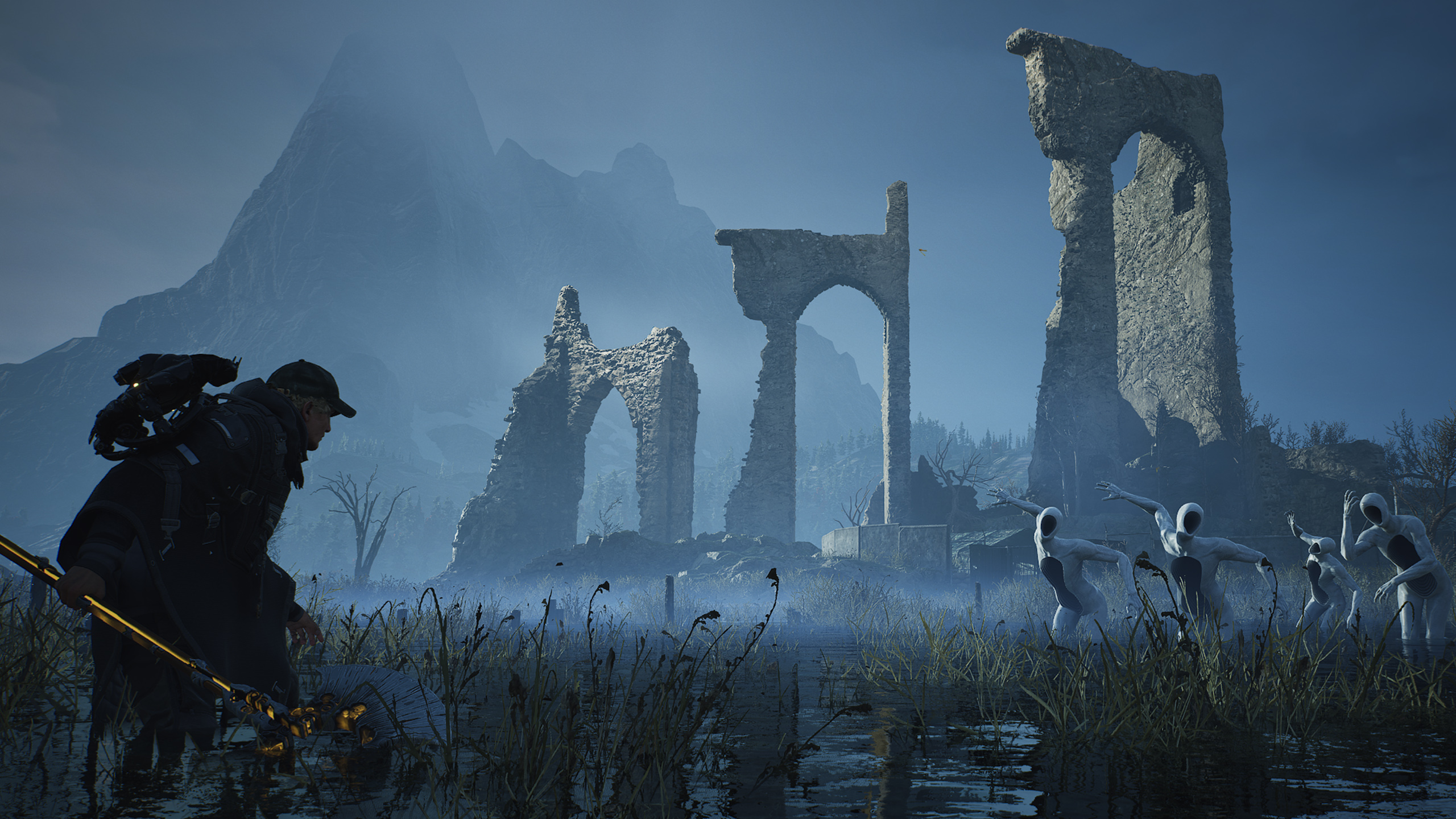
Releasing later this week, Hell Is Us is a bleak examination of humanity's worst tendencies. You play as Rémi, a United Nations peacekeeper trying to find his parents amidst all the death and decay in Hadea. Civil war is really the least of Rémi's problems though, as the fighting has also unleashed mysterious monsters who are completely immune to modern weaponry. Rémi must learn to wield swords, spears, and other weapons of the past to put down this supernatural threat.
Hell Is Us draws on certain Soulslike elements—including the genre's love of exploration, with the team at Rogue Factor boasting, "No map, no compass, no quest markers: following your instincts is part of the adventure."
That tagline might make a good motto for the team at Rogue Factor as well. We sat down with Hell Is Us Creative and Art Director Jonathan Jacques-Belletête to discuss how a relatively small but nimble team managed to make one of 2025's most intriguing games.
"I picked up the phone and called [Rogue Factor General Manager] Yves Bordeleau, a real personal friend of mine," said Jacques-Belletête. "I said, ‘I think it's time. I've done this AAA thing long enough."
Jacques-Belletête spent many years working in AAA, first at Ubisoft and then a decade-long stint at Eidos-Montréal working as an Art Director on major titles like Deus Ex: Mankind Divided and Marvel’s Guardians of the Galaxy—but it was time for a change.
"I wanted to feel challenged," said Jacques-Belletête. "It's so cushy in AAA, and I wanted to feel that garage feel again—that you're an underdog, and you might just f— up, and you really have to work hard and smart. The day that I called Yves, there were 20 or 25 [employees] at Rogue Factor."
Jacques-Belletête joined Rogue Factor to create an all-new IP, but after his time in AAA development, he knew that he wanted to steer clear of the costly decade-long development cycles now common in big-budget games. Working with Bordeleau, Jacques-Belletête drafted a budget early on—and made it as small as possible.
"It's something that comes naturally for me," said Jacques-Belletête. "It doesn't mean that it's necessarily easy to do, but when we sat down, we drafted the budget, and we were looking at how we could make the budget as small as possible."
Jacques-Belletête spent the next couple of years tapping into his relationships with talented colleagues on both indie and AAA teams, bringing them over to work on Hell Is Us.
"I did bring a lot of people that I trusted from AAA—and I mean, I owe them so much, right? The only thing they had to latch on to was the words that I would tell them. ‘Trust me, it's gonna work, and we've worked all these years together. You know what we can do.’ I owe them so, so much," said Jacques-Belletête.
"It was also a lot about setting up the project—setting up Hell Is Us, building the world where we wanted to go, and convincing [publisher] Nacon of these things we wanted to do," he continued.
The resulting growth turned Rogue Factor into what Jacques-Belletête referred to as a AA studio, blending indie and AAA development norms.
"These [indie] people are extremely agile, and they're used to being able to turn on a dime," Jacques-Belletête explained. "Then the people from AAA brought a bit more structure and a bit more production knowledge. We created a very interesting flavor in the studio."
This new AA environment at the studio managed to deliver in ways that were surprising even to Jacques-Belletête.
"You talk about a feature in a meeting and then two days later, there's a tech artist who calls you to the desk, and they’re showing you the feature," he said. "It's 80% there! I was bullsh—ed for years in AAA! These things can be done fast. It's just so much red tape, so many meetings, and so many layers in the huge studios. Obviously, I’m oversimplifying. There's so much money involved, but the agility [at Rogue Factor] really surprised me tremendously right from the get-go."
Even though Rogue Factor has hired a few dozen workers since their announcement of Hell Is Us back in 2022, a team of around 60 core developers still means that people generally take on more than one role, as they would like to keep as much as possible in-house.
"There's no outsourcing whatsoever," Jacques-Belletête said. "Well, the only outsourcing is the voice actors. Trust me—you don't want me to voice-act anything whatsoever."
While Jacques-Belletête spent years working as an art director on hit games, much of his work was for massive franchises with established backstories. One of the big appeals of working on Hell Is Us is the opportunity to start with a blank canvas.
"You just wanna make your own stuff, really, at the end of the day. You just need to have the right opportunity, the right timing, the right people," said Jacques-Belletête.
"Don't get me wrong—probably at one time I would've quit an original IP to do a Deus Ex, you know? The original Deus Ex is still one of my top games of all time," Jacques-Belletête continued. "When we were all at Ubisoft and starting to plot how to escape and start a new studio in Montréal called Eidos, to try to do a Deus Ex game—it was pretty easy to make that choice. When we thought we could do Final Fantasy, that was also a no-brainer. If you're allowed to do a numbered Final Fantasy, you just do a numbered Final Fantasy. But that didn't work out."
But sometimes working on an already-established series can feel like "just a job," Jacques-Belletête explained.
"Guardians of the Galaxy—that to me was just a job," he said. "I'm not a fan of comics and of superheroes. Never was. And I remember we told Marvel that if we do it, it's gonna be the Deus Ex people’s [version of] Guardians of the Galaxy. We'll respect everything that you have, but it'll have a twist—which made it a little more interesting for me."
Still, when the opportunity arose to work on something new, Jacques-Belletête knew it was time.
"You just need the right variables. Eventually, they presented themselves, I jumped on it, and I never looked back."
Even though Hell Is Us is an all-new IP, that doesn't mean it lacks influences. One of the chief inspirations is cosmic horror. But for Jacques-Belletête, cosmic horror doesn’t necessarily mean Lovecraftian horror. He views Hell Is Us and its approach to the genre in the same light as an article he read about the award-winning Chernobyl mini-series, which argued that the show—though grounded in real-world events—is actually cosmic horror.
"Because the force itself, the danger itself, is always invisible," Jacques-Belletête said. "Radioactivity is invisible. You can perceive it. It's a force in the cosmos. It's a force of nature. It's a force that the human mind cannot comprehend. We cannot control it, to a certain degree. The way the show was filmed, the way it was staged, the color grading, the music—it's one of the grandest works of cosmic horror ever. That's what I mean when I say it can be completely detached from Lovecraft. It can be almost historically realistic and still feel like cosmic horror. So that's for sure what we wanted to do [with Hell Is Us]."
Hell Is Us releases September 4 on the Epic Games Store, and you can pre-purchase it now ahead of the launch later this week.