How Hell Let Loose: Vietnam Balances Choppers Against Tunnels
When played right, by those who understand its intricacies, Hell Let Loose: Vietnam is a much more structured sort of first-person shooter than you might be expecting if you cut your teeth on the likes of Battlefield or Call of Duty.
It’s a game that asks its players to be tactical and requires they communicate.
Players join squads who often have to work with one another to succeed, and who report to officers, who in turn report up the chain of command. Orders cost resources, and battles are won and lost by tactical victories via objectives.
The original Hell Let Loose, which rolled out from 2019 to 2021, delivered players to the iconic battles of World War II.
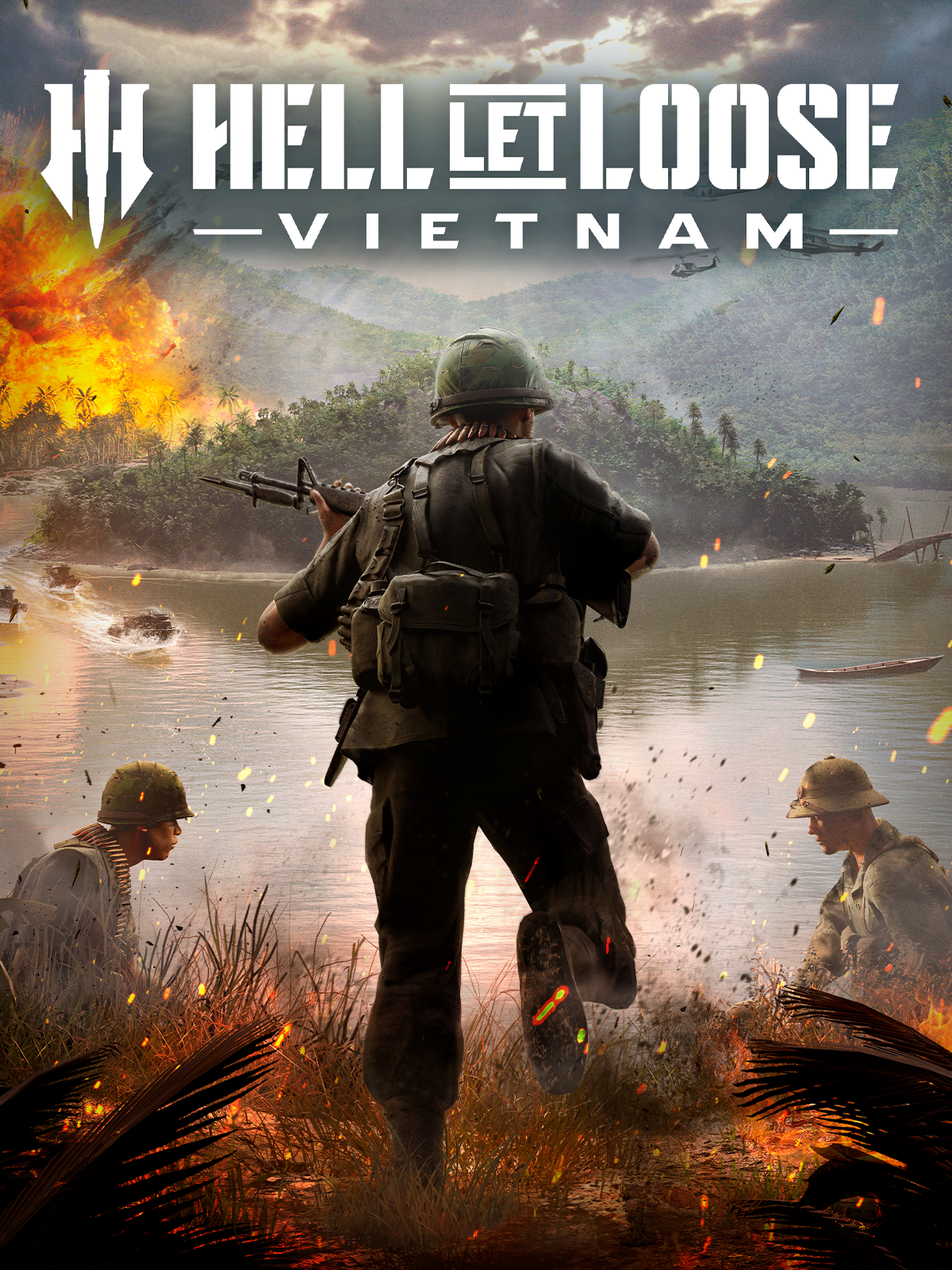
Hell Let Loose: Vietnam, which hit this summer, brings that same approach to the Vietnam War. The six maps the game launched with are inspired by decisive moments of the war including Operation Starlite and Operation Piranha.
The maps themselves change the way you play, featuring extensive river networks, jungles, rice paddies, and beaches. The game is also deliberately asymmetric. For instance, only the U.S. team has helicopters and only the North Vietnamese team can construct tunnels.
The result is a more organic frontline that — when paired with the different maps, weapons and that asymmetric gameplay — creates an experience distinct from the original Hell Let Loose, said Paul Rustchynsky, game director at Expression Games.
“In WWII the frontline was well established and you largely knew where the enemies were coming from,” he said. “In Vietnam the ability to fly behind enemy lines in helicopters and tunnel beneath and around enemy forces creates a faster pace and more reactive tactics that require players to always be ready for an ambush or a counter.“
The game arrived in August after a two-month delay the studio used to act on feedback from its open beta. But games like this win or lose over the course of years, not months.
Rustchynsky said the team’s strategy for turning the game’s launch energy into a thriving long-term community revolves around carefully listening to the community and understanding what they want and rolling out updates at a regular cadence to meet their needs.
“Maintaining a community is a privilege but also a major challenge,” he said. “Whilst we have to build long term plans for content and features we also need to remain agile to the ever changing player landscape.”
Part of that is building the in-game experience around the franchise’s most dedicated players to keep them coming back. I asked how the team plans to achieve that.
“Beyond the steady stream of updates with new features and content that keep things fresh, it’s the player driven moments that occur from game to game, as players use the sandbox of tools to creatively and strategically overcome the enemy,” Rustchynsky said. “We will continue to build on this broadening and deepening the experience, to ensure that new strategies and tactics are continually evolving.”
The team is also spending a lot of time in these early months balancing the 50-vs-50 game.
“Since launch we’ve been tweaking and tuning the game utilising a combination of data and player feedback,” he said. “The tunnels and helicopters from the two forces create very different dynamics and provide unique strategies, but one must never dominate the other, and since launch we’ve made a series of changes to these features by observing how the community are using them and listening to them across all of our socials.”
Of course the studio also has to keep a close eye on game servers. No one wants to play a game designed for 100 players with just a handful of people.
“We’re continually updating our enlist page to ensure that we’re filtering in the busier servers and pushing the most relevant ones to sit prominently at the top of the list,” he said. “In the longer term we’ll also be providing players with an option to allow the game to find a match for you, so you can skip the effort of using the browser to manually select a game if you choose.”
Other plans on the roadmap for the game include new maps, weapons, and cosmetics as well as some other surprises.
“For us the most exciting elements are features and systems that have game wide impacts,” Rustchynsky said. “Specifically elements that freshen up the gameplay, create new strategies and ultimately add more depth.”

Related Links
