Știri
Heroes of Science and Fiction resurrects Heroes of Might and Magic-style strategy battles
J
Jason Rodriguez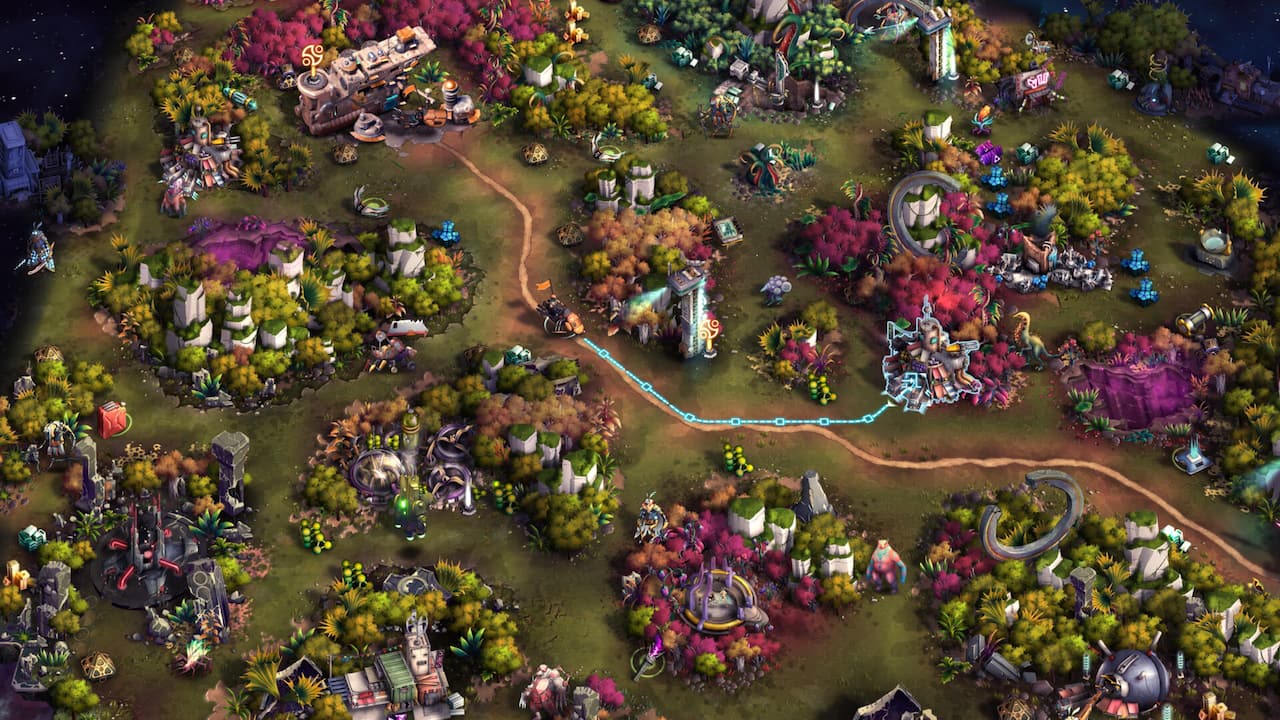
Jan Benes, Jiří Urbanec, and Martin Pítr, members of Prague-based Oxymoron Games, fit into this latter category. Nostalgia drove them to develop Heroes of Science and Fiction. Inspired by titles from the long-running Heroes of Might and Magic franchise, this small group of friends—who met while working in AAA studios in Prague and Helsinki—sought to create a turn-based strategy game that pays homage to the classics. From there, the team grew to around nine members, all working on Heroes of Science and Fiction.
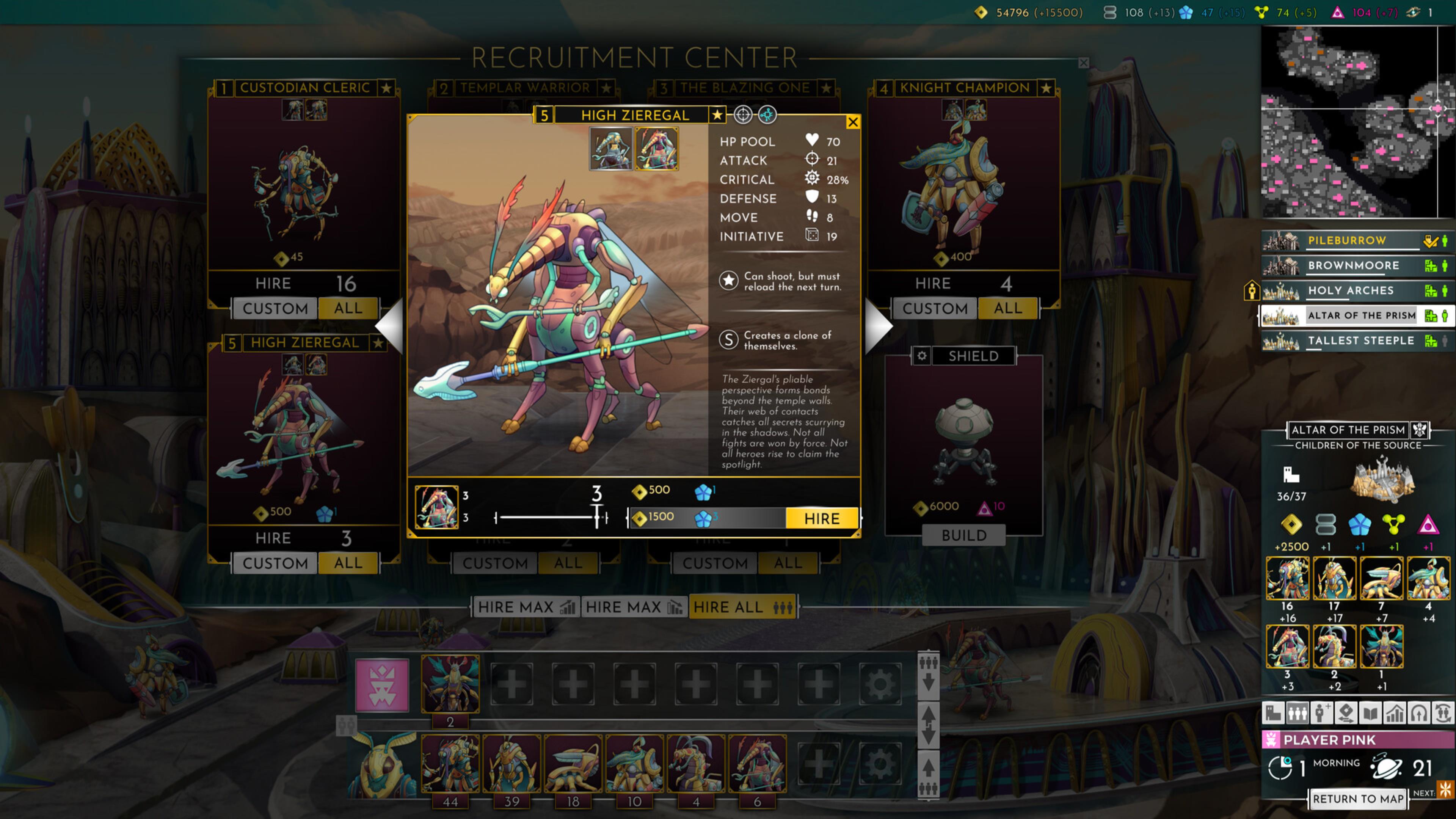
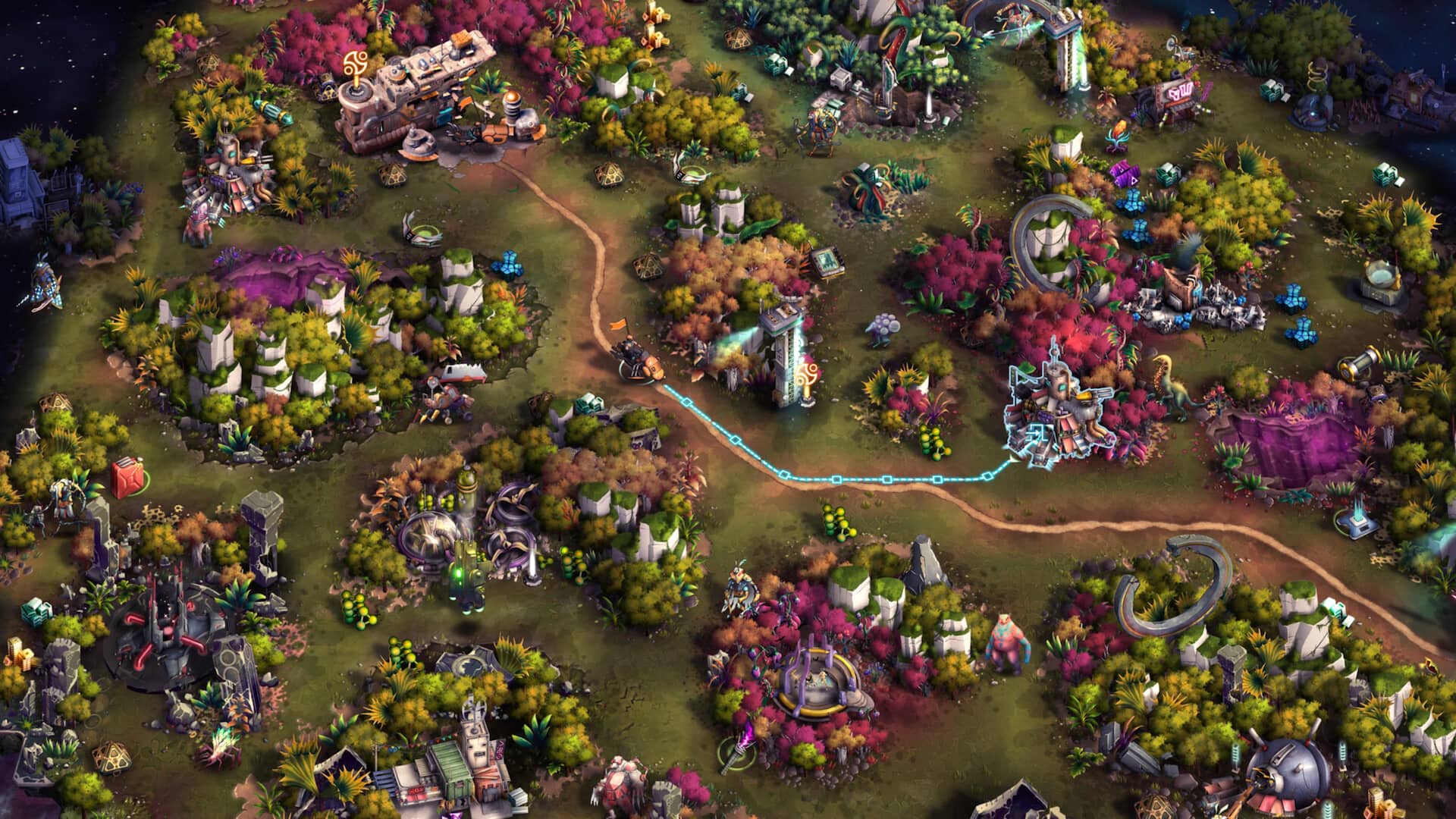
Heroes of Science and Fiction, much like past Heroes of Might and Magic games, falls firmly within the realm of the 4X genre, where players explore, expand, exploit, and exterminate. You choose from one of five playable factions, undertake campaign missions, and traverse the board-like map with your commander. Along the way, you recruit units into your army, gather resources, and upgrade base facilities.
“I remember being 14 at the time, I’d wake up early before my parents were up just so I could play a few hours of Heroes of Might and Magic 3,” recounts Benes, the Lead Programmer of Heroes of Science and Fiction. “Games felt so magical when we were young. I still vividly recall the graphics from Heroes of Might and Magic 2 and the little dioramas of the different towns in Heroes of Might and Magic 3. Those things inspired me—us—to work on Heroes of Science and Fiction.”
Heroes of Science and Fiction is set in the distant Siren system where various factions vie for dominance. “As the term ‘Heroes’ hints, the story of the campaign is character-driven. The goals of the main characters often vary from the general goals of their home faction,” says Urbanec, the team’s Narrative Designer and Animator. “For example, the UNSS [United Nations of the Solar System] campaign tells the story of investigators trying to find out who's responsible for a terrorist attack on one of their starships. The faction’s broader goal, however, is to reestablish its grip over its colonies.”
Story-wise, the UNSS’s spacefaring forces find themselves contending with factions like the Sovereign (think space pirates and smugglers from the outer rim), the Tumori (somewhat akin to humanoid aliens with fungal growths), and the Source (cyber-bugs). They also have to take on the Fossorians, a race of adorable-looking space moles…with Prussian-esque military traditions and high-tech weaponry.
The narrative arc and character designs lean into sci-fi tropes, with a slight fantastical and almost whimsical flair. “My storytelling roots come from a tabletop RPG, a quite legendary Czech knockoff of Dungeons & Dragons,” adds Urbanec. “After a few years of classic sword-and-sorcery campaigns, one will naturally start to experiment, so when I joined the team to work on the narrative I had already learned a lot about classic fantasy and sci-fi factions.”
Urbanec blended elements from fables with themes from books and media that influenced him, including Dune, The Carpet Makers, and Warhammer 40,000. Perhaps most notably, he cites the Mycelium novels, written by Czech author Vilma Kadlečková, as a key inspiration. The series, which comprises eight novels, tells of the planet Össe, of religious fanaticism, of the fungal spores that both enlighten and corrupt individuals, and of untold horrors.
“I wanted to explore something a little bit different, or at least give our factions a non-mainstream twist,” says Urbanec. Perhaps it’s why Heroes of Science and Fiction has such a noticeable variety in design, from warmongering anthropomorphic mole soldiers to sentient fungoids that possess host bodies.
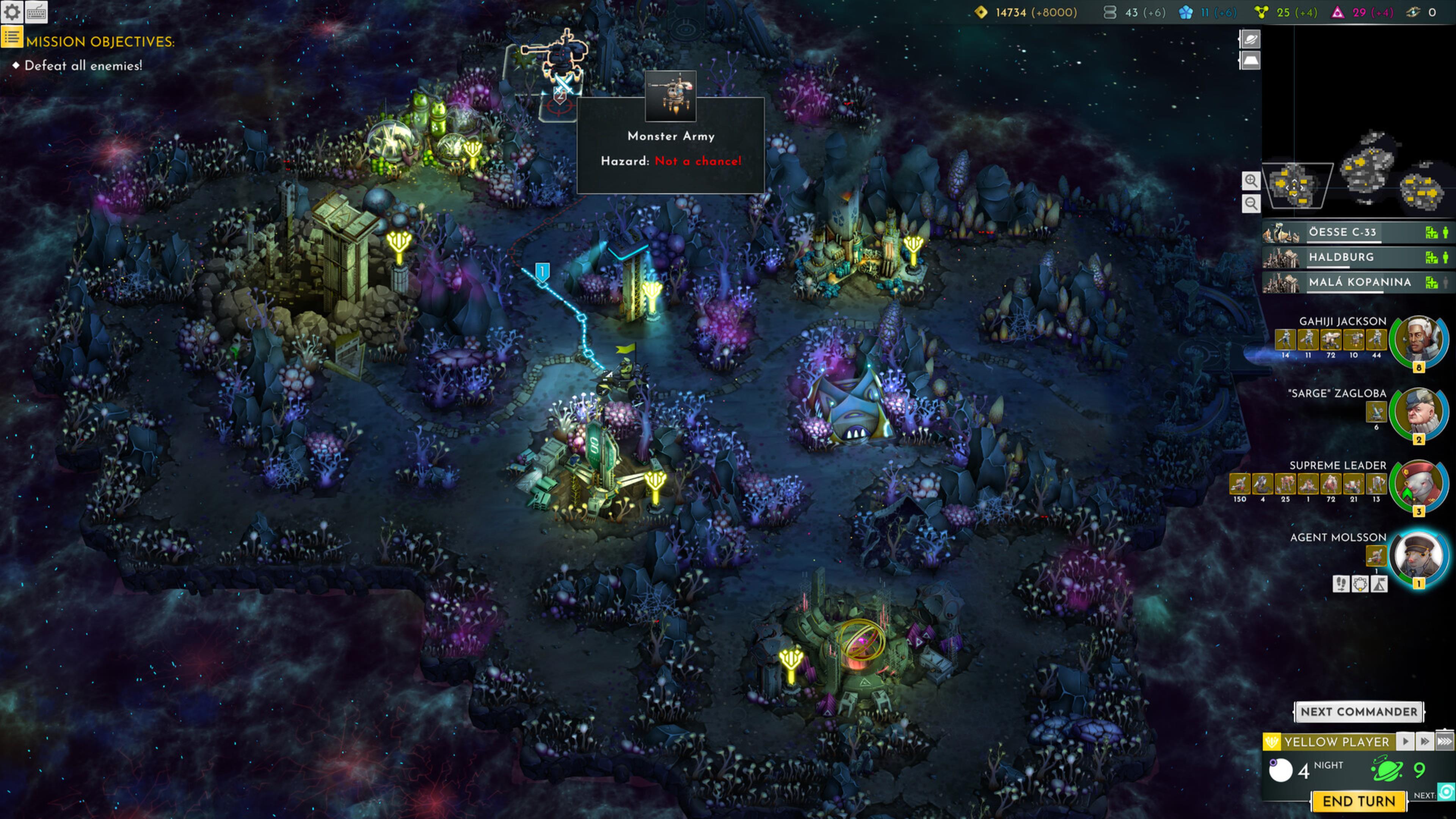
In Heroes of Science and Fiction, your hero/leader moves across the map to collect handy resources like coins, fuel, and alloys. Eventually, you'll stumble upon bases, which allow you to recruit units or upgrade them into higher-tier variants. You can also investigate points-of-interest that yield rewards, and you can improve the defenses of these areas by garrisoning units or building turrets. If you move to a location occupied by another army, it triggers a turn-based battle.
While certain mechanics are reminiscent of Heroes of Might and Magic, nostalgia also provided a lens for Heroes of Science and Fiction to discern what worked, what didn't, and what could be improved upon. “We often had to ask the question: when does it make sense to change something and why—especially compared to Heroes of Might and Magic 3, which a lot of players view as the holy grail and still return to today,” says Benes. “Do the changes actually make the game more interesting? Do they negatively affect game balance?”
Benes cites fog of war as a prime example. In Heroes of Science and Fiction, the mechanic works based on the current line of sight of your commanders and buildings. However, the map still “remembers” what you’ve discovered. This system was more complex to develop, but it looks more modern and almost akin to Heroes of Might and Magic 5.
The team likewise looked to RPGs for inspiration, specifically for how commanders level up. This is integral to progression in Heroes of Science and Fiction, since each level allows you to select from various skills. These include Explorer perks that increase movement points, the Negotiator boons that cause an enemy unit to join your squad, and the Psyker buffs that impact psionic spells.
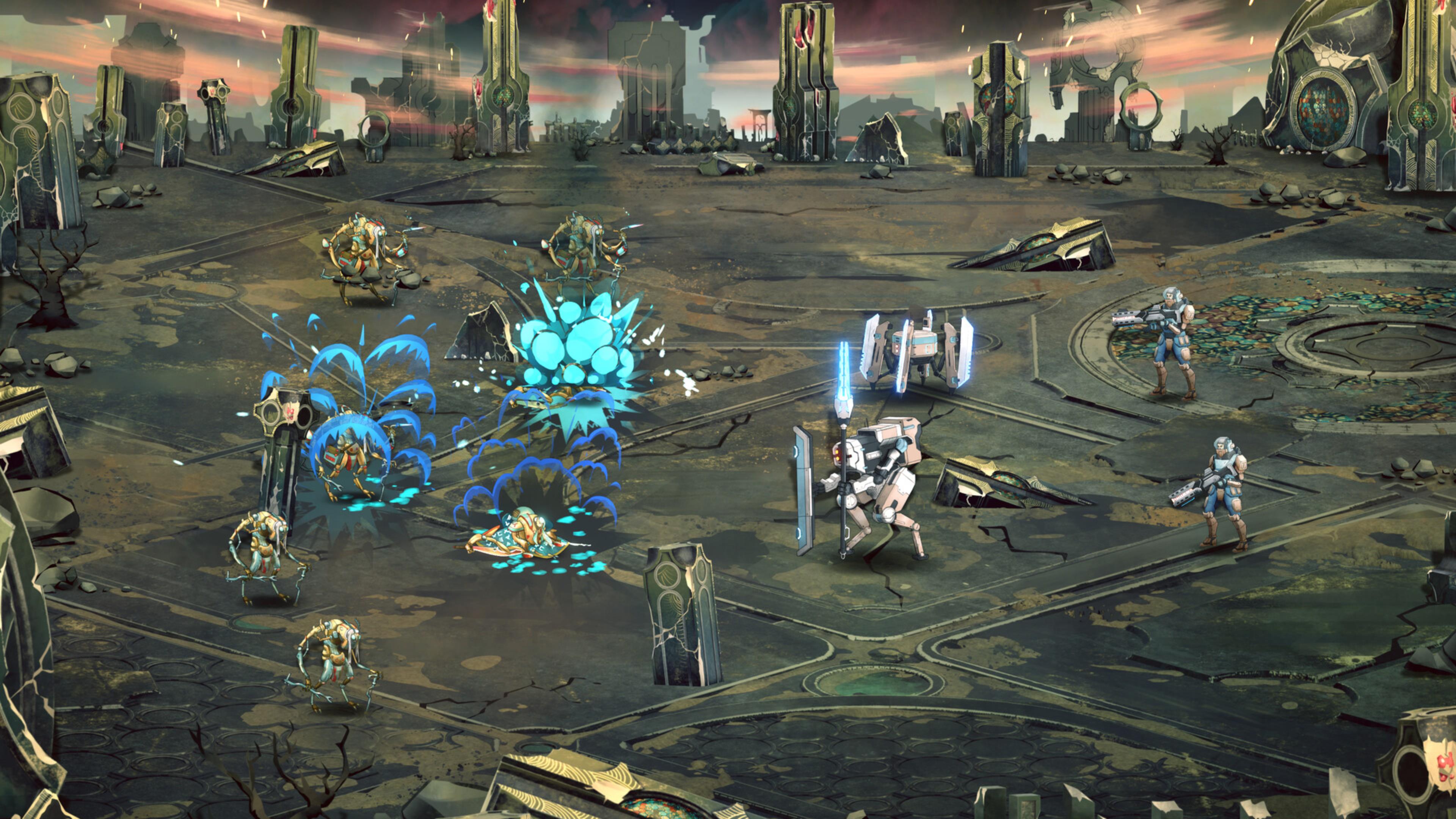
One option that piqued my interest is Chess Master, which allowed me to reposition my units at the start of each battle, allowing me to strategize and prepare accordingly. Once battles commence, players move units to hexagonal tiles and utilize their abilities. These can come in the form of basic melee and ranged attacks, artillery bombardment, and the aforementioned spells.
“From the very beginning, we tried to make each faction feel unique in terms of how they employ slightly different strategies in combat,” says Martin, the team’s Gameplay and Map Designer. “For example, the Fossorians are meant to represent destructive raw power, while the Children of the Source rely on technology and are meant to fight more intelligently—hence why they use actions like healing and cloning.”
Ranged units play a key role in combat, too, with unique strengths and weaknesses for each faction. Some units might have a different effective range, while others hit the enemy force only at the end of the round, such as the Fossorian burrowing torpedoes. Of course, there are a select few that affect the entire battlefield.
All these moving parts can make it difficult to balance the game, especially when some combinations and setups might be overpowered to a degree. That said, Heroes of Science and Fiction isn’t Oxymoron Games’ first rodeo, as the team released Project Hospital in 2018. The management sim gave players multiple roles to tackle. You weren't just a doctor who administered care to patients, but also an architect who planned the layouts of rooms and a facilitator who assigned out work.
Still, developing a medical management sim is one thing. Creating a 4X strategy game is another, even if they’re broadly part of the same genre. “Compared to Heroes of Science and Fiction, the main technical challenges in Project Hospital were handling the complex real-time simulation and everything that can go wrong as the player can modify the hospital layout or order patients and staff to do something unexpected at any point,” says Benes. “These aren’t concerns in a turn-based strategy game. The real challenges in Heroes of Science and Fiction's development came from the complex rules, where skills or items can modify literally anything in battles or on the map, from making a competent AI to implementing online multiplayer.”
The team is constantly at work to address these concerns. “Balancing is very difficult because we have three main attributes: combat, exploration, and the use of abilities,” notes Martin. “We try to make each branch interesting and strong, while also allowing them to be combined very effectively. We continuously buff and nerf different abilities and eliminate exploits—and because of our planned multiplayer mode, we want everything to be as balanced as possible.”
Nostalgia is a driving force for creativity and innovation, a way to remember the past and come up with something new and exciting for the future. It motivates and inspires teams to strive for a common goal.
“We’ve been going to different expos and conferences to see people’s first reactions,” recalls Benes. “We realized that Heroes of Science and Fiction has to cater to two completely different audiences: Heroes of Might and Magic veterans and other turn-based strategy players.”
Perhaps Oxymoron Games will be able to bridge that gap with Heroes of Science and Fiction, which you can wishlist now on the Epic Games Store.