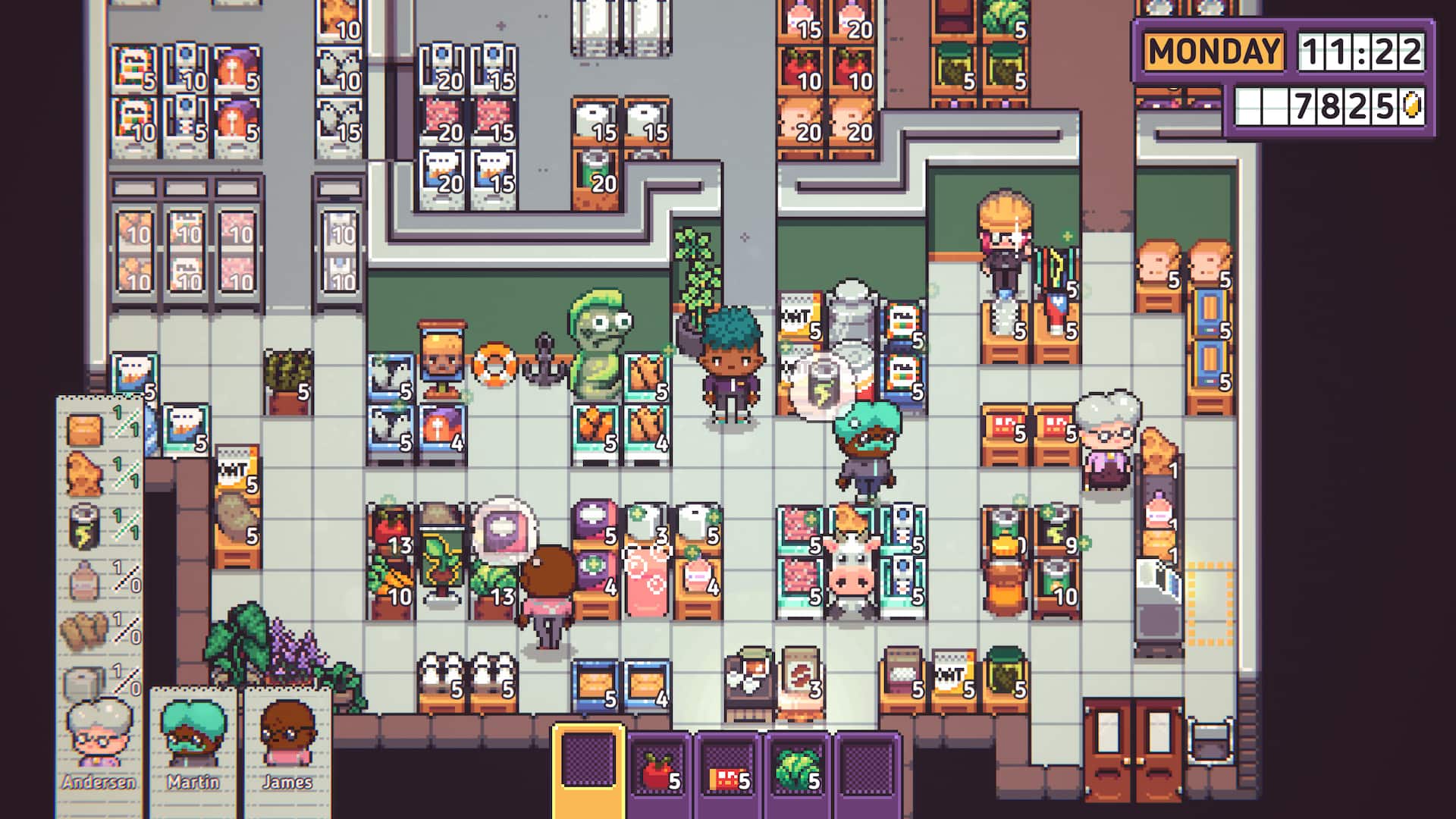
How Discounty slyly defies its cozy shopkeeping exterior
“Nobody wants a supermarket to define their town,” says Anne Christina Elsberg, writer and cofounder of Crinkle Cut Games. It’s a surprising statement from someone who has just put out a game about, well, running a supermarket. But the Danish studio’s debut title, Discounty, isn’t simply about the joy of organizing shelves or the satisfying ding of the cash drawer. There are protests over property disputes. Unceremonious firings. Illegal waste dumps. Small-town bureaucracy.
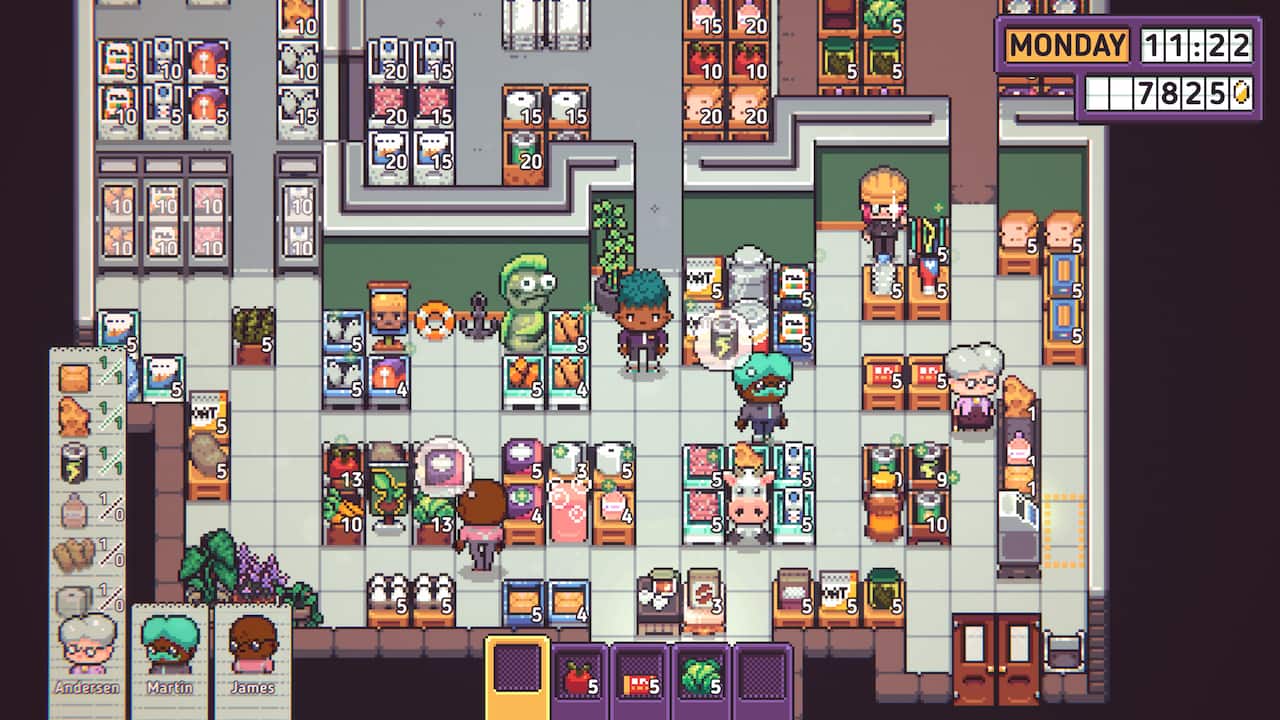
With its big-headed character designs, bright colors, and jaunty music, Discounty both is and is not what it appears to be on the surface. It is a cozy game, where the stakes are relaxed and your goal is simply to run the best business you can at the behest of your enterprising Aunt Tellar. But it also places that business within a specific, less cozy context: the rapid expansion of your eponymous supermarket risks trampling the history of Blomkest, a small harbor town that has seen better days.
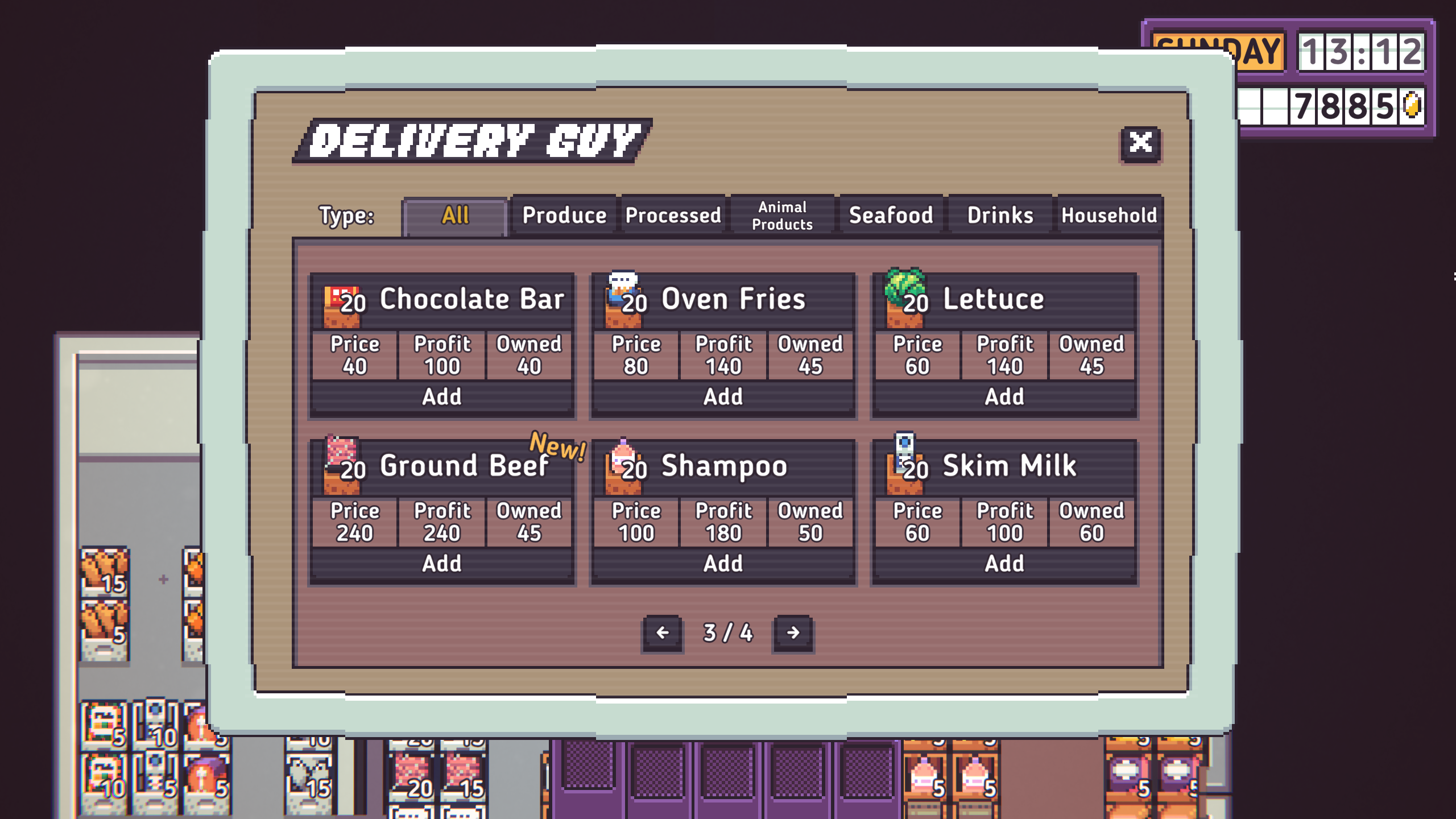
Each in-game day runs on a timer. Before Discounty opens and after it closes, you have a small window for tasks like ordering inventory, unloading delivery crates, and generally tweaking the store’s layout to maximize the appeal of certain products. Once customers start pouring in, you ring them up as quickly as you can while keeping an eye out for any shelves that need restocked or any messes that could impede foot traffic.
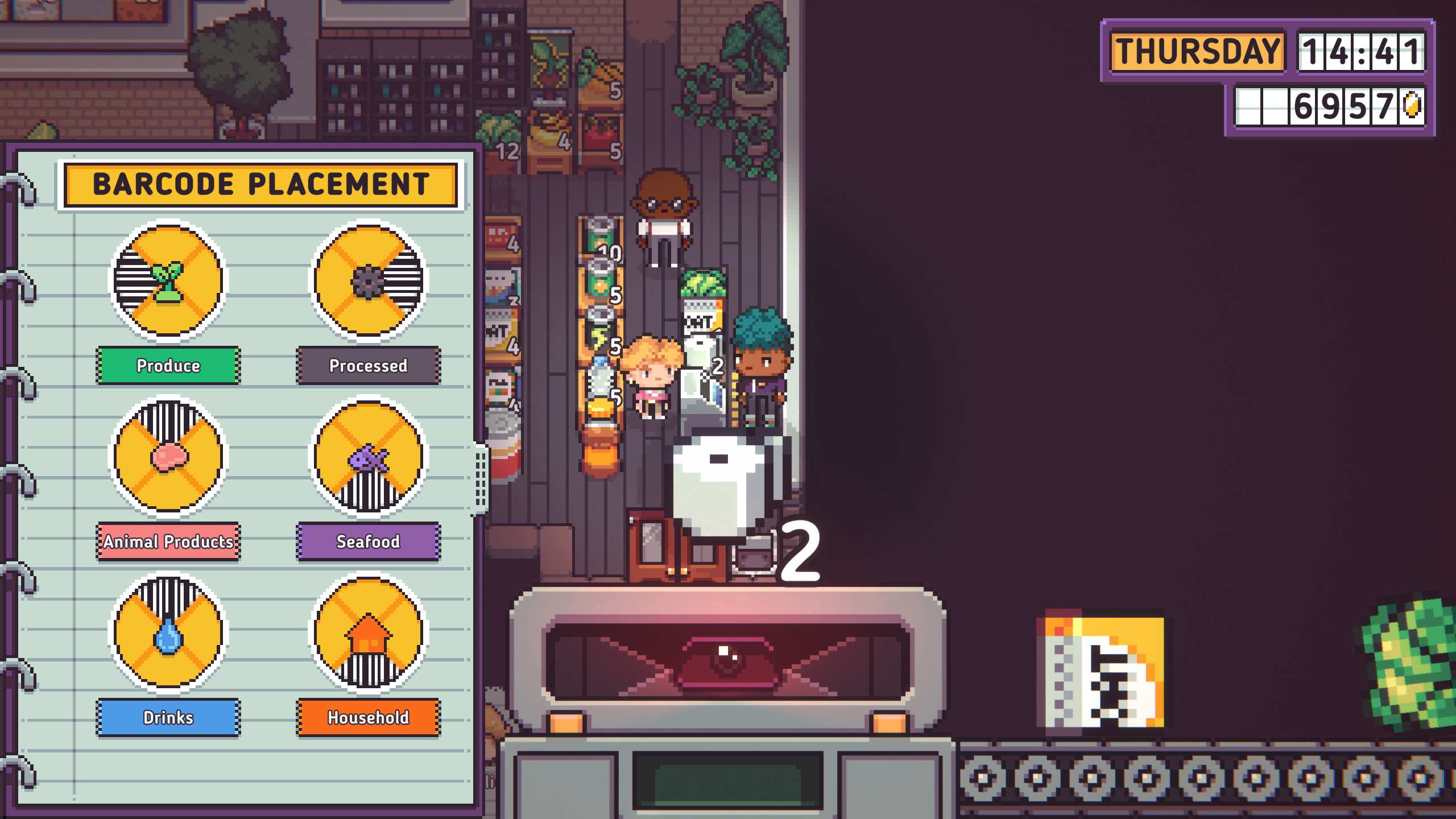
Much as it might sound like one task among many (especially since you can upgrade to a speedier bar code scanner), the cash register is where the idea for Discounty started. While studying interaction design at the IT University of Copenhagen, Elsberg played Dillon’s Dead-Heat Breakers, a 2018 Nintendo 3DS game with a prominent shopkeeping side quest where you use the touchscreen to stock shelves and punch prices into the register.
At the time, shopkeeping games like Moonlighter and Recettear: An Item Shop’s Tale leaned on combat elements to amass inventory. But playing Dillon’s Dead-Heat Breakers, Elsberg realized that more “mundane” activities like number-crunching were inherently satisfying and could sustain a game in their own right.
“I pitched this idea to one of my classmates, who was instantly sold,” she recalls. “I spent a semester doing academic research into the (at the time) emerging wave of wholesome/cozy games, and we even made a very basic prototype of the game in a programming course for designers. When we arrived at the thesis, we wanted to give the concept a real shot, and allied ourselves with a real programmer to help bring our vision to light.”
Footage of the initial prototype, as well as for the expanded thesis project, can be found on the studio’s YouTube page. Crinkle Cut Games is a small team created to turn Discounty from a thesis project into a commercial release. After graduation, they pitched their prototype to the Danish Film Institute’s public games fund, which allowed them to work full-time on development for two years. A publishing deal with PQube extended production by another year.
Everyone on the team has held a service job at one time or another, and Blomkest is based in part on a harbor town near where Elsberg grew up. But to really get a feel for the subject, the developers did some more in-depth research. “I am a firm believer that great new interactions and mechanics can be found in real life,” she says, “so as part of designing Discounty, we visited a local supermarket and interviewed the owner to get some insight into how they design layouts, organize their storage room, etc. One thing that struck us was how much space packaging and trash management took up in their storage room, which sparked the idea of making logistics and recycling a core part of the shop's gameplay.”
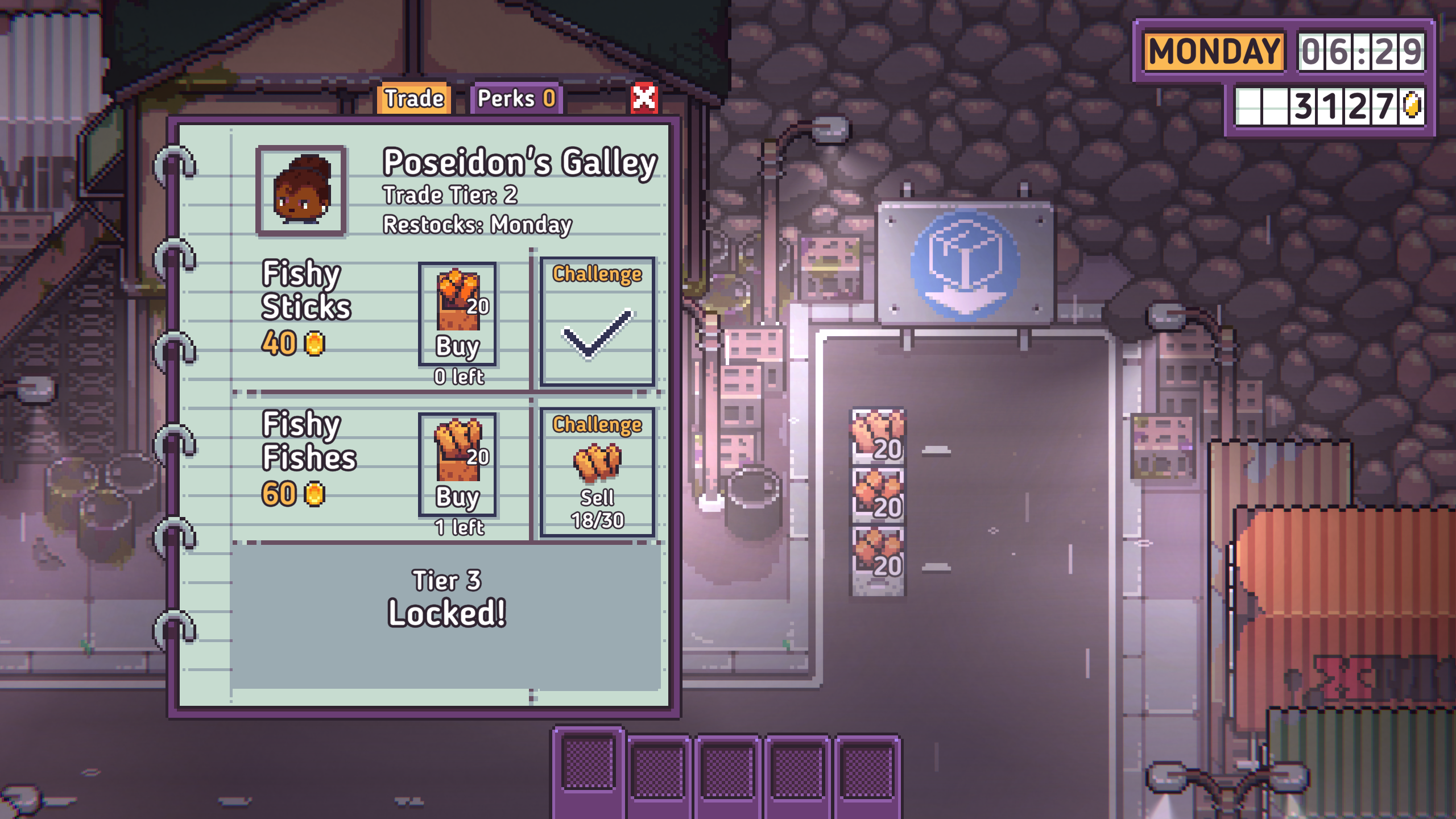
The interview also led to the creation of one of the game’s more prominent characters, an older woman named Ms. Andersen. “We had been invited to visit the shop before opening hours,” Elsberg remembers, “and five minutes before the store opened, a lady was knocking on the sliding doors to be let in to buy her weekly gossip magazine. It was too perfect not to include her in the game.” The game’s townsfolk all have names and personalities, and they operate on their own schedules according to the in-game clock. Ms. Andersen is the first person to show up at the store each day, and if you’re walking around Blomkest before opening, you can spot her trekking toward her destination and then waiting outside. Many of the characters are other business owners, and some like the local fisherman are also suppliers whose items you can stock at Discounty (after some convincing, that is).
Perhaps the most formative part of that research interview, though, was the building that housed the supermarket. Although the store was part of a larger chain, the corporation’s preferred design did not fit the structure. “They had purchased an old cinema building and rebuilt it into a supermarket,” Elsberg explains, “which meant that the standardized layout needed to be adapted around load-bearing columns that could not be moved.” This defined the game that Discounty would become: Rather than reshaping the world however they see fit, players must operate within a space that already exists, and that may even push back against them.
Depending on where you’re at in the game’s story, citizens may voice displeasure during a grocery run or begin picketing outside of Discounty. Aunt Tellar may have put you in charge of the day-to-day operations, but she still makes the big decisions behind the scenes, and many of them draw the townsfolks' ire.
Tellar’s place in the story is, in part, a practical one; the team did not have the resources for a complex branching storyline on top of the business simulation. “But we also didn’t want to let the player play as the good guy, because there are inherently negative consequences of unlimited growth,” Elsberg says. Aunt Tellar isn’t a villain per se; she earnestly believes that the only way to put Blomkest back on the map is to build up Discounty. But she’s hardly forthcoming; you are not, for example, kept in the loop that hitting one funding goal will let her gut a nearby tea shop to expand the supermarket. “Most players don’t want to play as the bad guy, but one of the core messages of Discounty is that good intentions can lead to negative consequences,” Elsberg says. “Ultimately, we needed to take away the player’s agency while still allowing them to express their objections.”
The final game, then, is a delicate balancing act, as Discounty is still meant to function as a cozy game. Developing the business side of gameplay meant deciding which elements of the real-world experience to replicate and which to leave out. Prices are preset to support the memory-based cash register mechanics, and although the team experimented with expiration dates, the additional tasks weighed down the flow of the game.
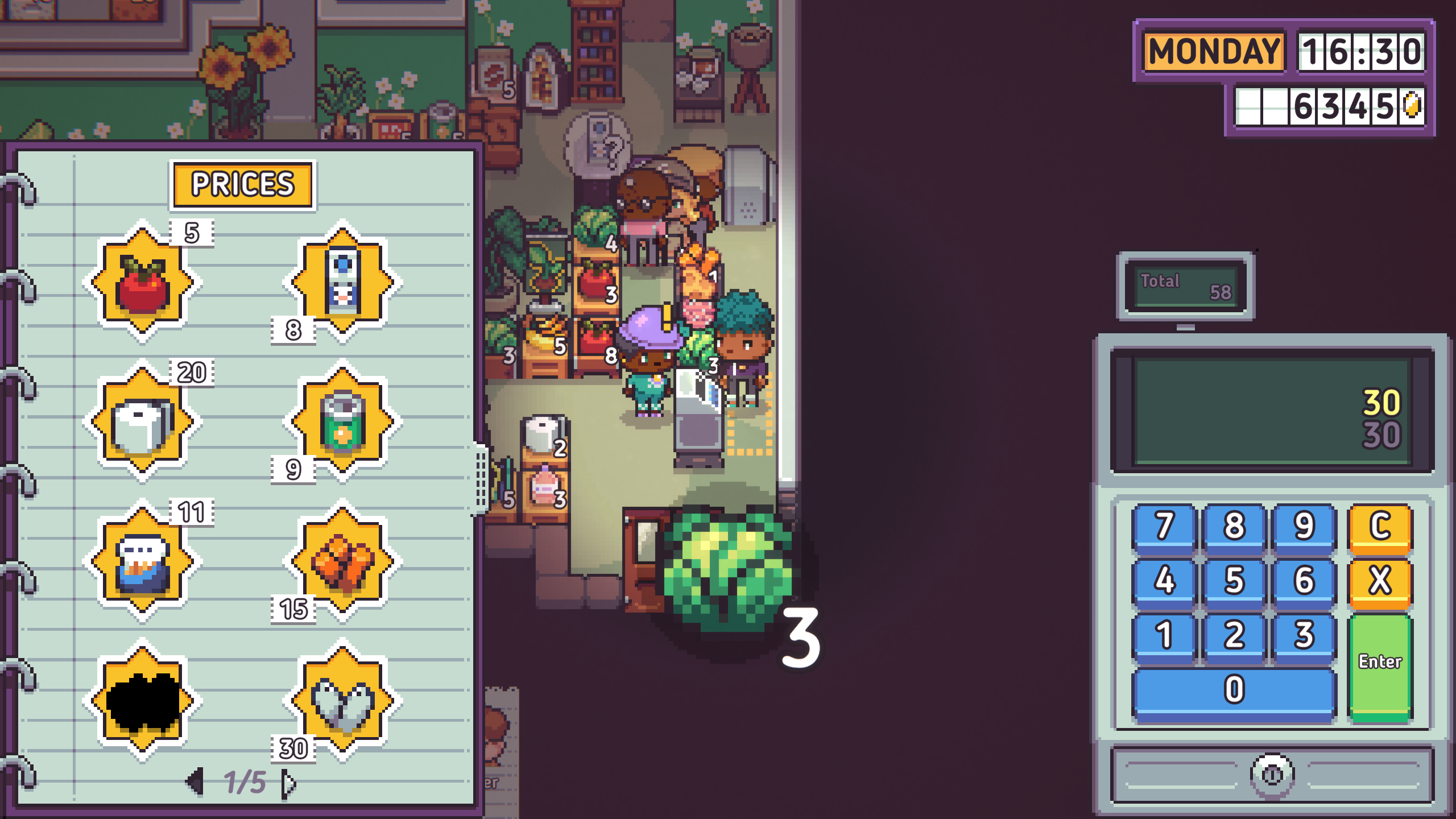
But you can never account for everything, and some of the ways that players run their shops have come as a pleasant surprise. “Even though I have spent hundreds of hours playing Discounty over the past three to four years, it was fun to see how people min/max the game within days of release,” Elsberg says. “The most surprising discovery was how people barricaded most of the store and built super effective IKEA-like mazes for the customers to walk through, with an optimized centerpiece of boosted cheese coolers, as cheese is the most expensive item in the store.”
The success of Discounty has ensured that the developers will be able to keep working on the game, and they’re looking to introduce strategies that reward players for thinking creatively about how the shop works. But they’re also determined to retain the game’s central critique, which encourages players to view the entire genre in a more critical light. “In many cozy life-sim games, you arrive in town as a stranger, but somehow end up fixing everybody’s problems through the power of farming, fishing, or, in this case, shopkeeping,” Elsberg says, “and while we love playing those games, it didn’t feel right that we could fix everybody’s problems by selling them frozen fries. We wanted the people of Blomkest to have power over the player. To demand something when they walk into your shop. To demand not being pawns in your growth adventure.”
Shop for Discounty now on the Epic Games Store.