新聞
How Five Nights at Freddy’s unleashed a new wave of indie horror games
G
Giancarlo Valdes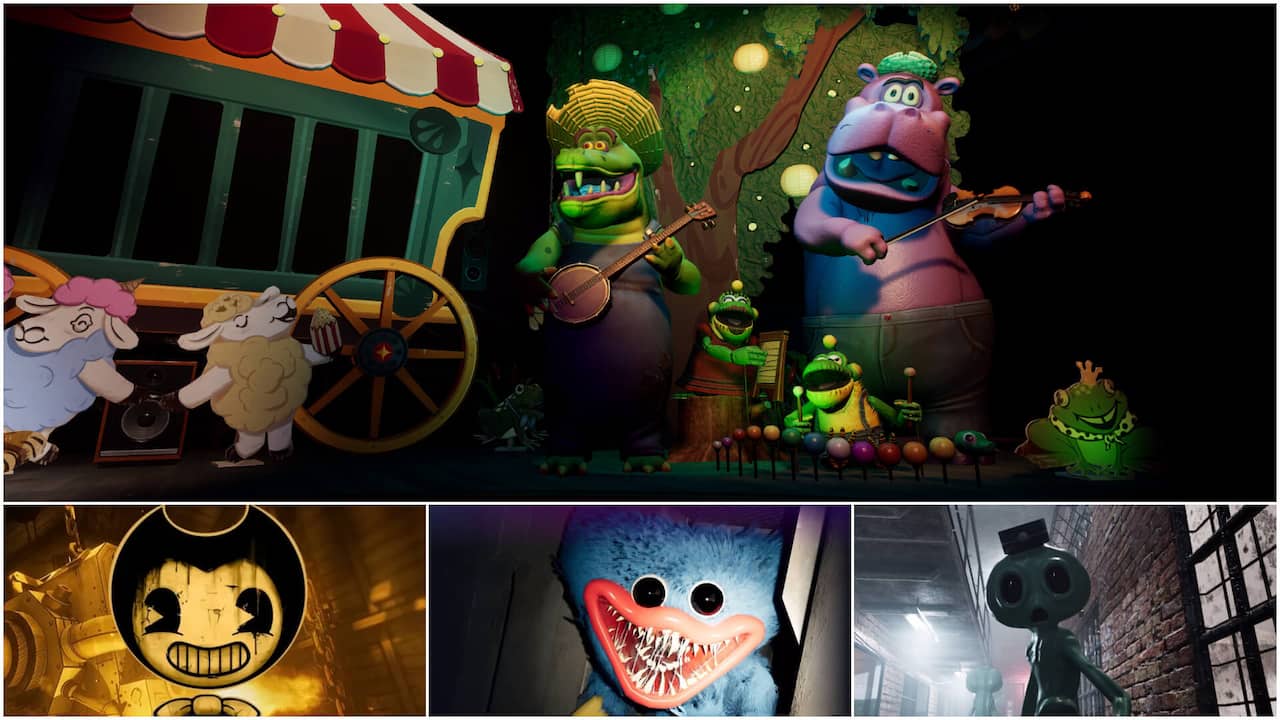
You can find FNAF media everywhere. There are multiple mainline games and spin-offs, young adult books, a hit Hollywood film (with a sequel coming out this year), a ton of merchandise, a haunted house experience at Universal Studios, and a fanbase that’s always hungry for more content.
The series is also well-respected in the gaming industry. Behaviour Interactive, the studio behind the popular multiplayer horror game Dead by Daylight, said FNAF is an “integral part” of modern horror culture because of how much it has influenced an entire generation of players and shaped their expectations of what horror games could be.
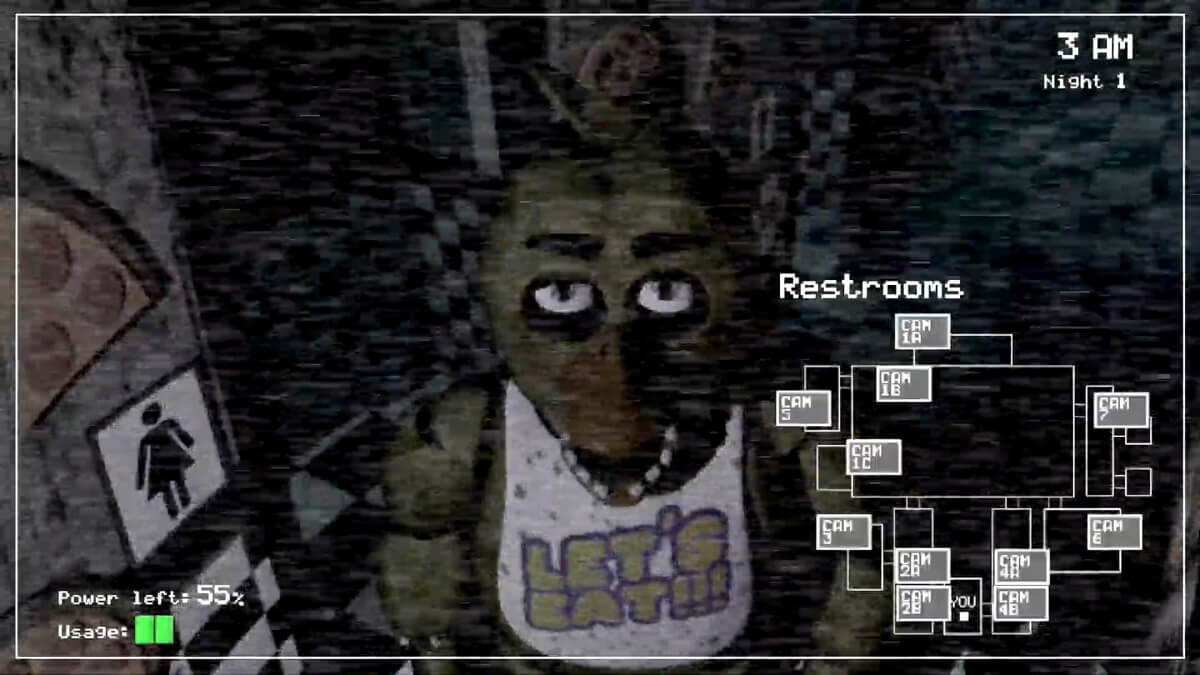
But it’s easy to forget that all this fame and fortune came from a relatively simple point-and-click indie game. In the early 2010s, solo developer Scott Cawthon was just trying to make ends meet for his family while also working as a cashier at Dollar General. After several of his projects failed to generate any real income, he decided to do a horror game based on family entertainment restaurants like Chuck E. Cheese and ShowBiz Pizza.
The result was the first Five Nights at Freddy’s and its now-iconic fictional restaurant, Freddy Fazbear’s Pizza. You play as a new security guard, and it’s your job to keep an eye on the animatronic animals that roam the pizzeria late at night. If they see you, they’ll violently stuff your body inside one of the mechanical suits until you’re dead—it makes you wonder why your character agreed to this job in the first place.
What makes the game so stressful is that you can’t move around; you’re stuck in an office flipping through the restaurant’s camera feeds to track the animatronic movements. The only way to defend yourself is by shutting the door on either side of the room when the creatures get too close. If you fail, you’re greeted with a huge jump scare as a cackling robot attacks you.
Five Nights at Freddy’s is a short game, but that made it perfect for shareable reaction videos on YouTube. When it came out in 2014, many prominent online personalities, such as Pewdiepie and Markiplier, recorded themselves playing the game. Their hilarious reactions to the jump scares went viral, exposing FNAF to millions of viewers who might not have heard about it otherwise.
Within months of its release, Five Nights at Freddy’s became one of the best-selling indie games ever made. Cawthon built on his success by rapidly releasing many sequels, each adding new mechanics to the jump scare formula. The series gradually evolved from its point-and-click roots to fully explorable environments where you can solve puzzles and actually run away from the mechanical monsters.
The latest installment, Five Nights at Freddy’s: Secret of the Mimic, introduced fans to a new animatronic villain, the Mimic. This prototype automaton can assume the appearance of any of the other mascots, which is a bit of a problem when you’re trapped in a maze-like workshop that’s filled with character costumes.
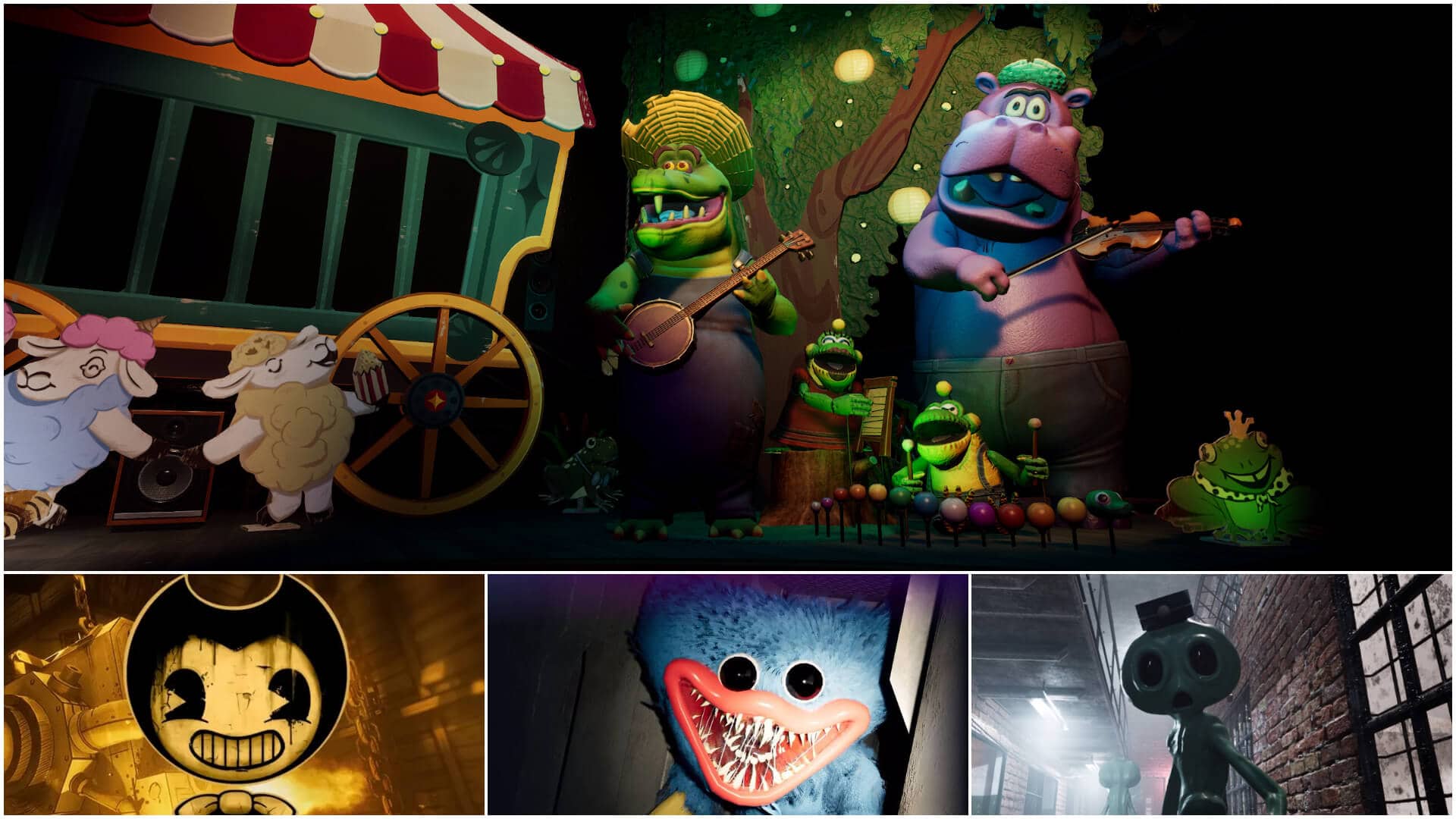
The FNAF series grew exponentially over the years, but so did its number of competitors. Several other games have taken inspiration from Cawthon’s work and created brand-new horror franchises of their own, as well as a new subgenre that some like to call mascot horror. So with that in mind, let’s take a look at some of the other terrifying games that are perfect to play for the Halloween season.
Poppy Playtime
Mob Entertainment’s Poppy Playtime focuses on another classic part of childhood: toys, specifically murderous toys. In the first game, you have to escape an abandoned toy factory and evade the furry blue clutches of Huggy Wuggy, a gigantic beast that looks like he could’ve lived on Sesame Street if it weren’t for his lust for blood and rows of shark-like teeth.
But he’s not the only living toy you meet in the game. There’s also the titular Poppy, a porcelain doll whose mysterious origin is further explored in the sequels (the latest being Poppy Playtime: Chapter 4, which came out earlier this year).
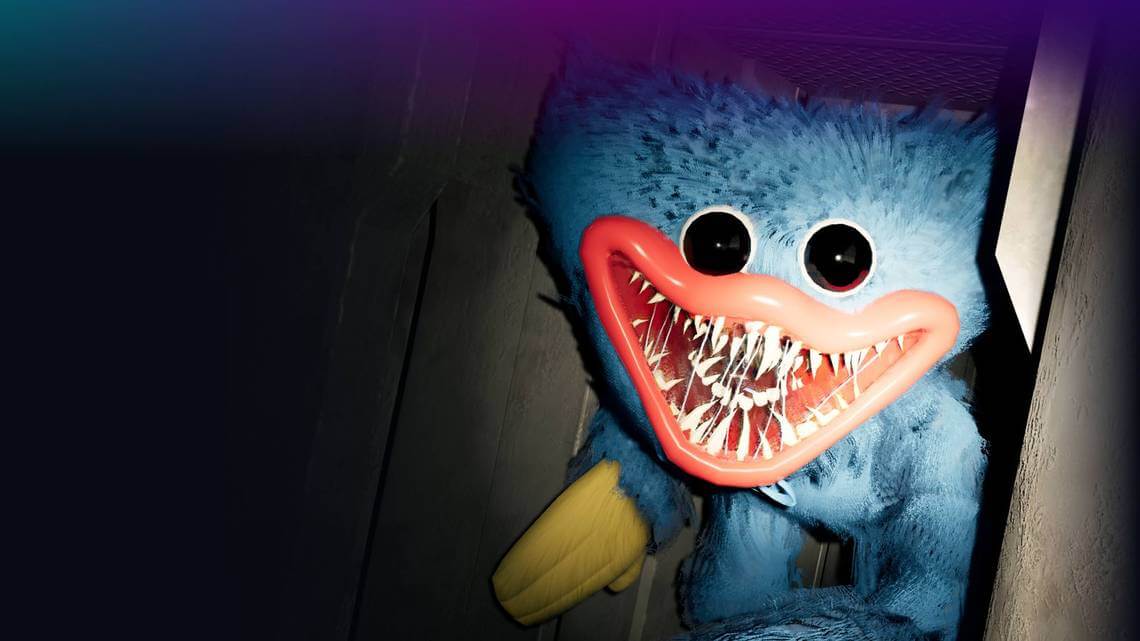
Similar to FNAF, Poppy Playtime doesn’t really tell you what’s going on with the story, and the only clues are found in cryptic VHS tapes scattered throughout the factory. This left a lot of room for people to speculate with their own wild theories, leading to the creation of popular lore videos and explainers on YouTube.
The franchise has taken on a life of its own outside of gaming as well. Just like his in-game counterpart, Huggy Wuggy is a huge hit among kids in the real world thanks to a slew of Poppy Playtime toys, clothing, costumes, and other merchandise.
Garten of Banban
If family restaurants and toy factories aren’t your cup of tea, then why not visit a spooky kindergarten school in Garten of Banban? The first game (as well as its sequels) take place in Banban’s Kindergarten, and it doesn’t take long to figure out that something is definitely wrong here between the eerie notes from the missing children and the labyrinthine structure of the building itself.
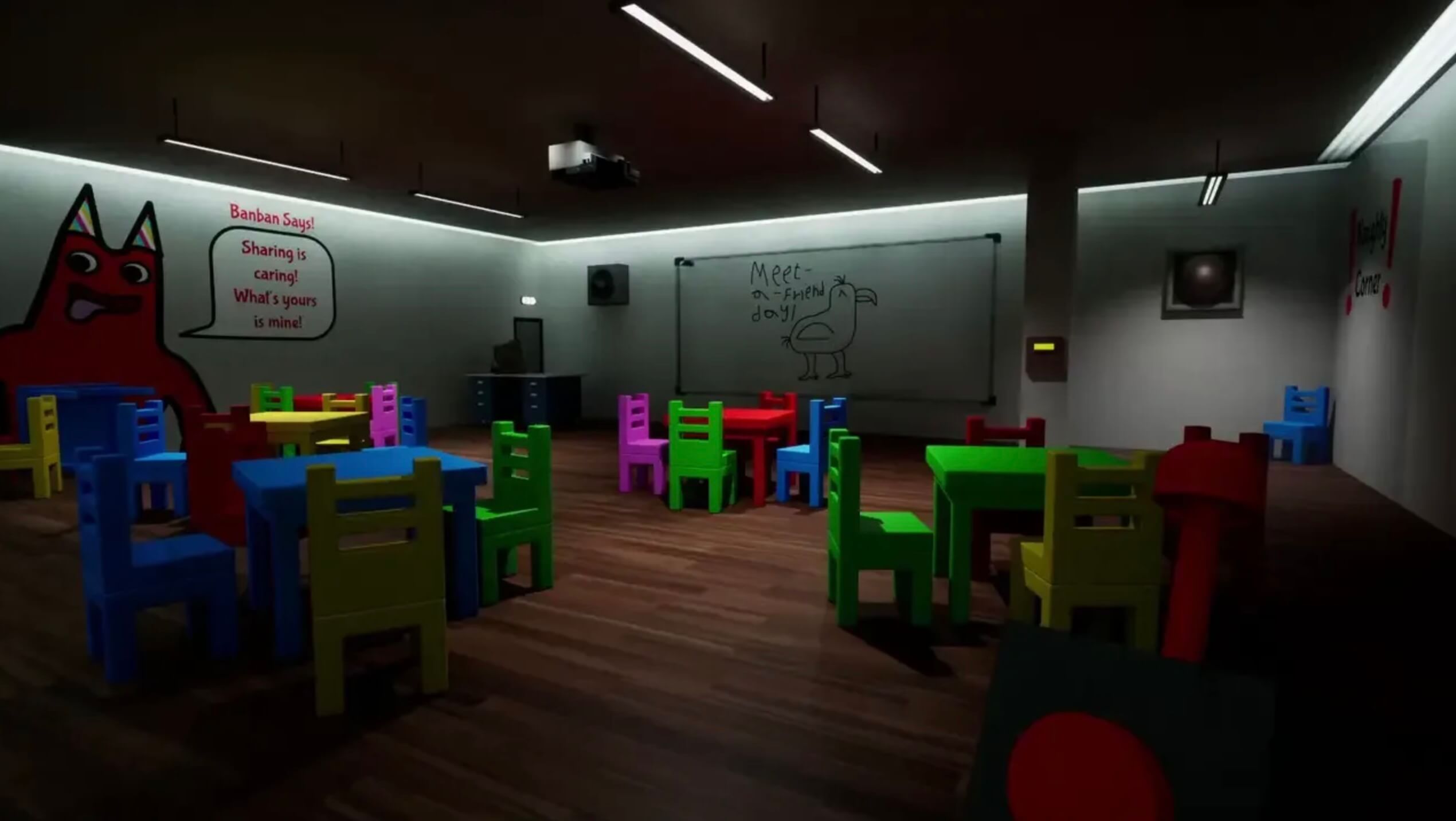
The school is also home to grotesque creatures seemingly based on its colorful mascots, including the creepy Opila Bird that chases you in the original game. You’ll meet the other not-so-lovable characters, such as the devil-like Banban and the kaiju-sized Jumbo Josh, when you dive deeper into the facility’s underground floors.
There are nine games in the Garten of Banban series so far, and most can be finished pretty quickly.
CASE: Animatronics
As the name implies, CASE: Animatronics doesn’t shy away from its similarities to Five Nights at Freddy’s. You play as John Bishop, a detective who finds himself stuck in a police station at night after a hacker takes it over and locks him inside. To further complicate matters, there are several animatronic animals with a taste for flesh lurking in the shadows, ready to pounce on you when you least expect it.
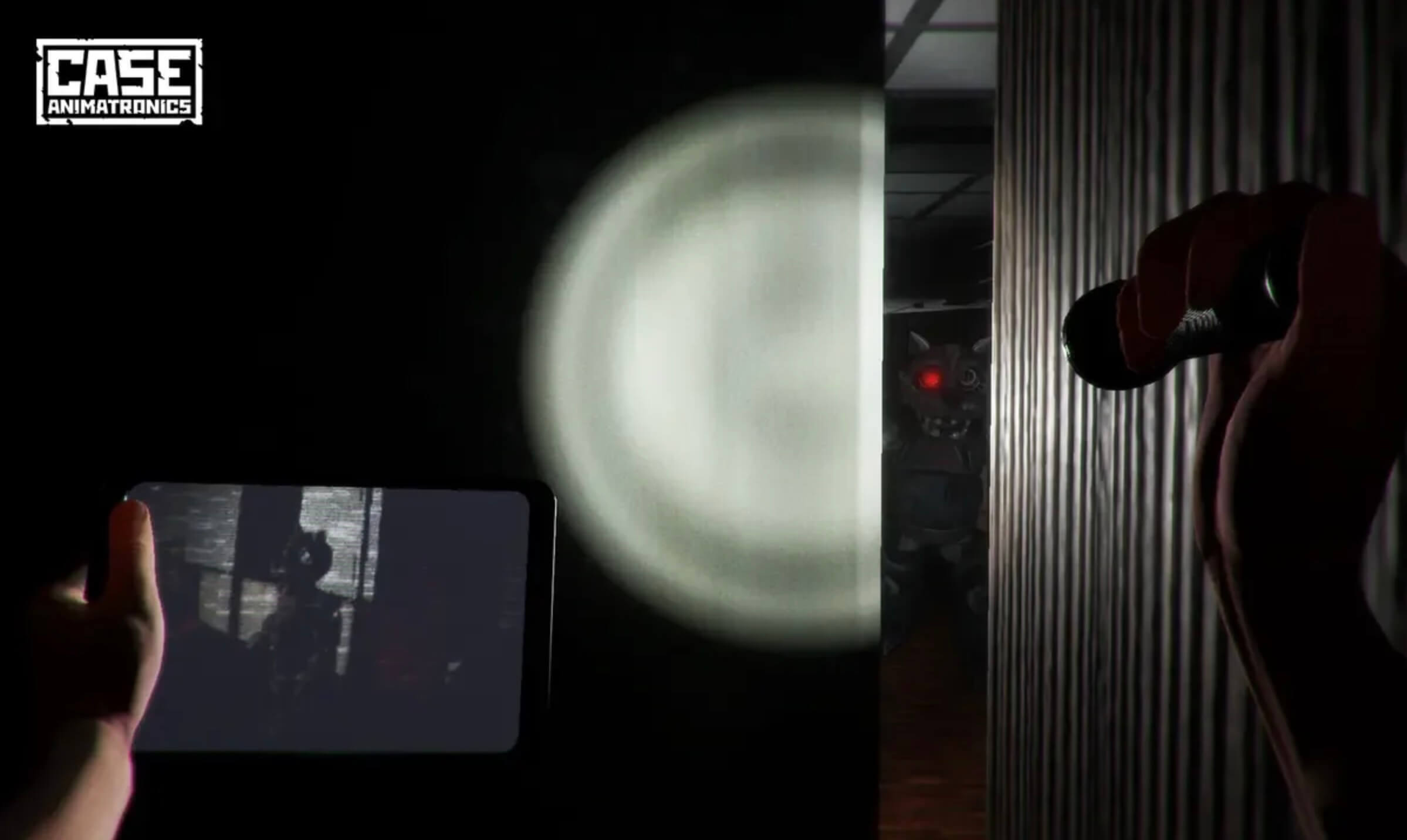
In another nod to FNAF, you can use the surveillance system (via your computer tablet) to monitor the camera feeds for any signs of the hungry metal beasts as you explore the police station. If you see their glowing red eyes in the darkness or hear them approaching, you can try and hide under a desk or inside a locker until they pass.
The next game in the series, CASE 2: Animatronics Survival, continues the story, and also has an online multiplayer mode where you can take control of one of the animatronics and hunt down the three human survivors.
Bendy and the Ink Machine
What sets Bendy and the Ink Machine apart from other indie horror games is its striking visual style, which makes you feel like you're inside a 1930s-era cartoon. You’re invited by a former colleague to return to your old animation workshop, which has undergone some disturbing changes since you were last working there. Everyone is gone, thick black ink is seeping through the walls, and you can’t help but feel like something is watching you.
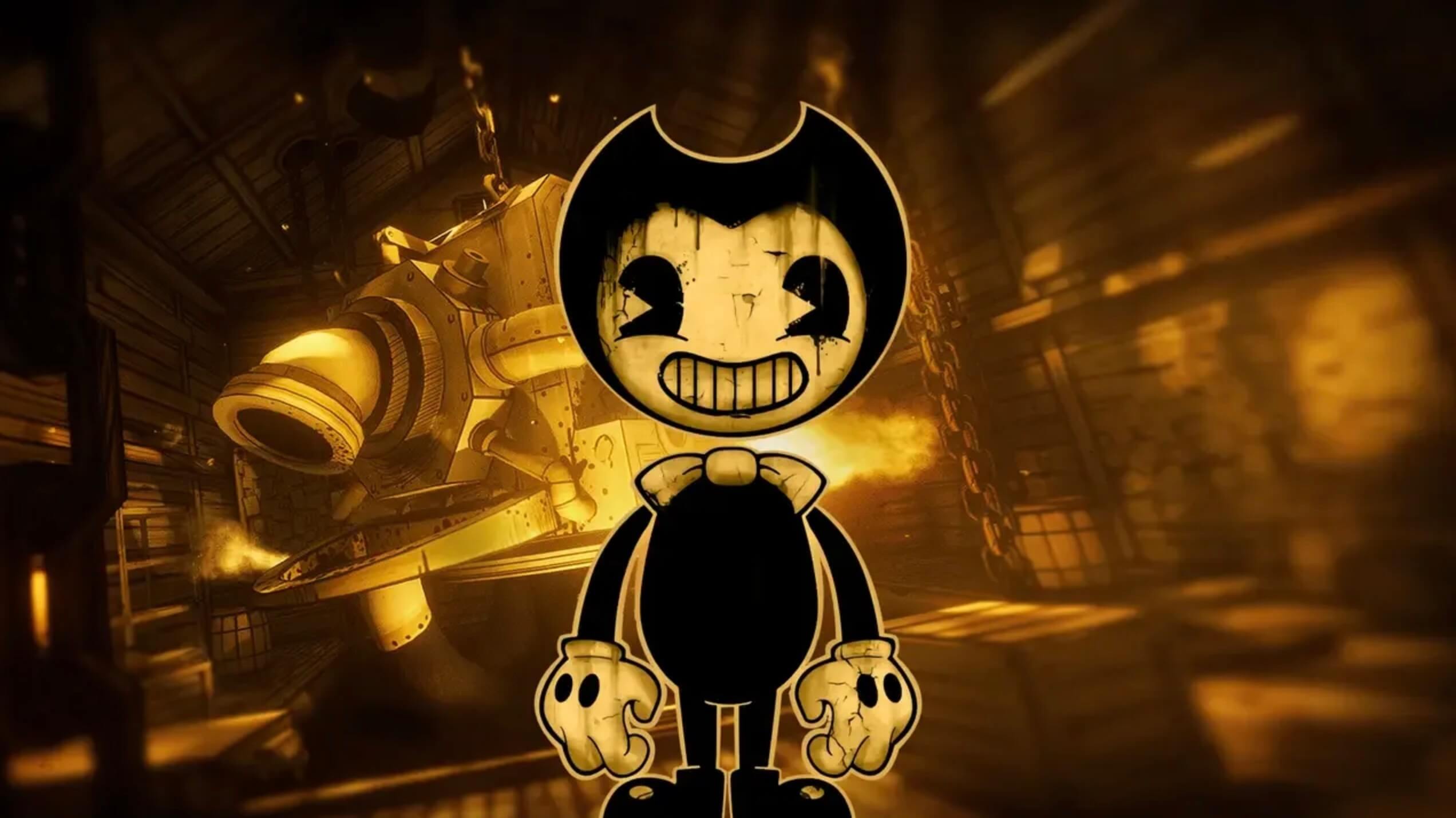
You soon find yourself fighting off creepy ink monsters, solving puzzles, and listening to audio journals to get an idea of what happened at Joey Drew Studios. Bendy and the Ink Machine feels like a tribute to BioShock at times, and the creators themselves have acknowledged that the story-driven first-person shooter was a huge inspiration for them.
The Bendy franchise has exploded in popularity since the release of its first chapter in 2017, leading to a couple of spin-off games, a sequel, short cartoons, an upcoming film adaptation, and a whole lot of licensed toys and clothing. Bendy and the Ink Factory, the third and purportedly final game in the series, is currently in the works.
You can find all of these titles, as well as the two latest chapters in Five Nights at Freddy’s, on Epic Games Store.