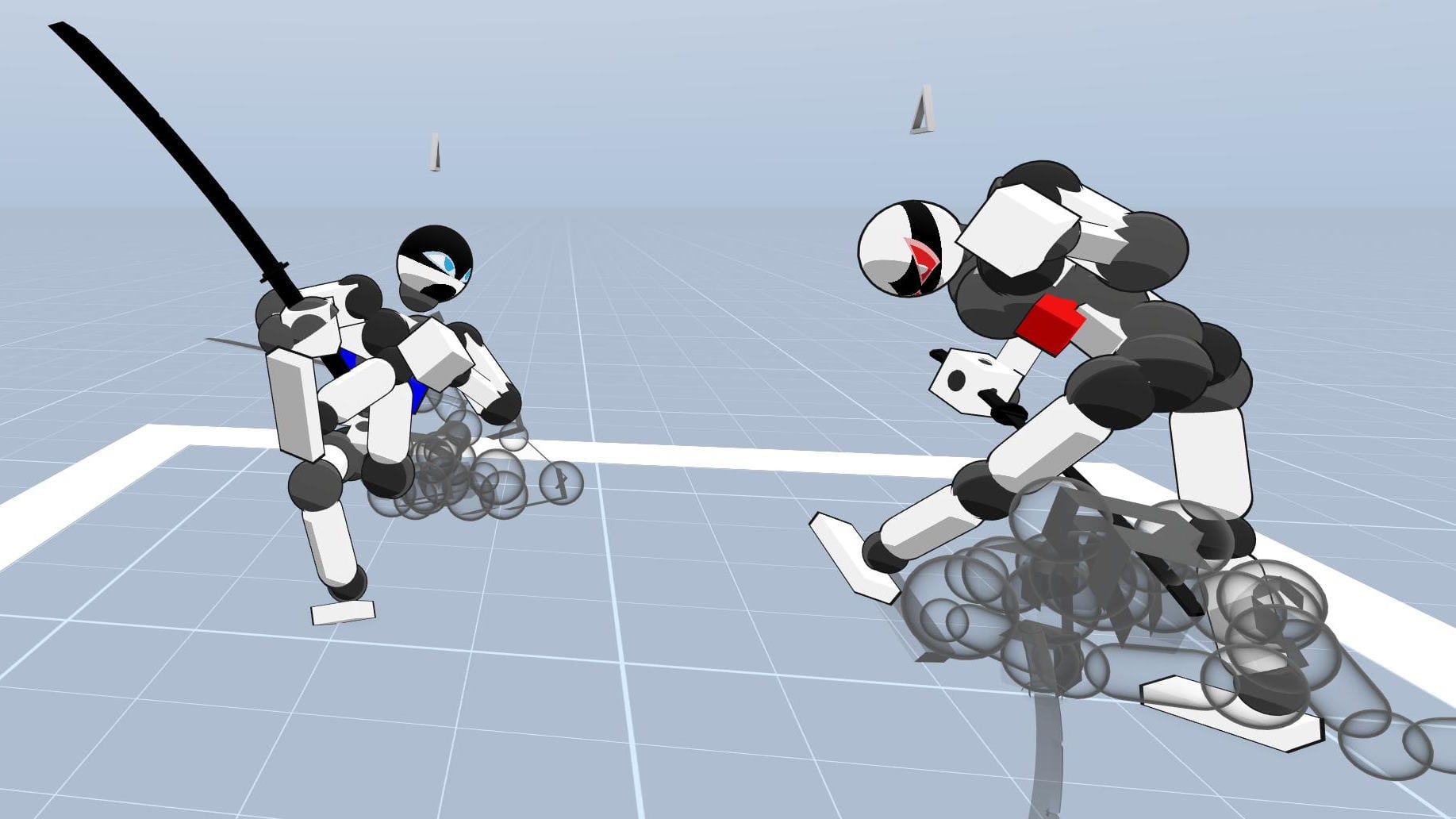
How Toribash Next plans to reinvent the classic physics battler
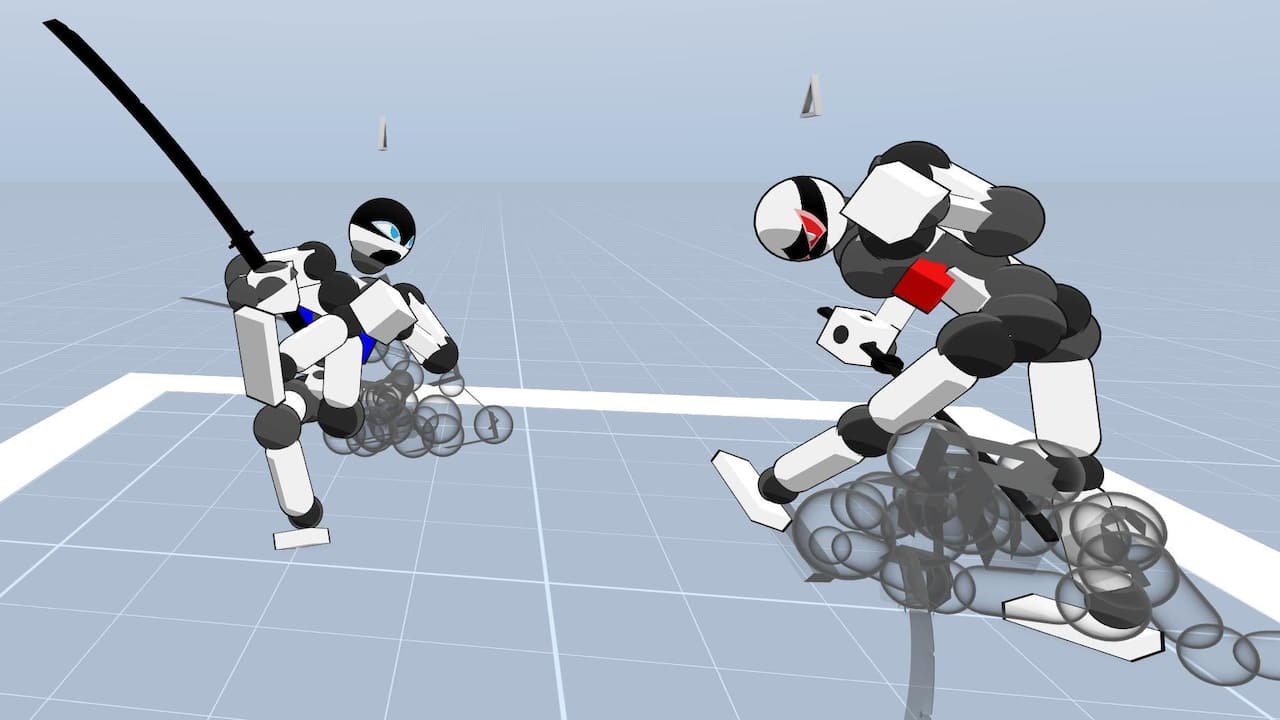
You would be forgiven for not remembering—or perhaps not being born in time for—the original Toribash. The 2006 indie phenomenon was a fighting game like no other before (or since), one where you controlled a physics-based marionette with every joint independently adjustable to launch attacks against your opponent. It was at once spectacularly silly and astonishingly difficult, a reductio ad absurdum adoption of the period's craze for ragdoll physics.
There were generally two approaches to Toribash: being amazing at it or finding it utterly impenetrable. But the joy for both groups was watching other people’s efforts. In the almost two decades since its initial release, the physics battler has never gone away, and its free-to-play model has encouraged a still-passionate audience to keep uploading videos of their amazing escapades. Now, with Toribash Next, there’s the hope to introduce the concept to a whole new generation.
We chatted with the lead developer of both games and founder of Nabi Studios, Hampus “Hampa” Söderström, and first wanted to know: Why now? Why, some 18 years later, did he decide it was time for Toribash to have a whole new release?
“Even though we kept updating it all these years,” Hampa says of the original 2006 Toribash, “its legacy foundation is becoming a more apparent obstacle as time goes by.” In other words, it’s more precarious to build upon the game’s engine the older it gets. “With Toribash Next,” says Hampa, “we are able to introduce new features, such as the ability for more than two players to participate in online matches, live modmaking, and replay editing.”
None of these were possible with the engine underlying the original game, which had been custom-built for its development. Toribash Next, however, is developed in Unity, with more tools “out of the box.”
In rebuilding the game entirely, Hampa explains that aside from the core concept, everything “is different in one way or another,” describing it as “the ultimate sandbox experience as we see it.”
One of the most immediately obvious differences in Next is the addition of weapon-based modes, where your character can now wield a sword, staff, or gun. Previously, Toribash was all about hand-to-hand combat, but the new ways to play will introduce the option for ranged battles or even choreographed sword fights. Hampa adds that alongside these entirely new ways to fight, “the first thing [those familiar with] Toribash will likely notice is that physics now perform differently…closer to how objects interact with each other in real life.”
This will, Hampa says, reduce the opportunities for “fun bugs, like being able to phase through your opponent if you move too quickly,” but hopefully will offer a more consistent, solid game.

So what about that dedicated Toribash player who’s perhaps in love with the bugs—what will incentivize them to upgrade? “New multiplayer features such as four-player and team fights,” Hampa tells us, along with “new character customization possibilities and new physics.” However, those fans entirely dedicated to the original need not worry—it’s not going away.
“We aren't completely abandoning the original game,” Hampa explains, “and we do plan to continue supporting it in the near future. We don’t fully expect all of our most dedicated players to completely migrate to Next; understandably, some of them have accumulated lots of currency/items on their accounts, actively participate in the open economy, and still enjoy the original game. But we’re sure there’s a good reason for them to try out Next, especially if they’ve been looking forward to new gameplay opportunities.”
In 2014, a WiiWare version of Toribash was released, and despite being pretty much the exact same game, it was met with much harsher criticism from a console audience. We wondered if this reception might have influenced Nabi Studios’ approach to making a sequel. “Both yes and no,” says Hampa. It seems Next could have been a very different game had the team picked a different direction, choosing between making a “dumbed down version or Toribash” or “fully embrace the sandbox aspect.” They went with the latter, fearing anything less would “erase the whole identity of Toribash, so that stayed essentially the same across all three games.” Instead, Hampa says there have been efforts to make the sandbox feel more accessible alongside better tools for making mods, editing replays for video uploads, and character customization.
Toribash Next will continue to operate with a free-to-play model, meaning the entire game and all its modes will be accessible without paying, and it won’t offer options to buy anything that improves a player’s chances in a match. Hampa states that allowing players to buy advantages always leads to an arms race that excludes F2P players, adding that “there’s already enough games that bar you from enjoying them without having to spend money.”
In-game currency from the original Toribash won’t be transferable to Next because “Toribash’s open market operates completely differently from what is planned for Next, which means there’s likely never going to be a reliable conversion rate.”
When it comes to immediate accessibility, however, it looks like the developers are sticking to their guns. The game will launch without tutorials, although there are plans to add them, because of the studio’s belief that the sandbox is far better appreciated through experimentation rather than hand-holding. “The most enjoyable aspect of Toribash,” says Hampa, “is seeing yourself go from wondering how to raise your arm without instantly falling to the ground to familiarizing yourself with how different joints work to eventually being able to make one of those amazing replays you see on social media."