Nyheter
Jurassic World Evolution 3 breeding guide: Bring in the cash with baby dinos
D
Diego Perez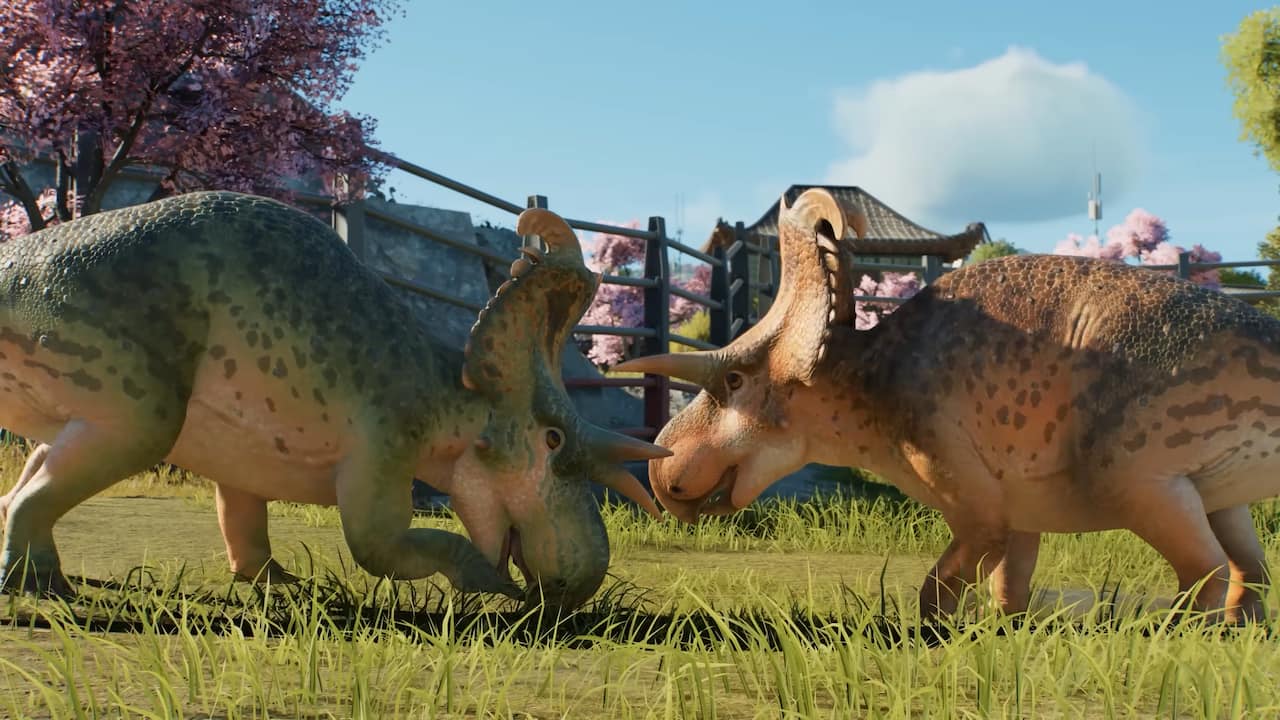
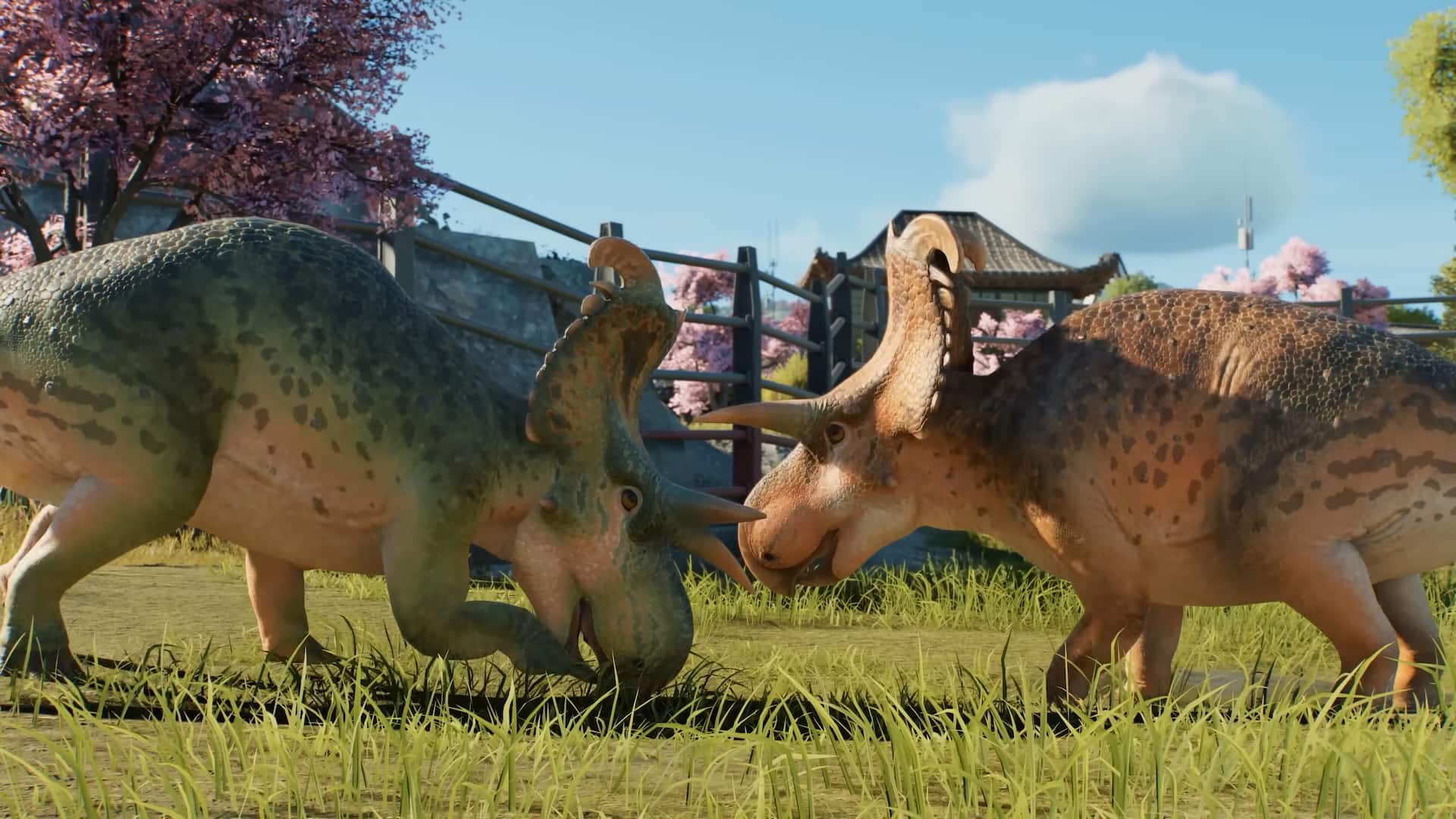
Juveniles are a much larger part of park management that you'd expect, and they have huge effects on your park's appeal and profits. Breeding will happen whether you want it or not (life finds a way, after all), so baby-proofing your enclosures and keeping the juveniles happy are incredibly important.
Breeding mechanics in Jurassic World Evolution 3
Breeding can either happen naturally or through structured breeding programs (more on those later). As long as you have enough dinosaurs and some empty nests, you'll find babies in your enclosures sooner or later.
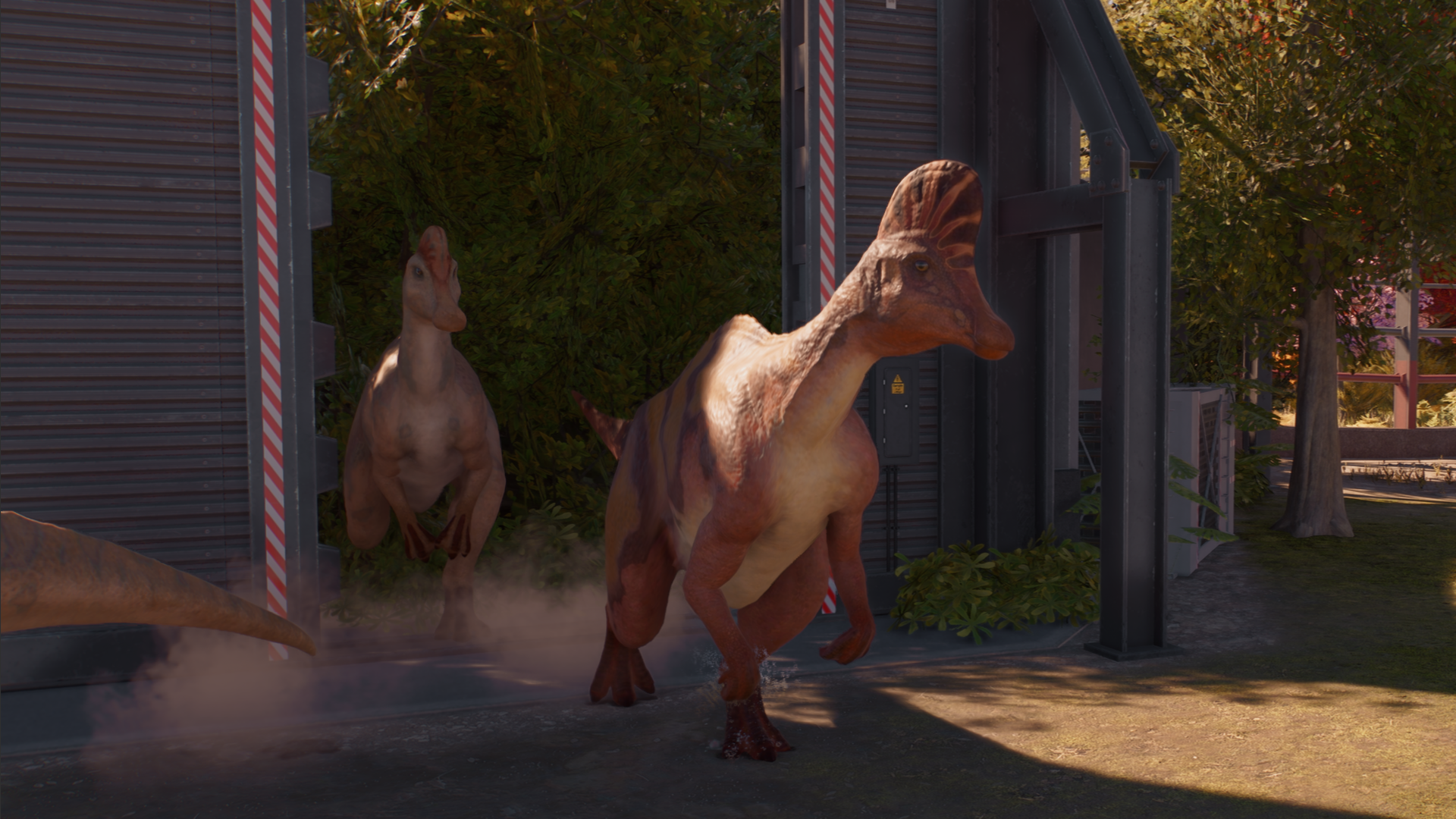
While all the dinosaurs in the previous games were exclusively female, male dinos are finally present in Jurassic World Evolution 3. If you have at least one male dinosaur in an enclosure with other females, that male and its selected partner will claim any eligible nests you've built.
Each species has its own set of nesting preferences, so have your Ranger Teams check on the dinos to learn what they like. Some species prefer to have nests hidden out of sight from guests, while others need them to be clustered together for safety. Dinos will claim empty nests automatically as long as their needs are met.
Acquiring male dinosaurs in Jurassic World Evolution 3
Male dinosaurs are much rarer than their female counterparts, and there are a few ways to get them. You can capture any wild roaming dinosaurs that wander too close to your park, you can purchase male dinos from the marketplace once you've unlocked it, or you can synthesize them from fossils the old fashioned way.
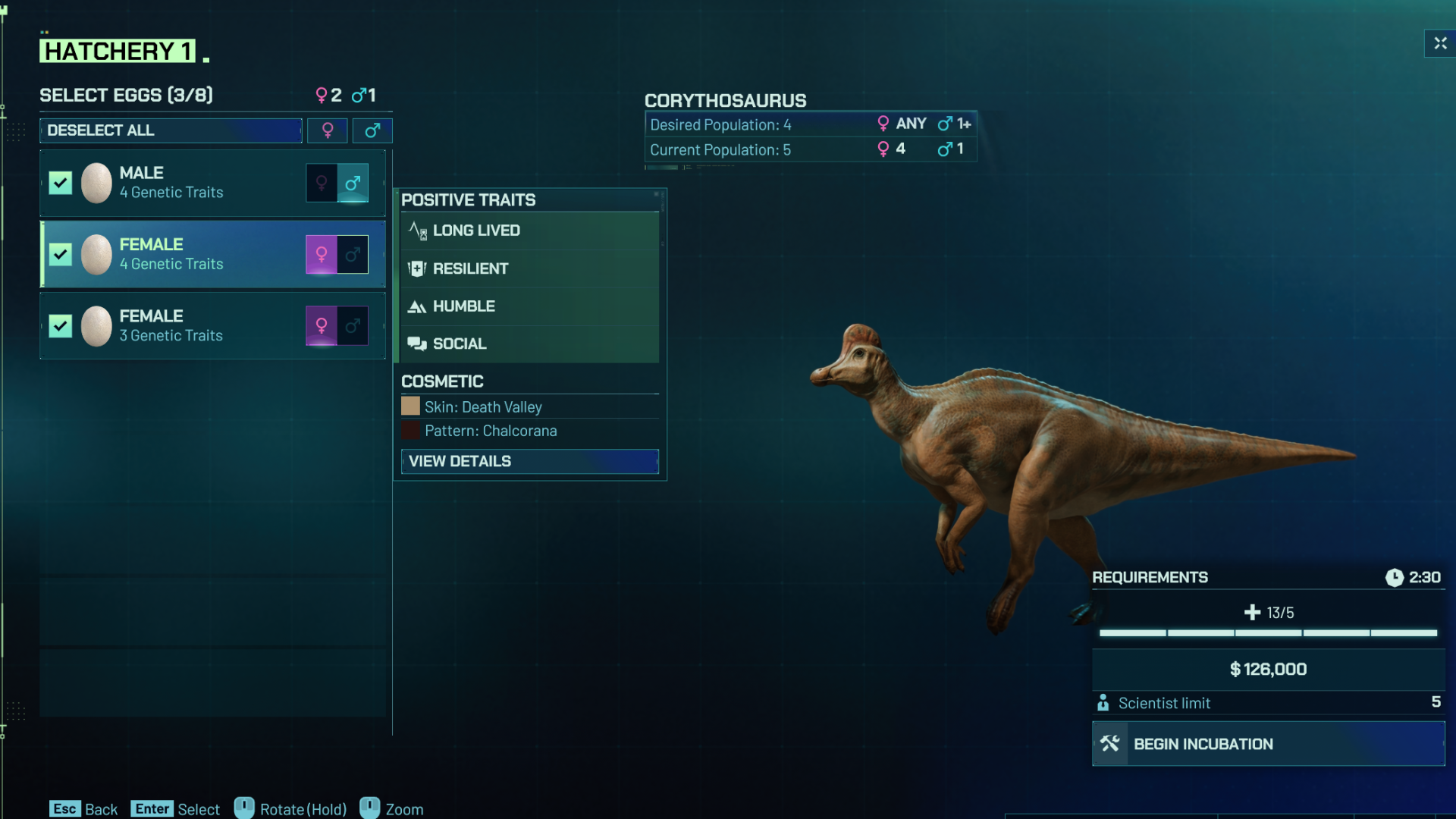
To synthesize dinosaurs, all you have to do is build a Hatchery and then send your Scientists on Expeditions to collect fossils. Analyzing more fossils will give you a more complete picture of each species' genome, allowing you to customize their traits and appearances with finer detail. You can choose the gender of a synthesized dinosaur egg before hatching it, so make sure you add one or two males into each enclosure!
Preparing nests for new arrivals
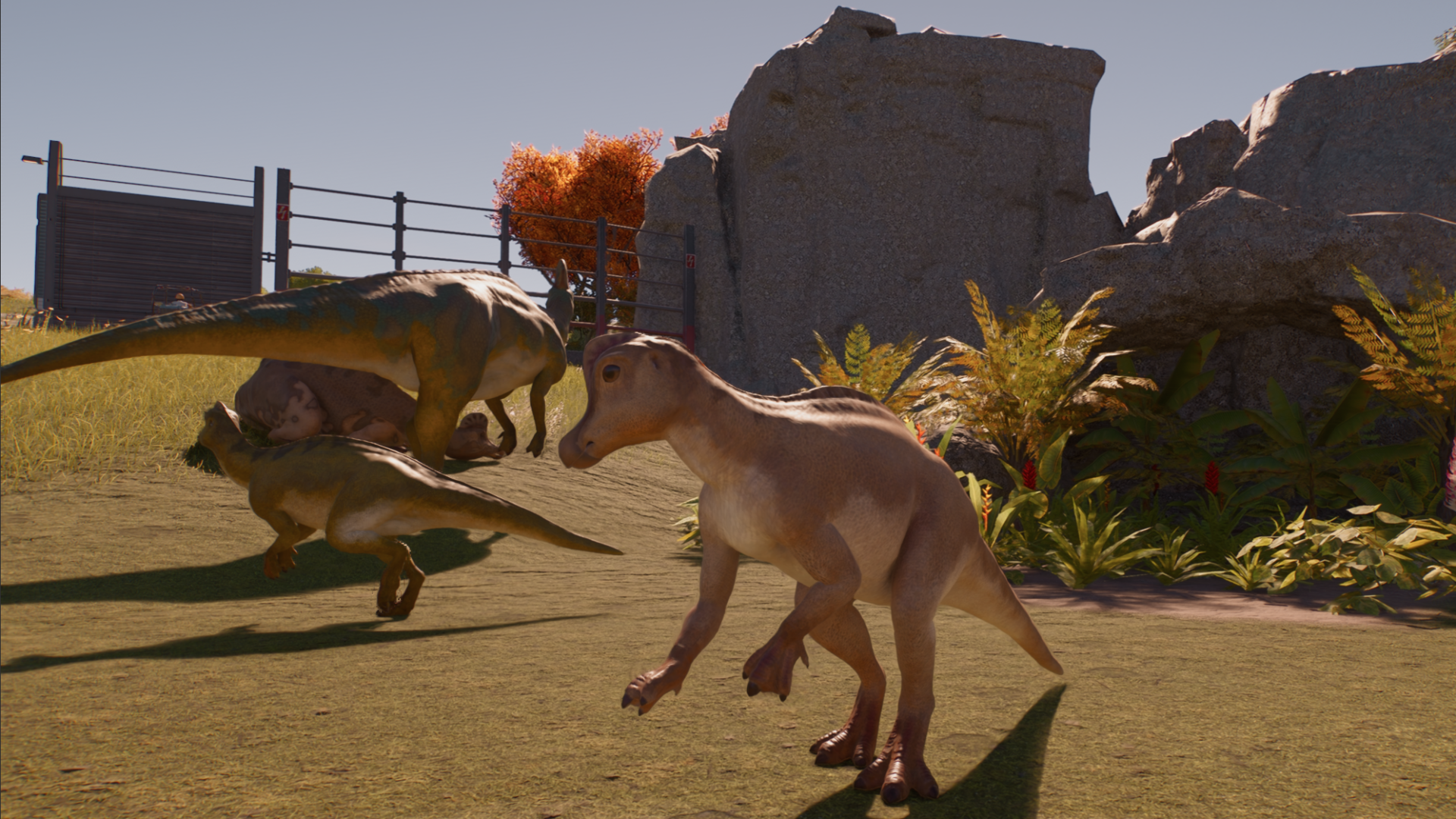
Regardless of your choice between natural and artificial dinosaur eggs, you'll still need to prepare the enclosure for the babies' arrival. Juvenile dinosaurs have very specific needs that can vary compared to their adult counterparts, and unhappy baby dinos will greatly increase discomfort in an enclosure.
Before hatching any eggs, make sure there's enough space in the enclosure for the new additions. They may be fine for now as babies, but fully-grown dinosaurs take up way more space than you'd think.
Once they've taken their first steps into the enclosure and established their territory, fill it with foliage, water, and whatever else they need to thrive. Don't forget to send your medical teams to check the babies for any potential diseases, too.
Babies are naturally curious, and these little rascals can cause some serious damage to your park if left unchecked. Make sure you have Maintenance Posts and Ranger Posts covering all your fences and important buildings. The last thing you want is a curious little Triceratops chewing its way out of its enclosure and opening up a path for even greater dino destruction.
Upgrading your fences is a great idea if you're expecting a larger than average herd. While you're making changes to the enclosure, try adding another Viewing Gallery to ensure your guests have a clear view of the babies. Juvenile dinosaurs generate significantly more revenue and appeal than adults, so make the most of that while they're still young!
Maximizing dinosaur fertility rates
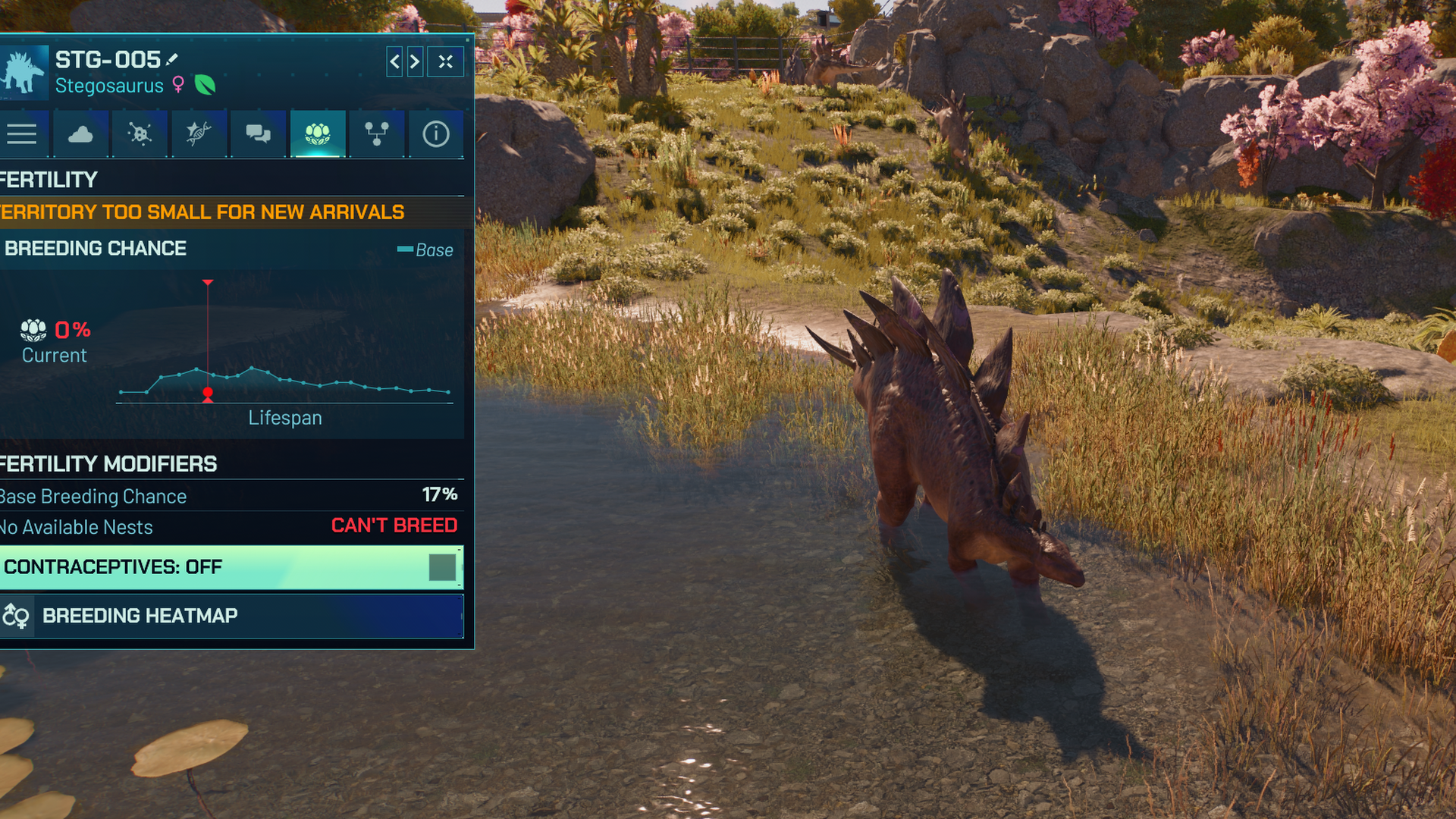
Some dinosaurs can have trouble conceiving if they're too stressed or uncomfortable. You can see every dinosaur's unique fertility rating by selecting them and clicking the eggs icon.
There, you'll see the dinosaur's base breeding chance, any fertility modifiers, and a chart that shows expected fertility changes over the course of its life. You can also activate a Breeding Heatmap that'll show you the breeding chances of all your dinos at a glance.
If your dinosaurs aren't as fertile as they should be, make sure their enclosures have everything they need to thrive. They may be suffering from diseases you haven't yet identified, or they might not have enough space for new arrivals. Each dinosaur is unique, and they can come with traits that improve or reduce fertility in certain scenarios.
If you want to put a stop to the breeding process, you can also enable contraceptives on this menu. This is done on a per-dinosaur basis, which is a huge help if you want to prevent negative traits from being passed on to new generations.
Structured breeding programs and planning
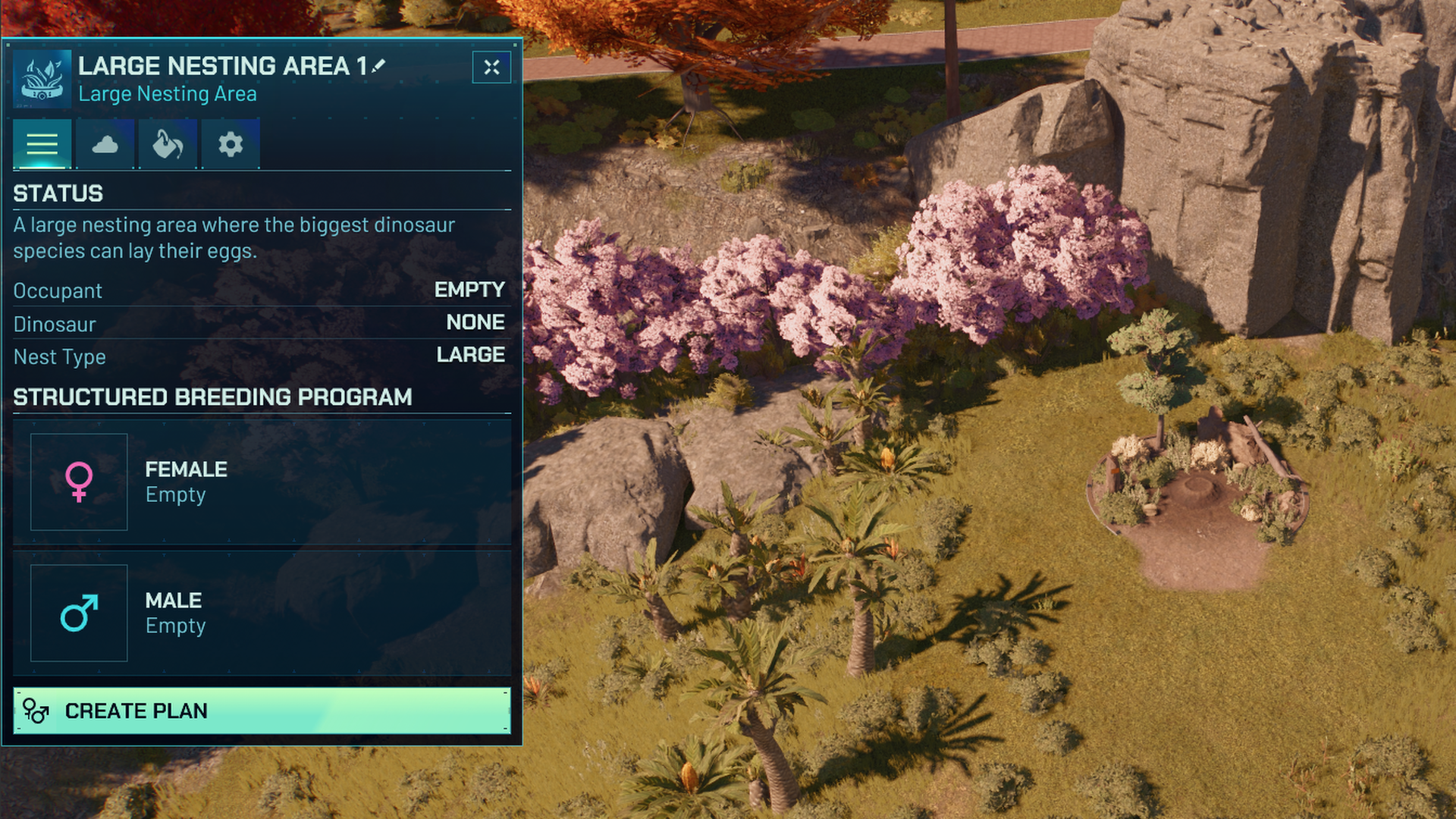
Once you've welcomed a few baby dinosaurs into your park, you can start experimenting with structured breeding programs. To create a breeding plan, just click on an empty nest and select an eligible mother and father.
Structured breeding programs let your scientists guide the evolutionary process, manually selecting for desirable traits and leaving undesirable traits out of the gene pool. Combining this with the Hatchery — which lets you augment the traits of synthesized dinos — and you can customize entire generations to suit your needs.
Through structured breeding programs, you can create dinosaurs that are much easier to care for. If you find a dinosaur with traits that make it more docile, give it a stronger immune system, or reduce its space requirements, you can put on a breeding plan that'll hopefully pass those traits on to your next set of dinos.
Gene nodification and customization
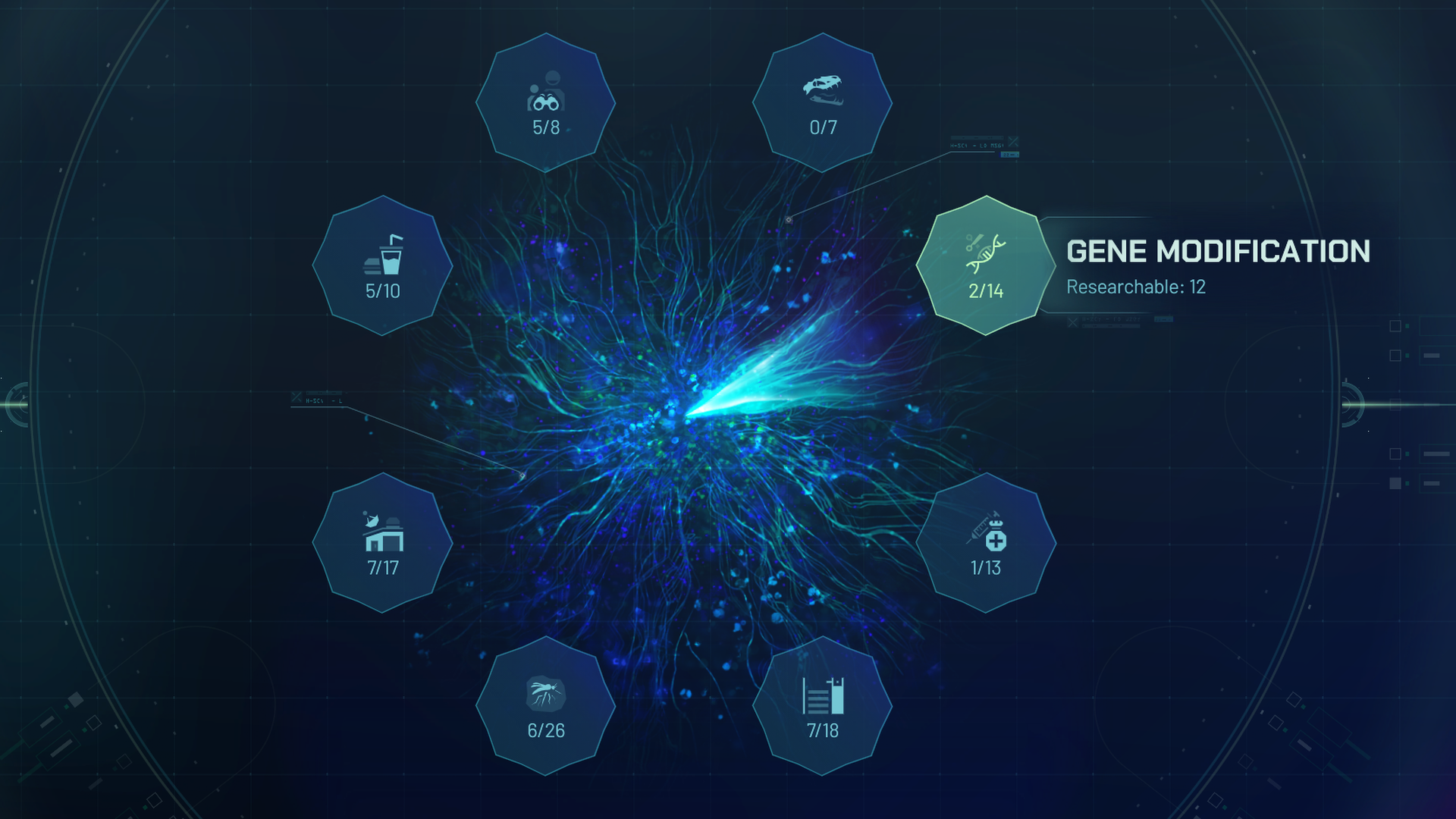
Before you get into structured breeding programs, you'll want to collect some dinosaurs with desirable traits. Finding these creatures in the wild can be tough, however, which is why it's a better idea to synthesize them in a Hatchery.
As you collect more fossils and improve your knowledge of a species' genome, you'll be able to customize synthesized dinosaurs before releasing them into your enclosure. This lets you manually adjust the stats, requirements, and traits of each dinosaur. You can also customize a dino's cosmetic traits like skin and pattern color, complete with different sets for male and female dinosaurs if you want a species to exhibit dimorphism.
Not only do you have to study fossils to unlock more modification points, but you also have to research each individual trait with your team of Scientists before you can make any changes. There aren't any prerequisites for these, so you can get started as soon as you like.
Once you've released your genetically-modified dinosaurs into an enclosure, you can enter them into structured breeding programs once they mature to pass on these custom traits to the next generation. Naturally-bred dinosaurs increase your park's appeal more than synthetic ones, so you get the best of both worlds this way.
Best traits to prioritize
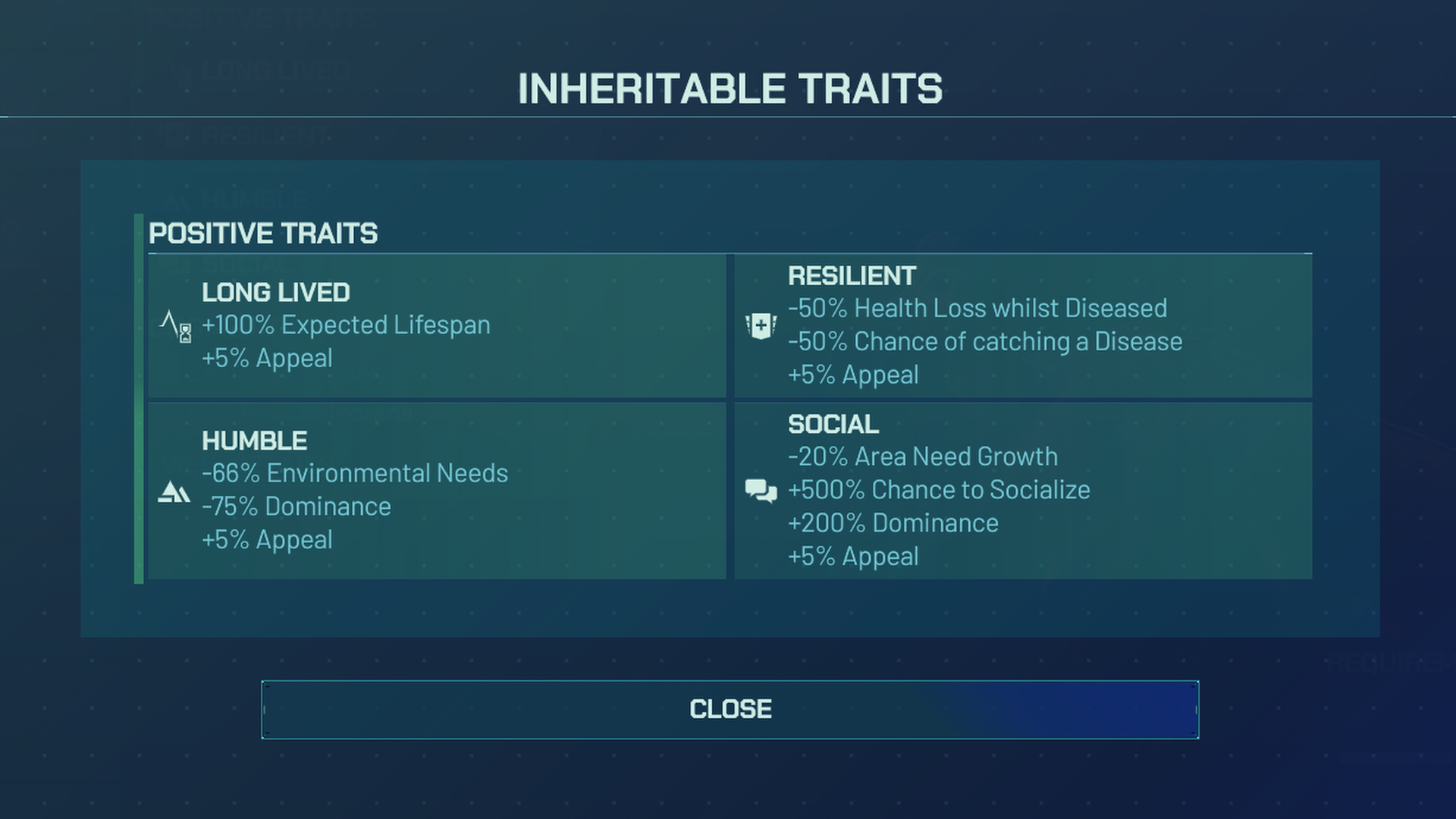
There are roughly a dozen Gene Modification upgrades to choose from in Jurassic World Evolution 3, but these are the best ones you should research first.
- Cross-Species Adaptation
- Group Adaptation
- Positive Temperament
- Confined Space Adaptation
Unlocking these will let you synthesize dinosaurs that are way less picky about their enclosures, letting you design your park the way you want.
Cross-Species Adaptation allows you to increase a dinosaur's Tolerance, giving them a higher chance of getting the Tolerant trait and a lower chance of becoming Intolerant. Tolerant dinosaurs can live happily alongside other species within the same enclosure, which gives you much more park space to work with and maximizes the profits from your Viewing Galleries.
Group Adaptation lets you influence a dinosaur's Sociability, which makes it less sensitive to large groups in a single enclosure. Even if you don't get the Social trait on your dinos, a higher Sociability rating lowers the chance of a dino getting the Antisocial trait, which is an expensive problem to fix.
Positive Temperament lets you modify a dinosaur's Comfort characteristic, which affects its environmental needs. A higher Comfort rating gives a dinosaur a higher chance of obtaining the Accommodating trait, which gives them a higher tolerance for mismatched environments within its enclosure. You won't have to waste as much space terraforming the place to make them comfortable, giving you more space for other dinosaur species instead.
Finally, the Confined Space Adaptation lets you modify a dinosaur's Humility characteristic. This boosts their chances of getting the Humble trait, which reduces their overall area needs and frees up more space for other dinos to claim territory in the same enclosure. It's even more effective with the Cross-Species Adaptation and Group Adaptation upgrades, which also let you fit more dinosaurs into one enclosure.
Jurassic World Evolution 3 is now available on Epic Games Store. Find out how they developed the game by reading our deep dive into the new title.