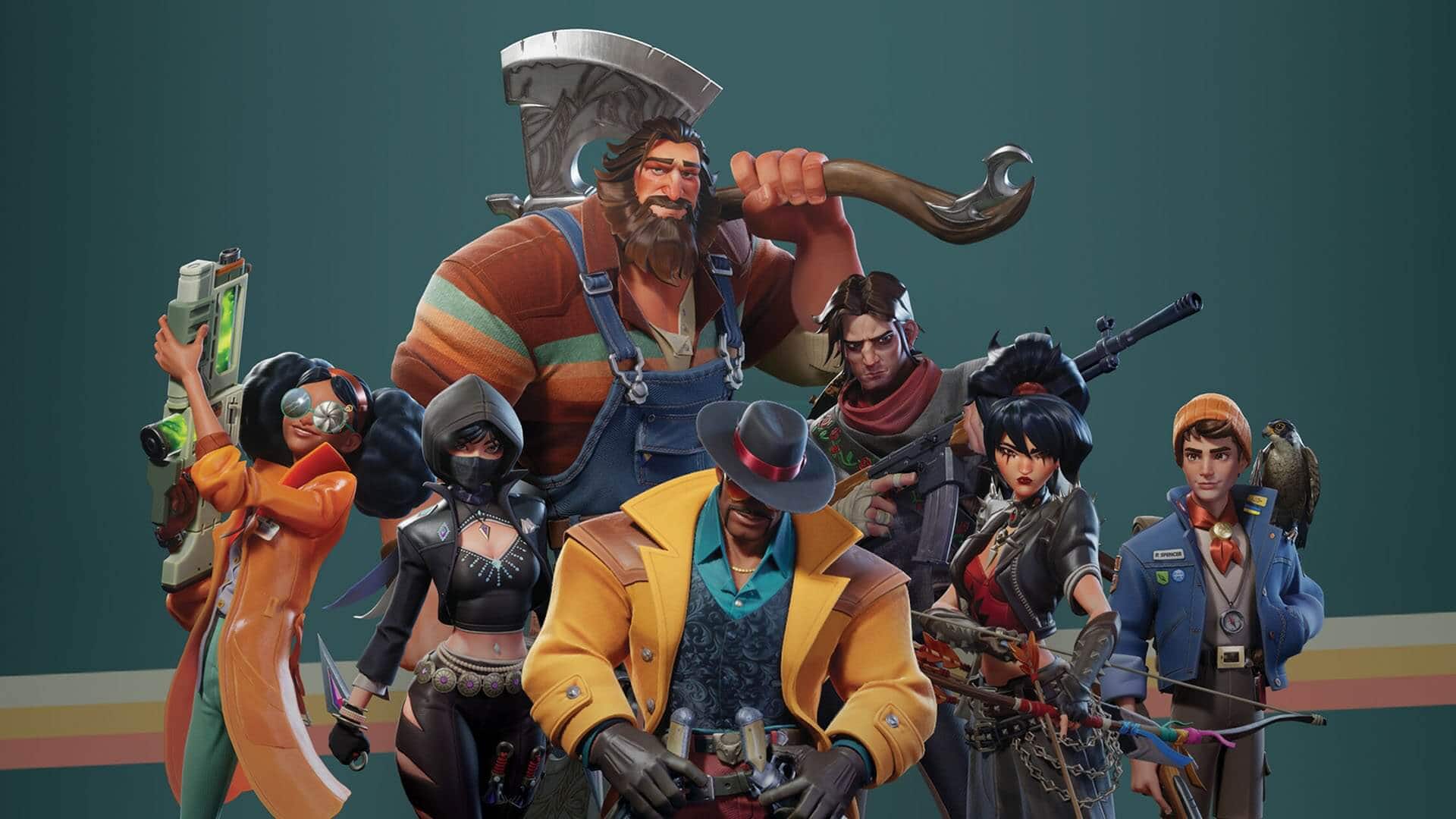
Last Flag brings classic, neighborhood Capture the Flag to multiplayer gaming
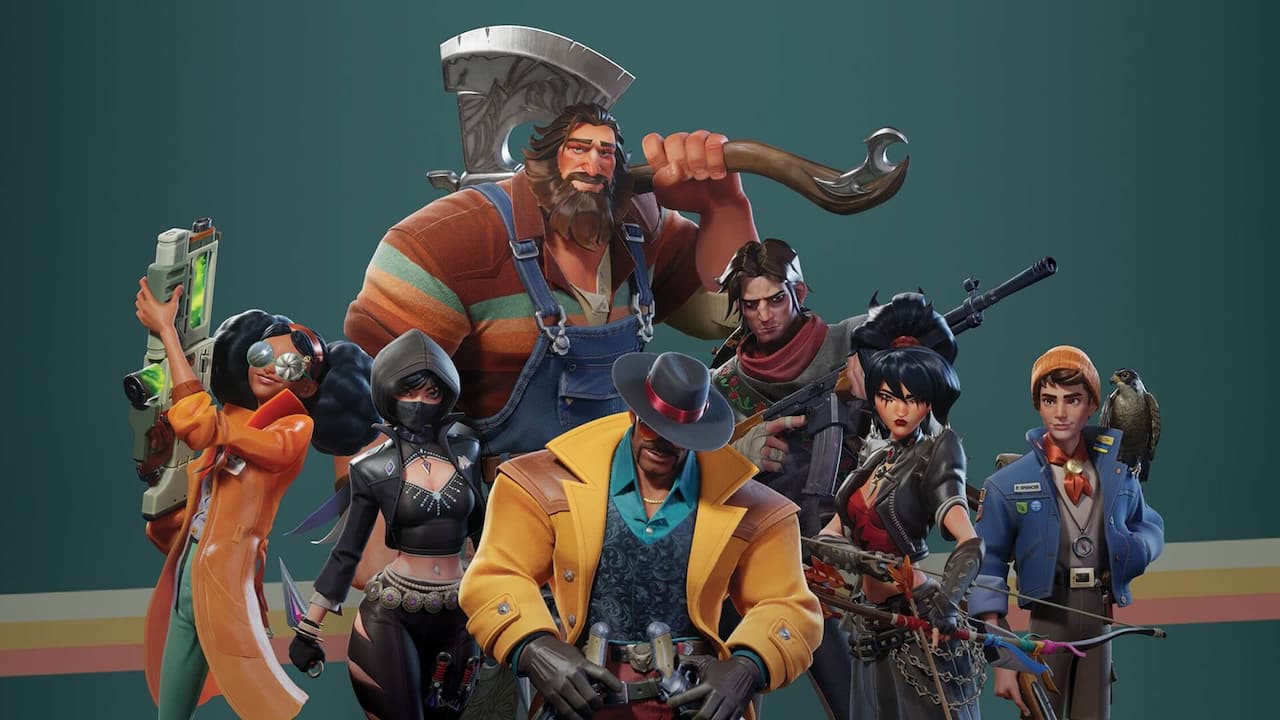
Last Flag is the game you remember from childhood nights, running through the woods with friends, hearts racing, laughter echoing, a flag in hand, eyes scanning for any sign of the enemy. For Mac Reynolds and his brother Dan, those nights were formative. They were Boy Scouts, yes, but more importantly, they were players of one of the oldest and simplest competitive games out there. A game that demands stealth, courage, and cunning.
“We grew up playing Capture the Flag in the woods at night,” Reynolds, CEO and co-founder of Night Street Games, said with a big smile on his face. “I've thought about that experience a lot over the years.”
Those nights in the woods became the inspiration for Last Flag, the upcoming multiplayer game from Night Street Games. Reynolds wanted to capture the essence of Capture the Flag in its purest form, a game where the thrill of hiding and finding, defending and escaping, is front and center.
“It is really more about hide-and-seek, strategy, and outsmarting your opponent. Capture the Flag comes first and shooter second," he said. "You don’t have to be a great shooter to participate in the game.”
Taking the flag back home
The roots of Last Flag are simple, but the execution is anything but. Every match starts with 60 seconds for each team to hide their flag somewhere on their side of the map. Players can place it in a spot that is defensible, yet still partially visible. Strategic placement is critical, because once the 60 seconds are up, the flag is locked in place.
“The flag has to be somewhat visible, a certain percentage has to peek out, and it has to be somewhere on your side of the map," Reynolds said. "But other than that, it’s kind of a free-for-all.”
Once the hiding phase ends, the real game begins. Teams must locate the opposing flag and carry it back to their base while defending their own. The thrill is in the hunt, but success is not left to chance. Skill, observation, strategy, and timing are what determine the outcome.
Last Flag differentiates itself from other competitive multiplayer games in that each map is divided into three lanes—labeled A, B, and C—each with a radar tower. Capturing a tower gives your team intel about enemy activity in that lane, which makes it easier for you to narrow your search for the opposing flag.
“You capture the radar tower, and then that radar tower covers a section of the map,” Reynolds said. “Then every 30 seconds in that section, a new red square appears saying, ‘No flag in this section.’ It helps you eliminate search areas. But they’re not mandatory. If you’re getting rolled at the towers, you can just sneak around the back line and go find the flag.”
Putting together a plan
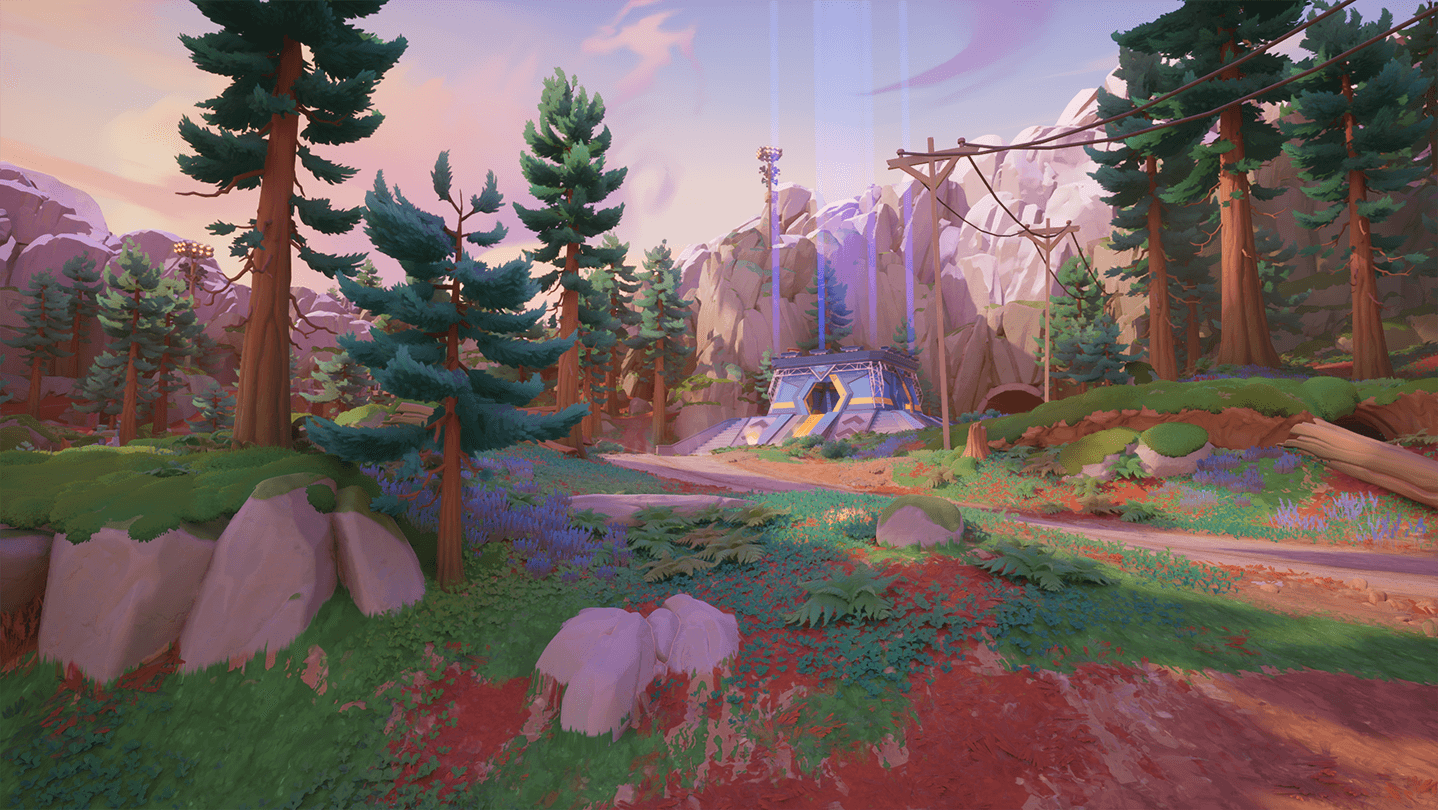
The maps themselves are carefully designed to amplify strategic depth. They are neither too large nor too small—think of a large Battlefield map, but not something as big as Fortnite's Islands. The action may be similar to a battle royale match, though. Players will be searching for the flag one moment, and then fighting for their lives the next when the enemy ambushes them. Something is always happening around them. Stealth and strategy are equally important as gunplay and teamwork.
“Maps have to be big enough that hiding and finding feels rewarding and meaningful," Reynolds said. "But small enough that you’re never too far outside the action.”
Flags cannot be moved once placed, making placement a tactical decision. Players must balance defensibility with visibility. The flag also emits a golden choir-like sound, enabling nearby players to detect it even if they cannot see it to ensure discovery is always possible with careful play.
“We want players to feel the thrill of being on the enemy side, sneaking around, maybe being the hero who finds the flag," he added. "It’s pretty special.”
The game currently has two playable maps, with a third in development. Each map provides a unique battleground, and the combination of radar towers, map layout, and player choice ensures that no match ever feels the same.
For Reynolds and the Night Street Games team, the goal was to strip Capture the Flag down to its essence. Early development focused on the core loop: hide, find, defend, and escape. Months of iteration and playtesting refined mechanics and removed anything superfluous.
“Coming back to basics," Reynolds said, "we spent almost six months just iterating on the core loop and really trying to figure out what’s extra that we can trim off to get to the heart of what’s great.”
The thrill of Last Flag comes from the balance of strategy, action, and creativity. Players can coordinate a team assault on a tower, sneak around enemy lines, or defend their base with precise timing and positioning, their decisions amplified by the environment, sound design, and map layout. Emergent gameplay has become a hallmark of Last Flag during playtests, where players discovered inventive ways to manipulate mechanics, such as by chaining together teleporters or creating clever maneuvers that were not explicitly intended by developers.
Round after round
Replayability is central to Last Flag’s appeal. Each match is different because of map layout, tower control, and player choice. Players can adapt strategies on the fly, improvising based on what they see and hear so that no two matches play out the same way.
“Every match is different because of map layout, tower control, and player choice," Reynolds said. "We want players to feel the excitement of capture the flag every time they play.”
The game is also designed to be accessible. Strategy and improvisation matter more than raw shooting skill, which enables players of varying abilities to contribute meaningfully. Teams must balance risk and reward, deciding when to push aggressively for a flag, when to defend, and when to manipulate the environment to their advantage.
“Hide, find, defend, chase with purpose,” Reynolds said. “It’s about anticipating enemy moves, pulling off clever maneuvers, and enjoying the highs and lows of competitive play.”
The development of Last Flag was a multi-year process. The team started in Unity before realizing Unreal Engine would better support the vision. From the earliest stages, playtesting informed every design decision, from map layout to core mechanics.
“The right home for this game is Unreal,” Reynolds said. “From the very beginning, we’ve been playtesting, figuring out the perfect version of the game before moving over. That was maybe the most important part of development for us.”
Inspiration from all over
Capture the Flag is a cornerstone of multiplayer gaming. Flag-stealing modes were crucial to the success of historic classics like Timesplitters, Team Fortress 2, Quake, and Unreal Tournament—all inspirations that Night Street Games used to create Last Flag.
"We referenced Team Fortress 2 a lot for action," Reynolds said. "It's very good at being highly replayable without being complex. It goes for depth instead of complexity. We are fun first, competitive second. That's where we sit."
Even with so many influential games to reference, Reynolds believes that few have ever truly captured the core of Capture the Flag. They've always added their own twists and flavors to the mode, changing it to be fundamentally different.
"None of them really kind of got to the heart of what Capture the Flag really is," Reynolds said. “Which is hiding your flag anywhere that you want, finding the enemy flag, and sneaking it back across the line."
Last Flag takes inspiration from these games in other ways as well. It features different playable characters, including distinct ones like an axe-wielding Lumberjack. Team Fortress 2 excels with its distinct characters that are easily identifiable, even when only viewing them through silhouettes. Night Street Games attempts to emulate that approach.
A high-stakes game show
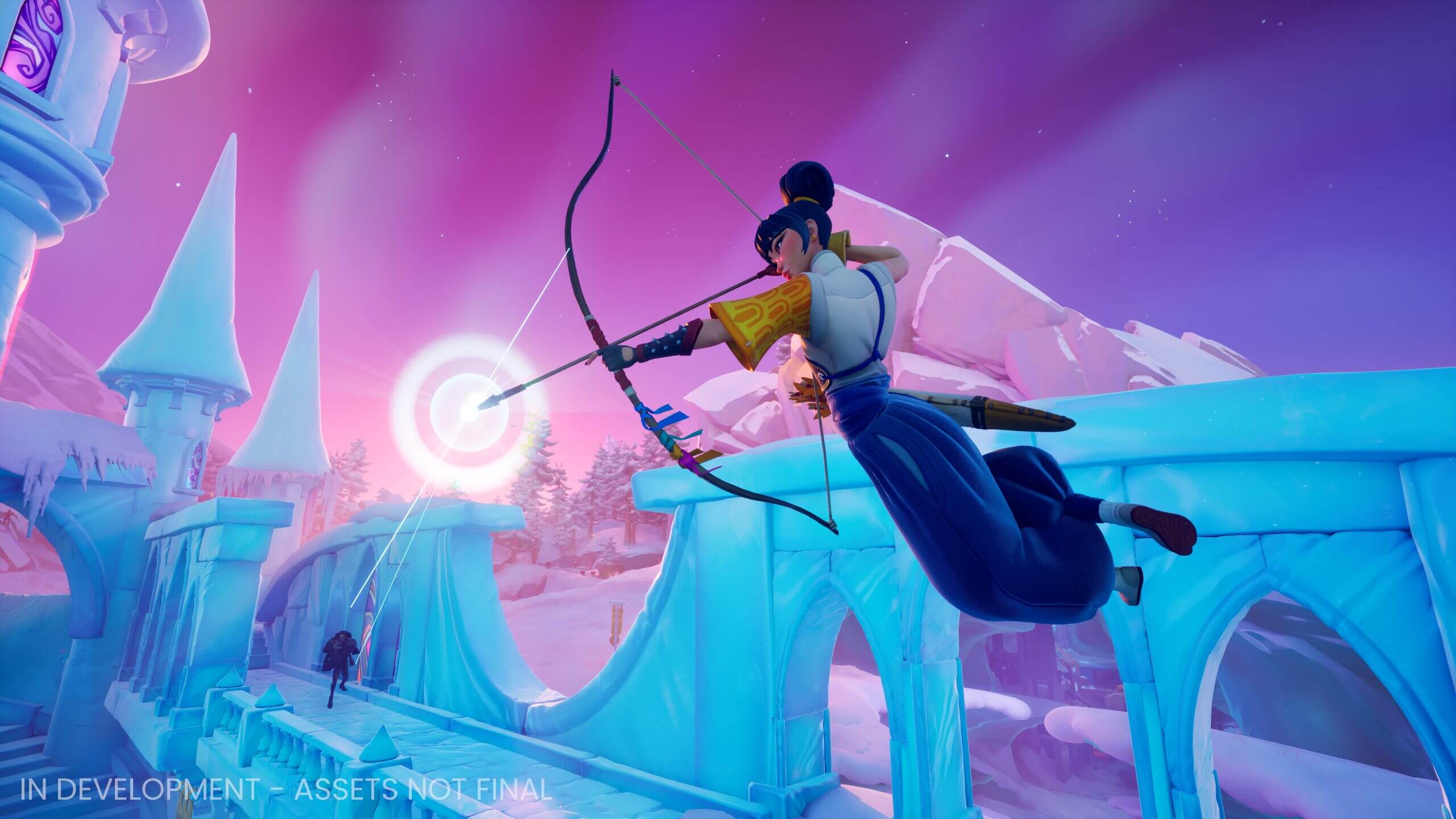
Last Flag is set in the 1970s, complete with 007-like tunes and an overall groovy vibe. Players are competing in a game show, but there is a lot more to uncover as you play. Reynolds wants to keep many of the secrets under wraps until Last Flag launches in 2026.
"There's a little bit of a sinister underlying story we'll get into, with lots of hidden stuff in the trailers and in the game," he said. "And when you're playing the game, all the music you hear is made from real instruments."
The music is essential in bringing the atmosphere of Last Flag to life. Reynolds is the manager of the American pop rock band Imagine Dragons. He and his brother, Imagine Dragons singer Dan Reynolds, started Night Street Games to build experiences that are filled with incredible music and gameplay.
Intriguing sounds and notes are littered throughout the multiplayer experience. Players searching for the flag will hear an angelic note that plays when they get close enough. It serves as a little reward for a well-conducted search.
"There's a flag-hiding song for the beginning of each match," Reynolds said. "It's kind of spy-intrigue-thriller perfect for the '70s."
There is also a special song that plays at the end of the round, but only for the losers. It's a wonderful, Chicago-infused bop that players will actually want to stick around to listen to, even after a tough loss.
Capturing the flag
The developers sought to capture the essence of fun and creativity that made classic Capture-the-Flag games unforgettable. From clever flag placement to intense tower fights, the game rewards ingenuity and teamwork.
The combination of tactical gameplay, clever mechanics, and immersive music ensures that every match is memorable. Last Flag distills the essence of Capture the Flag into a digital format that rewards ingenuity and strategic thinking, while also being accessible and fun for a broad audience.
For players seeking a multiplayer experience that combines strategy, action, and creativity, Last Flag promises to deliver. It is not just a game mode; it is a celebration of what makes Capture the Flag thrilling. It is about planning, improvisation, and the pure joy of the chase. With Last Flag, players can rediscover the magic of a game that has captivated generations and enjoy a multiplayer experience that is creative and endlessly replayable.