Lords of the Fallen hands-on: five things we learned about the upcoming action-RPG
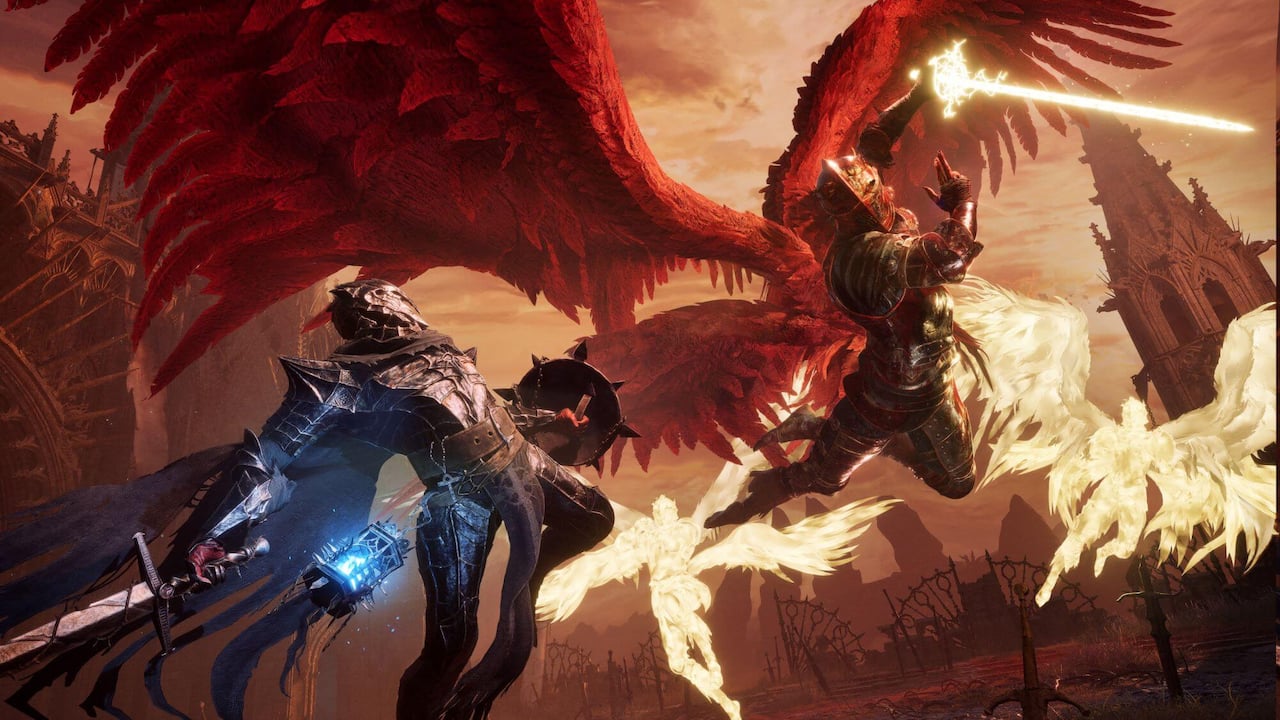
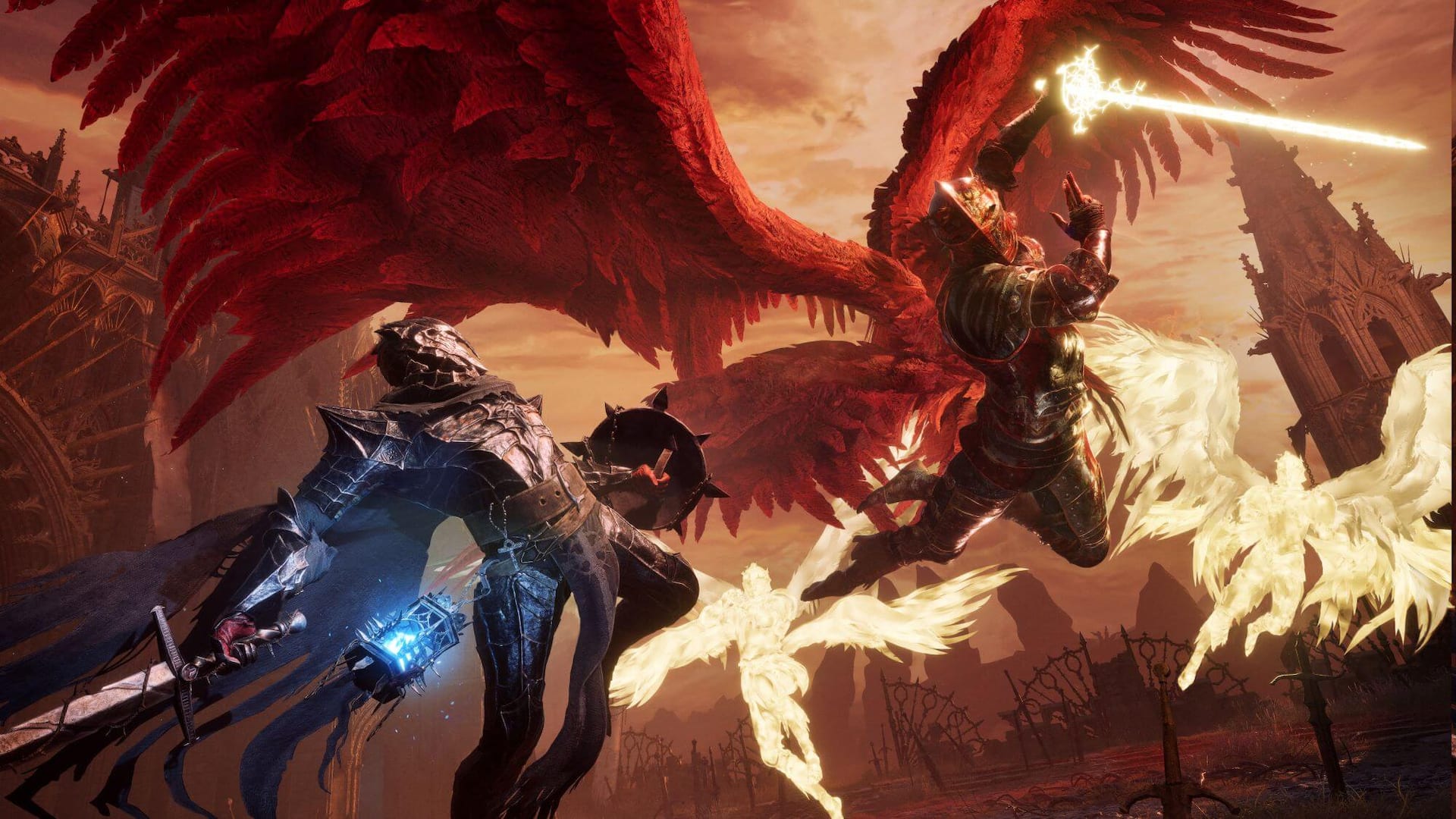
Lords of the Fallen shares both a name and a genre with its 2014 predecessor: it's an action-RPG with plenty of “Soulslike” elements. However, that's where the similarities end. Crafted in the same vein as Dark Souls, Elden Ring and (fellow Soulslike) Remnant II, it boasts tactical combat, brutally challenging boss battles, and a risk-reward progression system.
But while Lords of the Fallen heavily leans into these genre-defining aspects to appeal to seasoned fans, the studio behind the game, Hexworks, is significantly tweaking them in hopes of attracting an entirely new audience—including those previously put off by these genre's player-punishing level of difficulty.
Based on our hands-on time—during which, yes, we had our backsides repeatedly handed to us by a tough boss—and a brief chat with Hexworks’ creative director Cezar Virtosu, it seems the ambitious sorta-sequel could achieve that balance. Here’s five things we learned about the game during our recent hands-on preview.
It’s both a sequel and a reboot
In terms of its setting, story, characters, and gameplay, it would initially appear Lords of the Fallen is a complete do-over—an across-the-board reboot that shares only a name with its 2014 predecessor.
But while the action-RPG retains very little from the original—even shelving its ex-con protagonist Harkyn for a FromSoft-esque player-customized avatar—creative director Cezar Virtosu stresses the game is a proper follow-up for the franchise, as well as a fresh start.
“It’s a reboot, but it’s also a sequel. We wanted the player to see the consequences of Harkyn’s actions. He’s now a distant, mythic hero, an infamous character in the shrouded past. So all of our narrative threads lead to the first game, but you don’t need them to enjoy Lords of the Fallen.”
It feels much faster and more fluid than other Soulslike games
Like FromSoftware's Dark Souls series and its imitators, Lords of the Fallen favors thoughtful, tactical encounters over mindless button-mashing. But while spamming attacks will indeed allow your enemies to crush you into the cobblestones, its melees tend to feel less measured and deliberate, and more like you’re hacking, slashing, and spell-casting in a fast-paced action game. Or in other words, it feels more like Bloodborne than Dark Souls 1.
A number of factors help achieve this satisfying balance, including the ability to parry on the move, as well as a heal animation that's faster than many in the genre. The option to effortlessly mix both dashes and rolls—the former offering a speedy dodge that keeps you close to the enemy, versus the latter’s more definitive break from the encounter—further fuels this fluidity.
But it's the seamlessness of attack type transitions that especially stand out in this crowded field. Whether switching from a lumbering, two-handed melee blow to a light ranged attack, or swapping between dual battle axes and your magic build’s varied arsenal of spells, transitions gel with a fluidity and smoothness not typically associated with Soulslike combat.

It grants players with an extra life…in the afterlife
One of Lords of the Fallen’s key features also represents its biggest deviation from the established Soulslike formula. Anyone who’s braved one of these games is familiar with the infamous death-loop: After you die, you respawn at your last save point and battle through the respawned enemies you just bested to—hopefully—recover your experience and other coveted resources from your "bloodstain," as the Souls games term it. If you die again in the process, you lose all those valued resources for good.
A similar loss of progress looms in Lords of the Fallen, but according to Virtosu, the game’s take on this potentially soul-crushing mechanic is less punishing and more organic. “Death does not mean the end. We wanted the player to play through the failure…the difference between frustration and motivation is understanding why you failed. So you spawn exactly where you died, rather than at a checkpoint, to learn from your mistakes.”
This bold evolution of the corpse-run doesn't just mitigate some of the pain and suffering that comes with potentially losing all your hardfought progress, it also feels more natural. After your untimely demise, you immediately respawn in the exact location you fell, save for the fact you’re now in the game’s underworld. Dubbed “Umbral,” this parallel realm hosts your second life, allowing you another chance to retain your progression and resources, and fight your way back to the land of the living.
But Umbral is not just about saving your bacon
While this more menacing mirror realm might simply sound like a means of giving players a second chance to retain their progress, it’s so much more than just a last ditch life-saving mechanic. Umbral can be accessed at any time via your protagonist’s magic lantern.
Players can seamlessly peer from the living world into the realm of the dead in real life by lifting their light source. Doing so will undoubtedly reveal fresh enemy threats, but if you look closely— beyond the decaying corpses just begging for you to cross over—you may also find intel-possessing NPCs, precious loot, valuable resources, and even alternate paths and shortcuts.
This makes Umbral a hotbed of risk-reward opportunities, where facing more difficult threats and traversing harsher terrain could produce that rare blade you’ve been seeking, or a secret entrance to a passageway that’s blocked in the world above. While newcomers to the genre will no doubt rely on Umbral for its second chance at life, more seasoned Soulslike players can willingly brave it for its potential rewards.

Umbral wouldn’t exist without Unreal Engine 5
Plenty of games offer players the opportunity to have their passports stamped in parallel worlds, traveling back and forth between them as they please. But it’s difficult to describe just how incredible it feels to take this trip in Lords of the Fallen without actually raising that magical lamp for yourself.
Umbral isn’t simply a slightly cloned version of the above world that's painted in a different color palette and populated by a few new foes. It’s an entirely different realm, packed with fresh enemy types, environments, architecture, and pathways you won’t find on the other side. Respawning among its undead minions is impressive in and of itself, but seamlessly peeking into it— anywhere, anytime—is a feat that doesn’t feel like it should be possible.
According to Virtosu, we have the latest iteration of Unreal Engine to thank for this ability to walk between realms. Referring to Lords of the Fallen as "one of the first triple-A Unreal Engine 5 games to launch,” the creative director credits the tech with giving his team the confidence to achieve their loftiest goals.
“Back in the day, it would be very difficult to render two worlds at the same time with countless AI in both realms, but this is where Unreal Engine comes in. With all its improvements, in terms of streaming and memory allocation, it helped us get enough extra technical bandwidth to make this hardcore fantasy real.”
Lords of the Fallen hits Epic Games Store this fall. Wishlist or pre-purchase right here.