How Mad Mimic squeezed pirate soulslike Mark of the Deep onto a phone
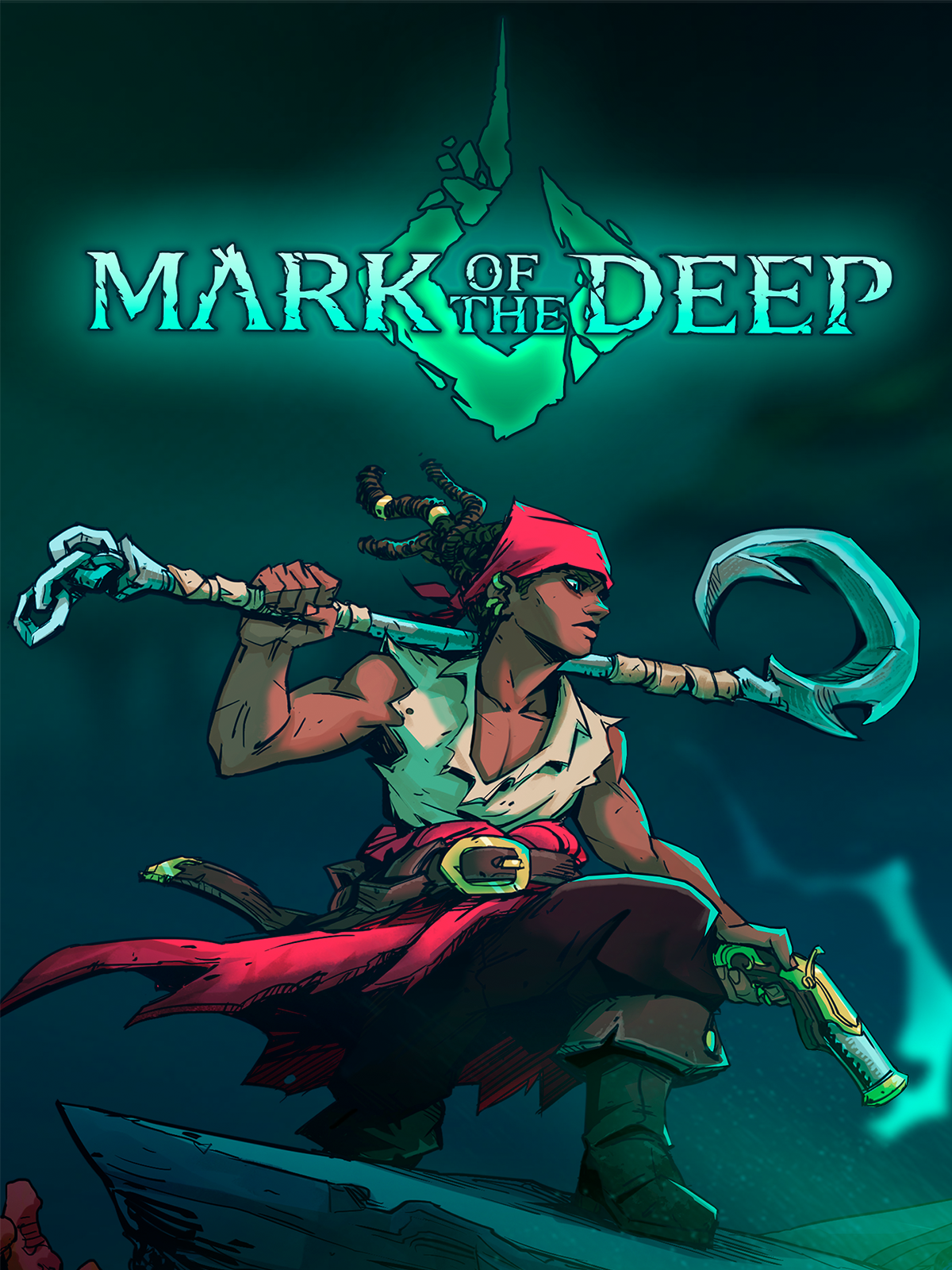
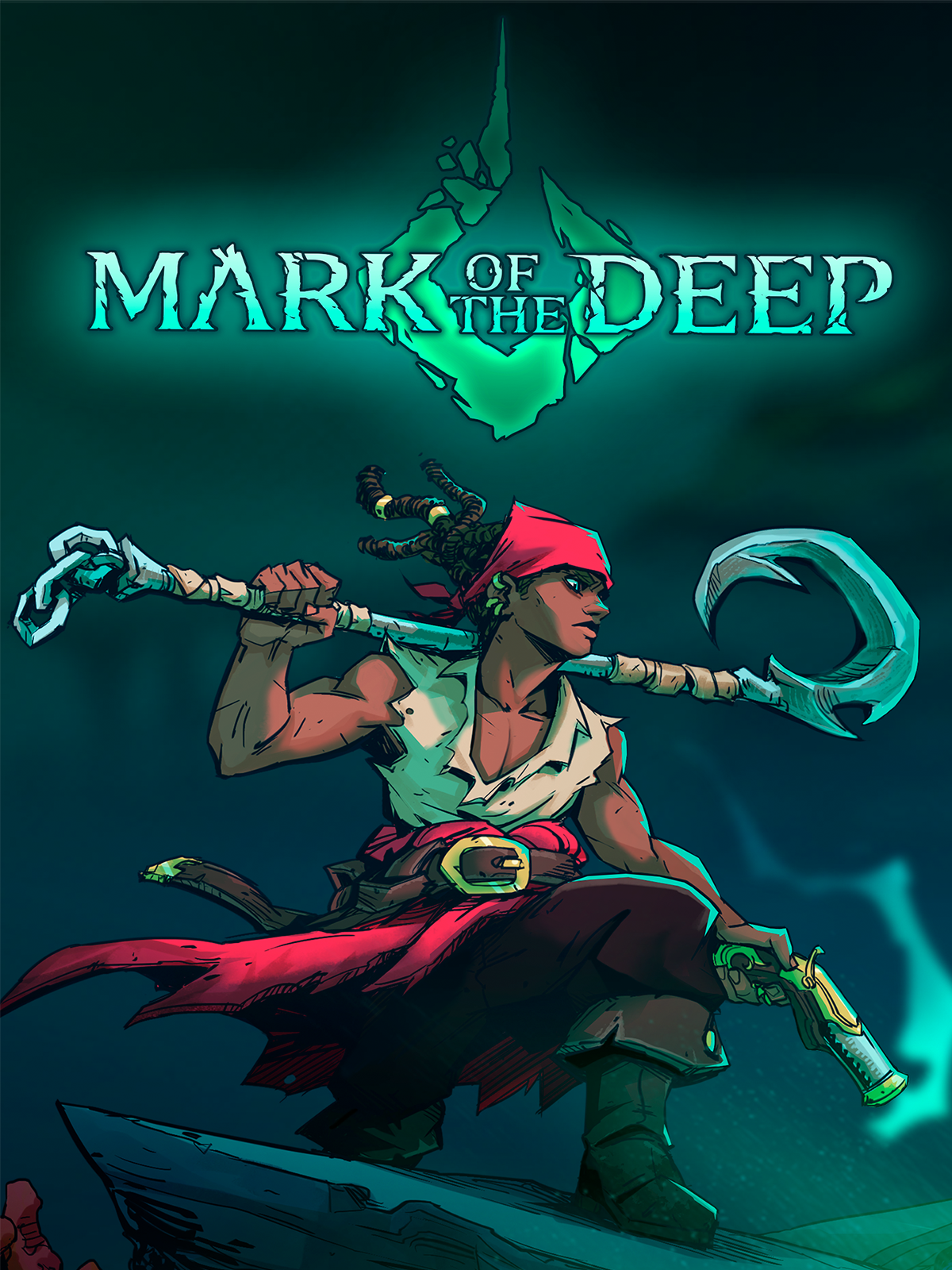
Metroidvania meets Soulslike pirate adventure game Mark of the Deep releases on mobile phones this week via the Epic Games Store, nearly two years after its PC debut.
The title, which is an Epic Games Store limited-time exclusive on Android and iOS, includes both the main game and The Cursed Trials DLC. If you’d like to play it on PC, it’s free until 11 a.m. ET on Nov. 26 on the Epic Games Store.
Despite taking up only 1.5 GB on mobile (the PC version requires 5 GB), it is the complete game, including all biomes, bosses, endings, cutscenes, dialogue, voice acting, and music.
“The difference in file size comes mainly from the optimizations we made to adapt the game for mobile devices,” said Luis Gustavo Marte de Arruda Sampaio, Game Director and Lead Designer on Mark of the Deep.
Charting a course
Sampaio said the team wanted to make an action-adventure game, “but we wanted to add our own twist by incorporating Metroidvania elements.
“We wanted abilities like the hookshot to go beyond combat, allowing players to unlock new paths and explore previously inaccessible areas, making exploration a core part of the experience.
“At the same time, we wanted to build a world filled with mystery, interesting characters, and NPCs that players could meet along the way, creating a sense of companionship throughout the adventure.
“That's how we came up with the idea of playing as a pirate shipwrecked on a mysterious island, where the remains of an ancient civilization hold secrets waiting to be uncovered. That combination of action, exploration, mystery, and character-driven storytelling became the foundation of Mark of the Deep.”
Developer Mad Mimic went into development with the idea of leaning into the Metroidvania side of the game, but quickly realized that the 3D isometric, top-down perspective limited how much they could explore movement-based mechanics, something they saw as integral to the Metroidvania experience.
So instead, the team borrowed elements of the genre rather than building a full Metroidvania.
One casualty of the project's scope was a hub that would have grown along with the player's progress.
“The idea was that, as [Marcus “Rookie” Ramsey] explored the island and found more members of his missing pirate crew, their ship would gradually be rebuilt and expanded, visually reflecting the player's progress toward the end of the game,” Sampaio said. “Ultimately, we had to prioritize the scope of the project and focus our resources on the core gameplay, exploration, and narrative. Those were the elements we felt were most important to get right.”
The PC version of the game launched in January 2025 to mostly positive reviews, and the developers kept working on it after release.
“One of the great things about the PC launch was that it gave us the opportunity to gather feedback and make a lot of improvements,” he said. “We've been able to refine several aspects of the experience since launch, and it's been great to see how positively the community has responded to those changes.
“Actually, the positive reception played a big role in our decision to develop The Cursed Trials DLC. We noticed that players particularly enjoyed the boss fights, so we wanted to build on that feedback and offer something new with the Boss Rush mode. It was a great opportunity to expand the experience based on what our community enjoyed most about the game.”
Built for thumbs
In bringing the game to mobile, the team had to redesign the controls for touchscreens. They did that by making movement, attack, and dodge the largest and most accessible inputs.
“Those three actions are the foundation of the game's core combat loop: move, attack, dodge, and repeat,” Sampaio said. “Since combat relies heavily on precise dodge timing and quick reactions, we wanted those actions to feel as natural and responsive as possible.”
For the game’s secondary actions — things like ranged weapons, healing, and the hookshot — the developers positioned buttons around the main controls.
“We carefully considered thumb placement and reach, especially since the game is played in landscape mode,” he said. “The goal was to keep every action within easy reach without interfering with the player's ability to attack, dodge, or move. And yes, players can also customize the controls, adjusting both the size and position of the buttons to create a layout that best suits their playstyle and preferences.”
And if you’re just not into touch controls, the mobile version also supports controllers.
Along with tweaking the controls for touchscreens, the developers also made a few balance adjustments to make certain sections more accessible with those controls.
“For example, we adjusted the timing of some puzzles to make them more comfortable to complete on mobile,” Sampaio said. “We also revisited a few combat encounters that were particularly challenging due to ranged enemies, replacing some of them with melee enemies to make those encounters more manageable.”
The mobile version also adds health bars to the bosses, giving players clearer feedback on how they’re progressing through a fight.
“It helps they better understand how close they are to defeating the boss,” he said.
While the map, which some players felt was hard to use on PC, was tweaked in March to include a biome-level view, it hasn’t been changed for mobile.
“Unfortunately, we don't have plans to make further improvements to the game's map,” Sampaio said. “We intentionally designed it to be more minimalistic, as we believe that part of the challenge is for players to find their own way through the world.
“This was a deliberate design choice inspired by the Metroidvania elements of the game, where exploration, navigation, and learning the layout of the world are all part of the experience.”
Under the hood
The mobile version was designed around the Samsung Galaxy A15 as a reference device, targeting 30 FPS on Low graphics settings.
Minimum requirements are a MediaTek Helio G99 or equivalent processor, 4 GB of RAM, a Mali-G57 MC2 or equivalent GPU, and Android 8.1 or later. The iOS version requires a phone running iOS 15 or later.
While the game runs uncapped by default, players can use an in-game option to cap the game at 30 FPS to extend battery life.
“We've also simplified the graphics settings compared to the PC version,” Sampaio said. “By default, the game runs on Low settings to reduce hardware demands and battery consumption, while still allowing players to adjust the settings based on their device's capabilities and preferences.”
Save data and progression do not move between PC, mobile, and console.
Mad Mimic doesn’t have any plans to develop more content for Mark of the Deep, but the game will continue to get support with bug fixes, minor updates, and improvements.
“The mobile version will follow the same updates and patches as the PC version,” Sampaio said. “And yes, both versions will receive updates at the same time. We'll continue supporting and improving the mobile version alongside the PC version, keeping both up to date.”
This isn’t the first game Mad Mimic has brought to mobile (the roguelike Dandy Ace is already available), and it won’t be the last.
Sampaio said, “We plan to continue bringing future games to mobile whenever we feel they're a good fit for the platform.”