Mecharashi is living out every mecha fan's dream—a crossover event with Evangelion
Earlier this month, the towering mecha of Neon Genesis Evangelion soared onto the battlefields of free-to-play strategic RPG Mecharashi. But before that could happen, someone had to figure out how to make the scale work.
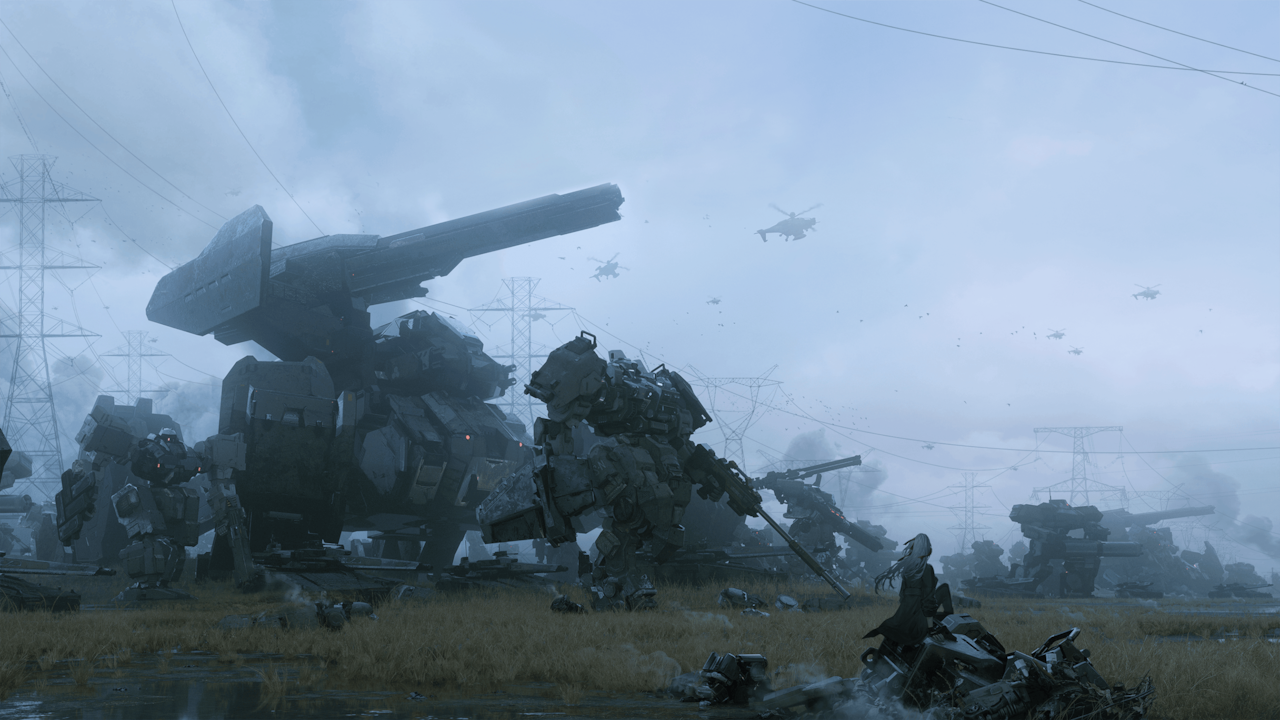
Where the standing tanks, or STs, of Mecharashi are rarely taller than a two-story building, the EVA units from Evangelion can approach 300 feet and weigh thousands of tons.
We recently had a chance to discuss with the developers at BlackJack Studio how they figured that out, as well as their work creating Mecharashi at a time when mech games are a niche.
In mid 2025, Mecharashi finally launched in English in North America. It’s a rare bird of a video game these days, combining the strategy RPG genre with a mecha theme and then making it a free-to-play title.
Now, just half a year or so later, the studio landed a collaboration with the incredibly popular, genre-defining anime Neon Genesis Evangelion.
Since its 1995 debut, Evangelion has captured people's imaginations and attention with its blend of big-idea mystical sci-fi with a grittily detailed focus on the mechanics and equipment around its titanic mecha stars, the EVAs. Since its 2019 release on Netflix in North America, it has enjoyed a proper resurgence that now spans three generations of fans, reigniting decades-old debates about its themes and characters.
The developers at BlackJack Studio, who asked to be identified as a group for this piece, described themselves as a team "born from China's mecha community" and "stacked with model-building, anime, and manga veterans" that has "binge-watched over a hundred mecha shows." And not just the creatives—even the coders are fans, they noted.
"Japanese strategy games and mecha anime are constant sources of inspiration for us. During long design discussions, we'd throw on mecha shows in the background just to keep our brains firing during brainstorming sessions. And of course, Neon Genesis Evangelion, as one of the genre's defining works, naturally left its mark on the way we approached the game," they said.
A niche in a niche
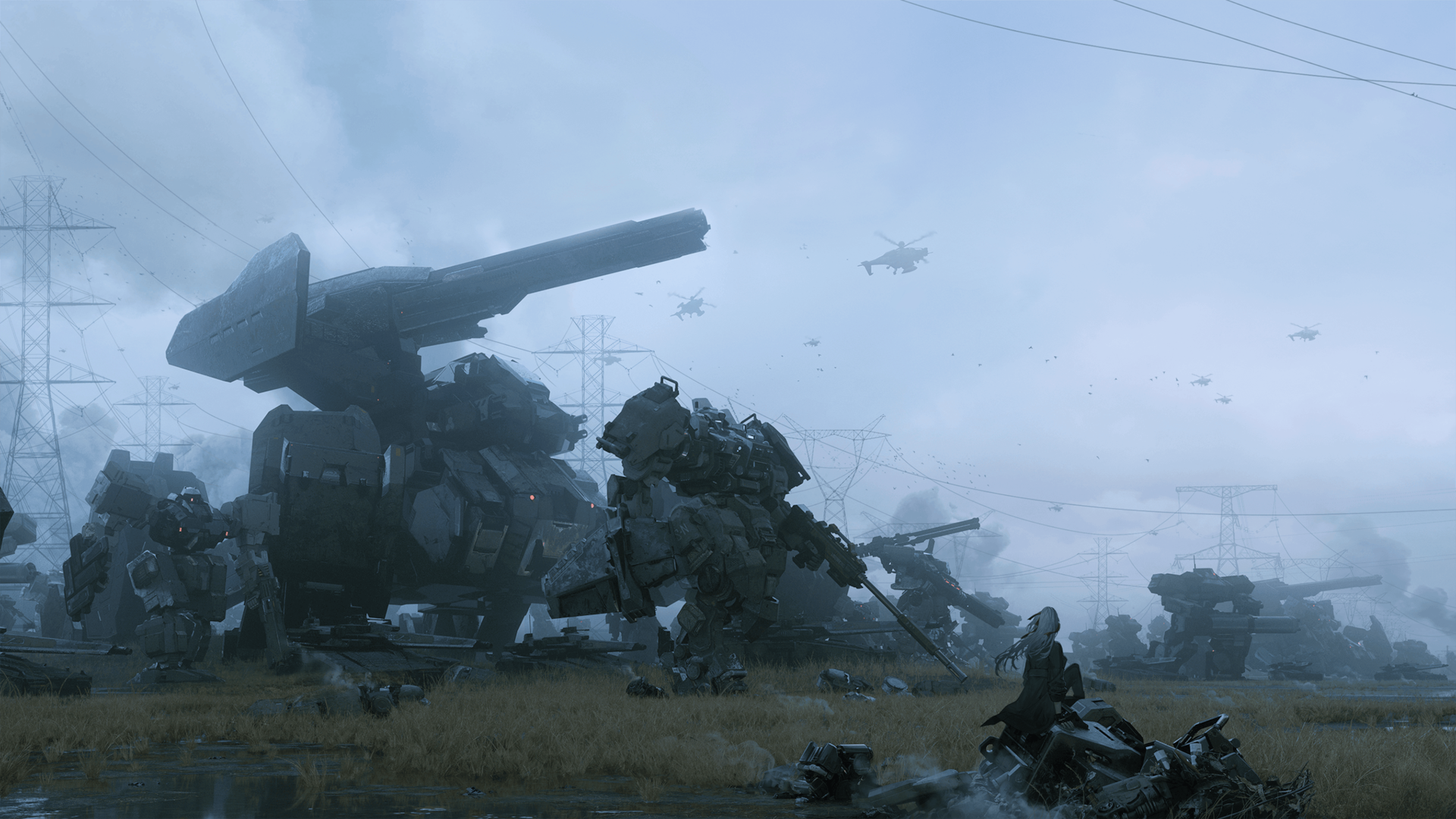
BlackJack's love for the genre is evident in how Mecharashi looks and plays. Mecha is a genre that lives and dies on passion in the messy relationships between the characters, and the excitement players have for the machines. They may not make perfect operational sense, but they are going to look cool. No matter how much focus goes into making them realistic, they're still powered by vibes.
While mechas are a niche, the tactical-grid-based strategy RPG game is a rich niche of its own. It blends the character progression, story, and mechanical complexity of an RPG with the positioning of grid-based combat, blocking terrain, and turn-by-turn movement. It's a blend of planning out a larger strategy before you enter a scenario, with figuring out how to best execute your plan once it makes contact with the enemy. And even the best of plans rarely survive that initial enemy contact.
Creating a game that combines two niches isn’t exactly a formula for sure success. Despite that, Mecharashi has found a following. That success seems rooted in how clearly the people making it love the subject of their game.
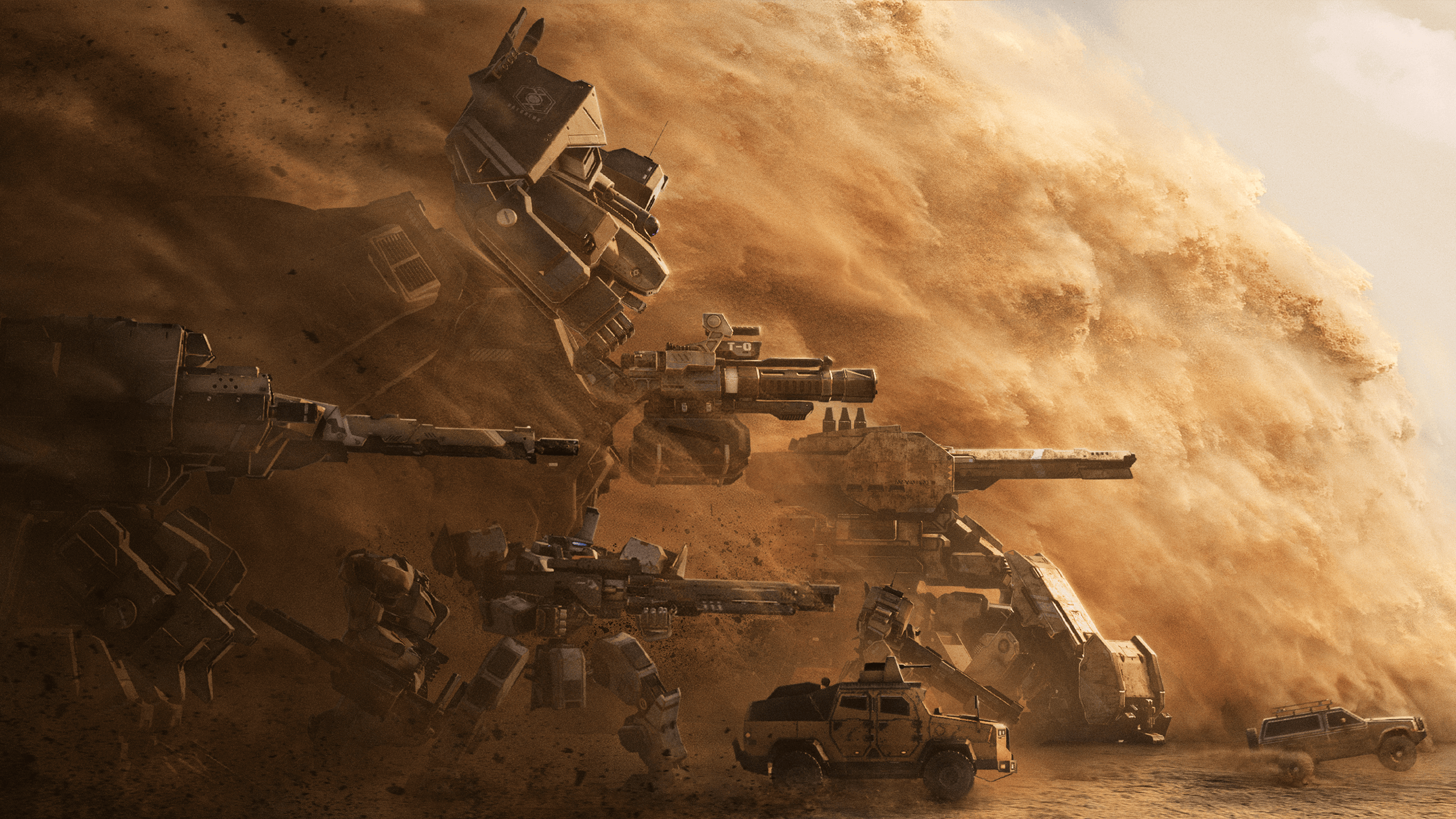
Zooming in on the mech bay shows off hidden details in the models, like panels and hydraulics. In motion, the mechs make short hops for small moves, stride into longer repositions, and deploy road wheels for their longest jaunts across the map. Their arms lock to stable positions before they take shots, or make flourishing movements when a pilot with both skill and bravado is behind the controls. They take advantage of inhuman movement, too, something that underscores just how much the designers are thinking about what a mech is above and beyond a stand-in for a human model. When swinging a massive polearm, for example, a mech's torso will twist beyond what a human's ever could for that little bit of extra momentum.
"The art and storytelling of the genre have always held a deep pull for us, and that shared fascination is what brought together the creators of Mecharashi—mecha enthusiasts, each with different tastes and aesthetics. Through passion, debate, and countless creative collisions, we arrived at a vision we could all stand behind," said the development team.
Tactically taunt
What emerges as you play Mecharashi is a combination of the classical mecha strategy RPG elements with a gameplay style that incorporates modern design sentiments and better fits the free-to-play format. The progression of your characters and your mechs, customizing them, unlocking new ones, and deepening their skills, is its own overarching game that ties into the normal ways you'd expect to unlock new stuff in a free-to-play game—earning currencies and such by playing.
Through it, you get new pilots, who can get new abilities and increase their statistics over time. You separately build and customize Mecha with arm, leg, and torso parts as well as equip them with backpack-mounted and handheld weapons and gear. It's a lot of stats to tinker with, and different specs align across different parts for various effects and abilities that open up new and varied strategies. A mech might specialize in being hard to kill so its pilot can take the fore and distract enemies, protecting allies with a shield, or it might take that same defensive pilot and give them as much firepower as possible to make a tank that's both a threat and hard to take down.
Mecharashi takes that specialization and focuses it into bite-sized combat scenarios. Made to work across both mobile and PC, they're ideal, short little fights that rarely take ten minutes to resolve—your five mechs against five to ten enemies, a boss fight, or an objective to accomplish like protecting a moving vehicle or escaping an area.
Long-term play is all about that experience of getting really, really good at the tactical challenges it throws at you. As some missions recur, or show up in tweaked forms, you start to want to figure out how to beat them ever-faster, or with fewer casualties, to get greater rewards. At the core of that is how Mecharashi's fights play out, with a big focus on tactically destroying parts of the enemy units to disable their weapons or cut down their mobility. It's a part of the mecha fantasy that Mecharashi nails with limited time and space in which to do it.
The crossover
"I think every mecha fan, at some point while watching Neon Genesis Evangelion, has imagined what it would be like to pilot an EVA. This crossover gave us the chance to personally recreate the world and the mecha of the original series—and in doing so, finally fulfill a long-held dream of our own," said one developer at BlackJack.
The crossover brings Neon Genesis Evangelion protagonists Shinji, Asuka, and Rei to the world of Mecharashi as pilots for your roster. Their unique abilities reflect their most interesting powers from the anime—they can synchronize with their mechs, becoming more powerful as they do. They've also got weapons to suit their more famous scenes. Asuka, for example, is a polearms specialist to fit her—no spoilers—affinity for the Lance of Longinus, and can even throw polearms in straight-line ranged attack.
Pilots are one element of the game, though—and the element most easily dropped into the game. The EVA units themselves, however, were out of the question for a direct translation to Mecharashi's world, said the developers.
"EVAs are massive compared to the STs in Mecharashi, so the moment the crossover was confirmed, we knew scale would be our biggest challenge. How do you bring EVA into the game without breaking the world?
"After many rounds of discussion," said the developers, "we landed in a clear direction: identify the EVA's visual anchors and rebuild them into a form that preserves its iconic identity, while still feeling like it belongs unmistakably to the world of Mecharashi."
The results are unmistakably cool translations of now-iconic designs into a different world. You can clearly see the fiercely pointed head of the purple EVA-01, the tall wing-like fins atop EVA-02's red shoulders, and the hunchbacked, almost hulking look of the yellow prototype EVA-00. In the game, they're pretty beastly mecha, all specialized to work with their chosen pilots—as fits the show crossover—but also pretty darn powerful at their specialized roles.
The Mecharashi x Evangelion event runs until Feb. 25, 2026.