Mixtape wants to give you frisson
Nostalgia is a particularly potent force in 2026, so much so that we’re seeing a cultural shift away from the smartphone, and towards the simple life — when our biggest worries were making sure our Tamagotchi’s were fed, and our wired headphones weren’t jumbled into a knot. It’s one thing to understand the concept, but it’s another to create an interactive world where players engage with such a wistful feeling up close. Mixtape, the latest adventure from BAFTA-winning studio Beethoven and Dinosaur, brandishes this powerful sentiment by putting players in the shoes of three music-obsessed weirdos as they reminisce about their final days of high school in the 1990s, resulting in an inspired, psychedelic, and needle-drop-filled adventure.
“It started with the music,” explains Mixtape writer and director Johnny Galvatron. “Our characters, our pacing, our narratives always seem to begin with music – to create a game around a colossal playlist, they add. ”The mechanics are a mixtape, the music is a mixtape, the characters are a mixtape of slightly different eras, the artstyle shifts from sunlit skate runs through mountain canyons, to live archival footage, to grainy black and white”, he continues. “It’s a kind of cohesive collage present in all elements of the game.”
Life moves pretty fast
Mixtape centers around three characters: Stacy Rockford, Van Slater, and Cassandra Morino, who, despite the usual parental disapproval and clear aesthetic paradoxes, have formed a bond unique to this heady, formative time of their lives. “Rockford is a music-obsessed dreamer and petty vandal preparing to leave her hometown for New York to be a musical supervisor, crafting the soundtracks for films,” says Galvatron. “Van Slater has no such desires and an almost zen-like appreciation of his hometown. Cassandra is a straight-A student, corrupted, her parents say, by Rockford and Slater.”
The story picks up as the three head to one final party before college and adulthood arrive to suck the fun out of life. With much of Beethoven & Dinosaur’s development team being children in the ‘80s and ‘90s, Mixtape was not only an opportunity to give a generation of players a burst of intimate frisson, but also a vehicle to revisit their own pasts. “To me, animating it, it felt like a chance to sort of hang out there a bit more,” adds Mixtape Principal Animator Joe Toole.
Yet notably, while the studio is based in Melbourne, Australia, Mixtape is primarily concerned with suburban Americana. “To me, it is a story that takes place far away, in a fictional town that lingers like an embodiment of an ‘80s, ‘90s radio station, still brimming with some excess of the period and the monoculture,” adds Galvatron.
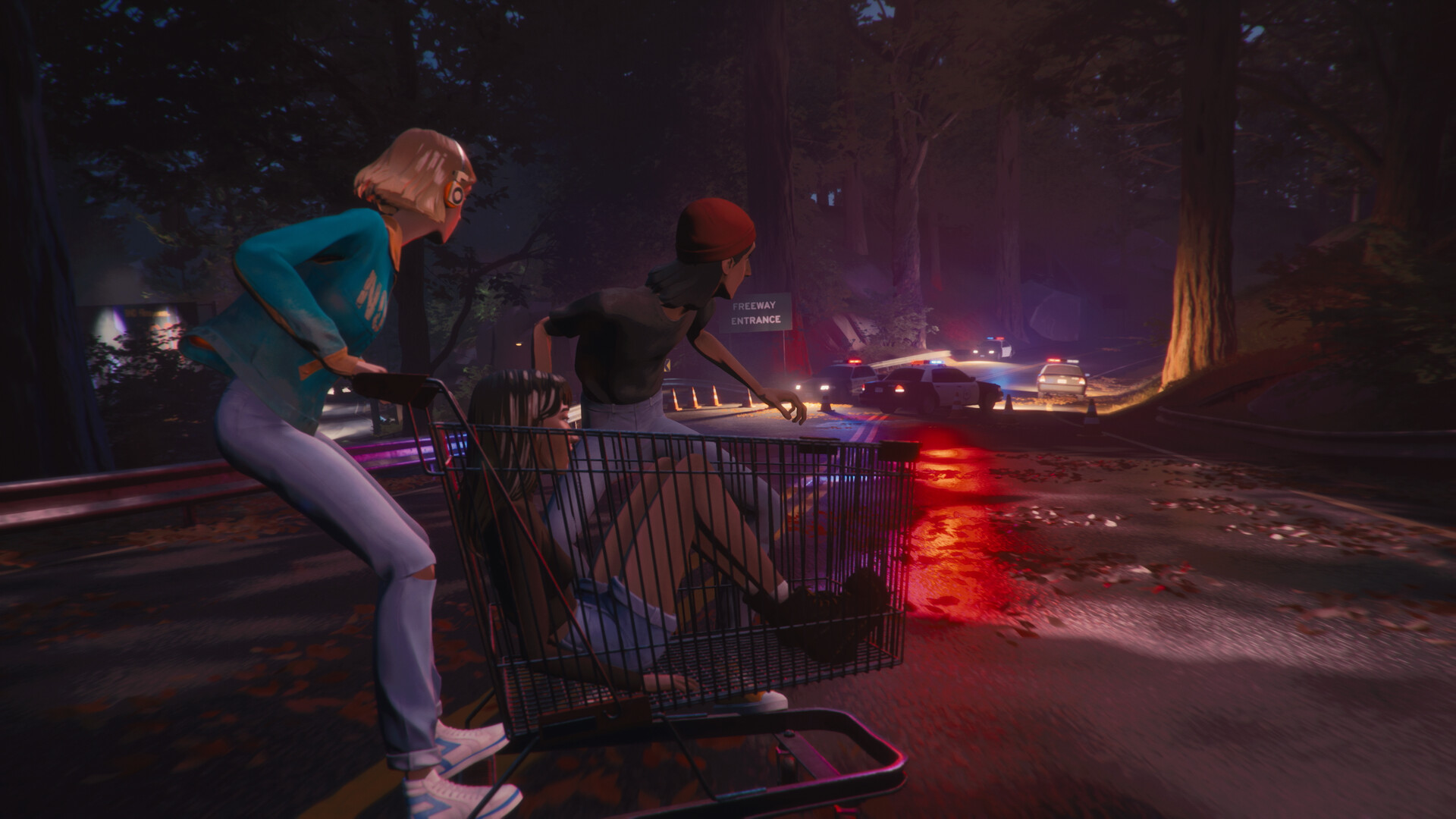
Beyond reminiscing, Beethoven & Dinosaur also wanted to explore the heightened emotions that arrive as you’re on the precipice of great change. “When (the three characters) are all together, there’s a quiet sense of ease,” says Toole. “They obviously raise hell, skate through traffic, and ollie over police cars”, he continues. “But none of it is malicious or cruel. I think some of the best moments in the game are when they’re all just hanging out.”
Heavily inspired by coming-of-age classics like The Breakfast Club and Richard Linklater’s rebellious comedy Dazed and Confused, Beethoven & Dinosaur were keen to replicate the atmosphere of the Hang Out film subgenre. “From an animation perspective, I avoided characters making obvious acting choices,” explains Toole. “(Reactions) like big dramatic eye rolls, long exasperated sighs, angrily stomping off, etc. The emotions can be big, but that doesn’t mean the acting needs to be as well,” they add. “I think you can get a lot of relatability out of that. And as a result, not immediately give the player the impression that they instantly know everything about this character,” they continue. “There’s more to be seen and digging to be done to uncover and understand. Hopefully, it draws people in.”
Throughout the game, the main protagonist, Stacy Rockford, occasionally breaks the fourth wall, speaking directly to the player in unexpected moments. “There are three distinct inspirations here, Mike Myers’ in Wayne’s World, John Cusack in High Fidelity, and Matthew Broderick in Ferris Bueller’s Day Off,” says Galvatron. “I wanted to include information about the songs, when they were made, facts and interesting stories about creators, but it would’ve been awkward in straight dialogue,” they note. ‘Sometimes a character just starts talking that way, and all you can do is write it down.”
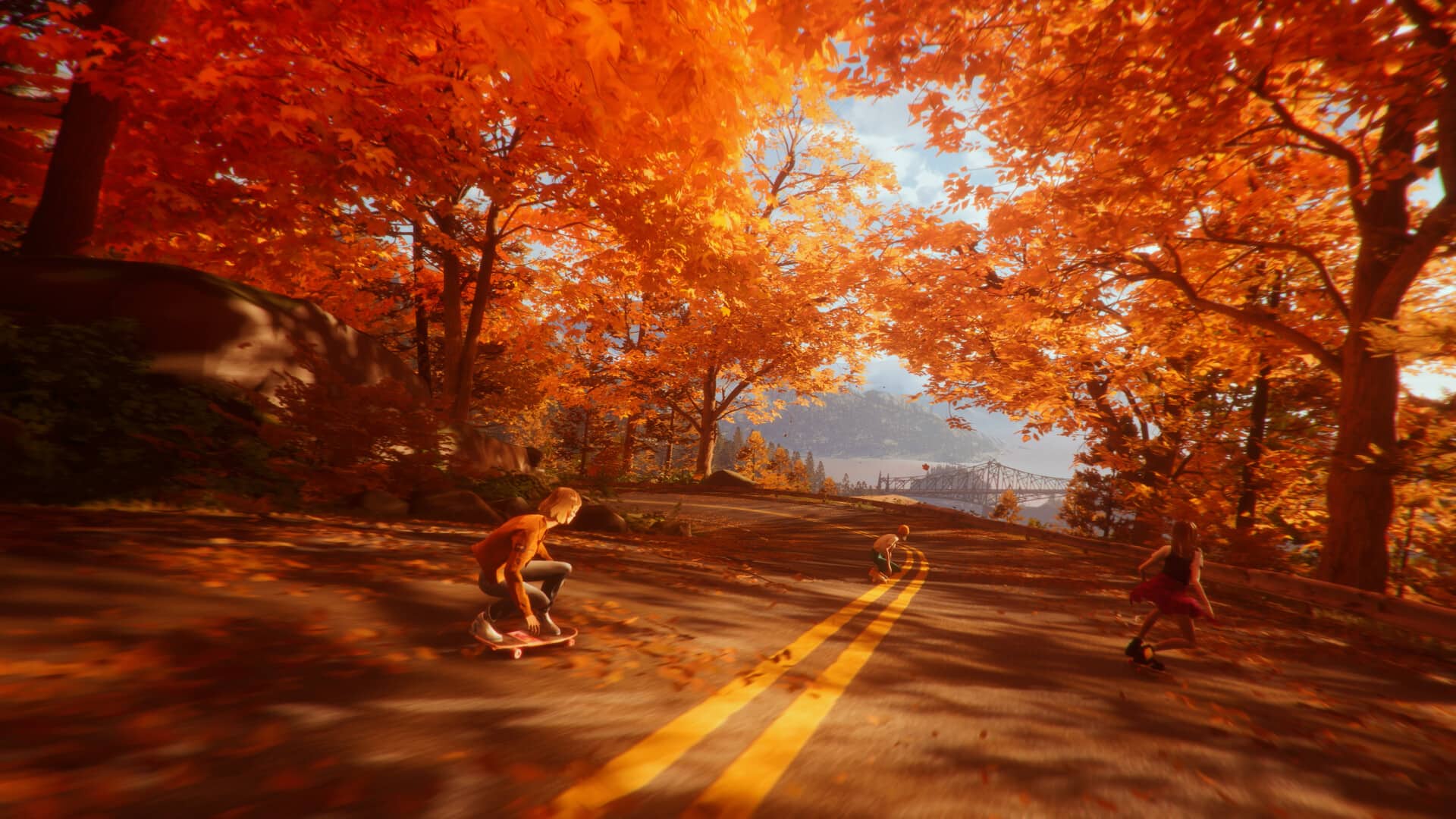
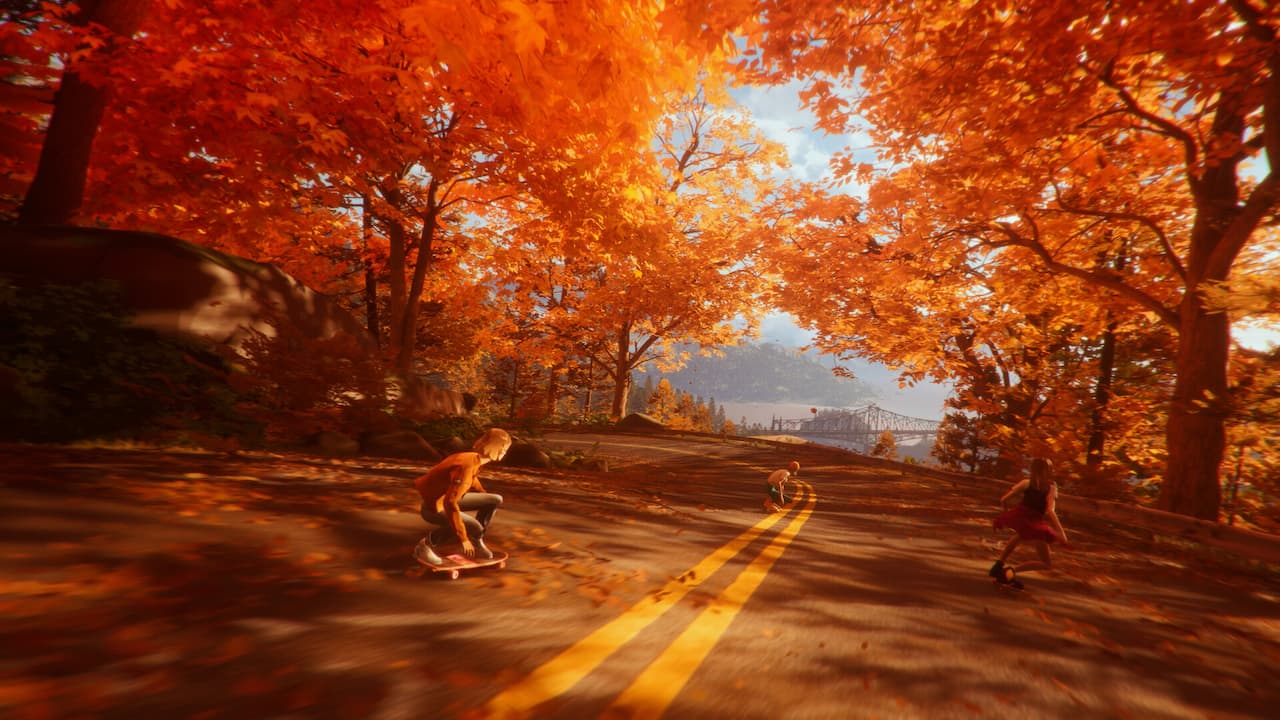
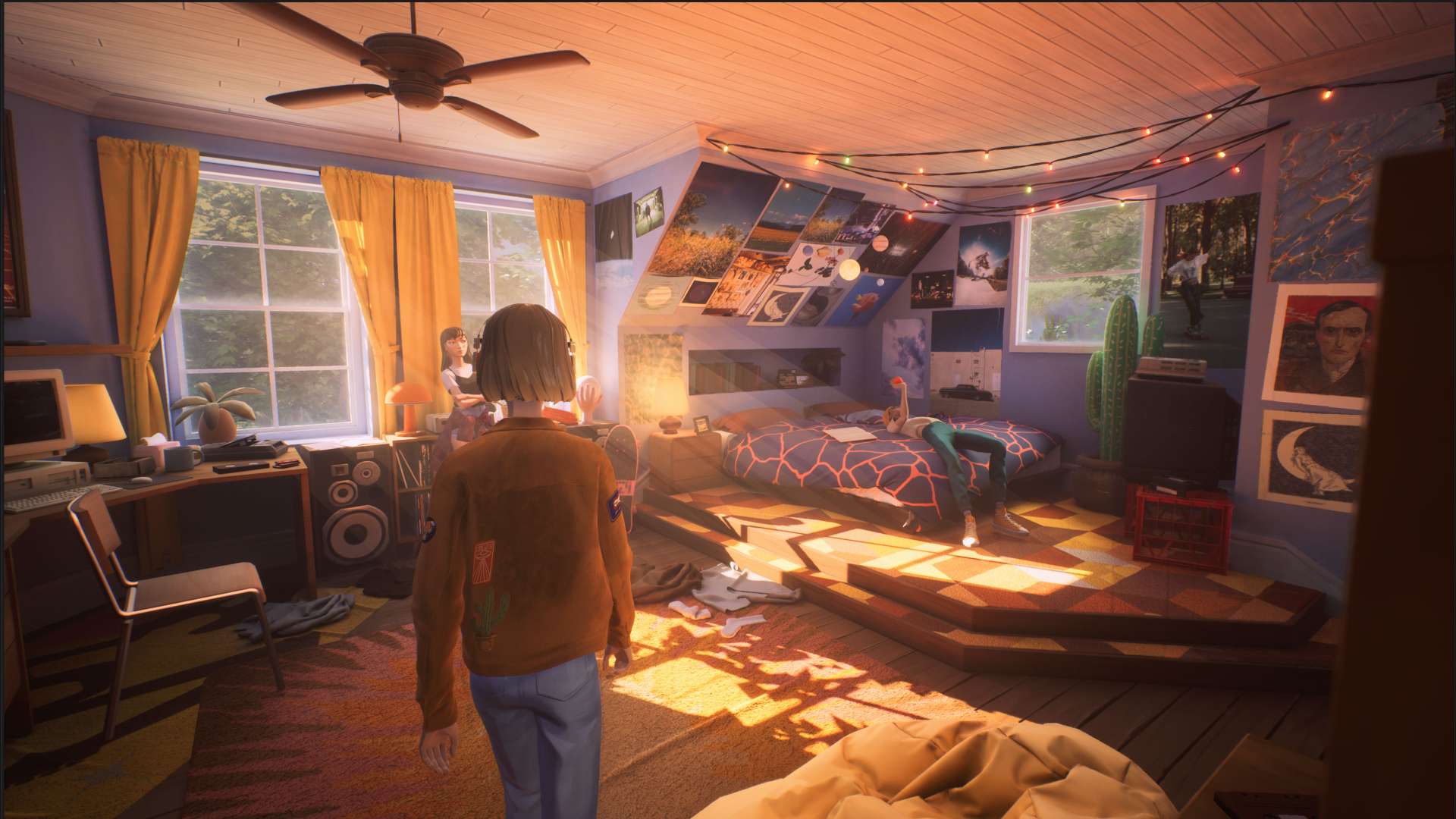
Another key aspect of selling the reflective fantasy was the fashion. Across trailers, the group skate down burnt-orange forests and chat on car bonnets, dressed in baggy checkered shirts, period-appropriate band tees, and scuffed canvas sneakers, with items, like Rockford's sweater, ripped directly from Galvatron’s own wardrobe. Eagle-eyed viewers may be curious about the specific year or time Mixtape is operating within. Alas, Beethoven & Dinosaur kept it purposefully vague. “There’s no real exact 'year' this game is taking place in,” notes Toole. “Even the characters feel like they’re from slightly different times – somewhere between 1985 and 1995.” A mixed-media visual style is deployed to further muddy the timeline, with Beethoven & Dinosaur blending moody live-action footage with cutscenes and gameplay.
It’s a style that evolved over the course of production, as a labour of love between the animators, artists, and tech directors. “We begin with a general tone, an idea of the level of painterliness, how we’ll use our lights, our lenses, our style of animation - but that is only some distant marker,” Toole explains The journey takes you on different paths, tech blends with art in unexpected ways, shaders give you new opportunities, the level between reality and stylisation is constantly in flux.”
Fine-tuned
Impressive needle drops are the beating heart of Mixtape, with tracks from DEVO, The Smashing Pumpkins, and Joy Division all woven into key moments of interactivity as the crew moves through the night. “You’ve probably seen footage of skating down a hill with friends, throwing toilet paper over a house, and tongue wrestling in gruesome detail,” notes Toole. “We really tried to represent the throes of teenage emotion through the mechanics: How would you describe what it feels like to be stood up by your friend mechanically in a game? What song would be playing? How would you describe the feeling of rocking out to a song in your car with your pals mechanically?” Though when asked about the meaning behind some of Mixtape’s distinctly supernatural exacerbations of teenagedom — you can see the characters flying in its latest trailer — the duo of developers were tight-lipped.
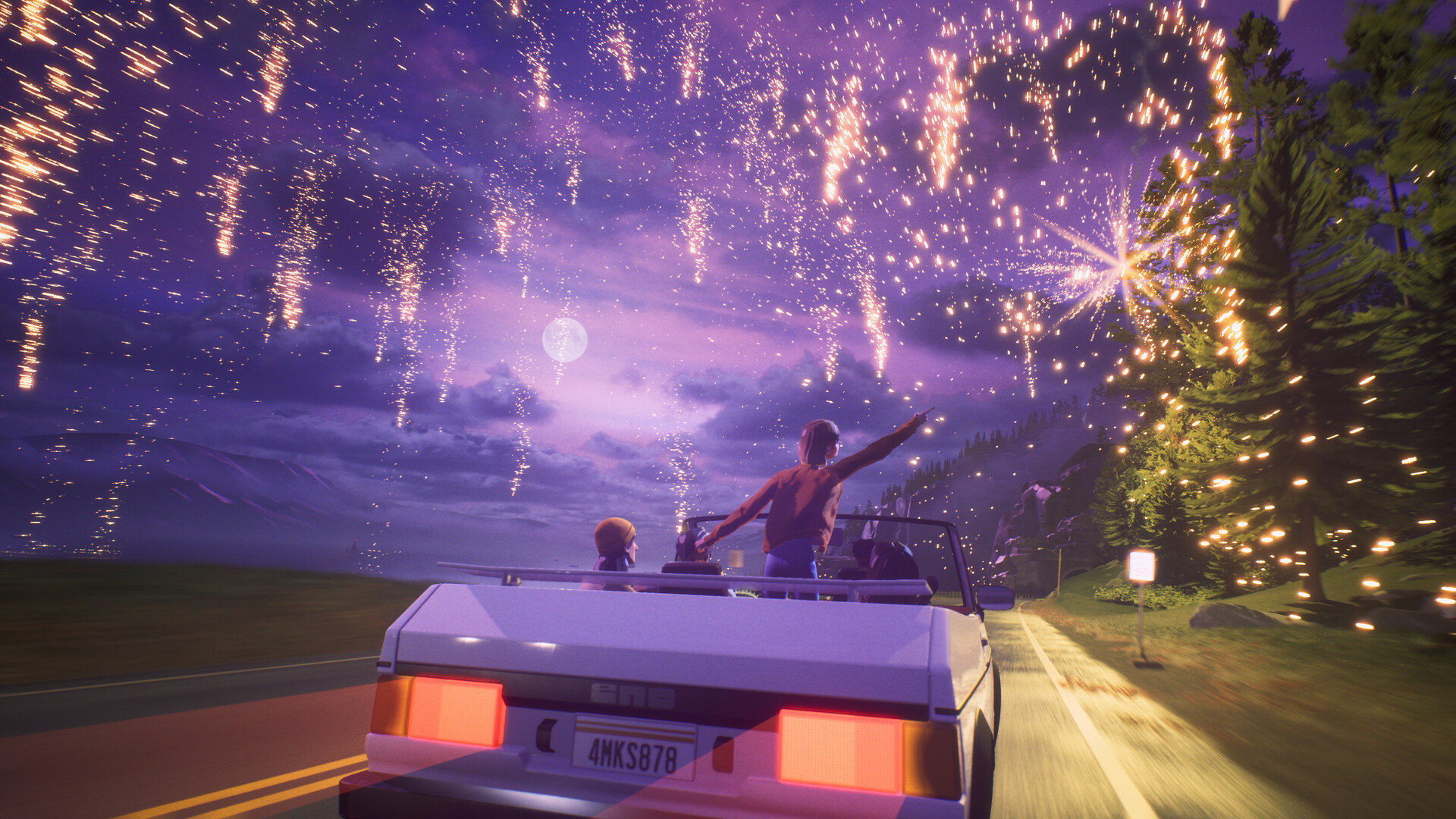
Toole went on to explain that quite a lot of the game had shifted over the course of development. A late game sequence called Coastal Cruise, which arrives alongside Roxy Music’s sophisti-pop classic More Than This, was pushed earlier in the runtime for purely resonant structural reasons. “We played with the order of the tracks for a long time, placing them end to end, rearranging, replacing, swapping, until the story it told was fast and beautiful and the crescendos landed where they should,” says Galvatron.
It makes sense that Beethoven & Dinosaur has approached the creation of its sophomore game with the endearing meticulousness of a vulnerable teenager trying to soundtrack their crush’s summer. We let the soundtrack guide us,” says Galvatron. “The emotional heights, lows, explosions, whimpering, guitar solos, screaming, rage, love, were already there – we just built upon the shoulders of giants.’ It clearly took a lot of tinkering to get right, but hopefully, when it lands later this year, Mixtape can soundtrack your summer too.
Mixtape launches on May 7 on the Epic Games Store.