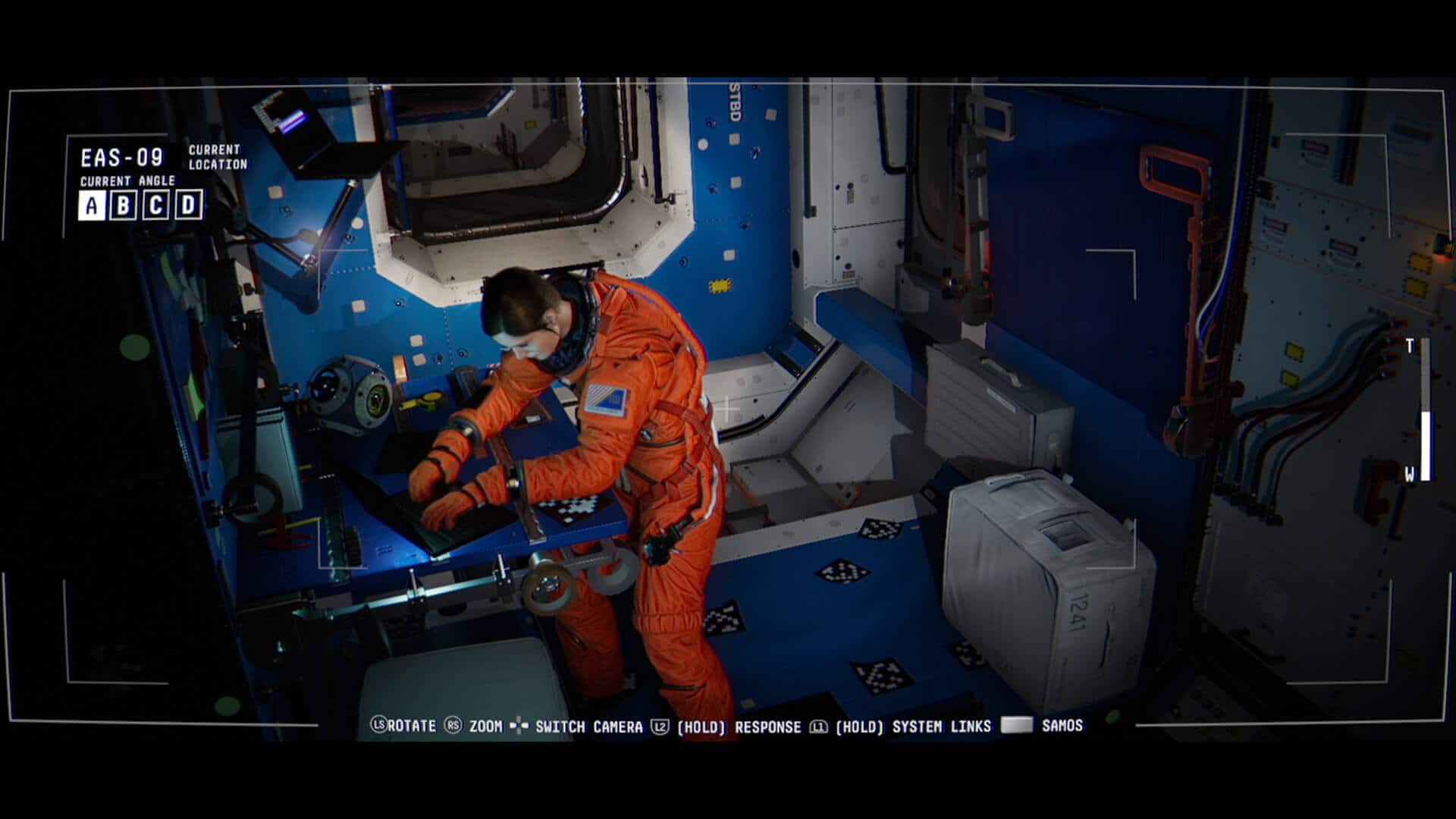
Observation uses realism to smuggle its creeping horror into your brain
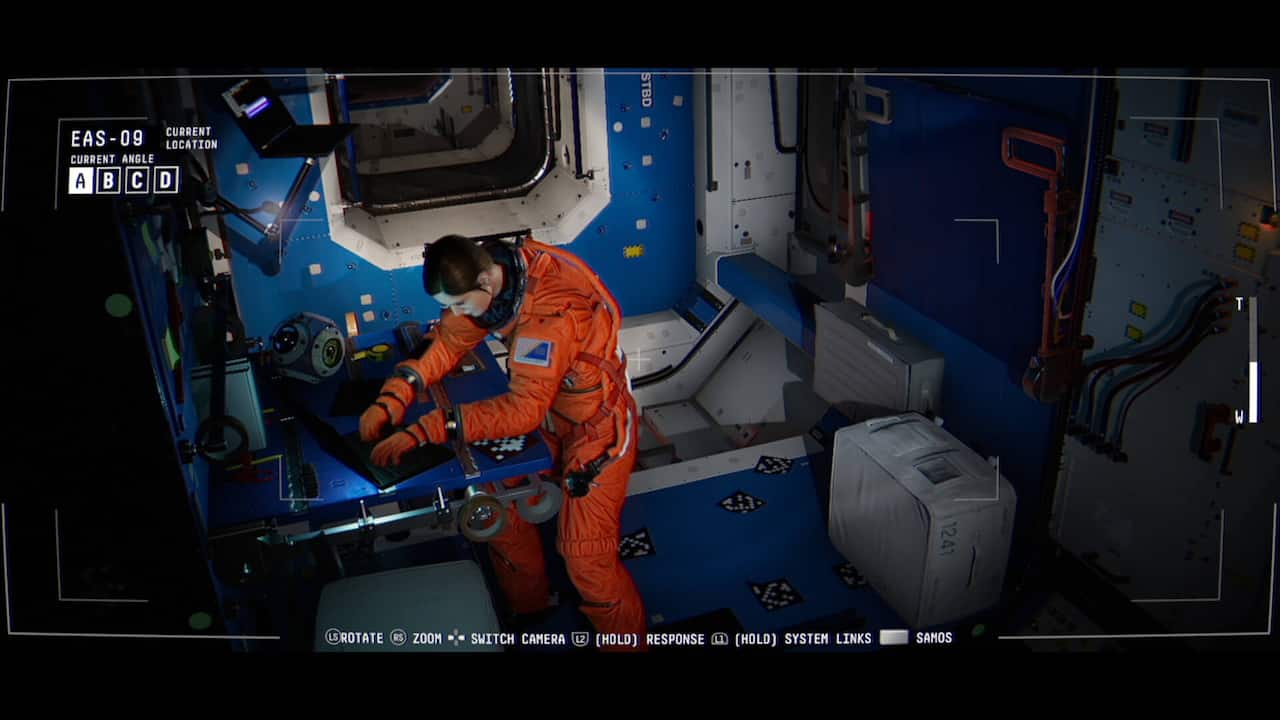
I’ve not had much experience operating nuclear fusion reactors, and the screen I’m looking at doesn’t invite experimentation. I press the button marked “Enable Containment” and hear the sound of magnets warming up. When I press “Inject Plasma” next, fizzing rings of primary colors start waving uncontrollably in the center of the monitor’s readout. A system time-out clock begins to count down from 50; presumably, this is how long the engineers trusted uneducated hands to mess with a potentially explosive reactor.
“I have no idea how that thing works,” Dr. Emma Fisher says in my ear. “You’re pretty much on your own, I’m afraid.” Despite being the only known survivor aboard the space station Observation, Fisher is entrusting the job to me because I am SAM, the AI in charge of the station’s systems.

There are six magnetic nodes I can adjust. As I increase and decrease the power flowing through them, the frantically moving rings warp in response—attracted or repelled by the nodes. I realize I must bring them to order, shaping them into a stable circle before the system clock reaches zero.
When I manage it, Fisher says, “Good job,” and I’m proud of solving the puzzle, but there’s no time to bask, as immediately Fisher is onto the next problem: her dwindling oxygen supply.
As the Systems Administration & Maintenance AI, it is your job to assist Dr. Fisher, who is trapped in a failing space station that’s escaped Earth’s orbit. She directs you to reset docking rings, extinguish fires, pull coordinates from astronomical images, and feed the data into the station’s communications array to send messages to Earth. Every task seems like you’re working with real scientific equipment, and despite their mundane nature—you are, after all, simply operating machinery—each is engrossing.
You view the world through blueprints and security cameras, hopping from feed to feed throughout the station. From your fixed viewing angles, you can scan documents and access computer terminals, read the logs and emails of the astronauts who used them, and learn about their friendships, loves, and rivalries. Developer No Code’s attention to detail immerses you in the space station’s world.
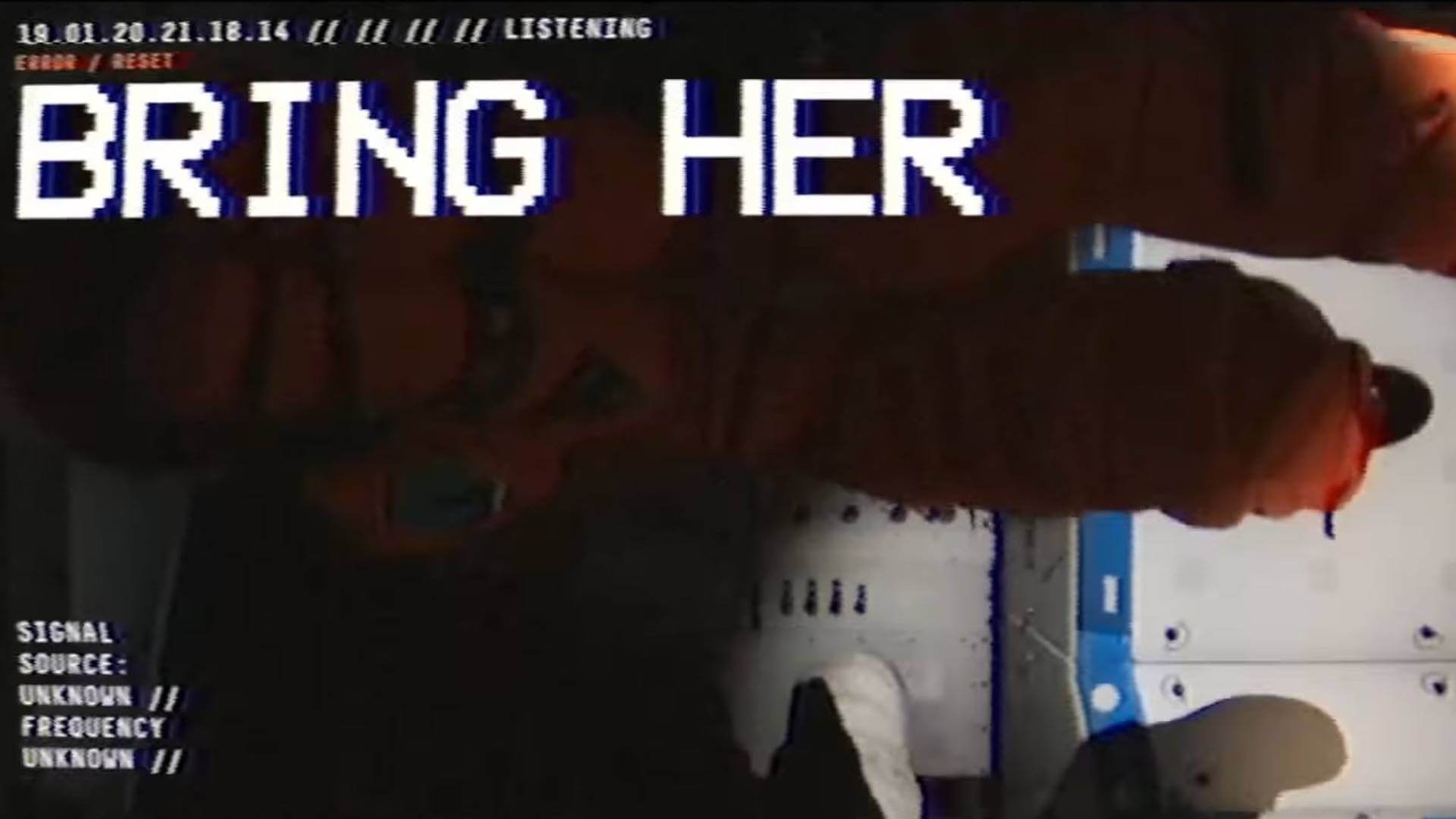
In creating something that appears real, it means when the creeping horror of the story comes into play, it packs a shocking punch. You are immersed in the role of a systems AI, simply solving tasks on a list, operating machines and doing what you are told. What does it mean when you have to question the honesty and intentions of the person giving you those tasks?
I won’t say much more at risk of spoiling Observation’s surprises. However, there is one last reason you should walk in the shoes of SAM: Developer No Code has announced it is working on one of gaming’s most famous horror series. And it looks like its next game, Silent Hill: Townfall, shares that same fixation of the horror you can hide in technology. You should play Observation as soon as possible to understand what is in store