Haberler
RoadCraft guide: important tips to help you master construction in solo and multiplayer
E
Echo Apsey
Our guide will help you to perfectly plan your disaster response so you don’t get stuck moving rubble, laying down power lines, and bringing hope back to the destroyed towns, whether you’re playing it on your own or with co-op buddies.
And don’t forget to read our RoadCraft interview and hands-on!
Drive and build carefully
There’s no vehicle damage in the game, but it doesn’t mean you can just drive like a maniac. If you don’t carefully traverse dirt paths, muddy areas, and even the makeshift roads you build with sand, your vehicle of choice will likely get stuck.
You will then need to respawn your vehicle back on the road, and if you have worn the dirt away or spun your tires in mud, then traversing the path becomes exponentially harder. So don’t get caught in a tricky situation; drive meticulously from the start.
Don’t keep your vehicles locked away
While it can be tempting to keep all your vehicles in your garage, like your scout cars, bulldozers, and crane trucks, you should leave them out in the locations you are working at whenever possible. Unstored vehicles can act like a fast travel point, enabling you to instantly hop into them from anywhere.
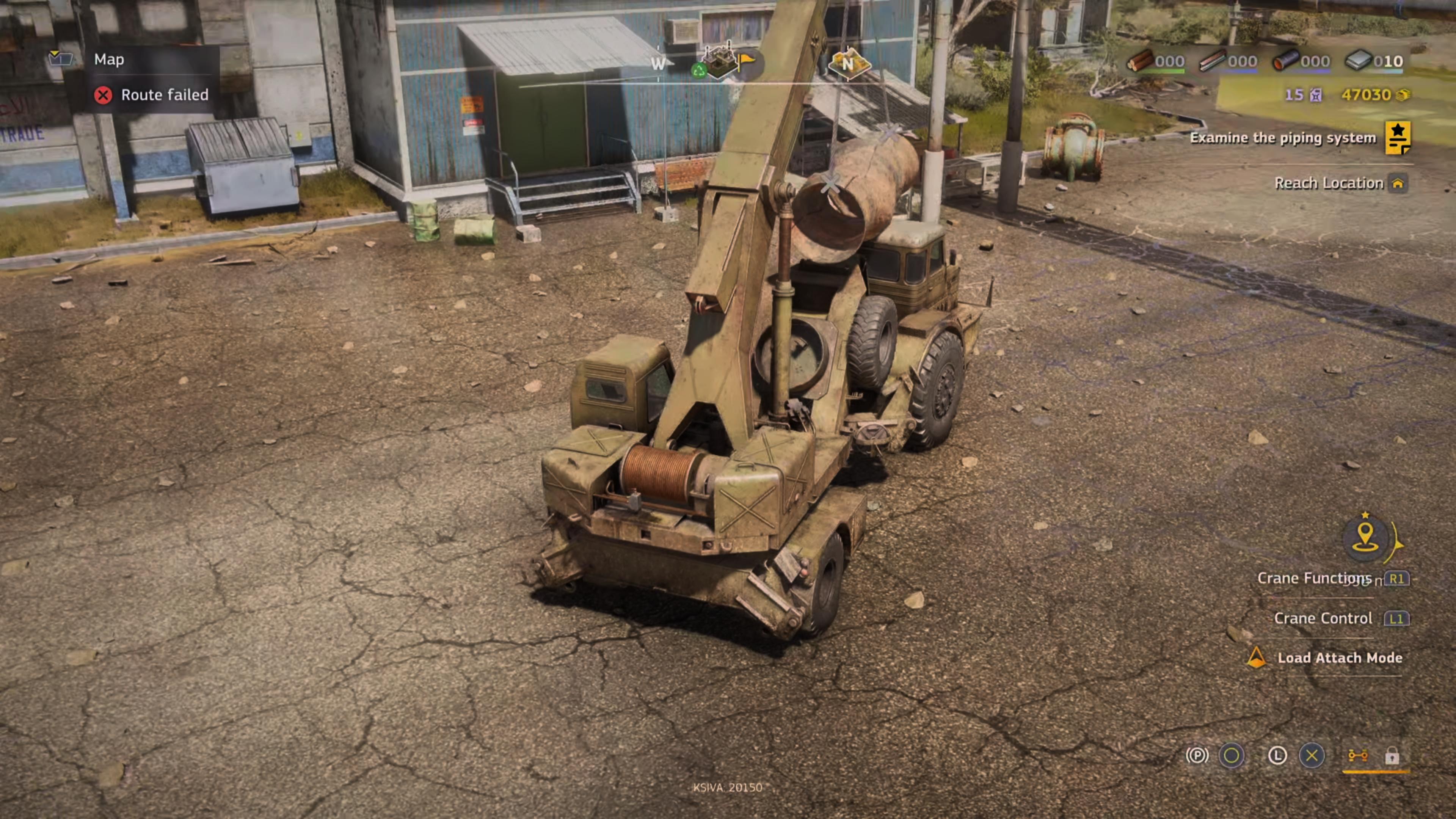
This will save you time, as you can fix an issue on your road or infrastructure route where you left a vehicle rather than having to drive all the way back from the garage (which is often quite far away). It also means other players can hop into these vehicles more easily when playing in co-op.
Plan ahead or you’ll be fixing on the fly
A large portion of RoadCraft involves plotting routes along main roads or pathways for AI trucks to drive along. They will travel between two or more key facilities to deliver materials. However, most of these routes have one or two weak points and heavily degraded areas that your trucks can't get through.
These weak points can be wet or muddy ground, debris, road subsidence, and more. As soon as your trucks hit this spot, the delivery will fail, and you will need to fix the road or area that's causing problems. If you only patch over these issues and don’t properly fix them, you'll have to keep coming back over and over to repair them again.
That's why you must put the effort in early to resolve these problems. You can observe these weak points on the map and zoom in to see areas where your truck may struggle. Generally, darker patches of mud, thinner roads, or areas with water spillage near mud and roads will cause you the most problems.
By putting sand over these areas and eventually building roads with asphalt, you can reinforce the path, allowing your vehicles to drive across it. While it can be tempting just to unload one truckful of sand so you can move onto the next objective, it's much more effective to do this several times by obtaining more sand from the quarries on the map and driving back to the area you are reinforcing to strengthen the path or road and cover its full width.
This does take a lot of time when playing alone, but in co-op, you can speed this up dramatically by having the other players work with you to complete these sand runs or work on several areas along a route at once. When playing with others, reinforcing these areas properly becomes more important, as all the roads and pathways will wear away faster due to the increased vehicle traffic.
Strap down cargo
You can strap pallets and other resources down in any vehicle that has a bed or storage, which is a small, easy-to-miss feature that you'll learn to appreciate with time. By opening up the vehicle options menu, you can strap your cargo into the truck bed to avoid losing it or having it bounce around while you are driving to your next destination.
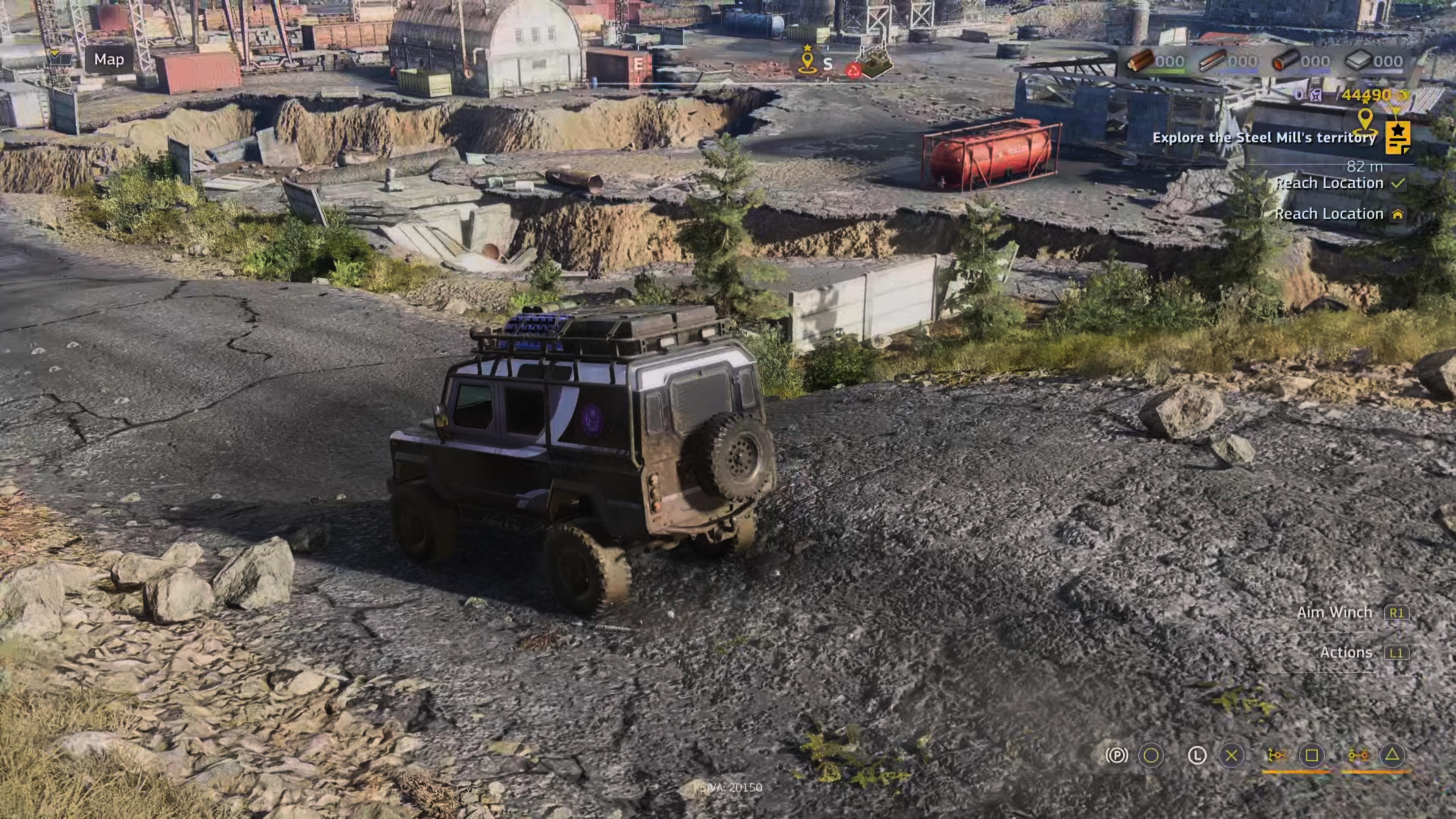
This does require some smart stacking and delicate crane skills to ensure everything is loaded neatly. However, with a bit of practice, you will learn how much of each resource will fit in the bed or cargo area of your truck or vehicle.
Upgrade your vehicles
It’s easy to forget this, but if you feel like a task is impossible, it could be that you need to upgrade the vehicle to a higher model. Doing this improves the performance of the vehicle at its core job, as well as enhancing the vehicle’s engine, speed, stats, loading capacity, and other features, such as adding a crane to a truck. As you face tougher challenges from the aftermath of the natural disasters, the older vehicles will eventually become obsolete.
You will earn money to spend on these vehicles from the shop as you complete objectives. The shop can be accessed from the vehicle menu or the garage. You can upgrade almost every vehicle in the game, and when you do purchase an improved model, it will stay with you and become usable in all the other maps and map iterations available in the campaign. Your friends can use the vehicles when playing with them. You can also sell older models or keep them as backups.
Plan your key infrastructure routes
As you progress further into the game, the objectives and tasks you will need to complete to restore these disaster-stricken towns become much harder and more complex.
Once you reach the second half of the game, you'll be very familiar with the game’s two main maps and each one’s layout. With this knowledge, you should start to plan the key routes that you will use to traverse between facilities, depots, and garages, and focus on reinforcing and building them up to ensure you have a set of trusted roads and paths you can use.
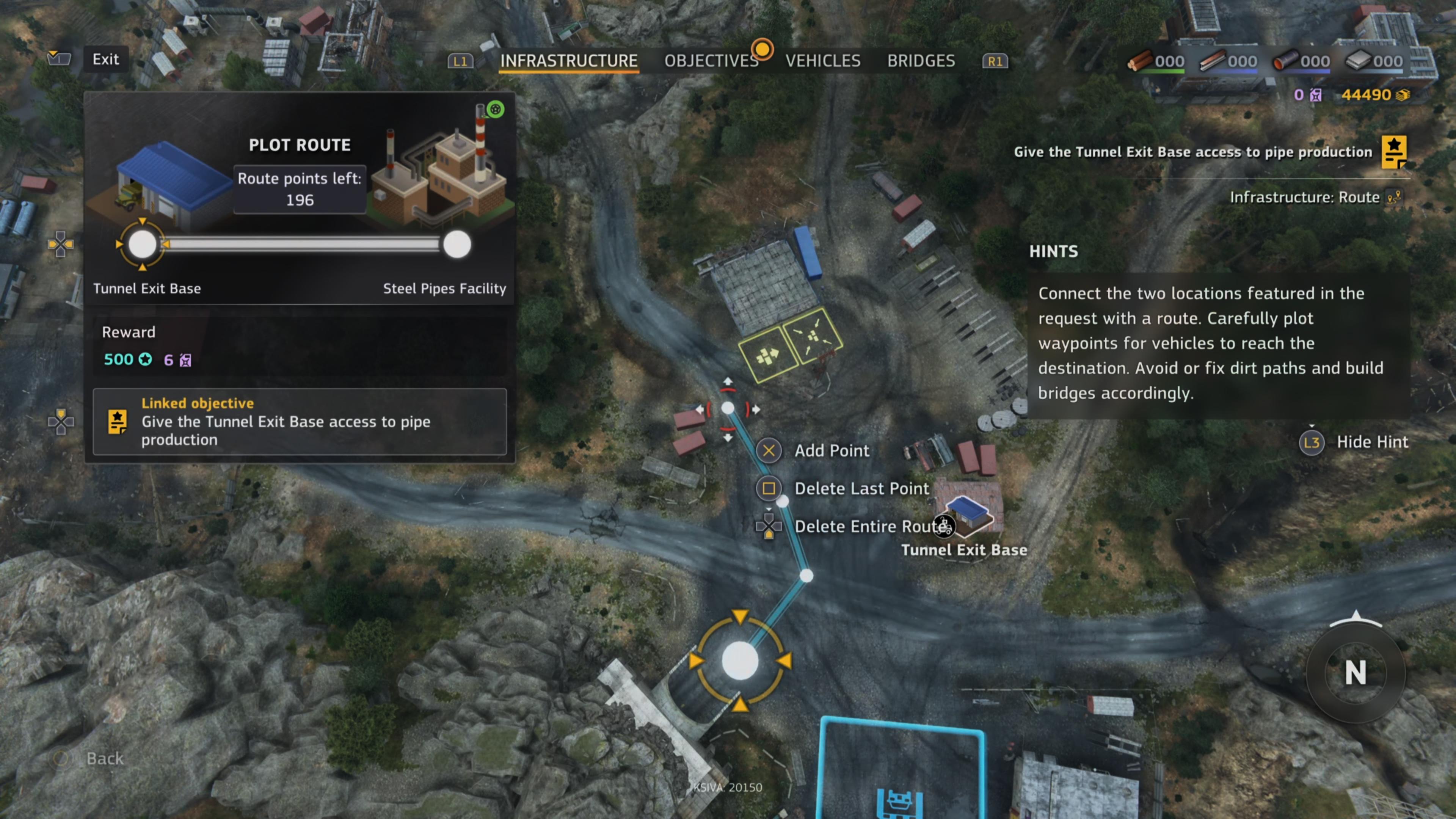
In early maps and challenges, you can drive by the seat of your pants by building roads and covering mud with sand as you progress through the objectives and not run into too many problems. But, later on, a lot of prep work is needed to ensure everything runs smoothly and you don’t get caught in a tight spot where you are scrounging for construction materials or running out of routes to plot.
Recycle resources consistently
In the harder challenges that come in later iterations of the map, it becomes more important to collect rubble from the half-destroyed towns you're driving around and recycle them to build pipes and other infrastructure. If you're playing with other players, you should designate someone to do this at all times to maintain a robust stockpile of materials. While playing solo, you obviously can't do this while you are completing other tasks, but it's still just as important.
You can use rubble like shopping carts, portable toilets, metal beams, plastic water butts, and logs to create wood, concrete slabs, and other vital resources. You can find them throughout the map; they glow or shimmer blue, making them easy to spot. However, almost everything can be brought back to a resource storage site or recycling center to use.
There are some smaller, more specific vehicle features you can take advantage of, like learning each individual vehicle type and how it can be used to maximize your resource development or construction efforts. But these tips should help you improve your construction efficiency while playing RoadCraft alone or with friends.
RoadCraft releases on May 20 on Epic Games Store.