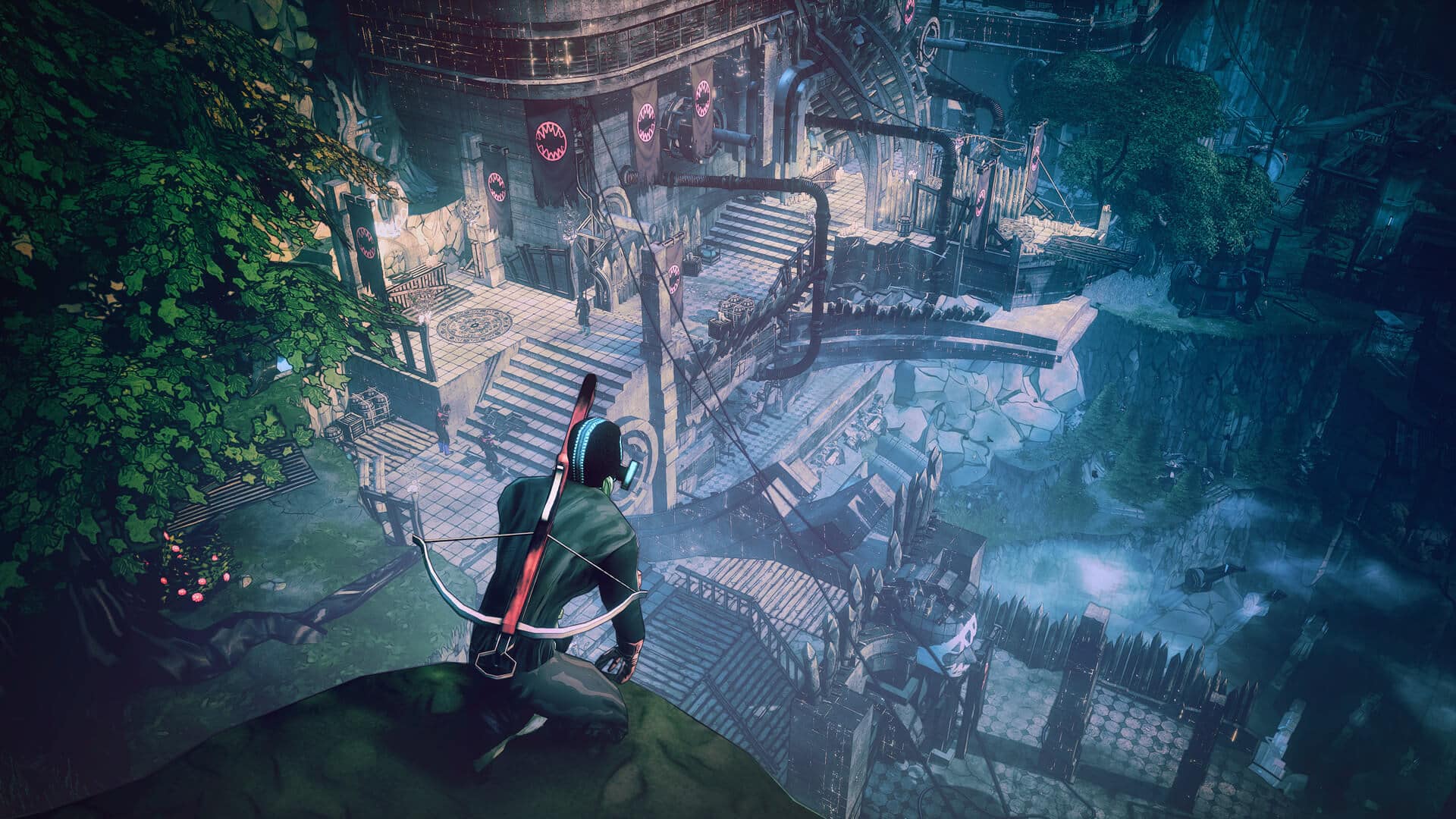
Seven: The Days Long Gone is an RPG where you pick no sides, only pockets
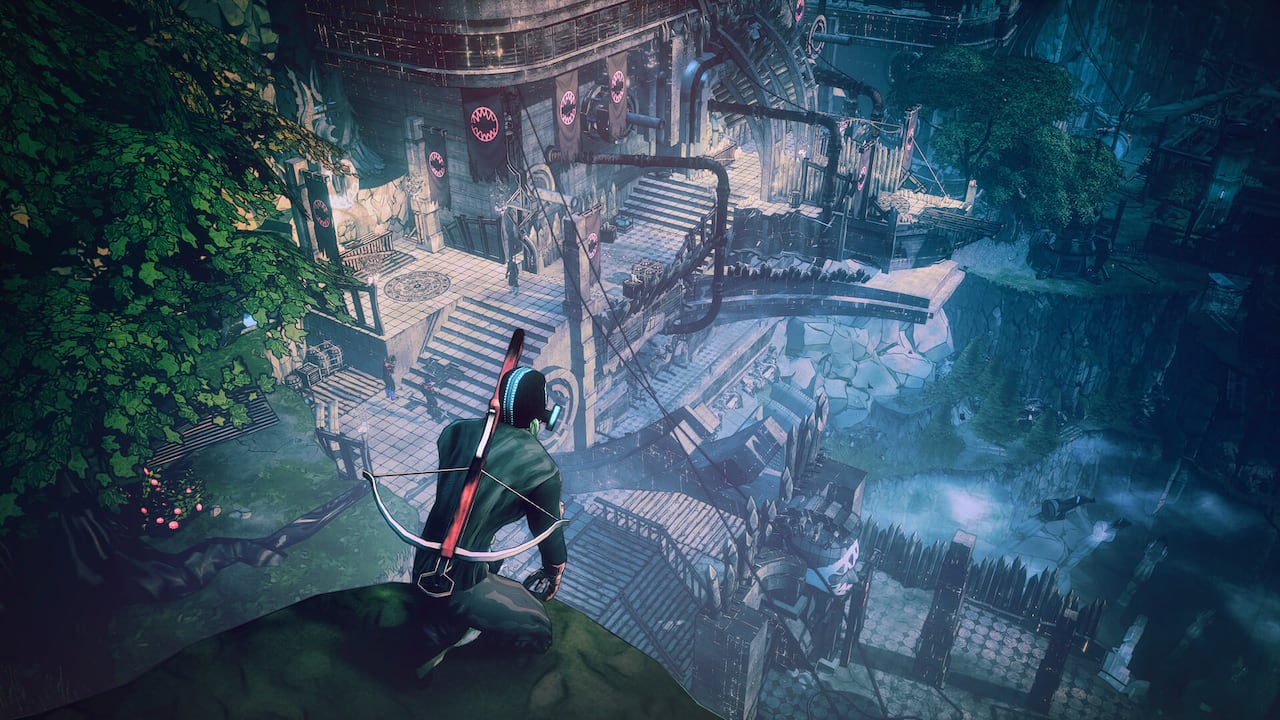
There tends to be a moment in most open-world RPGs where rolling hills give way to urban density—a choppy sea of angular rooftops and streets filled with the chaos of cramped living. At that point, a certain kind of player trades in their swords for lockpicks and goes delving into the domestic quarters of the locals, lost to the allure of theft as an art form.
No RPG commits harder to that fantasy than Seven: The Days Long Gone, an overlooked, Polish indie project set on a prison island in the far future. It has systems for lockpicking, yes, but also for cracking safes and hacking into the state-run cargo train network. It tracks where NPCs are looking, what they can hear, and what’s in their pockets—as well as how long they’ll stay asleep once you’ve knocked them out.
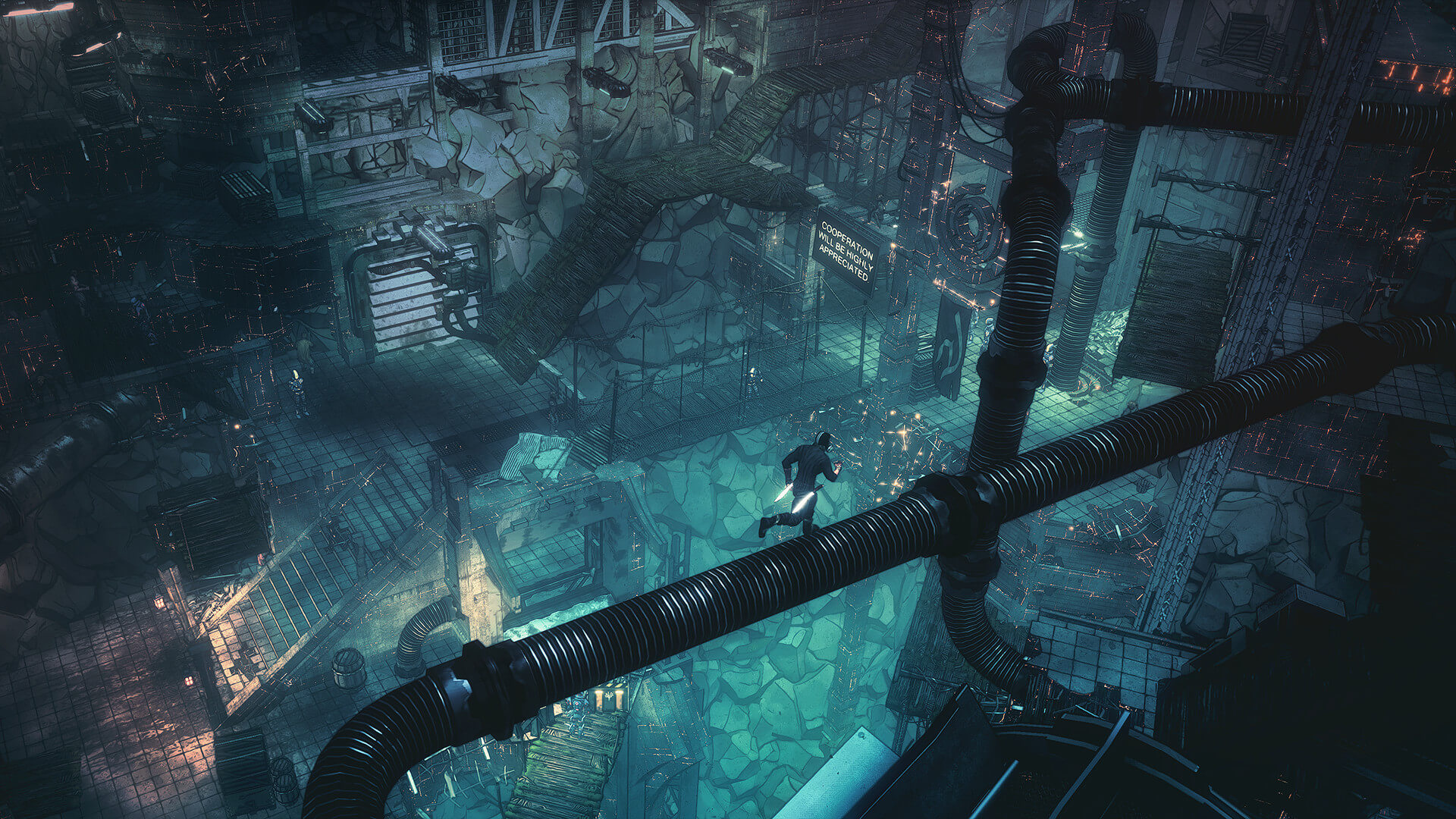
Despite its isometric perspective, Seven also has the moveset of Assassin’s Creed. You can scale buildings and find alternate routes through marketplaces and megachurches, dropping from pipes onto the heads of your unsuspecting enemies. In fact, given its vertiginous level design and deep simulation, this RPG could just as easily be classed as an immersive sim alongside Thief and Dishonored. There’s even a Flash power that mimics Dishonored’s Blink ability, allowing you to flit out of sight or make impossible leaps via technomagical means.
The team behind Seven previously worked on The Witcher series at CD Projekt Red, and it shows. You play an ex-con, not a monster hunter, but the island of Peh is teeming with mutated wildlife and desperate quest givers. Some missions even require you to shift into Sense mode to sniff out a trail—like that of the farmer’s daughter who was promised to the Biomancers once she came of age, but has now run away with her lover. Then there are the infiltrations that give you an excuse to mess around with the kind of crafted gadgets Geralt could never dream of: camera-disabling darts, zap traps, and laughing gas perfected by an outcast mayor you did a favor for once.
Beyond the toxic wastes and cultivated land are a handful of busy and highly robbable settlements. Peh is divided between strange, relic-obsessed factions with their own secrets, and your protagonist walks among them, seeing all but leaving the Kool-Aid untouched. Seven is at its best when all that worldbuilding meets its detailed stealth mechanics—as when, for instance, you don a Technomagi Soldier’s armor and walk undetected into their outpost. That’s not a scripted story moment, but rather one of many possibilities enabled by the open-ended design that studio Fool’s Theory opted for here.

You might recognize the name: Fool’s Theory is the developer selected to lead The Witcher Remake, a “modern reimagining” of CD Projekt Red’s first game. If you want to know why they were picked, then play Seven—the ambitious calling card that proved this team can build large-scale RPGs with a twist. It’s about time they were noticed, but then again: They’re experts in slipping by undetected.