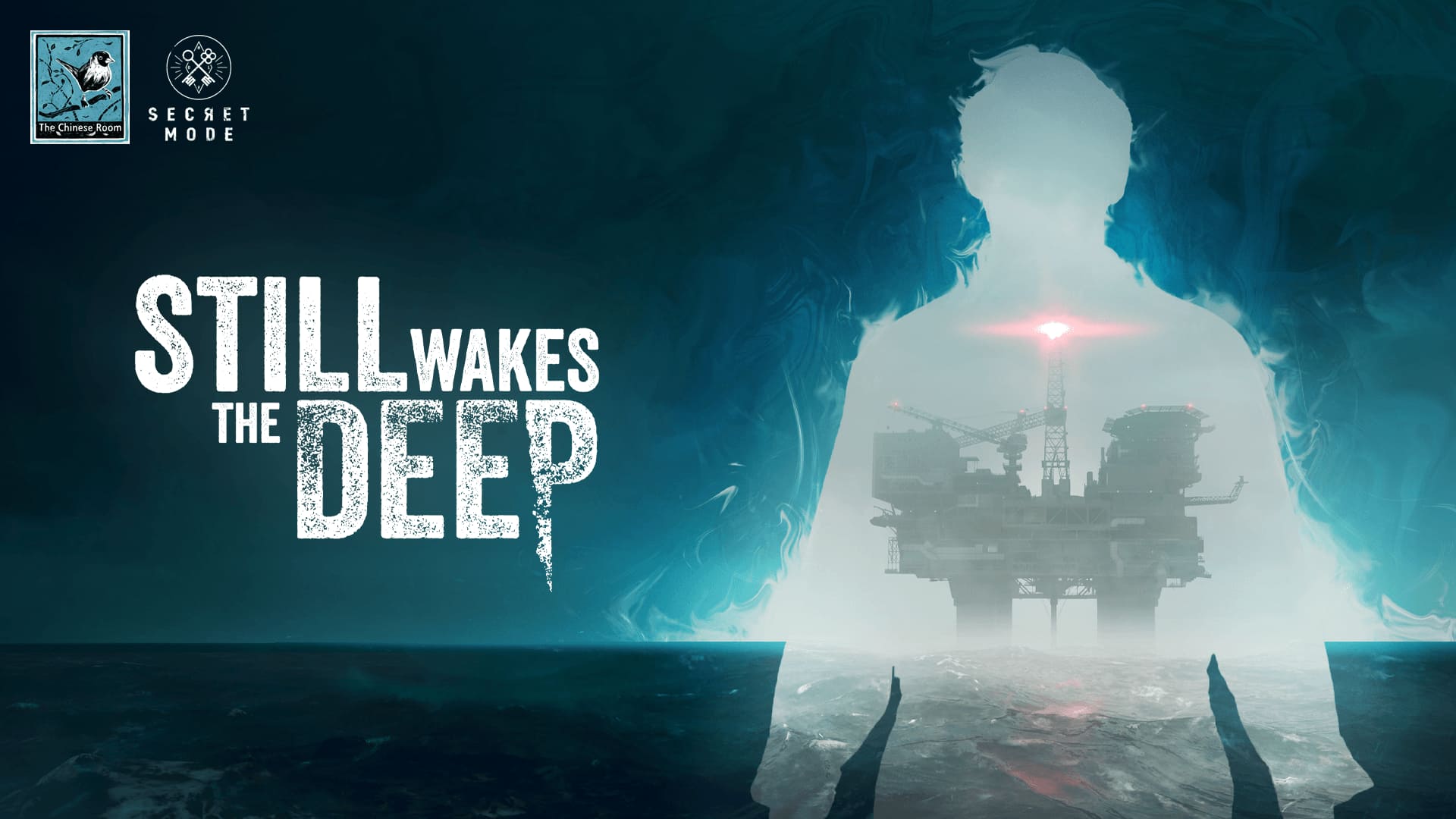
Still Wakes the Deep is like "The Thing on an oil rig"
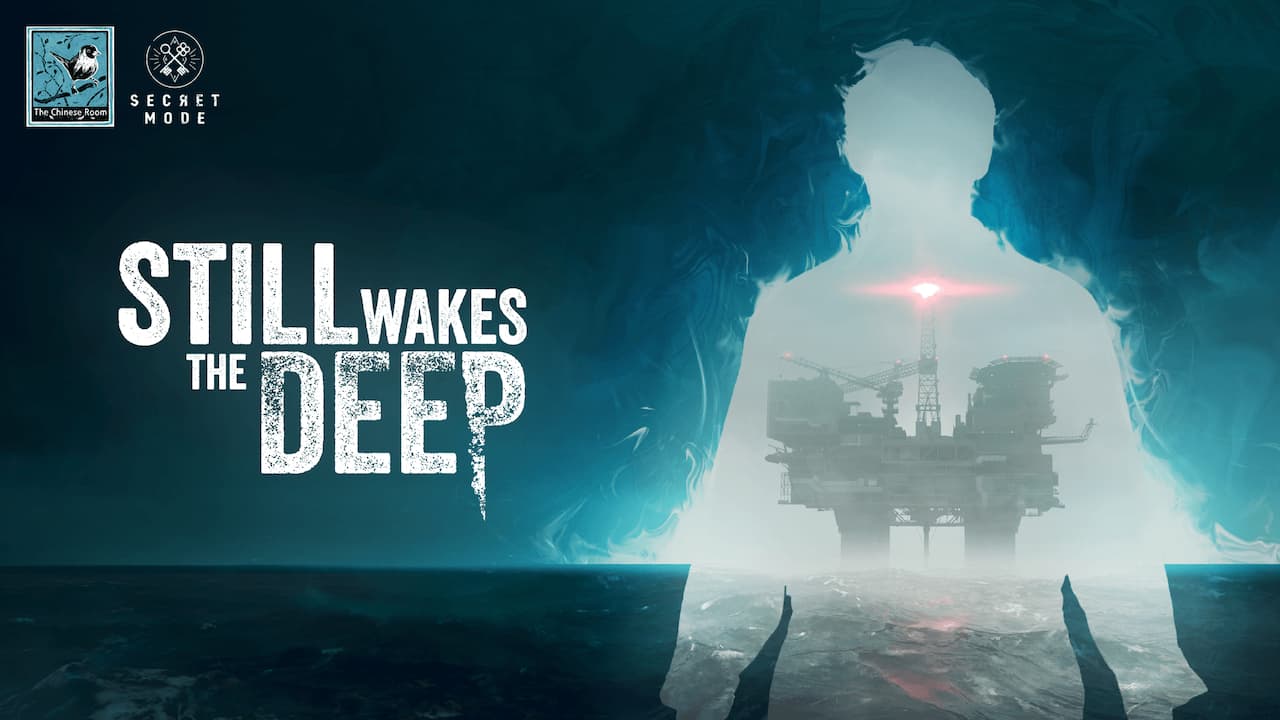
Still Wakes the Deep is “The Thing on an oil rig," according to Lead Designer Rob McLachlan, referencing John Carpenter's 1982 horror movie set in a remote research center.
It's an apt comparison. Still Wakes the Deep is a narrative horror game about Caz McLeary, a worker on the fictional Beira Delta oil rig off the coast of Scotland. Trapped in a cold and lonely place, McLeary must try to make sense of an unfolding disaster that threatens both his life and the lives of his crewmates—and survive the terrifying presence aboard the rig. It's being developed by The Chinese Room, known for atmospheric hits like Dear Esher, Amnesia: A Machine for Pigs, and Everybody's Gone to the Rapture. Like its predecessors, the game is less about twitchy reactions, and more about exploration, puzzle-solving, character, and story.

According to McLachlan, the team opted to set Still Wakes the Deep on an oil rig in the North Sea right from the start. "The oil rig itself was the nucleus, a very attractive image of a metal island silhouetted against the winter sea," he explains, adding that the story is set in the 1970s when oil rigs were first built near Scotland, and when communications with the outside world were far less sophisticated than today.
Associate art director Laura Dodds says the team watched a lot of archival video footage to ensure the accuracy of Still Wakes the Deep's setting. "We tried to decipher what bits of machinery we were looking at, what their function was, and if we could use this in the story or mechanics," says Dodds. "After learning just how many things can go wrong, and how oil rigs are constructed in the first place, the biggest surprise was that oil rigs work at all!"
Adding to the sense of weird isolation, Still Wakes the Deep takes place during the Christmas holidays, when the rig is sparsely crewed. Festive decorations throughout the rig feel incongruous, reinforcing your distance from the comforts of home and the safety of civilization.

Ultimately, Still Wakes the Deep is about trying to stay alive—but it's not about firing weapons. "We’re big fans of survival horror," says McLachlan. "It’s fascinating how games in the genre play with the power of the player by limiting their access to weapons and powers, by restricting ammo or mana or psi powers, or degrading weapons."
"These systems can take over a lot of the game experience, intentionally or otherwise, and for Still Wakes the Deep we wanted to put all our efforts into the story and experience. That’s why we’re using the term 'narrative horror' for this title. I think it also makes no sense to have weapons—even makeshift ones—on the rig, given the threat you’ll be facing."
Like The Chinese Room's previous games, personal relationships play a big part in the story. "There's a theme, I feel, running throughout all of The Chinese Room’s releases," says McLachlan. "The theme is human relationship and connection, and the lasting power of relationships under the pressure of events and the passing of time."

"In Still Wakes the Deep, there are relationships that are critically important for the story and the game as a whole—our central character Caz and his wife Suze most importantly, but also between Caz and his crewmates, and their connections with their families onshore. This web of human relationship straining and shattering or fusing under pressure has to be at the heart of our narrative, and hopefully our players can perceive and appreciate that."
But the rig itself remains the most intriguing element, with its rooms and corridors supplementing the unfolding human drama. "Building the rig has been a challenging and rewarding exercise in level design, for the level designers, environment and lighting artists, and also our sound design team," says McLachlan. "We always have to balance the readability of the environment with plausibility or realism, and the needs of the game’s pacing."
"There are spaces where vertical chimneys or walkways suspended above the sea (or an abyss) induce feelings of vertigo, and much denser interior areas where forests of pipes and valves obscure vision and induce panic and uncertainty. Each space was designed based on its function on the rig and its function in the game. Form follows function, so even down to the fundamental blockout of the space we thought about what feelings we want to evoke in the player—claustrophobia, tension, awe—and built with that in mind."

McLachlan says players can choose to play in story-mode, especially in those moments when the horror becomes too much. Some testers, he said, were keen to move on from the scariest moments. Ultimately, he expects everyone who plays to experience fear at some point.
"We want all the phobias. Claustrophobia, thalassophobia [fear of deep water], acrophobia [heights], and even submechanophobia [submerged human objects]—we collect them all! We’ve paced the game to push as many of the player’s buttons as possible."
"Above all we want our players to have the experience, as they take on the role of Caz McLeary, of the utter loneliness and isolation of being trapped on a remote structure above a hostile sea. We want the freezing water and whatever it is that’s come aboard to squeeze them into a fundamental horror about the human body and humanity—and see their response when exposed to something beyond imagining."
Still Wakes the Deep is due out on the Epic Games Store on June 18.