The story behind Pazleum’s unlikely mash-up of jigsaw puzzles and historic art
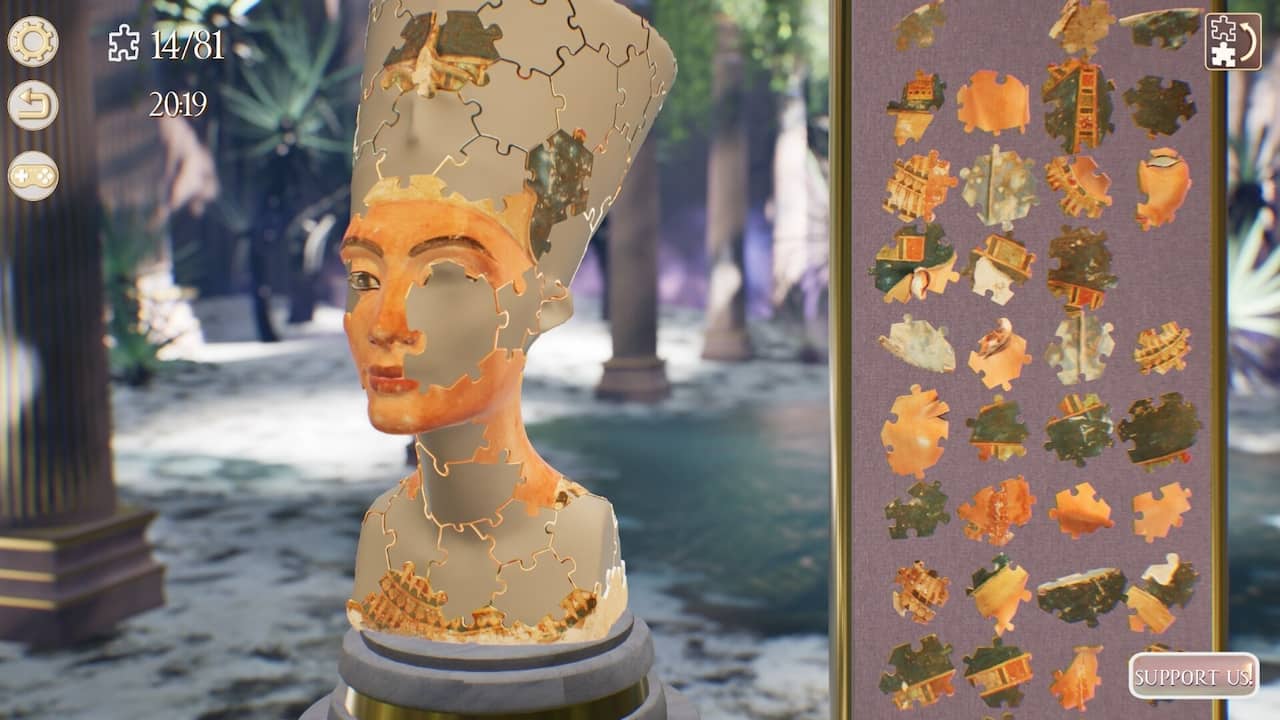
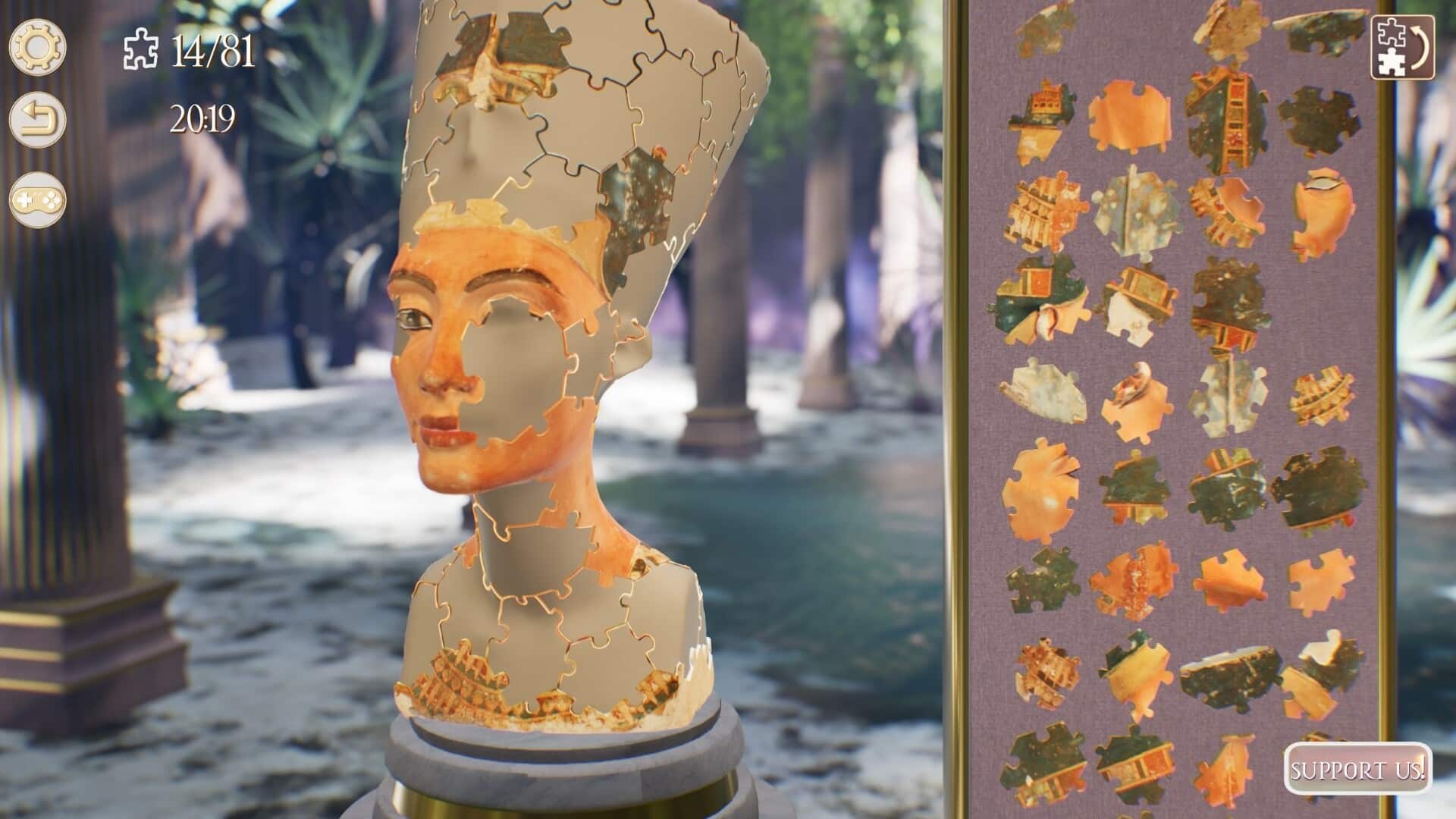
From casual tile-matchers to indie megahits, puzzle games are commonplace nowadays, but few actually center around the timeless art of solving jigsaw puzzles. Pazleum, the debut title from Pazl Studios, aims to correct this imbalance by combining the team’s love of puzzle solving with an unlikely partner: historical and cultural art.
“Well, the virtual world allows us to build jigsaw puzzles that are not possible in the physical world,” explained Pazleum’s Director Adriano Muricy (he’s also in charge of the game’s 3D art and music). “So instead of building jigsaw puzzles of 2D works of art, like paintings and famous pictures, you can now build 3D jigsaw puzzles of famous works of art, cultural items, and statues from all over the world. It's our modest attempt to pay homage to all the great artists that have come before us and the ones who are still creating works of art today.”
While Muricy had prior game development experience before he began working on Pazleum, the original concept only took shape after he hit an important milestone in his life.
“This story is very dear to my heart,” said Muricy. “My first son was born back in 2023, and my in-laws came to stay with us for a little over three months. During that time, a newborn only really sleeps and eats, so whenever he was napping or feeding, my in-laws didn’t really have much to do. I knew they liked jigsaw puzzles, so I bought a bunch of them off Facebook Marketplace, and before long, it became a kind of family activity, you know? We would get together and build. It became a thing we were always doing together, and at some point, being a 3D artist, I thought to myself, ‘Why have I only really seen 2D jigsaw puzzles in games? This is such an engaging mechanic, and it’s been around for decades.’”
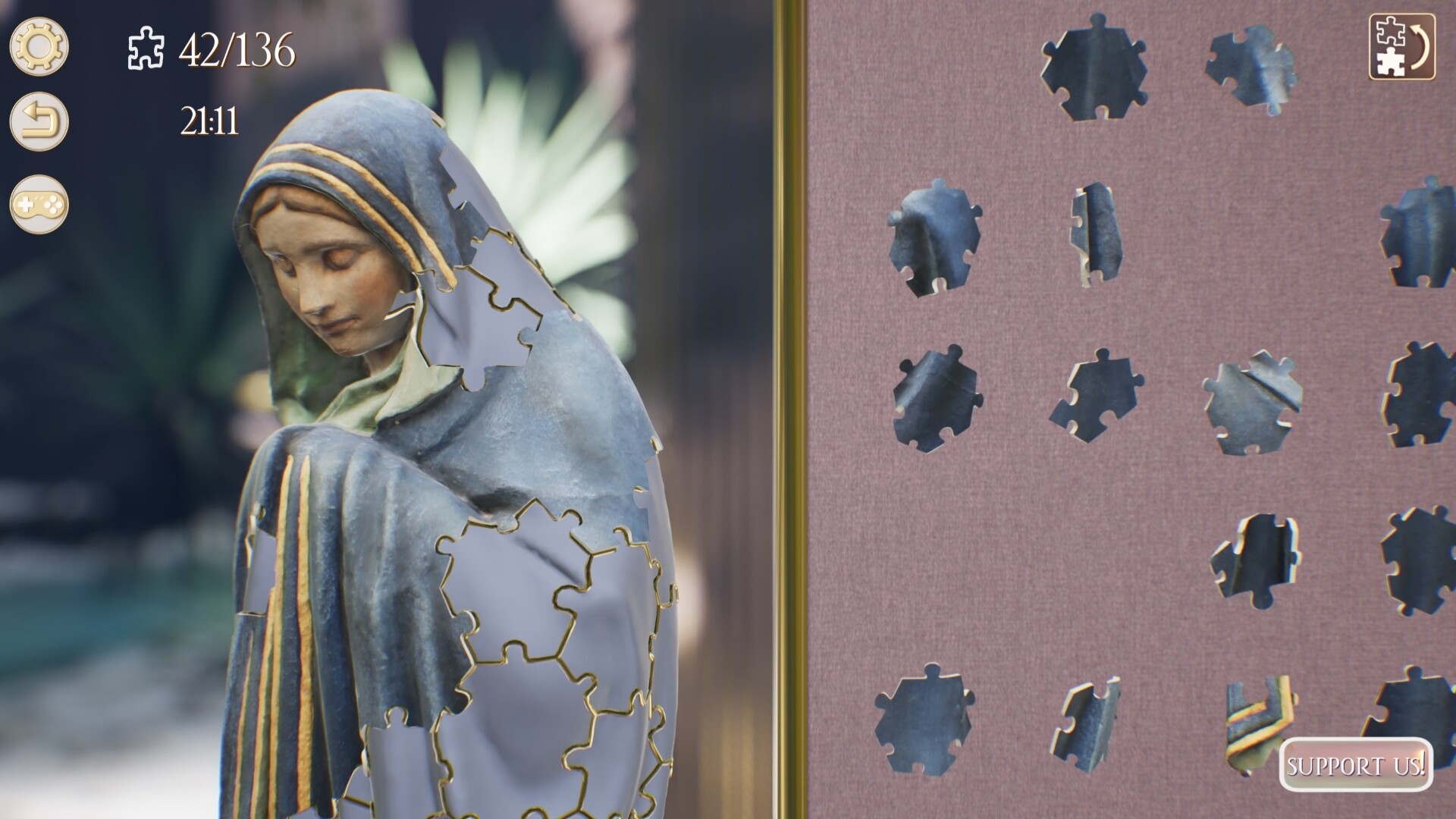
While three-dimensional jigsaw puzzles have existed for some time, the concept hasn’t really spread into the gaming landscape at large, primarily existing as a niche genre in the VR space. Still, that didn’t deter Muricy, who found himself diving headfirst into the genre.
“And then I started doing some research,” Muricy explained. “‘Are there any 3D jigsaw puzzle games out there?’ As it turns out, no, not really. From there, I began digging into how to cut up objects in 3D, which sculptures to use, and which type of objects would work better with certain cuts. And at a certain point, I had gone through so many beautiful works of art that I felt a responsibility to make not only a puzzle game, but something where even a casual gamer can appreciate a little bit of history and appreciate a little bit of art. That motivation became an aesthetic direction.”
Muricy’s love for art and puzzles is shared by the other two members of Pazl Studios, and it didn’t take long for them to buy into his pitch for the project.
“Well, Adriano approached us, as he had the original concept and idea already,” said Shea William Galley, who handles systems, tools, and UI programming. “I come from working in VR and the Unreal Engine, but this is actually the first serious game that I've made. Adriano found me online, and he approached me with his proof of concept. I loved it, and I jumped on right away.”
Andrea Osorio, Pazl Studio’s resident gameplay programmer, crossed paths with Muricy when they both worked at a different studio. When she was originally approached to join the Pazleum team, the technical challenges piqued her interest, and it didn’t take long for her to come on board.
“I've been in game development for over six years, and when Adriano and I first met, we were both working at Gameloft together,” Osorio said. “He approached me with his idea, and I knew his strength was in making things look really good, but there were still challenges that needed to be overcome.”
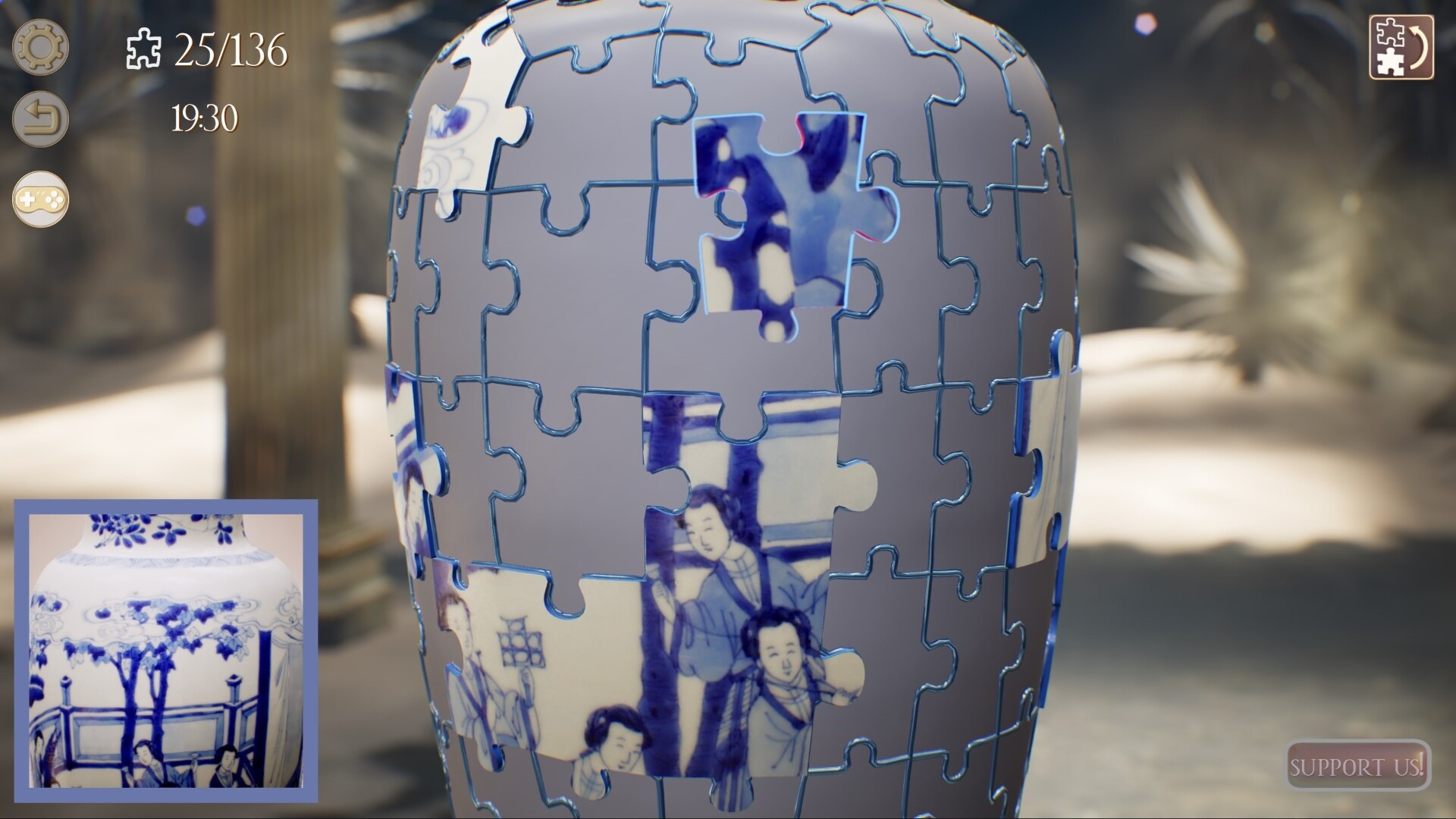
Over time, the team was able to find solutions to these technical hurdles. In terms of content creation, they’ve developed their own pipeline for creating puzzles. After finding (or creating) a high-quality model to base a puzzle off of, it’s fed into the 3D procedural software Houdini, where it’s sliced up into different puzzle pieces. After being cleaned up in Blender, these pieces are imported into the Unreal Engine, where the final puzzle begins to take shape, with each piece assigned a position and material. Puzzle difficulty can be influenced by the shape and number of pieces in the final solution, but players are given hints to figure out if they’ve honed in on the correct orientation and position of whatever piece they’re currently holding.
While Pazleum is not set to release for a few more months, initial reception of the game’s publicly available demo has assured the team that they are on the right track. While there’s still plenty to do before its grand debut, ideas for future content and mechanics are constantly evolving.
“For me, the dream with this game would be creating a room where you could have all your completed sculptures,” says Galley. “You can inspect them. You can interact with them. Maybe we've got an LLM hooked up so there's a chat interface to learn more about each sculpture inside the game. I would absolutely love to have puzzles based on indigenous artwork from Canada. I think there's such beautiful artwork out there, and I would love to have those types of objects in the game alongside the classically revered sculptures from ancient Rome and Greece. And that way we're bringing everything together, no matter what the time period, no matter what the culture. I'm also a big music guy. So if there was ever a way to collaborate with composers and music producers from around the world to commission pieces that fit the relaxing vibe of the game, I would absolutely love that.”
Pazleum is set to release soon on the Epic Games Store. For those who want to give it a go ahead of its release, a demo version is available for download.