Neuigkeiten
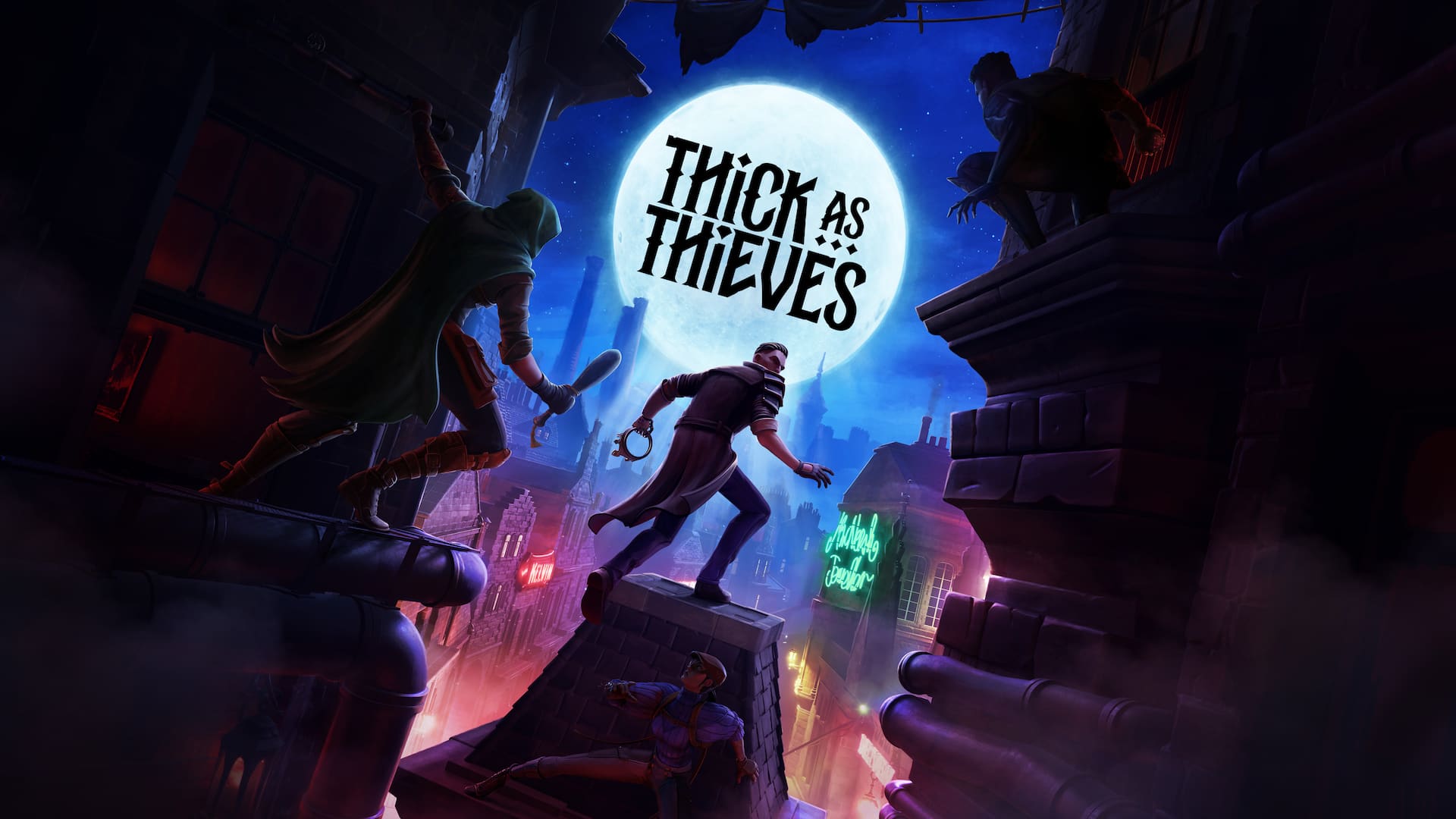
Thick As Thieves is a study in observation and greed
B
Brian Crecente
You need to listen for the sounds of pursuit, or the grunt of a guard suddenly aware of your illicit presence. You need to keep an eye out for telltale footprints, the suspicious movement of civilians who may not be civilians, the lighting of rooms and cobbled streetways. And, perhaps most importantly, you need to prepare for any signs that your fellow thieves have decided it’s time to end your temporary truce and run off with the goods.
Thick As Thieves is in some ways a spiritual successor to 1998’s Thief: The Dark Project, an expansion of those early immersive sim ideas made even less predictable with the addition of multiplayer.
In a hands-off demo of the upcoming game, Michael Fitch, Director of Product at developer OtherSide Entertainment, noted that the studio was founded by Warren Spector and Paul Neurath to create innovative takes on that immersive sim genre.
“They want to push the industry forward,” he said. “Push the art forward. Push the industry forward.” The demo opened with OtherSide Entertainment Senior Audio Director Matthew Pablo at the controls, while Fitch described the action and answered occasional questions.
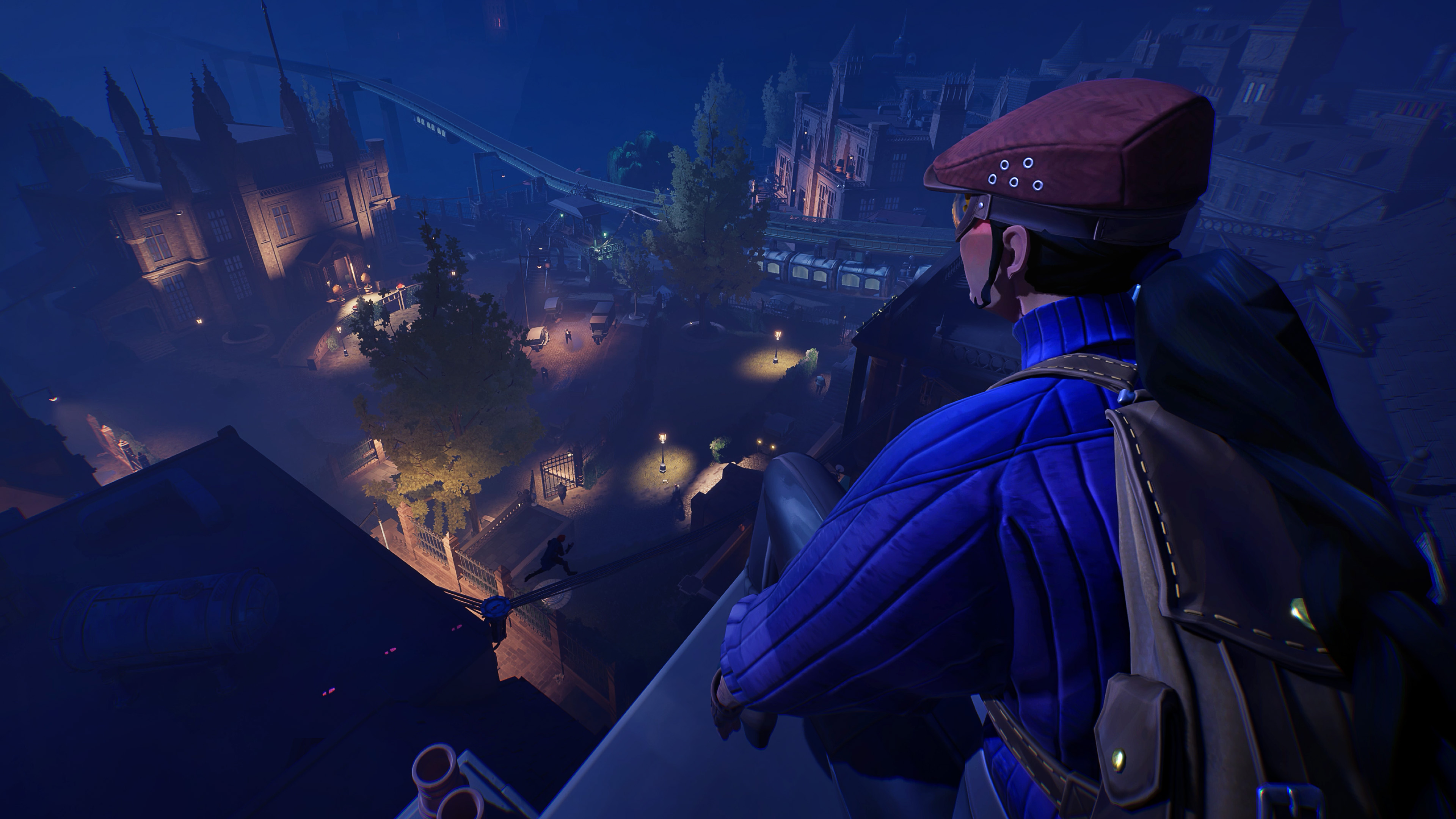
In its current early state, there were three characters to show off. Nisha the Spider's signature ability is a zipline tool that allows her to quickly move around the map. Cotter the Chameleon is a disguise specialist who can quickly switch his appearance to that of any NPC in the world. “He takes on their model, texture, and animations,” Fitch said. “He can also emote as NPCs.” Finally, there’s Tegan the Hood, a combat specialist who has additional respawns, among other abilities.
The demo started as all matches in Thick As Thieves do, with players located in a safe area in the town, giving everyone a chance to get a lay of the land—and to figure out what the mission is for the night.
Thick As Thieves is set in an alternate-history version of the Northern UK during the 1910s. It’s a world where magic (like a pickpocket fairy) exists alongside thuggish guards who patrol the town’s cobblestone roads.
Fitch said the look of the game was inspired by Thief in a lot of ways, particularly the sort-of Northern UK-esque environment and time period.
“We wanted to pick something that was modern enough to be relatable, but not so contemporary that you would have instant knowledge,” he said. “It’s valuable for us to have an electrogram booth rather than a telephone. The sense of having to move around the space and accomplish things at human speed as opposed to vehicle speed is really important too.”
Every night, the Thieves Guild has a task they want the thieves to accomplish, and they send out multiple thieves on a mission to see who can get it done. In the game, Pablo walks his character up to an electrogram, where he can connect with the Thieves Guild and find out the night’s mission. In this case, the mission is to steal the Book of Truth.
While each night’s missions are hand-crafted, the nature of the game and immersive sims in general makes them feel uniquely dynamic each time you play through one. The exact location of the loot also changes, as does the best way to get to it.
“We have a whole system of mission and match variation that keeps the play space dynamic for players,” Fitch said.
Thick As Thieves currently has a half-dozen missions crafted for it, but the plan is to always create more, he explained.
“We want to be in dialogue with our community, and we want to be releasing DLC regularly that has new characters, new maps, new gear, new missions, because we want it to stay dynamic,” Fitch said. “We want it to stay variable.”
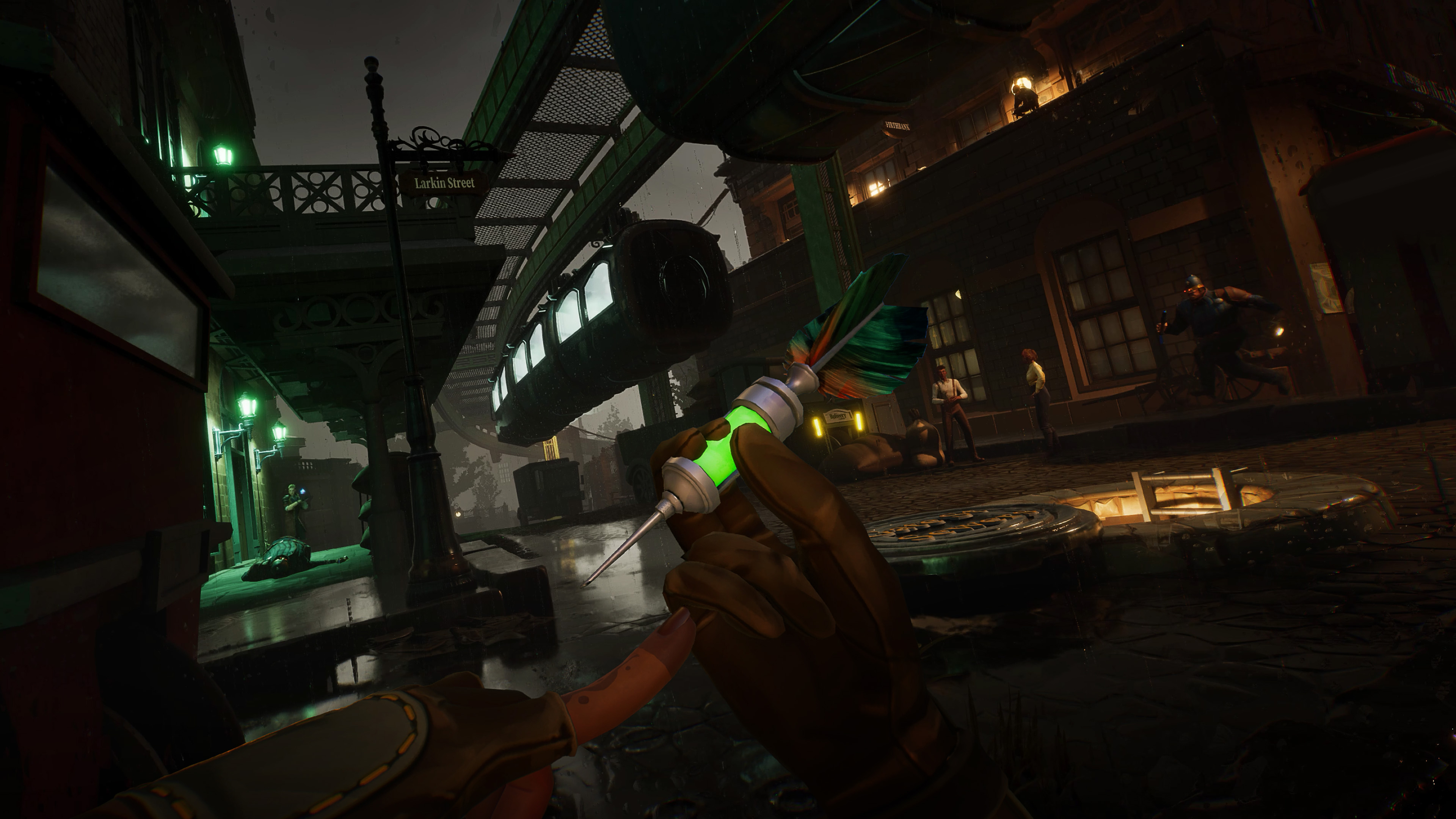
As the mission starts, Fitch reminds me that there are two other players in the match who are both trying to get the main quest loot, while also potentially securing other loot spread around the map.
“You can go after peripheral objectives,” Fitch said. “It’s up to you how you want to approach the word. It’s an immersive sim so we’re not going to tell you how to play. We’re going to give you the tools, we’re going to give you the verbs, and then you get to determine what that turns into.”
As Fitch is talking, Pablo is using the Spider’s zipline-like abilities to slip into the manor where the Book of Truth is meant to be held. Things are going well until he’s spotted by a guard and the house goes into lockdown. Soon all of the doors and windows are locked and an alarm is blaring.
Now Pablo needs to get out of the house in order to reset it. He uses Nisha’s abilities to go through a glass ceiling and get onto the roof, where he turns off the electrical protection that had gone live. This requires either using a stolen key or picking the lock—but if you mess up while picking the lock, it makes a loud noise, alerting nearby guards.
While players can decide to work together to accomplish a heist, inevitably that ends with the team breaking apart. That’s mostly because there’s only one main piece of loot in each mission, and whoever makes off with it gets the bulk of the reward.
In this case, there wasn’t even a moment of honor among thieves, as each of the three players decided to go it alone.
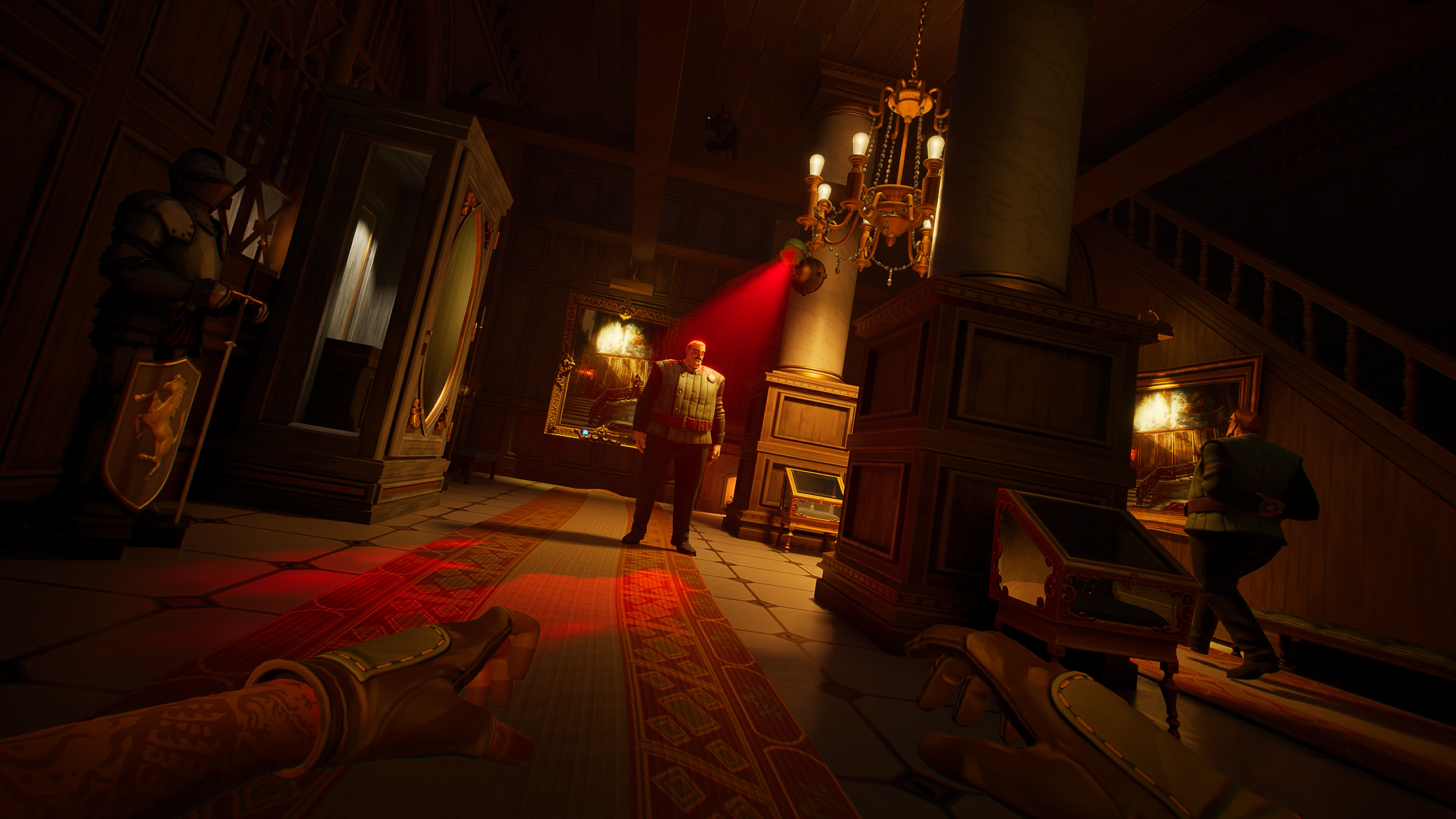
If Pablo were to notice that one of the NPCs working inside the house was glowing, that glow would be a sign that the character is actually the Chameleon in disguise. This only happens when that player is carrying the main loot from the mission though, giving other players a chance to stop them. Players also leave behind footprints—blue footprints are yours, red are those of other players. If the footprints are glowing, that also means the player who made them possesses the main loot.
Footprints become brighter the more "obvious" you are in the world, whether by sprinting, making a lot of noise, messing up a lockpick, or getting detected by a guard. You don’t leave footprints if you’re crouching, though.
The demo mission required players to collect keys and clues as they made their way to the hiding place of the Book of Truth. Initially the team wanted to have just one set of keys for players to fight over, but they soon realized this could make completing the mission impossible if that player was knocked out of the game, so now there are multiple sets players can pursue.
Back in our demo match, Pablo is making his way toward the safe with the Book of Truth. He knows that once he grabs it, every player in the game will be alerted that he’s stolen the mission's main objective.
Pablo snatches it up, leaving a custom calling card in its place inside the safe. On his way out he grabs a cheese wheel (a minor piece of loot), and then heads for the exit.
Suddenly another player appears, jumping down from the roof behind him. As Pablo races toward the exit he hears the sound of a pickpocket fairy closing in on him. Players can use these creatures to steal keys from NPCs, but they can also use them to swipe loot from other players. Pablo could have tried to outrun the tiny glowing fairy, but instead he swivels around and attempts to swat the fairy away. Unfortunately, he misses and the pickpocket succeeds—but only gets away with the wheel of cheese, not the main prize.
“The advantage of having multiple pieces of loot is that when you get pickpocketed, they might not get the quest item,” Fitch said. “It’s random, but it’s stacked random, so it’s not purely by chance what they get from you."
Still holding the key piece of loot, Pablo makes his way to the exit. While a player is vulnerable while opening the door, once they’re through it they’re safe.
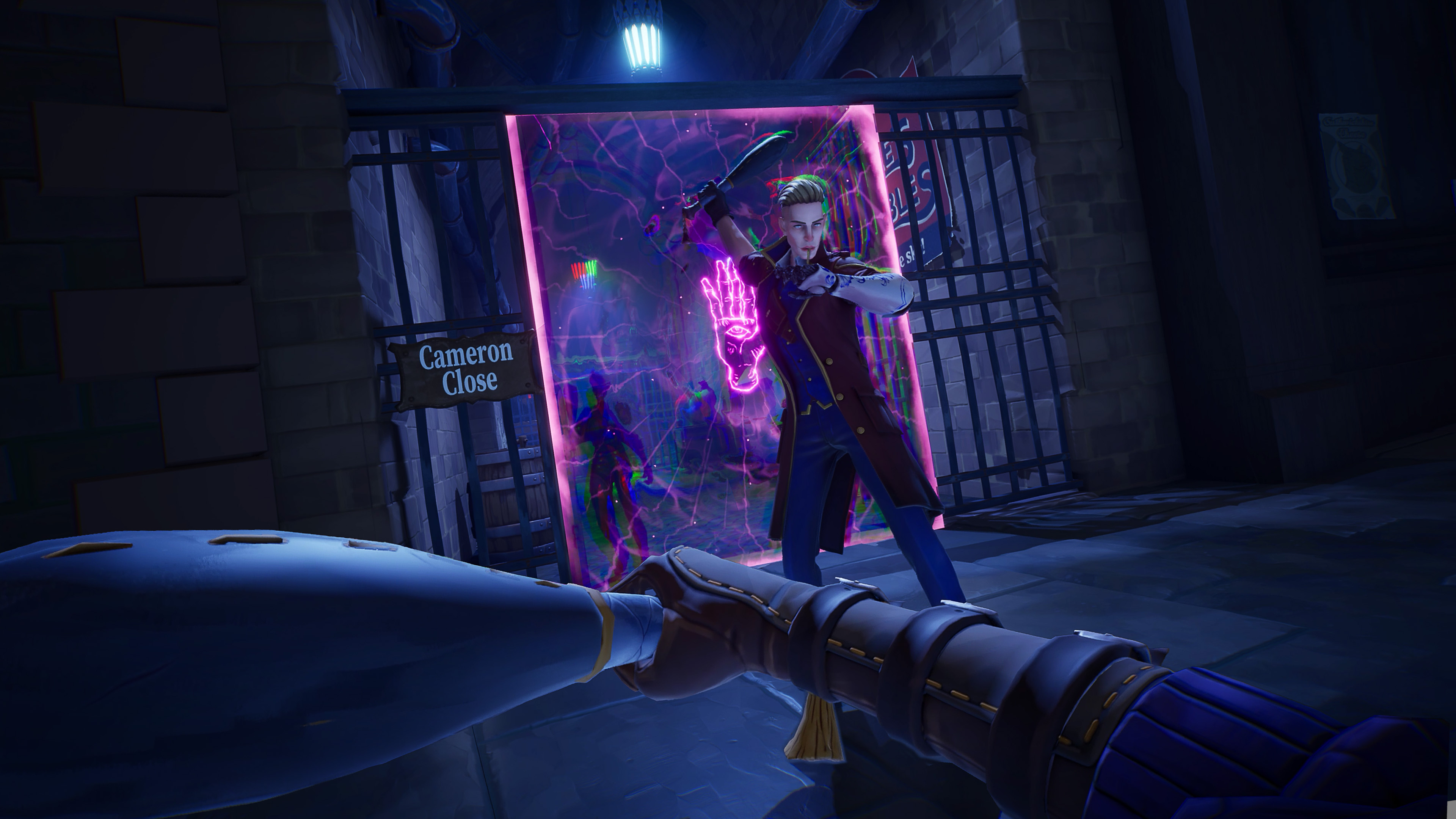
At the end of our demo, each player received both loot and rep based on what they stole during the mission, with the bulk of both going to whoever made their way out with the quest item.
Loot can be sold for money, which is then used for character upgrades. But the upgrades are locked behind your character tier, and to increase your tier you need to first increase your rep. If you're happy with the tier you're at, you can play matches and focus on just grabbing the more common loot instead of trying to snatch the big prize.
“The key thing here is variability,” Fitch said. “We don’t want to tell people how to play the game. We want to give them the objectives in classic immersive sim fashion. We give them lots of options, lots of ways to interact with the environment, lots of ways to mess with each other, and then the player-versus-player dynamic creates infinite variability in the outcome of matches."
In the second runthrough of the mission, Pablo takes control of the Chameleon. Fitch reminds me that when he’s disguised as a guard he can do a lot of suspicious things and nobody cares.
“If you unlock the gate, another guard might relock it, so the world is never static, it’s never just in a single state,” he said.
To disguise oneself, the Chameleon has to be within sight of (and alone with) their target. Once they take on the disguise a timer slowly ticks down, indicating how long until the disguise fails.
“The timer gets shortened if you do things that are observable by other non-player characters. If a guard sees you, our timer starts to decrease faster. So you always have to be stealthy. You always need to avoid observation," said Fitch.
“The idea is when you’re disguised, you want to try and blend in as much as possible," Fitch continues. "Also, because other players might notice you.”
Stealth is helped along by a set of icons at the bottom of the screen. One is a light meter that shows when you’re exposed. The other lights up when you’re in private spaces where, if someone sees you, they will immediately know something is up.
If spotted, the Chameleon has to work a bit harder to get away than the Spider because he doesn’t have a zipline to use. Instead, he has to find things like ladders and power lines to move around the map quickly—and those power lines also come with a potential downside, as other players can use nearby electrical boxes to shock you off of them as you’re moving across a space.
“Everything in the environment can be used to your advantage or used against you,” Fitch said.
Bars on the top of the screen show a player's health and stamina. If you take damage, you drop your loot and have to quickly recover it or decide to leave it behind.
While there is a lot of risk of losing loot the longer you’re in the map, there is also the option to protect it from loss by dropping it into a Stash. Like everything in Thick As Thieves, there’s an upside and a downside to using the Stash. Once your goods are locked away, you’re guaranteed to keep them when you exit the map, but the process of locking the Stash is time consuming. You can decide to stake out your Stash as it slowly seals—or just hope another player doesn’t come around and grab your stuff.
Of course, you can also use the Stash as the bait in a trap for other players.
Once the mission wraps, Pablo shows off his personal lair, which he has decorated with some of the items from previous heists.
Both Spector and Neurath are heavily involved in the day-to-day of the game’s creation, Fitch said. “They play the game, they watch sessions, they contribute to the design conversations, they review the progress on the builds,” he said. “They’re heavily involved in the work that we’re doing because this is the kind of thing they want to represent the studio.”
Fitch said that in a lot of ways Thick As Thieves is both a spiritual successor to the original Thief and also a game that draws heavily from Deus Ex.
“It has multiple paths, multiple solution spaces, and gives players the verbs to play with,” he said. “I mean that whole philosophy around empowering players, giving them the tool sets and letting them improvise, that’s very immersive sim and it comes directly from Warren and Paul.”
Currently Thick As Thieves is in pre-alpha, but Fitch said the team is getting to the point that they’re going to start bringing in players to test the game.
“We want to get players in to see what they do with it. We’ve got a sign-up on our webpage. The plan is to have a series of closed alphas and then closed betas before we release the game," said Fitch. “We want to make sure we have a solid game before we try and ask for money for it.”
Wishlist Thick As Thieves on the Epic Games Store.