“We had to relight every scene in the game”: how Telltale brought The Wolf Among Us back to life
The Wolf Among Us Remastered | Release date Oct 29, 2026 | Developer Q&A
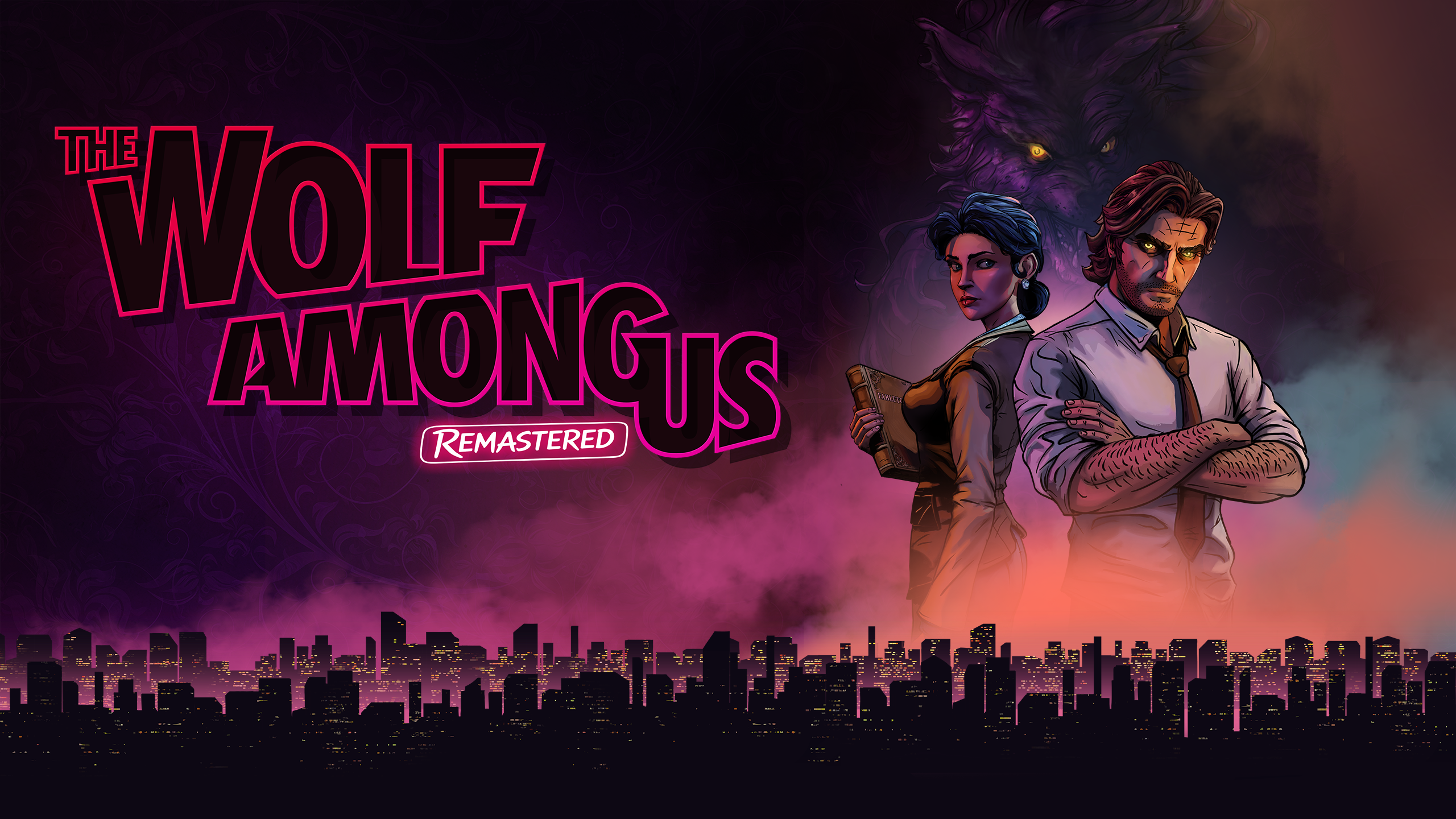
When Telltale set out to remaster The Wolf Among Us, they had one rule: to make the game feel like your memory of it. Achieving that meant rediscovering forgotten knowledge, relighting the entire game from scratch, and diving into a 13-year-old archive of art and code to recreate 2013's most fondly remembered adventure game.
Below, Matt Saia, Telltale's VP of Creative and the Remaster’s Game Director, shares what it took to modernize Bigby’s world, why they redesigned an in-game apartment, and what treasures and secrets they unearthed along the way.
What was the biggest challenge with the old engine?
The biggest challenge was learning the engine and all its specific quirks. It's powerful, but a lot of knowledge had been lost over the years, so we had to rediscover quite a bit along the way.
A more specific example would be the lighting. The Wolf Among Us has a complex lighting setup that combines baked lighting, real-time lights, and hand-painted details. Getting all those elements to work together and look just right was a real challenge.
Initially, we wanted to avoid touching the lighting as much as possible, but the environment upgrades made that impossible. In the end, we had to relight every scene in the game.
Obviously, you're seeking to balance the original game, making it shine without taking away from the original design choices. How do you navigate that?
The most important decision we made was to preserve the story and directorial choices. There were plenty of other opportunities to make the remaster shine without changing the heart of what makes the original game so memorable.
Preserving the art style and character identities was equally important, but that didn't mean we couldn't give every character and location some thoughtful upgrades. There are plenty of ways to add detail to a character without losing the essence of their personality. In most cases, we avoided major changes to their outfits and instead focused on their forms, muscle definition, clothing complexity, and details like their hair.
The goal was to create a look that feels like your memory of the game from over ten years ago, but with a level of crispness and detail that wasn't possible in the original. The same approach carried over to the environments.
You've said that we're walking into a much richer Fabletown that's more immersive. Was the process similar for the environments, or how was that achieved?
In many ways, the process was similar. We'd look at each environment and identify areas we could enhance without dramatically changing its overall feel. We created concepts and detailed breakdowns for many locations, which allowed us to explore some more ambitious changes, even if we didn't end up using all of them.
There were a few places where we felt we could actually add to the storytelling through more significant changes. Faith and Lawrence's apartment was one of them. Originally, it was a fairly simple space that looked like a typical apartment. As we revisited it, we thought it would be more interesting to reflect the decay of a fallen prince and tie that directly to the characters who inhabit it.
We made the furniture more luxurious and the chair more elegant, but everything is worn down and slowly falling apart. It mirrors Faith and Lawrence's relationship: a fading reminder of the glory and elegance that once existed.
Is there a favorite story that came up from the original team or voice actors?
There were a lot of great stories. One that really stood out to me was Adam's recollection of recording the fight with the Jersey Devil in the pawn shop. He was able to channel some genuine anger into that scene, which I hadn't known about before. Hearing that story gave me a new appreciation for the performance and the impact it had on the scene.
Kim Lyons also shared the process behind developing the original art style. It went through numerous iterations before finally becoming the incredible style that shipped in the game. It was fascinating to hear how that vision evolved.
How about the playable deleted scenes that are included? What do you hope The Wolf Among Us fans will get out of them?
I hope fans get a sense of how the game might have felt if those scenes had been part of the main story.
The Anderson Street Cleanup scene, which takes place after the fight with the Woodsman, is an interesting example. I think it's a fun scene, but it slows the pacing a bit and takes something away from the more intimate moment between Faith and Bigby in the original game.
That said, it's a lot of fun to play through and see what could have been. The scene definitely has a lot of charm, and I think fans will enjoy getting a glimpse into an alternate version of the game.
Telltale has added a Noir Mode to The Wolf Among Us Remastered. What do you think this brings to the game?
Noir Mode creates a completely different mood that affects every aspect of the game. The black-and-white presentation really brings out the shadows and highlights, giving the visuals a different kind of impact.
I've always been a fan of black-and-white films, and given that The Wolf Among Us is essentially a classic detective story, Noir Mode felt like a perfect fit.
Is there anything that surprised you when revisiting the game, or anything that exceeded your expectations?
I was surprised by just how many assets there were overall. Many of the characters had a ton of variants, and we even discovered a full mermaid version of Nerissa. Finding things like that was a real surprise.
In terms of exceeding expectations, being able to pull off Noir Mode and add some of the Easter eggs in the game itself definitely stands out. The same goes for building the Summer Game Fest trailer entirely in-engine. None of that would have been possible without the confidence we developed as we got deeper into the project and became more comfortable working with the engine.
Concept art often captures a specific mood or atmosphere long before development kicks off. Which of these pieces best captures the mood you were looking for?
There's a shot of Bigby in his office that includes several lighting and shadow studies. To me, that image captures The Wolf Among Us in a single shot. The character design itself looks nothing like what made it into the game, but the soul of the artwork really resonates with me.
It captures the mood, the atmosphere, and the essence of the world of the game.
What's the date range of the art?
With the archival pieces that are in the gallery, we don't have their exact creation dates, but the artwork is more than 13 years old. There is also a lot of character and location art from the Remaster that are part of the gallery, which were created over the last two years.
What are your memories of first seeing this original concept art while working on the game, and how did it inspire you?
I love art in all its forms, so it was fascinating to see how different some of the characters looked in their original concepts. Many of them had been used in earlier, very different versions of the game, but didn't make the final cut as the story evolved.
There were also locations, like the 13th floor, that really captured my imagination. Seeing all this artwork inspired us to dig deeper into The Wolf Among Us and the wider Fables universe. The team had so many die-hard fans, and that enthusiasm was great fuel for the imagination.
Later in the project, when we decided to add a couple of Easter eggs, it came from that same feeling that the universe was so much bigger than what we'd seen in the game, and that there was room to introduce a few new secrets.
Is there a character design, location detail, or background element in this concept art that didn't quite make it into the original 2013 release that you're excited to finally highlight now?
Crane's creepy lair is a great example. For some reason, it feels even more disturbing than his apartment or the hotel room when it comes to revealing his obsession. He's exactly the kind of person who would try to keep something like that hidden, and the lair really captures that side of him.
The shot of the 13th floor is another favorite. It's amazing how a dark, empty room can feel so threatening. In your head, you know there's something powerful there, unseen and waiting. It's a perfect example of how a little mystery can make a place unsettling, especially when it plays on the assumption that nobody will look too closely.
If you had to pick one piece from this collection to frame on your wall as the definitive visual anchor for Fabletown, which one would it be and why?
For me, it comes back to that shot of Bigby in his office, particularly the version with the deep shadows. I feel it sums up the overall tone of both the character and the world, even though it's a more exaggerated interpretation.
Bigby's office was the first environment built, and it helped set the direction for everything that followed. Because of that, it really feels like a genesis piece for the game. It captures the essence of The Wolf Among Us and the world of Fabletown in a single image.
The Wolf Among Us Remastered will be released Oct 29, 2026 on the Epic Games Store. Wishlist it, and The Wolf Among Us 2, today!
Enlaces relacionados

Explore The Witcher 3: Songs of the Past DLC and Remastered edition, and wishlist now!