News
Crossfire reimagined: How That’s No Moon is reinventing stealth games
C
Craig Pearson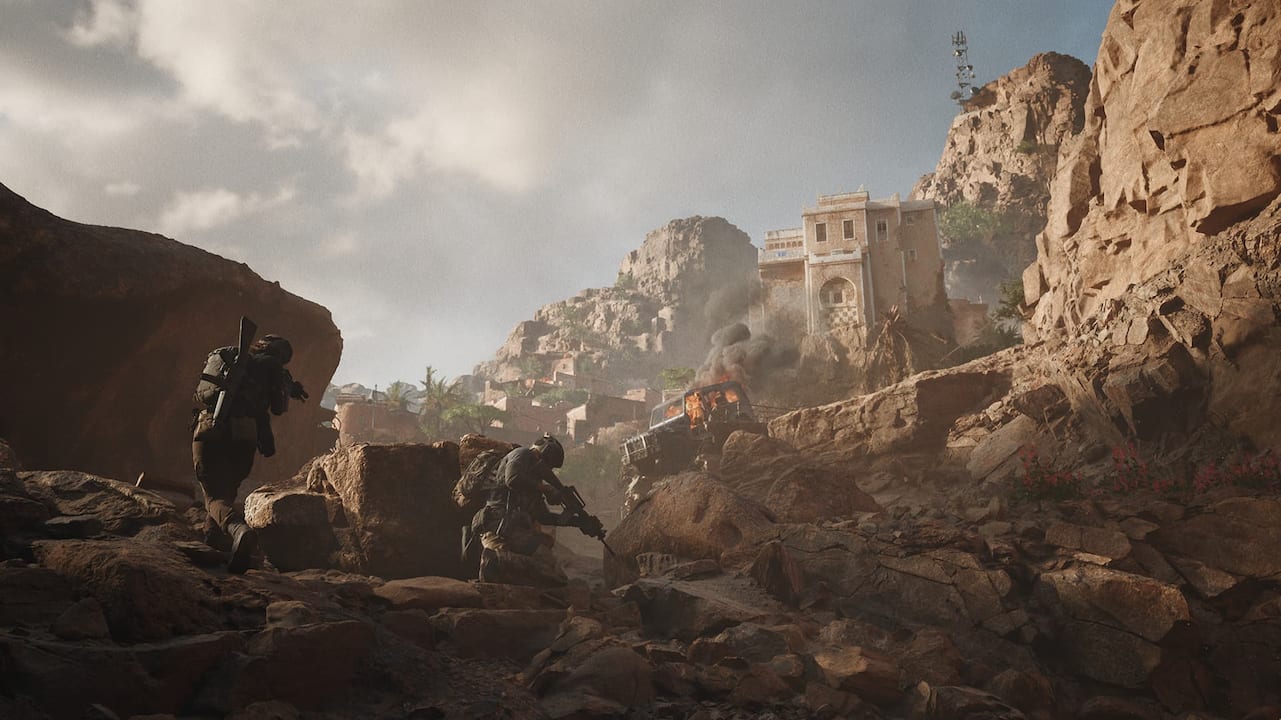
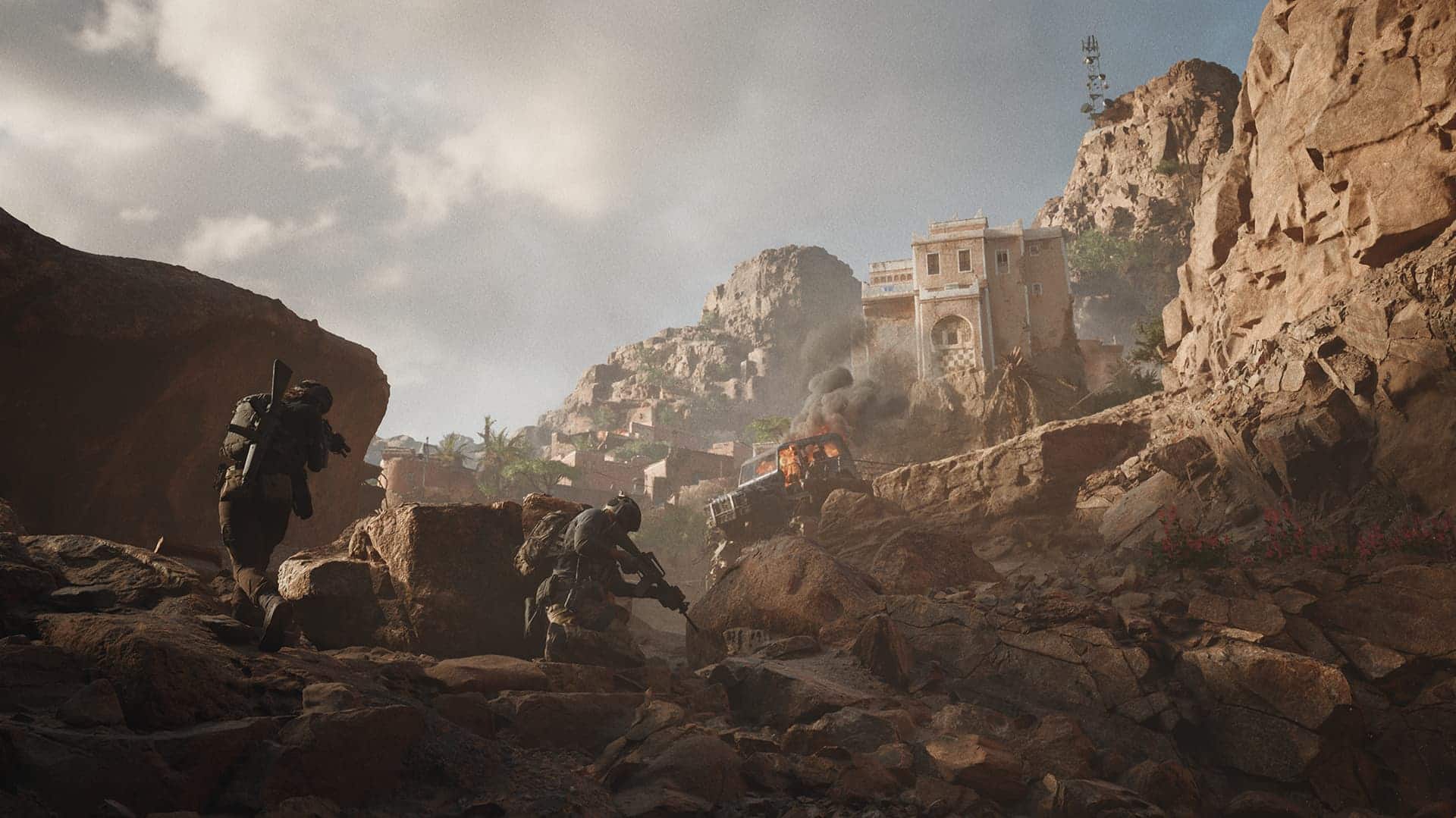
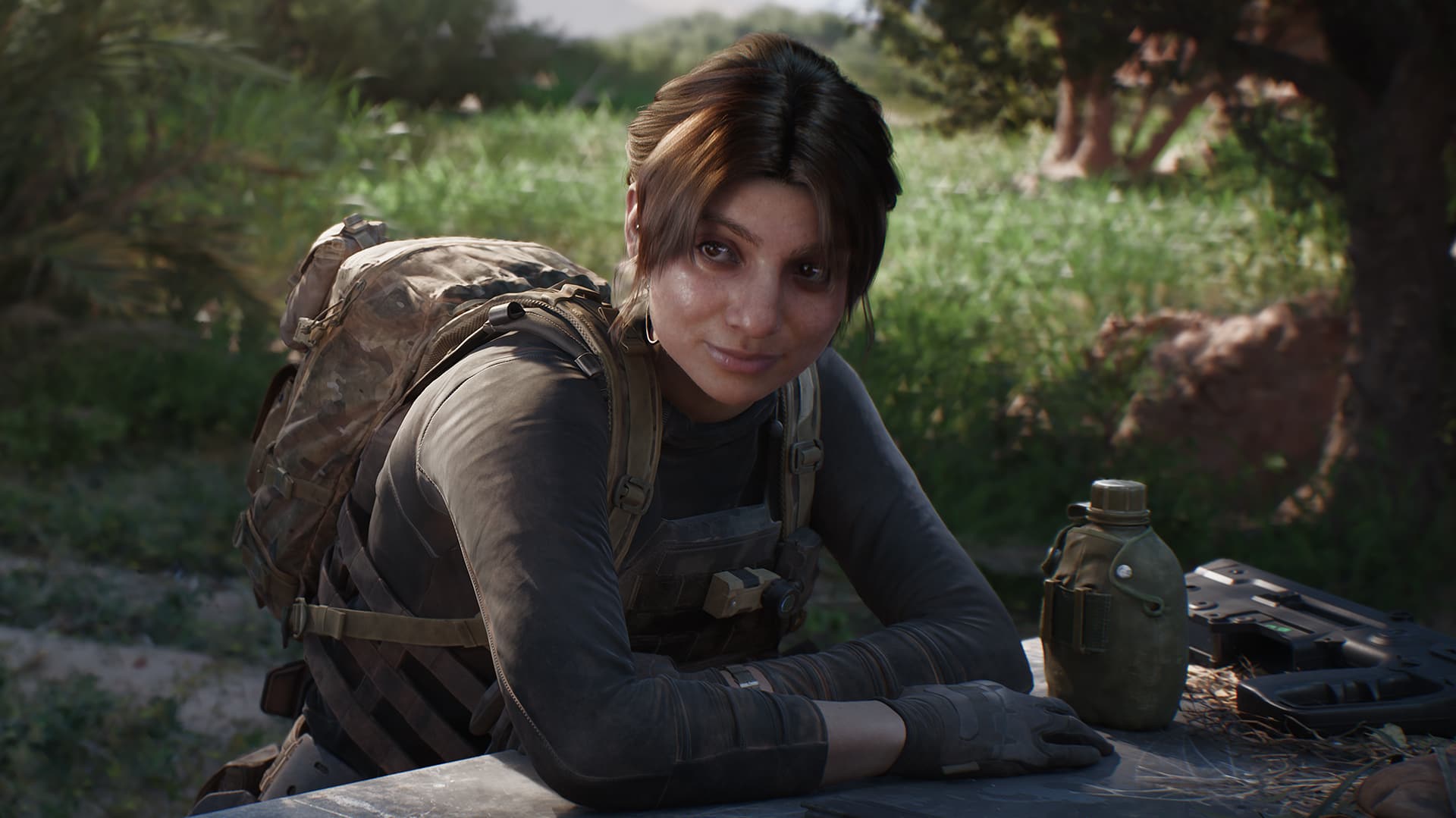
Developed by That’s No Moon studio, Crossfire has two protagonists, with players controlling Layla Qassam while being supported by an autonomous AI character called Delroy Cross. The two are from different sides of a conflict, and fundamentally at odds with each other. But there’s a bigger threat that they need to battle. Along with squads of soldiers and patrolling helicopters amidst the Atlas Mountains, there are supernatural, unearthly creatures to avoid, too.
We talked to Taylor Kurosaki, Chief Creative Officer, and Jacob Minkoff, Game Director, about building a new Crossfire, and taking stealth-action to new places. Beginning with what this title means to the series.
“What we’re doing with our interpretation of Crossfire is essentially a narrative reimagining for the franchise,” Kurosaki said. “By calling it simply ‘Crossfire’ we are saying to people who may have never heard of the IP before, that this requires no homework or previous context, it’s a perfect entry point. And for those who have been fans of the IP for nearly two decades, this is also a bit of going back to basics, it’s taking a lot of the core elements and bringing them down to their foundational components. It’s a space that we like to work within creatively and we think we’ve nailed that balance. It also happens to just be a cool name!”
The reimagined Crossfire is home to something That’s No Moon is calling “Adaptive Cover”. Being a stealth game first, the onus is on the player to remain hidden. Traditionally, this means the level design of a stealth game is rather blocky, guiding players around and flagging clearly where they should hide. Crossfire rejects that notion, and instead uses the character’s stance, the enemy's line of sight, and terrain that’s much more realistically proportioned and designed. You don’t just look at a level and understand what’s required of you. You find out while you move.
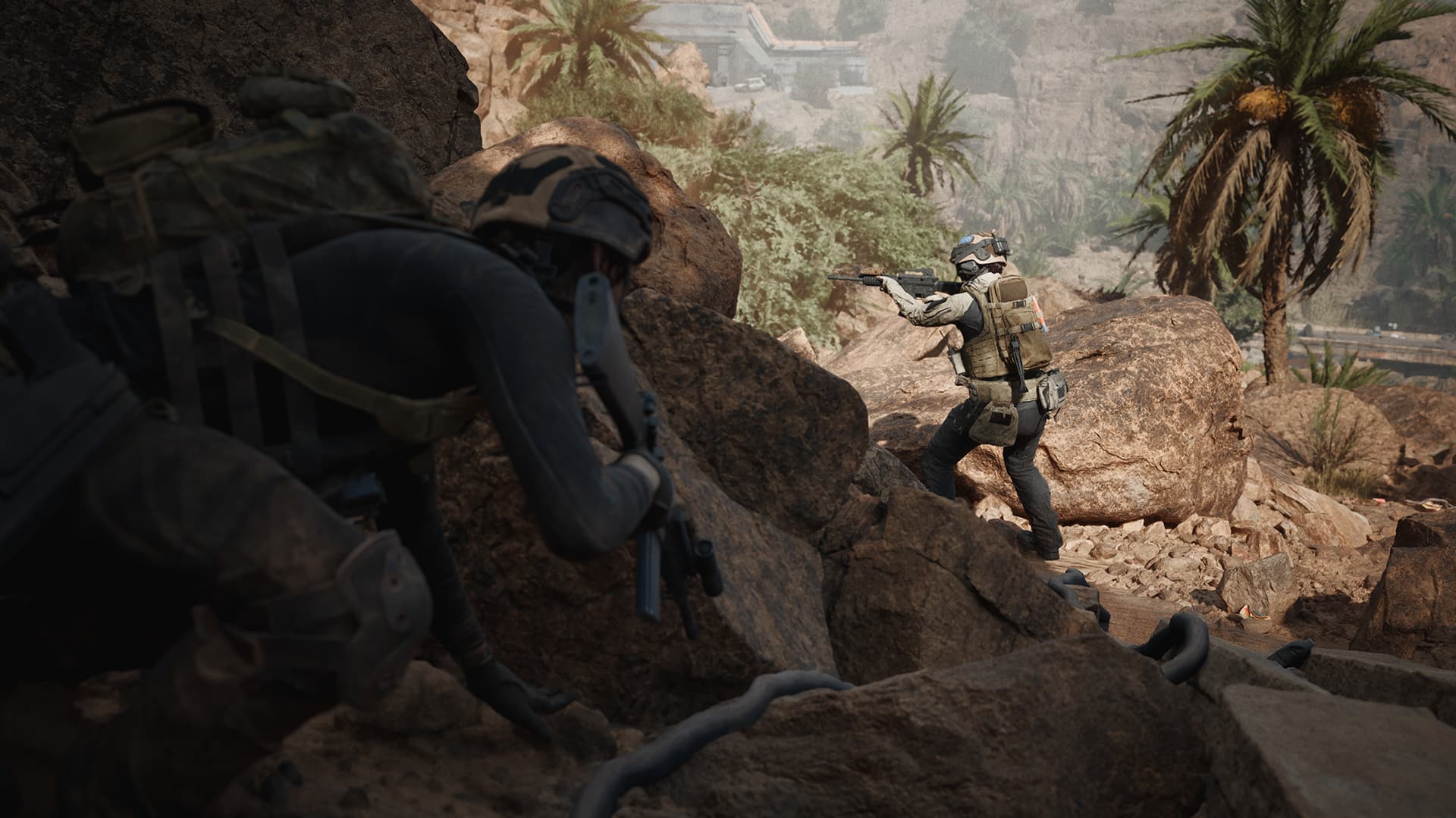
“Adaptive Cover is our genre-reinventing cover and traversal system,” Minkoff explains. “Traditional cover-based shooters utilize rectilinear cover with very specific and limiting metrics that cause combat arenas to look blocky and stair-stepped. These metrics have existed for over 20 years, and players are now easily able to identify the pattern of what a third-person cover-based combat arena looks like – so there isn’t much surprise for the player when enemies appear in these spaces. With Adaptive Cover, we are able to unleash our artists and designers to create the most complex organic environments ever put into a third-person cover-based shooter, giving players a more immersive experience. These highly realistic spaces no-longer telegraph enemy placement. On top of that, Adaptive Cover allows players to feel like they are inhabiting and moving around a real environment.”
“It dynamically adjusts the player’s stance to respond to the terrain and the line of sight of enemies around them. This fundamentally changes the relationship that players have with their environment and creates a more tense and cerebral experience. In traditional cover shooters, cover is a sticky state that changes the stance of the player character. Being in cover means taking a low stance, out of cover means a high stance. Instead, Adaptive Cover is a fully analog system that automatically allows the player character to take the appropriate stance regardless of their distance from cover – like a real human being would do.”
This organic approach to environmental design directly influences how levels and missions are structured, offering players open-ended variety in how they handle objectives.
“Our combat encounter spaces vary considerably in terms of size and scale, but we always want to ensure that the player has the freedom to tackle the encounter in a way that rewards their curiosity and exploration,” Kurosaki says. “This can extend to things like encounters that can be completely skipped with a highly stealthy playthrough. We want to ensure we are rewarding the player for thoughtfully engaging with the game.”
While many modern stealth titles treat sneaking as a secondary option rather than a strict requirement, Crossfire deliberately positions it at the forefront. However, players won't be entirely locked into a single playstyle.
“In Crossfire, stealth is the primary way to play,” Minkoff says. “But you can go in guns-blazing if you master the systems and are extremely skilled. With that said, I enjoy games that are stealth-forward for a lot of reasons. The tension is palpable, and overcoming the challenge is extremely satisfying. Stealth is less about aiming skill and more about movement and positioning – about using the environment to your advantage.”
For Minkoff, this tactical realism is what bridges the gap between gameplay and narrative stakes. “In real life, a small force cannot go in guns-blazing against a larger force. They have to use guerrilla tactics, break line of sight, flank, and pick off the opposing force one by one. That type of more realistic experience makes the stakes feel high, which reinforces the emotional stakes the characters are facing. For me, stealth-focused experiences are rich with both tactical verbs and storytelling opportunities.”
Which leads us neatly to Delroy Cross. As players navigate through the levels controlling Layla, Delroy will offer support. He can lay down suppressive fire, mark enemies, cover you while you’re healing, and kill off enemies. All autonomously.
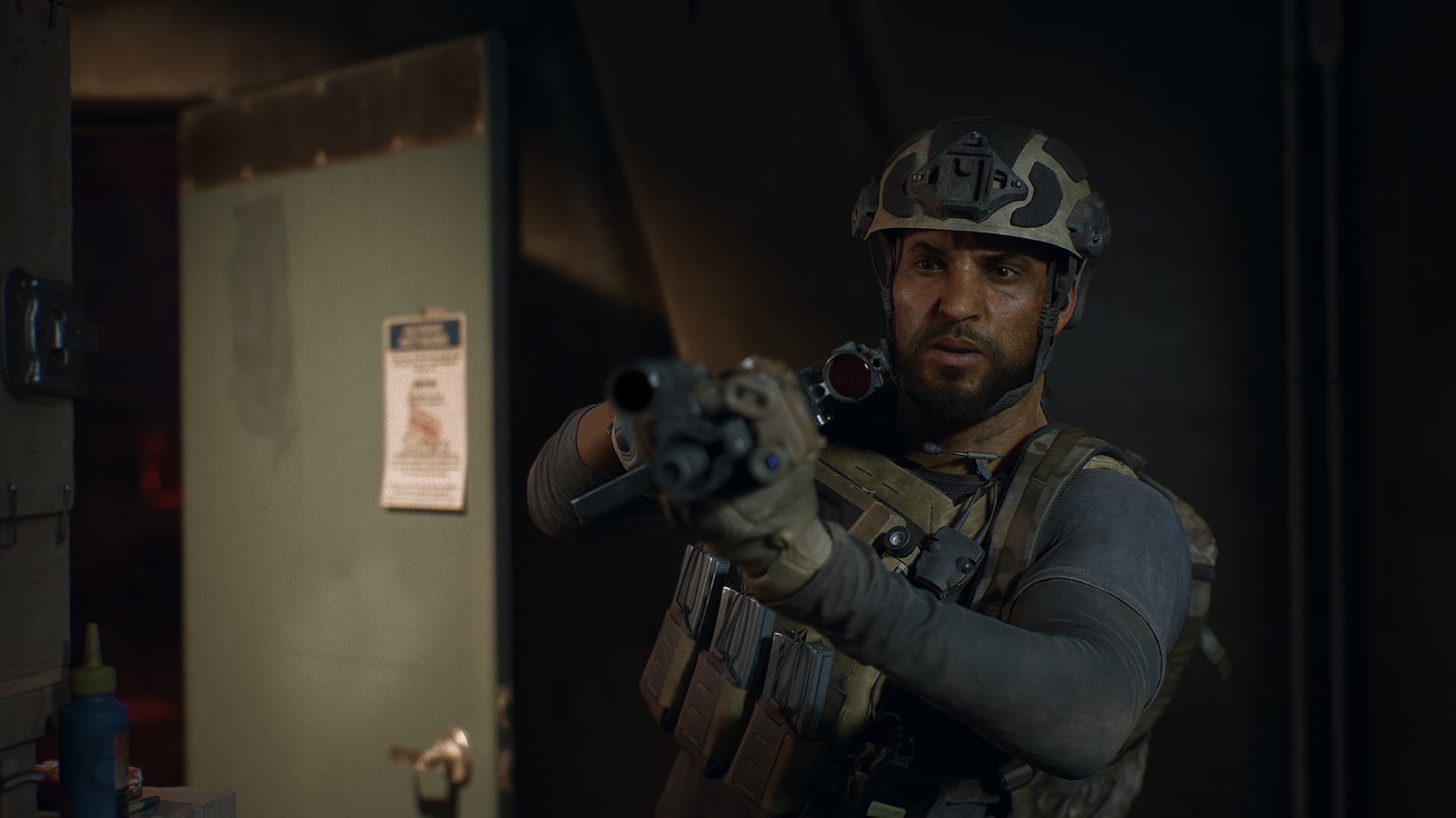
“I am a very strong believer that the moment you can issue a command to an AI companion, tell them where to go, or what to do, they become a tool, not a person,” Minkoff said. “This is a character-driven story. The purpose of having an AI companion is to be able to build a bond on a journey, to explore the unique character interactions, and get the most out of this interactive medium. Autonomous AI is required for the strongest emotional bond.
“The ethos of the studio is that narrative and design are inextricably linked, that the way the characters feel, emote, and react in cinematics should be in parity with how the player is feeling on the sticks. So when you build a narrative around the idea that these are two enemy operators who are compelled to work together because the pressure being placed on them is too great for them to face alone, then the player must feel that when they play. The game must be sufficiently difficult to earn that feeling. If you’re playing the game and you’re breezing past enemies, then when the character says in a cutscene, ‘we have to fight together or die alone’ you won’t buy into that. So first, the game needs to be appropriately difficult, and second, your AI companion must feel sufficiently helpful.”
You can tell from the trailer that Delroy is there for more than just support. As the narration begins, with Layla listing off all her issues with humanity, ultimately decrying them, and Cross, as “bullies”, his response is far more human than the lead’s own cynicism.
“It’s great to hear that moment resonates! This is a story about two individuals with opposing ideologies,” Kurosaki said. “Layla Qassem and Delroy Cross fundamentally do not view the world in the same way, but they’re just people. It’s very often in these types of military-themed games where you lose the heart, and for me, stories with heart and charm and humanity, I’m drawn to the most. When Cross says that he ‘genuinely likes most people’, it counters Layla saying that people can be ‘endlessly disappointing.’ I believe that the world is not full of moustache-twirling villains. Most people are generally good. So in this instance, when Layla is confronting Cross’ ideology, Cross has humanity, he has humour, and he probably has a more healthy worldview than Layla does in this particular interaction. That type of nuance is really important to us, and to the story we are telling.”
It’s an ambitious first game for a studio. But according to Minkoff, That's No Moon was set up to take on this sort of challenge.
“We strongly believe that you only have so many ‘at bats’ and these games take a long time to make,” he said. “If you’re going to make something, you should be aiming to push the medium forward. In our positions at previous studios, this type of risky innovation was never fully embraced as there wasn’t an inherent need to. Those were established studios, with established tech stacks, and established IP. In many ways, we have none of those things, and so for us, innovation is born not only from a personal desire but also out of necessity to stand out in the industry and really make our mark.”
Wishlist Crossfire today on Epic Games Store.