News
Hands-on as a reawakened robot tasked with saving humanity in The Last Caretaker
A
Alan Wen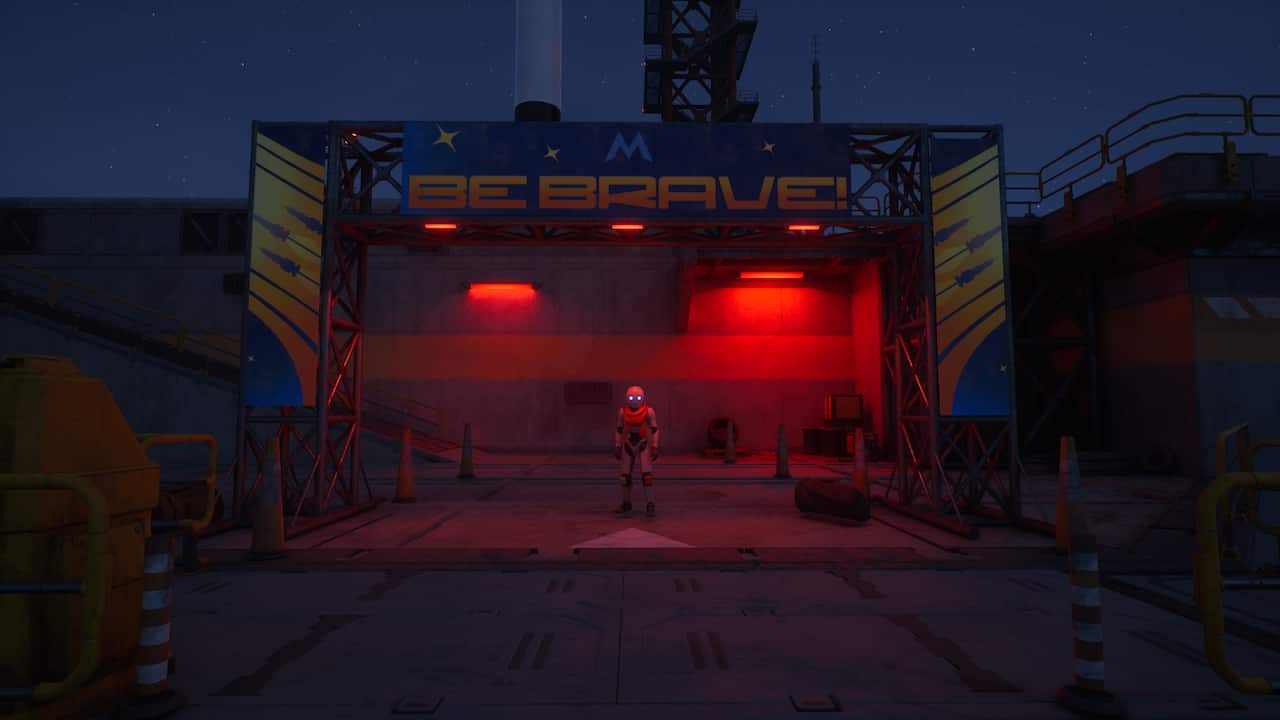
For my Gamescom hands-on, I was, however, primarily getting to grips with playing as this reawakened robotic Caretaker, and was delighted by the physicality of exploring this abandoned station, pulling open doors, picking up and throwing a chair, and then coming across another room with another robot, completely lifeless and evidently drained of power. I'm not entirely alone, as a disembodied voice is also guiding and instructing me to reconnect the power and bring the station back to life.
That includes my Caretaker, who doesn't just have a health bar but an electricity meter, which depletes with every action. Fortunately, I come across a charging station, and it's a case of pulling the lever to turn on the power before grabbing a blue electric cable and attaching it to my chest. I also find a similar station that replenishes my health the same way, as well as another for saving progress.
Once fully restored, it's time to ride a lift up to discover that I'm inside a docking hangar with a boat that's going to be a key part of my journey. This is a future where the climate catastrophe has transformed the planet into an ocean world, so it's essential to be able to sail around to reach the structures that remain above water level. I just need to power the rest of the hangar up so that I can get the dock open and the boat ready to sail.
This is where one of the first of many tools comes in handy. There's an intimidating number of skills to unlock as you level up, but a very important tool I unlock early on is the dismantle tool. The Last Caretaker has a deep crafting system where you'll need to gather certain numbers of materials in order to craft an item, but you're not just randomly picking up metal, iron, or fabric. By using the dismantle tool, I can approach any object and see what kind of materials it consists of, and then use the tool to break it down and retrieve the resources. As I encounter another caretaker robot slumped and immobile in a vent shaft, I'm somewhat saddened to learn that they can also be dismantled, but I take some solace that their materials will contribute to my mission of restoring humanity.
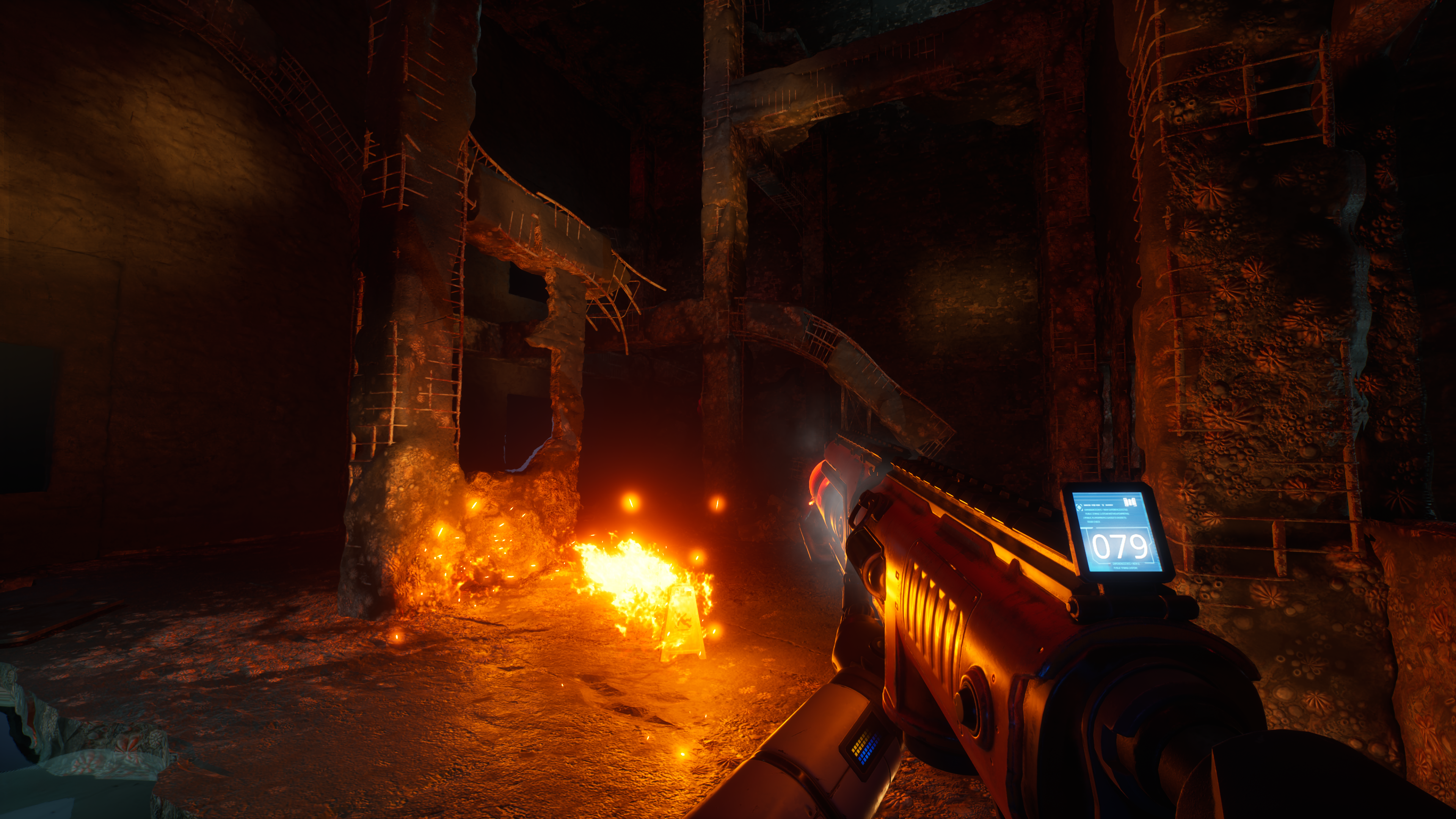
With the necessary materials, I'm then able to use a repair tool to repair another charging station before connecting it to a power source in order to power up the dock. There's just a slight mistake, as I unwittingly connect this cable to myself, which means the dock is using up my electricity, so I quickly disconnect and carry that cable over to another power station. It nonetheless illustrates how everything has a working logic in the game. Nothing is faked, and everything can be accessed and has a function. As you explore the wider world, it will even be possible to craft your own charging stations so that you can safely explore a remote area without worry of running out of power. You might even get to a point where you have a messy tangle of cables to navigate, too!
But while this world is seemingly devoid of humanity, it's not without threats, both organic and other mechanical types, though the latter have also taken on a kind of life of their own, similar to the machines in Horizon Zero Dawn roaming like wildlife. In other words, the enemies you encounter aren't actively hostile but behaving like organisms of an ecosystem, perhaps threatened by your presence or wanting your Caretaker's source of electricity.
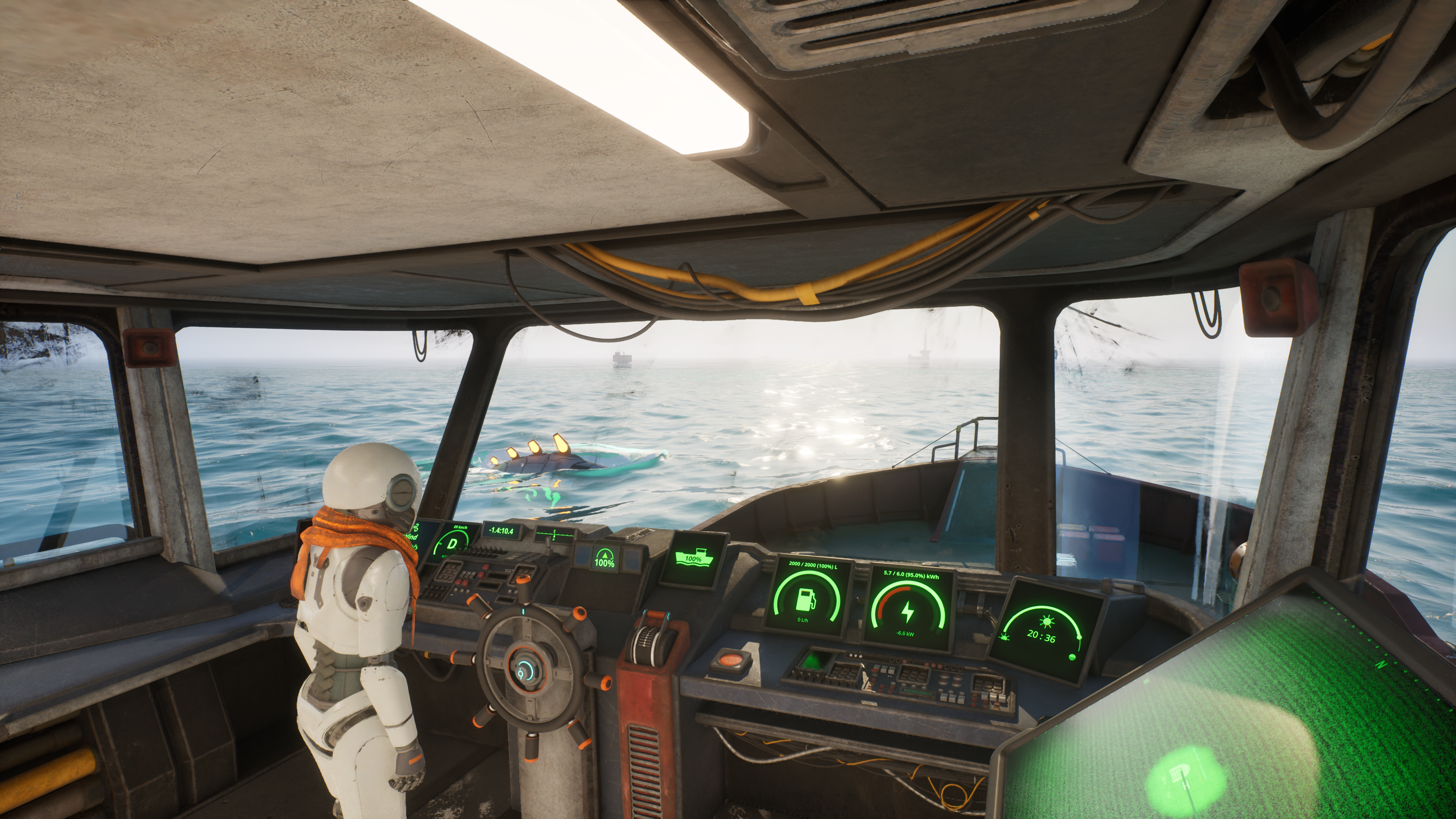
Still, it means I need to be prepared for such encounters, as the developers at Channel37 load me into a later point in the game, where I have a decent pulse rifle that's also handily powered by having it connected to my Caretaker's power supply. A couple shots are enough to blow away some tentacled things gripped to the side of the station, but the larger blobbier organic masses, but also what appear to be swarms of wasps, taking over the roof, require stronger firepower, so a charged blast is more effective. Depending on the enemy types you're dealing with, different weapons are also more effective than others, such as electricity-based weapons against other machines.
The game's core mission of saving humanity is however a trickier part to showcase in a short demo. Fortunately, that doesn't stop creative director Antti Ilvessuo from trying by loading me into a debug developer mode to demonstrate the process of creating new human life in a matter of minutes that might take at least ten hours of gameplay the first time.
To summarise, since the planet is no longer habitable for humans, humanity has taken to the stars, but they are also unable to reproduce up there. It then falls to the Caretaker to populate the new human space colony by recovering human seeds and nurturing them via the Lazarus Complex. Essentially, you're growing a human from seed to fully formed fleshy human, but that also requires time and resources, like clean water, electricity, and food, which you'll need to cultivate over time. Not only that, since you're basically creating fully grown humans, you also need to give them memories, which is where accumulating objects like toys, books, and photographs is also important, shaping the personalities they can become, even though this isn't strictly a colony sim.

This nonetheless culminates in launching your nurtured humans into space to join their colony. That comes from restoring the launch infrastructure and ensuring you have the necessary launch codes, fuel, and navigation systems. But the launch sequence feels just as rewarding as what the NASA Launch Control Center gets to experience, from the exciting countdown to watching the rocket’s curved trajectory into orbit. It's hard to think of a more satisfying pay-off to illustrate how you are saving humanity, one human seed at a time.
The Last Caretaker is releasing in early access soon on Epic Games Store, and you can wishlist it now.
