News
The Expanse: Osiris Reborn delivers echoes of Mass Effect on the back of a memorable piece of fiction
C
Charlie Wacholz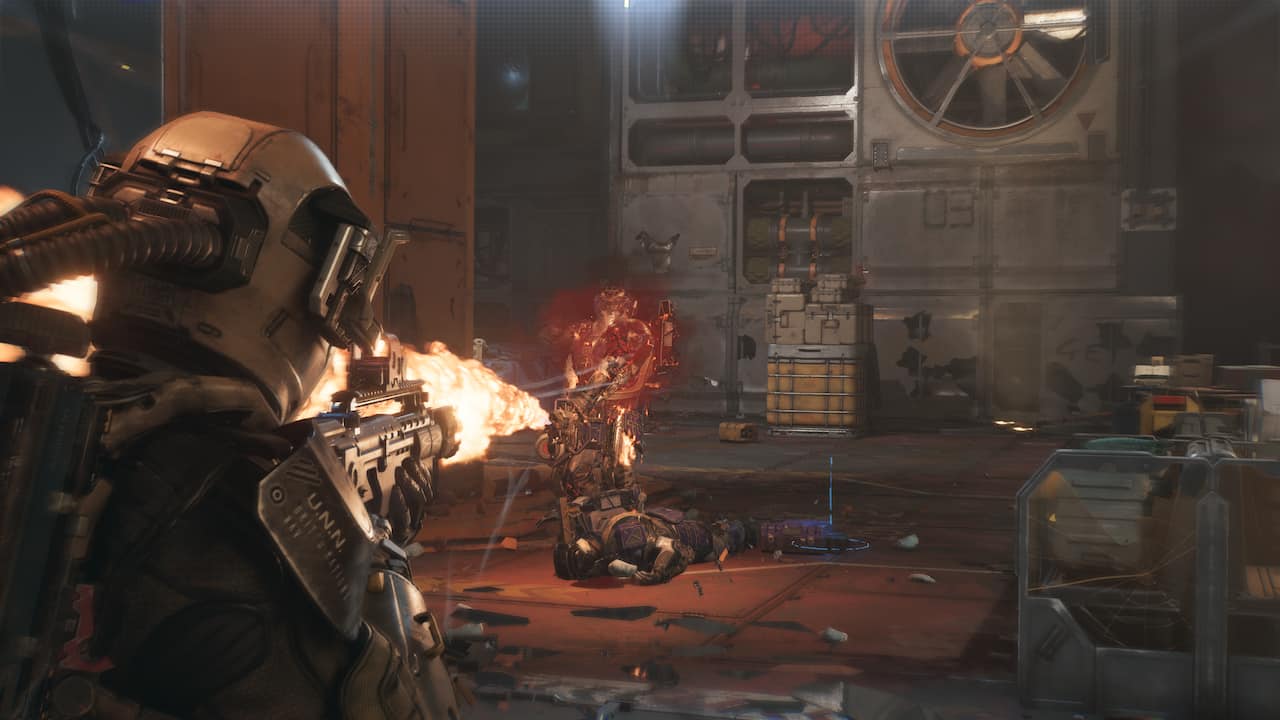
As much as I love sci-fi that whisks me away, not giving an inch for disbelief to creep in, it's also really cool when everything has an answer or a tether to something theoretically real. The world of The Expanse has always been like this across novels and TV, but that comprehensive, grounded take on science fiction often doesn’t play well in the video game space. Where hyper-realism and simulated immersion can win high marks for, say, simulating a city or historic battle or producing high-fidelity graphics, it often falls short when the rubber hits the road in combat, movement, or exploration. And the further down the fictional rabbit hole a game goes, the harder it is to make that level of hard realism enjoyable in a shooter. During an hour-long, hands-off demo, Owlcat Games showed deft confidence at carefully threading that needle in The Expanse: Osiris Reborn.
Following a player-designed main character and their twin brother, the demo starts after a mysterious, deadly disaster. The player character and their twin, J, escaped on a stolen ship. Plucked from a corporate fleet owned by Protogen, an ethically dubious corporation with ulterior motives, it was only a matter of time before trouble caught up to the twins. But before action came to the otherwise calm spacecraft, the pair spent some time chatting with the crew, like a dispatcher born in an asteroid colony. Lanky, thanks to the lack of gravity and soft-spoken, thanks to the belt colonies’ reliance on sign language, his dialogue tree worried me for a second. Not because it was poorly written or awkward, but because I thought that the entire demo would be riddled with similarly reserved characters, in line with some of the less-than-flattering stereotypes that I’m sure you can imagine plague hard sci-fi as a genre. I was almost immediately proven wrong by the ship’s colorful cast, like a chatty shopkeep and caring chef (whose foods regularly change). Each had a surprising amount of dialogue options, and the fraction of each tree I saw expressed a keen eye for personality and character that didn’t just lean into the sci-fi tropes you might find in this style of game.
But it wasn’t long before Protogen caught up with the crew. Hacking the ship’s communications and blasting an ultimatum that boiled down to: “Hand over the thieves or pay,” I saw the section’s first narrative choice. Offered to either try and convince our commanding officer to order the station to arms or to essentially play dumb and let us figure it out, the other journalist in the demo and I agreed on the latter in the interest of saving the crew from certain harm and snuck out of the boss’s office through an air duct. Things didn’t quite go well.
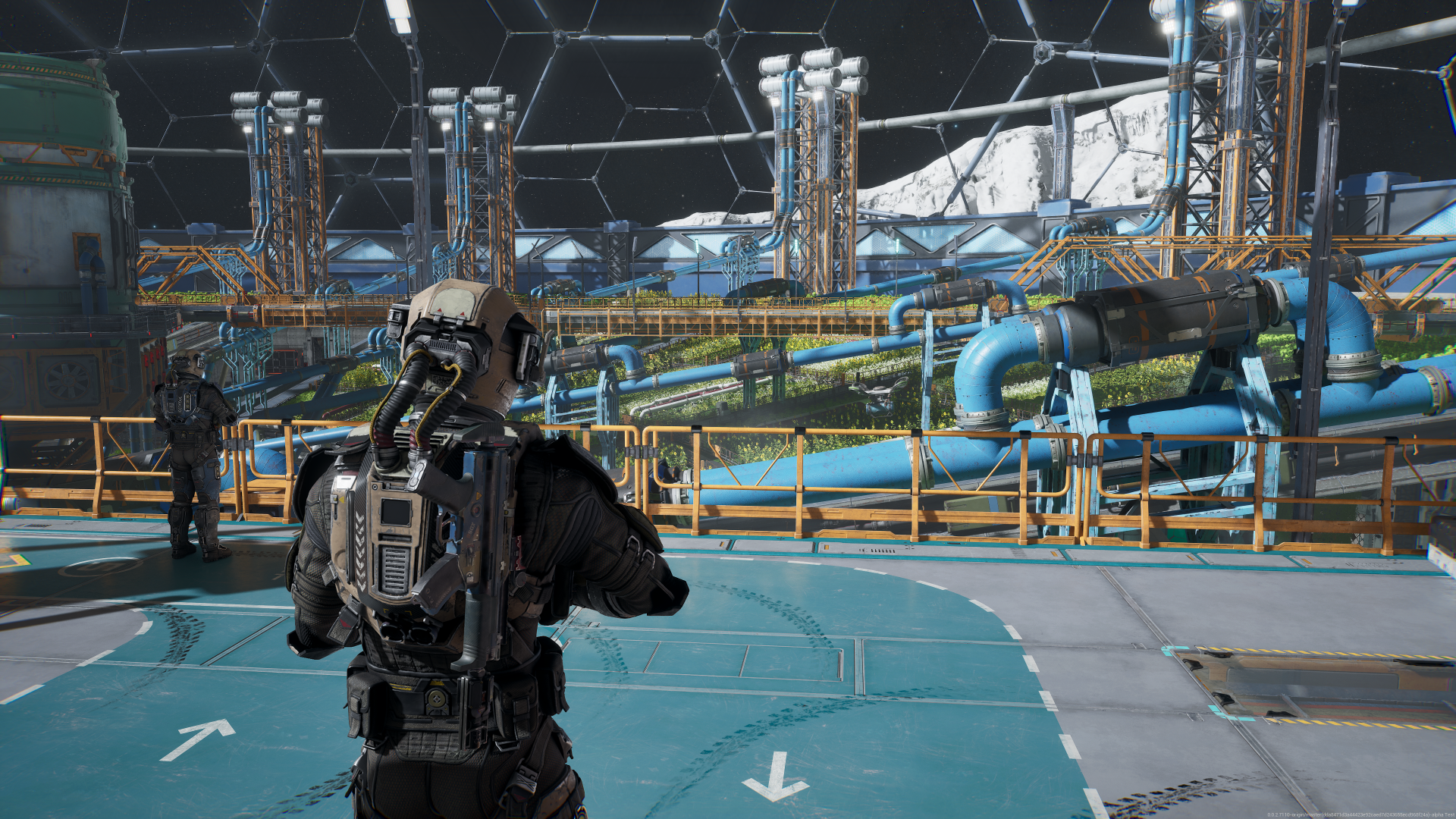
The heroes wound up dodging bullets just a moment later. Doing everything in their power to clear our names by effectively changing the licence plates on the stolen ship, a handful of cover-based shootouts in compelling set pieces like shooting enemies off the hull of the ship, and some sneaking around its living quarters with some light environmental puzzles stood in the way. They were occasionally bookended by cutscenes and canned moments like extra loot pickups or level paths that showed the consequence of our choice, with the developers pointing out what might’ve happened if we’d tried to rally the ship for a fight or if we’d taken a different path to complete our mission.
Along the way, the main character issued commands to his twin, having him knock down weak points in the level or burn through cover with an incendiary grenade. But that wasn’t the only help he had. Instead, crewmates can help you out even when you’re not on the mission. In our case, activating the ship’s external turrets to help with the threat inside. Again, carefully adhering to the world’s realistic rules, this brief lack of pressure had an effect on the battlefield for a moment before being sealed up by the ship’s hull. He had a say in some other, smaller choices with the pace and path taken in the level, though he couldn’t always directly help out on the battlefield. I think this is a cool way to balance a Mass Effect-style companion system without fully relegating a character’s chances to grow on you, at the very least.
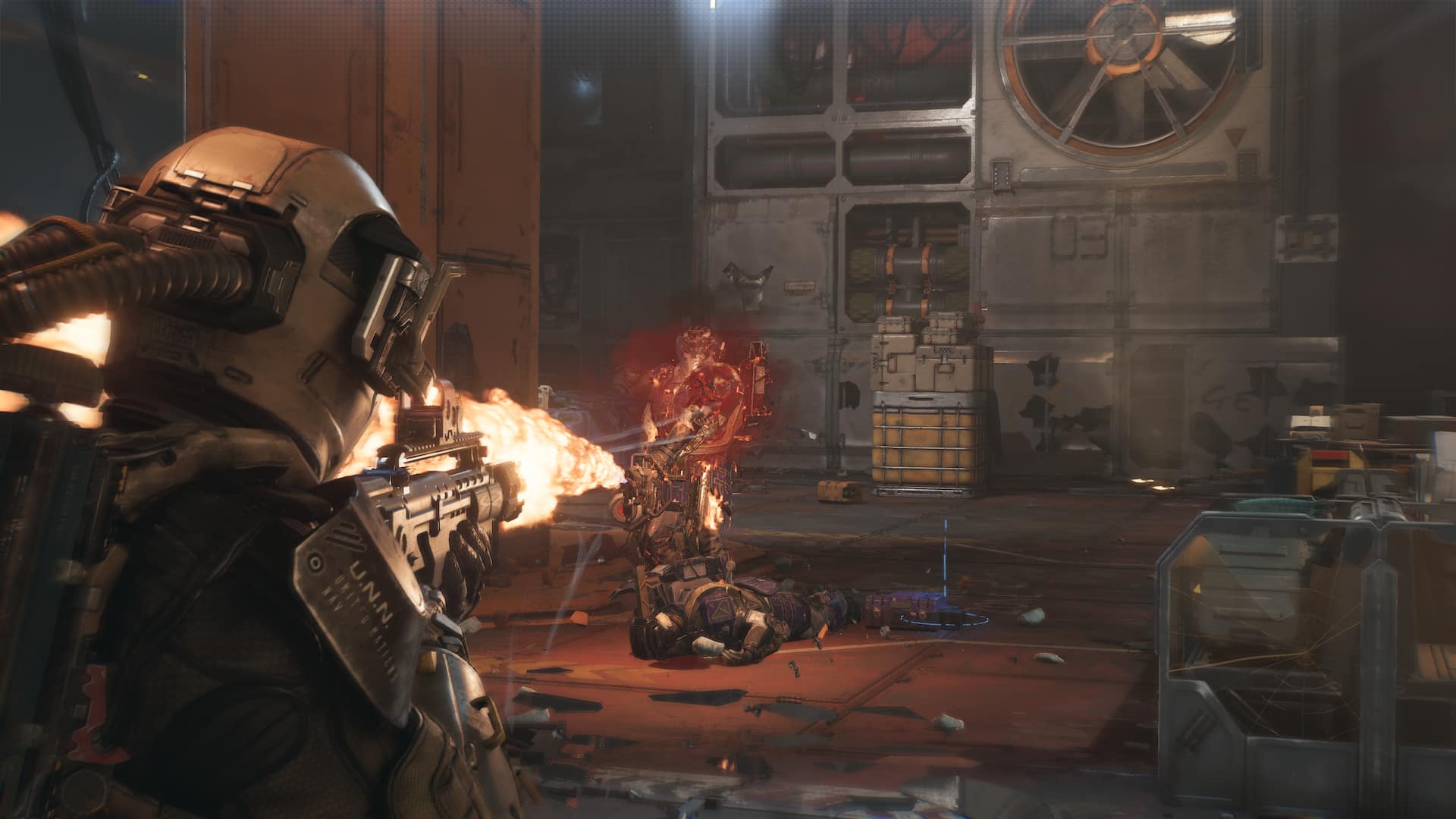
The player-controlled combat itself looked decently fun, guns cracking with the right damage and sonic pop, though the cover system doesn’t seem like it’s doing much we haven’t seen before.

The sequence I saw really does invite—and earn—plenty of comparisons to BioWare’s opus. And it mostly wears these similarities pretty well. While I didn’t get to see many departures from the classic formula beyond some minor mechanical tweaks like the remote companion system and some more dynamic environments, paired with modernized takes on familiar ideas, the proof is in the plot. I didn't get a great taste for what this game’s story will actually wind up being, but the snapshot of its characters and writing that I saw has earned my faith.
You can wishlist The Expanse: Osiris Reborn right now on Epic Games Store.