新聞
Between two Hells: From Doom 1993 to Doom 3
J
Juno Stump
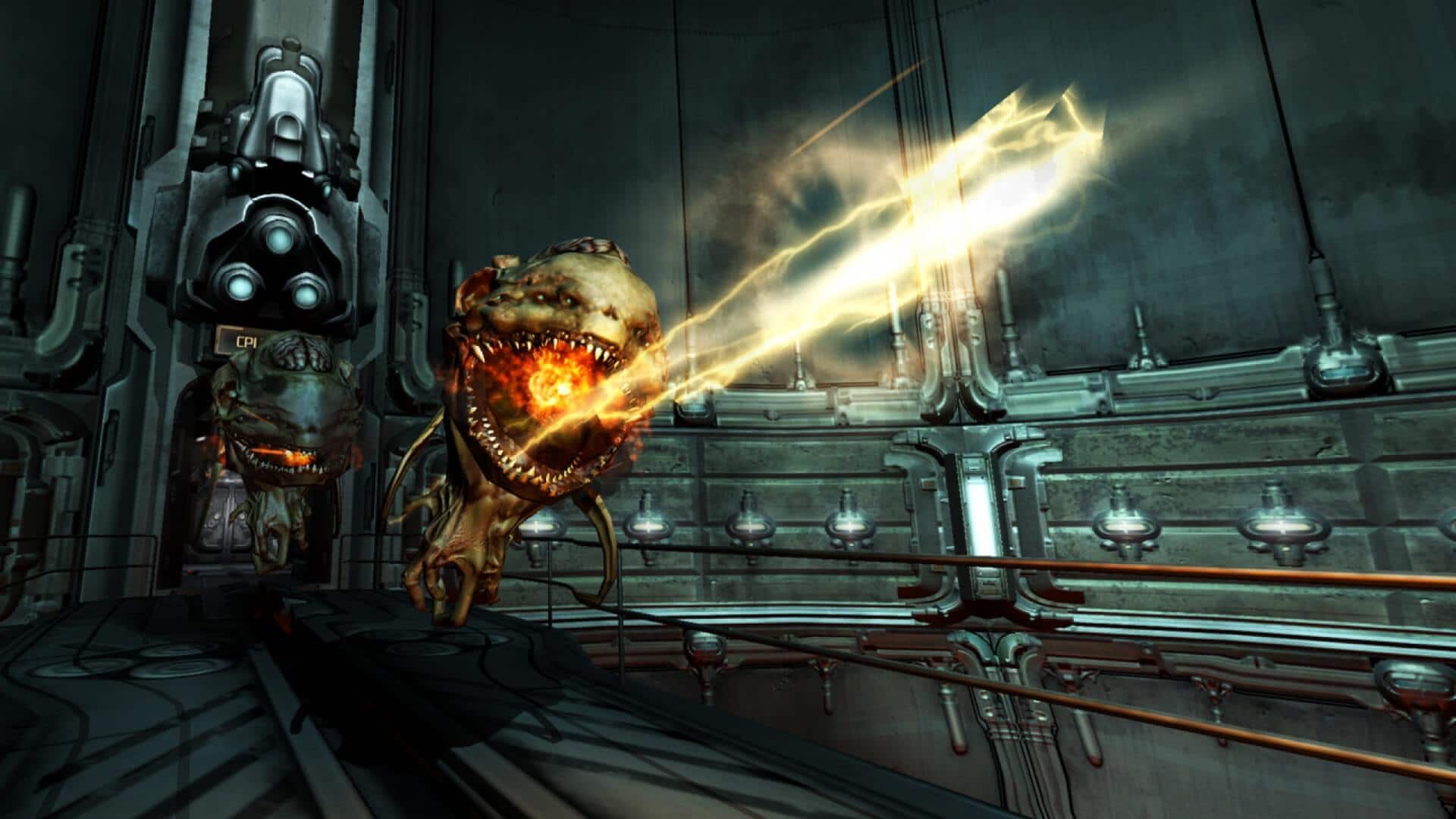
But id Software decided to go another route when it began development on 2004’s Doom 3. From the bones of the previous games, id Software crafted a game that was more a take on modern survival horror than the hellacious assault that the other games in the series are known for. Here’s what changed, and how Doom 3 stands out from the rest.
Bearing witness to the sins of man
Doom and Doom II started in media res, with the Doom marine (or “Doomguy”) ready to kill the demons that just invaded the base. There were no cutscenes or conversations about mission briefings. There was just Hell to contend with, and that was it.
In Doom 3, after a long walk-and-talk sequence through the Union Aerospace Corporation base on Mars, you witness the demonic invasion firsthand. You are powerless to stop it from happening.
Since you’re just a few steps behind the invasion, it’s the perfect place to start the game’s story. It gives players a front seat to the fall of man.
Grab a gun and start shooting... eventually.

Doom 3 shares the same basic story as the original game, but the style, focus, and approach of this attempted reboot is different from earlier titles in the series. This is articulated clearly by id Software right at the start. The game communicates to players that this isn’t just a first-person shooter, this is an immersive, story-rich ride, with many horrifying and atmospheric stops all along the way.
I timed it. It takes about ten minutes for you to get your first gun, and it’s about 15 minutes before the demons finally arrive. That’s notable for the first-person shooter genre, but even more so for the Doom series. For comparison, in that same span of time in Doom (1993), players can kill dozens of demons across several levels with a variety of weapons. While someone playing Doom 3 is still going through the UAC’s orientation, waiting on non-playable characters to complete paperwork and give you your briefing, players in Doom (1993) can use their shotgun and chainsaw to dish out death and doom to every enemy in sight.
A more focused story
Doom 3 still has plenty of horror in its slower moments—such as listening to audio log diaries found next to dead bodies—but there are times where players just need to take a breath and let a story-infused cutscene finish before they can kill more demons.
This different style of pacing is put to good use in Doom 3, with monsters often leaping out at you like iconic horror movie villains. The game borrows a technique from immersive sims and RPGs in giving you a PDA (remember those?) that you can fill with logs and documents you collect throughout the levels; these provide further details on the world of Doom. You learn how the UAC employees worked, what life was like on Mars, and the frightening sights reported by maintenance workers.
Hell has been upgraded

The new technology available to id Software allowed for renovations to one of the most iconic spaces in video games. Hell is still a playground for the Doomguy, but you see the space through a different lens.
This time, players aren't just killing demons and looking for keys. At times, Doom 3 tasks players with other side quests that involve something other than shooting, but are equally necessary for survival. These include missions like keeping an NPC with necessary security clearance alive to move forward through the next portion of the facility, or using a claw machine to dispose of hazardous waste barrels. Doom 3 immerses players in the world, adding so much more than just demon target practice to your list of concerns.
In the original release of Doom 3, this also included a fine balance of visibility and safety, because players weren’t able to equip a flashlight and a gun at the same time. The game was built around this, which allowed for plenty of jump scares, as well as an increased focus on shadows and things lurking in corners. This created a real sense of dread that permeated the experience. However, the limitation bothered so many players that the game’s 2013 remake Doom 3: BFG Edition includes a ‘shoulder-mounted flashlight.’ (Cowards.) There’s still plenty of dark corners to be found in any version of Doom 3, but id removed that extra layer of fear and vulnerability from the game to please the haters.
Doom 3 is a BFG (Big, Freaking Game)
Levels in Doom (1993) and Doom II can be completed rather quickly—heck, you can speedun the first game in 20 minutes if you know what you’re doing. Doom 3 traded those bite-sized levels for one big, sprawling base, making the game feel much more like a reimagined successor and less like a direct sequel.
Doom 3’s approach takes more time to see and search, but the wreckage of the dead conceals the UAC’s secrets. Throughout the game, you learn how well-meaning scientists and researchers were able to open a portal to hell through audio logs and emails. The broad strokes of the game’s events eventually become clear to players, but I personally enjoy the minor, day-to-day moments from maintenance workers, IT administrators, and the regular people that learned what was happening at the UAC—too late to stop any of it.

These spoken conversations and hastily sent emails include the little pieces and details necessary to understand everyone’s role in unleashing Hell, and everything they did to try to stop it. This realistic edge gives extra details to the story while also grounding everything in lived reality, making it all more meaningful.
The tech is cranked up to 666
Doom has always been creepy, and id Software has forever been a technological powerhouse. That said, Doom 3 was the first game in the series to truly bring horror to Hell.
Doom 3’s impressive technical achievements include unified lighting and shadowing, complex 3D animations, and even functional, high-resolution computer displays.
These high-tech screens are surprisingly interactive, and they serve multiple functions. As soon as you see the screen, you can control the mouse cursor. This lets you do simple things, like click on emails and open doors, but it also lets you do more complex actions, like controlling a crane. It makes things feel more realistic than previous entries in the series.
The graphics of the original Doom were considered cutting edge in 1993, but Doom 3 built on a decade of technological progress, which allowed id to make things less wacky and genuinely gory. This all coheres into an immersive horror experience that’s aged like a great Doom WAD, even 18 years after its original release. If you haven’t given it a try, you should, so check it out on the Epic Games Store here.