Bug Fables is a paper RPG that stands toe-to-toe with its AAA inspiration
"Paper" RPGs have become quite the popular genre among indie game developers over the past few years. Such games are inspired by the RPG escapades of Nintendo's mustachioed mascot in the Paper Mario series, but few pull off the combination of fantastic turn-based action, charming characters, and lighthearted-yet-epic story quite like Bug Fables: The Everlasting Sapling.
Released on the Epic Games Store in 2022, Bug Fables: The Everlasting Sapling follows bug explorers Kabbu, Vi, and Leif as they explore the vast Land of Bugaria in search of ancient artifacts that will lead them to the titular everlasting sapling, said to grant eternal life. Along the way, they encounter ferocious monsters, rival groups of explorers, and corrupt kingdoms bent on world conquest.
Bug Fables actually began life as a comic drawn by Panamanian programmer José Fernando Gracia and two of his friends—but as he says, "I don't think any of us expected what it would become." One day his colleague, programmer Marcio Cleiton Jr., expressed interest in making an RPG. With both a story and cute characters already prepared, using them in this then-hypothetical RPG seemed like a no-brainer.
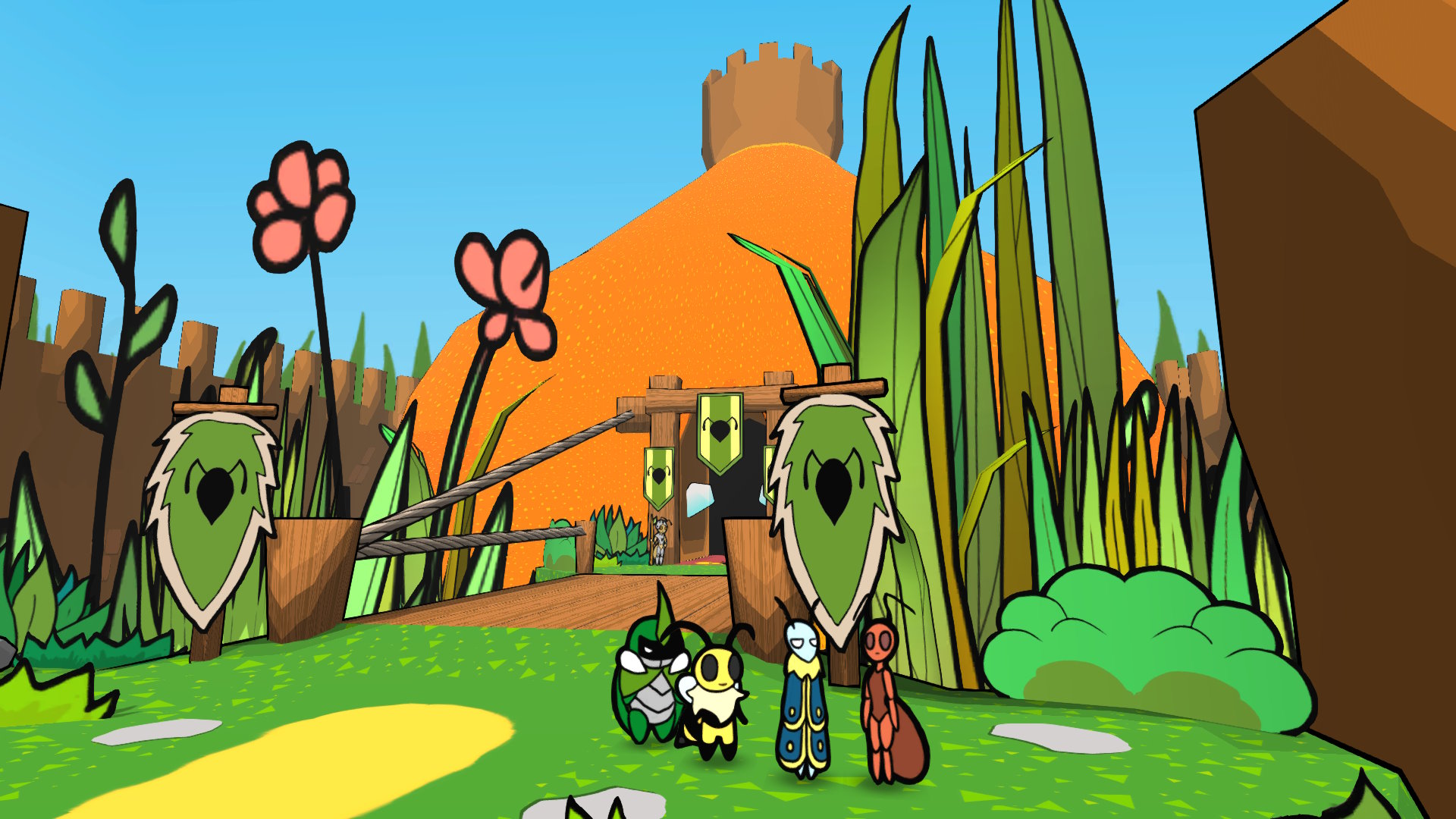
The team, known collectively as Moonsprout Games, knew they wanted to make their game in the vein of the first two Paper Mario titles. At the time, the Paper Mario series had long since strayed from its original RPG roots, leaving a hole in the hearts of many who adored its original combination of turn-based combat, light platforming, and heavy emphasis on character and story.
Moonsprout Games didn’t feel it was necessary to rack their brains and reimagine every single aspect of their game. "I think we always knew there'd be comparisons," says José, "so there was no point sweating the small stuff like jumping, action commands, or the load zones...In the end, the plot was what was going to set us apart. The characters and story are why I love Paper Mario, so all I could do was try to pay homage to it while trying to do my own thing."
In Paper Mario’s case, Mario was a blank slate. While his partners had much more defined personalities, they typically remained relevant only in their respective chapters. "We decided to focus on the main cast because we wanted a story where the partners always remained relevant," says José. With Bug Fables, the three main playable characters—Kabbu, Vi, and Leif—progress through personal arcs that span multiple chapters, growing and changing as the story progresses.
In a genre typically populated by fantastical creatures like orcs, wizards, dragons, and the like, basing an RPG around bugs may seem a bit tame by comparison—at least on paper. But José notes that just because they might be familiar doesn’t mean they don’t have a unique appeal.
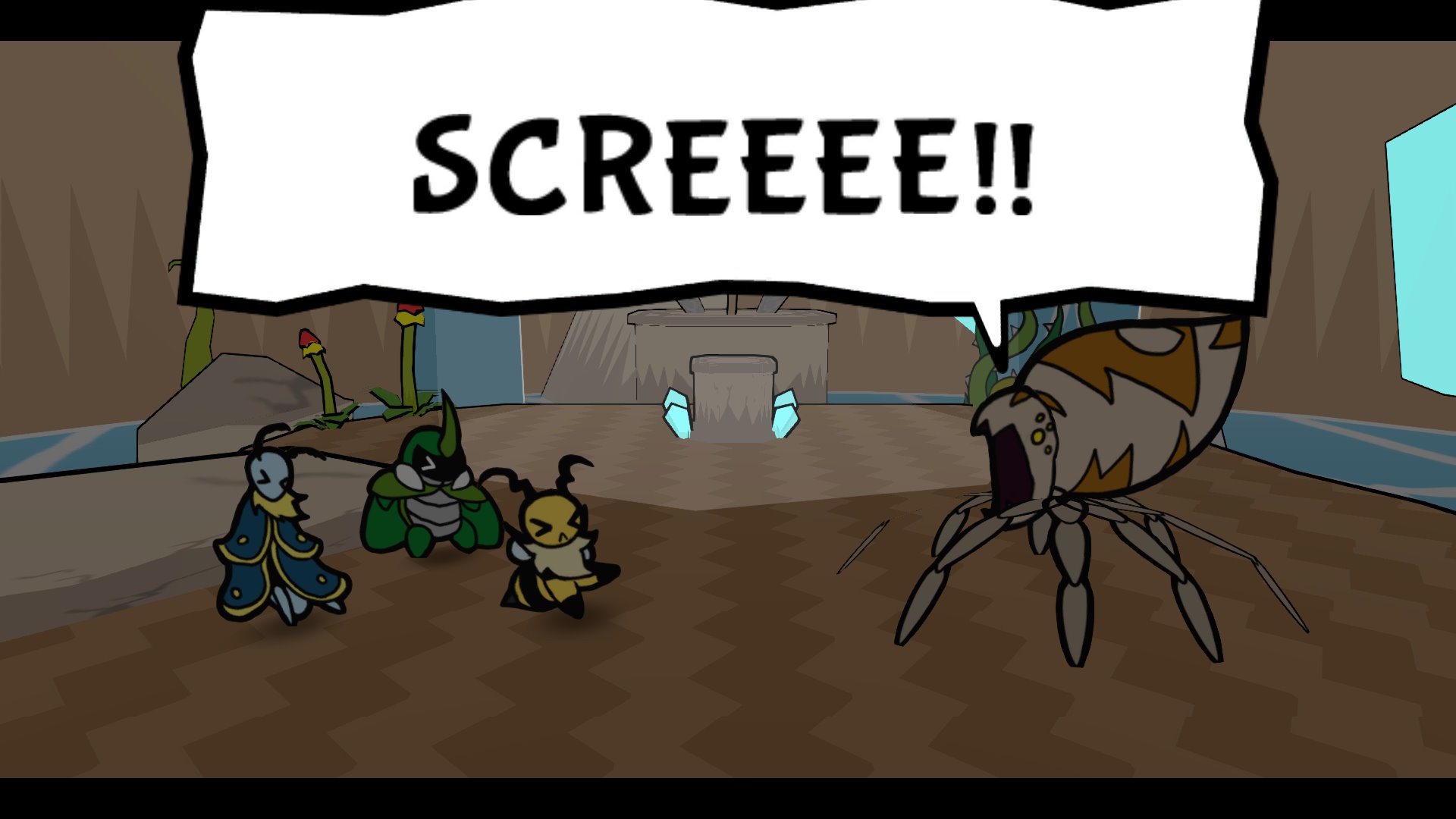
"They're familiar but extremely alien," says José. "They can be cute like bees or terrifying like spiders. When you think of how varied they are in design and lifestyle while still existing on Earth, doesn't that just sound super awesome? They're also easier to draw in our style without looking off, and we could make up a lot of interesting culture by taking hints from their biology."
Moonsprout Games took great care in utilizing various aspects of the real-life insect kingdom when crafting the more fantastical elements of the game’s world.
For example, the bee kingdom’s hive rests high in a tree, safe from the relative dangers of the world below and allowing them to indulge in art and science while also providing the neighboring kingdoms with honey. The ant kingdom is full of hardworking bugs—appropriate considering how industrious real-life ants behave. And the termite kingdom is the only one in the game that features both a king and queen, a nod to how actual termites are the only eusocial insects that have both.
Many other types of insects inhabit Bugaria: moths, beetles, butterflies, crickets, ladybugs, mosquitos, and even some lesser-known bug variants you may never have heard of, like mole crickets or devil flower mantises. "Other than some things, like knowing we wanted a bee and wasp kingdom and that the ants and termites would not get along, pretty much everything else was figured out on the go" says José. "But I think it resulted in awesome stuff like the mimic spider."
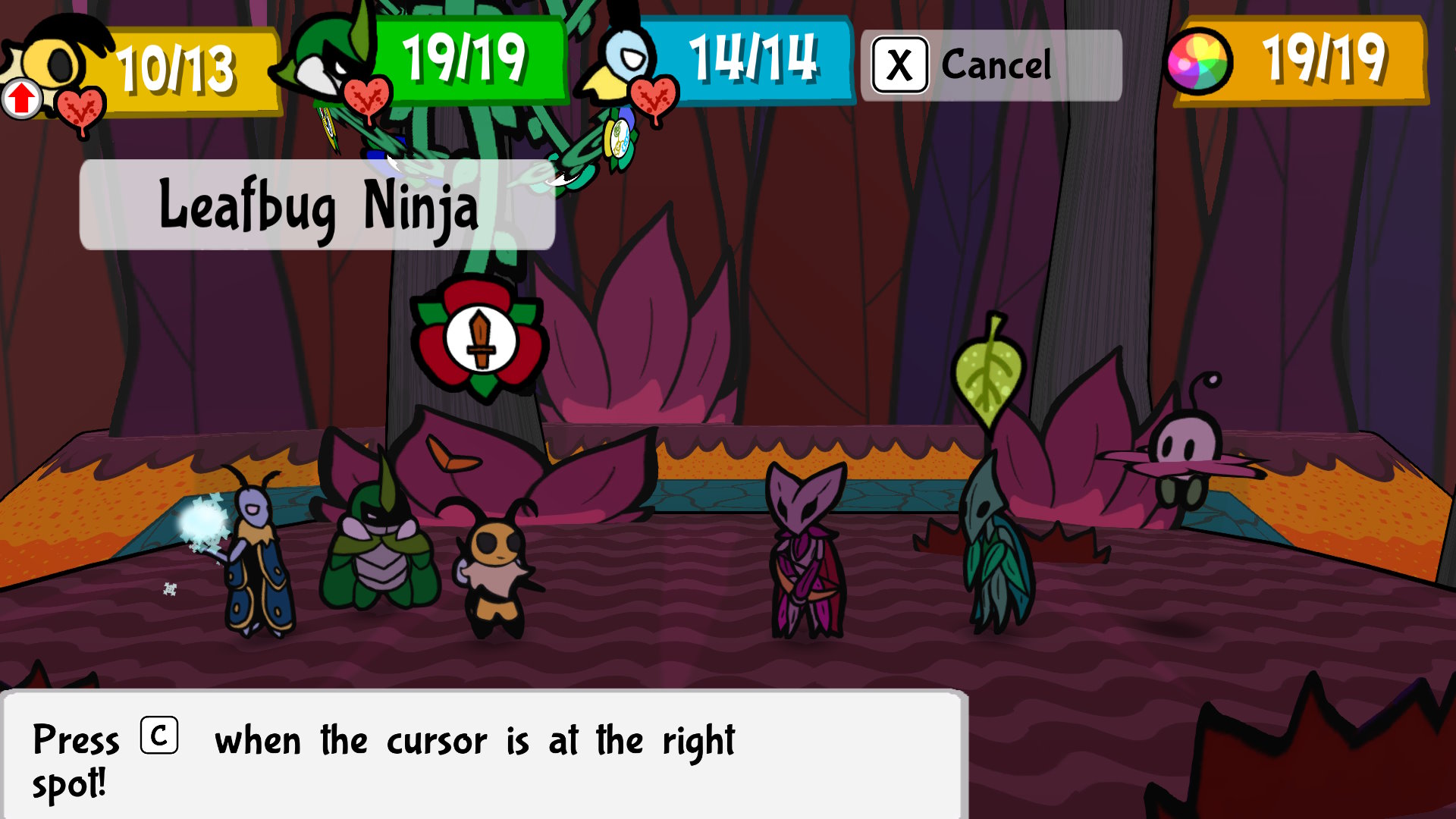
Bug Fables features over 250 unique characters, most with given names and personalities. There are over two-dozen different bee designs alone, in a variety shapes and sizes. It’d be an absolutely staggering number of characters for a AAA RPG, let alone an indie game.
"Because we had so much time while making dungeons, we could afford to slowly populate towns and even to go back and add NPCs that weren't there at the start," says José. "Matching body types, personalities, lore, colors, and accessories—we had so many options! Or maybe I just really like making NPCs..."
The Land of Bugaria itself is vast and sprawling. Throughout your various expeditions, you’ll traverse trap-filled caverns, trek through poisonous swamps, and navigate treacherous seas. At least, that’s what they appear to be from a bug’s perspective. As the game's story unfolds, we start to see that the vast ecosystems that make up Bugaria are much smaller in scope than they initially appear. For example, as players make their way through the desert ruins of the Lost Sands, they may notice it's surrounded by four puzzling red walls. When you look at the same area from a higher vantage point later in the chapter, you see that what is a sprawling desert to a bug is actually a giant sandbox.
As the game approaches its climax, its final areas begin to look a bit more distinctly "human," which raises some implications that are both fascinating and frightening. "Without spoiling it for those who read this without playing the game first…Chapter 7 can shed a lot of light into this," says José.
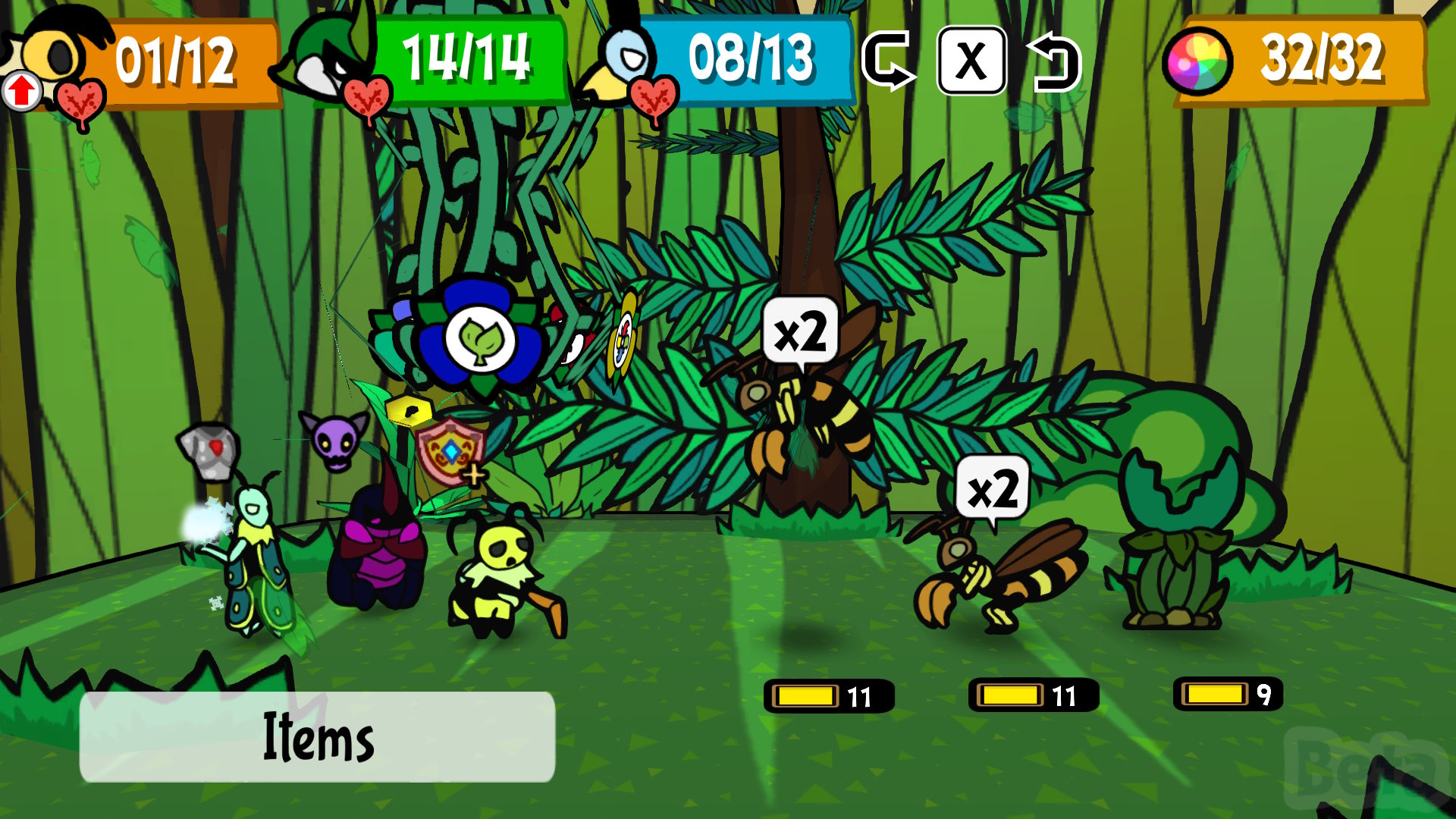
Bug Fables is arguably the first big non-Paper Mario success story in the "paper" subgenre of RPG—which, as mentioned, more and more indie developers are seeking to break into. "I think as long as they have an interesting story to tell, they'll get there," says José.
"My biggest advice would be to put a demo out there really early on," he continues. "There's so much good advice only strangers to the project can give you. Maybe the key to success is making a cast that people will want to talk about and draw, which will make that sort of amazing talented community be born. I'm looking forward to seeing what everyone in the paper community makes in the future!"
It's been a few years since Bug Fables first released, and having seen the smallest sliver of such a huge world, there are no doubt many more adventures to be had and lands to be explored in this universe. But is Moonsprout Games interested?
"The team and I took a long time to rest and also try out various gameplay and story concepts after Bug Fables," says José. "You're not wrong about there being a lot more to tell—I'm certain we'll come back to that world someday—but we're eager to try out a few different things before we do."
José and the rest of the crew at Moonsprout Games are happy that Bug Fables continues to resonate and inspire people, which they attribute to the game’s passionate community. "I think this interview wouldn't be happening years later if they hadn't kept the flag flying," he says. "I just want to thank them for everything, and I hope I can do small surprises every year for them, just out of gratitude."
Bug Fables: The Everlasting Sapling is available now on the Epic Games Store.