新聞
How Gone Home captures the magic and angst of being a teenage girl in the '90s
S
Sarah LeBoeuf
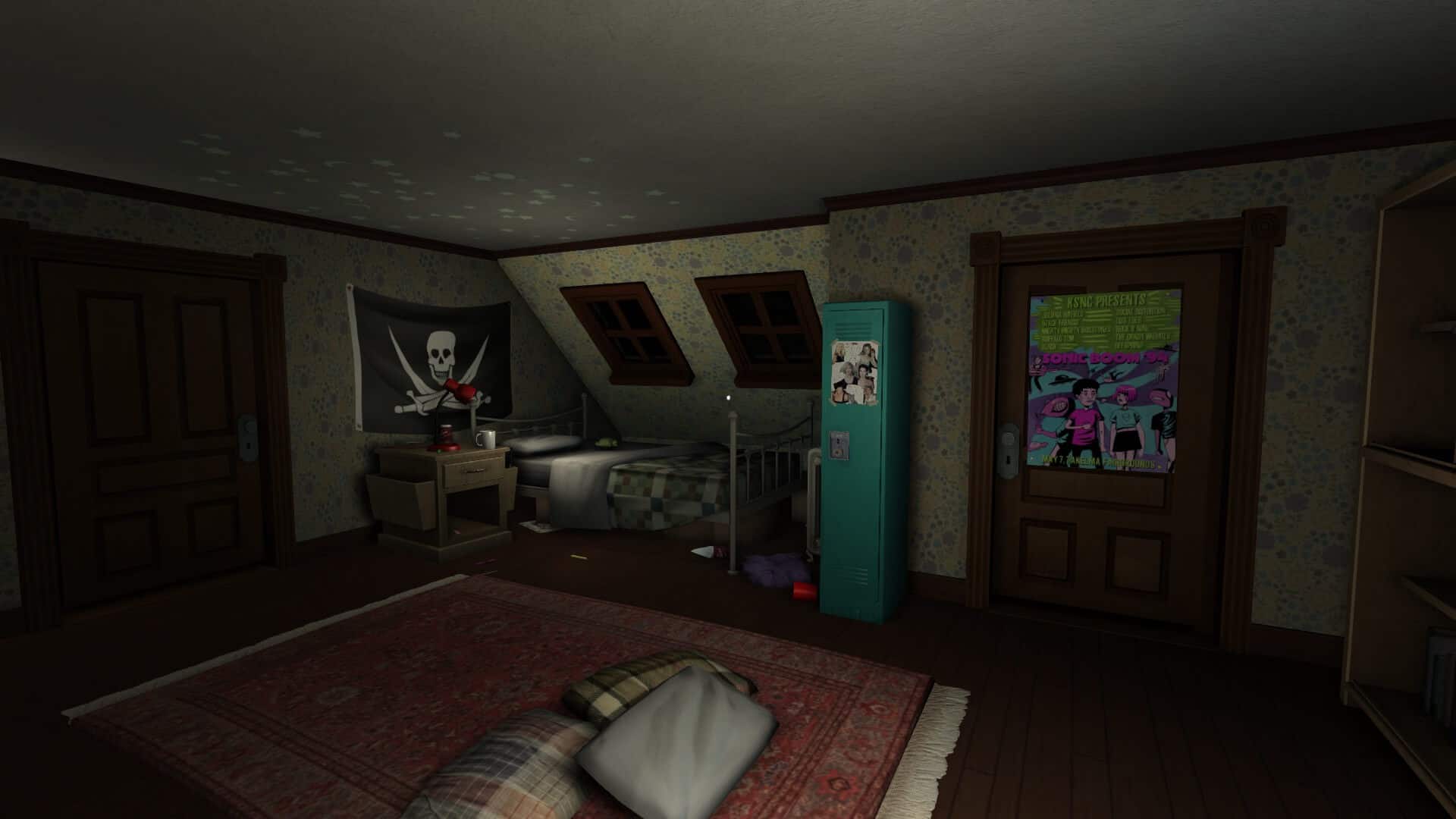
But then I saw the stars on the ceiling, and suddenly I was 17 again.
Narrative adventure Gone Home was first released in 2013, but its central mystery is set in 1995. You take the first-person role of Katie, a recent high-school grad coming to her family’s new home after a long trip abroad. However, this story’s not really about Katie—it’s about her little sister Sam, the 17-year-old occupant of the bedroom with the stars.
As Katie, you make your way through the empty house, searching for clues to the whereabouts of your missing family. And while all the family members have their own storyline, the overall tale is largely told through Sam’s notes and diary entries. They tell the story of a teenage girl in the mid-'90s struggling to find herself and a place where she belonged. I can relate—I've been there myself.

Back in the days when consumer internet was in its infancy, it was a lot harder to find your people. You didn’t typically meet new friends in the lobbies of online games or through social media; for the most part, you were limited to the people in your town, especially the ones you went to school with. If you were weird in any way, it was even harder to find a place to belong. Because they’re so hard to find in the first place, the relationships you make during that time feel like the most important you’ll ever have.
When I stepped into Sam’s digital bedroom, I was suddenly transported—not to an empty mansion in the Pacific Northwest, but to my own teenage bedroom in New Jersey. The glow-in-the-dark stars on the ceiling brought me right back to those miserable and magical teen years. I stared at those stars night after night as I stressed about my grades, cried over broken friendships, and wished for freedom from parents, school, and responsibilities. In the world of Gone Home, Sam did the exact same thing.
Rather than lean hard into '90s nostalgia, the game takes a subtle approach to recreating the feeling of the era. Riot-grrrl mixtapes—which were practically a form of currency back then—are scattered all around the house. The many handwritten notes serve as a reminder of a time before everyone had cell phones. You’ll find zines, Super Nintendo games, a ticket stub from Pulp Fiction. But it’s not this catalog of items that captures the feel of the '90s. Rather, it's the feelings the game evokes: feelings of isolation and entrapment, of wanting to find your place in the world; feelings of wanting to express yourself on your own terms. It’s not always safe for teenagers to do that, so you find little ways of coping—like sticking glow-in-the-dark stars on an otherwise unexceptional ceiling.
At about two hours long, Gone Home is a relatively short game, but its impact stays with you a lot longer. Especially if you were once a teenage misfit who spent sleepless nights dreaming under a canopy of stars.