Manor Lords guide: Build a mighty empire with these beginner tips
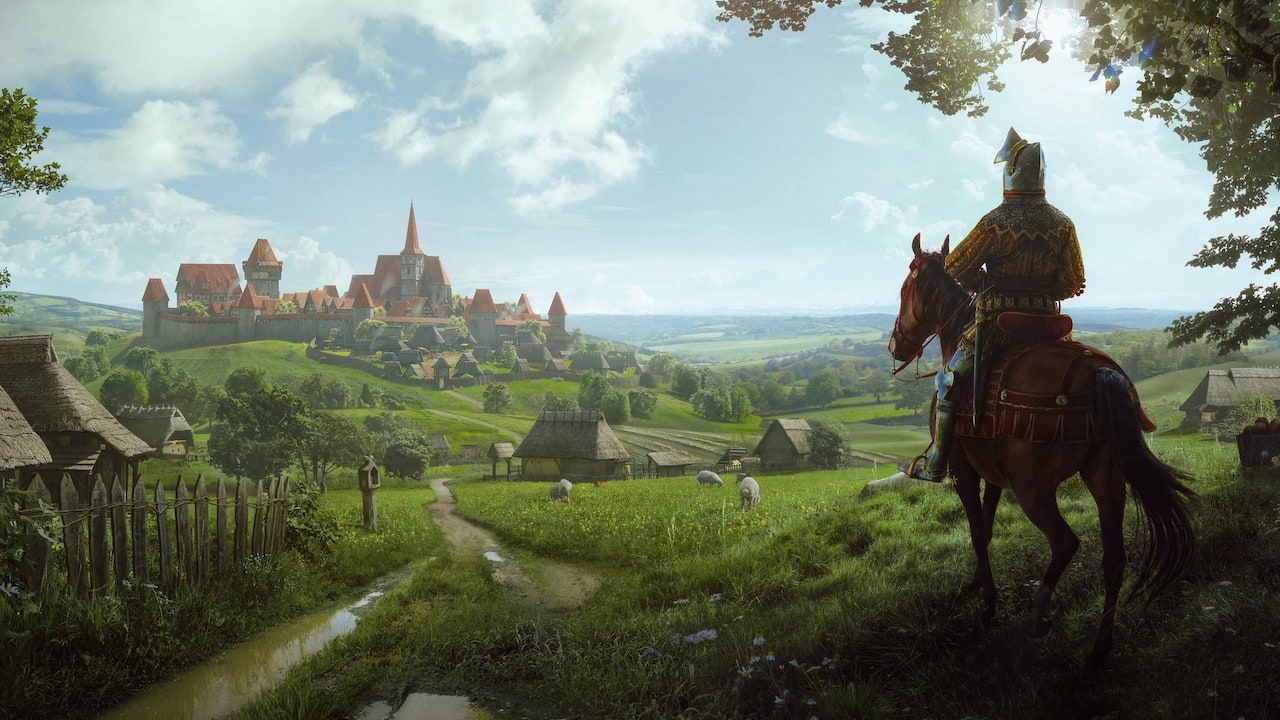
The newly released Manor Lords is a hybrid city builder and strategy game set in 14th-century Europe. It’s your job to turn a small rural settlement into a bustling town—choosing what crops to sow, which resources to trade, and whether your villagers should raise chickens or goats in their back gardens.
While Manor Lords may look like Age of Empires, it plays more like Cities: Skylines, simulating everything from water reservoirs to changing seasons, weather systems, and economics. While there are battles with bandits and neighboring lords, you’ll only win on the battlefield if you learn how to get the most out of your wheat fields.
Proper feudal land management really is a lost art, so we’ve put together a beginner's guide to help you get the most from your willing serfs.
The fundamentals
You begin Manor Lords controlling a single region on a large map carved up into multiple domains. Rival lords control some of the other regions, while the rest have no owner and are ripe for the taking. The campaign ends when you've taken over every region on the map, driving the other lords into exile.
In your initial region, you start with a few families of villagers, a pile of basic resources, and a solitary ox. From these humble beginnings, you must build a thriving town.

You’ll need to source firewood to keep your people warm, lumber to construct buildings, and food to stave off hunger. Then, as you start making more advanced structures, you’ll need resources like planks, stone, and clay roof tiles.
Even after you’ve built a logging camp or woodcutter’s hut, your villagers will only perform those jobs if you first click on the building and assign a family to work there. In this way, your workforce is directly linked to the size of your population. The only way to grow your population is to attract new families to move to your settlement—and they'll only do that if there's a house to live in and if the morale of your town is high. Keep people happy by making sure they're well-fed and warm. Later, build a tavern and church and your people will be even happier.
People serve as your workforce and army, first fighting off attacking bandits and later taking the fight to other lords when you attempt to seize their lands. For your villagers to join a militia, you must have weapons to arm them. You can either produce these locally at a blacksmith or import them through the trading post.

In many strategy games, you can create autonomous towns that produce all of the resources and equipment you could possibly need. That’s not the case in Manor Lords. The only way to make money for upgrading buildings is by selling stock through the trading post—and, particularly in the early game when you only control one region, you'll have to source certain goods by buying them on the open market.
Once you've built a manor for your lord, you can begin to tax and tithe your population, raising money for your personal coffers (which you can spend hiring mercenary armies) and the influence points you need to stake a claim on other regions. The higher the taxes, the more money and influence you have—but the less happy your people are.
While that covers the basics of Manor Lords, you'll need to take a few more lessons to heart if you want to really excel.
Not all regions are created equal
When they drew the borders in this world, no one checked whether every region had an equal amount of every resource. You might find yourself controlling a village in a land with infertile soil, shallow iron mines, or forests devoid of animals.
When you first start expanding, take a good look around and note what resources you have available and if they have a crown over their icon. Crowns indicate a rich resource deposit. Also, make use of the fertility overlays that appear on the right side of the screen when you enter the construction menu—these show you what sorts of crops (if any) will thrive in your soil.
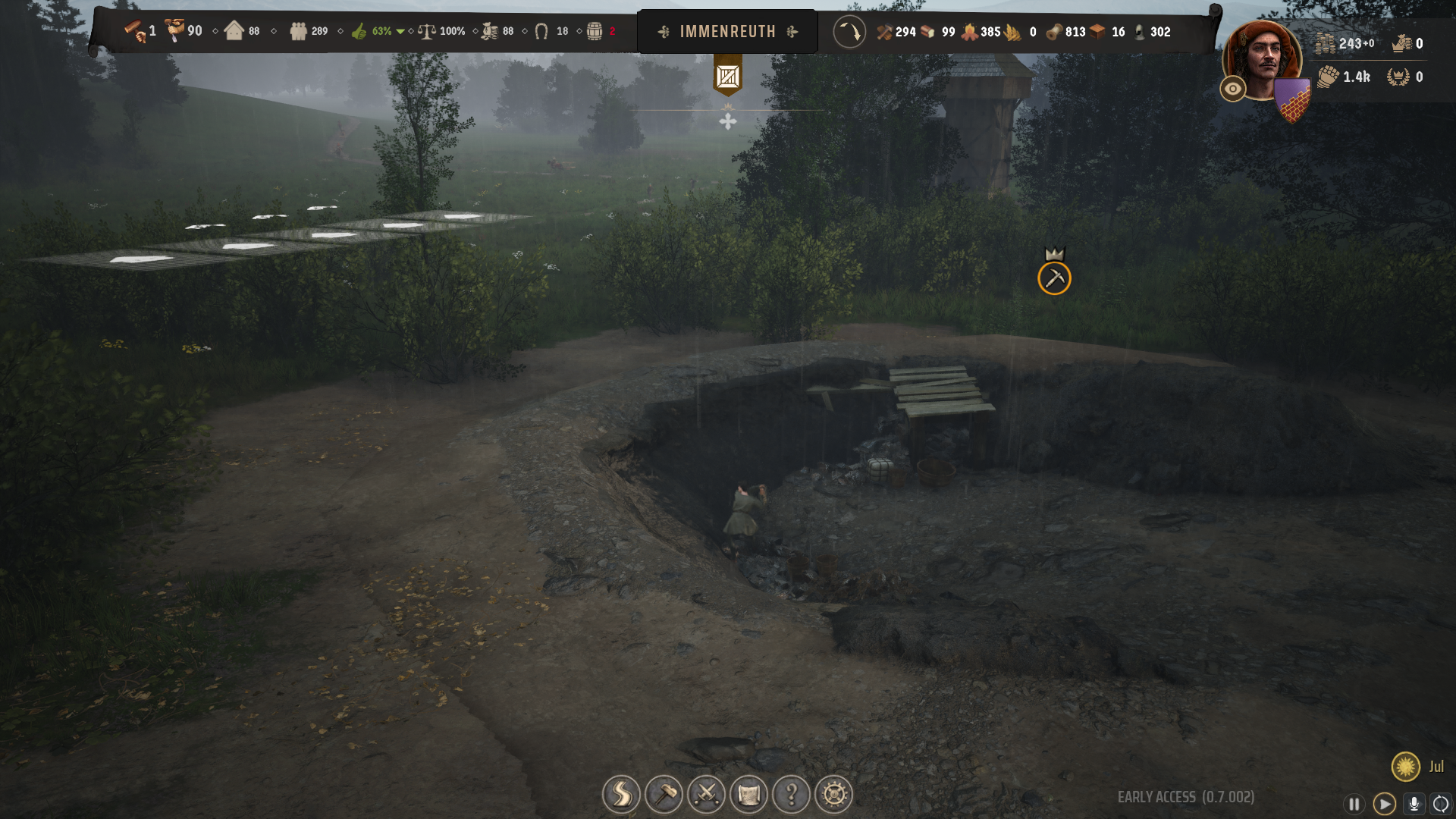
It’s important to focus your industry on what you have available, not what you would like to have. Remember, you can import anything you lack through the trade post—but only if you have the cash to buy it. And you will only make cash by turning your resources into valuable commodities to sell.
If your region has a rich vein of iron, for instance, you should turn the iron ore into weapons and armor you can sell to other lords. Build a mining pit, a bloomery, a smithy, and (once you’ve upgraded some of your homes) a set of blacksmiths.
When you start conquering other regions, take lands with resources you lack. Keep in mind that resources aren’t available across all of your regions—they remain local to whoever produced them, so each new settlement has to have sufficient firewood and food to survive.
Build pack stations to swap resources between regions. Your regions can’t simply gift resources, however—they have to trade one commodity for another, like iron for wheat and vice versa.
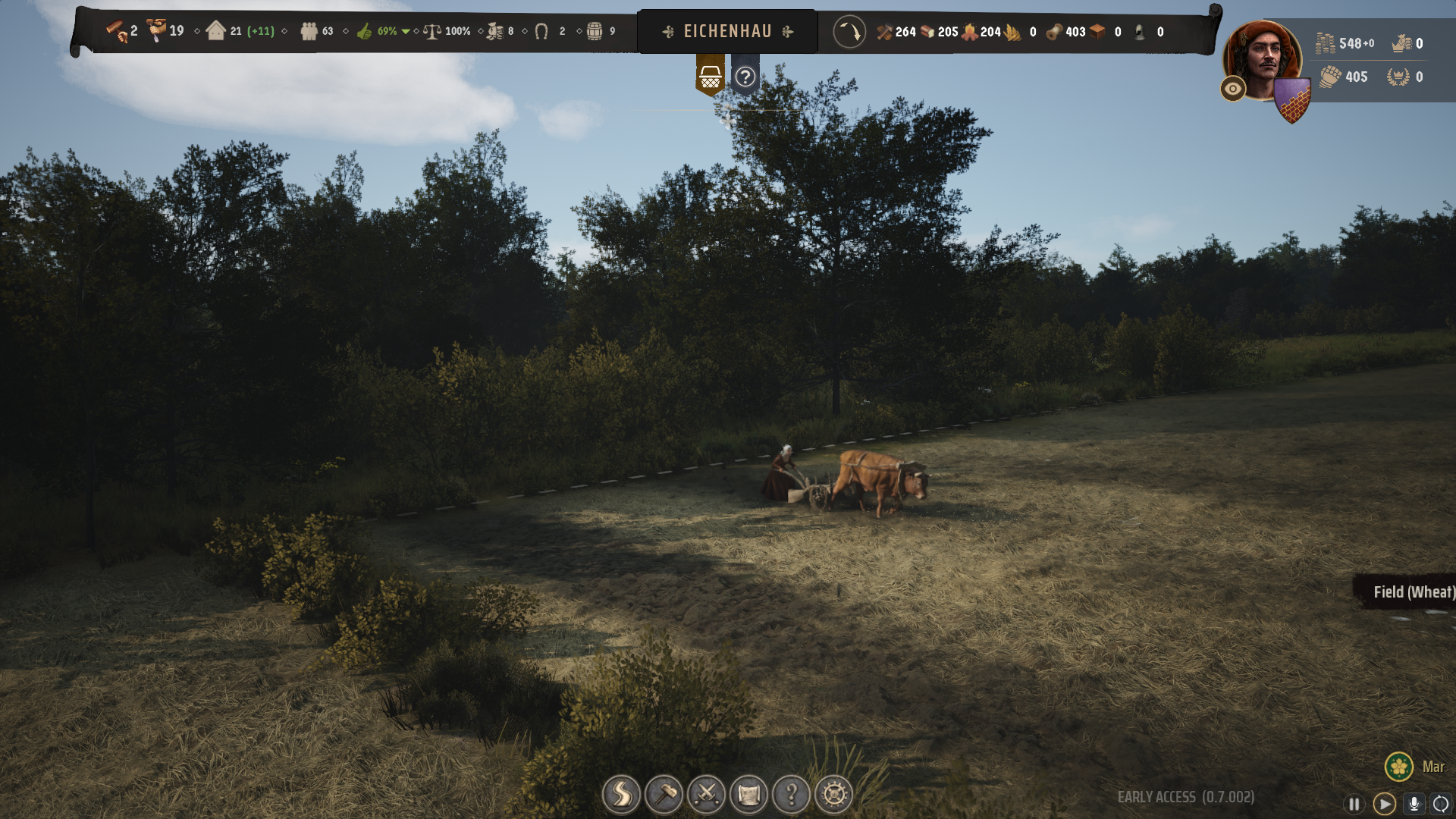
Upgrades are also locked to the region that produces them. As you upgrade houses in your village you raise the level of the village, earning development points that you can use to unlock new technologies (such as the ox-drawn plough to speed up farming). However, these powerful upgrades can only be used in the region where you unlocked them. The longer your campaign continues, the more specialized each region becomes.
Development points aren’t easy to earn, so only pick upgrades that suit the industrial specialization you’re aiming for in each specific region. If your region is focused on ironmongery, then pick armor-making, not beekeeping. Make sure to pursue the remaining technologies in other regions so you don’t miss out on any of the branches of the tech tree.
Watch the seasons
One of the most impactful systems in Manor Lords is also the most visible: the changing seasons. The shift from spring to summer, to autumn, to winter isn’t simply cosmetic. It has a dramatic impact on both the need for and availability of different resources, and you need to adapt your workforce to suit the weather.
As you enter the cold months, your villagers will begin to use more firewood, so you should assign more workers to your woodcutter. In spring, when berry bushes begin to grow their crop, you should put as many spare villagers into picking as possible.
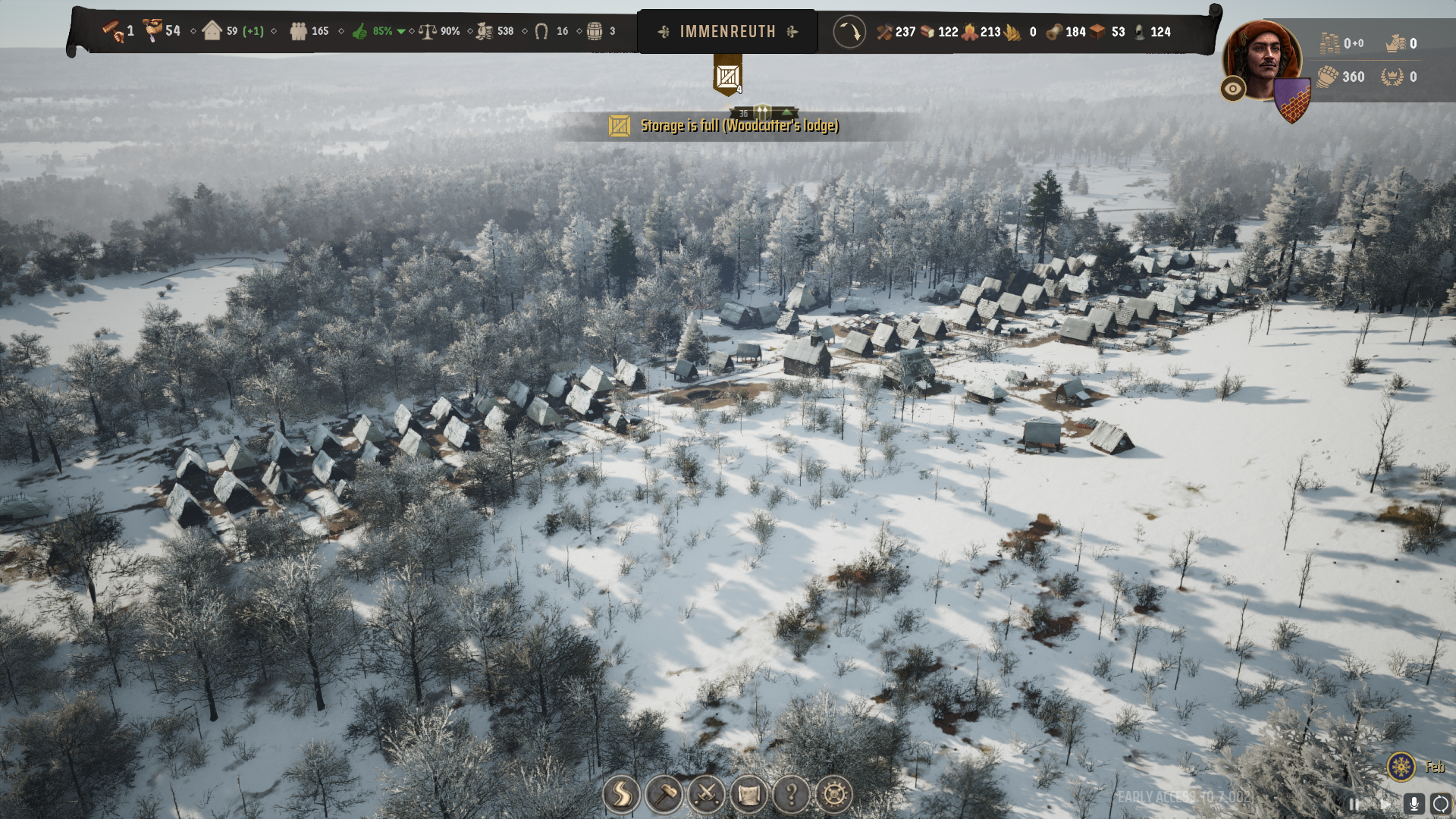
As the months change, think about where your workforce is assigned and make sure you shift them to where they are most needed at that moment.
If you rule a region that focuses on farming, the seasons are particularly important. Farmers sow seeds in spring, harvest at the end of summer, and plough the fields before winter or just as the ground thaws in March. If the work isn’t completed in time, then your crop yields will be lower than they could be. However, there's little farming to be done in winter, so send everyone to work elsewhere in your town.
After a few seasons of growing crops, the land will lose its fertility, and its productivity will significantly decrease. Either leave a field fallow for a year to recoup some of its fertility, or create a schedule or crop rotation so your farmers plant a different crop each season and keep the soil fertile for longer.
Side hustles
You should also upgrade workers’ homes with second businesses. You have less control over these side hustles, but when your villagers return home from a day working at their assigned job, they will put in a few hours at whatever business you’ve built in their back garden, producing even more resources for your settlement.
These villager side hustles increase the variety of resources your people produce. At first, you can only choose from chicken coops, goat sheds, or vegetable patches—though if your region doesn’t have a steady food supply, even the low-level hustles will be useful for your town. But as you upgrade each home (known as a burgage plot) you can establish artisan trades, such as tailors, blacksmiths, and bakers.
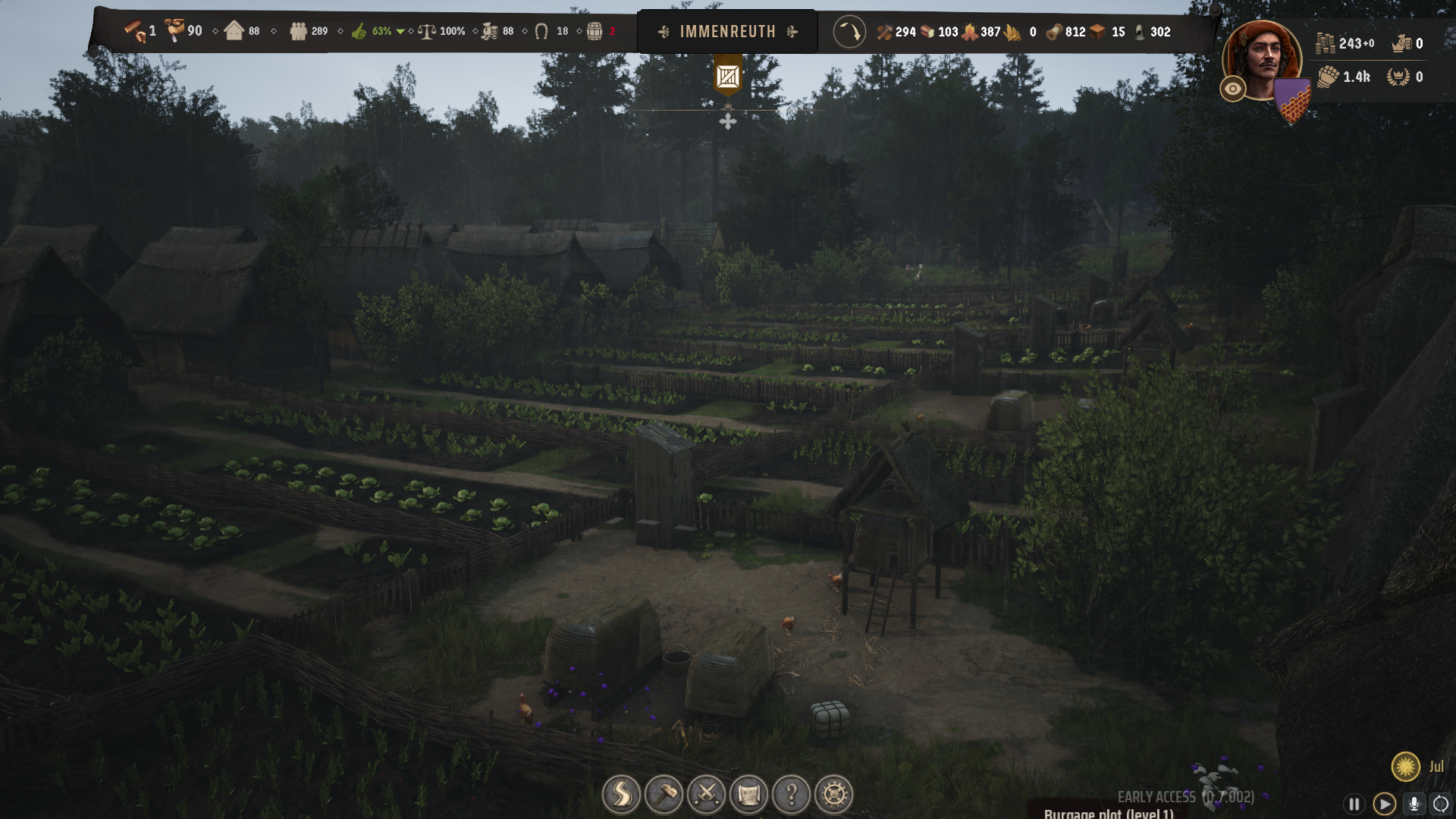
Bear in mind what business you want when you first build each home. While many need a minimum amount of space to function, the yield of vegetable farms and orchards is proportionate to the size of the yard. Families living in houses with vegetable plots and orchards also need to work the land, so they spend less time at other jobs they’re assigned to.
Even if you have the resources to level up a house, you may find the option to upgrade a home grayed out. Wealth and resources travel through your town differently in Manor Lords compared to many other city builders. Resources aren’t equally accessible to all villagers—they're distributed from your marketplace to the closest houses first. When you need to build artisan businesses, start with the homes next to the biggest markets.
If you’re struggling to obtain enough resources to upgrade your town locally, remember that you can use the trading post to import any missing resources.
Prepare your forces for battle
While you can take your first regions without a fight, you'll eventually have to do battle with your fellow lords.
When it comes to war, you can either draw an army from your own population or hire mercenaries. These latter forces cost money every month they're in your employ, so only recruit them when you have a need and remember to dismiss them when the war is over.

After you initiate a land grab, your enemy will rally an army, and you must defeat them to seize the territory. The enemy forces will spawn directly into the region to defend its borders, but your own troops will start off in the village where you recruit them or, in the case of mercenaries, will arrive at the edges of the map. This means that your forces likely won’t all arrive at once and will almost certainly be tired from the journey. If you’re not careful, your enemy can pick off your tired units as they arrive and never face your full army in one go.
It may cost more in mercenary fees, but you should assemble your forces and arrange them in formation on the border of the region you plan to take before you stake your claim. It will ensure your troops are at their most ready when they attack.
Manor Lords is a rich simulation of feudal life, and as your settlements grow and begin to span multiple regions, mastering the complexity of its underlying systems will make the difference between a mighty empire or a string of under-resourced ghost towns.
Manor Lords is in early access on the Epic Games Store.