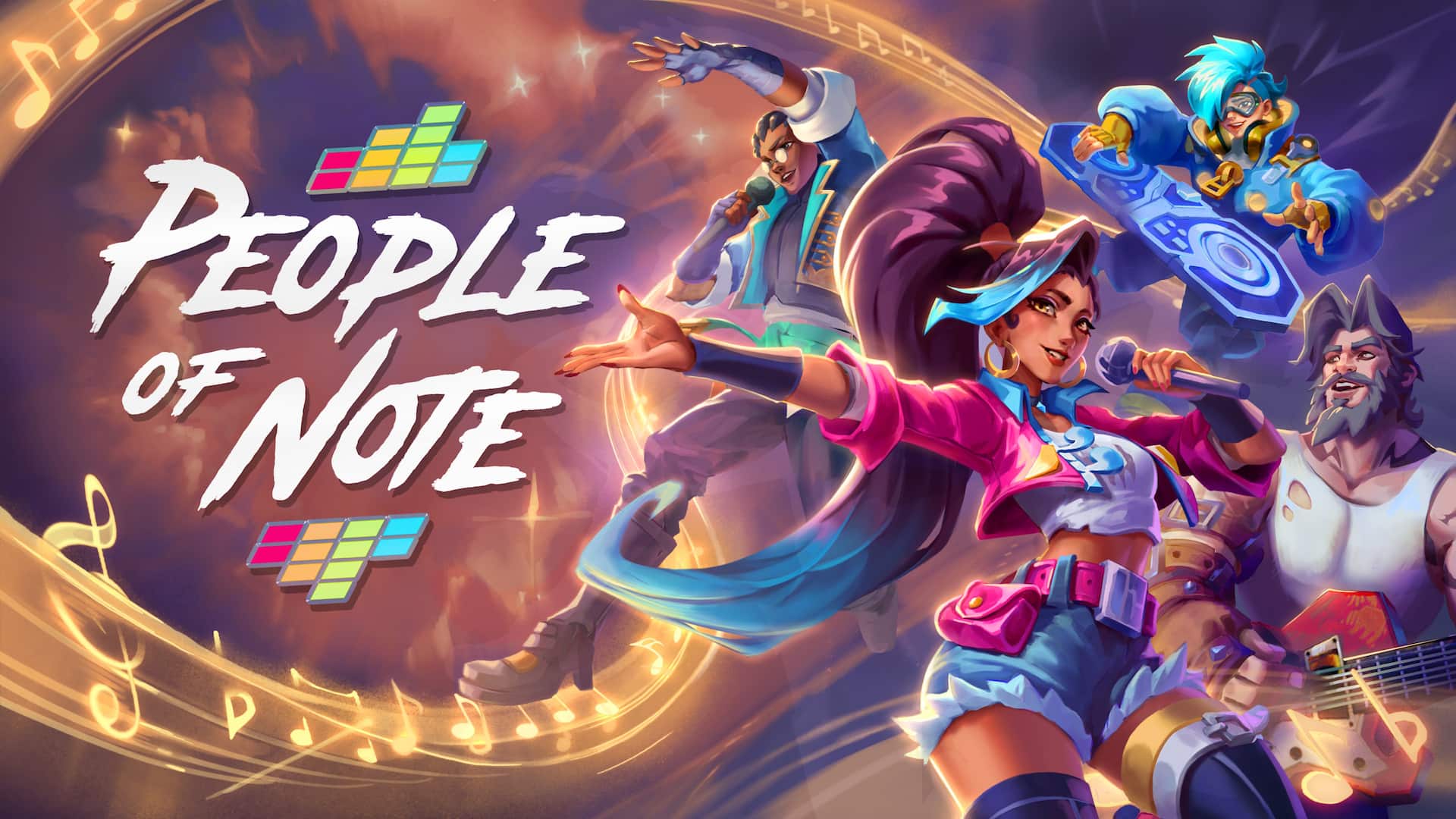
People of Note is an RPG that celebrates everything music
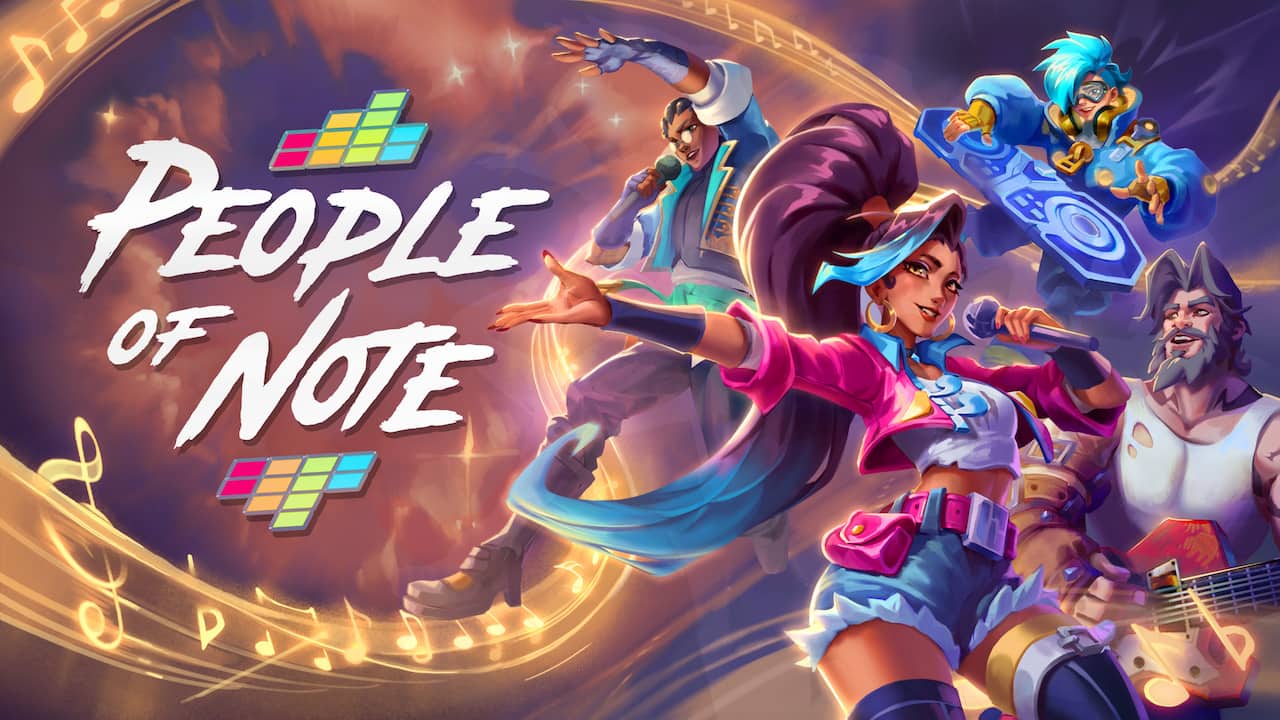
At first glance, you may be unsure what type of game you're looking at when you see People of Note. Colorful characters traverse a fantastical world, engage in turn-based combat mixed with rhythm gameplay straight out of Elite Beat Agents, and even belt out Broadway-style musical numbers that wouldn't feel out of place in an animated Disney movie. But one thing that’s abundantly clear is this: People of Note is all about the music.
Little surprise to learn that the game’s creative director, developer, and founder of Iridium Studios, Jason Wishnov, was a total theater kid in school who has seen his fair share of musicals. “That idea of telling a story through song is prevalent in culture in so many ways, but not in games,” he notes. “I thought, ‘I really want to explore this.’”
 To do that, Wishnov needed a game genre that both offered familiarity and lent itself well to his musical vision. “How many hundreds of thousands of kids grew up downloading RPG Maker, wanting to make their personal Final Fantasy or Chrono Trigger? I'm one of those kids,” he says, citing Final Fantasy, Chrono Cross, and The World Ends with You among his inspirations. “If I can bring these two halves of myself—the Final Fantasy ultra fan and the theater kid—can we meld these two into some kind of crazy adventure?”
People of Note follows protagonist Cadence, an aspiring pop singer. After being rejected from a world-renowned song competition due to the judge’s disdain for solo acts, she travels the land in search of bandmates who specialize in a variety of musical genres to enrich her act. Before long, she and her newfound team find themselves embroiled in a grand adventure to stop the mysterious Harmonic Convergence from tearing their world apart.
Not that the Harmonic Convergence needs much help, as the world of Note is anything but harmonious. Music is woven into every aspect of society, but instead of bringing people together, it divides them. “I decided to have every genre represented by a relatively closed-off society,” says Wishnov. “There's not a lot of cultural cross-contamination. But Cadence, in the beginning of the story, gets seeded with this idea of, ‘I'm going to bring these people together.’”
 When we say that music is woven into every aspect of society, we mean every aspect, from town and shop names to the creatures that populate the world. If you’re a fan of music puns, buckle up, because they’ll be hitting you hard and fast. The world’s currency is called groove. At some point, someone steals it from you, forcing you to get your groove back. People upload videos to YouTuba. You may fight an orcarina at a choral reef or a weird owl at an acapellago. And what do you think you get if you cross a corgi and an accordion? You can probably figure that one out on your own, but it’s every bit as adorable as it sounds—and yes, you can pet it. “I opened up a document on Google and started typing down every crazy pun I could think of,” says Wishnov. “Hundreds of them are in the game. There are hundreds of others not used. I regret Florist + the Machine didn't get in there. Macaroon Five was another.” He chuckles. “But I’ve got a whole document. Next time...”
As a game that celebrates music in all its forms, it’s only natural to see a wide variety of genre representation here: pop, rock, country, EDM, rap, and even Celtic. If there was a genre Wishnov wasn’t super-familiar with, he could turn to his team members for their expertise. “We had meetings about this,” he says. “‘Tell us what you think a country like this would look like, what kind of aspects it would incorporate, what kind of visual motifs and decor you would expect to see in a nation based on the genre of music.’ We really took our time, did our research, and reached out to people who could do those genres justice. Whatever your favorite genre is, I wanted you to feel seen when you get to that area or encounter that culture. You should feel that it's authentic.”
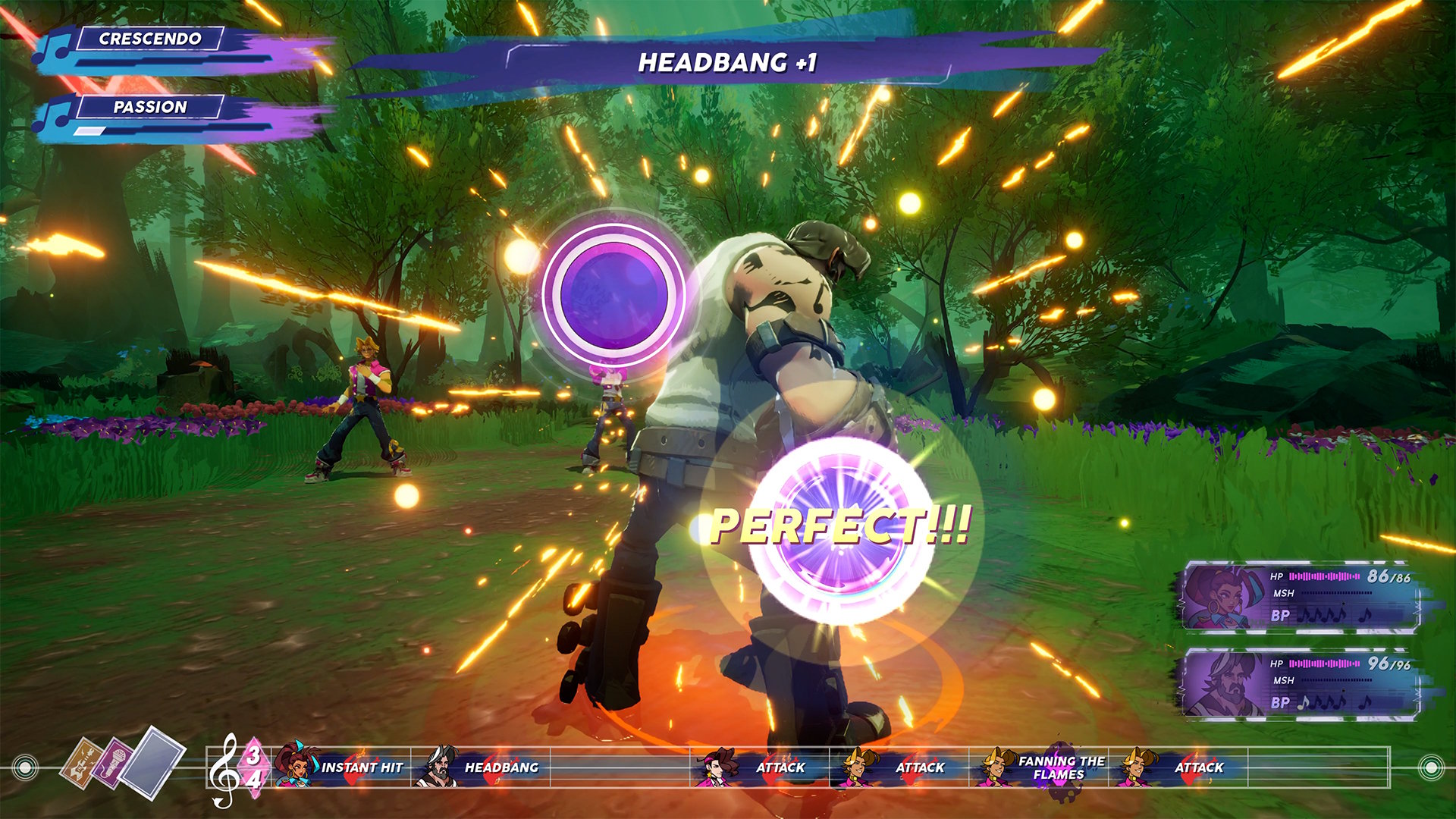
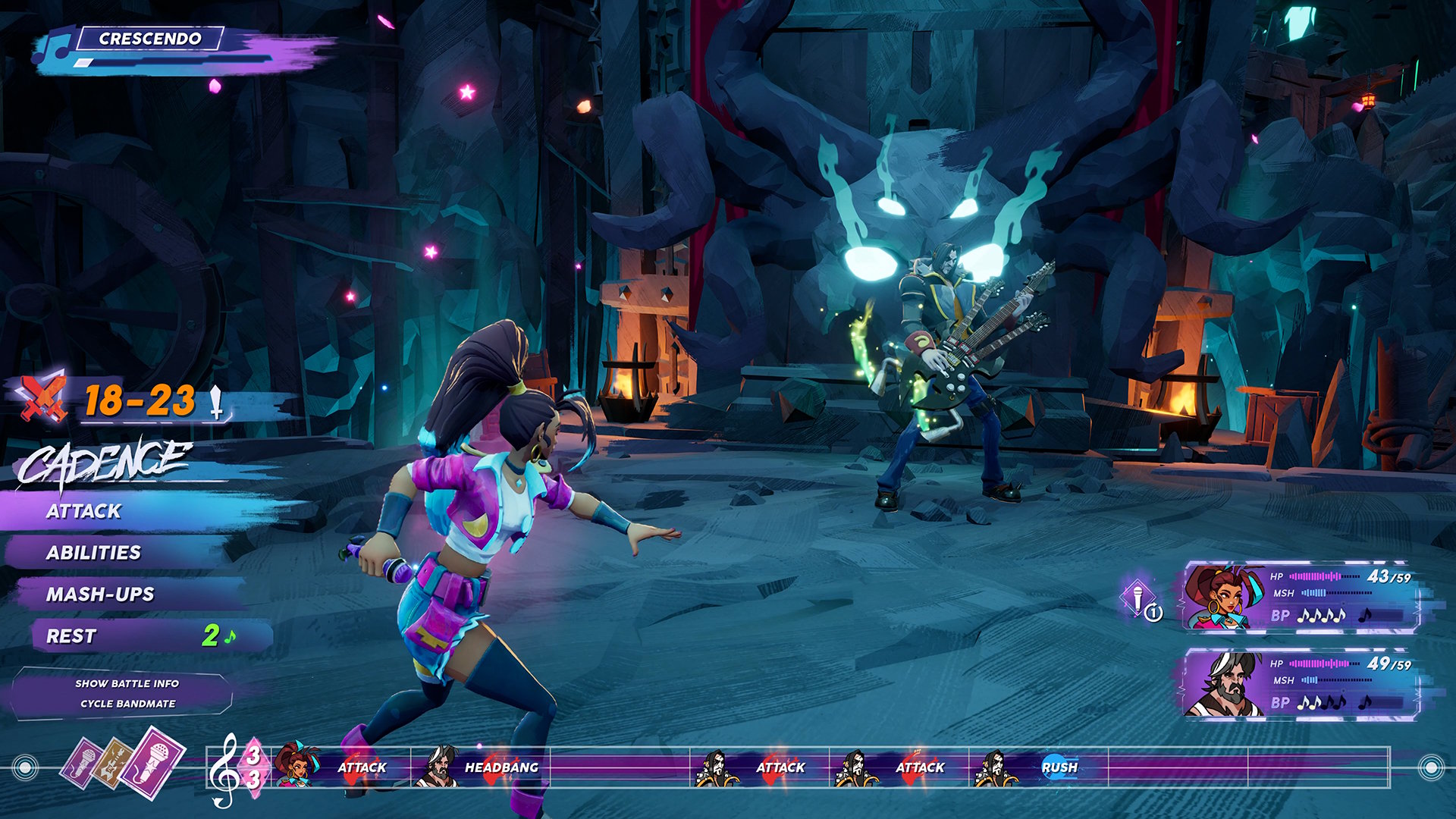 This musical flair carries over into the game’s turn-based combat. The turn timeline showing the order in which combatants attack is represented as a music staff with time signatures. Attacks are all music-based, and extra damage can be dealt to enemies by pressing buttons in time with the rhythm. Instead of having to manage your health and inventory between battles, each fight is completely self-contained. “I'm a big fan of chess, so I wanted every one of these battles to feel like its own little mini chess puzzle,” says Wishnov. “I wanted to increase the in-battle strategic depth by letting the players choose their own turn order, by having a lot of abilities and effects. Everything is music-themed, but I also wanted it to be an in-depth, meaty, tactical experience for RPG veterans out there coming into this maybe with a slight misconception, like, ‘Oh, it's a musical first. It's not going to be that deep, just some light, simple stuff.’ Nuh-uh. This is the real deal. It starts simple, but that curve gradually grows throughout the game.”
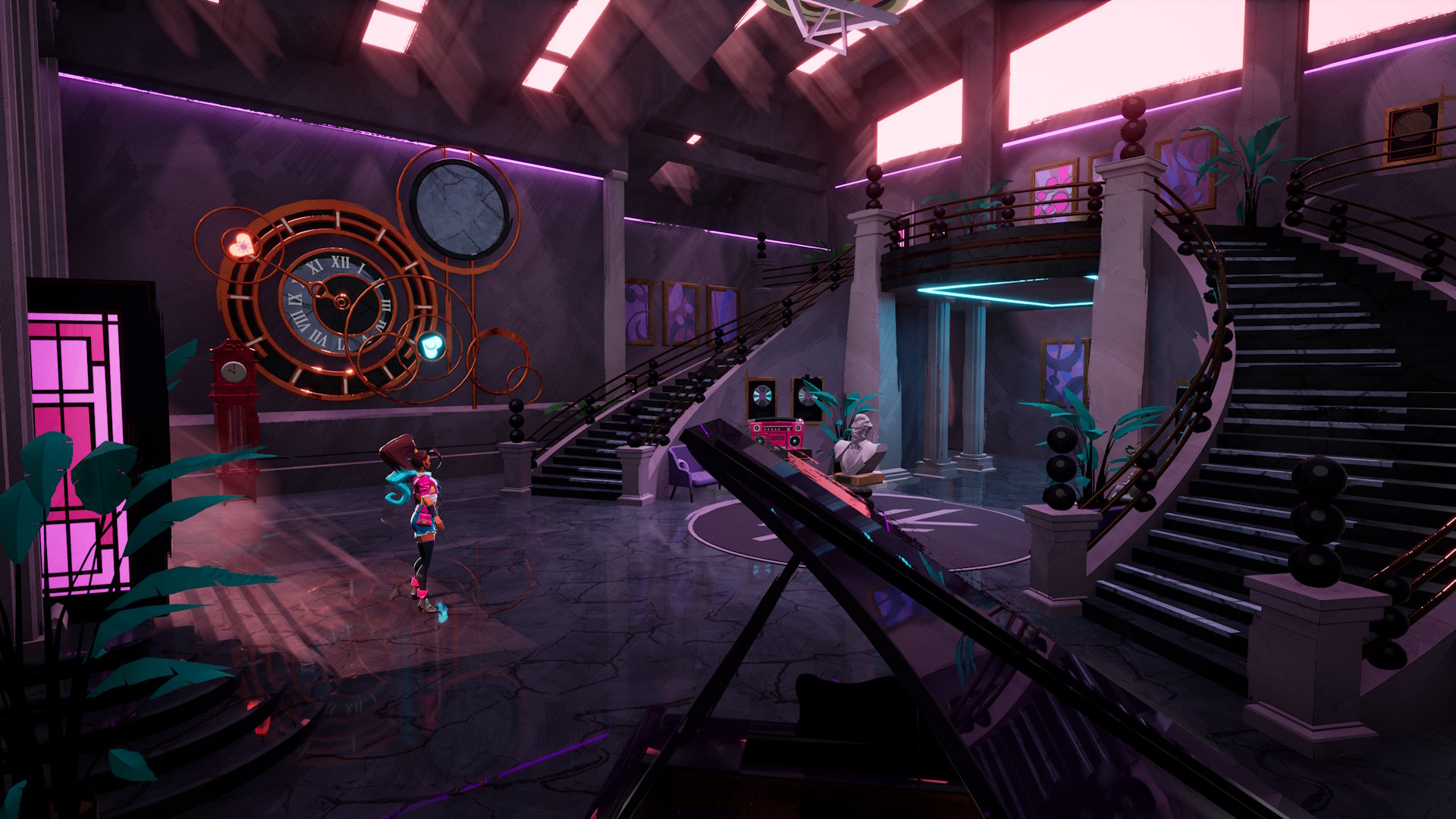
It wouldn’t be an RPG without dungeons to explore, though People of Note brings more to the table than just genre staples like forests and caves. It also features contemporary, unconventional dungeon settings as well, such as a dance club in which you have to flip switches to turn the dance floor around, thereby moving stubborn dancers out of the way to access rooms they’re blocking. Puzzles are scattered throughout, designed to engage players’ minds without overwhelming them. And if you’re not a puzzle fan, the game has you covered. “People who go in for an RPG or a musical might not be super-down with trying to solve brain teasers when all they want to do is listen to musical numbers or fight some bad guys,” says Wishnov. “In our game, you can actually skip them. You can turn that setting on and off mid-game.”
Player choice is the name of the game with People of Note. Interested in the game’s puzzles but not the combat? Turn combat off. Looking to appreciate the game’s musical elements, but aren’t a fan of rhythm-based gameplay? Turn it off. Players can mix and match gameplay elements that appeal to them or even toggle them mid-game based on their current mood.
Arguably, the star of People of Note is the game’s musical numbers. During key moments in the narrative, the game shifts to fully animated cutscenes in which the characters break into song. Bringing these moments to life was a unique challenge for the developers, who had to shift their mindset from game development to something a bit more theatrical. “In 2024, our team was probably more than half devoted to the production of these musical numbers,” says Wishnov, who, in addition to the game’s lead writer, also acted as a lyricist alongside lead composer Jason Charles Miller. Once lyrics and melodies were finalized, they’d go to the game’s storyboard artists to map out movement and staging. Mocap was then used to capture choreography—typically an expensive undertaking, especially for an indie studio. Thankfully, Wishnov managed to come upon a relatively inexpensive system and put his musical theater background to use doing a lot of the in-suit work himself, cutting down production costs significantly. Finally, the recorded mocap data was sent to the game’s cleanup animators, lighting artists and virtual camera operators. “It's this huge process that’s just so involved,” says Wishnov, “and I hope that the musical numbers really reflect the incredible amount of hard work and talent that we ended up assembling, because it was truly a huge endeavor. This game absolutely could have been made the way you see it without these musical numbers, but I think it's those moments of spectacle that stick with you and really help elevate those moments of emotional climax in the story. No shade to game narratives that don't have musical numbers, but I think there's a reason why this kind of storytelling form has persisted and succeeded in media, and it's because it just works. It resonates.”
Of course, the catchiest melodies and expressive character animations can fall flat without the proper voice talent to bolster them. For People of Note, that meant finding not only talented voice actors to portray the characters but also singers. “We needed our main performers to be at a very, very high level,” says Wishnov. “I wanted these musical numbers to be at a Broadway-level caliber in terms of singing.” Some of the voice cast performed double-duty, while other roles were split between vocal and singing roles. For example, lead composer Jason Charles Miller provides both vocals and singing for Fret, the party’s jaded guitarist. Broadway artist Alex Boniello does the same for the character of Arc. Conversely, the game’s lead, Cadence, has Heather Gonzalez as her speaking voice and music artist LEXXE as her singing voice. “It's difficult because you want it to be the same person for cohesion,” says Wishnov, “but then from the music perspective, you have it like, oh, we want this range, this vocal quality, the way they sing a certain way. When I was casting, I was in agony because I was hearing the most unbelievable singing voice I'd ever heard in one audition, and then I would hear the most unbelievable acting I'd ever heard in another. I didn't want to split cast, but I went back to some of those 90s movies like Hercules. Totally different people singing and acting. People's voices already kind of sound different when they sing as opposed to when they speak. I think people do expect that a certain deal, as long as they're reasonably close.”
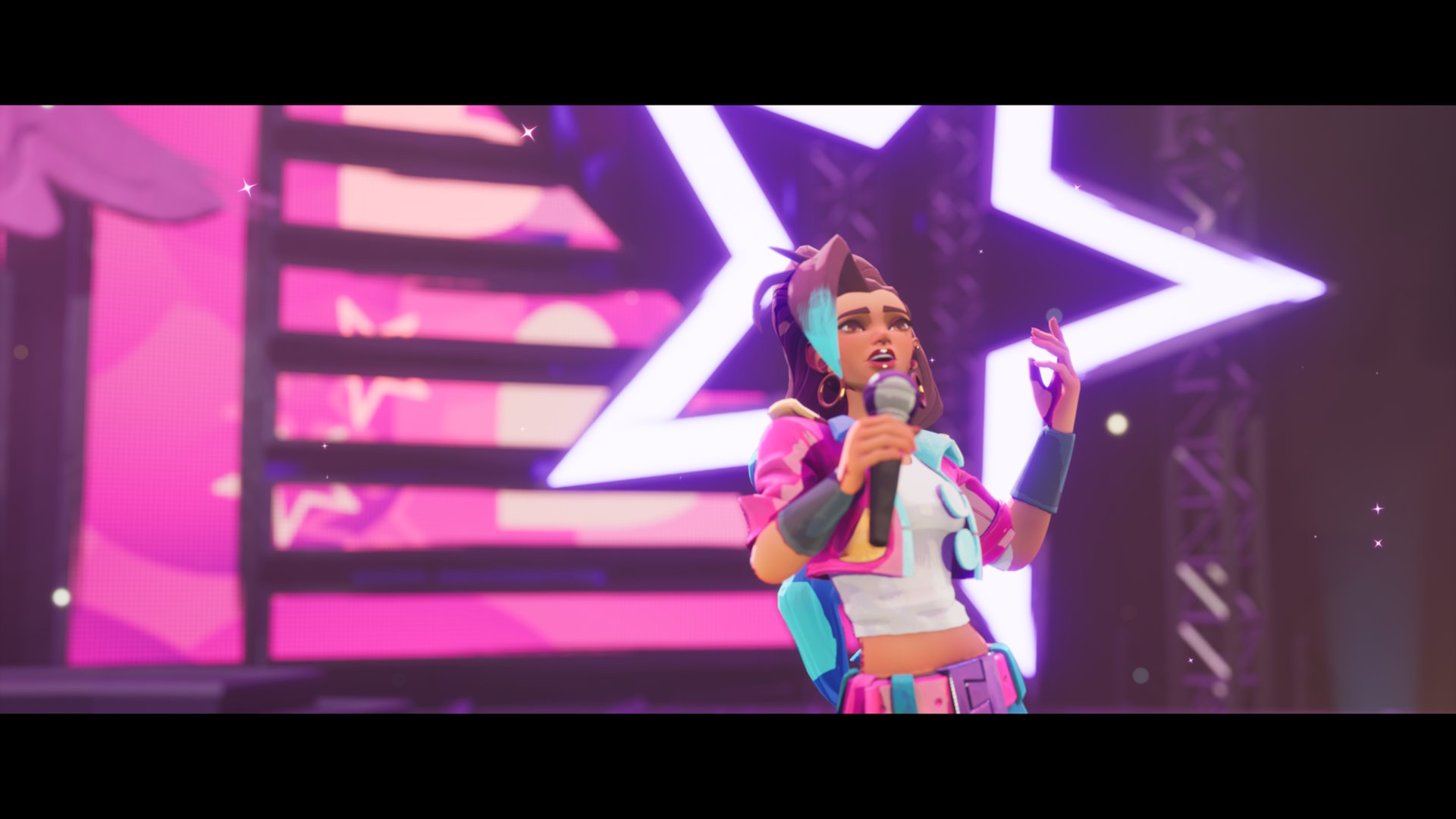 Whether acting, singing, or both, the goal of the actors is the same: to provide an emotional connection to the characters. “I’m so proud of our voice cast, the performances and musical numbers,” says Wishnov. “I'm not going to say I teared up, but I did get a little emotional hearing people bring it to life in a way I couldn't have imagined, because they put their own spin and personality into those words. Whenever we had a line, the general rule was that we're going to do two takes back-to-back. I generally told them, on the first one, do it the way a normal person would, be natural. Then in take two, amp it up a little bit, make a choice, do something different. I ended up going with take two a lot more often, or I would hear take two and be like, ‘Do that, but even more.’ It would take on a life of its own. I love those choices they make.”
A natural question arises, though. As a former theater kid and professional voice actor, can Wishnov himself be heard anywhere in the game?
“I have a few roles,” he says. “Now, I want to point out, I did not think I was a good enough singer to take like a major role. We need these musical numbers to be awesome. The level of singer that we ended up getting in this game exceeds me. I do think I'm a good singer. I don't want to give too much away, but maybe you'll hear me in the end credits. I'm an ‘end credits’ kind of singer.”
Hopefully, by the time those end credits roll for players, they’ll have discovered a newfound appreciation for what a modern music-based game can be.
“If you have music anywhere in your heart, love the idea of different genres coming together as one or playing a classic, almost PS1 era Final Fantasy brought into a modern lens, check out People of Note,” says Wishnov. “You're gonna love it.”
People of Note is available now on the Epic Games Store.