Notizie
Rover’s Tale reimagines the Mars rover as man’s best friend
A
Aron Garst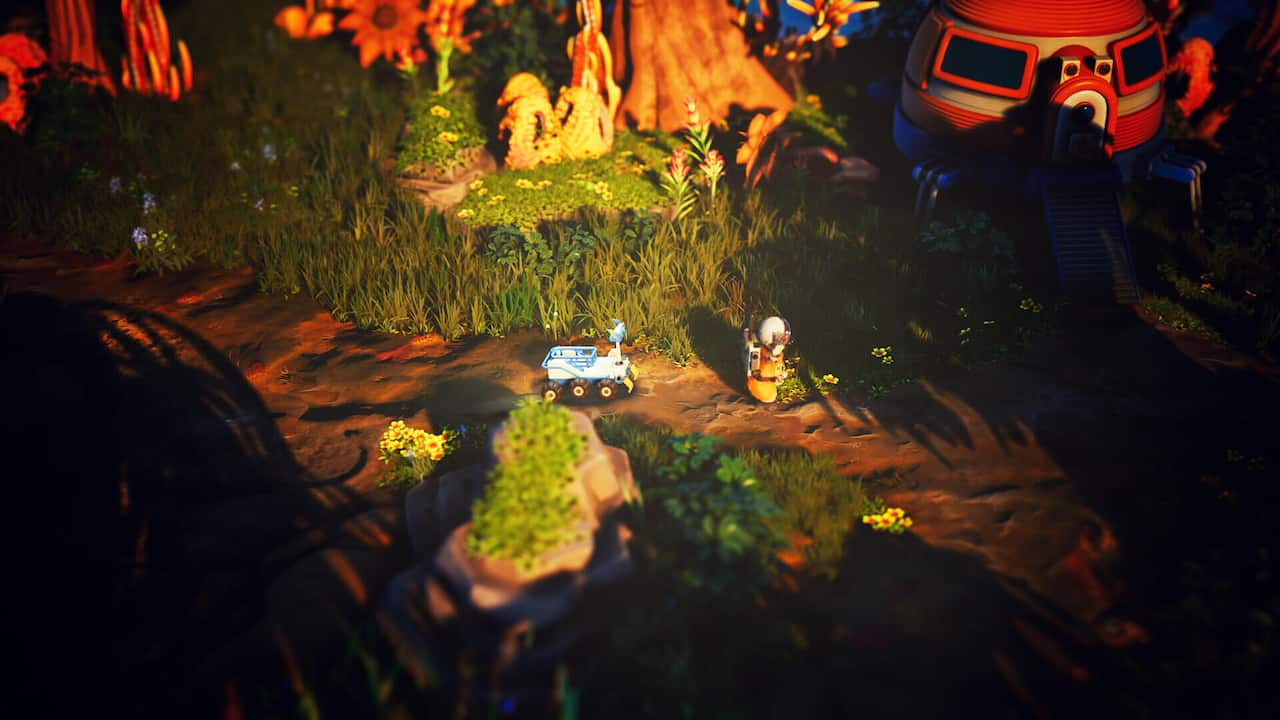
Through panoramic photos, tire tracks pressed into alien soil, and regular mission updates, Oppy became a daily presence in classrooms and news cycles. When a planet-wide dust storm finally choked out its power in 2018, the world mourned the rover not as a machine, but as something that had lived a full and brave life millions of miles from home.
“And all these scientists and engineers that worked on this thing and even the general public started to personify this Opportunity rover as like a dog,” said Observer Interactive COO Matty McGrory. “They treated it like a pet and it’s just a robot. But they really personified this thing as something that it isn’t.”
That reaction was one of the central inspirations behind Rover’s Tale, a new game from Observer Interactive that leans into that instinct to humanize the machines we send into the unknown. In Rover’s Tale, the robots exploring distant planets are not just tools. They are, quite literally, dogs.
Observer Interactive is an independent studio formed around the development of Rover’s Tale. The team brings together developers with backgrounds in design, production, and storytelling, united by a shared fascination with how players emotionally connect to systems and characters. This is the studio’s debut project, and its foundation lies in a simple question: What if the bond people felt with Oppy was explored in an even deeper way?
An approachable Metroidvania
Rover’s Tale began long before Observer Interactive formally existed. Creative Director Kenan Wilsher was experimenting alone in Unreal Engine, building prototypes and testing ideas.
“I was just trying to get some work of a nice isometric sort of slow driving game where you take your time and you were just playing as a little Mars rover,” Wilsher said. “You were playing as a box with wheels, with a head on a stick in the prototype.”
The early build was simple, focused on movement rather than combat. When Wilsher shared the prototype with McGrory, the two began shaping what would eventually become Rover’s Tale. As development evolved, the project fused elements of a Metroidvania with creature collecting and environmental interaction.
The duo was particularly inspired by the sense of discovery in games like Outer Wilds, where knowledge and new abilities reshape how players see previously explored spaces. The team wanted to capture those moments of realization without leaning on heavy combat systems that often define the genre with games like Hollow Knight.
“The genre is normally heavily associated with combat,” McGrory said. “So we wanted to take the bits that we enjoyed, like those Eureka moments, those sudden 'oh wow, here I go' moments, and do it in a more approachable way.”
Rover’s Tale draws inspiration from games such as Dredge, Tunic, and Pikmin, blending exploration with systems driven by the creatures players encounter. Instead of defeating enemies to progress, players study and collect life forms across the planet’s surface. Those creatures then become tools for traversal and problem solving.
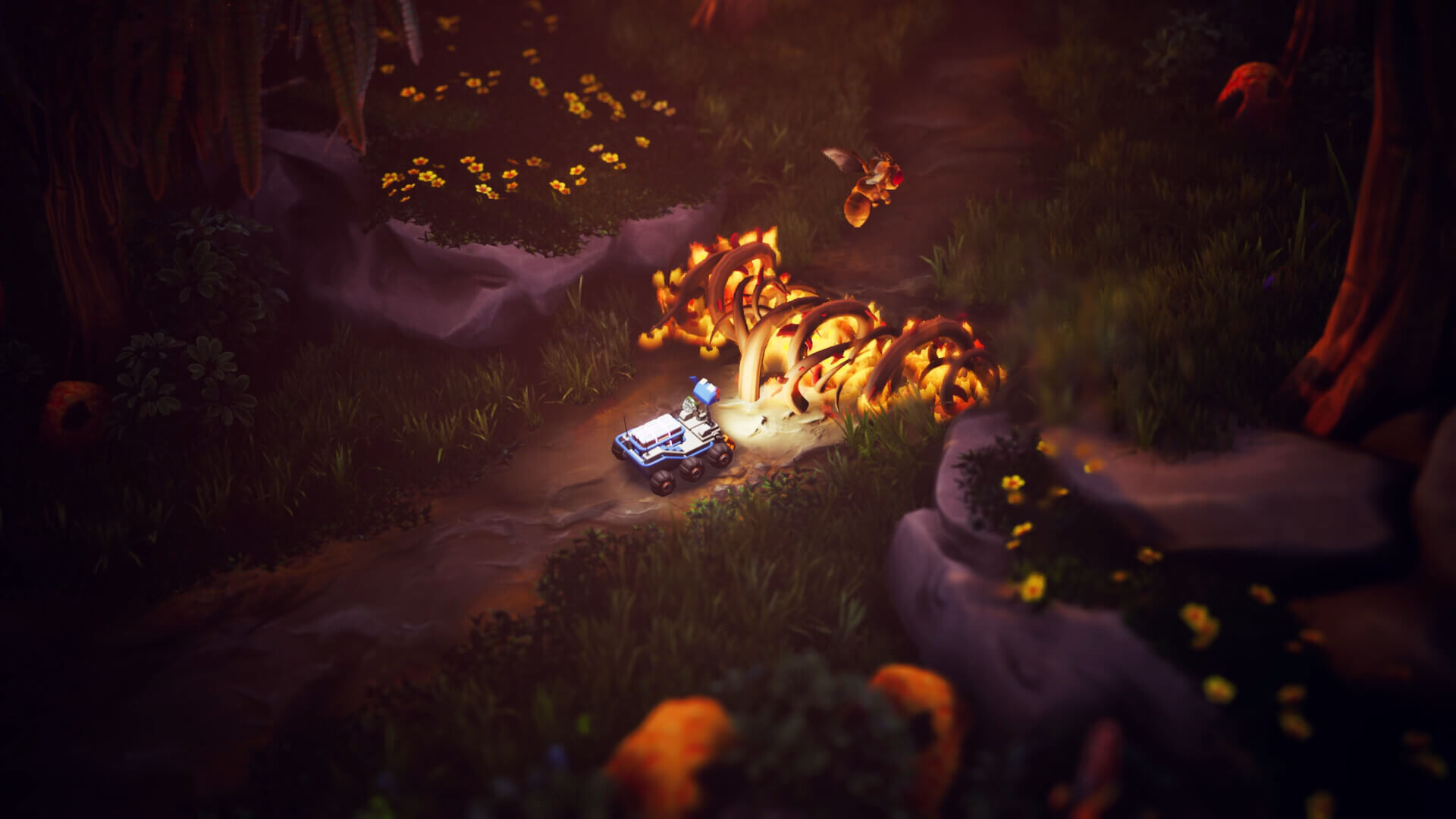
“You can capture the firefly and take them over to the brambles and it’ll burn it away,” McGrory said. “We have plants that are not pollinated, so you can grab a creature that’ll pollinate them and suddenly they unfold, and they either turn into a lift or they turn into a massive lily pad that lets you drive across water.”
The result is a progression loop centered on curiosity. Each new discovery reframes old terrain, inviting players to revisit earlier areas with fresh possibilities.
Like any memorable Metroidvania, the playable character is also upgradeable. The rover will gain new tools like a hammer, wench, net, and other items that help it explore news areas and remove barriers to progression.
An emotional connection
At its heart, Rover’s Tale is built on the relationship between humans and their dogs. In the game’s fiction, the consciousness inside each rover belongs to a dog that has previously passed away. Many of those canine personalities are inspired by pets that are near and dear to development from both the past and present.
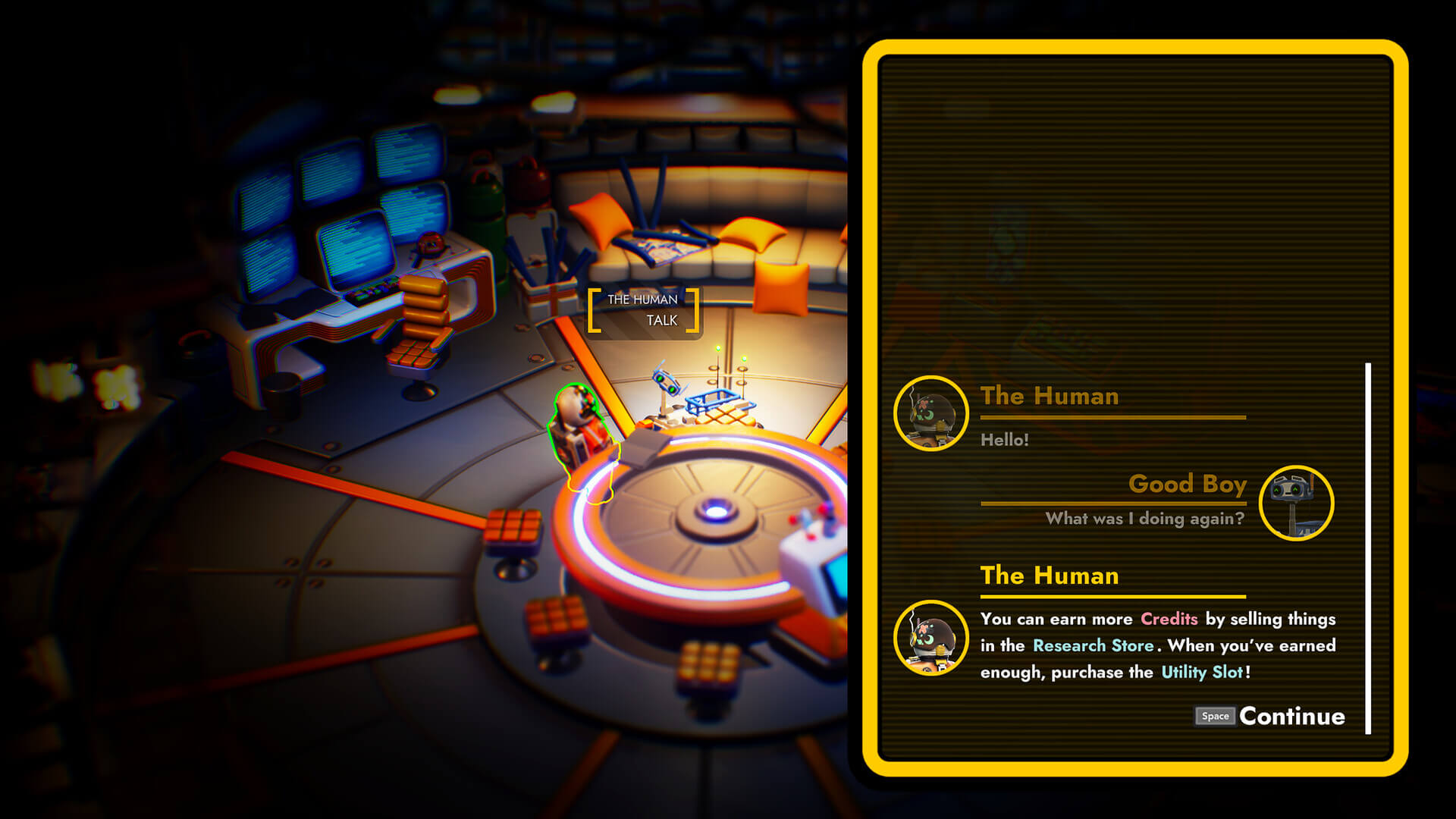
Players control a rover exploring an extraterrestrial planet alongside a genderless human companion. That character is intentionally open-ended, designed so players can project themselves into the role. The dynamic between rover and human mirrors the real world relationship between a person and their pet. It is built on trust and shared adventure.
Even without the explicit canine element, the team believes people are primed to feel for machines.
“They have an emotional connection to these things,” McGrory said. “You see the videos of the Boston Dynamics dogs and when someone mistreats them, people react.”
Rover’s Tale leans into that instinct. Its narrative follows emotional beats familiar to pet owners, from moments of injury and fear to the anxiety of separation and the relief of reunion. The game’s structure invites players to care not just about progress, but about the wellbeing of the rover itself. There is no combat, but there are still ways the rover can be damaged.
Much of that emotional core traces back to Opportunity and the way it captured public imagination. Oppy was never designed to be lovable. It was a scientific instrument. Yet over time, mission updates began to read like journal entries from a distant explorer. Each extension of its mission felt like borrowed time.
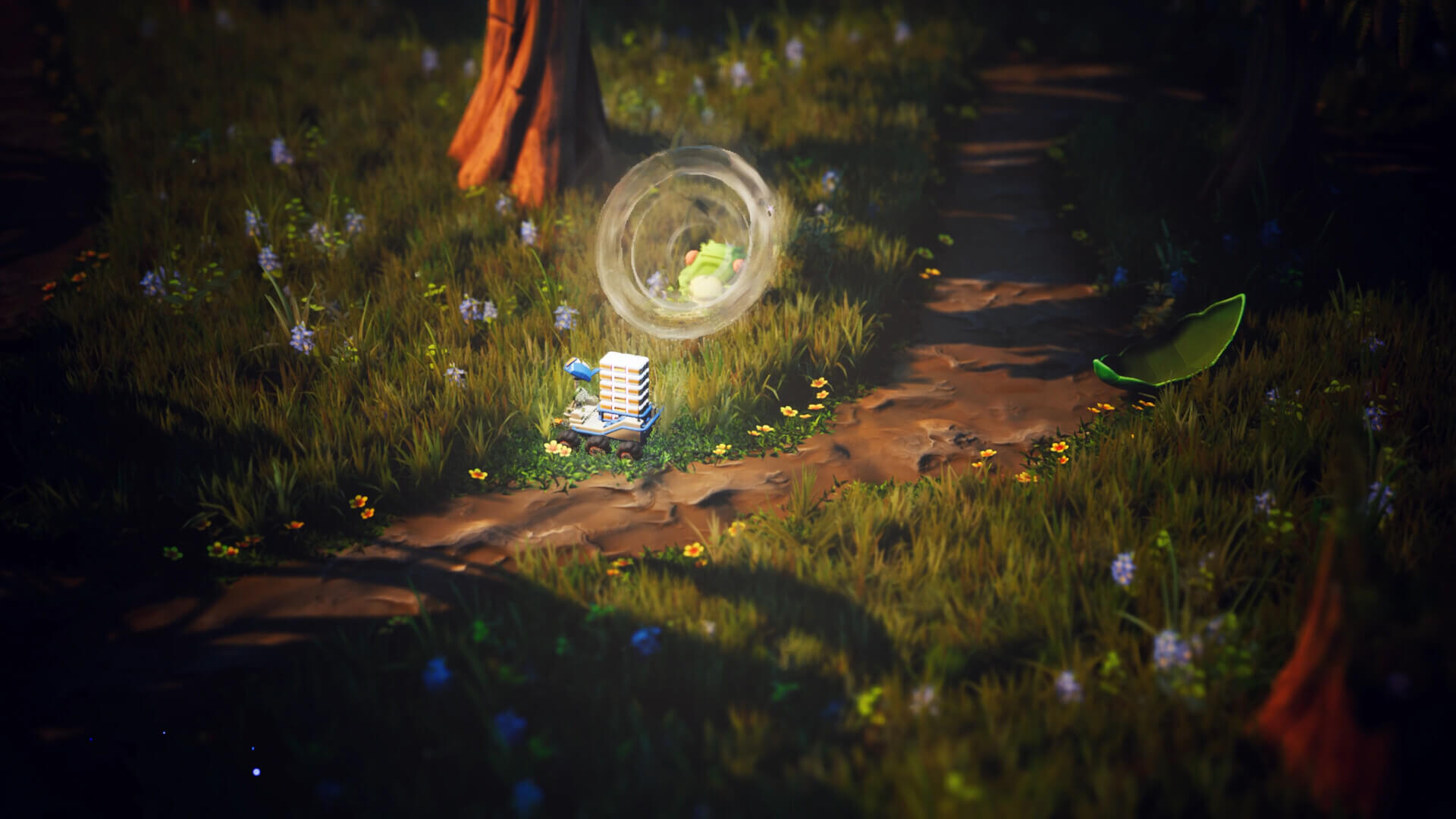
In June 2018, after a massive dust storm enveloped Mars, Opportunity stopped responding. For months, engineers at NASA’s Jet Propulsion Laboratory attempted to reestablish contact, sending command after command into the silence. When the mission was officially declared complete in February 2019, NASA shared a poetic translation of the rover’s final transmission: “My battery is low and it’s getting dark.”
The line was not literal. It was a human interpretation of data. But it resonated because it gave shape to what so many already felt. Oppy’s story had an ending.
Rover’s Tale asks what happens when we acknowledge that instinct from the beginning. If people are going to see bravery and companionship in the machines we build, perhaps those qualities are worth exploring on purpose. Opportunity’s lights eventually went dark on Mars. In Observer Interactive’s world, we'll be there with your rover as its story is told. We get to help write the ending.
Check out Rover's Tale on Epic Games Store today!