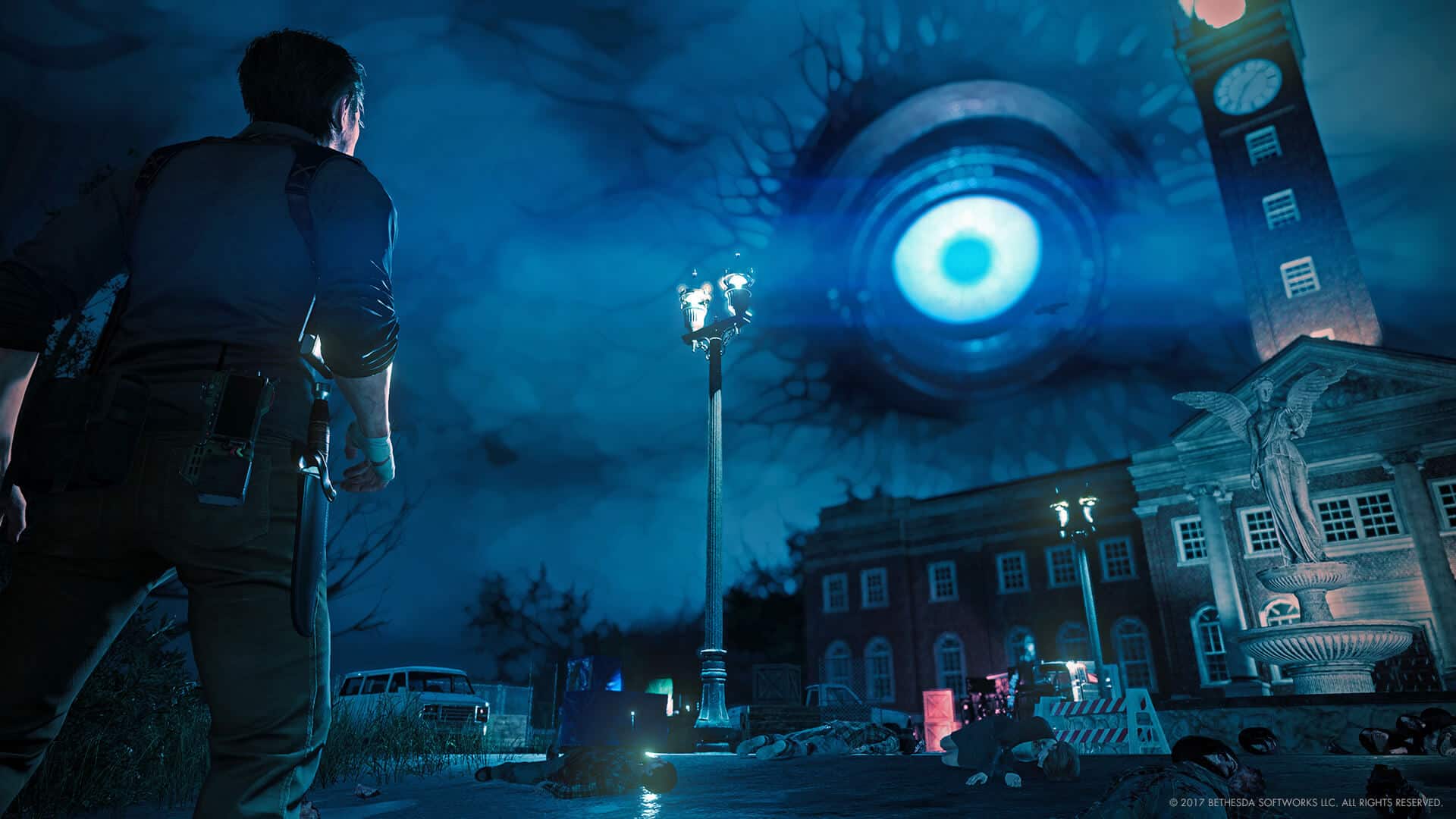
The Evil Within 2 takes all the best ideas from the original and makes them even better
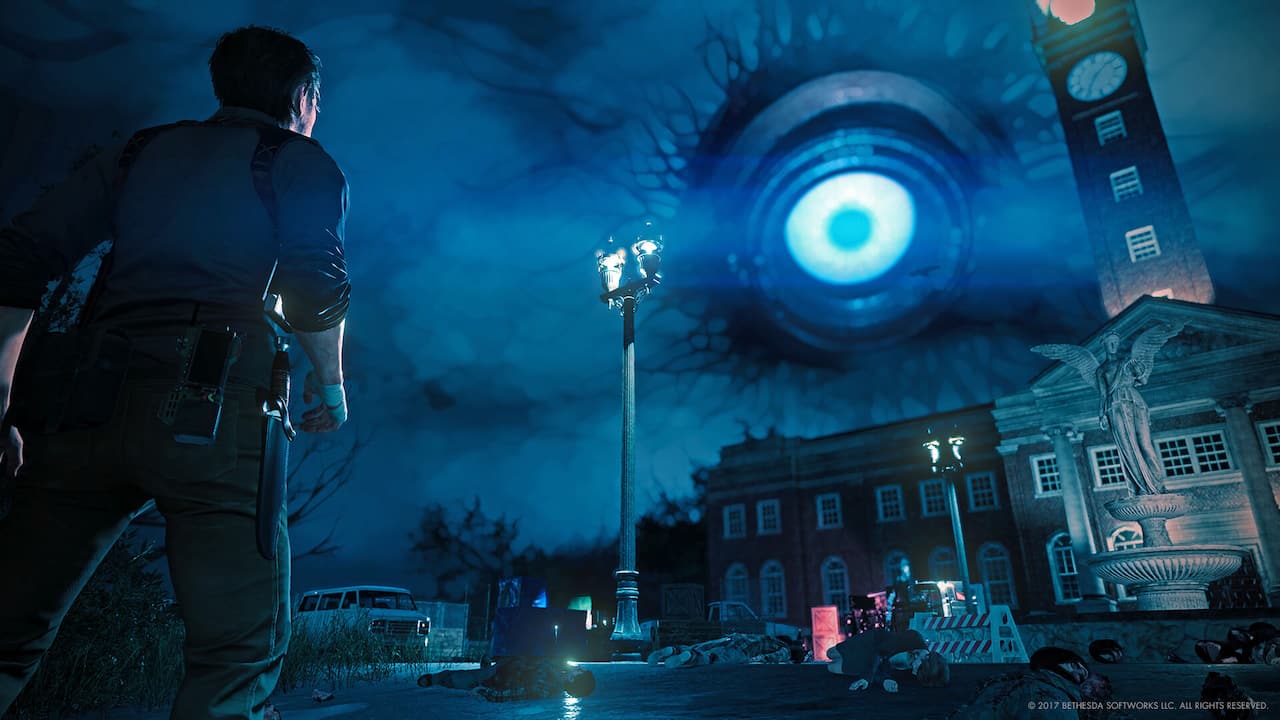
When Resident Evil director Shinji Mikami founded Tango Gameworks, horror fans waited in anticipation for the studio's first title. What we got was The Evil Within, a survival horror game with a lot of neat ideas. It was a linear, visually arresting journey through a mental hospital that also featured more open levels to encourage players to explore and scavenge for weapons and items.
A few years later, Tango released The Evil Within 2, which not only utilized clever tricks to present itself as a whole new experience but also felt like the version of the game they wanted to make from the start.
You don’t need to have played the first game to play the second. Some elements won’t make much sense at first—like how our hero Sebastian Castellanos psychically travels to a supernatural mental hospital to get upgrades—but any confusion becomes easy to ignore once you uncover the setup. Sebastian’s daughter is being held prisoner at a top-secret facility as a way to power a simulation filled with people who don’t realize they’re in one. However, your daughter has gone missing inside, so you need to dive in and find out what happened.

The plot setup seems preposterous, and it is. Returning players will already be familiar with STEM, a machine that can create new realities in the form of simulations. This created the mental hospital from the first game, but the technology is further explored in the sequel. If STEM can create simulations, that means the developers can do just about anything once the player is inside. This narrative device enabled them to create Union, an idyllic town based on 1950s suburban Americana, as a whole new locale for players to explore. While there are similarities with the first game, especially when it comes to the monsters you encounter, you have a lot more to discover in terms of locations, gameplay, and the simulation’s rules.
And because this is a different reality, that frees up Tango to do a lot of fine-tuning without completely retconning the first game. The combination of stealth gameplay and scavenging for items works so much better in The Evil Within 2, partly because Union is a more open environment. For the most part, The Evil Within 2 takes place within the town’s limits, so everything feels more streamlined. Plus, there are a lot of side quests you can do in any order to encourage exploration. I spent a few hours in one chapter just wandering from building to building, filled with glee at what I uncovered, whether it was an interesting story element, a monster, or a cool gun.
The story is just as silly as it was in the original, and combat still has its quirks, but The Evil Within 2 is a much more optimized, effective horror game in almost every way. Keeping the action contained to one location where anything can happen while also opening it up for other encounters is just the start of what Tango did to move the franchise forward. The Evil Within 2 feels like Mikami's initial concept finally realized in its entirety.