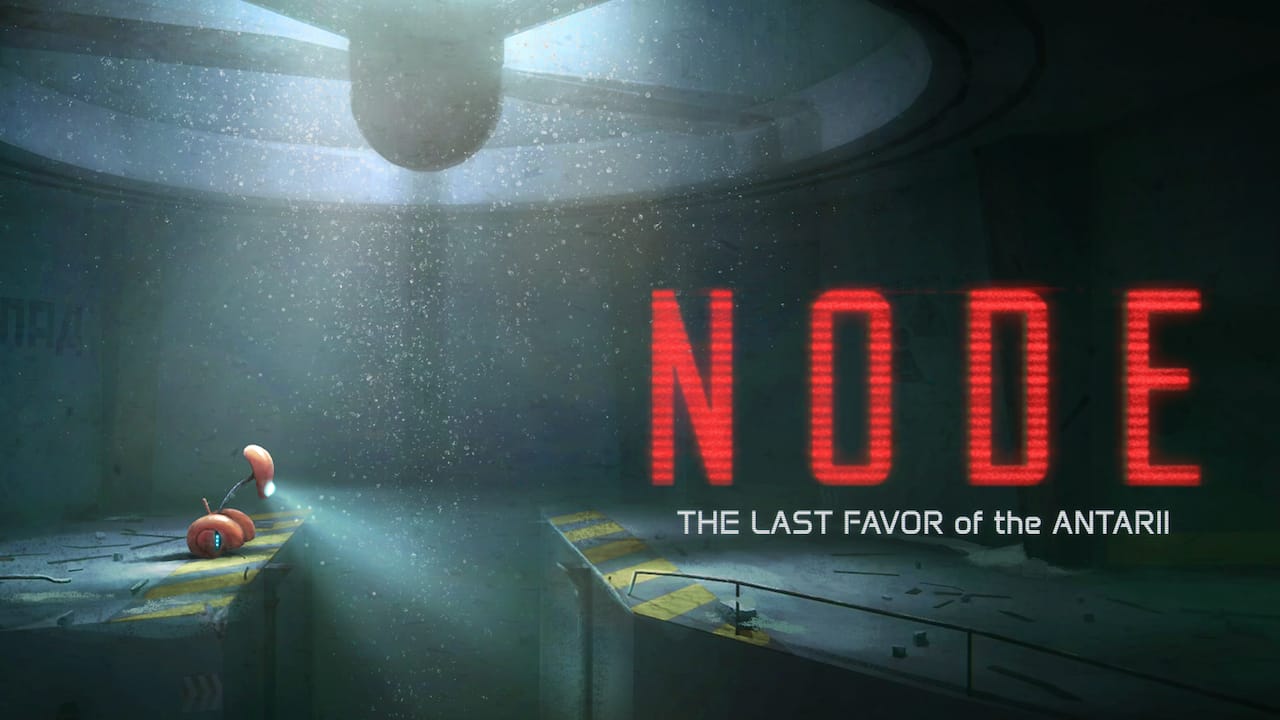
NODE: The Last Favor of the Antarii

Teen
- Fantasy Violence
- Language
- NODE: The Last Favor of the Antarii
- NODE: The Last Favor of the Antarii Original Soundtrack


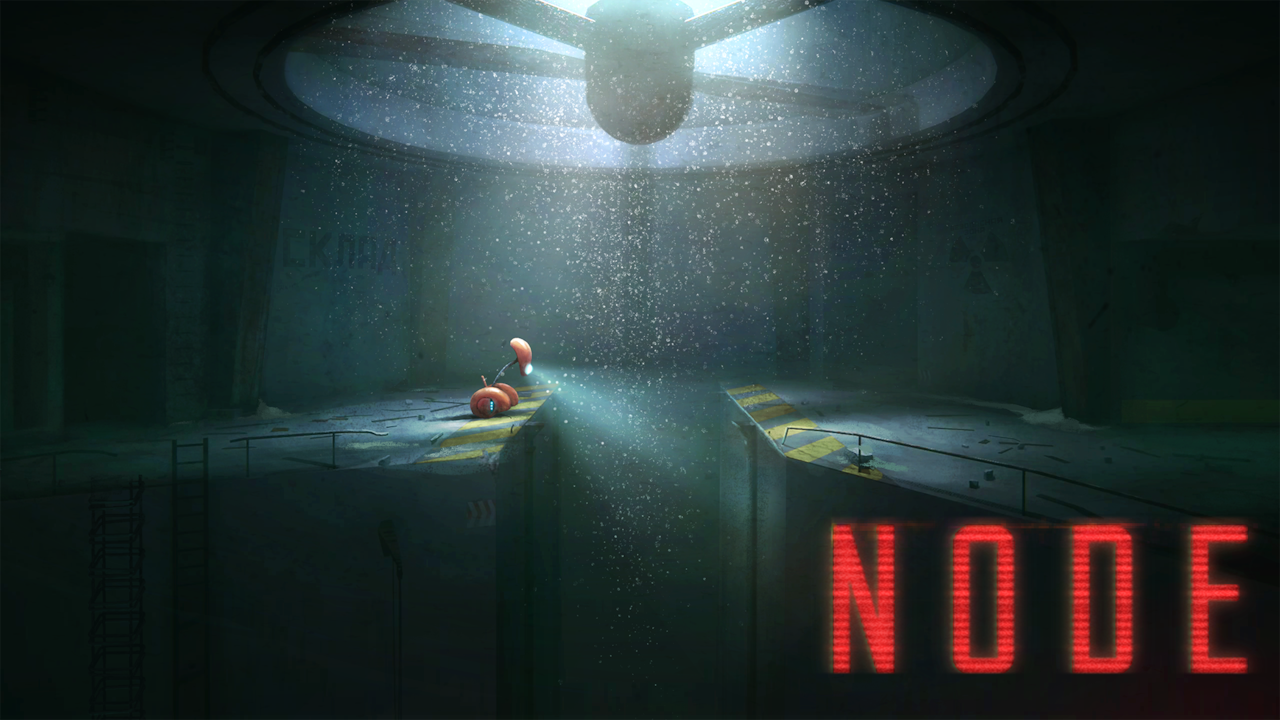
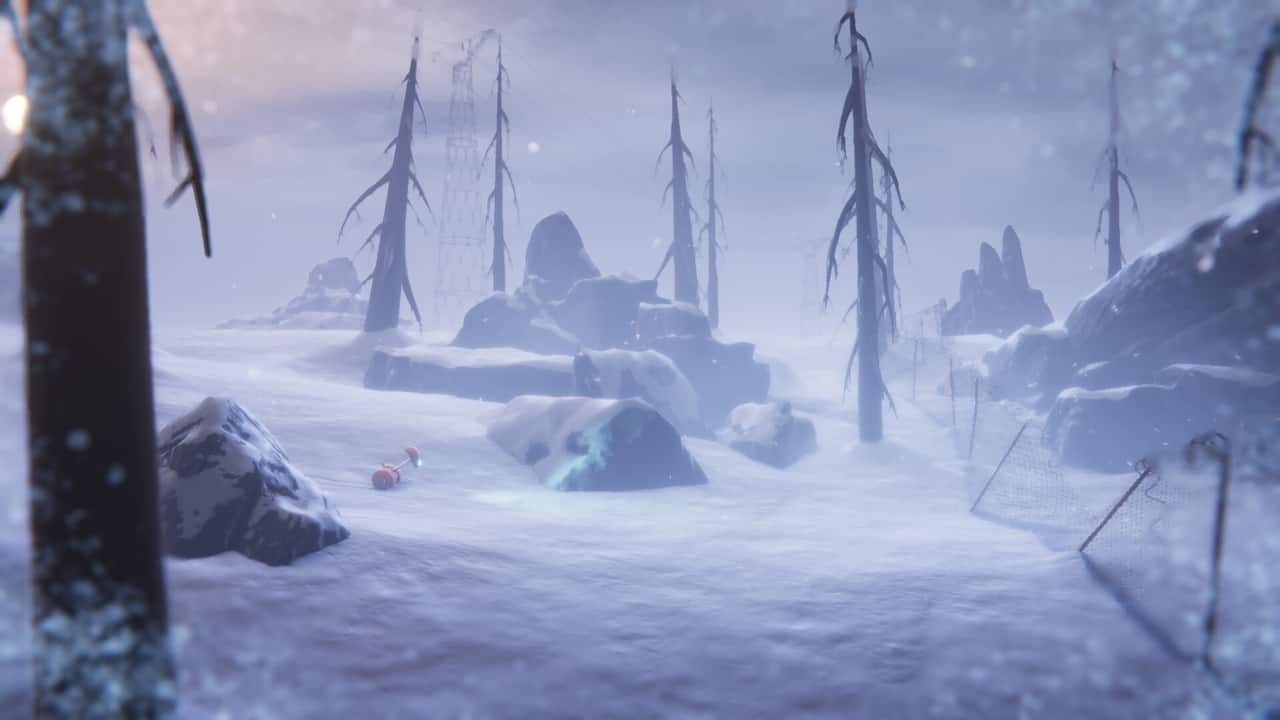
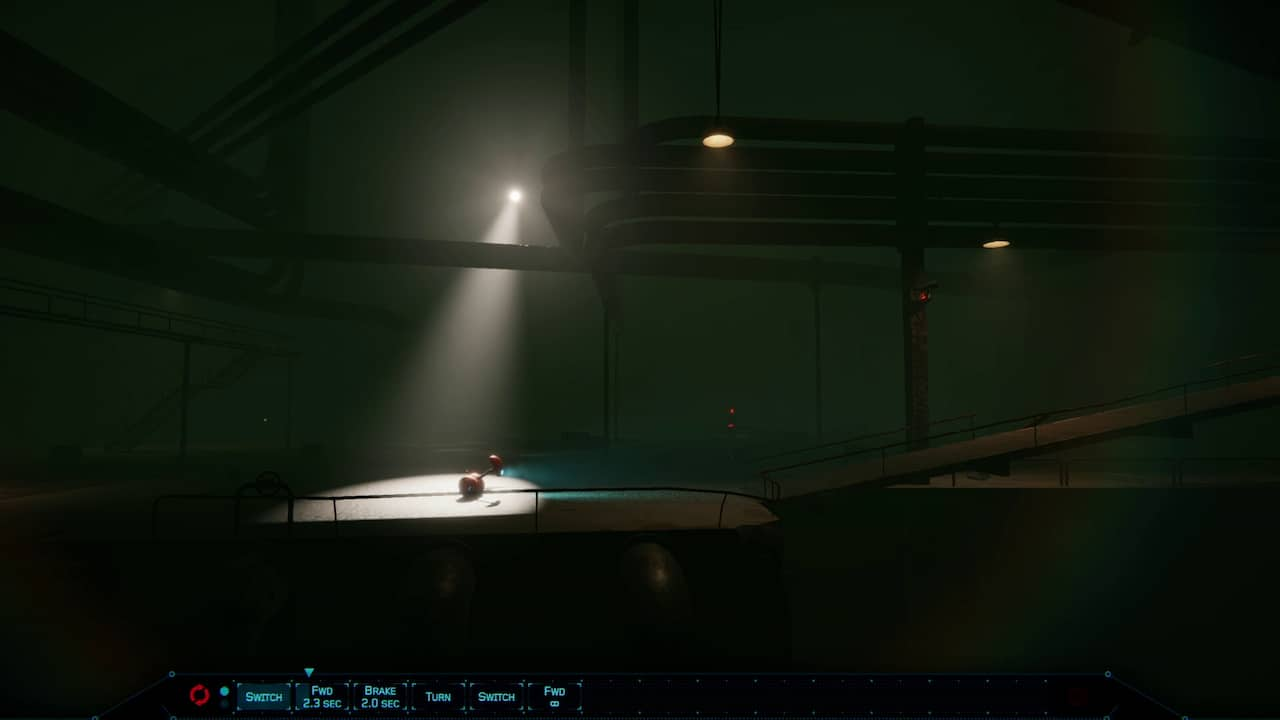
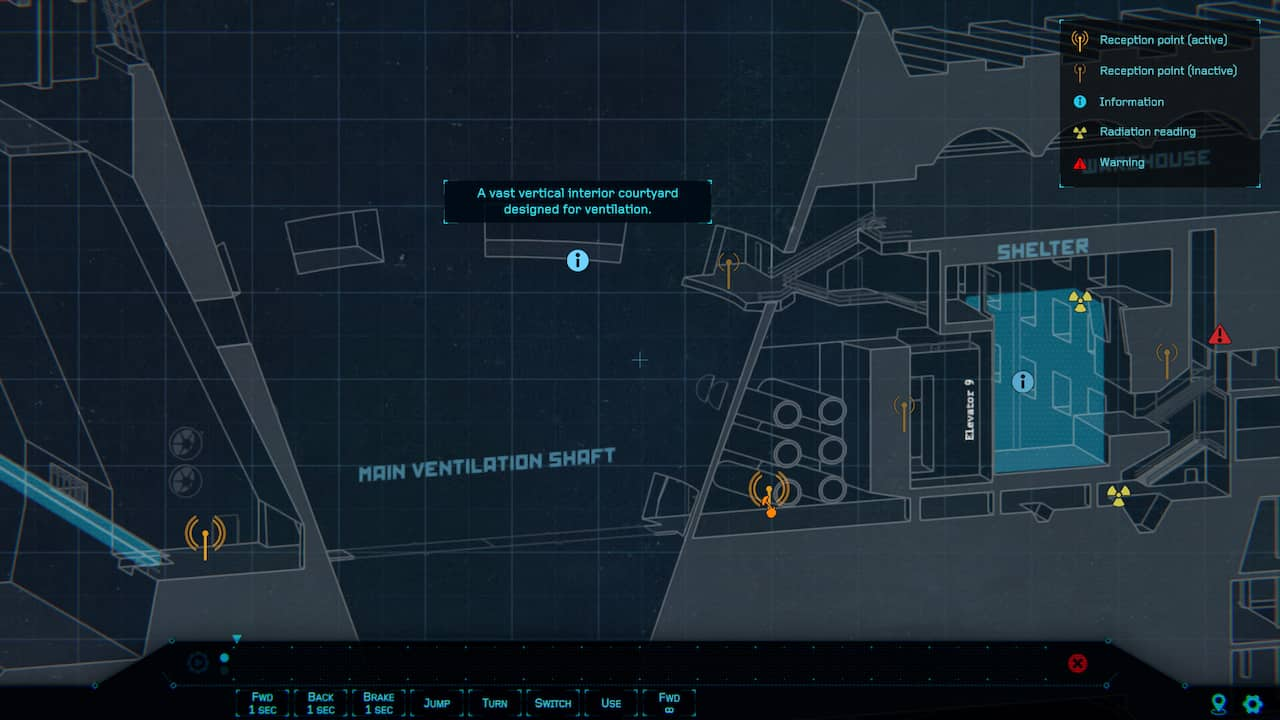
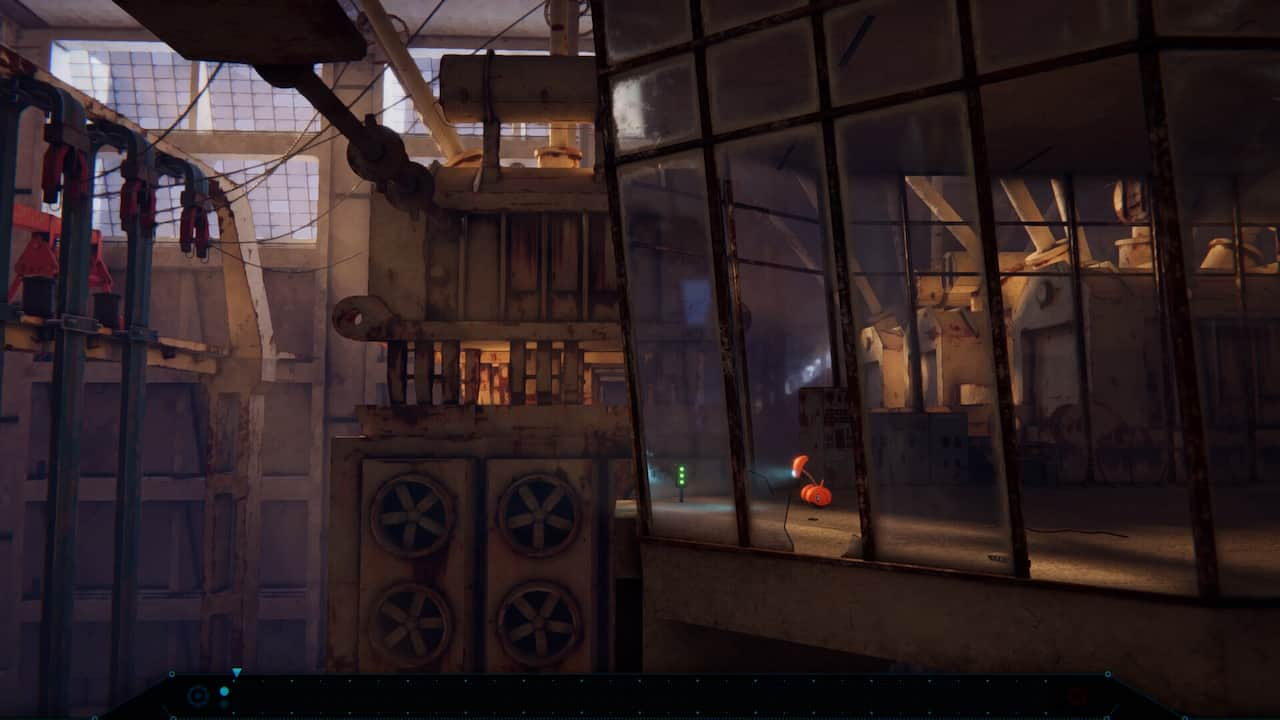
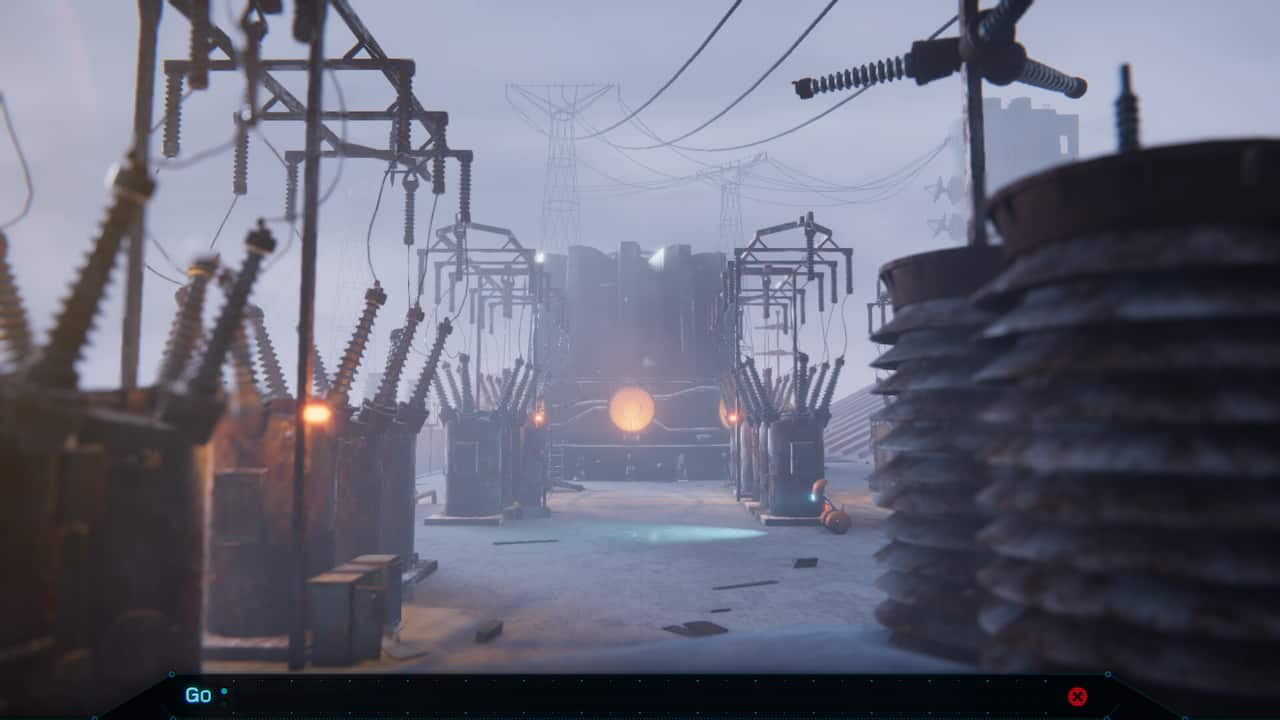
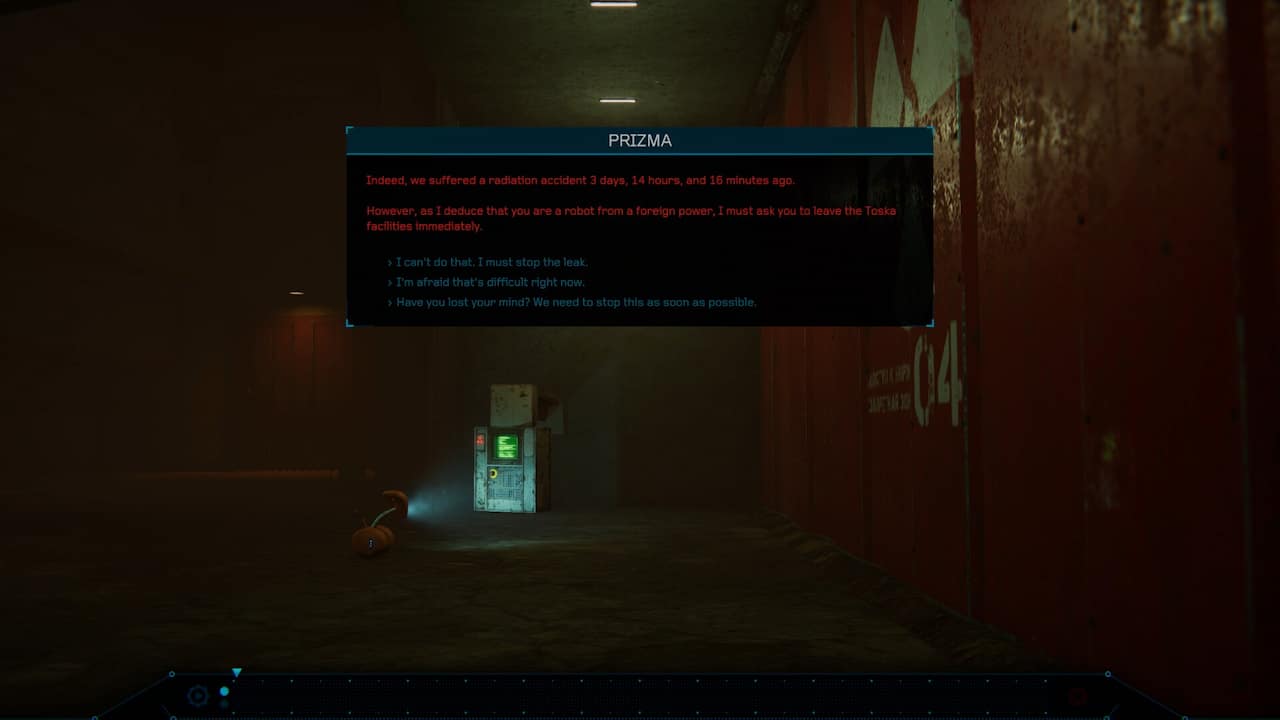
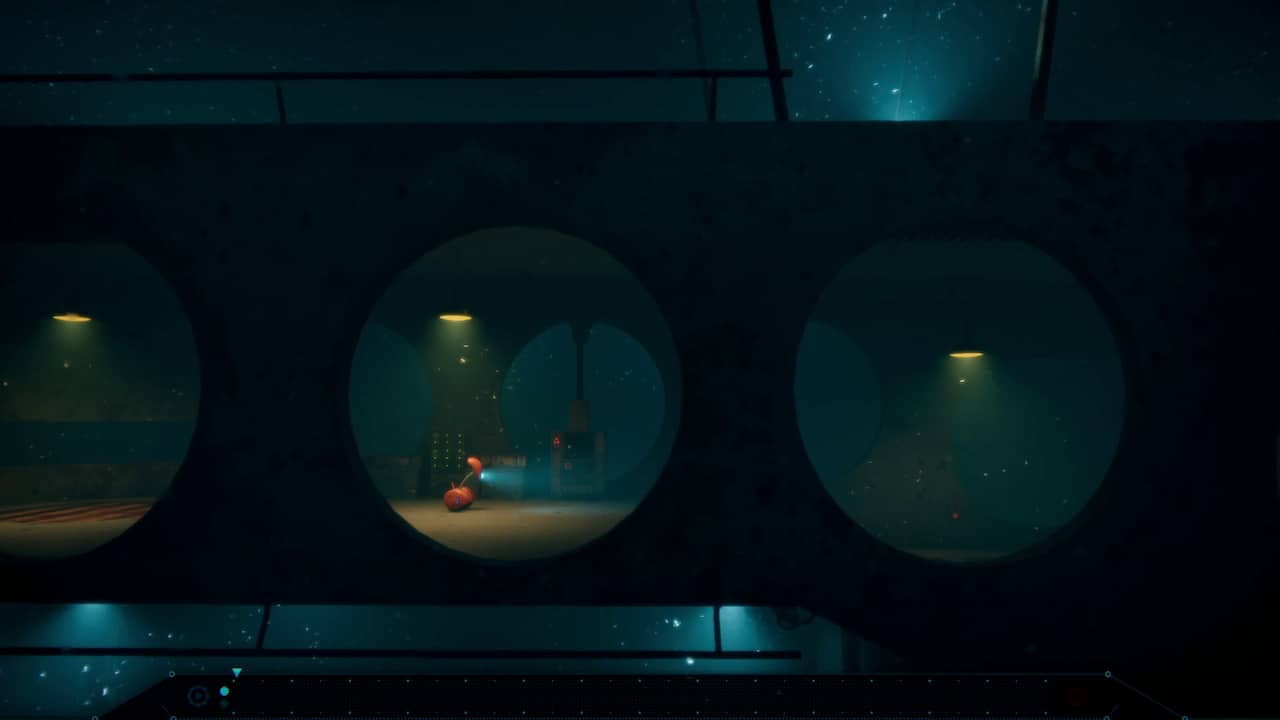
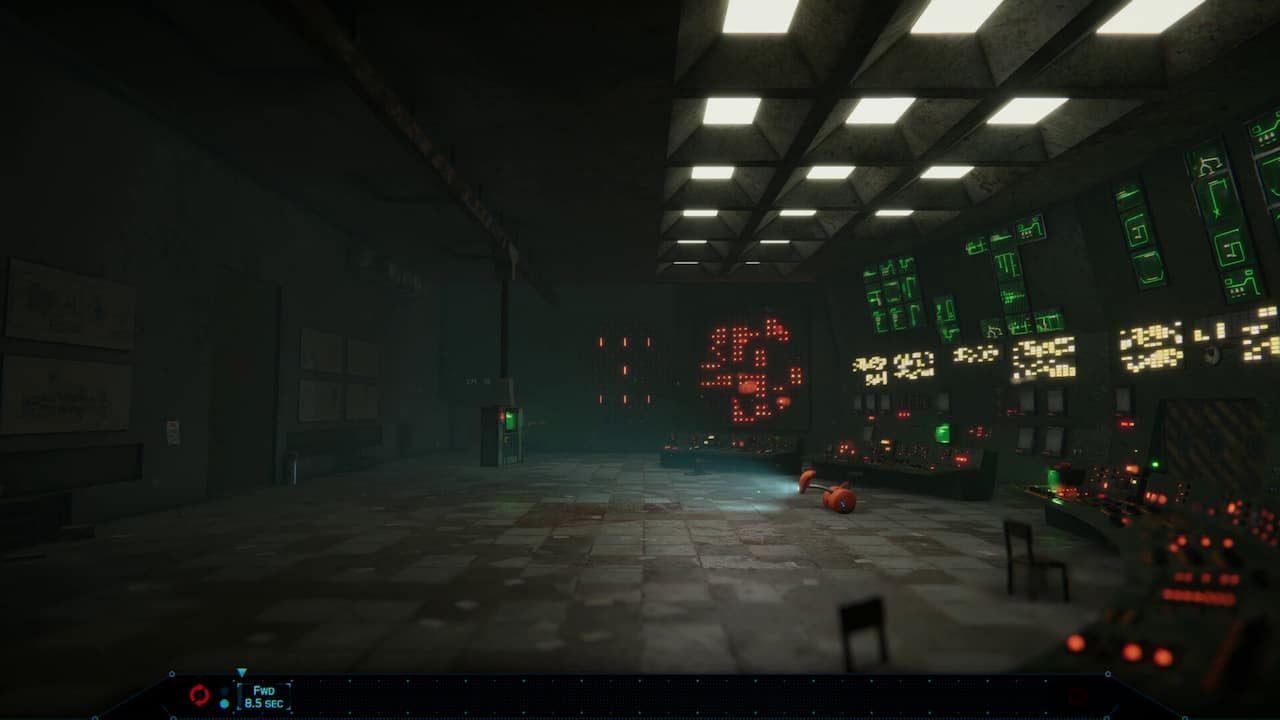
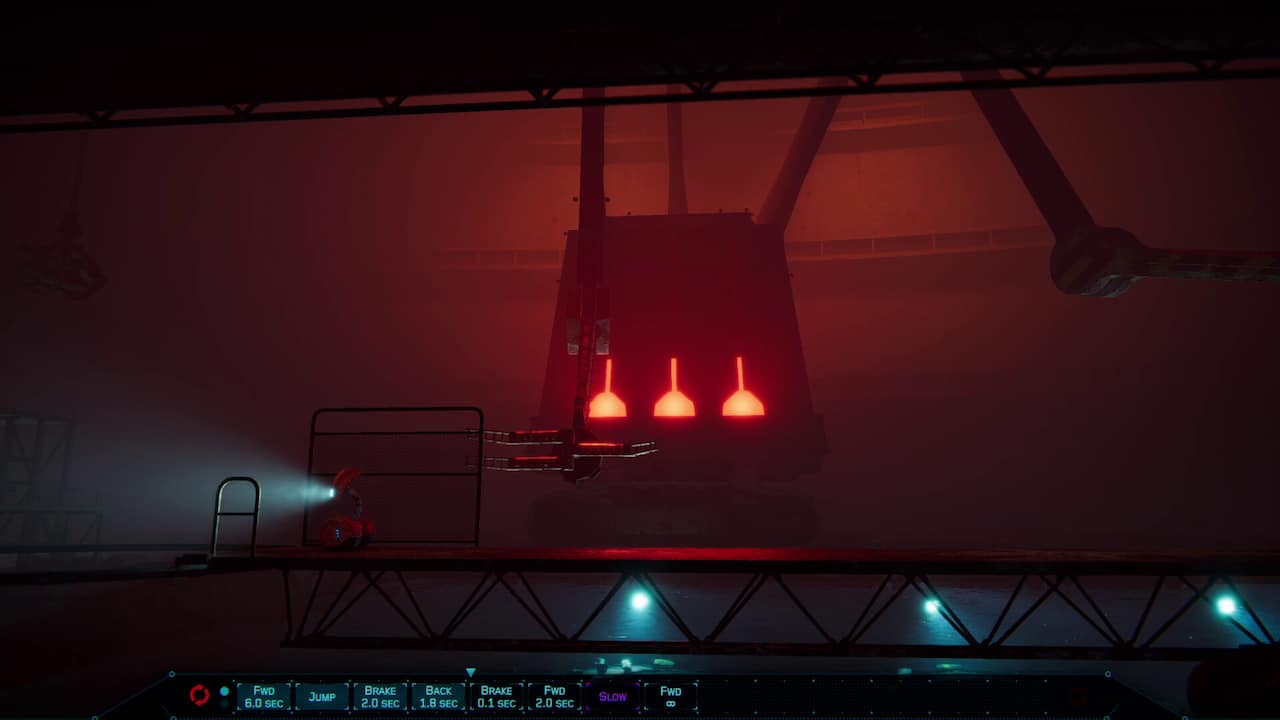
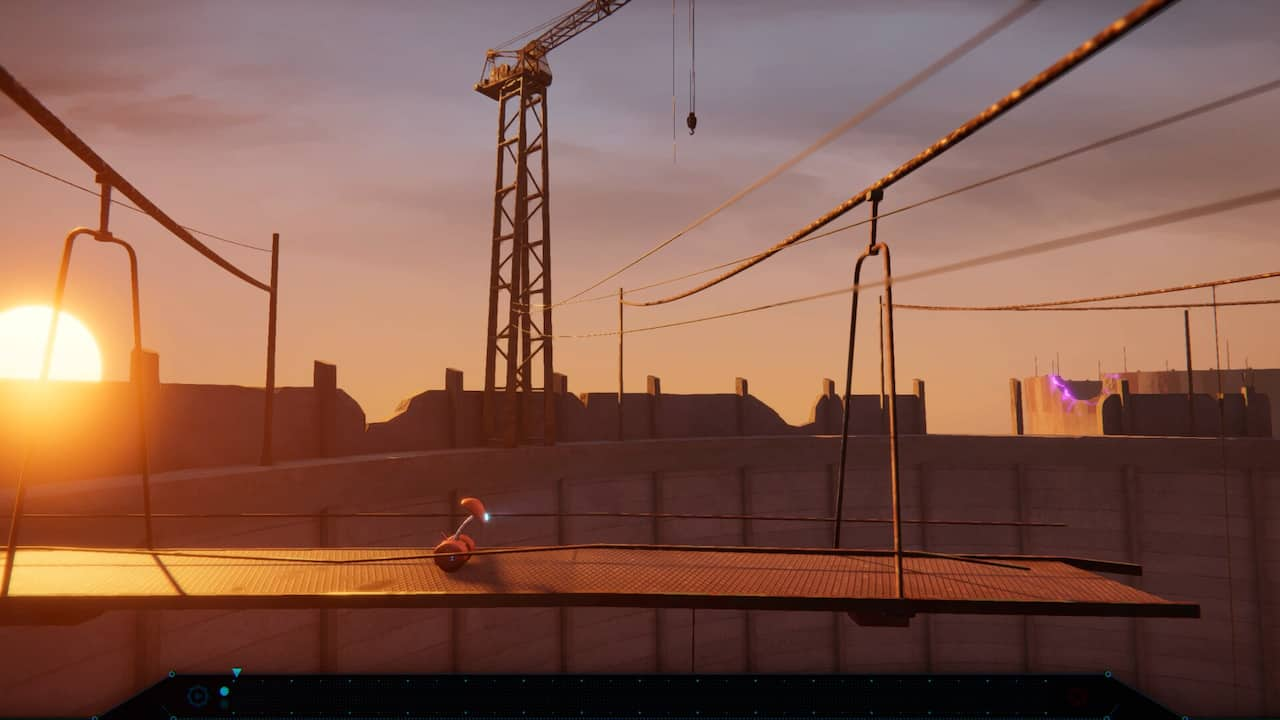
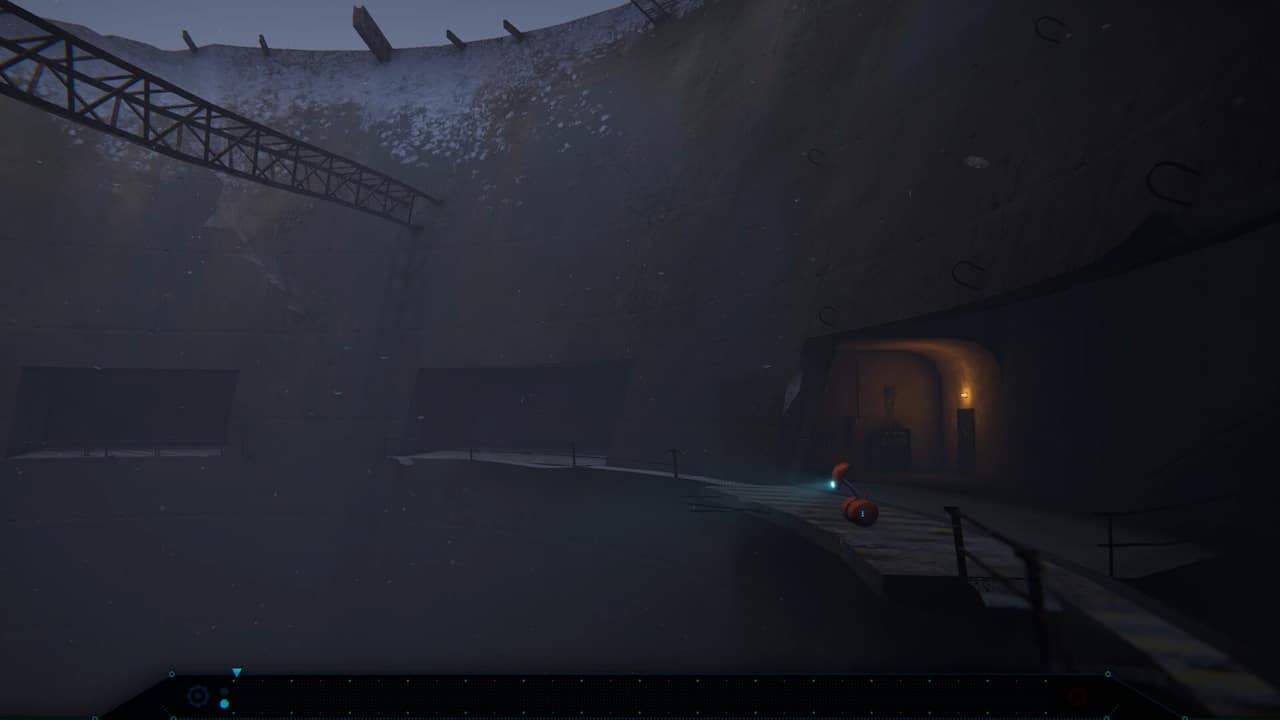
NODE: The Last Favor of the Antarii is a 2.5D puzzle platformer about a robot navigating a Cold War nuclear complex. Execute timeline-based commands to control NODE. Unravel mysteries, navigate the unknown. Your commands decide the outcome.

In a forsaken world of radiation and secrets, one AI stands between salvation and collapse. Explore Toska, a haunting nuclear labyrinth, where the echoes of the past meet an otherworldly twist. Can you outsmart the unknown and save us all?
Step into NODE: The Last Favor of the Antarii, a 2.5D puzzle-platformer set in the decaying heart of a Cold War nuclear complex. You command NODE, an autonomous AI, tasked with navigating a Soviet ruin teetering on the edge of catastrophe. Plan your moves, sequence commands, and master timeline-based puzzles to unravel a cosmic mystery that holds humanity’s fate. Every choice shapes the story, every retry sharpens your strategy.
A brand new Game Mode, Ultrawide support, Multi-save, tons of fixes, and more...
A lot of what's in this update came directly from players. Messages, DMs, emails, reviews, conversations in our Discord. We read all of it, and we made our best to address it all.
Platformer Mode (a new way to play)
Some of you came to NODE for the atmosphere and story, but found the puzzles too intense to push through.
Platformer Mode is an alternative route:
It is more than just a difficulty toggle. It is a new way of experiencing the game.
Ultrawide Full Support (21:9 and 32:9)
This one means a lot to us.
NODE was built around carefully composed 2.5D frames. Ultrawide finally gives those compositions the space they were designed for. Scenes open up. Moments land differently.
If you have an ultrawide monitor, please try it there. It is hard to go back after.
Multi-save
Multiple save slots per profile
Branch your run without losing progress
Revisit choices and explore different endings
This was the most-requested feature after launch, and it pairs naturally with Platformer Mode.
Full determinism achieved
It has been quite tricky, but finally we have achieved full determinism within our simulation. No more discrepancy in the solution no matter what's happening, the speed of the simulation or how it runs in your computer. Same solution will always produce the same result!
Try it now and share Your Feedback
Tell us what works, what does not, the best moments, and the rough edges.
We will be reading everything.
You can post in the Steam community hub, or join the Discord and tell us there.
Thank you for sticking with us.
Lapsus Games


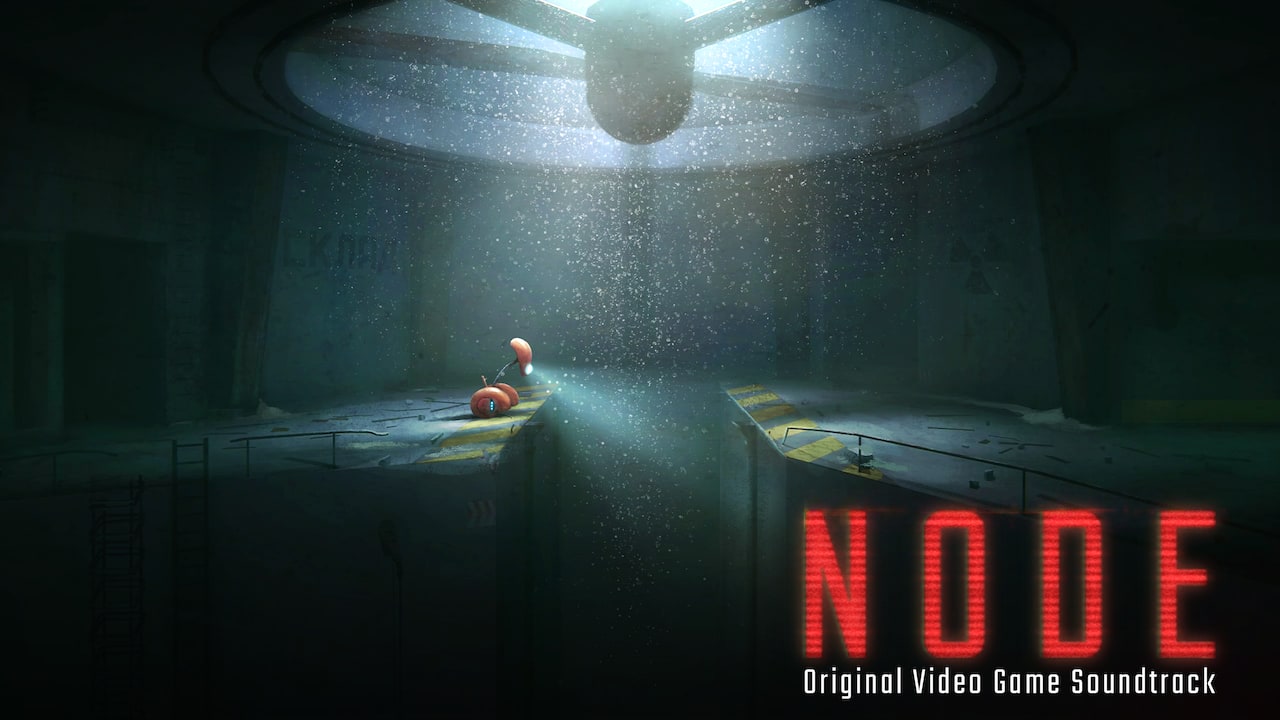
Enjoy the soundtrack of NODE: The Last Favor of the Antarii, composed by Ramón López and featuring a track with vocals by Raquel Pérez. Spanning 48 pieces and over an hour of music, this score offers a rich, immersive experience.
Minimum
OS version
Windows 10
CPU
i5-4690 CPU @ 3.50GHz or equivalent
Memory
8 GB RAM
GPU
Nvidia RTX 1060, AMD RX 580, or equivalent
DirectX
DirectX 11
Storage
6 GB
Recommended
OS version
Windows 10
CPU
i7-11700F @ 2.50GHz or equivalent
Memory
16 GB RAM
GPU
Nvidia RTX 2070 SUPER, AMD RX 6750, or equivalent
DirectX
DirectX 11
Storage
6 GB
Login Accounts Required
Epic ID
Languages Supported
© 2024 COPYRIGHT LAPSUS GAMES LLC ALL RIGHTS RESERVED. Published by Beep Japan Inc.