News
Battlefield 6’s Escalation mode unleashes the series’ largest-scale battles
G
George Yang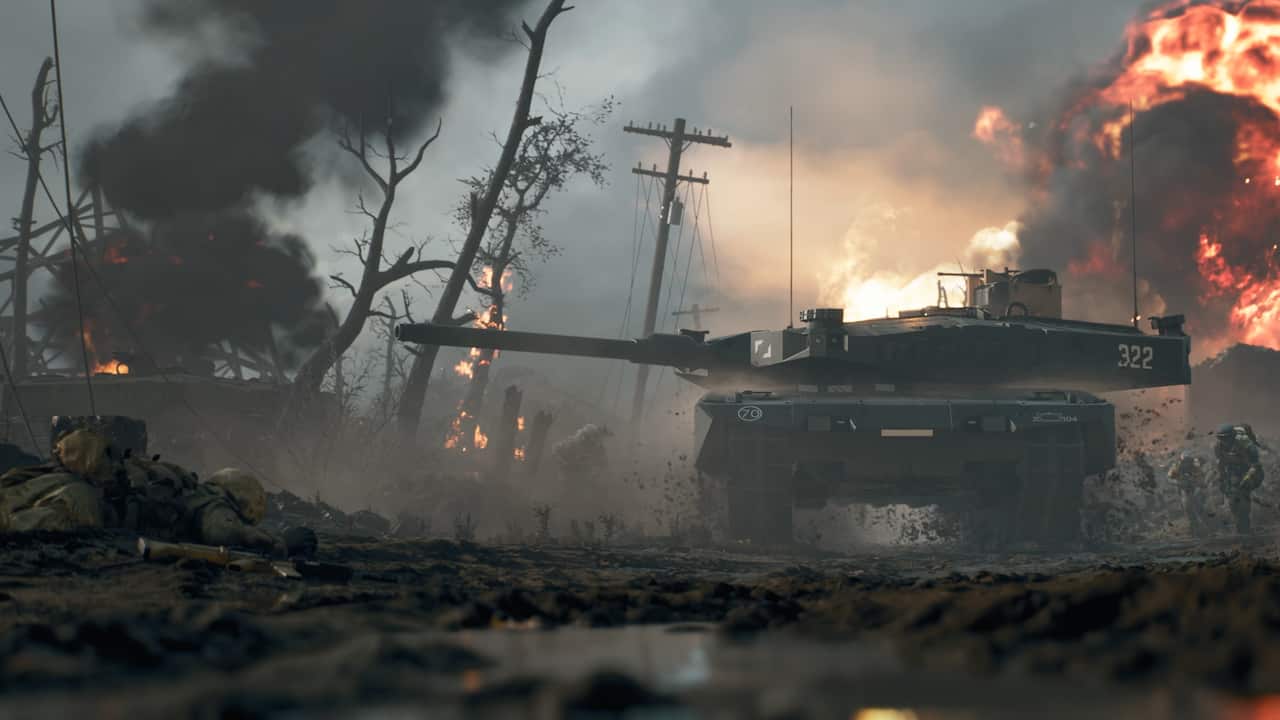
After a few hours hands-on with Escalation, along with two new maps in Mirak Valley and Operation Firestorm, it feels like Battlefield 6’s new game mode is a step in the right direction to evolve the series.
“If you’re a fan of Conquest, we hope you’re going to love Escalation,” said DICE senior producer David Sirland in a video presentation.
In Conquest, both teams battle over map control points and are given 1,000 “tickets,” which act as respawn lives for players to share among themselves. Once the pool of a team’s 1,000 tickets is depleted, they're done—if the round time runs out, whoever has fewer remaining loses instead.
Escalation takes Conquest’s concept and ramps it up further. Instead of five control points, there are now seven of them, which already makes Escalation much more chaotic than Conquest. In order to score a point, a team must hold a majority of those control points until a meter fills up over time. The first to three points wins.
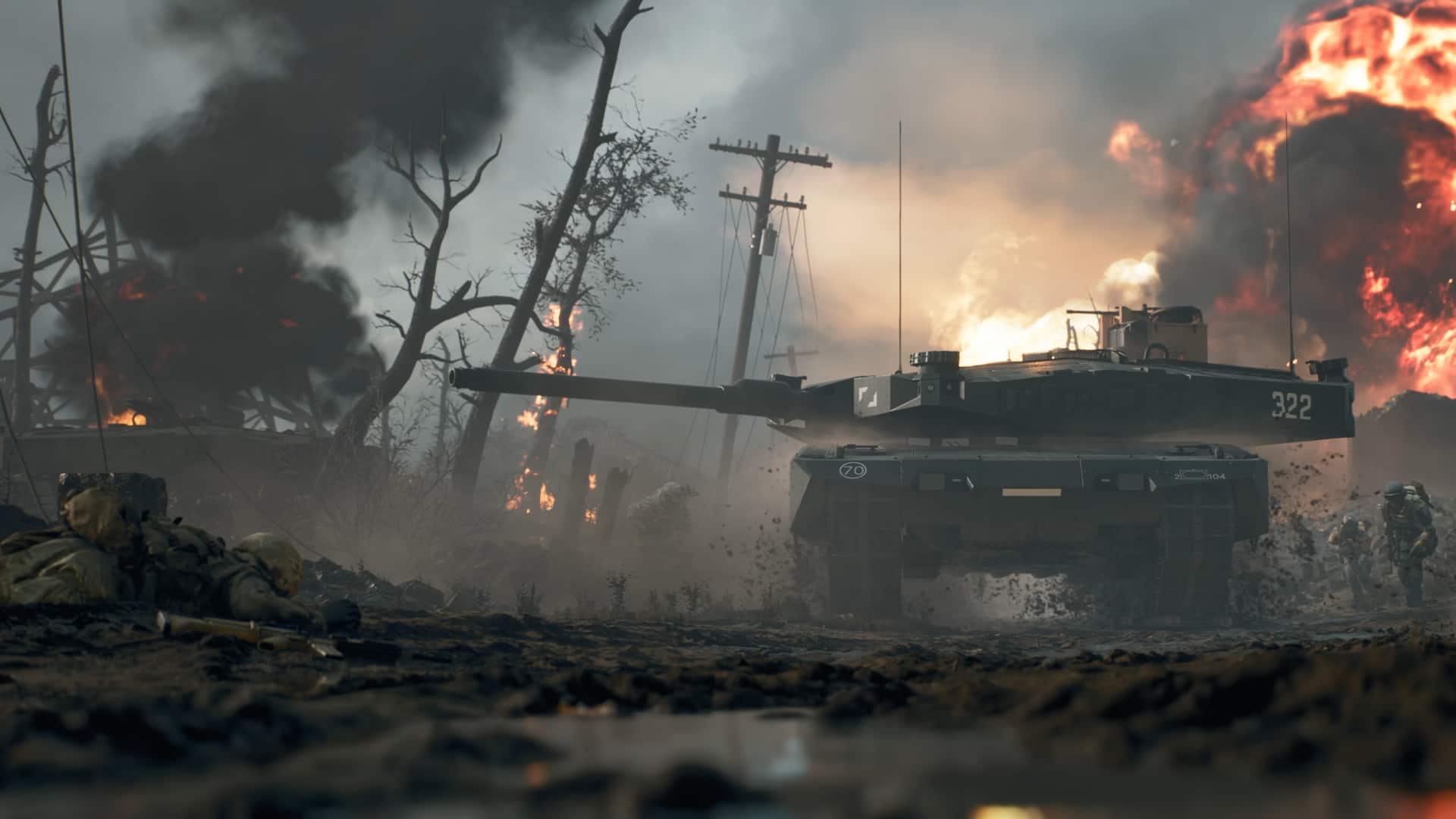
However, the twist here is that one control point disappears from the map after each time a team scores. This leads to increased shootouts as players continue to fight over dwindling territory. Escalation feels the most fun and tumultuous when both teams are evenly matched and the control points are reduced to the last two or three. When that happens, the battlefield erupts with even more bullets and explosions in every corner. “As the battle progresses, the number of capture points reduces, shifting frontlines and key combat areas, forcing you and your squad to evolve your strategy,” Sirland explained.
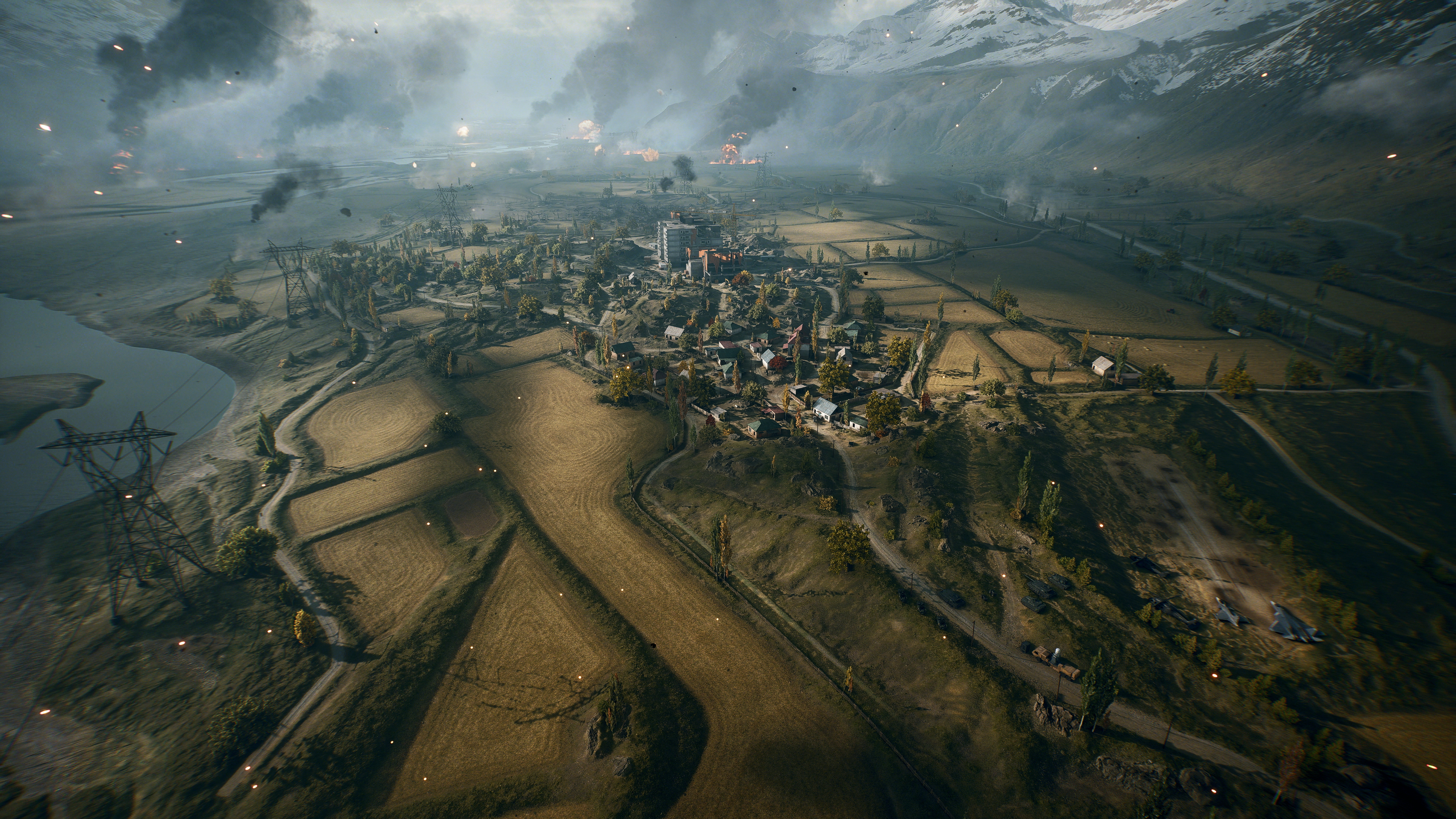
I played Escalation on both of the new maps, which are Battlefield 6’s biggest ones to date. Mirak Valley is the game’s largest map, and it focuses heavily on vehicles. It’s a wide-open field filled with villages, perfectly primed to show off Battlefield’s destruction mechanics. Everywhere I looked, vehicles smashed through houses like they were paper bags, and the field of battle was nearly unrecognizable by the time the match ended. It left me impressed by how much large-scale damage each team had done.
“It’s a classic all-out warfare map,” Sirland said. “It supports infantry, land, and air vehicles, the perfect combination that empowers you to create your own ‘only in Battlefield’ moments.”
Mirak Valley is vast, and vehicles can easily roam the perimeters, but there are also areas where you can engage in close-quarters combat and gunfights. In the center of the map, there’s a construction area with higher floors to climb up. This lets players get up close and personal with each other, using the construction beams and cinder blocks to cover and obscure themselves from view, with vehicles aiming at them from outside. Mirak Valley has a little bit of everything to make the moment-to-moment gameplay feel fresh every second.
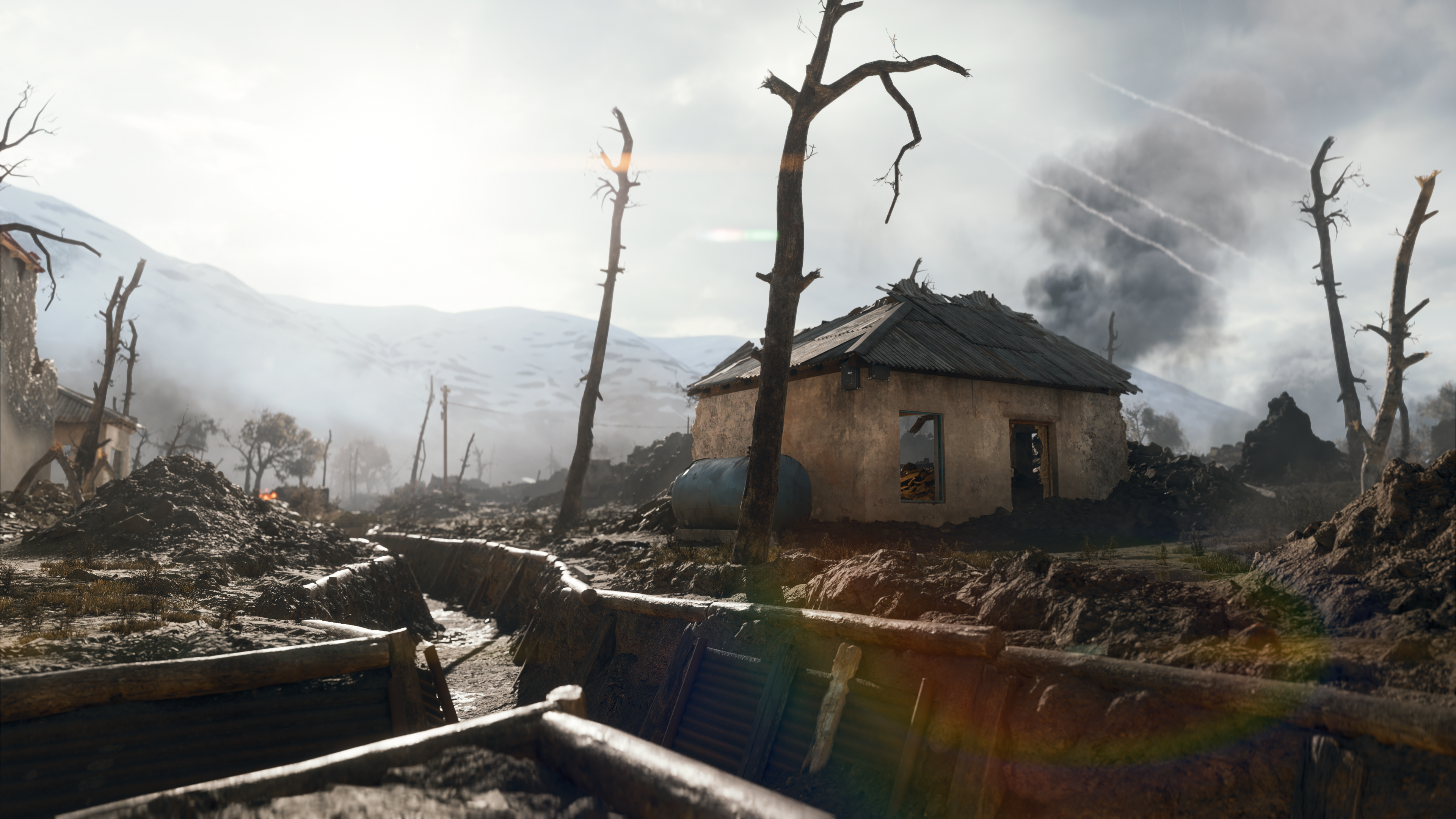
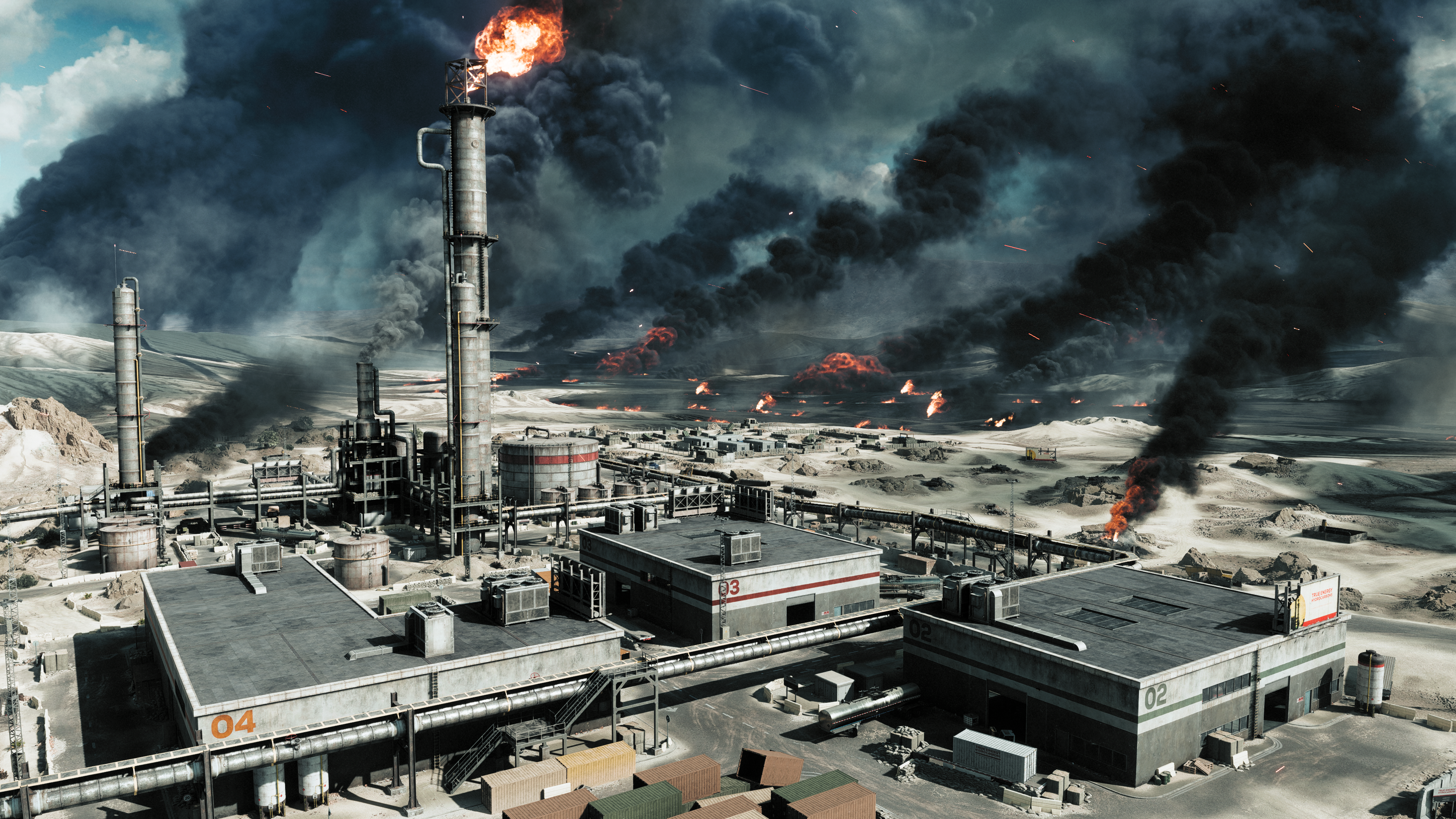
The second map, Operation Firestorm, is a remake of a beloved Battlefield 3 map. It’s set in a new location, but still has the oil refineries and desert backdrop that veterans have come to love and recognize. “Now, don’t get me wrong, I loved Operation Firestorm back in the BF3 days, but a map that’s nearly 15 years old needed some updating,” Sirland explained. “Visuals, areas of cover, line of sight, and, of course, destruction.”
Operation Firestorm is more geared towards vehicle combat than Mirak Valley. While there are cargo containers and buildings, they're much more scattered about the map compared to Mirak Valley’s village areas, which feature groups of compact houses that players can hide in. This was made much more apparent when I played Escalation on Operation Firestorm. When capturing the control points, vehicles were able to close in on them, making them harder to capture compared to the ones in Mirak Valley. If you weren’t in a vehicle, there was a high likelihood you’d get wiped out immediately. I can’t count how many times a vehicle blew up an oil tanker just for me to get caught in the blast, my entire screen filled with fire. It was pure mayhem, and I enjoyed playing on Operation Firestorm more than I did Mirak Valley.
Operation Firestorm also has a surprising amount of verticality. You can climb the oil refineries to reach the top, providing you with excellent vantage points of the entire map. It’s the perfect spot for snipers who like to pick others off down below. The lower levels in the refinery, similar to the construction area in Mirak Valley, are also popular areas for shootouts when vehicles aren’t involved.
Lastly, Sirland went over some of the new major updates and gun changes. During the open beta and our last hands-on preview, players noted that shotguns were overpowered, which made game modes like Team Deathmatch and Domination less than ideal. One of the more notable changes is that the M87A1 shotgun now requires more shells to secure a kill, which players will be delighted to learn.
The movement system has been adjusted as well. In Call of Duty, there’s a popular movement technique called slide canceling, which is the act of sprinting, then sliding, and then canceling the action by jumping or aiming. This lets players remain agile while also distracting opponents. While Battlefield 6 doesn’t have slide canceling, that didn’t stop open beta players from trying to find a way to replicate it. “Momentum, especially horizontal speed carried from a slide into a jump, has been reduced,” said Sirland.
He continued: "We've also increased inaccuracies when firing while jumping or sliding, contributing to a gameplay pace that rewards skillful movement without becoming too fast or unpredictable.”
Having tasted Escalation, the two new maps, and gameplay adjustments, I think that Battlefield 6 could become the next fan-favorite entry that long-time fans have been waiting for. It’s clear that the developers are listening to the franchise's userbase, but also sticking to their own vision to create the most authentic and fun Battlefield experience in years.
Battlefield 6 launches on October 10. You can wishlist it on Epic Games Store right now.