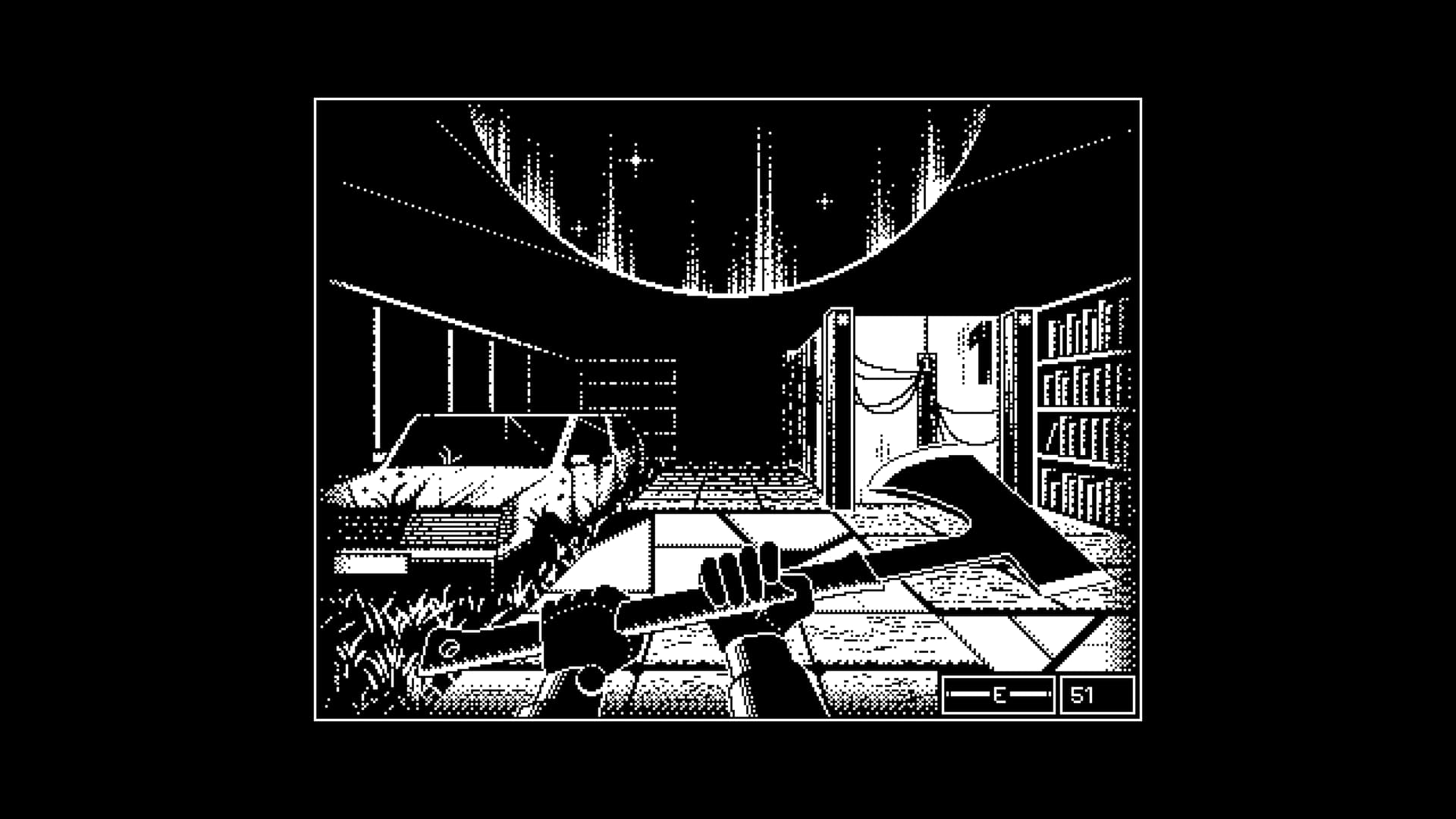
REPOSE is a genre mash-up that redefines the horror dungeon crawler
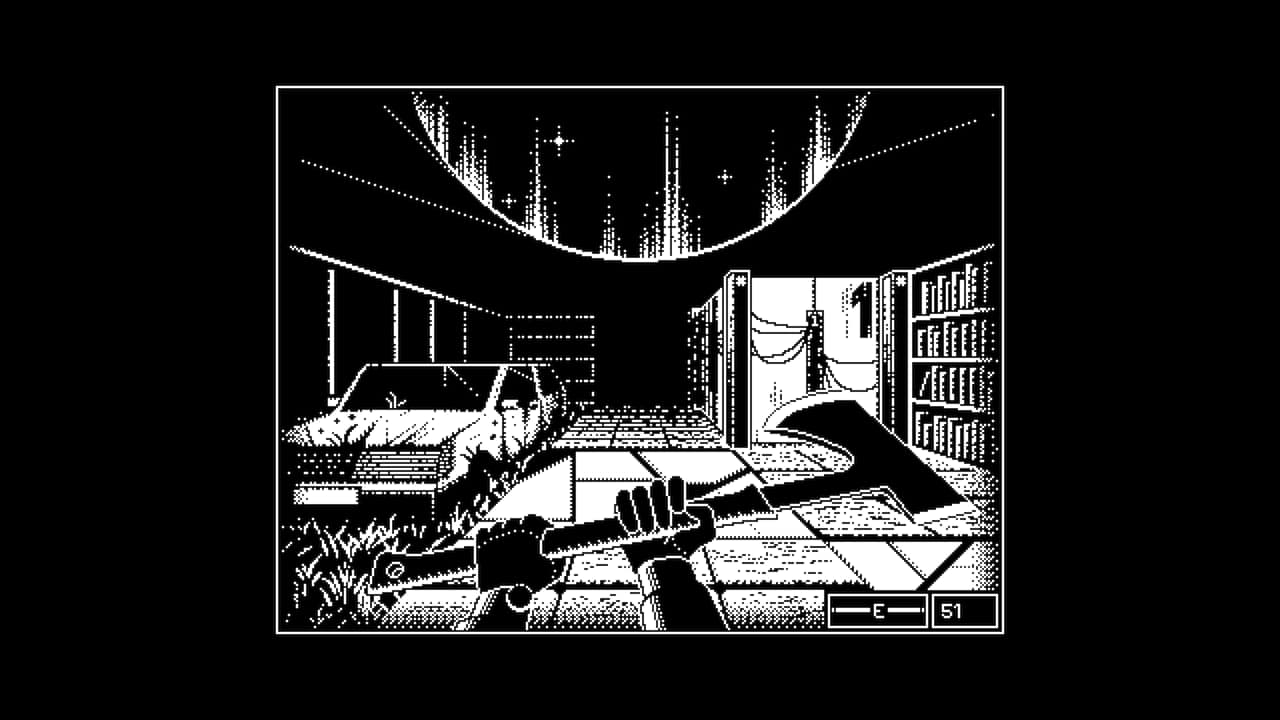
A lot of REPOSE feels familiar at first. You work for a mysterious facility and are tasked with finding objects in a seemingly never-ending collection of liminal and dilapidated rooms. What you find might give you the answers you're looking for—about where you are, why you're working here, and what happened to the previous guy in this role—but it also might kill you, sending you right back to the last checkpoint.
These creepy dungeon crawlers have flooded indie horror game spaces, everything from single-player experiences in the Backrooms and the SCP universe to multiplayer fare like Lethal Company and Content Warning. There's a specific combination of elements that form the foundation of this trend: mysterious facilities where you have some type of goal, usually involving collecting objects, a seemingly never-ending collection of rooms, and the risk of death.
Play REPOSE for more than a few minutes, though, and the familiarity will peel away. This project from Hungarian solo developer Bozó Attila Bertold is moody with a black-and-white minimalist, pixelated art style; it’s oftentimes darkly funny, full of retro mechanics that feel both right at home and like they're hiding secrets. All of this together creates a game that feels like it should be a part of this dungeon crawler wave but isn't, which is very much to its benefit.
In fact, when I asked Bertold if these were the kinds of games he was inspired by, he confessed that he's not up to date with recent trends. REPOSE was made out of things he likes and is interested in, borrowing elements from both classic first-person shooters and more modern games.
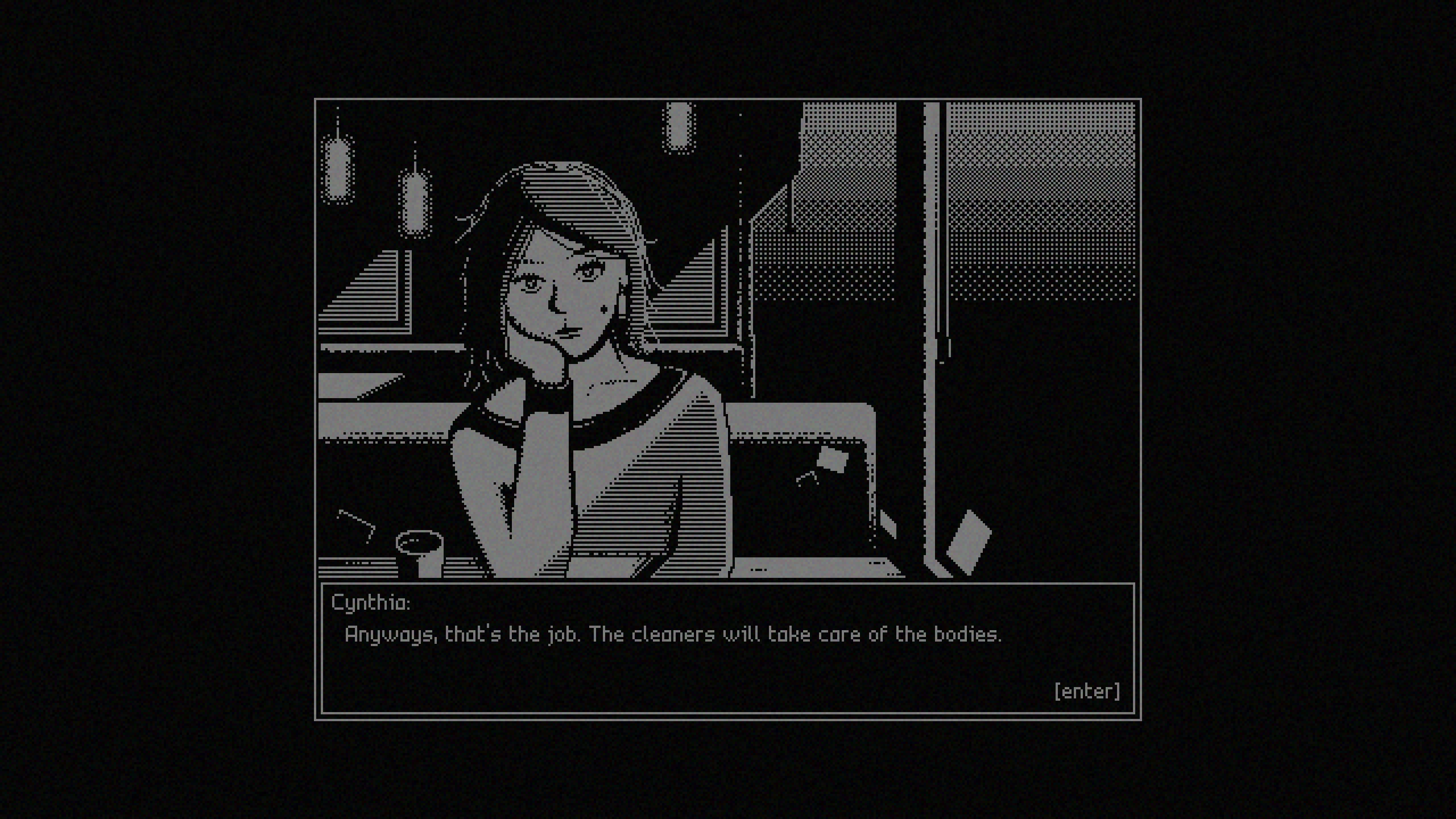
"REPOSE is in many ways inspired by a collection of smaller things I enjoy in other games, like how the flashlight works in Doom 3, how you need to read maps in the Thief games, or how Amnesia: The Bunker creates tension with limited supplies," Bertold says. "The creative process was often just driven by feelings I wanted to create for players figuring the game out."
This mash-up is REPOSE's greatest strength. You play a new employee of The Company (yes, that's the name) who's tasked with going deep into a facility to gather oxygen tanks. You have a couple of tools, like a flashlight and an axe, but per Doom 3, you can't use them at the same time. Along the way, you'll find items that can give you more energy in a pinch or reveal information about The Company, and there’s a mysterious figure named Aaron that pops up in your dreams. REPOSE also uses save codes that work like passwords attached to different areas of the game. This was used with older console titles so that save data didn't have to be stored on a cartridge, which obviously isn't a problem with a modern PC game.
A lot of the reasons behind these choices can be attributed to vibes, as Bertold mentions, but they're all in favor of severe restrictions that make you feel claustrophobic and powerless as you play. A step counter that starts at 50 glares at you from the bottom of the screen. With each step you take, the number goes down. When it hits zero, you collapse and are transported back to the last checkpoint—which in this case is the last bed you rested at during your journey. Picking up oxygen tanks increases that step counter slightly, but there aren't many tanks to find, and your step counter might go up or down depending on environmental factors. There are also the creatures—part human, part tentacle, part decay—spread out across the levels to worry about. One hit, and you'll die. If you see one, you need to swing your axe immediately.
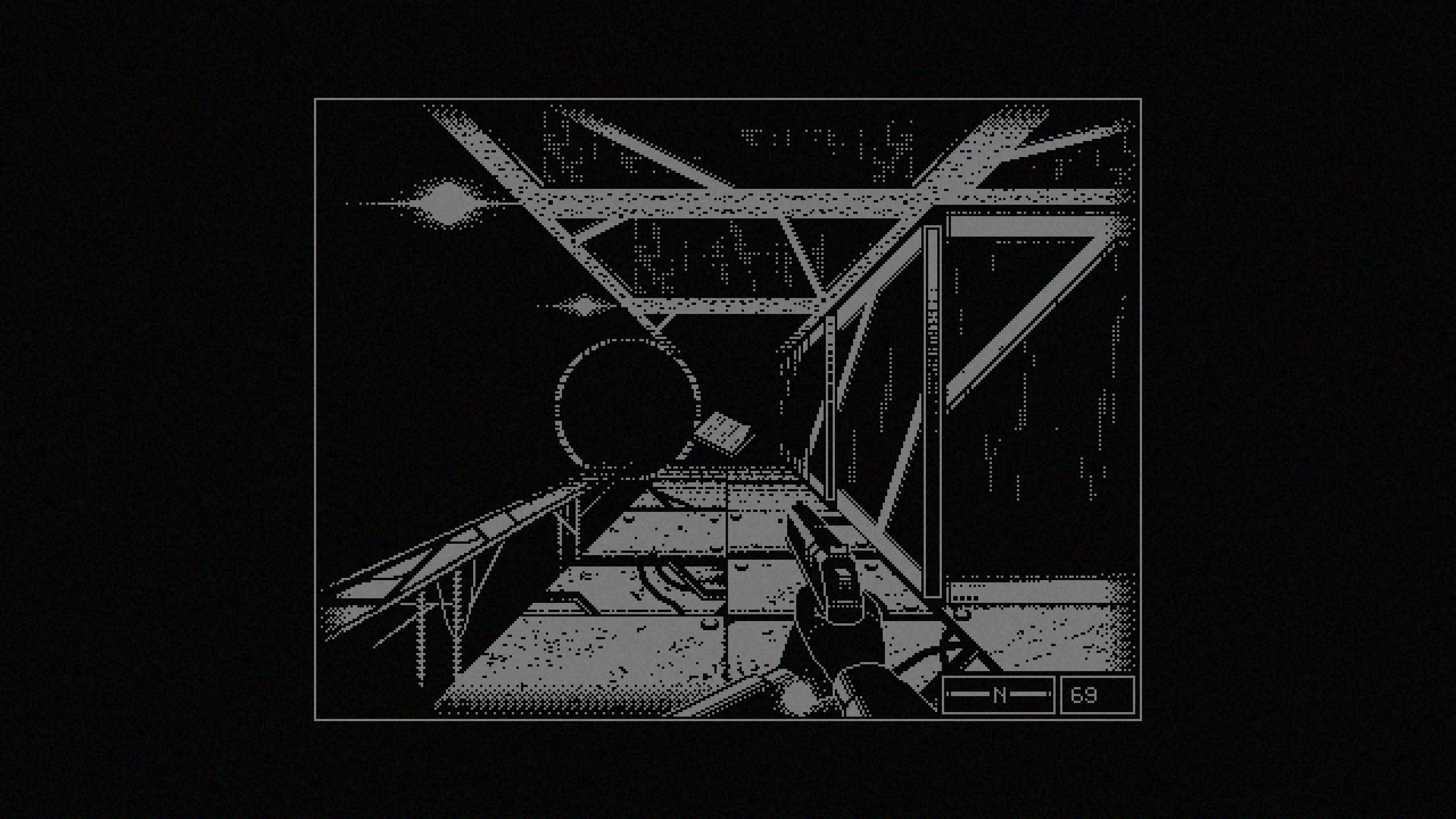
Over time, all these elements start to come together. Once you figure out the layout of a new area, you can use muscle memory to unlock all the doors that you need to continue. The game works through trial and error, so figuring out where to go or how to overcome your step limit is key. But even as the game reveals its secrets and becomes more familiar, there are still plenty of surprises. The save code system offers some rewards if you know where to look, for example. And with each step, you'll encounter a new, hand-crafted frame.
REPOSE may have a lot in common with some popular horror games today, but this combination creates something wholly unique. It's suffocating in both its art and gameplay but still manages to push you forward to figure out exactly what's beyond the next frame or the next door. In the end, this mash-up was what Bertold cherished about making the game.
"My advice is to not be afraid to break genre conventions if you have a different idea for your dream project. For developers, genres are often more useful as a starting point than as an end goal," Bertold says.
Dare to enter REPOSE? It’s out now on the Epic Games Store.