Nieuws
Step into 11th-Century India in Son of Thanjai
C
Charlie Wacholz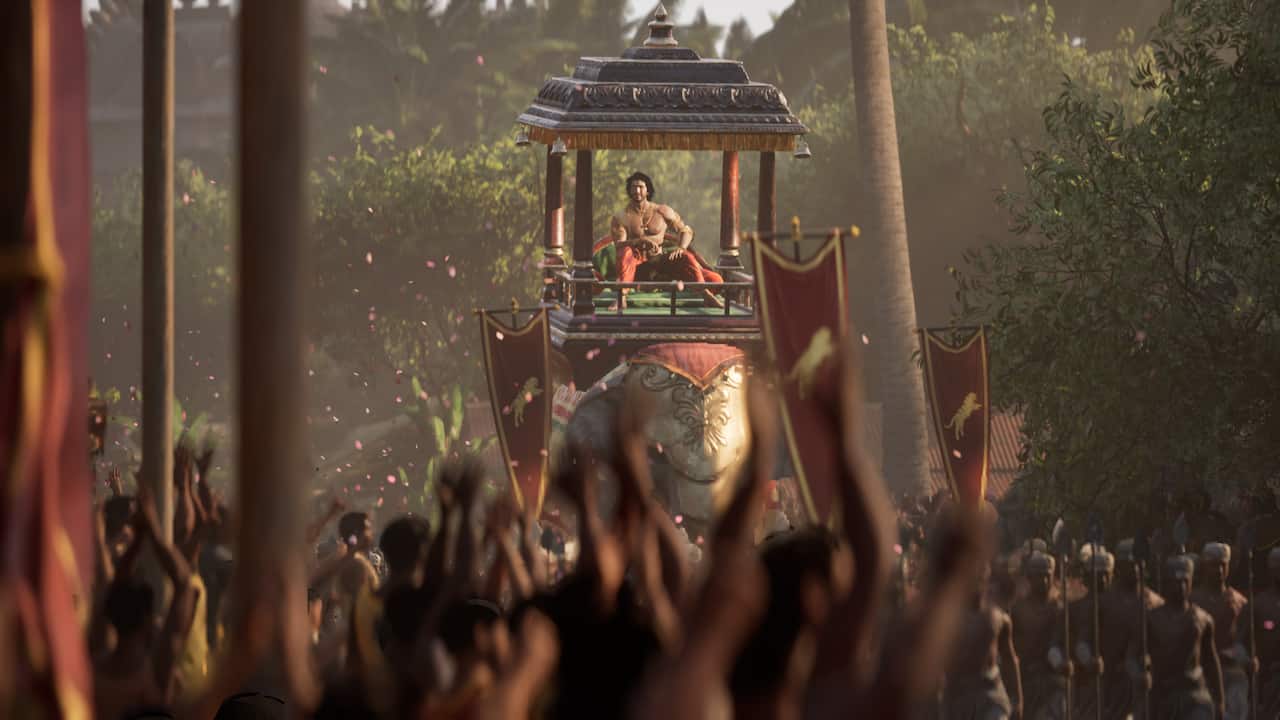
It’s a rare treat to explore a real place in a video game. Often reserved for the locales found in Assassin’s Creed games (like Baghdad in Assassin’s Creed: Mirage), it can be hard to find games that attempt to realize these places with authenticity. Otherwise, these recreations tend to lean into recognizable, though synthesized, elements of these places while infusing them with more fantastic elements like Death Stranding II’s takes on Mexico and Australia.
Both are worthwhile and let developers and environmental artists flex their muscles in different ways, and even the more fictionalized stuff can still represent a place well. However, I wish more developers used this art form’s ability to transport us in an educational or informative way, like in the Assassin’s Creed series... That’s not to say stuff like AC or Ghost of Tsushima doesn’t embellish or fictionalize, but I love experiencing even a glimpse of culture, art, and architecture from another era in history through play the way someone from that time would.
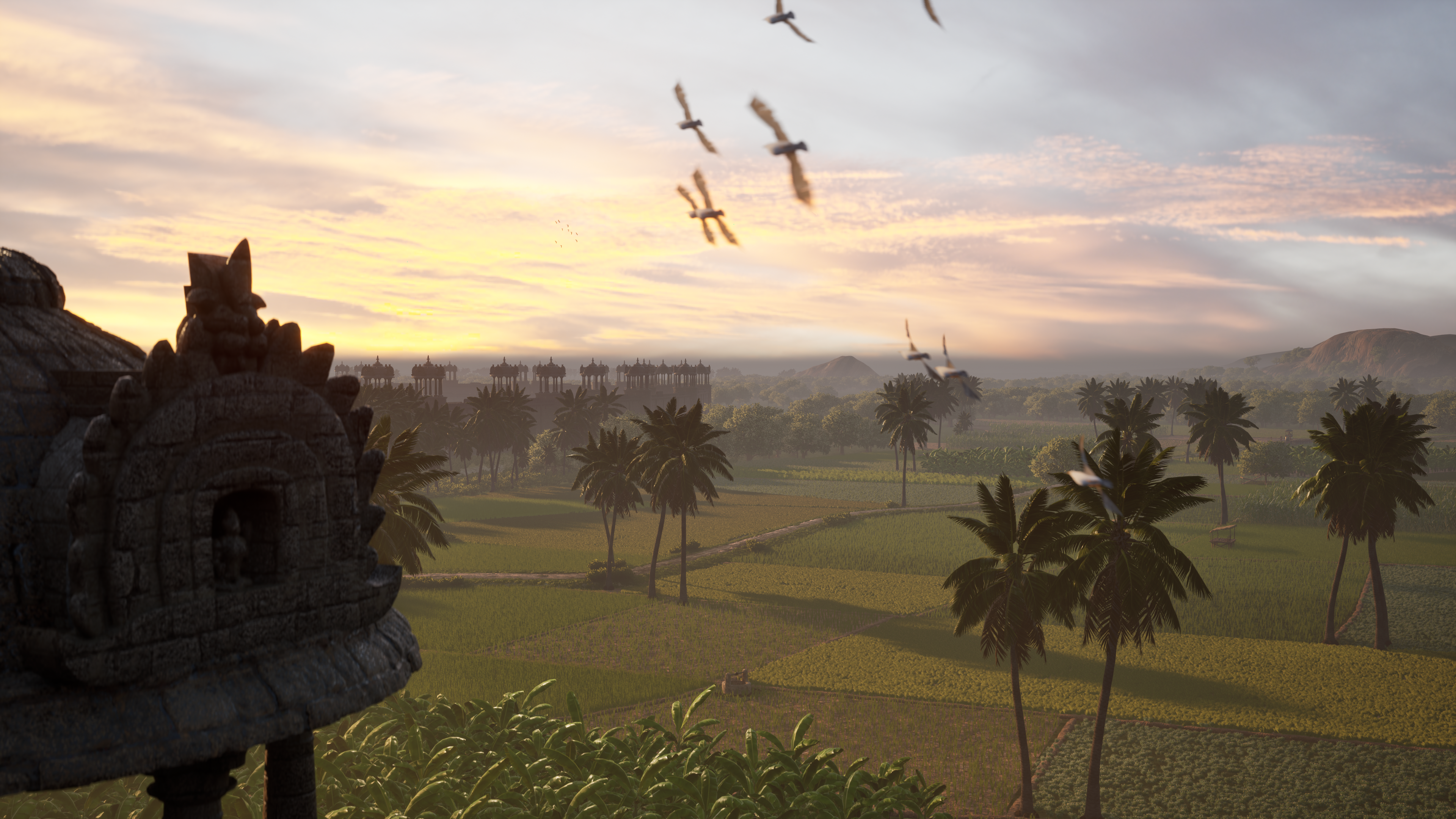
Son of Thanjai’s setting, Tamil Nadu, is situated at the southern tip of the Indian subcontinent and rife for this kind of archaeology-informed design. See, Tamil (the language from Tamil Nadu) is one of the world's oldest surviving languages, with records of its existence dating as far back as the third century BCE, putting it in similar territory as standardized Latin and Sanskrit. But unlike most of its contemporaries, mostly relegated to academic and religious use, Tamil is alive and thriving, with estimates putting the global Tamil-speaking population somewhere in the neighborhood of 86 million people.
Tamil’s continued survival and popularity are part of what makes Son of Thanjai’s specific perspective and potential so exciting. It allows the developers to more easily and directly consult thousand-year-old texts to better and more accurately represent the cultural and historical moment they’re trying to capture.
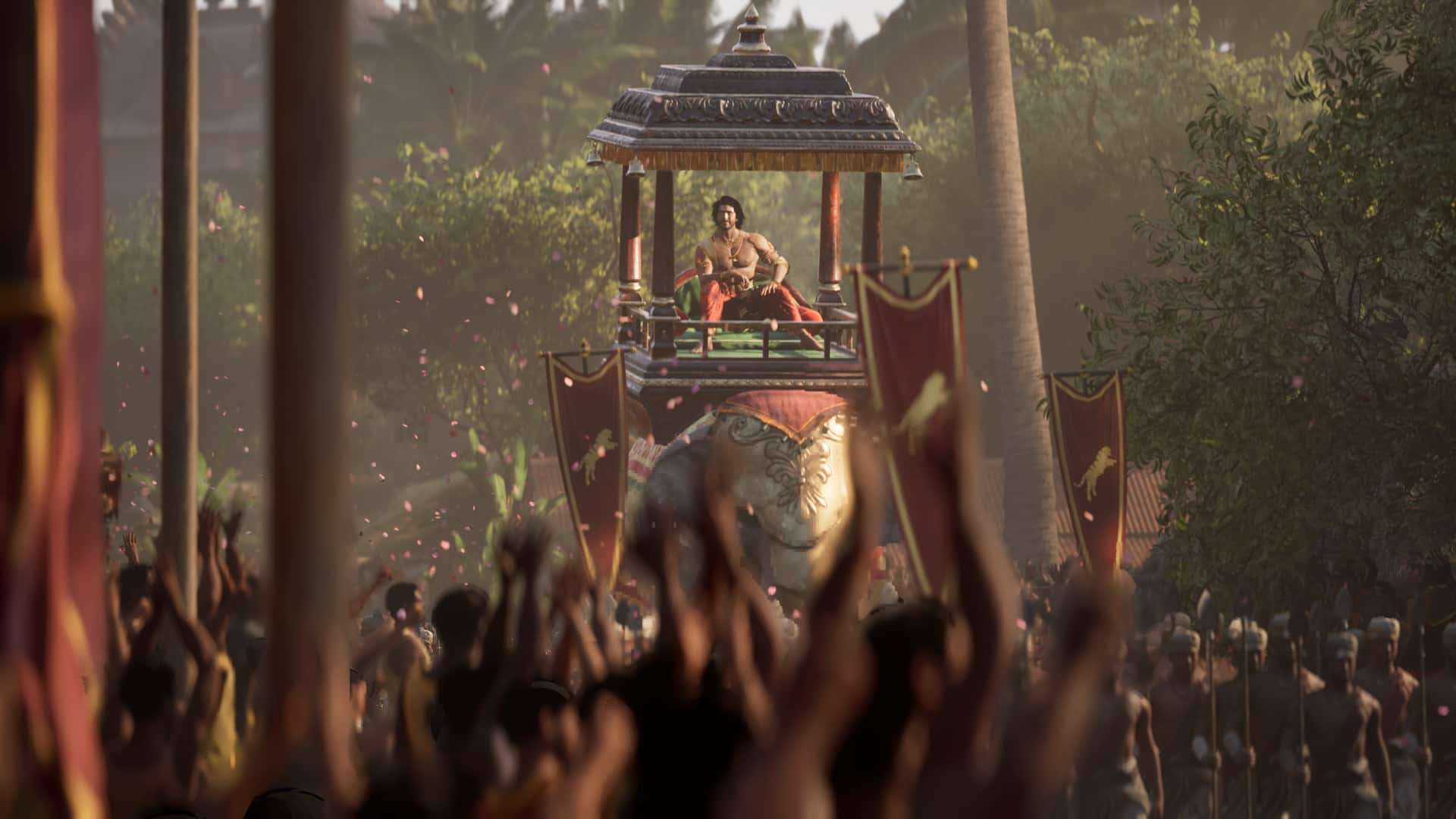
In fact, Son of Thanjai is actually about a real person, Rajendra Chola. Also known as Rajendra the Great, he ruled an empire smack dab in the middle of the Chola dynasty, which lasted from the 9th to the 13th centuries A game about a ruler known as great, set in the middle of his family’s dynasty, suggests that this isn’t just a story of one great man, but that of a culture at a particular height.
But all is not well for the young Chola king. After returning home from successfully conquering a nearby empire, he’s faced with an increasingly fractured kingdom and threats to his power from inside and out. Son of Thanjai is about Chola’s quest to restore and protect his reign.
In my time with the game, I started out in a lush field, dotted with local trees leading into a village, disguised as a mysterious traveler. Stopping to chat with a handful of the myriad NPCs on my way into town, I was stunned by just how many characters there were walking around, each going about their own day. Based on their behavior, I feel like I could’ve followed each one around as they went about their day. I didn’t, but I watched a handful perform different tasks.
I’m no expert, nor do I come from the Tamil culture, but getting to the village felt like witnessing a snapshot from a period piece or history textbook. This wasn’t just the village in an open-world game with requisite shops, places to rest, and such. It felt like a believable, living place as its citizens milled about.
That’s when studio head and creative director Abraham K surprised me: “So what you see, this is a real place; actually, our village. Everything you see here is authentic to our place.” I could feel the pride and excitement in his voice as he walked me through the village, adding, “We’re excited to share this experience with the world. I think not everyone is going to be there in South India in the villages and the countryside.”
By this point, I’d summoned my horse and put on a UI-hiding cinematic view that let me really appreciate his lovingly realized home. After trying (and failing) to enter some of the buildings, K promised that some would have interiors. As I wandered around, trying to suss out where I should go, an NPC directed me to a toddy shop outside of town.
Toddy shops are a South Indian kind of bar, where a spirit made from fermented palm sap (called toddy or kallu) is served. You can still find them around today. K explained to me that it’s pretty common to find them outside of town. Food, drink, and the totems and taboos surrounding those two things are often the clearest windows into culture. Everything from hearty breakfasts for farm laborers to this toddy shop being outside of town will tell you a story if you let it. It’s especially interesting coming from a background where the bar is always close to the center of town or a neighborhood. Abraham promised more such shops in the final game, all corresponding to the local ecosystem and population.
This diversity carries into some of the events the 35-person Ayelet Studio hopes to recreate. From local theater to cultural events that correspond with different seasons and times of year, I'm interested to see how this team translates their lived experience and cultural history into more personal
At some point in the demo, I started getting worried about everything Abraham was promising in the game, so I asked about how big they’d be planning to make the world. I was relieved to hear that, while a handful of biomes will be represented, they’re trying to keep their scope tight. “We’re building a wide open world, not a bigger one, but there’ll be a lot of places to be explored,” ensuring a welcome break from the often overwhelming scale these historical games sometimes have.
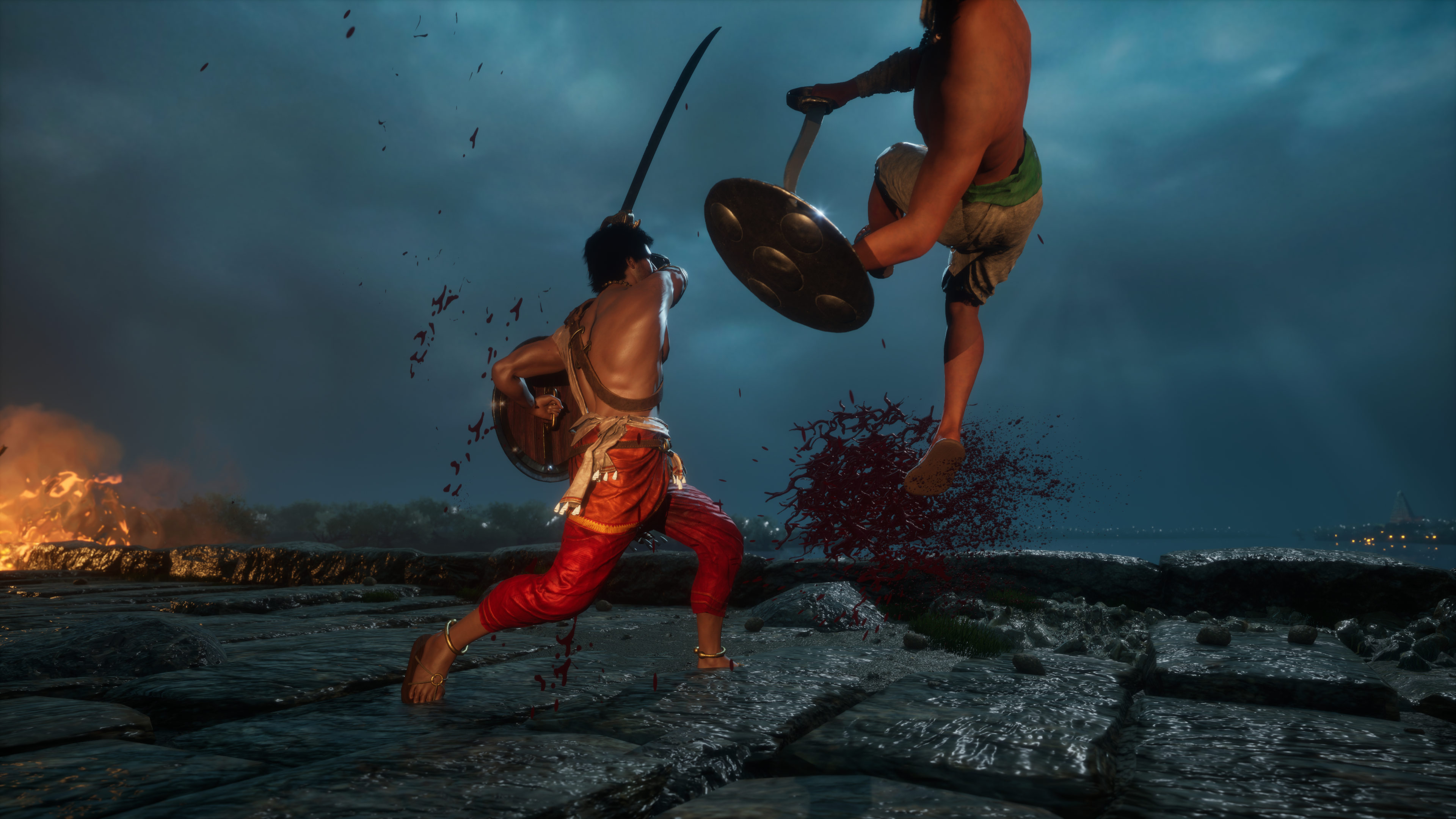
That cultural immersion doesn't stop at the settings and story, though. The young king wields a whip sword, authentic to the time, called a Surul Vaal, used in a local martial art called Kalarippayattu. This deadly, ranged weapon feels distinct from the standard sword-and-shield combat you might expect from this genre. Slashing in wide arcs and dismembering the armed troublemakers at the toddy shop, this thing felt powerful and deadly. To my surprise, the ne’er-do-wells responded in kind.
As if to acknowledge the legend behind this warrior king, Son of Thanjai has a fear system. If you take out certain people in the group you're fighting, the morale among the group drops. Some might run or cower in fear, especially if you master mixing high and low attacks against different kinds of opponents while dodging or countering the rest. A spear user started giving me some trouble, so I used a last resort: a brutal takedown move.
Combat, like a lot of the finer parts of this demo, is still pretty early on, so there wasn't much variance to the strikes beyond different combinations of highs and lows being more or less effective on my enemies as I claimed their limbs and heads, but the almost cartoonishly brutal dismemberment and cinematic camera still gave this encounter an epic sensibility.
The demo was pretty short. Ending with the combat encounter, I left curious to see this empire’s capital city, to hear its language, to learn its story, and excited by Ayelet Studio’s vision.
You can wishlist the game on the Epic Games Store now.