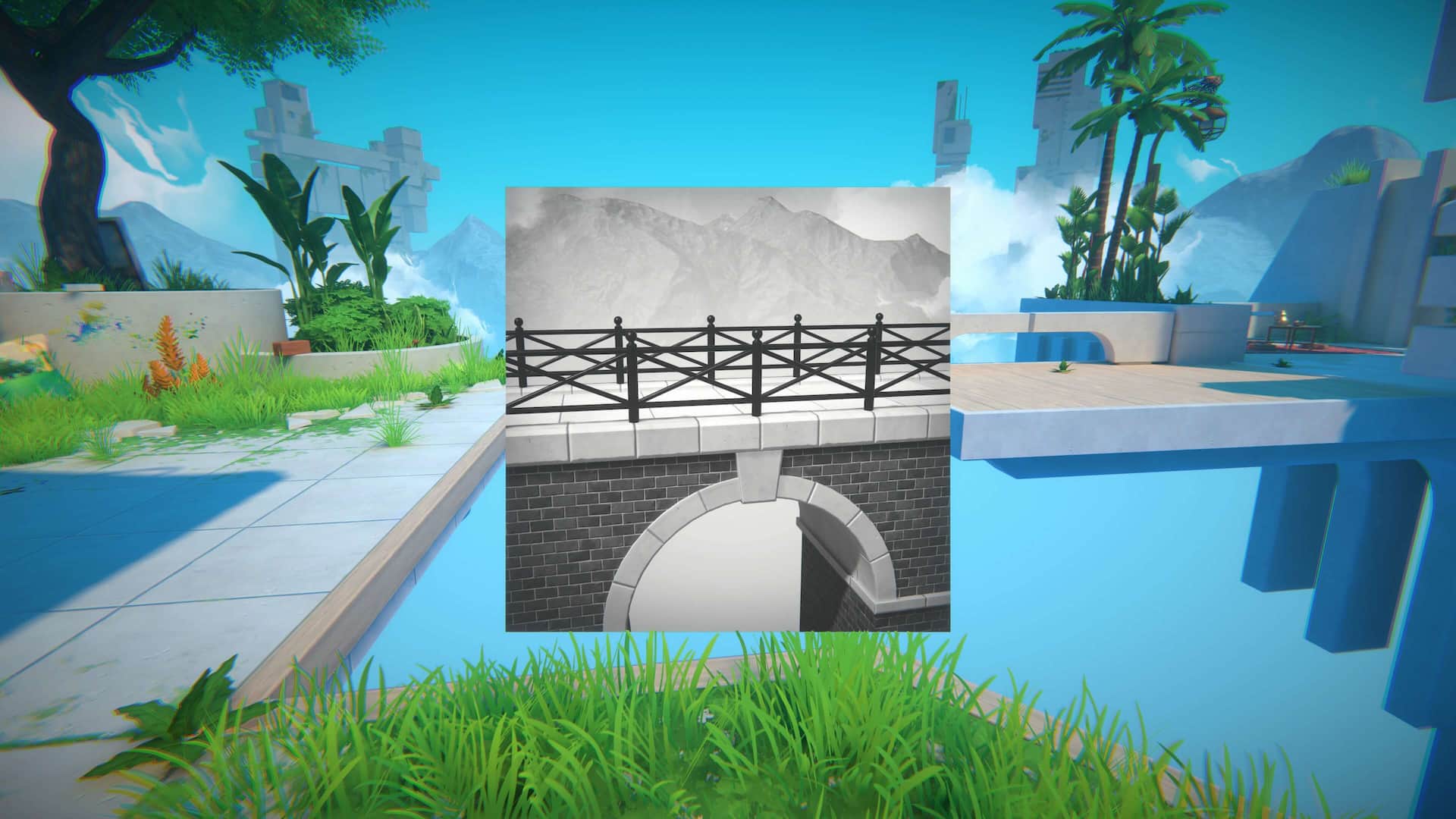
In Viewfinder, a picture is worth far more than a thousand words
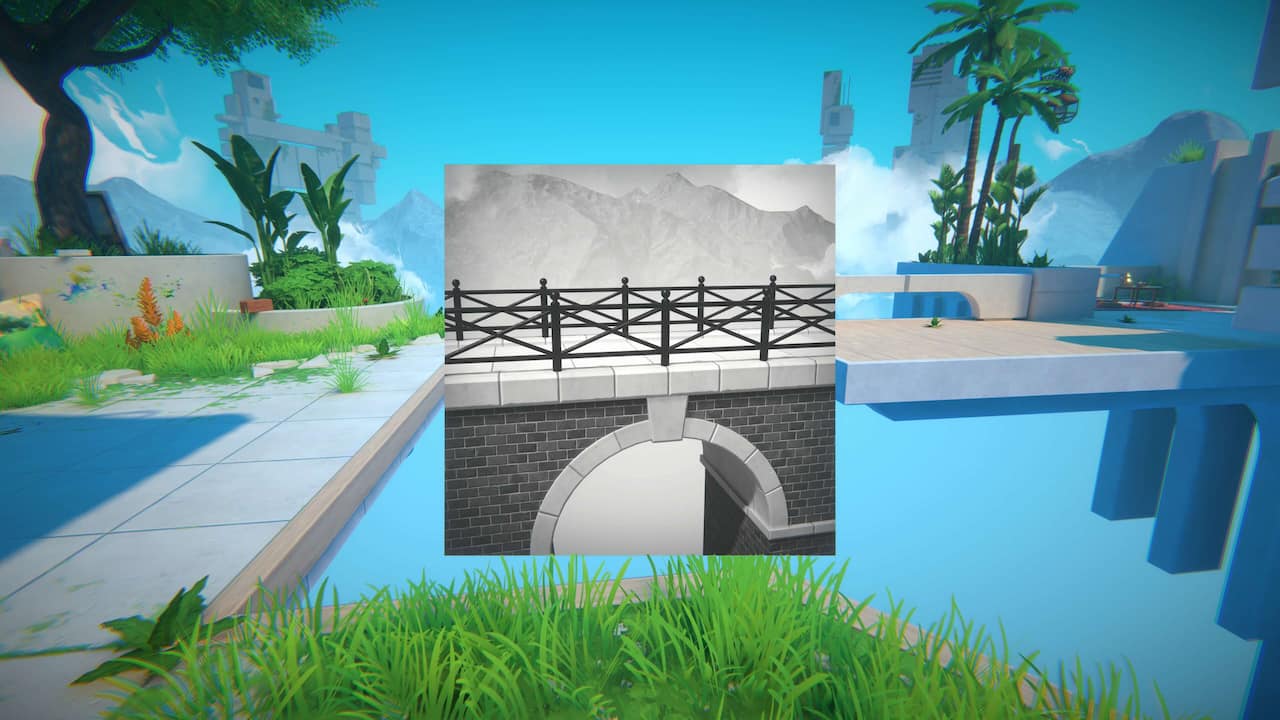
Fallout. Metro. Deus Ex. Horizon. What do these game series (and many, many others) have in common? They take place in futuristic alternate realities that show the terrible consequences of taking life on earth for granted. The effects of nuclear holocausts, unhinged technology, and corporate greed are on full display in nearly every frame, from the overgrown skyscrapers above to the mutated creatures lurking below.
Viewfinder is a different take on the end of the world. Originally released in 2023, Viewfinder’s world is one of environmental catastrophe. Unchecked industrial expansion has devastated the climate, wiping out most of the flora and causing oxygen levels to decrease. As a result, humanity is on the verge of extinction, along with all other life on the planet.
Unlike other digital dystopian futures, however, Viewfinder doesn’t look the part. Its world is full of color, with clear skies, lush plant life, and enchanting details. The vibrant visuals and calming ambient music create a serene environment with no sense of urgency, allowing you to meander through and solve puzzles at your own pace. That’s because Viewfinder takes place in a picture-perfect simulation—and as you’ll soon find out, those pictures are the key to saving the world.
Spoiler alert: The final section of this article contains vague spoilers for Viewfinder!
A different kind of dystopia
The themes of environmentalism in Viewfinder feel more like a warning. Though things aren’t quite so dire in real life, there are a lot of parallels. Rising temperatures, record-setting droughts, and widespread tree loss currently threaten the planet we call home. It’s a serious and urgent topic, and one that doesn’t usually go hand-in-hand with light-hearted escapism. But Viewfinder’s simulation shows no signs of the desperate circumstances happening in the real world.
A voice in your head—not an internal monologue, but a colleague on the outside—keeps you tethered to reality. This colleague, Jessie, provides regular reality checks as you make your way through the game. “Is that a tree?” she asks at one point. “Is this what it used to look like? The world?” Her wonder and curiosity at experiencing the type of plant life that most of us see every day underscores just how dangerous it is to take it for granted.
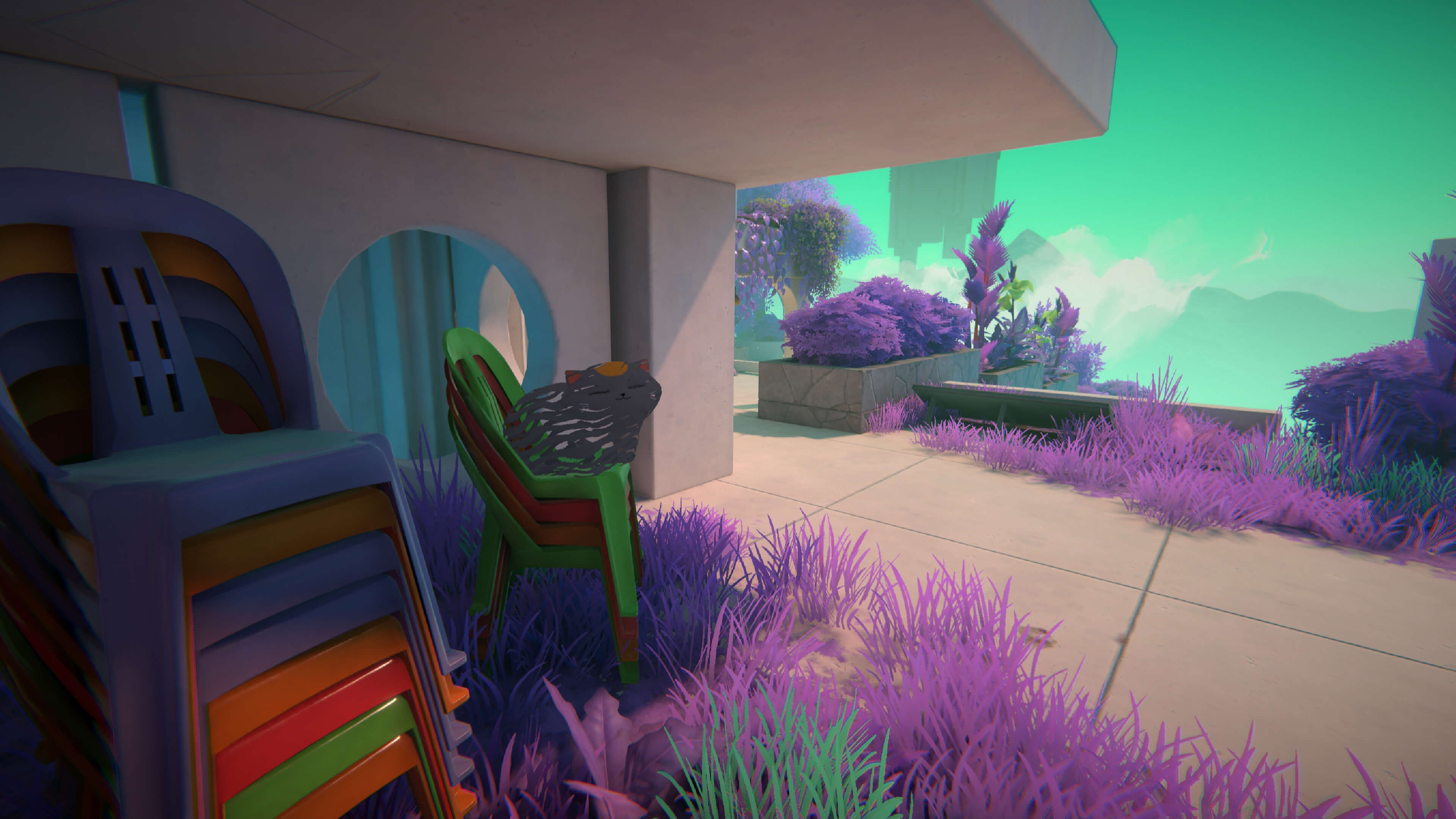
Aside from Jessie, you have one other companion in the simulation: Cait, an AI Cheshire cat (no, not that kind) with an adorable face and a charming accent. As an “artificial record keeper,” Cait is the one who maintains the simulation, and he’s happy to guide you through it. You’re not the first visitor to this simulated environment. The scientists who previously inhabited it have left behind signs of life, including notes, keepsakes, and audio recordings. The scientists are gone, but Cait ensured that their crucial research remains.
It’s up to you to pick up where they left off—and you can’t do it without a camera.
Look at this photograph
At the heart of Viewfinder’s puzzles is a clever photography mechanic that quite literally allows the player to look at solutions from a different angle. An image of a building turned sideways becomes a bridge. A distant horizon clears a path where an impenetrable wall once stood. At first, you’ll find these images among the scientists’ abandoned possessions. Soon enough, you’ll find your own Polaroid-esque camera, giving you even more control over how you manipulate the world inside the simulation.
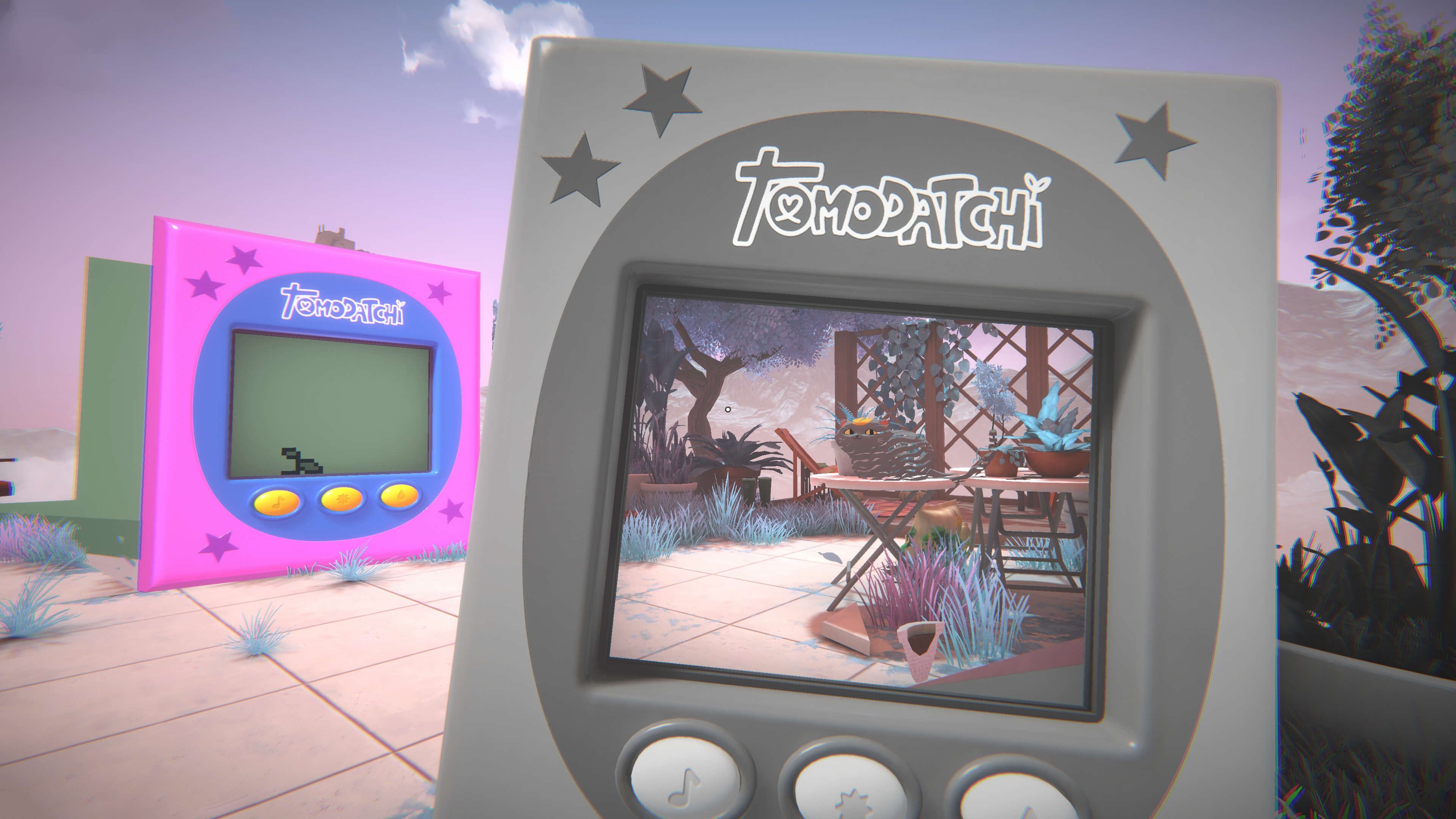
Viewfinder's puzzles force the player to think about environments in new ways, and they become more complex the deeper into the simulation you go. Before long, you’ll be playing with color, shape, distance, time, and object permanence. Game Director Matt Stark called Viewfinder’s shifting perspectives “Inception-like” in a 2023 interview, and it’s an apt comparison. Just like the Christopher Nolan film, Viewfinder is a dreamlike experience where nothing is exactly as it seems.
Stark and his team at Sad Owl Studios were inspired by another first-person puzzle game that pushed boundaries, Valve's 2007 gem Portal. That game also took a simple concept—a gun that shoots portals—and made it increasingly complex. “Every single bit of Portal is in service to the main mechanic in some way,” Stark said. His goal was for Viewfinder to share that same cohesiveness throughout its story.
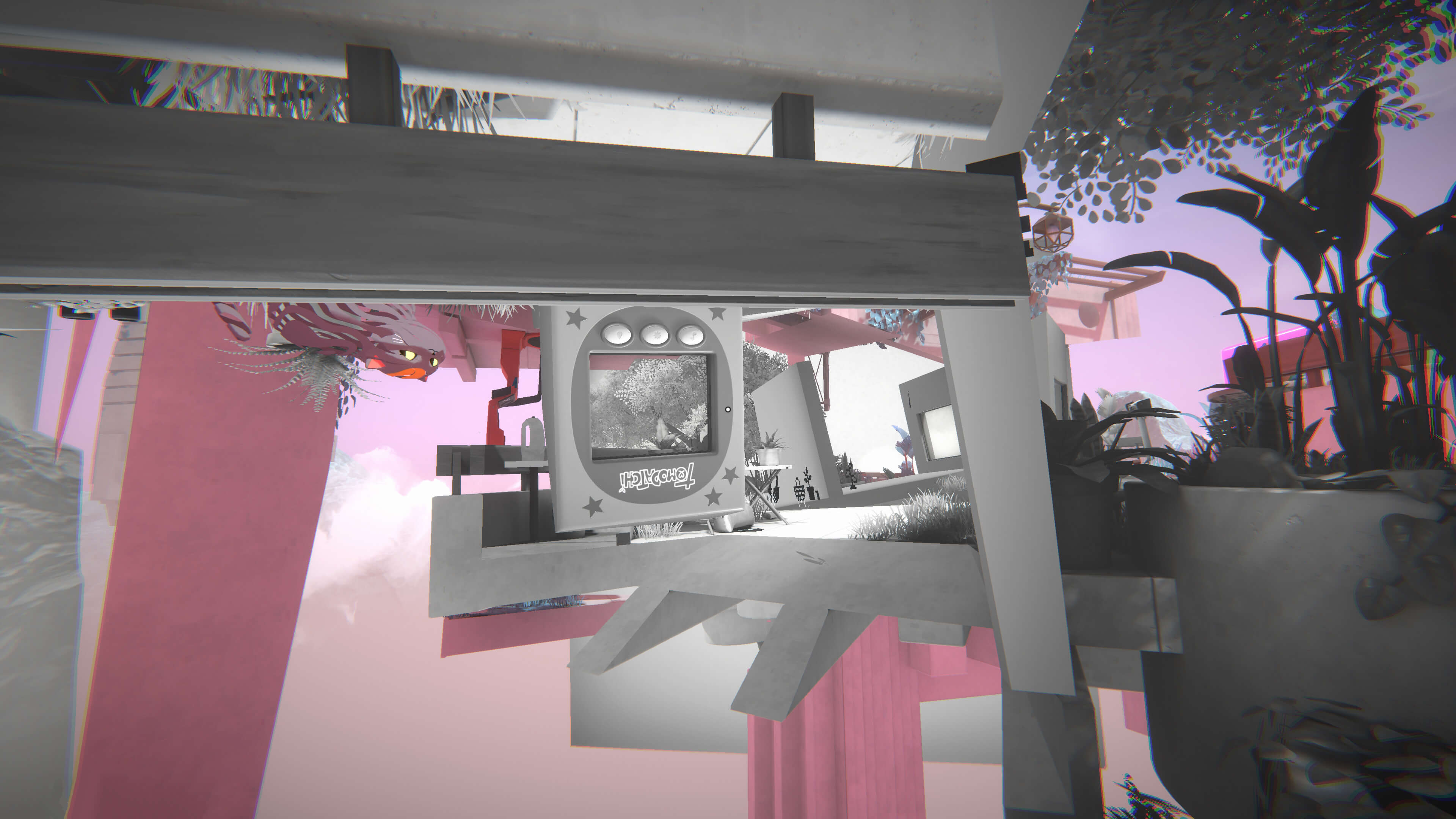
In that respect, Stark was successful. The puzzles of Viewfinder are incredibly satisfying to solve. On paper, the photo mechanic—though refreshingly original—is fairly simple. In practice, it becomes surprisingly complex.
Signs of life
Toward the end of Viewfinder, it appears that all hope of recovering and completing the scientists’ research has been lost. We’ll keep it vague to avoid spoilers, but the simulation begins to reflect the extenuating circumstances on the outside. As the utopian vision begins breaking down, it’s time to find a way out. “Do you think there’s a way forward?” Cait asks. “Even without an answer? Even without absolutes?”
Just like in the real world, there is no perfect solution or easy fix. The game ends on a note that’s part heartbreaking, part hopeful. How you interpret that final message is up to you.
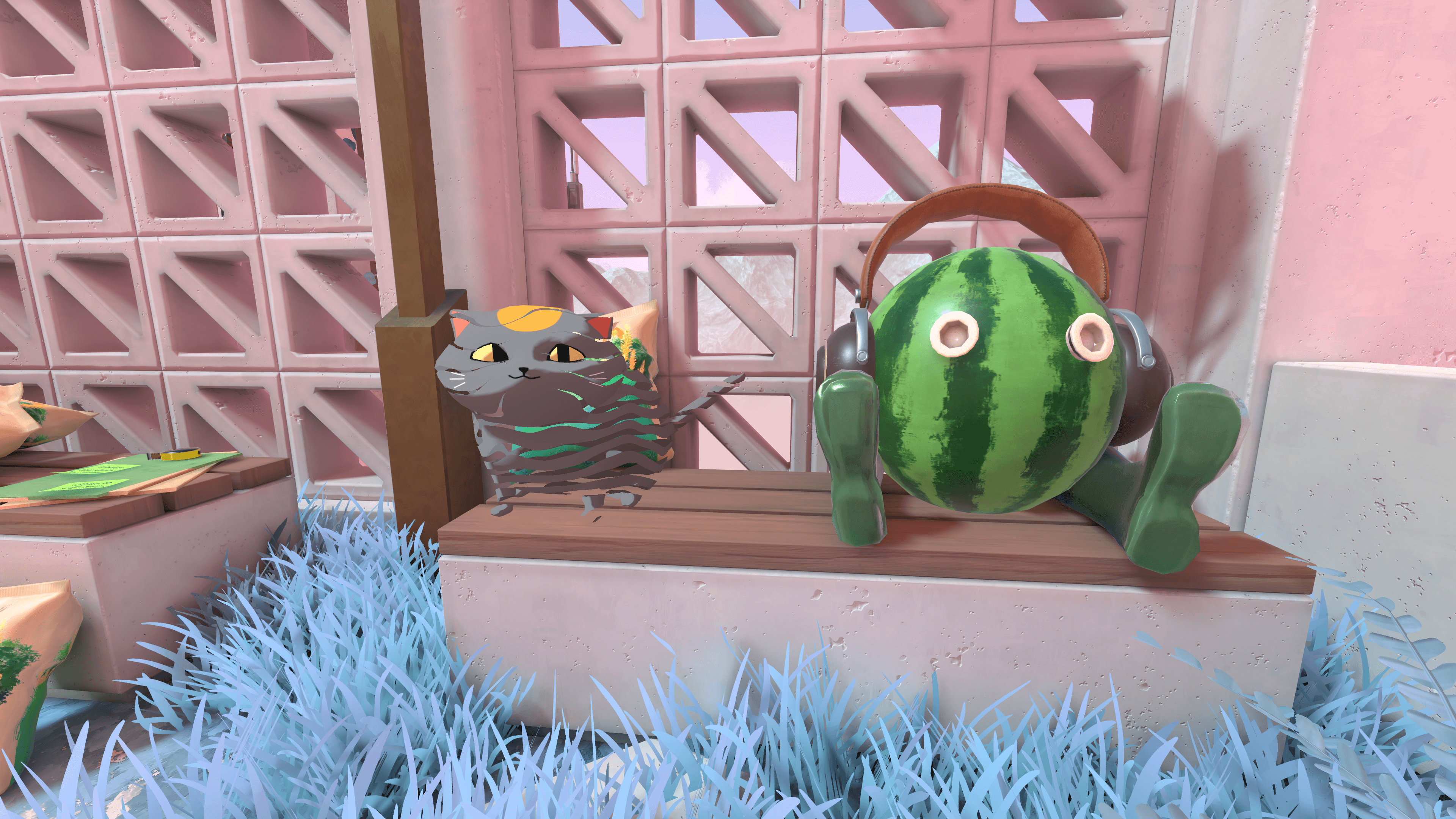
For a game that’s only a few hours long, Viewfinder has stuck with me for years—and now that it’s available on the Epic Games Store, even more players will be able to experience this mind-bending trip through the simulation. In revisiting Viewfinder a couple of years after initially playing it, I was once again charmed and impressed by not only its puzzles, but its message.
Personally, I like to think it ends on a hopeful note.
Viewfinder is available now on the Epic Games Store.